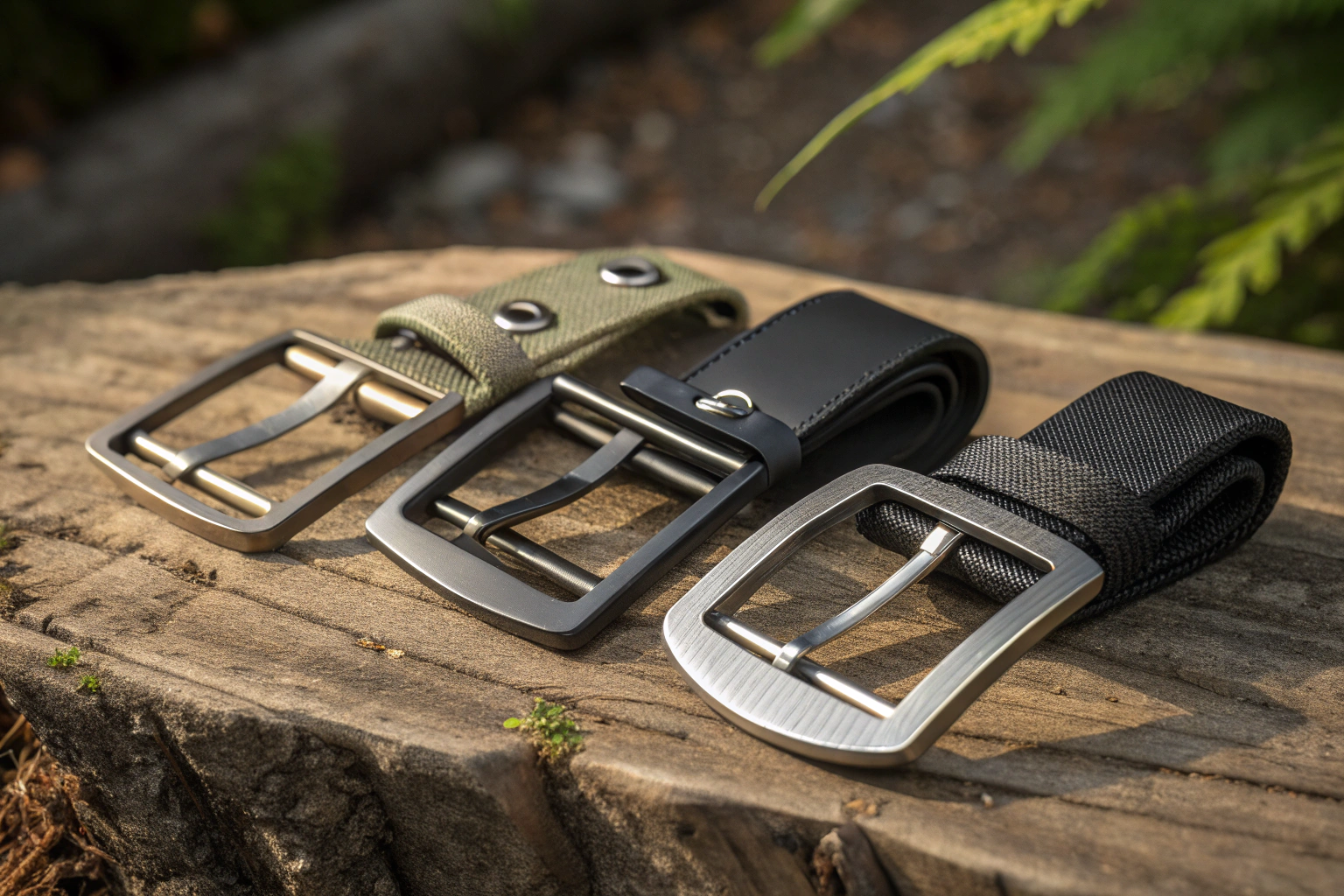
For anyone sourcing or designing outdoor gear, a rusted belt buckle is more than an eyesore—it’s a failure point that can compromise function and durability. Outdoor enthusiasts and professionals need hardware that stands up to sweat, rain, salt, and humidity. Selecting the right rust-resistant material is a critical sourcing decision that impacts product longevity, customer satisfaction, and brand reputation. Understanding the core materials and protective technologies available is the first step to making an informed choice.
The most rust-resistant belt buckle materials for outdoor use are solid stainless steel (especially marine-grade 316L), titanium, and certain advanced plated alloys. Their resistance is maximized when combined with surface treatments like PVD coating, electrophoretic plating, or powder coating. While no material is completely impervious, these options provide the highest level of protection against the corrosive elements encountered in outdoor environments, from saltwater spray to acidic sweat.
The quest for the perfect outdoor buckle balances corrosion resistance with other factors like cost, strength, and aesthetics. Let’s examine the top-tier materials and the advanced engineering that makes them suitable for the toughest conditions.
Which Base Metals Offer the Best Inherent Rust Resistance?
The foundation of rust resistance lies in the base metal itself. Certain alloys are formulated at the molecular level to fight oxidation, providing protection that won’t peel or wear off. For outdoor applications where the finish might get scratched, this inherent resistance is a crucial safety net. The leading choices are defined by their specific alloying components, which create a passive protective layer against corrosion.
For the highest level of inherent corrosion resistance, especially in harsh marine or industrial environments, marine-grade 316L stainless steel is the industry benchmark. This alloy contains molybdenum (typically 2-3%), which dramatically enhances its resistance to chlorides and acidic environments like saltwater and sweat. Following closely is titanium, which is not only highly corrosion-resistant but also exceptionally strong and lightweight, making it premium for high-performance gear. For many general outdoor applications, 304 stainless steel offers excellent protection at a more accessible price point, though it lacks molybdenum and is less suited for constant saltwater exposure. These materials form a stable, self-repairing oxide layer that prevents rust from taking hold.
Why is 316L Stainless Steel the "Marine-Grade" Champion?
The superiority of 316L stainless steel lies in its chemistry. The "L" denotes low carbon content, which minimizes harmful carbide precipitation during welding, preserving its corrosion resistance at weld points. The key ingredient is molybdenum. This element strengthens the passive oxide layer on the metal’s surface, making it exceptionally resistant to pitting and crevice corrosion caused by chlorides in saltwater, de-icing salts, and even acidic perspiration. This is why it’s specified for marine hardware, chemical processing equipment, and surgical implants. The American Society for Testing and Materials (ASTM) provides extensive standards for stainless steel grades, including A240 for 316L, detailing its composition and properties. When sourcing buckles for outdoor gear destined for coastal activities or heavy sweating, specifying 316L is a clear mark of quality and durability that informed buyers like Ron will recognize and value.
How Do Material Properties Compare for Outdoor Durability?
Choosing a base metal involves balancing several key properties. The table below provides a clear comparison:
| Material | Key Alloying Elements | Best For | Considerations |
|---|---|---|---|
| 316L Stainless Steel | Iron, Chromium, Nickel, Molybdenum | Marine environments, saltwater, high-humidity, chemical exposure | Higher cost than 304, excellent all-around performance. |
| 304 Stainless Steel | Iron, Chromium, Nickel | General outdoor use, freshwater environments, rain | More cost-effective, lacks molybdenum for severe chloride resistance. |
| Titanium | Titanium (commercially pure or Grade 5) | Ultralight gear, premium applications, maximum strength-to-weight | Highest cost, difficult to machine, outstanding corrosion resistance. |
| Weathering Steel | Added Copper, Phosphorus, Chromium, Nickel | Aesthetic "rustic" look where a stable patina is acceptable | Forms a protective rust layer; not for a "like-new" appearance. |
A noteworthy innovation in material science is Metal Injection Molding (MIM) for stainless steel. This process, as utilized by some technical manufacturers, allows for the complex, net-shape production of buckles from 316L powder. It results in parts with very low porosity (≤2%), which eliminates microscopic pathways for corrosion to start. This is a significant advantage over traditional casting methods, which can leave internal defects. For businesses looking for intricate buckle designs without compromising on material integrity, partnering with a factory like Shanghai Fumao Clothing that has expertise in MIM or precision stamping of high-grade alloys can be a game-changer.
How Do Surface Treatments Enhance Rust Protection?
Even the best base metals can benefit significantly from an engineered surface treatment. These treatments act as a physical barrier, shielding the metal from direct contact with corrosive elements like water, oxygen, and salts. For outdoor buckles that face abrasion from gear, clothing, and pack straps, a durable coating is essential to maintain both appearance and protection over the long term. The right treatment can elevate a good buckle to a great one.
The most advanced and durable surface treatments for outdoor buckles are Physical Vapor Deposition (PVD) coating and electrophoretic plating (E-coating). PVD bonding creates an extremely hard, thin ceramic-like layer that is highly resistant to scratches, UV fading, and corrosion. Electrophoretic plating offers superior coverage, evenly coating complex shapes and recesses that traditional electroplating might miss. For a thicker, highly customizable protective barrier, powder coating is an excellent choice, providing a robust layer that can be color-matched to any gear line. These modern methods have largely surpassed older techniques like standard electroplating, which can be prone to chipping and may involve environmental and health risks.

What Makes PVD Coating a Superior Choice for Outdoor Gear?
PVD coating is a process where titanium, chromium, or other metals are vaporized in a vacuum chamber and bonded at a molecular level to the buckle’s surface. This results in finishes like titanium nitride (TiN), which is famously used for black or gold-colored drill bits due to its extreme hardness. For buckles, the advantages are multifaceted. First, the coating is exceptionally thin yet tough, meaning it doesn’t change the part’s dimensions but provides a shield harder than the base metal. Second, it offers excellent uniform coverage even on complex geometries. Third, it is highly resistant to UV degradation, so colors won’t fade in sunlight. Finally, the process is more environmentally friendly than traditional electroplating. The National Association for Surface Finishing (NASF) provides technical resources on the advantages and applications of PVD coatings. This makes PVD an ideal choice for buckles on technical backpacks, climbing harnesses, and tactical gear where every component must endure extreme abuse.
Can Advanced Plating Techniques Replace the Base Metal’s Role?
While no coating should be relied upon to compensate for a poor-quality base metal, advanced plating techniques can significantly boost performance. A prime example is the move away from traditional zinc alloy die-casting with electroplating—a common but problematic approach. As noted in a patent for buckle manufacturing, traditional processes can lead to surface scratches, environmental pollution from plating baths, and even potential heavy metal hazards. Modern alternatives like stamping buckles from solid stainless steel strips and then applying an electrophoretic coat eliminate these issues. E-coating uses an electrical charge to deposit paint evenly over the entire part, including edges and tiny crevices, creating a uniform barrier. This method, combined with a stainless steel substrate, yields a product with excellent corrosion resistance, a flawless appearance, and higher structural integrity. When evaluating suppliers, it’s wise to inquire about their surface treatment capabilities. A manufacturer that invests in these advanced technologies, like Shanghai Fumao Clothing, demonstrates a commitment to producing durable, high-quality outdoor hardware that addresses the core concerns of quality control and product longevity for brands and importers.
What Are the Key Testing Standards for Corrosion Resistance?
Trusting a supplier’s claim that a buckle is "rust-resistant" is not enough for professional sourcing. Verifiable, standardized testing is the only objective way to compare products and ensure they will meet the demands of the outdoor market. Understanding these tests allows you to specify minimum performance requirements and gives you confidence in the product’s reliability, which is crucial for managing quality control from overseas.
The most critical and universally recognized test for corrosion resistance is the Salt Spray Test (often called a "salt fog" test). This accelerated test simulates years of exposure to corrosive coastal atmospheres in a controlled chamber. The standard result is reported in hours until the first sign of red rust appears. For outdoor buckles, a minimum of 96 hours of neutral salt spray testing is a common baseline for general use, while premium or marine applications should target 200 hours or more. Some advanced treatments, like certain fluorocarbon coatings over stainless steel, have been tested to withstand 1000 hours, far exceeding conventional standards. Other relevant tests include Cyclic Corrosion Testing (CCT), which alternates between salt spray, humidity, and drying phases to better mimic real-world conditions, and tests for UV resistance to ensure colors and coatings do not degrade in sunlight.
How to Interpret Salt Spray Test Results for Your Product?
When a factory provides a salt spray test report, you need to know what you’re looking at. The key parameters are: Test Standard (e.g., ASTM B117 or ISO 9227), Test Duration (e.g., 96 hrs, 200 hrs, 500 hrs), and Acceptance Criteria (e.g., "No red rust on front-facing surfaces"). It’s important to note that the test is performed on finished samples with all coatings applied. A result of "72 hours with no white corrosion products" is different from "72 hours with no red rust." White corrosion (often zinc or aluminum oxide) is less severe than red rust (iron oxide). For a stainless steel buckle with a PVD coating, the expectation should be zero red rust for the duration of the test. The American Society for Testing and Materials (ASTM) is a primary source for these standardized test methods. Requiring test reports from your manufacturer, or conducting independent audits, is a non-negotiable step in the due diligence process, directly addressing the quality control pain points of importers like Ron.
What Other Performance Tests Matter for Outdoor Hardware?
Beyond corrosion, outdoor buckles must endure physical stress. A comprehensive testing protocol should include:
-
Abrasion and Wear Testing: Using machines like a Taber Abraser to simulate years of rubbing against straps and clothing. This tests the durability of both the coating and the underlying metal.
-
Load-Bearing and Tensile Strength Tests: Critical for buckles used in load-carrying equipment like backpacks or safety harnesses. Tests should verify the buckle can withstand forces significantly above its intended use without deforming or breaking.
-
Compatibility Testing: Ensuring that the buckle material and finish do not cause discoloration or degradation to the nylon or leather strap it is attached to, especially when wet.
Manufacturers specializing in outdoor gear should have a quality control team that routinely conducts these tests and can provide data. For instance, a factory might test that a belt buckle machined from a specific high-alloy steel maintains a safety margin where operational stress remains well below the material’s yield strength. Asking for a Quality Control Plan or Test Report Summary is an excellent way to separate serious manufacturers from the rest. This level of detailed verification ensures that the products you source will perform reliably in the field, protecting your brand’s reputation and reducing the risk of costly returns or recalls.
How to Source and Specify Rust-Proof Buckles for Outdoor Lines?
Turning technical knowledge into a successful product requires clear communication and precise specifications with your manufacturing partner. Vague requests lead to misunderstandings, sample delays, and products that don’t meet expectations. A systematic approach to sourcing ensures you get the durability, aesthetics, and cost-effectiveness your outdoor line needs.
Successful sourcing starts with a comprehensive Technical Data Sheet (TDS) that you provide to potential suppliers. This document should unambiguously specify the base material (e.g., "316L Stainless Steel, ASTM A240"), the surface treatment (e.g., "Black PVD Coating, TiN, thickness 3-5μm"), and the required certifications or test reports (e.g., "Must pass 200 hrs ASTM B117 salt spray test with no red rust"). It should also include detailed drawings with dimensions, tolerances, and finish (e.g., "brushed satin finish on front face"). This clarity allows factories to provide accurate quotes and produce correct samples on the first attempt, streamlining the development process that brands and importers care deeply about.

What Should Be Included in a Purchase Specification?
A robust purchase specification goes beyond basic dimensions. It is a contract that defines quality. Key sections include:
-
Material Specification: Exact alloy designation and standard. Example: "Buckle body: 316L Stainless Steel, UNS S31603. Pin: 304 Stainless Steel, hardened to HRC 40-45."
-
Finish Specification: Type, color, and thickness of coating. Example: "Finish: Electroplated Black Zinc with clear chromate conversion coating. Salt spray resistance: 96 hours minimum to white corrosion."
-
Performance Requirements: Explicit test criteria. Example: "Product must withstand a dynamic load of 1500N applied to the pin without permanent deformation. Sample lot must pass 120-hour salt spray test per ISO 9227."
-
Quality Assurance: Inspection procedures. Example: "AQL 1.0 for critical dimensions and surface defects. Certificate of Compliance with test data required with each shipment."
Providing this level of detail demonstrates professionalism and sets a high standard. It allows a competent manufacturer like Shanghai Fumao Clothing to precisely meet your requirements and gives you a clear benchmark for inspecting pre-shipment samples. This process directly tackles the pain points of inefficient pricing and quality control by eliminating assumptions.
How to Evaluate a Manufacturer’s True Capabilities?
Before placing a bulk order, due diligence on the factory is essential. Request a capability presentation or audit that covers their metal sourcing, in-house processes (stamping, MIM, coating lines), and quality control lab. Ask for physical samples of similar buckles they have produced and, if possible, their test results. Inquire about their experience with outdoor, marine, or military clients, as this indicates familiarity with high-durability standards. During sampling, pay for a first article inspection report where they measure a sample against all your specs. Finally, ensure they have a reliable project manager who communicates proactively in English, providing timely updates on production and logistics—a key factor for smooth overseas collaboration. A partner that is transparent and equipped with modern technology, from 3D modeling software for design simulation to automated plating lines, is more likely to deliver a consistent, high-quality product that aligns with your brand’s commitment to durability.
Conclusion
Selecting the most rust-resistant belt buckle for outdoor use is a multi-layered decision that begins with choosing the right inherent material—with 316L stainless steel and titanium leading the pack—and is fortified by advanced surface treatments like PVD or electrophoretic plating. This technical foundation must then be validated through standardized corrosion and performance testing, such as salt spray tests, to ensure the product meets the harsh realities of field use. Finally, transforming these specifications into a reliable product requires clear communication and partnership with a capable manufacturer who can execute on these details with precision.
By methodically addressing each of these stages—material science, surface engineering, independent verification, and precise sourcing—you can confidently integrate hardware into your outdoor gear that enhances its durability and upholds your brand’s reputation for quality. This approach turns a potential weakness into a demonstrable strength, giving your customers one less thing to worry about on their adventures.
If you are looking for a manufacturing partner with the expertise to engineer and produce durable, rust-resistant buckles and hardware for your outdoor apparel or gear line, we are equipped to help. Our facility specializes in working with high-grade materials and advanced finishing techniques to meet precise specifications. For a consultation on your next project, please contact our Business Director Elaine at elaine\@fumaoclothing.com.