Finding a manufacturer for heated gloves means more than finding someone who can stitch fabric together. You are looking for a partner who can expertly combine textiles, electronics, and often smart technology into a safe, reliable, and comfortable product. For buyers focused on quality and development—while also keeping an eye on price and logistics—the process requires a structured approach to vetting specialized factories.
The key is to target manufacturers with proven expertise in technical or performance gloves, verify their electronic component and safety certification capabilities, and thoroughly assess their development process through direct communication and sample evaluation. This focused strategy helps you avoid factories that simply add heating pads to generic gloves, ensuring you get a durable, well-engineered product suitable for your market.
The market for heated gloves is expanding beyond niche applications, driven by advancements in materials like MXene that offer rapid heating and smart systems with app control. Whether you’re targeting consumers, industrial workers, or sporting professionals, aligning with a capable manufacturer is the first critical step to success. Let’s break down the actionable process to find and qualify the right partner.
Where to Find Manufacturers with Real Heated Glove Experience?
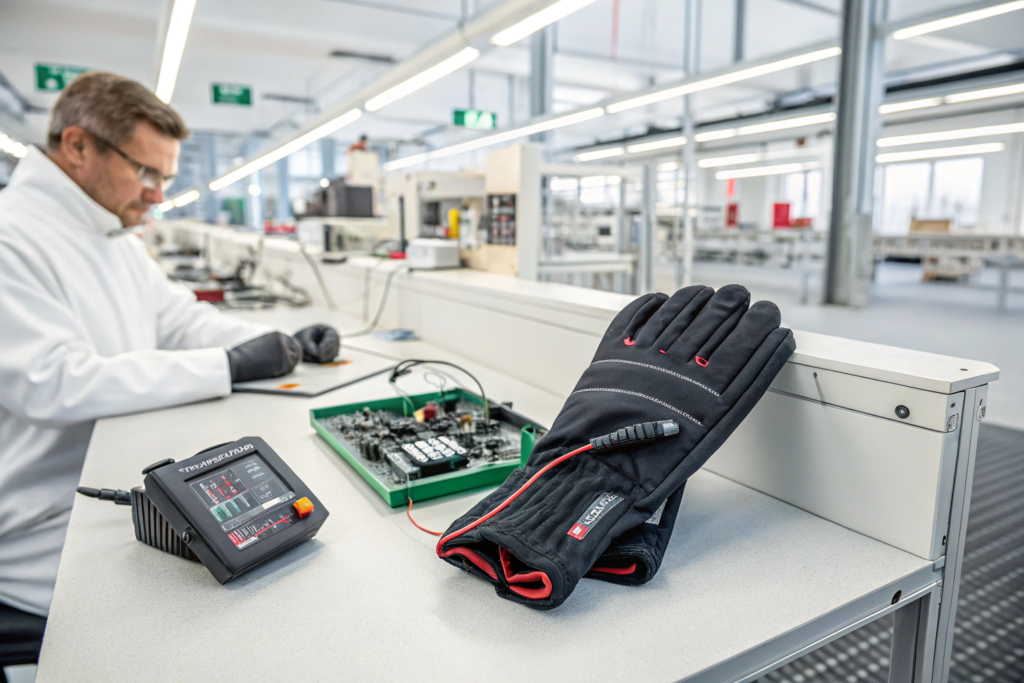
Your first step is to look in the right places. General glove suppliers are abundant, but heated glove manufacturing requires specialized knowledge in electronics integration, battery safety, and durable construction. Therefore, you need to refine your search to target factories with a track record in technical handwear.
Start by using precise keywords on B2B platforms like Alibaba and Global Sources. Instead of "winter glove manufacturer," search for "heated glove OEM," "battery heated gloves manufacturer," or "electric heating glove factory." These terms are more likely to surface suppliers who specialize in this category. Additionally, look for manufacturers that highlight partnerships with sports brands or experience in producing for professional events, as this often indicates higher quality standards. For example, a Chinese manufacturer like Yingkou Lianmengzhe Sports Equipment Co., which has provided gloves for national teams and events like the Asian Winter Games, demonstrates a level of technical proficiency that can translate to heated glove production.
What are the Best Channels to Discover Specialized Suppliers?
The most efficient channels combine online precision with industry networking. On B2B marketplaces, use the advanced filters to narrow down suppliers by product certification (like CE or FCC), and always prioritize "Verified Suppliers" or those with "Assessed" credentials. Beyond Alibaba, consider industry-specific directories or attending international trade shows focused on outdoor sports, electronics, or safety equipment. These shows, such as the Outdoor Retailer or ISPO Munich, are where leading manufacturers showcase their latest technologies. Building a relationship face-to-face can provide much deeper insight into their capabilities than online communication alone. For a comprehensive guide on global sourcing strategies, resources from the U.S. Department of Commerce can offer valuable frameworks.
How Can You Verify Their Technical Claims and Experience?
Once you have a shortlist, due diligence is crucial. First, request detailed product specifications and certification documentation. Any reputable manufacturer of electronic wearable goods should have CE, FCC, or RoHS certifications for their heated gloves, proving compliance with international safety and environmental standards. Second, ask for case studies or references. Inquire if they have produced heated gloves for other brands, especially in your target region (e.g., North America or Europe). Third, examine their research and development (R\&D) capabilities. Are they innovating, or just assembling bought-in components? For instance, some cutting-edge manufacturers are integrating intelligent algorithms for temperature control or using advanced materials for better performance. A factory invested in R\&D is a partner that can help you develop a superior product and stay competitive, much like the integrated approach we take at Shanghai Fumao Clothing.
What Critical Factors Must You Evaluate Beyond the Sample?
A good sample is promising, but it doesn’t guarantee smooth mass production or long-term reliability. Your evaluation must extend to the manufacturer’s systems for quality control, supply chain stability, and compliance, which are vital for a product containing electronics.
Focus on their Quality Control (QC) process specifically for heated gloves. It should include multiple checkpoints: component testing (for heating pads, wiring, and batteries), in-process checks during assembly, and a final function test where every glove is powered on to verify heat levels and distribution. Ask for their QC checklist and defect rate for previous heated glove orders. Furthermore, understand their battery sourcing. Since batteries are a critical safety component, the factory should use cells from reputable suppliers and be able to provide test reports from a third-party lab, such as UL or IEC standards for lithium-ion batteries.

What are the Key Questions to Ask About Production and Compliance?
Prepare a list of technical and commercial questions. Here is a essential checklist to guide your discussions:
| Evaluation Area | Key Questions to Ask the Manufacturer |
|---|---|
| Technical & Safety | Do you have CE/FCC certification for the electronic module? What is your battery safety protocol (e.g., overcharge/discharge protection)? |
| Supply Chain | Where do you source key components (heating elements, batteries, fabrics)? Can you provide supplier audits? |
| Production & Cost | What is the MOQ for custom heated gloves? Can you provide a detailed FOB price breakdown? |
| Logistics & Support | Do you handle export documentation and arrange shipping? What is your policy for defective products? |
How Do You Assess Their Ability to Handle Your Specific Needs?
Finally, test their project management and communication. A reliable partner will assign you a dedicated project manager who responds promptly and provides clear updates. Discuss your specific requirements in detail: target market (e.g., extreme sports, industrial work, casual use), price point, and any special features like touchscreen compatibility or app connectivity. See how they respond. Do they offer constructive suggestions based on experience? For example, they might advise on material choices for better durability or heating element placement for optimal warmth. Their willingness and ability to collaborate on solving these problems is a strong sign of a good partnership. To understand best practices in managing such technical product development, you can refer to resources from the Wearable Technologies Association.
Why is the Sampling Phase Your Most Important Step?
The sampling phase is your real-world test of everything the manufacturer has promised. It’s where you move from specifications and quotes to a tangible product you can hold, test, and critique. For heated gloves, this phase is non-negotiable and should be budgeted for accordingly.
A proper sampling process involves at least two rounds: a prototype sample and a pre-production sample. The prototype confirms the design, fit, and basic functionality. The pre-production sample, made with the actual materials and components intended for mass production, is what you rigorously test for performance, comfort, and durability. Pay for these samples—it shows serious intent and ensures the factory dedicates proper resources. A factory unwilling to provide samples (beyond simple catalog items) is a major red flag.
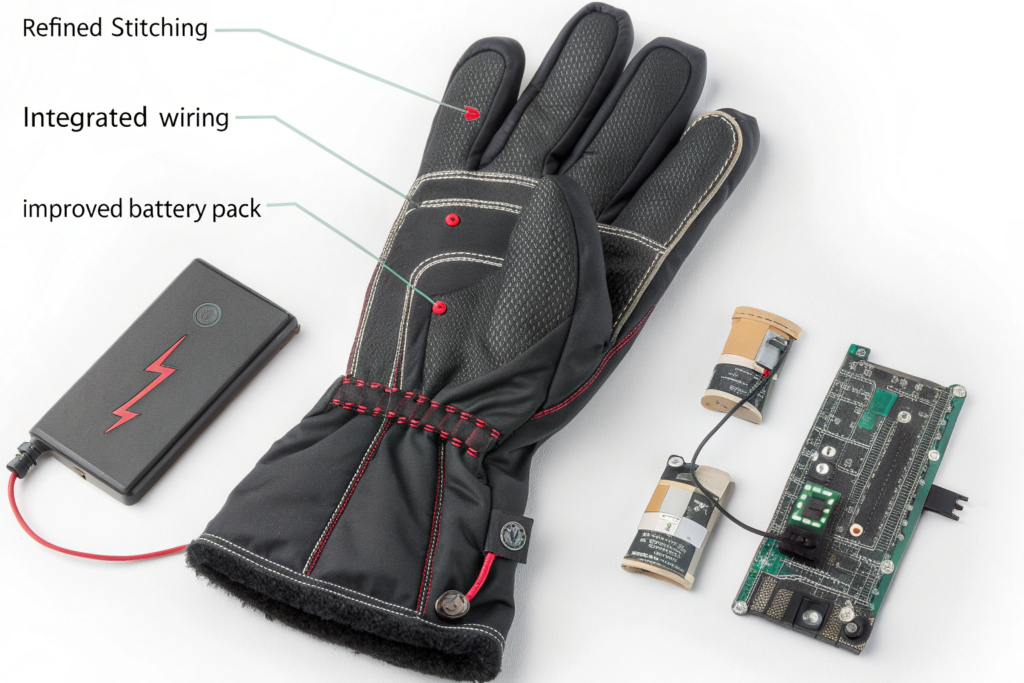
What Specific Tests Should You Perform on Heated Glove Samples?
Your testing should be thorough and documented. Create a test report for each sample. Essential tests include:
-
Heating Performance: Measure temperature levels on different settings (e.g., low, medium, high) using a thermal gun. Check if the heat is even across the hand and fingers and how long it takes to reach the advertised temperature.
-
Battery Life Test: Time how long the gloves last on each heat setting until the battery depletes. Compare this to the manufacturer’s claims.
-
Durability & Comfort: Wear the gloves during typical use (e.g., flexing hands, gripping objects). Check for any restricted movement, seam discomfort, or poor tactile feel.
-
Washability: Follow the provided care instructions to wash the sample. After drying, test the heating function again to ensure it still works perfectly.
How Should You Communicate Feedback to Ensure a Perfect Final Product?
Clear, actionable feedback is vital. When providing comments, use photos and videos to precisely point out issues. Instead of saying "the heat is uneven," you could say, "As shown in the thermal image, the thumb area is 10°C cooler than the palm on the high setting." Be specific about any changes needed in materials, sizing, electronics placement, or stitching. A professional manufacturer will welcome this detailed feedback and see it as a collaborative effort to perfect the product. This iterative process is your best defense against costly errors in mass production. For insights into effective technical communication with manufacturers, platforms like Thomasnet often publish relevant guides.
How to Navigate Logistics and Tariffs for Heated Gloves?
For North American and European importers, the journey doesn’t end at the factory. Navigating international shipping, customs clearance, and complex tariffs are major pain points that can erode profits. A manufacturer who simply hands you the products leaves you to manage these daunting logistics alone. The key is to find a partner who acts as a true export expert, offering solutions that protect you from hidden costs and delays.
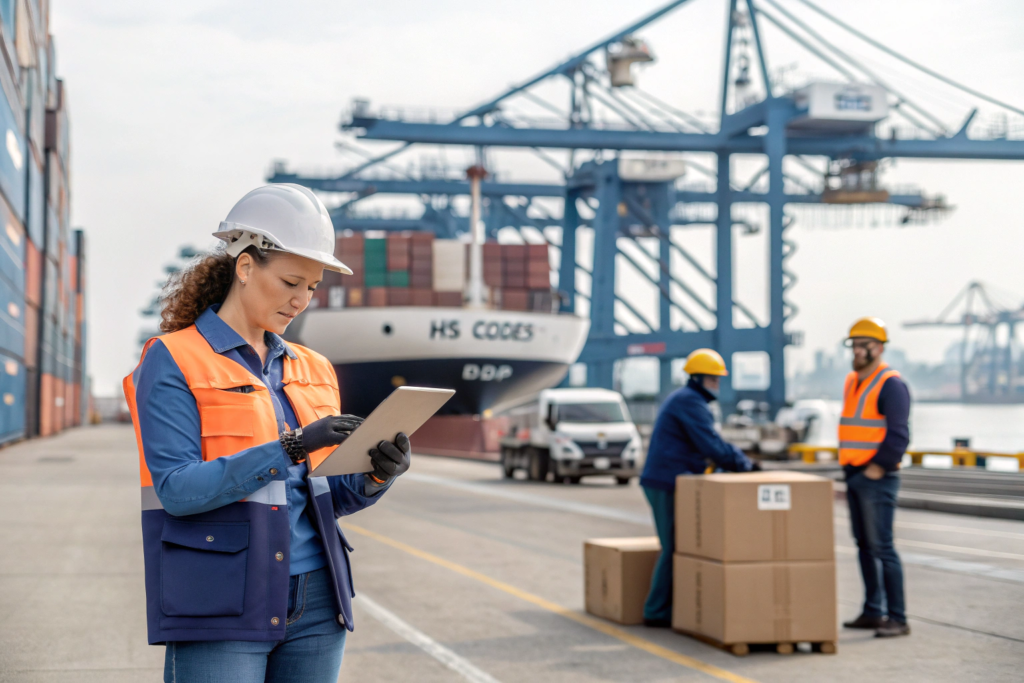
A full-service manufacturer provides critical support here. They should have established partnerships with reliable freight forwarders to offer you competitive logistics solutions. Crucially, they must understand Harmonized System (HS) code classification for heated gloves, as an incorrect code can lead to customs delays, fines, or incorrect duty assessment. Their expertise can be invaluable in optimizing the total landed cost to your warehouse.
What Are the Key Logistics Terms and Considerations?
Understanding basic Incoterms is essential for defining responsibility. For heated gloves containing lithium batteries, special shipping regulations (like UN38.3 certification for batteries) apply. A competent factory will manage this certification and properly declare the batteries. You should discuss and agree on clear terms:
-
FOB (Free On Board): You control the main shipping and bear costs/risks after the goods leave the origin port.
-
DAP (Delivered at Place) / DDP (Delivered Duty Paid): The supplier arranges most logistics, with DDP including even the destination duties and taxes. This can simplify the process but usually at a higher cost.\
Working with a manufacturer that offers flexible terms, like Shanghai Fumao Clothing, allows you to choose the balance of control and convenience that fits your business model.
Can Your Manufacturer Help Mitigate Tariff Impacts?
While manufacturers cannot change tariff laws, they can be strategic partners in mitigation. First, they should provide complete cost transparency. Second, their expertise in product classification is critical. For example, are the gloves classified as "electrically heated clothing" versus "sports gloves"? The duty rate can differ significantly. A knowledgeable factory can often advise on product design or material selection that may qualify for more favorable duty treatment under certain trade programs or Free Trade Agreement rules. Consulting the official U.S. International Trade Commission (USITC) tariff database can help you verify information. Choosing a manufacturer with this expertise turns them into a strategic asset, directly addressing core buyer pain points like tariff costs and security of the overall supply chain.
Conclusion
Finding the right manufacturer for heated winter gloves is a detailed process that balances technical vetting with practical partnership building. It starts with targeting specialized factories, moves through a rigorous evaluation of their capabilities and compliance, and culminates in a meticulous sampling and testing phase. By investing time in this process, you secure more than a supplier—you gain a collaborative partner capable of delivering a safe, high-performance product that meets your market’s demands.
This approach directly addresses core buyer concerns like quality control, certification, and timeliness, while also mitigating risks related to tariff costs and logistics through choosing a competent, full-service exporter. The result is a reliable supply chain for a product that customers will trust and rely on in cold conditions.
If you are looking for a manufacturing partner that combines expertise in fashion accessories with the technical rigor needed for products like heated gloves, we invite you to explore a collaboration. At AceAccessory, our integrated design and quality control teams are equipped to handle complex product development. For a detailed discussion on your specific heated glove project, you can contact our Business Director Elaine at elaine\@aceaccessory.com.