You’re designing a new line of adjustable caps. You need a closure that is versatile, durable, cost-effective, and stylish. You see countless options: fabric straps with metal buckles, leather straps, hook-and-loop fasteners. Yet, one style consistently dominates the market, from streetwear brands to sports merchandise: the classic plastic snapback. Why has this simple, two-piece plastic strip remained the king of adjustable closures?
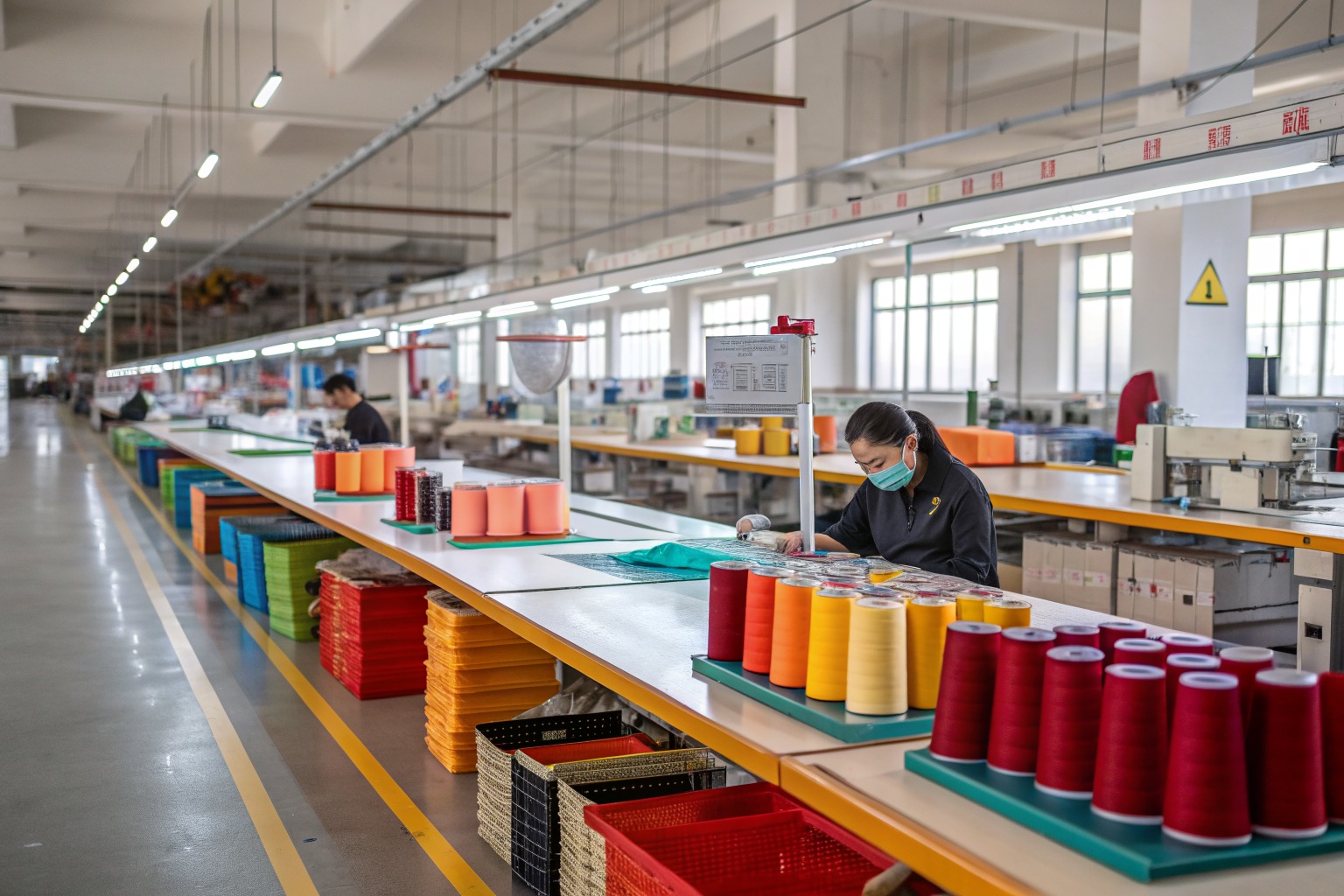
Why is the snapback closure so preferred? Its enduring popularity is due to a powerful combination of four key advantages: 1) it offers a precise, secure, and "one-size-fits-most" solution that is incredibly easy to adjust, 2) its durable, all-plastic construction is cost-effective and incredibly resilient, 3) it is a powerful cultural signifier, deeply associated with streetwear, hip-hop, and sports culture, and 4) its structured, high-profile fit is a distinct stylistic choice that other closures don’t offer. At Shanghai Fumao Clothing, we produce a huge volume of snapbacks because our clients know they offer a perfect blend of function, style, and commercial viability.
Is it just a cheap piece of plastic, or is it a brilliantly simple piece of engineering? Let’s break down the four reasons for the snapback’s reign.
How Does its Design Offer Superior Functionality and Fit?
What is the primary job of an adjustable closure? It’s to provide a secure, comfortable, and easily changeable fit for a wide range of head sizes. The snapback closure achieves this with brilliant simplicity. The design consists of two plastic strips: one with a row of holes, and the other with a row of corresponding pegs or "snaps."
This system allows for discrete, incremental adjustments. Each "snap" provides a distinct, locked-in size. Unlike a friction-based slide buckle that can loosen over time, a snapback closure is either locked or it’s not. This provides a secure, reliable fit that won’t change during activity. It’s a "set it and forget it" system. Furthermore, the typical 7-hole strip provides a huge range of sizes, making the cap a true "one-size-fits-most" product, which is a massive advantage for inventory management.
Why is a "One-Size-Fits-Most" Solution So Valuable?
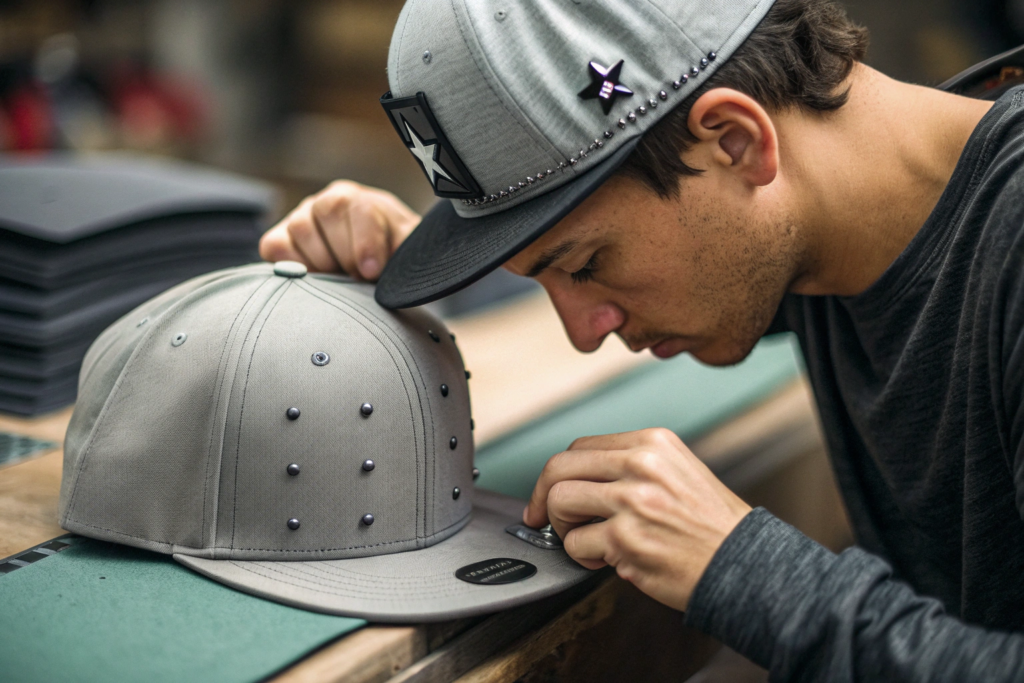
Doesn’t this simplify everything for a brand? Yes. For any brand selling caps, managing inventory for different head sizes (Small, Medium, Large, XL) is a logistical and financial nightmare. You inevitably end up with too many of one size and not enough of another. The snapback’s wide range of adjustability allows you to produce a single product (a single SKU) that will comfortably fit the vast majority of your customers. This simplifies ordering, reduces inventory risk, and is a core reason why it’s preferred for any large-scale production, from promotional caps to retail lines.
How Does it Compare to Other Adjustable Closures?
Is it more secure than other options?
- Fabric Strap with Slide Buckle: Can loosen over time, especially during sports. The "tail" of the strap can look untidy.
- Hook-and-Loop (Velcro): Wears out over time, loses its grip, and can snag hair or collect lint, making it look messy.
- Leather Strap: Premium, but can stretch over time and has fewer adjustment increments.
The snapback’s positive locking mechanism is arguably the most secure and reliable of all the common adjustable types.
Why is its Construction So Durable and Cost-Effective?
What are the two things every manufacturer and brand owner loves? Durability and low cost. The snapback closure excels in both areas. It is typically made from a high-quality, flexible plastic like PVC or polypropylene.
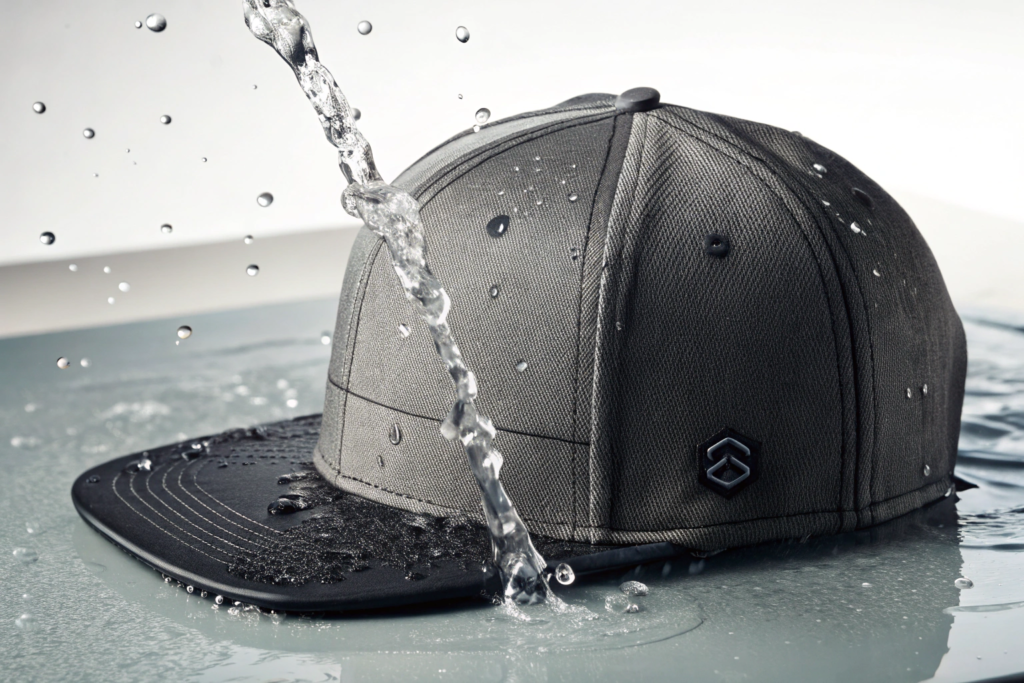
This all-plastic construction makes it incredibly resilient. It is completely waterproof, won’t rust like a metal buckle, won’t rot or degrade like a leather strap, and won’t wear out like hook-and-loop. It can withstand sweat, rain, and sun without breaking down. The pegs are designed to be robust, and a well-made snap can be adjusted thousands of times without losing its "snap" or breaking. From a manufacturing standpoint, it is also a highly standardized and cost-effective component, which helps to keep the final cost of the cap competitive.
Isn’t "Plastic" a Sign of Low Quality?
Can plastic be a premium choice? In this case, yes. While we often associate plastic with being cheap, the specific grade of plastic used in a high-quality snapback is chosen for its performance characteristics: flexibility and memory (the ability to return to its original shape). It is an engineering choice, not just a cost-saving one. A cheap, brittle plastic will crack, but a well-made snapback closure is an example of a polymer being the best material for the job. It’s a principle we also see in the difference between cheap plastic and high-quality cellulose acetate in other accessories.
How Does This Benefit the End Consumer?
Doesn’t this mean the cap will last longer? Yes. The consumer gets a product that is easy to clean, won’t get damaged in the rain, and whose adjustment mechanism will not fail over the life of the cap. The durability of the closure is a key part of the overall durability of the product, leading to higher customer satisfaction.
How Did the Snapback Become a Powerful Cultural Icon?
Why is a snapback more than just a hat? Because it’s a symbol. The snapback cap as we know it rose to prominence in the 1980s and 90s, where it became inextricably linked with hip-hop culture and urban streetwear. Artists and fans alike wore snapbacks (often from sports teams) as a key part of their identity.
This deep cultural association gives the snapback a level of "cool" and authenticity that other closure styles simply don’t have. Choosing a snapback closure is a deliberate stylistic choice. It signals a connection to streetwear, music, and skate culture. For many brands, particularly those targeting a younger, style-conscious demographic, using a snapback closure is a way to instantly align their product with this powerful cultural heritage.

Why is This "Cool Factor" So Important for Brands?
Isn’t this a form of brand storytelling? Yes. By choosing a snapback, a brand is borrowing a piece of its cultural story. It’s a non-verbal cue that tells the customer, "We get it. We’re part of this culture." This is incredibly powerful. A brand that puts its logo on a snapback is saying something very different than a brand that puts its logo on a cap with a leather strap. The closure itself becomes part of the brand’s message. This is a key part of the semiotics of fashion.
Does This Mean Other Styles Aren’t Cool?
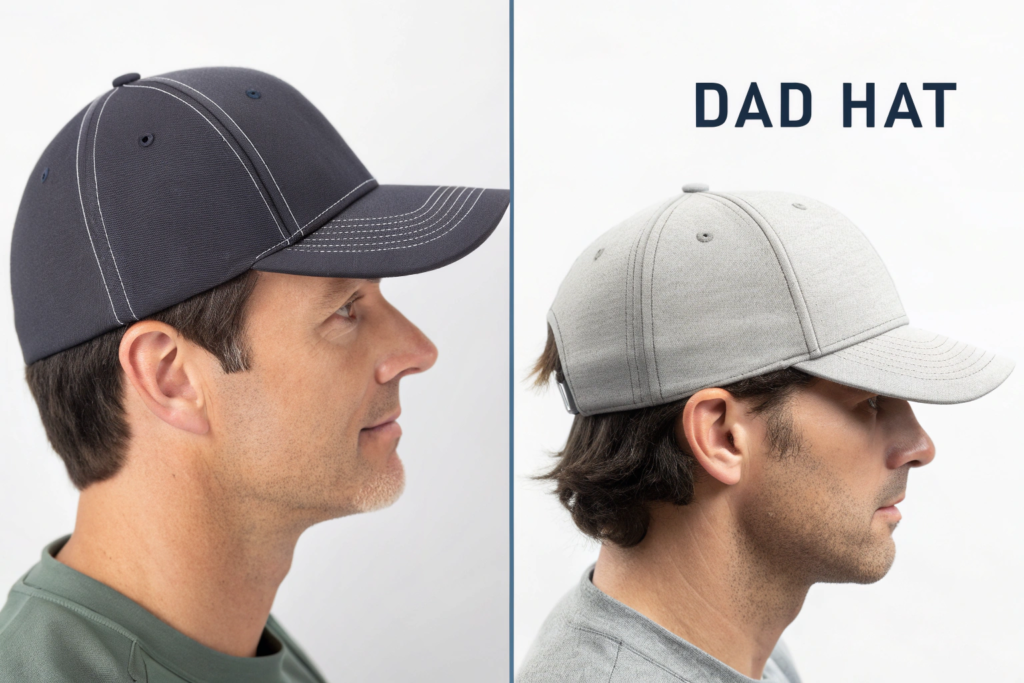
Is the snapback the only stylish choice? Not at all. The unstructured, low-profile "dad hat," often with a fabric strap, has its own powerful cultural associations with a more relaxed, vintage, or preppy aesthetic. The choice is about brand alignment. A brand going for a classic, heritage feel might choose a leather strap. A brand going for a modern, urban feel will almost always choose a snapback.
How Does the Snapback Relate to the Cap’s Overall Structure and Fit?
Does the closure affect the shape of the hat? Yes, and this is a crucial and often overlooked point. The snapback closure is almost always paired with a specific style of cap: a structured, high-profile cap.
The rigid plastic snapback provides a firm anchor point at the back, which helps the cap maintain its structured shape. This style features a stiff front panel (or two front panels) that stands up straight, creating a high "crown." This high-profile, flat-brimmed look is the signature silhouette of the classic snapback hat. People who choose a snapback are often specifically looking for this bold, structured fit, which is very different from the soft, unstructured, low-profile fit of a "dad hat."
Why is This Structured Fit So Popular?
Doesn’t this provide a better canvas for a logo? Yes. The stiff, flat front panel of a structured snapback is the perfect, billboard-like surface for a large, bold logo, especially a 3D embroidered logo. The logo stands up straight and is clearly visible, which is ideal for team branding and corporate logos.
Can You Put a Snapback on an Unstructured Hat?
Is it possible to mix and match? While it’s technically possible, it’s not common. The rigid nature of the snapback closure tends to work against the soft, floppy nature of an unstructured cap. The two styles—the closure and the cap’s structure—have evolved together. The snapback is part of a complete design system that includes the high crown and flat brim.
Conclusion
So, why is the simple plastic snapback the preferred closure for so many adjustable caps? Is it just one single reason? No. It is a masterclass in design, where multiple advantages converge into one perfect component.
It offers superior functionality with its precise, secure, one-size-fits-most adjustability. Its all-plastic construction provides exceptional durability and cost-effectiveness. It is a powerful cultural icon, loaded with the authentic "cool" of streetwear and sports history. And it is the key component of a distinct and popular structured, high-profile silhouette.
It is the rare component that is simultaneously the most practical choice, the most cost-effective choice, and the most culturally relevant choice. It’s a simple piece of plastic that does a whole lot of work, and its reign as the king of adjustable closures is well-deserved.
If you are looking to create authentic, high-quality snapback caps for your brand, my team has the expertise to get every detail right. Please contact our Business Director, Elaine, at her email: elaine@fumaoclothing.com.