You’ve seen the incredible prices on Chinese wholesale websites and you’re ready to source your new line of hair accessories. It seems simple enough: find a product, place an order, and wait for it to arrive. But what happens when the products that show up are flimsy, use cheap materials, have sharp edges, or break after a single use? How do you navigate the vast landscape of Chinese factories to find a partner who can deliver consistent, high-quality products that will build your brand’s reputation, not destroy it?
The secret is to shift your focus from "buying a product" to "vetting a partner." The four key strategies are: 1) you must look beyond the product photos and evaluate the factory’s professionalism and communication, 2) you must always invest in samples to physically verify the material and construction quality, 3) you need to understand and verify the factory’s quality control systems and compliance certifications, and 4) you should start with a small trial order to test the entire process before committing to a large volume. At Shanghai Fumao Clothing, we believe that a partnership built on transparency and a clear, shared understanding of quality is the only path to long-term success.
Is it possible to get both a good price and high quality? Yes, but you need a professional strategy. Let’s explore the four non-negotiable steps to sourcing excellence.
How Can You Evaluate a Factory’s Professionalism Beyond Just Product Photos?
When you’re browsing a platform like Alibaba, what are you looking at? You’re looking at product photos. But here’s a critical insider secret: many factories use the same professionally shot, generic photos. Some may not have even made the product in the photo; they are just showing what they can make. To find a quality partner, you must look for signals of professionalism that go beyond the pictures.
A truly professional factory operates like a serious business. Their communication will be clear and prompt. Their website or Alibaba page will be well-organized and detailed. They will have a dedicated, English-speaking sales or project management team. These are not small details; they are strong indicators of an organized, customer-focused operation that is more likely to produce a high-quality product.
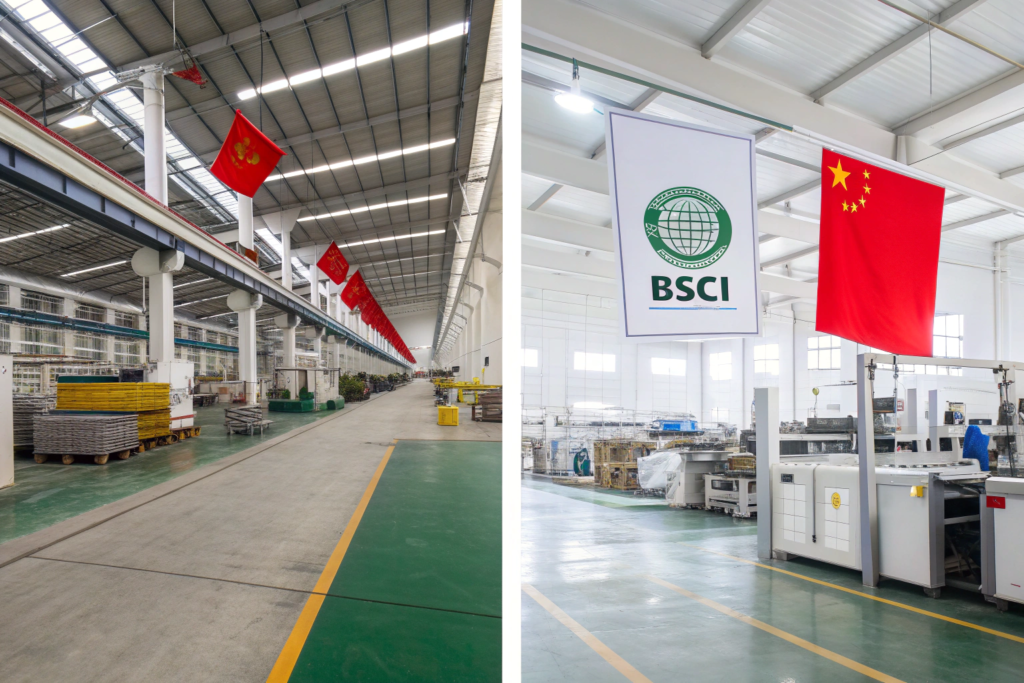
What Are the "Green Flags" of a Professional Factory?
What signs should you look for?
- Clear, Fluent Communication: Do they answer your questions clearly and in good English? A factory that invests in a professional communication team, like we do, is investing in a smooth customer experience. This is the most important signal, as clear communication is critical.
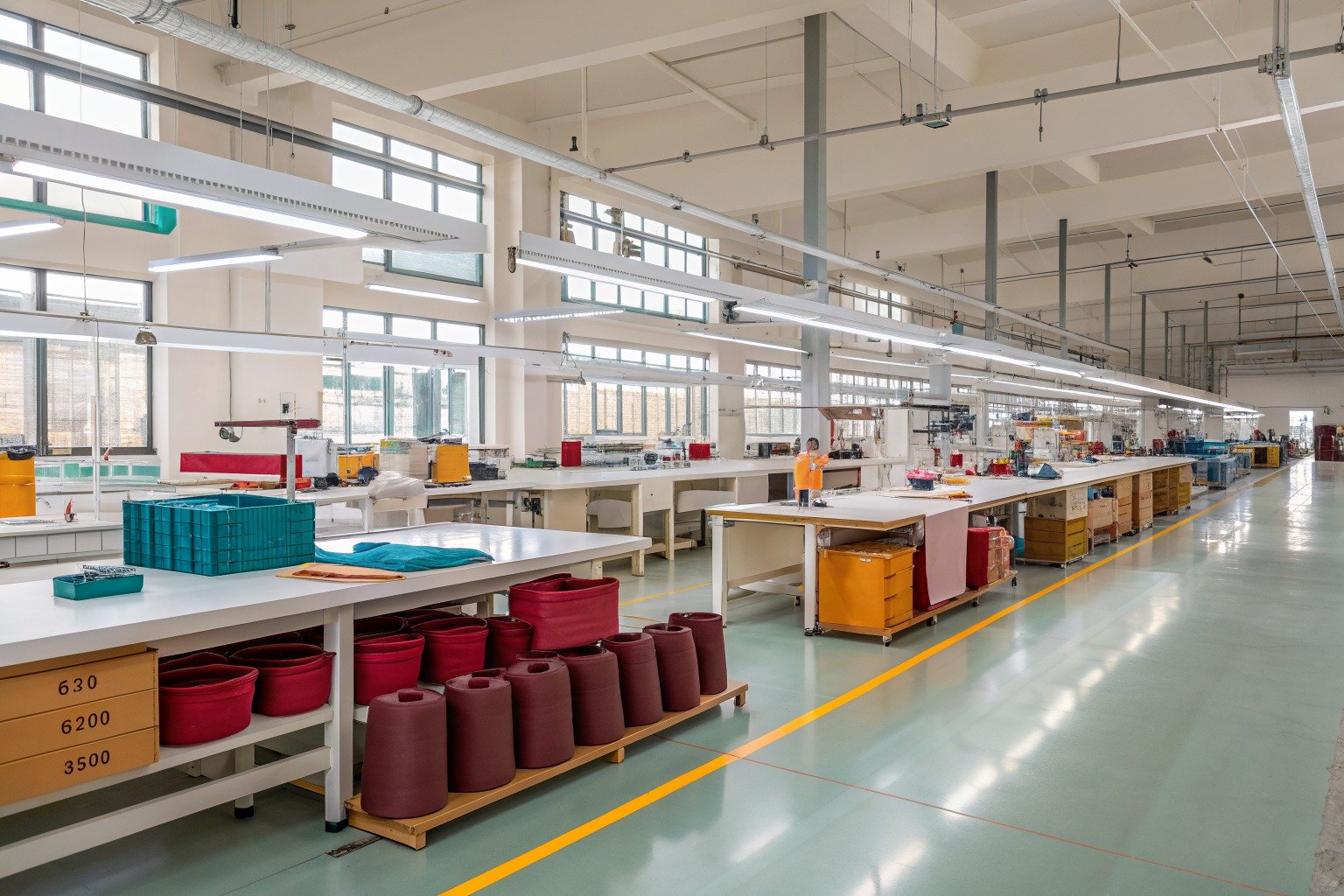
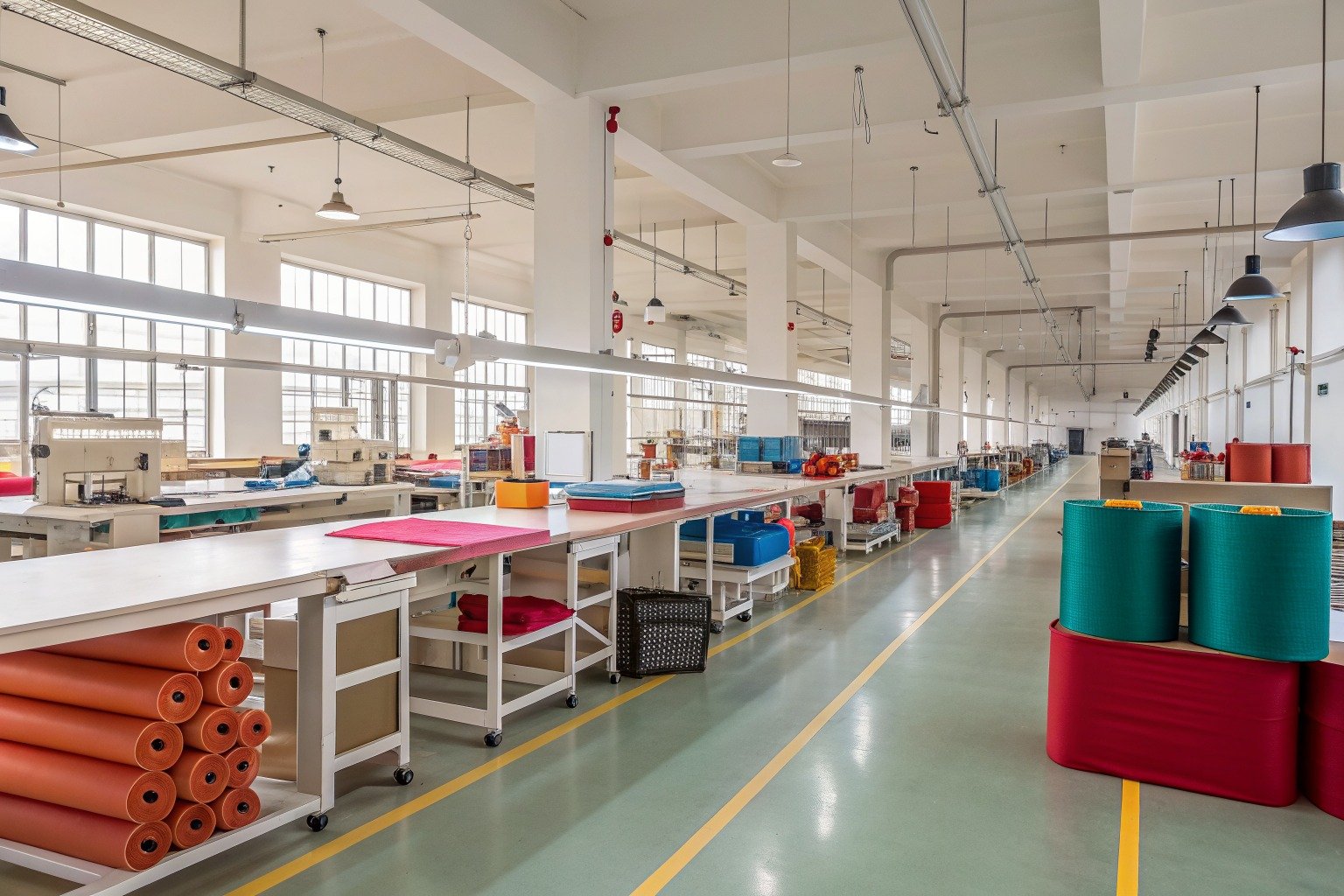
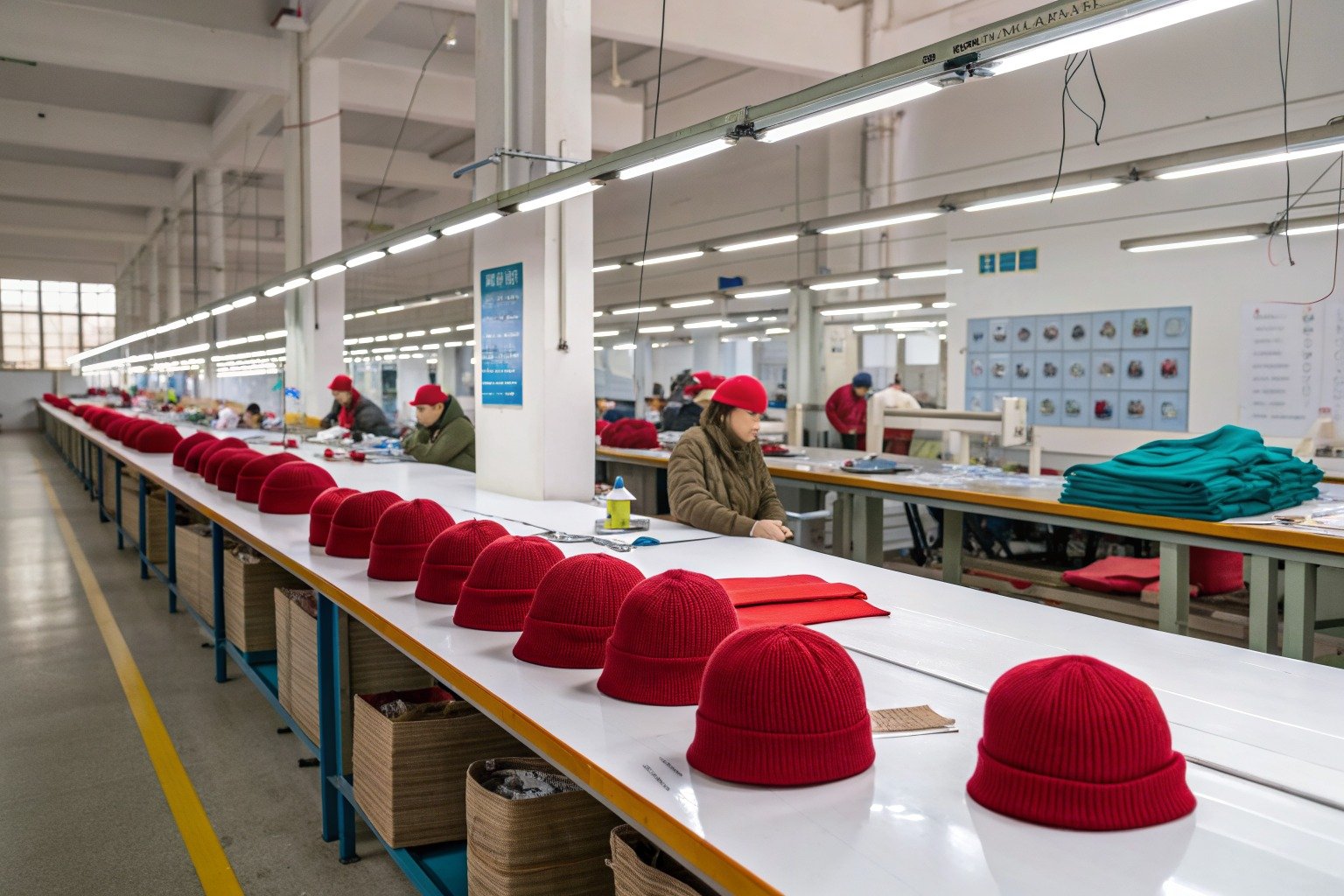
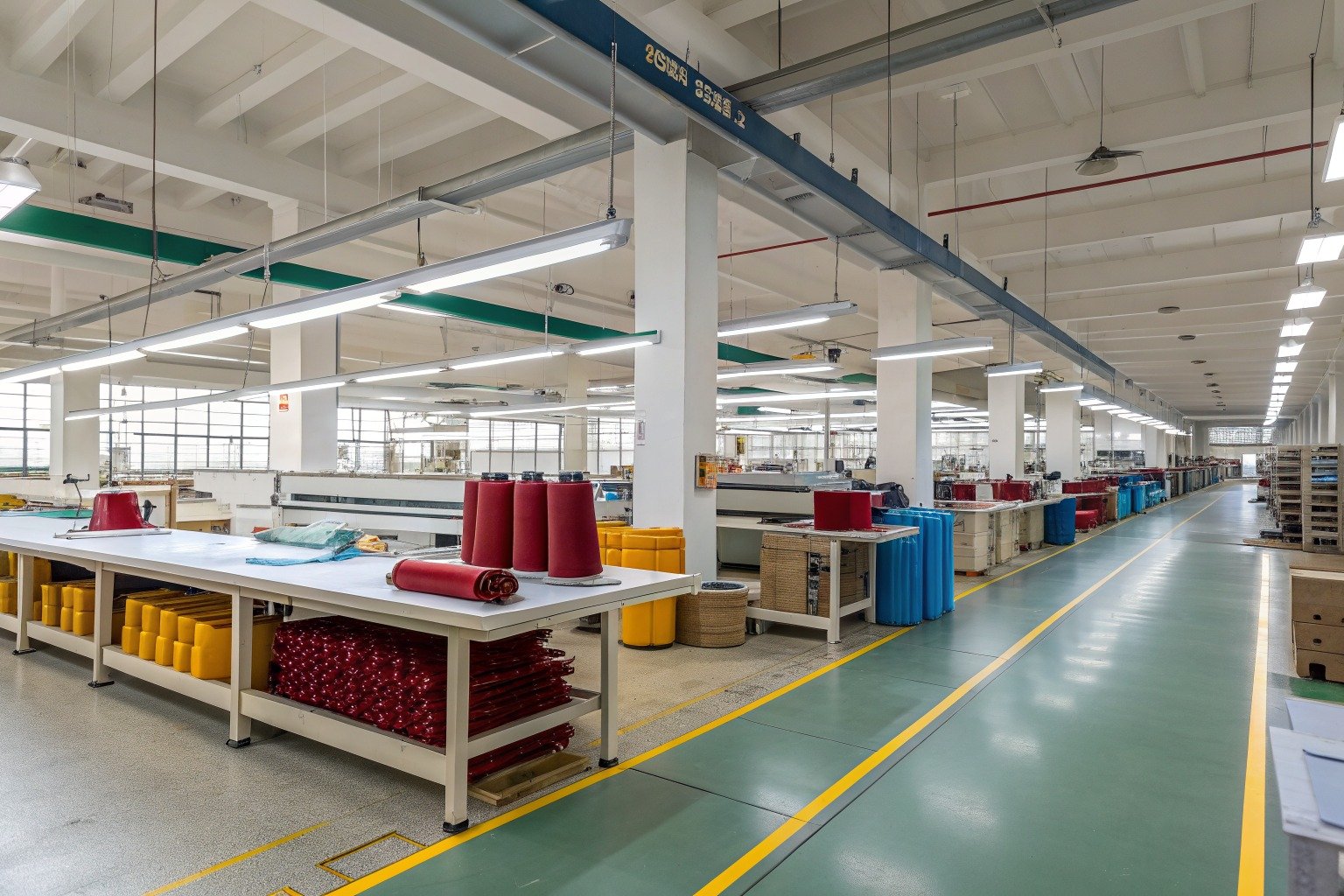
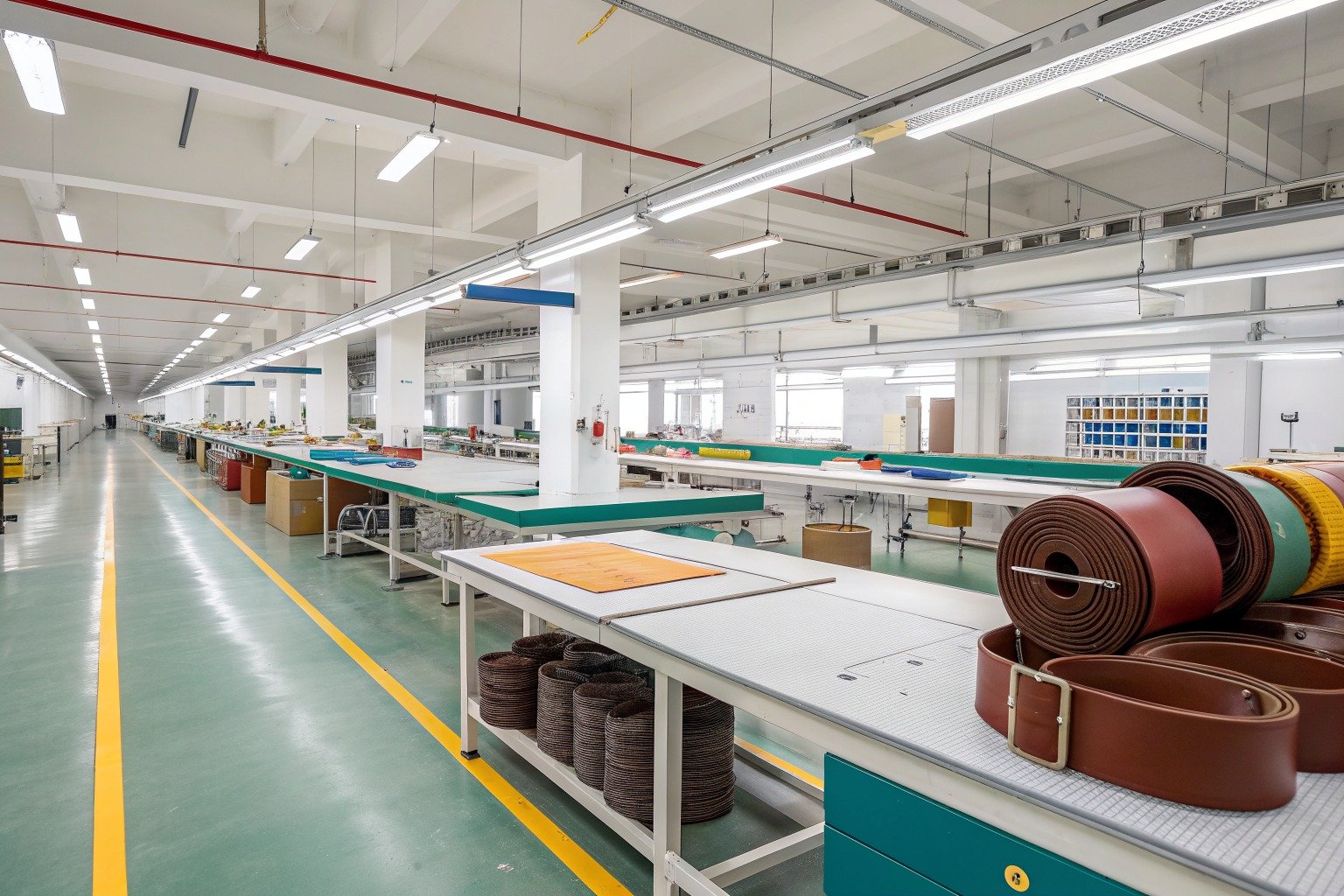
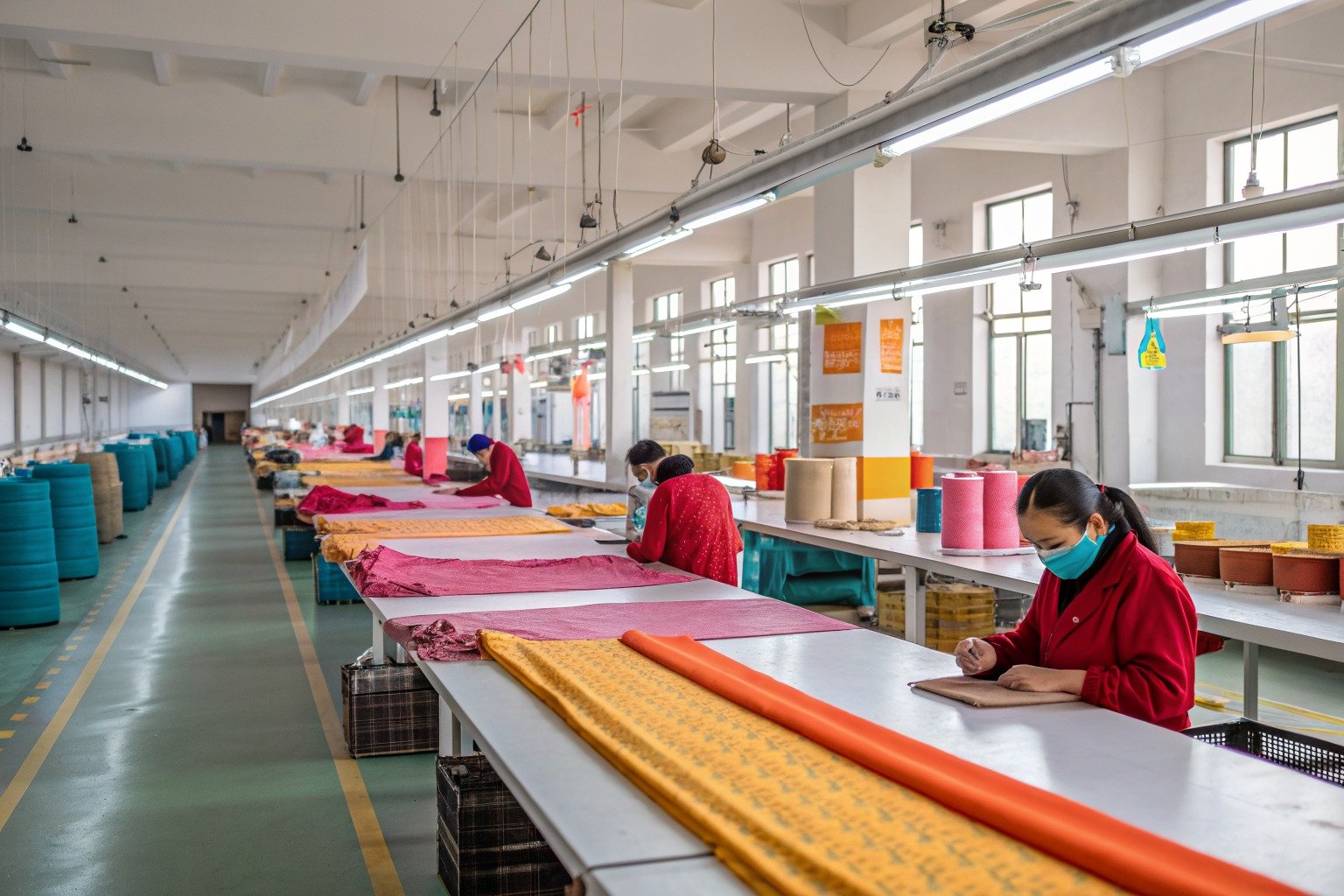
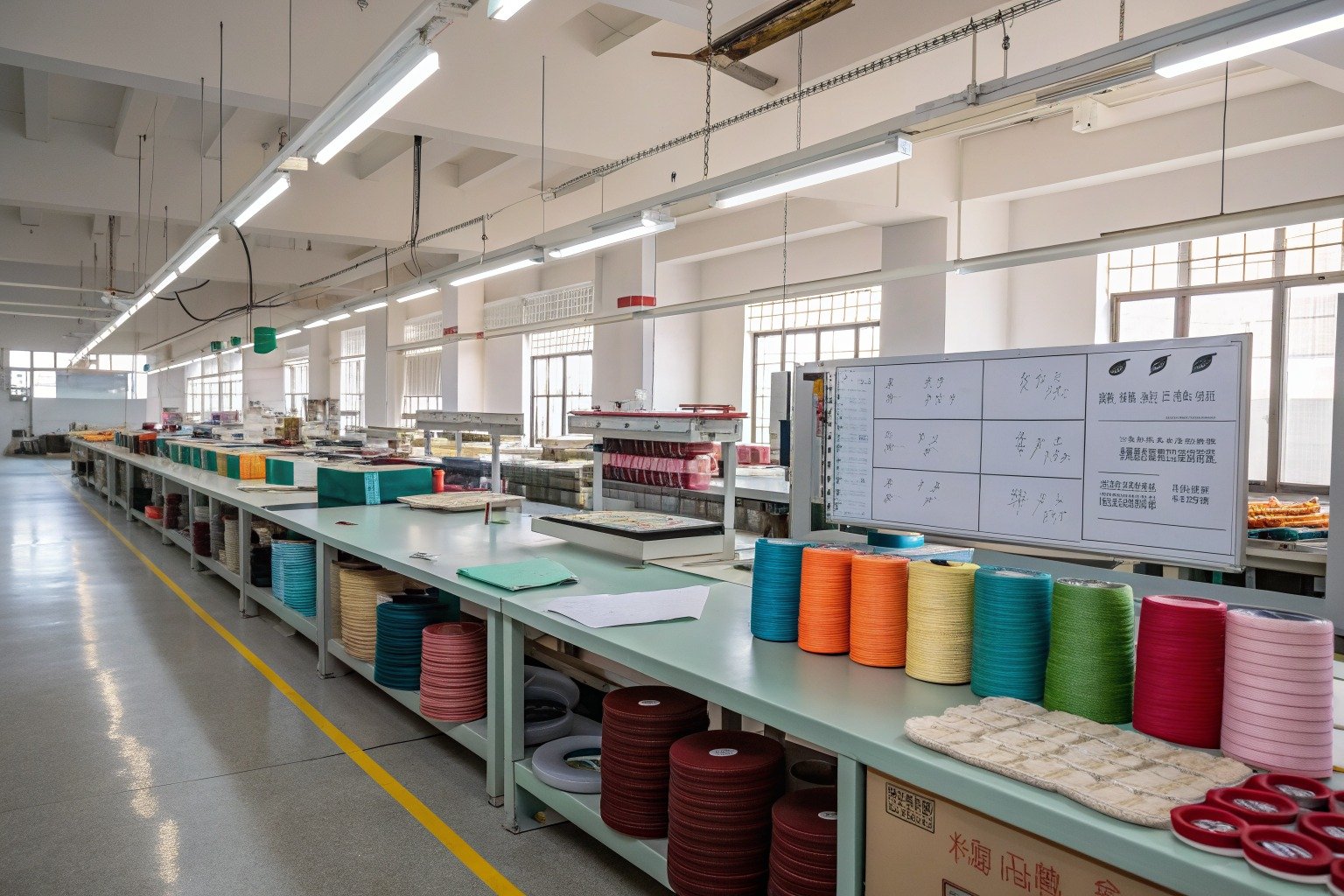
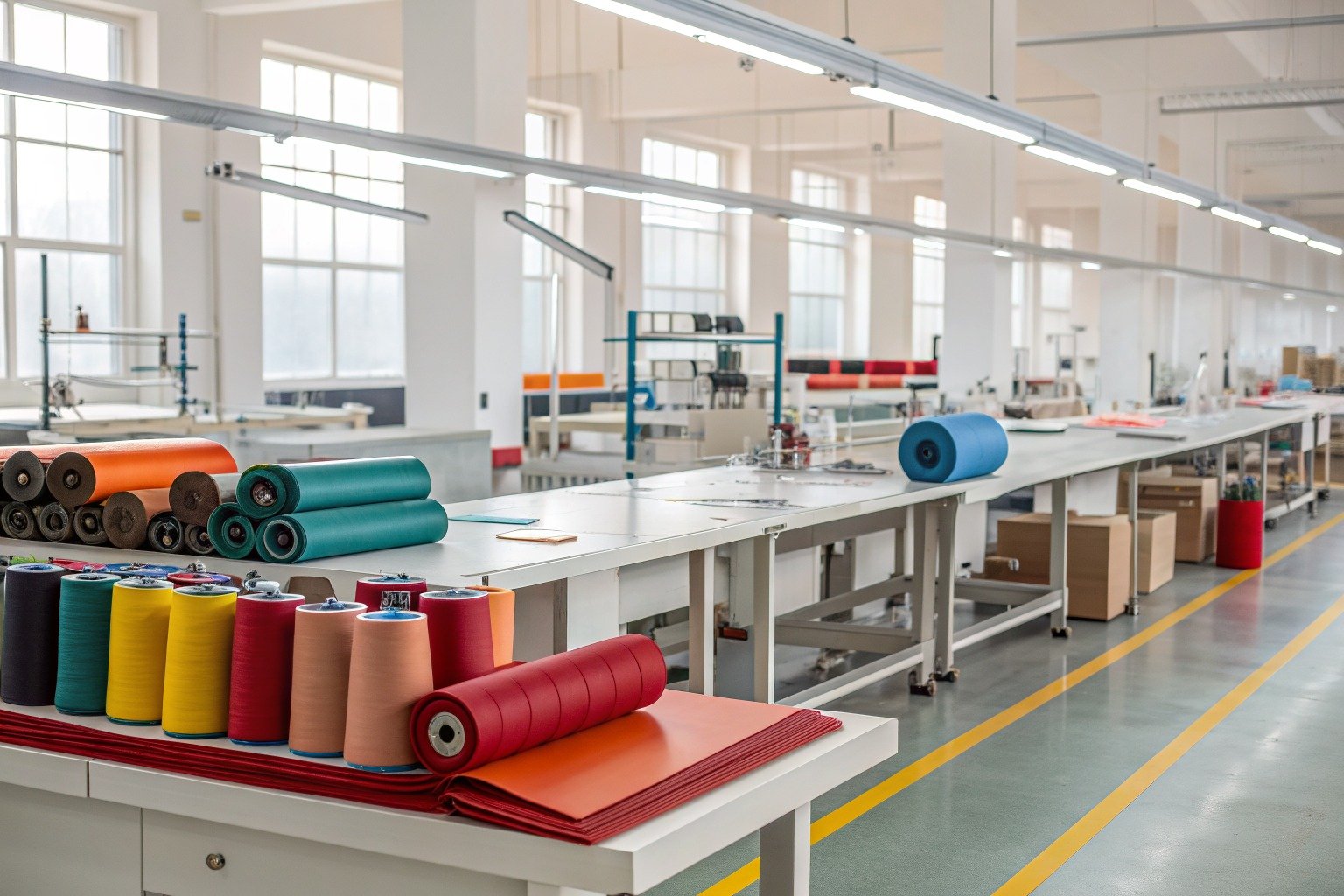
- Detailed Company Information: Do they show photos of their actual factory, their production lines, and their team? Do they have a verified business license and certifications visible on their profile?
- Willingness to Answer Tough Questions: Ask them about their quality control process or their lead times. A good factory will have confident, detailed answers. A low-quality factory might be evasive or give vague responses.
- They Ask You Questions: A good partner will want to know about your brand, your quality expectations, and your target market. It shows they are thinking like a partner, not just an order-taker.
What Are the Major "Red Flags" to Avoid?
What warning signs should make you run away? Be wary of suppliers with extremely low prices that seem too good to be true, poor-quality photos, slow or unprofessional communication with grammatical errors, and an unwillingness to provide details about their factory or processes. These are often signs of a trading company masquerading as a factory, or a low-end workshop with no quality standards.
Why Must You Always Invest in Samples Before Placing a Bulk Order?
Would you buy a car without test-driving it? Of course not. So why would you order thousands of hair accessories without ever touching and testing a single one? A product photo cannot tell you how a claw clip’s spring feels, how much a cellulose acetate barrette weighs, or if a headband is comfortable behind the ears. The single most important step in verifying quality is to get a physical sample in your hands.
Yes, you will have to pay for the samples and for the international shipping. You should consider this a mandatory and valuable business investment. The money you spend on samples is a small insurance policy against the massive financial risk of ordering thousands of units of a poor-quality product.
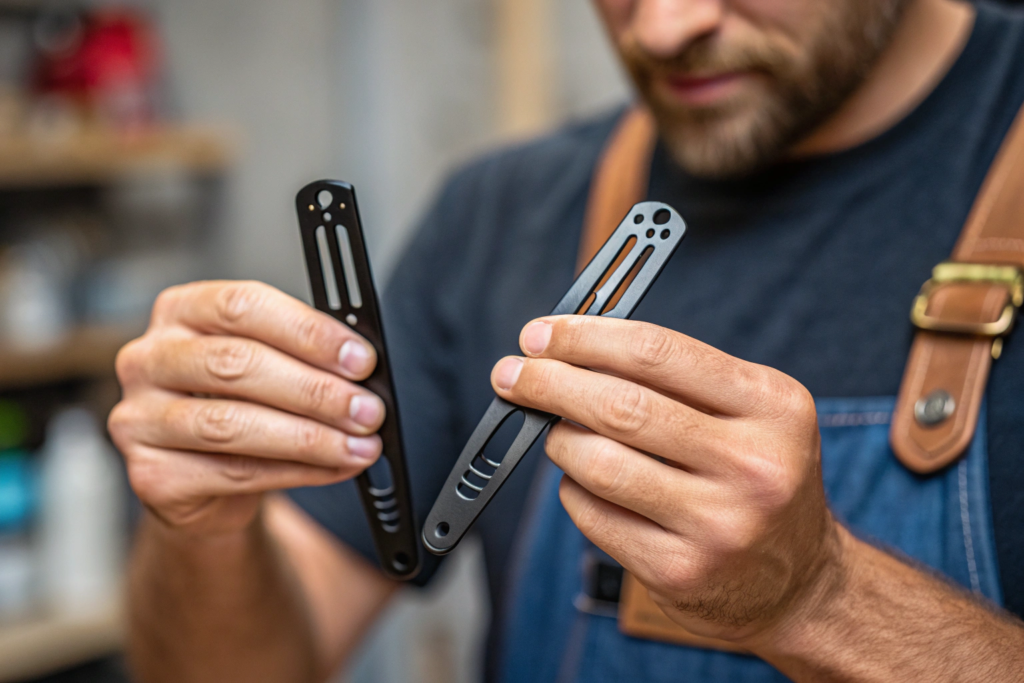
What Should You Be Testing For in a Sample?
What should you look for when your sample arrives?
- Material Quality: Does the material feel substantial and premium, or does it feel flimsy and cheap? If it’s supposed to be acetate, does it have the weight and depth of color you expect?
- Construction and Finish: Are there any rough edges, glue marks, or scratches? Are all the components (like rhinestones or bows) securely attached? Perform a "pull test" on them.
- Functionality: Does the claw clip spring feel strong? Does the barrette clasp securely? Does the headband fit comfortably? Use it yourself for a full day.
- Color and Size Accuracy: Does the sample accurately match the colors and dimensions you specified in your tech pack?
What if the Sample Isn’t Perfect?
Is a bad sample always a deal-breaker? Not necessarily. This is another test of the factory’s professionalism. A good factory will see your feedback as valuable information to improve the product. If you provide clear, constructive feedback ("The spring on this clip is too weak, we need a stronger one") and they respond positively and offer to make a revised sample, that’s a great sign. If they are defensive or unwilling to make changes, it’s a major red flag.
How Can You Verify a Factory’s Quality Control and Compliance?
So, the factory can make one perfect sample. But how do you know they can make 10,000 perfect pieces? This is where you need to investigate their Quality Control (QC) systems and their compliance certifications. A high-quality factory doesn’t just check for quality at the end; they build it into every step of their process.
Ask them about their QC process. Do they have an IQC (Incoming Quality Control) team to check raw materials? Do they have PQC (Process Quality Control) inspectors on the production line? Do they have a final OQC (Outgoing Quality Control) check before the goods are packed? A professional factory will have a clear system and will be happy to explain it to you.

What Certifications Should You Look For?
Are there any "seals of approval" to look for? Yes. While not a guarantee of product quality, third-party factory audits and certifications are a strong indicator of a well-managed and ethical company.
- ISO 9001: This is a globally recognized standard for a company’s internal quality management system. It shows they have a structured, documented process for maintaining quality.
- BSCI (Business Social Compliance Initiative): This audit focuses on ethical and social compliance, ensuring the factory treats its workers fairly. A BSCI-certified factory is typically a more stable and reliable long-term partner.
- Product-Specific Testing: Ask if they can provide test reports (from labs like SGS or Intertek) for things like lead and cadmium content, especially if you are making products for children. This is critical for ensuring safety compliance.
Should You Hire Your Own Inspector?
Can you trust the factory’s internal QC? For your first few orders with a new factory, I strongly recommend hiring an independent, third-party inspection agent. For a few hundred dollars, an agent will go to the factory and perform a professional quality inspection on your behalf before the goods are shipped. This gives you an unbiased report and is the ultimate way to protect your investment.
Why is a Small Trial Order the Ultimate Test?
You’ve vetted the factory, you’ve approved the sample, and you’ve reviewed their QC process. Are you ready to place a 50,000-piece order? I would advise against it. The final and most important test is to start with a small, manageable trial order.
A trial order (perhaps for 500-1,000 pieces) allows you to test the entire process with lower risk. It tests not just the factory’s ability to produce a quality product at scale, but also their ability to manage packaging, meet deadlines, and handle the logistics of shipping. It’s the final exam before you commit to a larger, long-term partnership.
What Are You Evaluating in a Trial Order?
What are you looking for in this first run?
- Consistency: Is the quality of the bulk production as good as the pre-production sample you approved?
- On-Time Performance: Did they meet the production deadline they promised?
- Packaging and Labeling: Were the goods packed correctly according to your specifications? Were the shipping marks on the cartons correct?
- Logistical Competence: Did they prepare the shipping documents correctly? Was the process of getting the goods from their factory to the port smooth?
How Does This Build a Long-Term Partnership?
Doesn’t this show you are a cautious and professional buyer? Yes. A good factory will understand and respect this approach. They know that if they perform well on a small trial order, they will earn your trust and be rewarded with much larger orders in the future. It sets the foundation for a relationship built on proven performance, not just promises. This is the best way to find a partner for the long term.
Conclusion
So, how do you source high-quality hair accessories from China? Is it a gamble? It doesn’t have to be. It requires you to act not like a gambler, but like a professional detective and a smart business partner.
It means doing your homework to evaluate a factory’s professionalism, not just their product photos. It means investing in physical samples to test and verify the real-world quality. It means digging deeper to understand their QC systems and compliance. And it means using a small trial order as a final, low-risk test of their entire operation.
By following this disciplined, four-step process, you can filter out the low-quality suppliers and identify a true partner—a factory that will be a cornerstone of your brand’s growth for years to come.
We pride ourselves on being that kind of high-quality, transparent partner. If you are looking for a factory that welcomes this level of scrutiny and is committed to building a long-term relationship based on quality, we are ready to prove ourselves. Please contact our Business Director, Elaine, at her email: elaine@fumaoclothing.com.