When you’re designing a new knit beanie for your collection, what is the most important decision you’ll make? It’s the choice of yarn. A great design can be ruined by a scratchy, uncomfortable material that makes your customers sweat. While acrylic is cheap and cashmere is luxurious, is there a material that offers the perfect balance of comfort, performance, and value?
Why is merino wool the superior choice? Merino wool is superior for knit beanies because it offers an unmatched combination of four key properties: 1) exceptional softness without itchiness, 2) intelligent, breathable temperature regulation, 3) natural moisture-wicking and odor resistance, and 4) sustainable, biodegradable origins. As the owner of Shanghai Fumao Clothing, we’ve seen that brands who choose merino wool are investing in a product with scientifically-backed performance benefits that justify a premium price point.
Is it just hype, or is there real science behind this "wonder wool"? Let’s explore the four reasons why merino is nature’s perfect performance fiber.
How Can Merino Wool Be So Soft and Not Itchy?
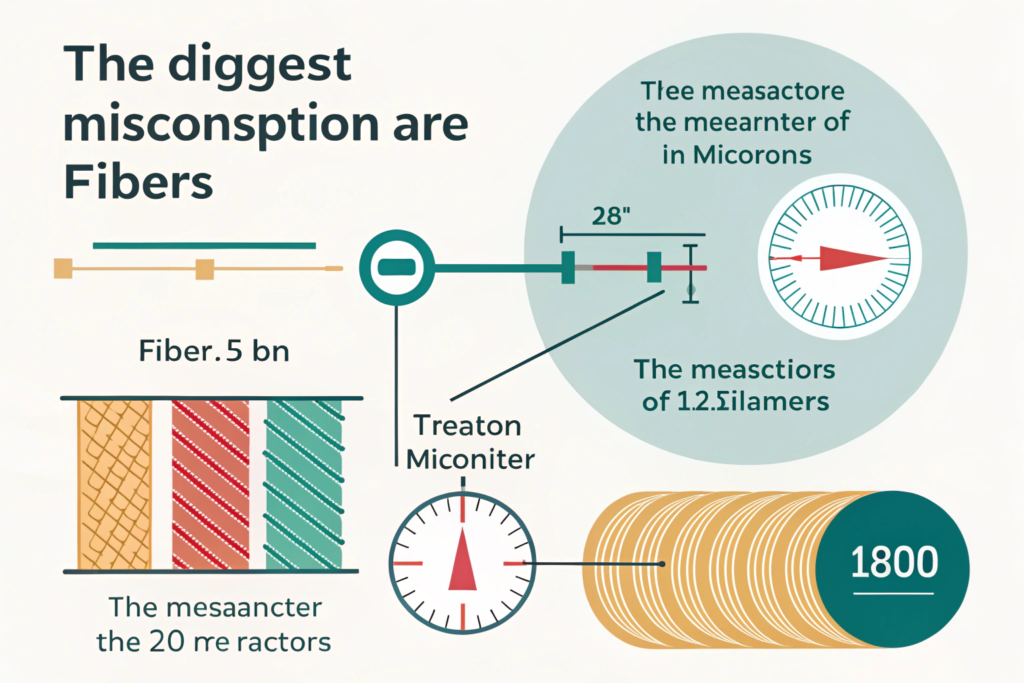
Isn’t all wool itchy? This is the biggest misconception, and the answer lies in the fiber’s diameter, which is measured in microns. Traditional, coarse wools have thick fibers (over 25 microns) that are too rigid to bend when they press against your skin. Their stiff ends poke your nerve endings, which your brain interprets as an itch.
Merino wool, however, is a biological marvel. The fibers from a merino sheep are incredibly fine, typically ranging from 15 to 24 microns. For comparison, a human hair is about 50-100 microns thick. When these ultrafine merino fibers touch your skin, they are so flexible that they simply bend and collapse, creating a sensation of softness, not itchiness.
What Do the Different Grades of Merino Mean?
Can merino wool vary in softness? Yes. The micron count is the key indicator of quality.
- Fine Merino (18.6 – 19.5 microns): This is a great standard for high-quality, soft knitwear.
- Superfine Merino (15 – 18.5 microns): This is exceptionally soft and is often used for next-to-skin base layers and premium beanies.
- Ultrafine Merino (<15 microns): This is the softest and rarest, often compared to high-grade cashmere in its luxurious feel.
Why is This Crucial for Headwear?
Why does this matter so much for a beanie? The skin on your forehead and around your ears is particularly sensitive. A beanie made from coarse wool will become unbearable after just a few minutes of wear. A merino wool beanie, however, can be worn comfortably for hours on end, making it a product your customers will actually love to wear, not just tolerate. This is a critical factor for any wearable accessory, especially those for sensitive skin, like baby hats.
How Does Merino Wool Regulate Your Temperature?
Have you ever worn a cheap acrylic beanie and found yourself in a cycle of being cold, then putting the hat on, only to get hot and sweaty, then taking it off and getting cold again? This happens because synthetic fibers don’t breathe. Merino wool, on the other hand, is an intelligent, active fiber that works to keep your head at a stable, comfortable temperature.
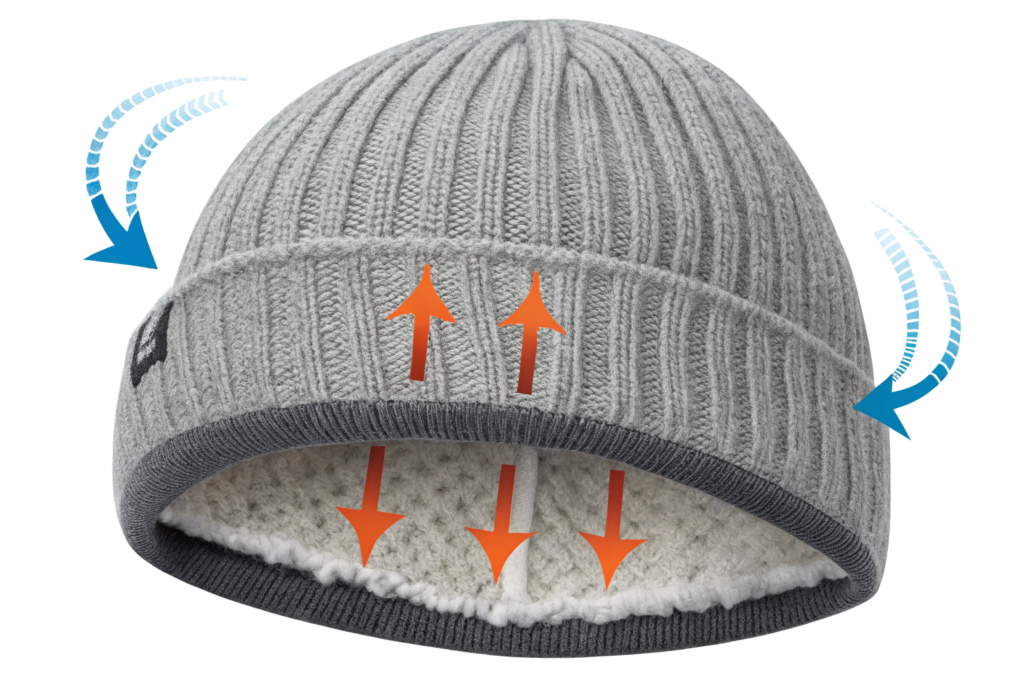
How does it do this? The fibers have a natural crimp, which creates millions of tiny air pockets within the knit fabric. This trapped air acts as a superb insulator, keeping the warmth your body generates from escaping. But crucially, the fibers can also absorb and release moisture, which allows excess heat and sweat to escape, preventing you from overheating.
Isn’t This "Breathable Warmth" a Contradiction?
How can it be both warm and breathable? This is the magic of merino. Unlike synthetic fibers like acrylic, which simply trap all heat and moisture, merino wool is a dynamic system. It holds onto the warm air needed for insulation but allows water vapor (your sweat) to pass through and evaporate. This process, known as "thermoregulation," is why merino is the material of choice for high-performance outdoor athletes who need to stay warm without getting clammy.
Why is This Perfect for a Beanie?
What makes this so good for headwear? Your head is one of the primary areas where your body releases excess heat. A beanie that doesn’t breathe will quickly turn into a personal sauna, leading to a sweaty head and damp hair. A merino beanie keeps your ears and head warm when you’re standing still outside, but if you start walking quickly or step inside a warm store, it breathes and adapts, preventing you from overheating. This wide comfort range is a huge performance advantage.
Can a Beanie Really Be Moisture-Wicking and Odor-Resistant?
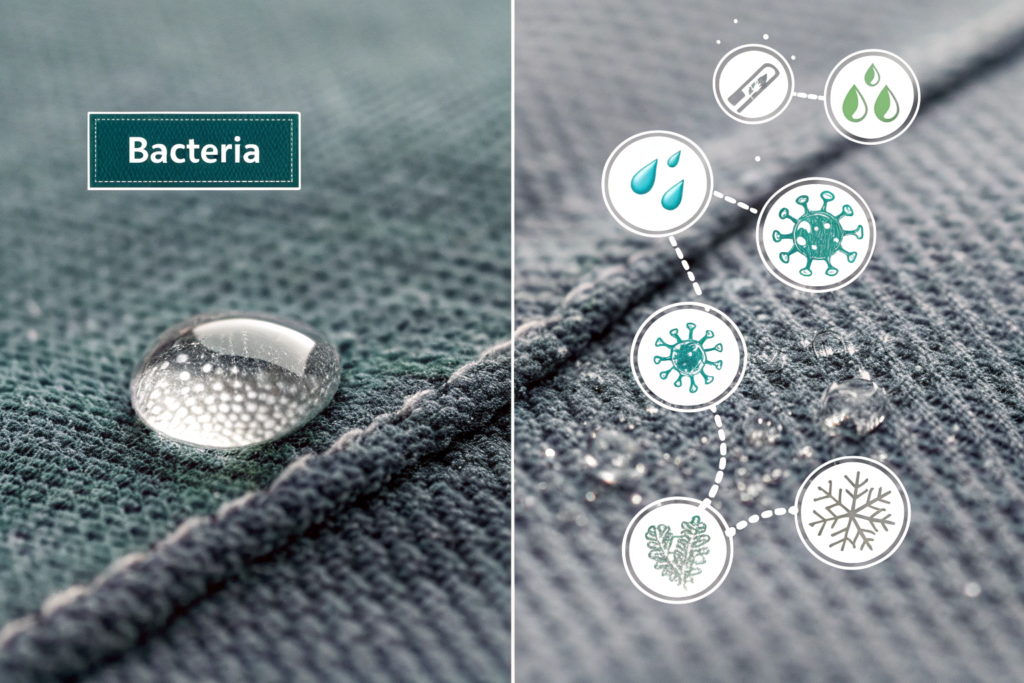
What happens when you do sweat? Synthetic fibers like acrylic or polyester get damp, feel clammy against the skin, and start to smell bad very quickly. This is because the smooth, plastic-like surface of the fibers is a perfect breeding ground for odor-causing bacteria.
Merino wool behaves in a completely different way. Firstly, it is incredibly hydrophilic, meaning it loves water. A single merino fiber can absorb up to 30% of its own weight in moisture vapor without feeling wet to the touch. It actively pulls sweat away from your skin and moves it to the outside of the fabric to evaporate. Secondly, the surface of merino fibers contains lanolin, a natural wax with antimicrobial properties. This makes it very difficult for odor-causing bacteria to grow.
What Does This Mean in the Real World?
How does this translate to a better product? It means your merino beanie will feel dry and comfortable even if you’re active. It also means that it won’t develop a bad smell after just one or two wears. A merino beanie can be worn for days or even weeks without needing to be washed, which is not only convenient but also better for the environment and the longevity of the garment. This is a key selling point for travelers and anyone with an active lifestyle.
Is This Why It’s Used for Performance Socks?
Is this the same principle used in other performance gear? Yes, exactly. The reason merino wool is the gold standard for high-end hiking and running socks is precisely because of these moisture-wicking and odor-resistant properties. It keeps your feet dry, prevents blisters, and doesn’t smell. A beanie made from merino wool brings those same incredible performance benefits to your head.
Why is Merino Wool a More Sustainable Choice?
In a world where consumers are increasingly concerned about the environmental impact of their purchases, what story does your material tell? A beanie made from acrylic is, at its core, a hat made from plastic, which is derived from fossil fuels. It will not biodegrade and will shed microplastics every time it’s washed.
Merino wool, however, is a completely natural and renewable fiber. Every year, merino sheep produce a new fleece, making it a sustainable resource. Furthermore, as a natural protein fiber, merino wool is completely biodegradable. At the end of its long life, a merino wool beanie will naturally decompose in the soil, returning its nutrients to the earth.

Is All Merino Wool Sourced Ethically?
What about animal welfare? This is a very important consideration. The highest quality merino wool comes from farms that prioritize the well-being of their sheep. As a brand, you should look for suppliers who can source wool that is certified by standards like the Responsible Wool Standard (RWS) or is guaranteed to be from mulesing-free farms. Highlighting this ethical sourcing can be a powerful part of your brand’s story.
How Does This Appeal to the Modern Consumer?
Doesn’t this story resonate with today’s buyers? Absolutely. By choosing a natural, renewable, and biodegradable material, you are offering a product that aligns with the values of a growing number of consumers who are willing to invest in sustainable and long-lasting quality. It positions your brand as a thoughtful and responsible choice.
Conclusion
So, why is merino wool the superior choice for a knit beanie? Is it just because it’s a natural fiber? No. It’s because it is a high-performance, multi-talented fiber that decisively outperforms its synthetic and natural rivals.
It offers the softness of a luxury fiber without the itch of traditional wool. It provides intelligent temperature regulation that keeps you warm but not sweaty. It actively manages moisture and odor, keeping you dry and fresh. And it comes with a powerful story of sustainability that modern consumers value.
Choosing merino wool is a choice to create a genuinely better product—one that offers a tangible upgrade in comfort and performance that your customers will feel every time they wear it.
We are experts in sourcing and knitting with high-quality merino wool. If you are ready to create a premium beanie collection that stands out from the competition, we are here to help. Please contact our Business Director, Elaine, at her email: elaine@fumaoclothing.com.