So, you’ve created a stunning collection of fashion accessories. The samples are perfect, the quality is impeccable, and you’re ready for the world to see them. But now what? How do you cut through the noise of a saturated market and actually get your products into the hands of paying customers? What are the strategies that separate thriving brands from forgotten inventory?
What are the best strategies for selling accessories? The most successful brands use a multi-channel approach, combining a strong direct-to-consumer (DTC) online presence with strategic wholesale partnerships, while building a powerful brand story that creates an emotional connection with a specific niche audience. As the owner of Shanghai Fumao Clothing, I’ve seen firsthand that there is no single "magic bullet." The winning formula is a carefully crafted ecosystem where your brand, your story, and your sales channels all work together in harmony.
Are you relying on just one channel? Are you trying to be everything to everyone? Let’s break down the four essential strategies that will help you build a resilient and profitable accessory business.
How Can You Master the Direct-to-Consumer (DTC) Channel?
In today’s market, isn’t having your own direct-to-consumer channel non-negotiable? Selling directly to your customers through your own website and social media gives you complete control over your brand, your pricing, and, most importantly, your customer relationships. It’s the foundation of a modern brand.
A strong DTC presence allows you to tell your story without dilution, capture the highest possible profit margins, and gather invaluable data about who your customers are and what they want. It’s your digital flagship store, open 24/7 to a global audience. But simply launching a website isn’t enough. Mastering DTC requires a focus on creating a seamless and compelling customer experience.
Isn’t this direct connection the most valuable asset you can build? Let’s look at the key components of a winning DTC strategy.
Why is a High-Quality Website Your Most Important Salesperson?
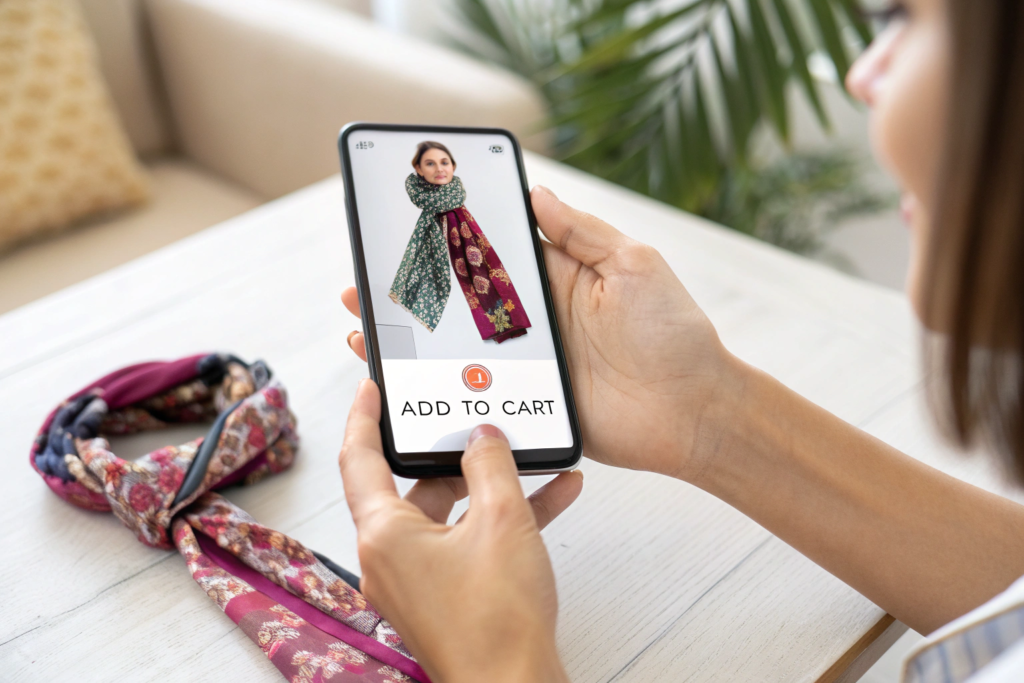
Does your website inspire trust and desire? Your e-commerce site (built on platforms like Shopify or BigCommerce) must be professional, fast, and easy to navigate, especially on mobile. This means investing in high-quality product photography that shows your accessories from multiple angles, on a model, and in a lifestyle context. Write compelling, detailed product descriptions that focus on the benefits and the feel of the product. A beautiful website is the single best investment you can make in your brand’s perceived value.
How Can You Use Social Commerce to Drive Sales?
Are you making it easy for customers to buy the moment they feel inspired? Platforms like Instagram and TikTok are no longer just for marketing; they are powerful sales channels. By setting up Instagram Shopping and TikTok Shop, you can tag your products directly in your posts and stories. This allows a customer to go from seeing a great photo of your new headband to checking out in just a few taps. This frictionless path from discovery to purchase is crucial for converting impulse buys, a major driver of accessory sales. This is a key part of a modern social media marketing strategy.
How Do You Build a Profitable Wholesale Business?
While DTC is essential, what about the power of scale? Building a wholesale business—selling your products in bulk to other retailers—is the fastest way to scale your brand, increase your volume, and get your products in front of a much wider audience.
Wholesale provides a degree of predictability with large, upfront orders, which can be a huge help with cash flow and planning your production budget. It also provides a powerful form of marketing; having your products stocked in a well-respected boutique or a major department store lends your brand credibility and introduces you to their established customer base.
Are you ready to move beyond selling one piece at a time? Let’s explore how to approach the wholesale market effectively.

How Do You Find the Right Retail Partners?
Should you try to sell to everyone? No. The key is to find retail partners whose brand and customer base align with yours. Start by making a list of your dream stores. Visit them, see what other brands they carry, and analyze their price points. Then, craft a professional, personalized pitch. Create a digital line sheet with high-quality images, wholesale pricing, and clear terms. Attending industry trade shows is also one of the most effective ways to meet hundreds of qualified buyers in a short period.
What is the Faire and Bulletin Marketplace Model?
What if you’re not ready for major trade shows? Online wholesale marketplaces like Faire and Bulletin have revolutionized the process for small brands. These platforms connect you with a global network of independent boutiques that are actively looking for new products. They streamline the ordering and payment process, making it much easier for emerging brands to get their first wholesale accounts. For many of our clients, these platforms have been a game-changer for breaking into the wholesale market.
Why is "Finding Your Niche" More Important Than Ever?
In a world filled with accessories, how can you possibly stand out? The answer is not to try and appeal to everyone. The most successful brands don’t shout to the masses; they whisper to a specific, passionate community. They find a niche.
Your niche is your unique corner of the market. It’s the intersection of what you love, what you’re good at, and what a specific group of people are looking for. Are you the go-to brand for sustainable, vegan leather belts? The expert in bold, artistic statement scarves for creative professionals? The specialist in high-performance, technical sports caps for runners?
Isn’t it better to be a big fish in a small pond than a tiny fish in the ocean? Owning a niche allows you to build a loyal, dedicated following that feels like you are speaking directly to them.

How Do You Identify Your Niche?
How do you find your tribe? Start by looking at your own products and passions. What makes your accessories special? Who is the ideal person you envision wearing them? Get incredibly specific. Instead of "women who like hats," drill down to "women in their 30s who live in urban areas, value sustainable fashion, and need a stylish hat for their daily commute." Once you have this clear picture of your target audience, every marketing decision becomes easier.
How Do You Market to a Niche?
Once you know who you’re talking to, how do you reach them? You go where they are. You collaborate with influencers who are genuine leaders in that specific community. You use highly targeted ads on social media aimed at their specific interests. You write blog content that speaks to their unique problems and desires (e.g., "How to Style a Headscarf for Your Next Yoga Retreat"). This targeted approach is far more cost-effective and powerful than generic, mass-market advertising.
Can You Build a Brand Story That Creates an Emotional Connection?
What’s the difference between a simple product and a beloved brand? It’s the story. In today’s market, people aren’t just buying a product; they are buying into a story, a set of values, and an identity. Your brand story is the "why" behind what you do, and it’s your most powerful tool for creating an emotional connection with your customers.
Is your brand just a logo, or does it have a soul? Your story could be about your passion for traditional craftsmanship, your commitment to using sustainable materials, or the personal journey that inspired you to start your company. This narrative gives your products meaning and transforms them from commodities into cherished possessions.
Isn’t this emotional connection what leads to true brand loyalty? It’s why finding a manufacturing partner who understands your vision and can deliver consistent quality is so crucial—every product must live up to the promise of your story. This is why we believe consistency is key.

How Do You Weave Your Story into Every Touchpoint?
Where do you tell this story? Everywhere. It should be on the "About Us" page of your website. It should be in your social media bio and your posts. It should be reflected in your packaging and the note you include with each order. When you talk to customers at a market, you tell them your story. This consistent narrative, repeated across all channels, is how you build a memorable and authentic brand identity.
Why Does Transparency Build Trust?
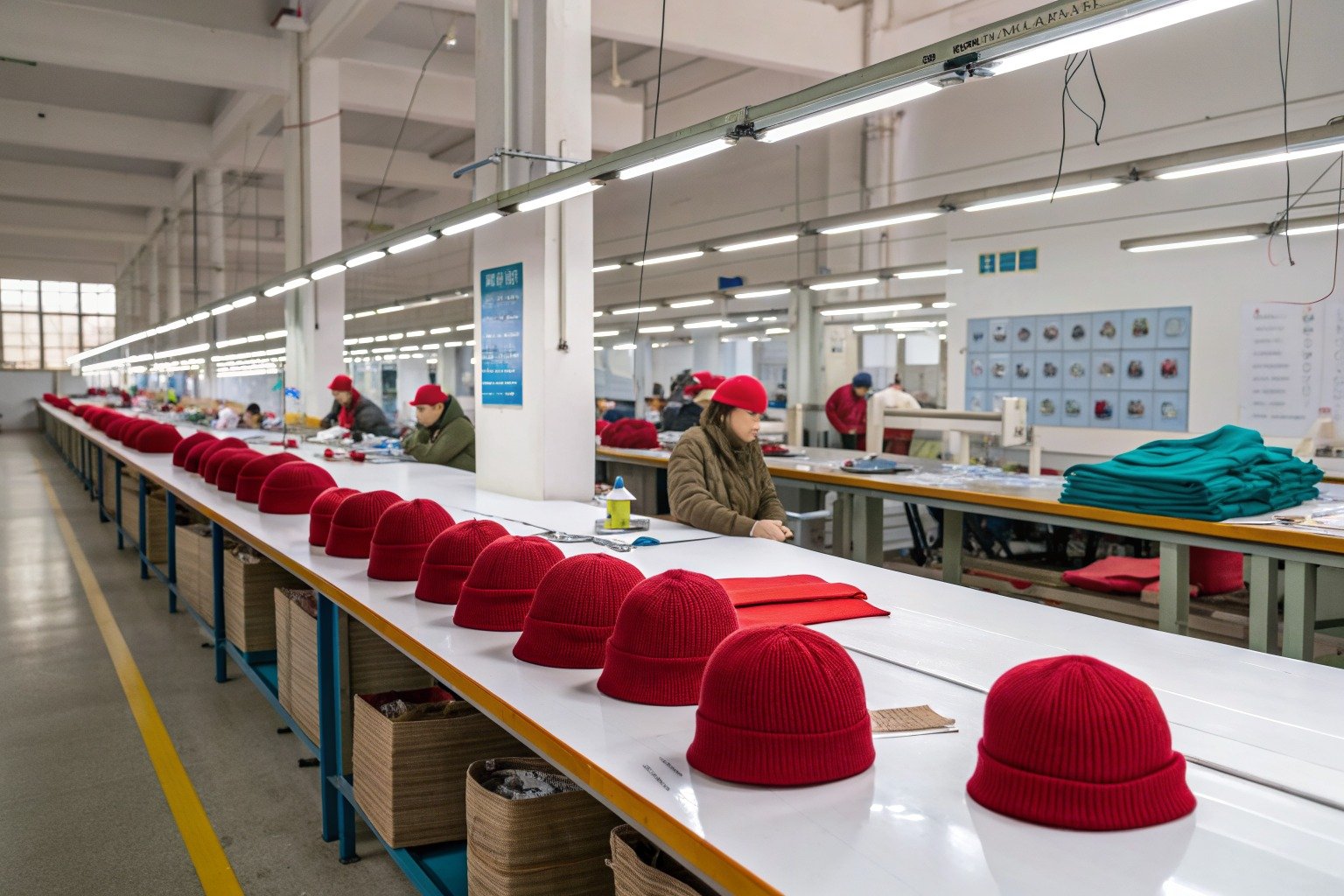
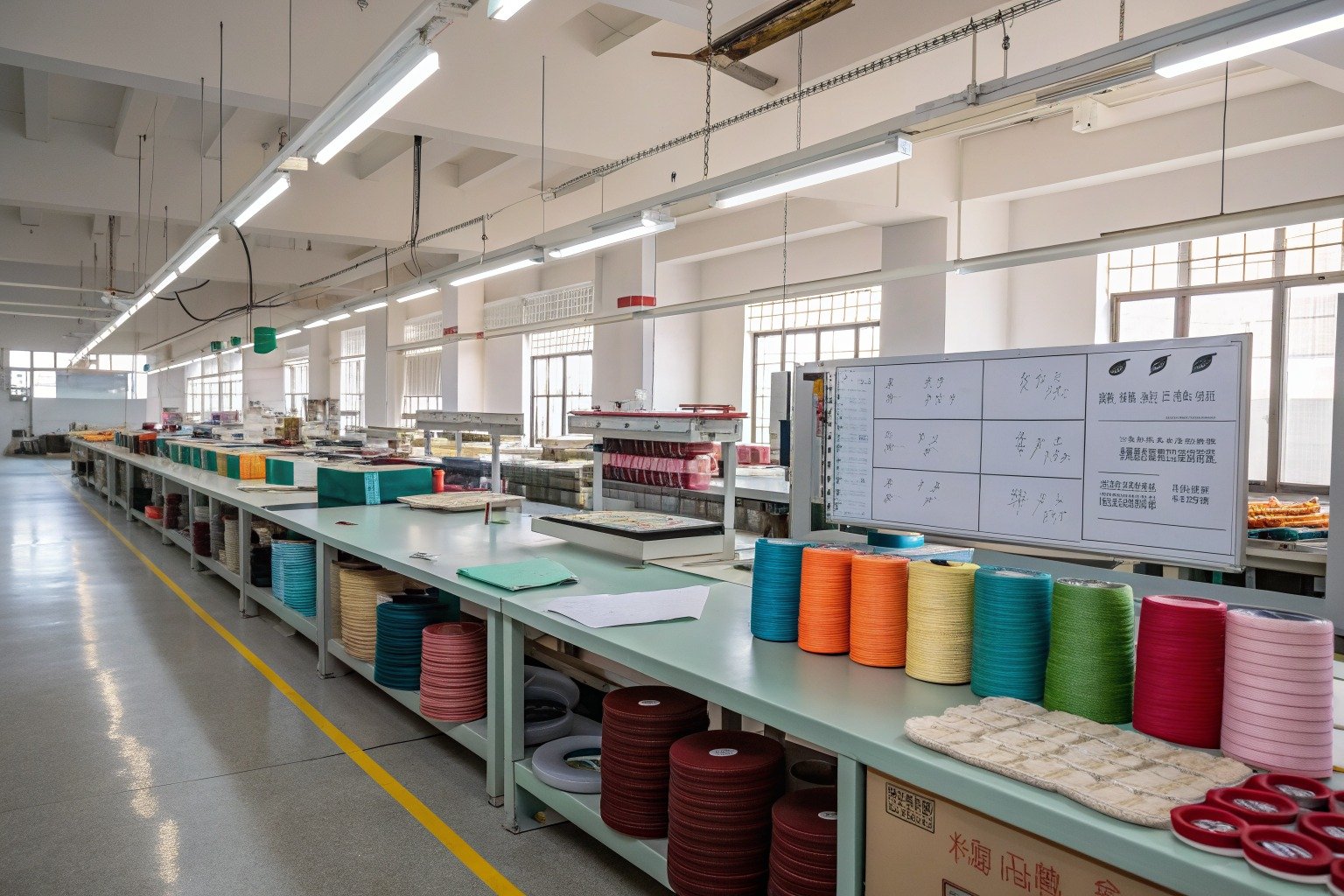
Can being open about your process be part of your story? Absolutely. Today’s consumers appreciate transparency. Showing them where your products are made (like our clean, modern factory), how you ensure food-grade safety for your cups, or why you chose a specific recycled material can be a powerful part of your narrative. This honesty builds trust and makes customers feel like they are part of your brand’s journey.
Conclusion
So, what are the best strategies for selling fashion accessories? Is there a single, easy answer? No. The path to success is a holistic one. It requires building a powerful DTC channel to own your customer relationships, strategically expanding into wholesale to scale your reach, defining a clear niche to stand out from the crowd, and wrapping it all in a compelling brand story that creates true, lasting loyalty.
These four strategies work together like a four-legged stool—if one is weak, the whole structure becomes unstable. By building and balancing all four, you can create a resilient, profitable, and beloved accessory brand.
Our role as your manufacturing partner is to provide the foundation for your success: consistently high-quality products, delivered on time, that perfectly embody your brand’s story. When you’re ready to build, we’re ready to help. Please contact our Business Director, Elaine, at her email: elaine@fumaoclothing.com.