You’re launching a line of sports caps. It seems straightforward, right? It’s just a cap. But the difference between a high-performance cap that an athlete loves and a cheap, uncomfortable promotional giveaway is immense. The secret lies not just in your design, but in the technical capability of the factory you choose. Choosing the right manufacturer is the single most important decision you’ll make to ensure your sports caps are functional, durable, and professional.
To choose the right manufacturer for sports caps, you must prioritize factories with specialized machinery, deep expertise in performance materials, and a proven quality control system for structured headwear. As the owner of Shanghai Fumao Clothing, I can tell you that cap manufacturing is a science. It’s a unique blend of textile knowledge, precise construction, and specialized equipment that many general accessory factories simply don’t possess. You’re not just looking for a sewer; you’re looking for an engineer in headwear.
Finding this specialist is crucial for your brand’s credibility. A poorly constructed cap can ruin your reputation before you even get started. This guide will provide you with a clear roadmap to identify, vet, and partner with a manufacturer that can bring your vision for high-quality sports caps to life.
What Specialized Machinery is Non-Negotiable?
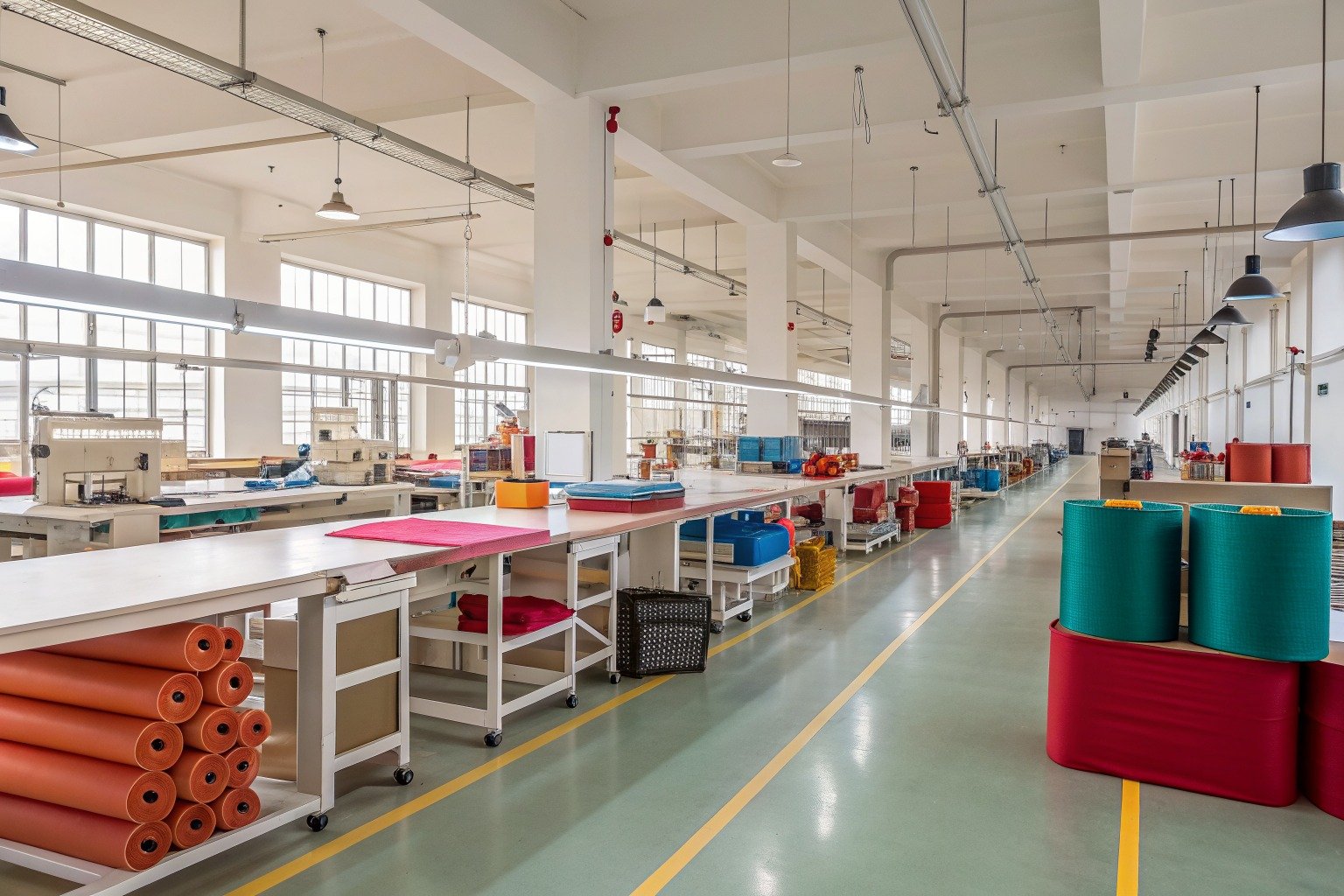
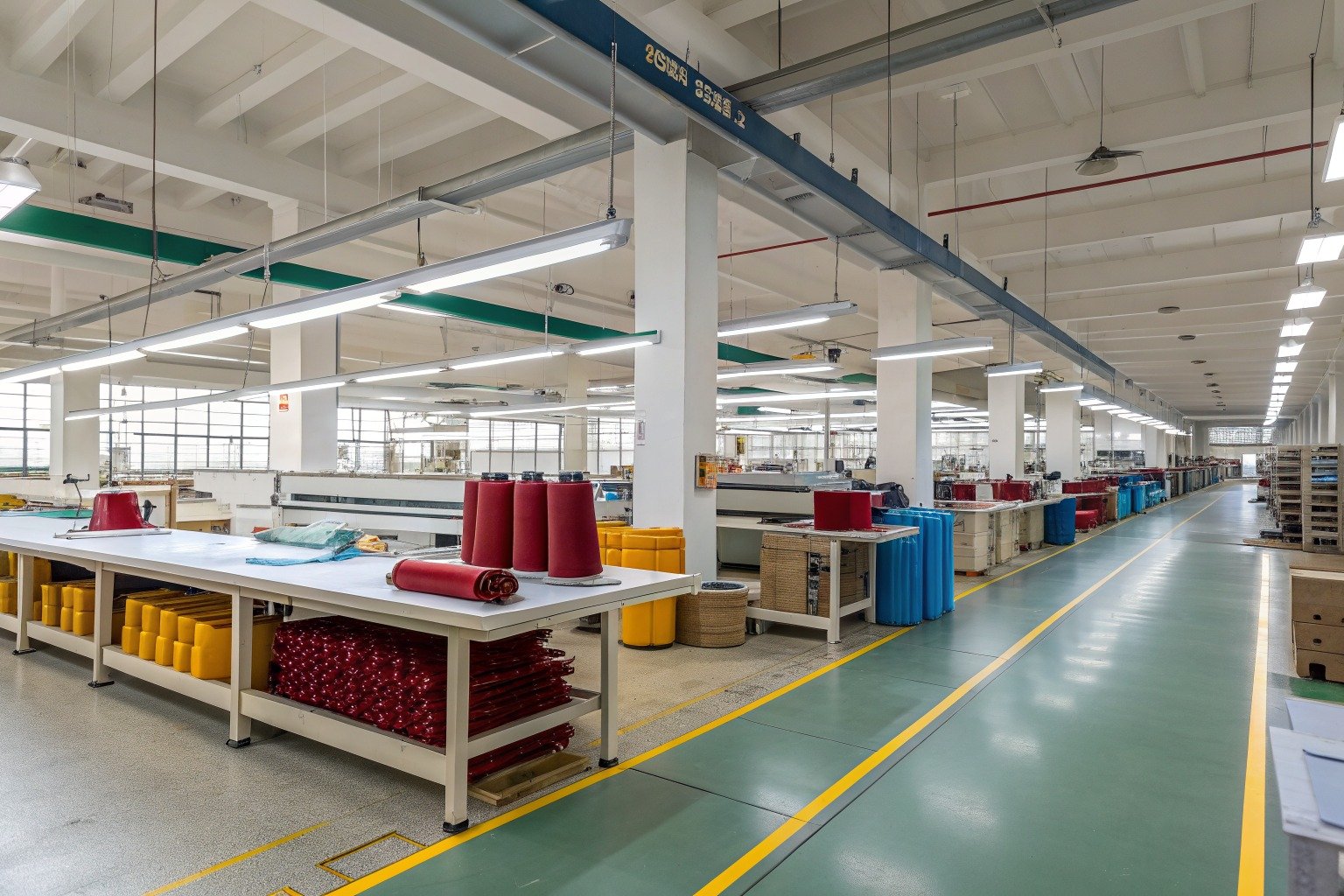
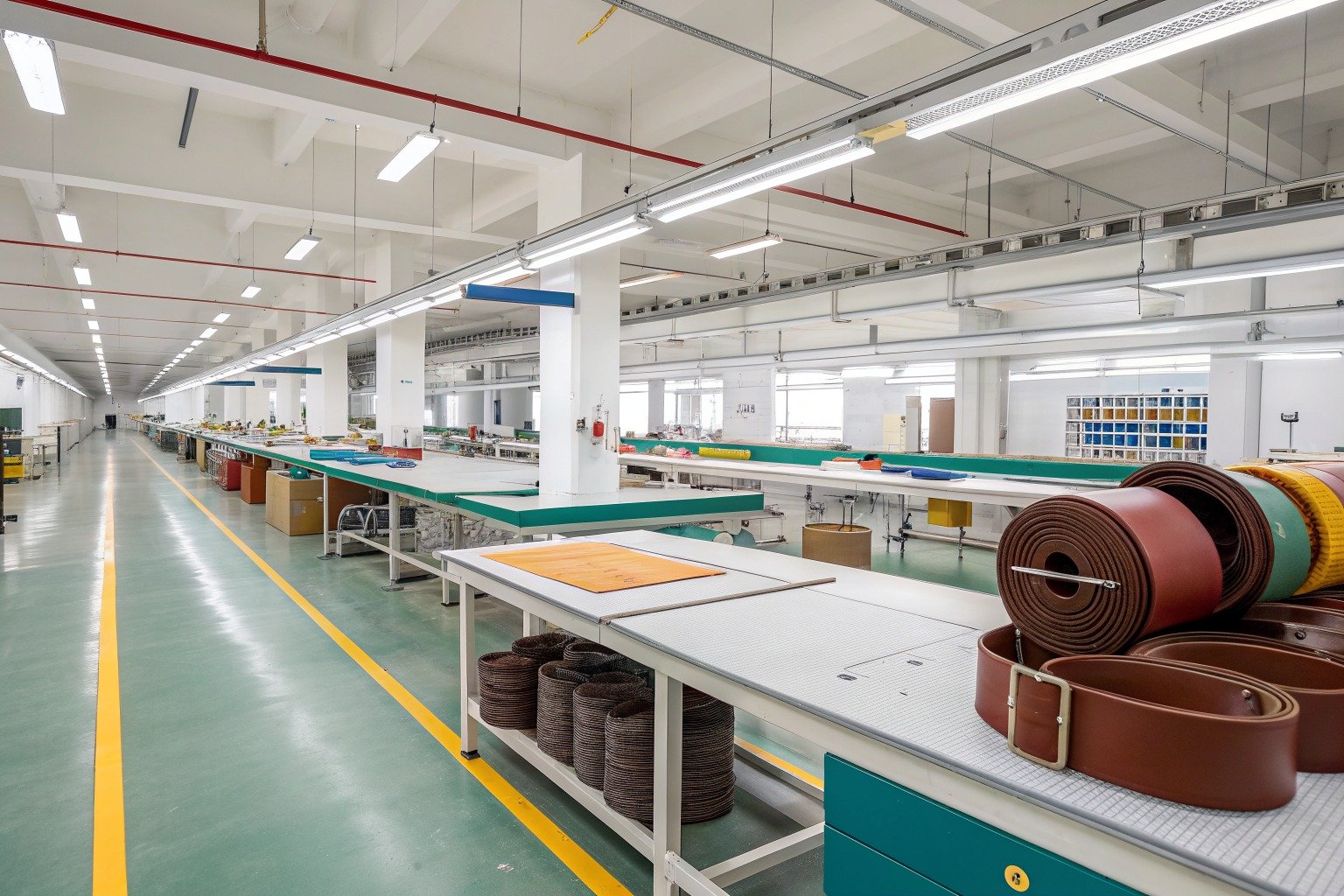
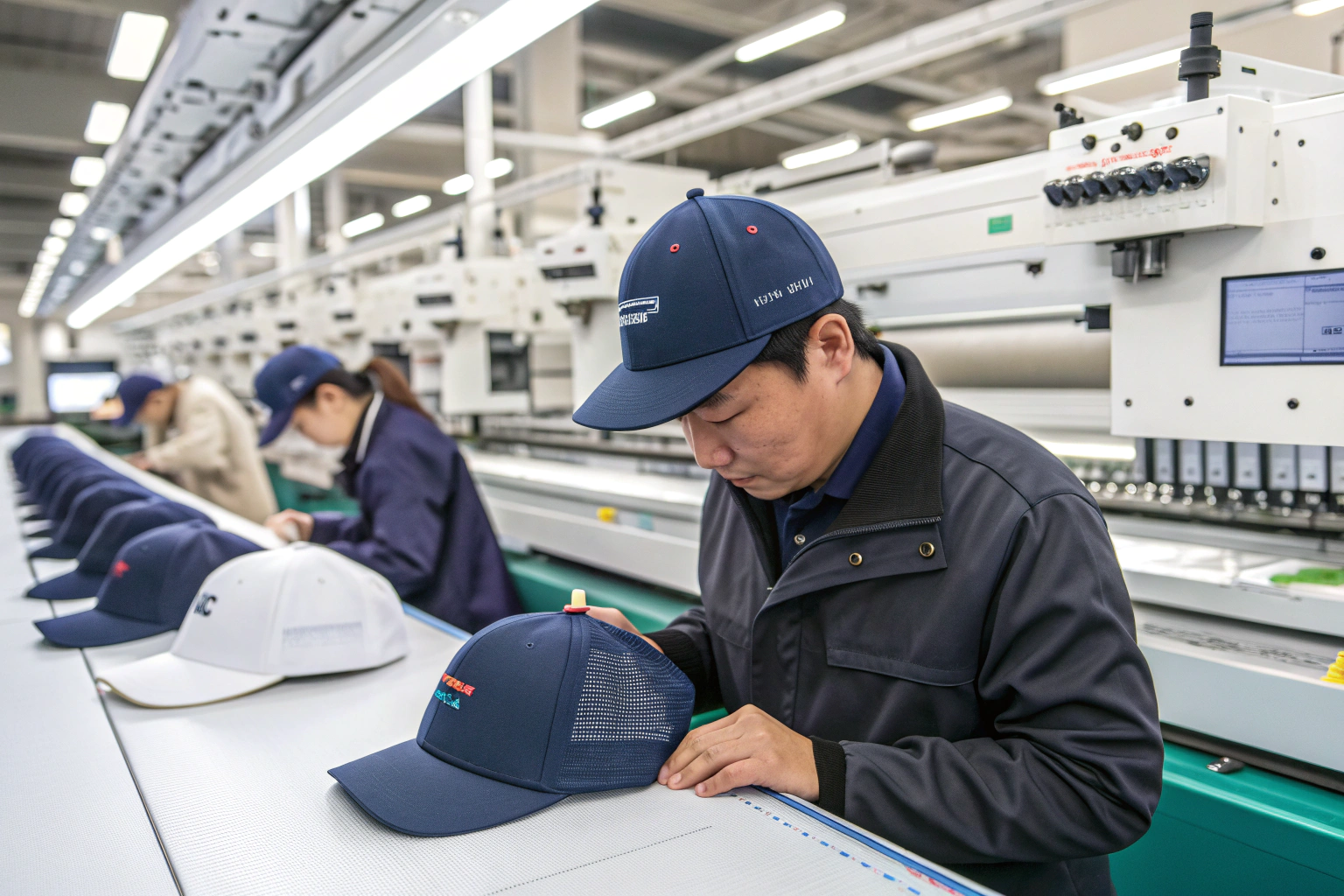
A sports cap’s iconic, structured shape doesn’t happen by accident. It’s created through a series of steps that require highly specialized machinery. A factory that tries to make a structured cap using only standard sewing machines will produce a flimsy, misshapen product. When vetting a potential partner, your first questions should be about their equipment.
A factory’s investment in specialized machinery is a direct indicator of their commitment to the headwear category. It shows they are serious about producing a high-quality, consistent product at scale. These machines ensure every cap has the same perfect curve, the same crisp structure, and the same professional finish. When we invested in our headwear division, acquiring this specific equipment was our top priority because we knew it was the only way to achieve a world-class result.
Let’s look at the key pieces of equipment you should be asking about. A factory’s ability to discuss this technology separates the experts from the amateurs, much like a supplier’s knowledge of trending knitwear textures shows their expertise in that field.

Do They Have Multi-Head Embroidery Machines?
For sports caps, logos are everything. The embroidery needs to be sharp, clean, and perfectly centered. A multi-head embroidery machine is essential for this. It allows a factory to embroider the same logo on multiple cap panels (usually 12 to 20 at a time) with perfect consistency. Ask if they can do "3D" or "puff" embroidery, a popular technique where foam is placed under the stitches to create a raised logo. A factory that can execute this complex technique flawlessly is a true specialist. This is a far cry from simple, flat embroidery and a key differentiator in the custom apparel industry.
What About Panel Cutting and Brim Shaping?
Consistency starts with the cut. Ask if they use die-cutting or laser-cutting for the cap’s six panels. This ensures every single panel is identical, which is crucial for a symmetrical final product. Hand-cutting is simply not precise enough for quality headwear. Next, and most importantly, ask about their brim-shaping process. Top factories use a brim-shaping machine, which uses heat and pressure to mold the plastic visor insert and fabric into a perfect, consistent curve. This is what gives a cap that professional, ready-to-wear look. A factory that shapes brims by hand or over a simple form will never achieve the same level of consistency. This level of process control is fundamental to quality manufacturing.
How Do You Vet Their Knowledge of Performance Materials?
A sports cap is a piece of technical equipment. It needs to be breathable, moisture-wicking, and durable. The material choices are just as important as the construction. A great sports cap manufacturer is also a materials expert.
They should be able to guide you through the pros and cons of different technical fabrics and components. When you describe your target customer—a runner, a golfer, a tennis player—the supplier should be able to recommend the ideal fabric and features for that specific use case. Their ability to have this consultative conversation is a clear sign that they understand the performance aspect of the product, not just the aesthetics.
This material expertise is critical for creating a product that actually performs under pressure. Let’s explore the key material-related questions you should be asking. This is similar to the deep vetting process required when finding a factory with the right reports, as it speaks to their understanding of international standards.

Can They Discuss Technical Fabrics?
Ask them: "What fabric would you recommend for a lightweight running cap?" A knowledgeable supplier will immediately start talking about options like polyester microfiber, nylon ripstop, or fabrics with a specific moisture-wicking finish. They might suggest a fabric with a high UPF rating for sun protection. If their only suggestion is "cotton twill," they are not a performance specialist. A true expert will have a library of technical fabrics from various mills and can explain the benefits of each. This knowledge of technical textiles is essential.
What About the "Unseen" Components?
A cap’s performance also depends on its internal components. Ask them about their sweatbands. A top factory will offer performance sweatbands made from moisture-wicking materials with antibacterial properties, not just a simple cotton strip. Ask about the buckram—the stiff fabric that lines the front two panels. They should use a firm, high-quality buckram that holds its shape after being crushed. Also, inquire about ventilation options. Can they offer laser-cut perforations for targeted airflow, in addition to standard embroidered eyelets? These details make a huge difference in the final product’s comfort and performance, a key aspect of athletic apparel design.
What Does a "Good" Cap Sample Look Like?
After all the conversations, the sample is the ultimate test. It’s the physical proof of their capabilities. When that first sample arrives, you need to know exactly what to look for. A sports cap sample should be evaluated with a more critical, technical eye than a simple fashion accessory.
A great sample should be clean, symmetrical, and structurally sound. It should feel balanced and comfortable on your head. Any sloppiness in the sample—a slightly off-center logo, an uneven brim, a puckered seam—will be magnified a thousand times over in a bulk production run. Do not accept a "good enough" sample. The sample must be perfect.
This is your final quality gate before committing to a large order. Let’s break down the specific checkpoints for a sports cap sample evaluation. This process is a more specialized version of the general principles for evaluating any fashion accessory sample.
How Do You Check for Structural Integrity and Symmetry?
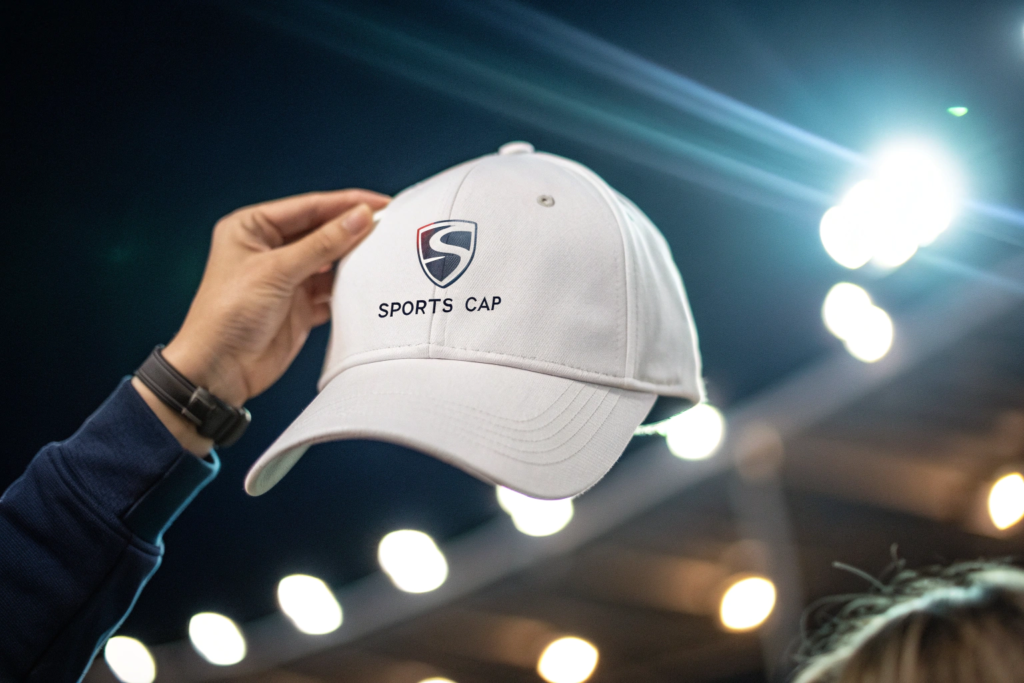
Place the cap on a flat surface. Does it sit evenly, or does it wobble? Look at it from the front. Is the logo perfectly centered? Is the brim attached perfectly straight? Now look at it from the top. Are all six panels meeting at a clean, central point at the top button? Are the seams straight and free of any puckering? Bend the brim. Does it feel sturdy and spring back to its shape? A cap that fails these basic symmetry and structure tests is a sign of a low-quality manufacturer. This is a test of their basic pattern-making and construction skills.
What Details Reveal True Quality?
Look inside the cap. All the seams should be covered with clean, branded or unbranded taping. This taping is not just decorative; it adds to the structure and prevents fraying. Check the closure at the back. Whether it’s a snapback, a velcro strap, or a metal buckle, it should be high quality and securely attached. Look at the stitching on the sweatband—it should be neat and even. Finally, put the cap on. How does it feel? Is it comfortable? Does it sit at the right depth? The overall fit and feel are the ultimate test of a well-designed and well-made cap. This attention to detail is what separates premium products from the rest, a key factor in the athleisure market.
Why is Their Production Process So Important?
You’ve found a factory with the right machines, the right material knowledge, and a perfect sample. There’s one last area to investigate: their production process and quality control system. How do they ensure that the 10,000th cap looks just as good as the perfect sample you approved?
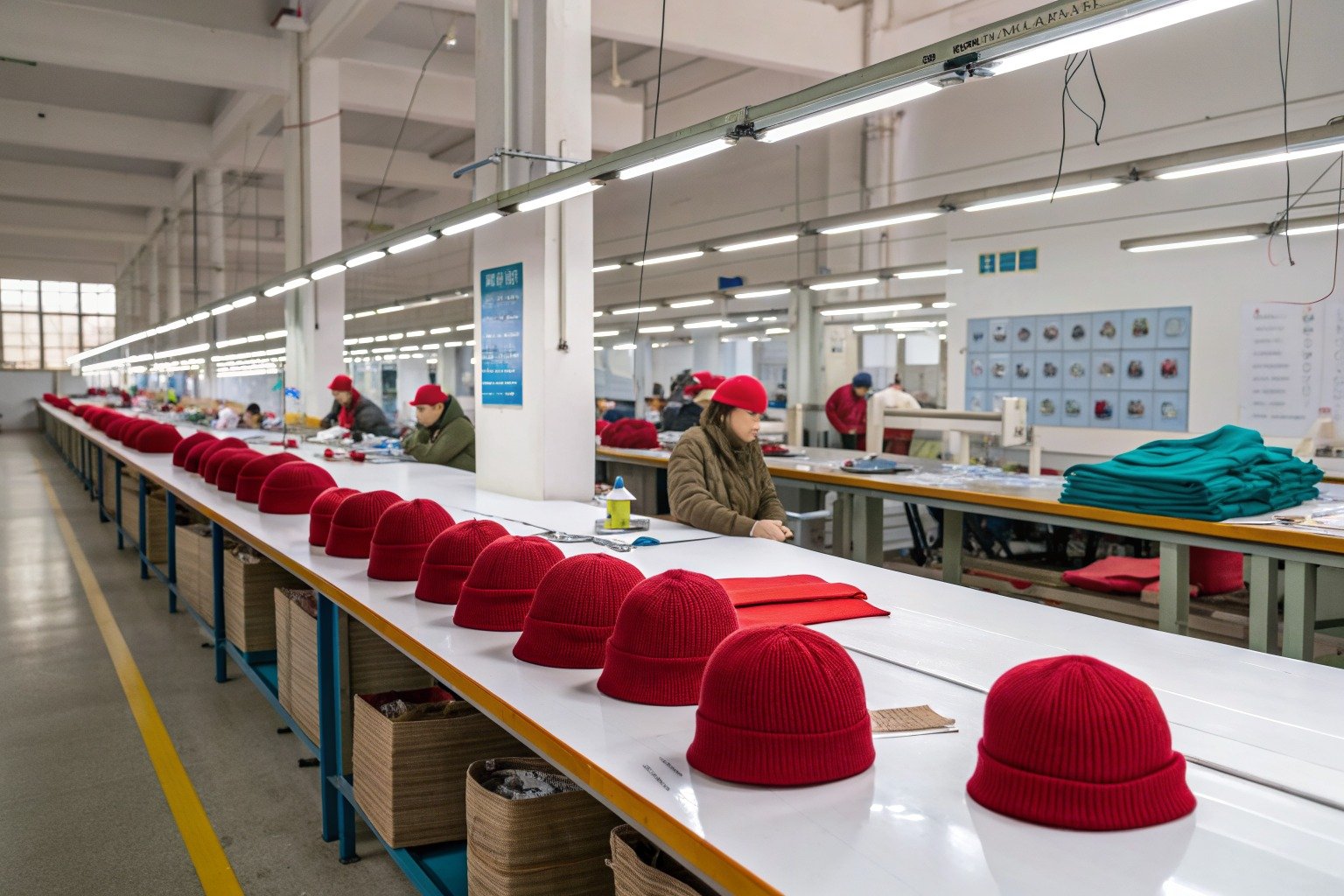
A top-tier cap manufacturer will have a documented Quality Control (QC) process with multiple inspection points throughout the production line. They don’t just inspect the final product; they inspect the raw materials, the cut panels, the embroidery, and the sub-assemblies at each stage. This "in-line" QC process catches errors early and prevents them from being repeated.
Asking about their QC process demonstrates that you are a professional buyer who understands that consistency is key. A factory that can confidently walk you through their QC system is a factory you can trust. This is a critical part of building a reliable supply chain, especially when negotiating for peak season.

What Are In-Line QC Checkpoints?
Ask the factory manager: "What are your quality control checkpoints for a cap order?" A good answer will sound something like this: "First, we have an incoming QC for all fabrics and components. Then, we check the cut panels for accuracy. After embroidery, every panel is inspected for defects. We have another QC check after the cap is assembled but before the brim is attached. Finally, there is a 100% final inspection of every finished cap before packing." This systematic approach is the essence of a good Quality Management System.
How Do They Handle Defects?
Ask them: "What happens when a defect is found during an in-line inspection?" The correct answer is that the defective piece is immediately pulled from the production line and either fixed or discarded. This prevents a flawed component from making its way into a finished product. This proactive approach to defect management is far more effective than trying to find and fix flawed products at the very end. It shows a commitment to building quality in, not just inspecting it out.
Conclusion
Choosing the right manufacturer for sports caps is a mission to find a true specialist. It’s a process that goes far beyond a simple price comparison. By focusing your search on factories with specialized machinery, deep performance material expertise, and a rigorous quality control system, you are setting your brand up for success. The perfect sample is your proof, but their process is your guarantee of consistency.
Don’t be afraid to ask detailed, technical questions. A great factory will be impressed by your knowledge and eager to demonstrate their capabilities. This initial investment in thorough vetting will pay for itself many times over in the form of high-quality products, happy customers, and a sterling brand reputation.
We have invested heavily in becoming a top-tier headwear specialist. If you are looking for a partner who understands the science of a great sports cap and is committed to quality at every step, we would be honored to be considered. Please contact our Business Director, Elaine, at her email: elaine@fumaoclothing.com to discuss your project.