As a sharp buyer like Ron, you know the job isn’t finished when the product is made. The final, critical step is the packaging. For retail, packaging isn’t just a box to protect the item; it’s the product’s salesperson on the shelf. It’s the first thing a customer touches, the element that communicates your brand’s story, quality, and price point in a matter of seconds. A great product in bad packaging will fail. You need a packaging strategy that works as hard as your product does.
To customize packaging for retail-ready fashion accessories, you must develop a strategic system that considers the retail environment, the unboxing experience, and supply chain efficiency. This means going beyond a simple logo and designing a complete packaging suite—including hangtags, backer cards, boxes, and polybags—that protects the product, tells your brand story, and makes life easy for your retail partners.
This is a conversation I have with every single client, and it’s one of my favorites. Why? Because great packaging is a sign of a professional brand. At Shanghai Fumao Clothing, we don’t just manufacture accessories; we deliver them retail-ready. We’ve helped hundreds of brands design packaging that stands out on the shelf and delights the customer. Let’s walk through the essential elements of a winning packaging strategy.
How Do You Design for the Retail Environment?
Your product won’t be sold in a vacuum. It will be on a crowded shelf, a peg hook, or a display table. Your packaging must be designed to thrive in that specific environment.
You design for the retail environment by choosing a packaging format that maximizes visibility and works with standard retail fixtures, such as using a hangtag with a universal hang hole for peg hooks or a sturdy backer card for shelf display. The primary goal is to make your product easy for the retailer to stock and attractive for the customer to see.
This is the most practical, and most important, first step. Before we design anything, I ask my clients: "How will this be sold?" If it’s for a major supermarket, it will likely hang on a peg hook. Therefore, the packaging needs a durable backer card with a standard hang hole. If it’s for a boutique, it might sit on a table, so a small, stackable box might be better. Thinking about the end environment first is the key to creating packaging that functions correctly in the real world and is a prerequisite for considering the customer’s unboxing experience.
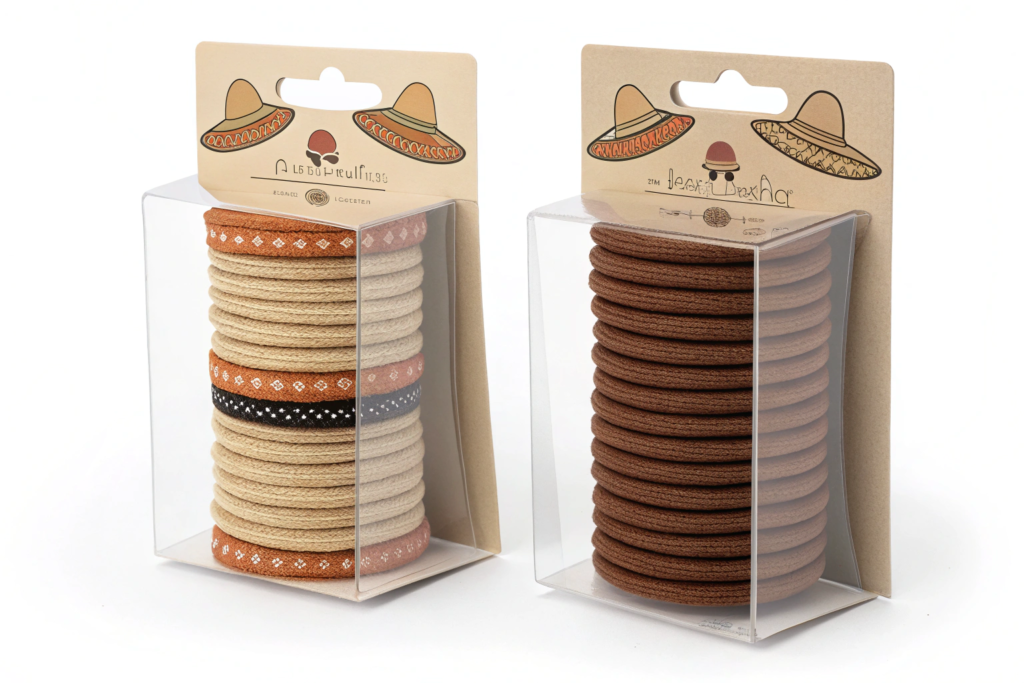
What is a "Backer Card"?
A backer card is a piece of sturdy cardstock (usually 300-400 GSM) to which an accessory is attached. It’s the standard for items like hair clips, earrings, and necklaces. A good backer card should be thick enough to not bend under the weight of the product and can be die-cut into custom shapes.
What is a "Hangtag"?
A hangtag is a smaller tag that hangs from the product (like a beanie or a scarf) via a string, plastic barb, or safety pin. It typically contains the brand logo, product name, price, and barcode. The choice of string (e.g., natural jute, polished cotton, or a plastic loop) is a key branding detail. You can see the variety of options on packaging supplier sites like Uline.
How Do You Create a Memorable Unboxing Experience?
Once the customer has purchased the product, the packaging has a new job: to delight and reassure them of their purchase. This is the "unboxing experience," and it’s a powerful marketing tool.
You create a memorable unboxing experience by focusing on the tactile and visual details of the packaging, using quality materials, thoughtful construction, and a cohesive brand message across every element. It’s the difference between a product wrapped in a flimsy plastic bag and one nestled in a sturdy, branded box with a ribbon pull.
Even for a simple accessory, we can build in a moment of delight. For a set of delicate hair clips, we might suggest mounting them on a thick, soft-touch backer card and then placing that inside a box. For a premium silk scarf, we might wrap it in branded tissue paper before placing it in its box. These small, thoughtful touches elevate the perceived value of the product, encourage social media sharing, and build brand loyalty. This attention to detail is what separates a basic brand from one that understands the power of branding.
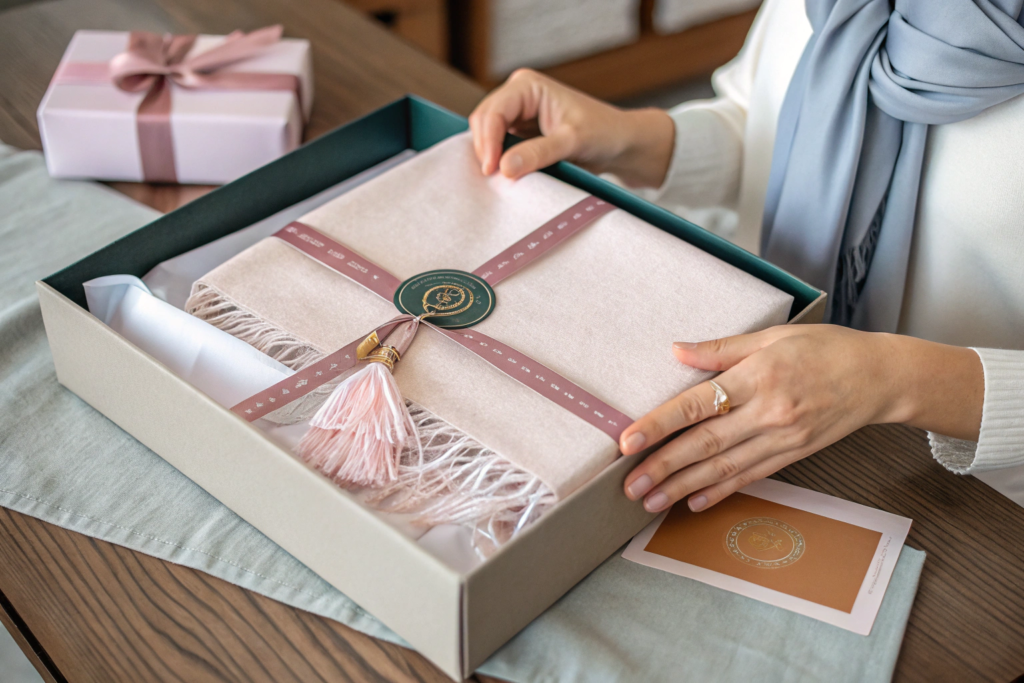
What is "Perceived Value"?
Perceived value is the customer’s opinion of a product’s worth. High-quality packaging directly increases perceived value, allowing you to command a higher retail price. A $20 scarf in a $2 box feels more valuable than a $20 scarf in a 10-cent polybag. This concept is a cornerstone of retail marketing, often discussed in business resources like Shopify’s blog.
What are some simple ways to enhance the unboxing experience?
- Use a branded sticker to seal tissue paper.
- Print a "Thank You" message on the inside of the box lid.
- Use a custom ribbon with your brand name printed on it.
- Choose a box with a magnetic closure, which has a very satisfying and premium feel.
How Do You Ensure Consistent Branding Across All Elements?
Your packaging suite may include a hangtag, a box, a polybag, and a shipping carton. If they don’t look like they belong to the same family, you’re diluting your brand identity.
You ensure consistent branding by creating a simple "Packaging Style Guide" that dictates the consistent use of your logo, brand colors (using Pantone codes), and typography across every single packaging component. This guide ensures that every element, from the hangtag to the outer carton, looks and feels like it came from the same brand.
This is a crucial step in the professionalization of a brand. At Shanghai Fumao Clothing, we ask our clients for this guide. If they don’t have one, we help them create it. It might specify that the logo must always have a certain amount of clear space around it, or that the primary brand color is Pantone 18-3838 (Ultra Violet) and the secondary color is Pantone 11-0601 (Bright White). This consistency makes your brand look professional, trustworthy, and memorable, which is vital for your supply chain strategy.
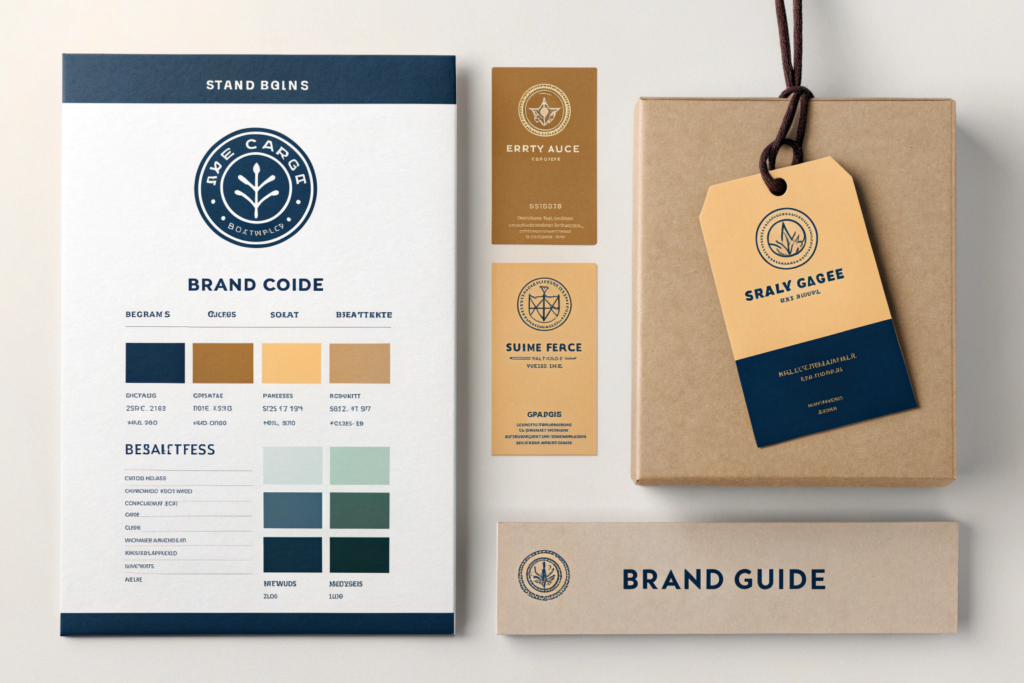
What should be in a simple Packaging Style Guide?
- Logo Usage: Primary logo, secondary logo/icon, and rules for clear space.
- Color Palette: Primary and secondary brand colors with their exact Pantone (PMS) codes.
- Typography: The specific brand fonts to be used for headings and body text.
- Material & Finish: Guidelines for materials (e.g., "All paper must be FSC-certified matte cardstock").
Design platforms like Canva or professional designers can help you create a comprehensive brand kit.
Why are Pantone codes so important here?
A color can look different on every computer screen and be printed differently by every printer. A Pantone code is a universal standard that ensures the "brand blue" printed on your box in China is the exact same "brand blue" printed on your business cards in the US.
How Do You Optimize Packaging for the Supply Chain?
Your packaging has one final, critical job: it must be efficient and cost-effective to ship and store. Beautiful, oversized packaging can destroy your profit margins with high shipping costs.
You optimize packaging for the supply chain by designing it to be as lightweight and compact as possible ("right-sizing"), ensuring it is durable enough to protect the product during transit, and including all necessary regulatory information, like suffocation warnings and country of origin. This is the unglamorous but essential part of packaging design that impacts your bottom line.
This is where our experience as a manufacturer is invaluable. We often advise clients on how to slightly modify a box design to allow it to be shipped flat, which dramatically reduces freight costs. We ensure that any sealed polybag for a children’s product has the required air holes and suffocation warning printed on it. We make sure the "Made in China" marking is clear and compliant. Balancing the beautiful design with these practical realities is the final step in creating truly effective retail-ready packaging.
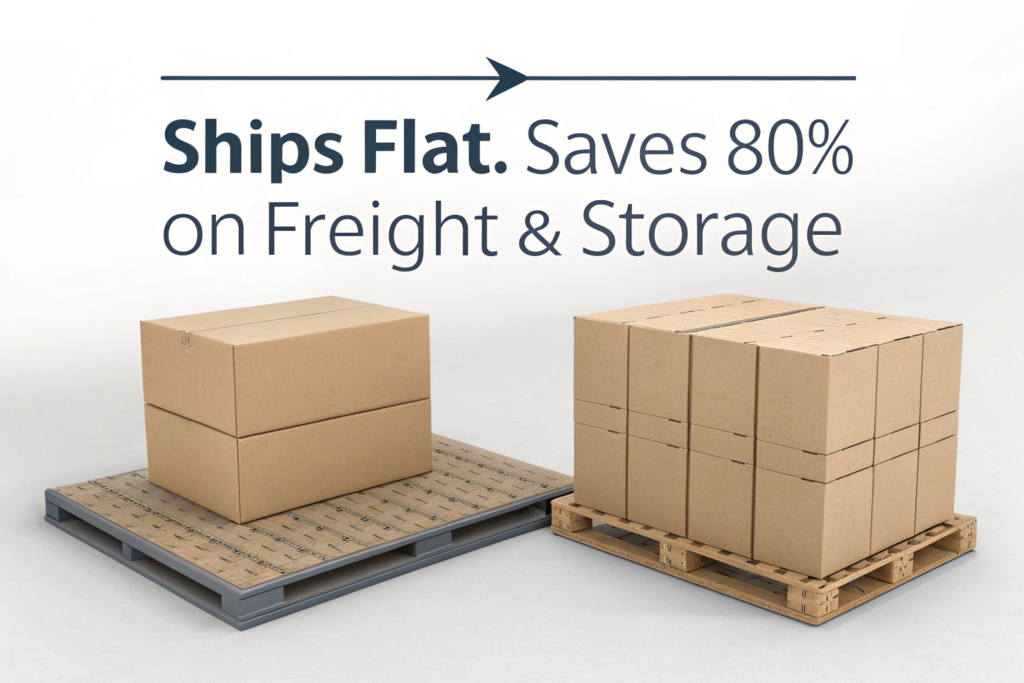
What is "right-sizing"?
Right-sizing is the process of designing your packaging to be no larger than it needs to be, eliminating wasted space (and wasted material). This not only saves money on materials and shipping but is also more sustainable. Logistics companies like DHL often provide guidance on how to optimize packaging for shipping.
What regulatory information is required?
This depends on your product and market, but common requirements include:
- Country of Origin: e.g., "Made in China."
- Material Content: e.g., "100% Cotton."
- UPC Barcode: Essential for most major retailers.
- Suffocation Warnings: Required on polybags in many jurisdictions.
- CPSIA Tracking Information: For children’s products sold in the US.
Conclusion
Customizing your packaging is not an afterthought; it is an integral part of your product development and sales strategy. By designing for the specific retail environment, creating a memorable unboxing experience, enforcing strict brand consistency, and optimizing for supply chain efficiency, you create a packaging system that does its job perfectly at every stage. It will grab a customer’s attention on a crowded shelf, delight them as they open it at home, and protect your profit margins from the factory to the warehouse.
At Shanghai Fumao Clothing, we are full-service partners. We don’t just make your product; we help you design and produce the perfect packaging to make it a retail success. We manage the entire process, ensuring every hangtag, box, and label is a perfect reflection of your brand.
If you are ready to develop a professional, retail-ready packaging program for your accessories, let’s talk. Please contact our Business Director, Elaine, at her email: elaine@fumaoclothing.com, to get started.