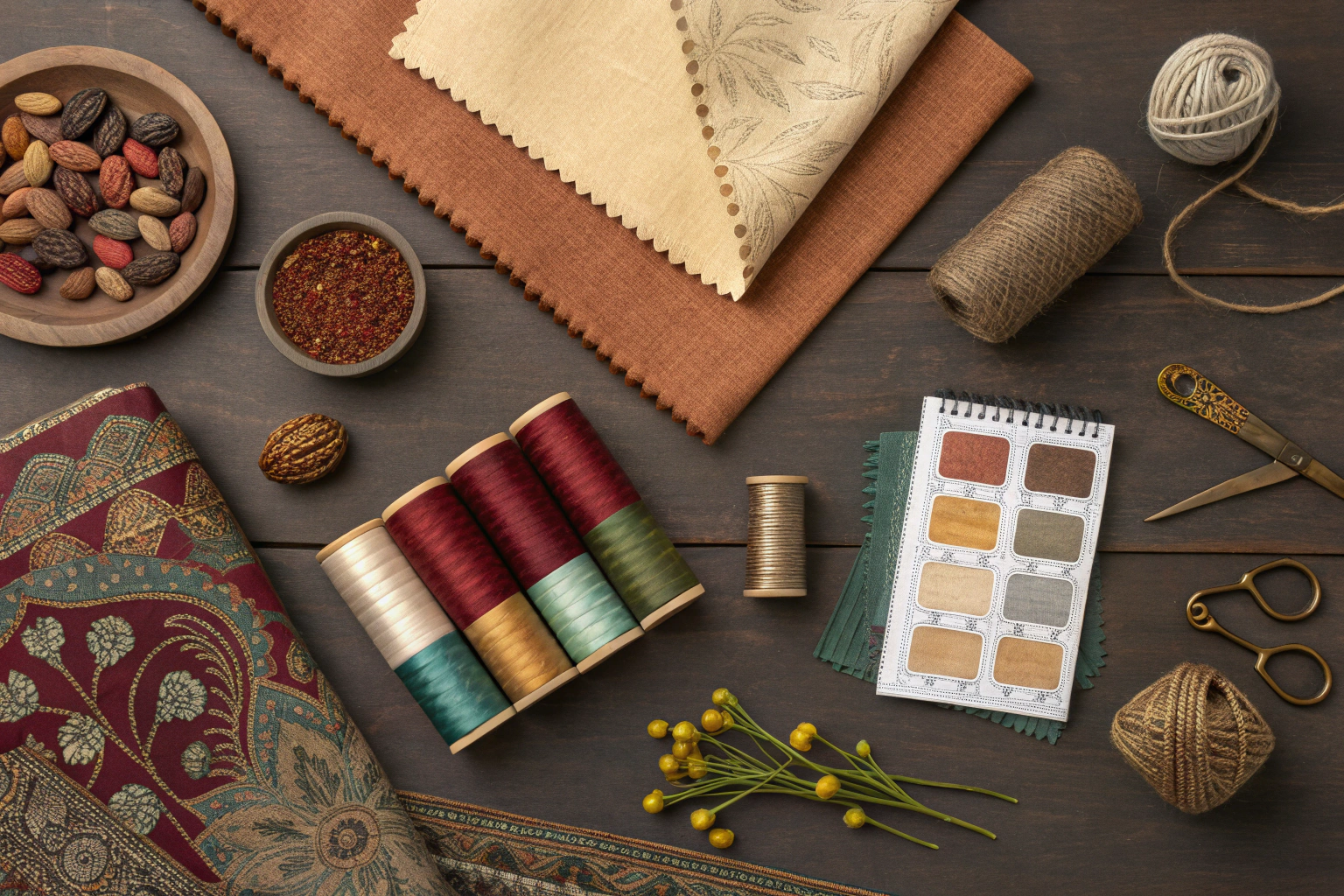
Are you a brand owner or a product developer like Ron, staring at a market saturated with the same standard cashmere and pashmina shawls? You know that to capture a customer’s attention and command a premium price, you need to offer something different—a product with a unique story, a memorable texture, and an unforgettable feel. But where do you even begin to look for materials that go beyond the ordinary?
To find unique materials for custom shawl production, you must look beyond mainstream suppliers and explore a multi-pronged sourcing strategy that includes artisan cooperatives, specialized textile fairs, sustainable innovators, and custom-development partnerships with a capable manufacturer. The secret is to stop looking for what’s available and start investigating what’s possible.
This quest for the unique is what drives our passion at Shanghai Fumao Clothing. We’re not just a factory; we are explorers and innovators at heart. We’ve built a global network of suppliers and an in-house R&D team dedicated to finding and developing unique materials that give our clients a powerful competitive edge. Let me share some of the strategies we use to discover the fabrics that will define your next best-selling collection.
Why Look Beyond Mainstream Wool and Cashmere?
Your competitors are all using the same materials from the same large-scale suppliers. It’s a sea of sameness, leading to a race to the bottom on price.
Looking beyond mainstream materials is essential for creating a distinct brand identity, telling a compelling story, and achieving higher profit margins. A unique material—whether it’s due to its rare origin, its sustainable properties, or its innovative texture—immediately differentiates your product. It becomes a conversation starter and transforms the shawl from a simple accessory into a piece of wearable art.
I remember a client who was struggling to compete in the crowded cashmere market. We proposed developing a collection using a blend of merino wool and yak down. Yak down is incredibly soft, warm, and has a beautiful, natural brown color that requires less dyeing. The resulting shawls had a unique heathered look, a compelling story about Himalayan artisans, and a luxurious feel. The collection was a huge success because it was different. This is the power of moving beyond the obvious, a principle that guides our exploration of alternative natural fibers.
What is "material storytelling"?
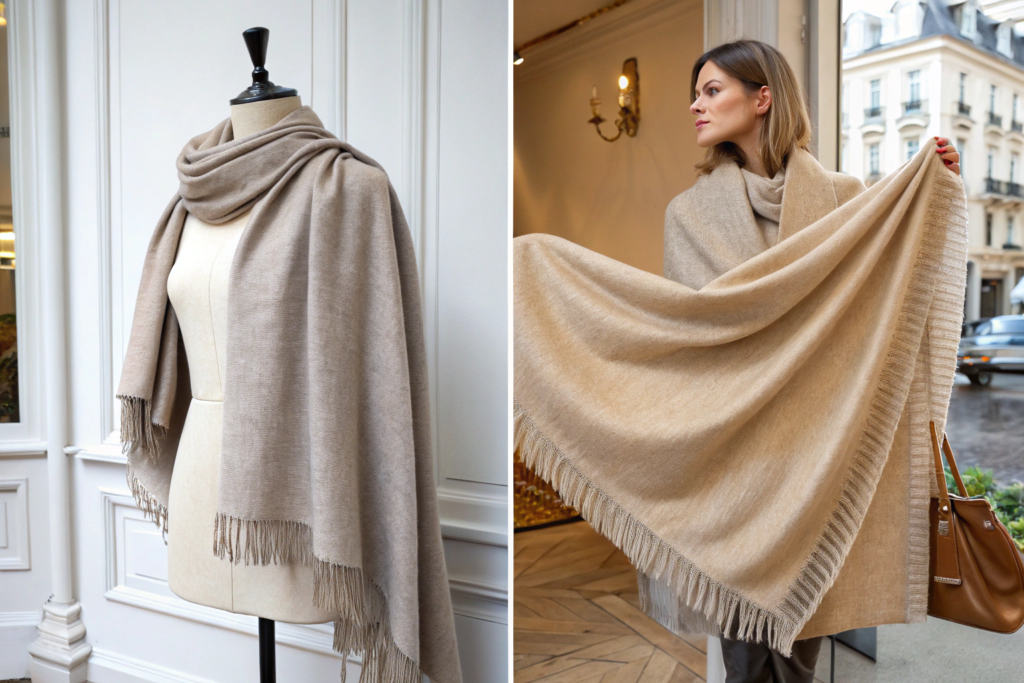
Material storytelling is the practice of using the origin, properties, and production process of your material as a core part of your marketing. Is your fabric hand-dyed with natural pigments by a women’s cooperative in India? Is it made from recycled ocean plastic? Is the fiber sourced from a rare animal breed known for its unique softness? This story adds emotional value and helps the consumer connect with the product on a deeper level than just its appearance. This is a key strategy for building brand equity, as discussed by marketing resources like The Business of Fashion.
How does a unique material impact perceived value?
A customer can buy a standard cashmere shawl from dozens of brands. But a shawl made from lotus silk (one of the rarest fabrics in the world) or a hand-woven alpaca bouclé is a rare find. This scarcity and uniqueness immediately increase the product’s perceived value, allowing you to command a higher retail price and achieve better margins. It shifts the customer’s decision from "Which is cheapest?" to "Which is most special?".
What Are the Best Alternative Natural Fibers?
You’re ready to explore beyond cashmere. What are the best-kept secrets in the world of natural fibers that offer luxury, performance, and a great story?
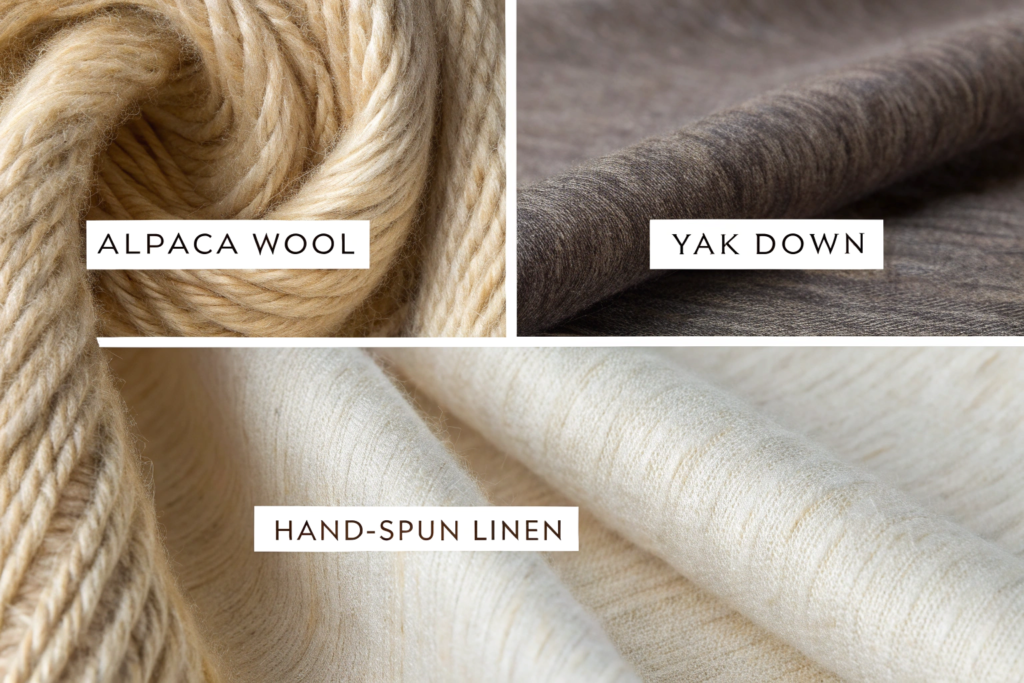
The best alternative natural fibers for luxury shawls include alpaca for its silky softness and thermal properties, yak down for its cashmere-like feel and unique color, and high-quality linen for its breathable, rustic elegance. Each of these materials offers a distinct character and a compelling origin story that can set your collection apart.
Our sourcing team has spent years building relationships with suppliers of these incredible fibers, from the Andes mountains for alpaca to the Tibetan plateau for yak. At Shanghai Fumao Clothing, we understand the nuances of working with these materials to bring out their best qualities. Choosing one of these alternatives is a strategic decision that immediately elevates your brand above the competition and opens up new possibilities for innovative blends and textures.
Why choose alpaca?
Sourced from alpacas in the Andes, this fiber is incredibly soft, silky, and lightweight. It contains microscopic air pockets, making it highly thermal and warm without being heavy. Unlike sheep’s wool, it contains no lanolin, making it hypoallergenic. It also comes in a wide array of beautiful natural colors, reducing the need for dyeing. You can learn more from organizations like the Alpaca Owners Association.
What makes yak down special?
Often called the "new cashmere," yak down is the fine, soft undercoat of yaks. It is exceptionally warm, breathable, and soft. Its natural colors—typically shades of brown, grey, and black—are rich and beautiful on their own, and when blended with other fibers, they create a stunning, heathered effect. Sourcing yak down also often supports nomadic communities in the Himalayas. Brands like Norfox and other sustainable fashion advocates have great resources on this fiber.
How Can You Create Custom Blends and Textures?
Finding a unique fiber is a great start. But the true artistry comes in how you use it. How can you create a fabric that is 100% unique to your brand, a material that no one else has?
You can create a completely custom material by partnering with your manufacturer to develop unique blends of different fibers or by experimenting with innovative spinning and weaving techniques. This is where you move from a sourcer to a true creator. By blending fibers like merino, silk, and yak, or by creating a bouclé or slub yarn, you can design a fabric with a signature texture, drape, and feel.
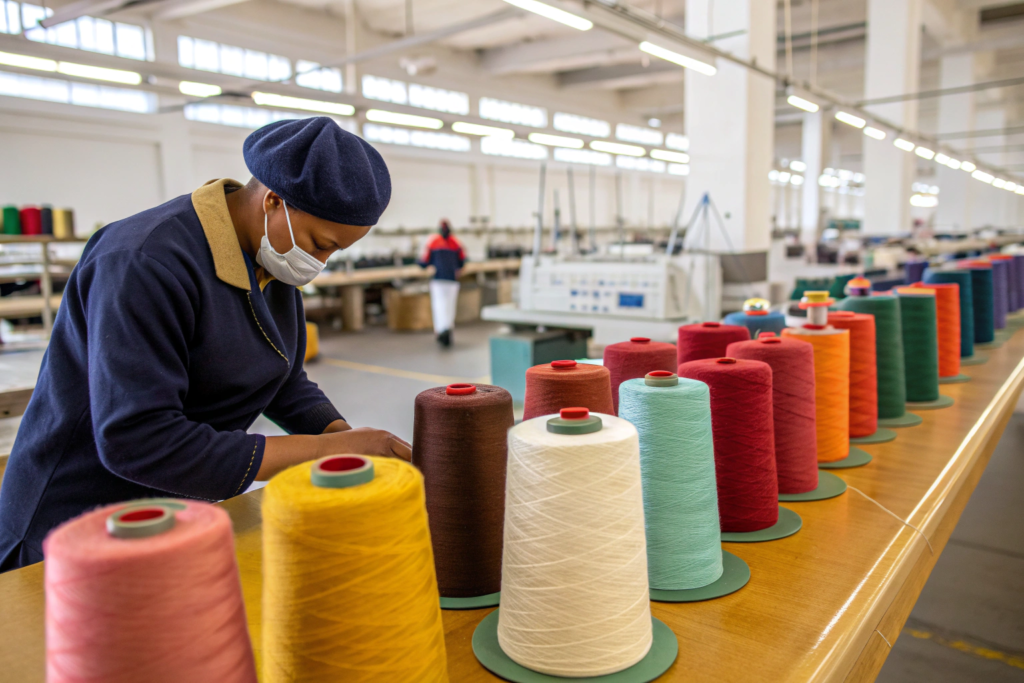
This is my favorite part of the job. A client will come to us with an abstract concept, like "I want a shawl that feels like a cloud but has a little bit of sparkle." Our R&D team will then get to work. We might blend ultra-fine merino with a touch of cashmere for softness and then twist it with a single, delicate metallic thread. This custom development process is at the heart of what we do at Shanghai Fumao Clothing, and it’s how we turn a client’s vision into a tangible, unique product. This creative process is where you can truly differentiate and build on the story of your chosen materials.
What is a "bouclé" or "slub" yarn?
- Bouclé: This yarn is made from two strands twisted together, with one strand being looser than the other, creating distinctive loops and curls. It results in a fabric with a nubby, highly textured, and cozy feel.
- Slub Yarn: This yarn is spun with intentional thick and thin spots, which creates a fabric with a rustic, organic-looking texture. It’s often seen in linen and cotton but can be created with other fibers as well.
Textile dictionaries and weaving resources like The Weaving Loom offer great visual explanations of these yarn types.
How does the blending process work?
Fibers are blended at the very beginning of the spinning process. Different raw fibers are mixed together in specific percentages before being carded (aligned) and spun into a single yarn. This allows you to combine the properties of different materials. For example, blending silk with wool adds luster and strength, while blending modal with cotton adds extra softness and a smoother drape. This is a highly technical process that requires an experienced spinning mill.
Where Do You Find These Unique Materials and Innovators?
You’re inspired and ready to find these amazing materials. But they aren’t available at your local fabric store. Where do you go to connect with these specialized suppliers, artisans, and innovators?
The best places to find unique materials are at specialized international textile trade shows, through direct outreach to artisan cooperatives, and by following the latest developments from sustainable textile research labs. It requires a proactive, global sourcing approach that combines in-person networking with digital research.
Our sourcing team travels the world for this very purpose. We attend shows like Première Vision in Paris to see the latest high-fashion textile innovations. We build relationships with small, family-run mills in Italy and artisan groups in Peru. We also partner with labs that are developing groundbreaking materials from things like pineapple leaves (Piñatex) or orange peels. A great manufacturer does this legwork for you, bringing these opportunities directly to your doorstep.
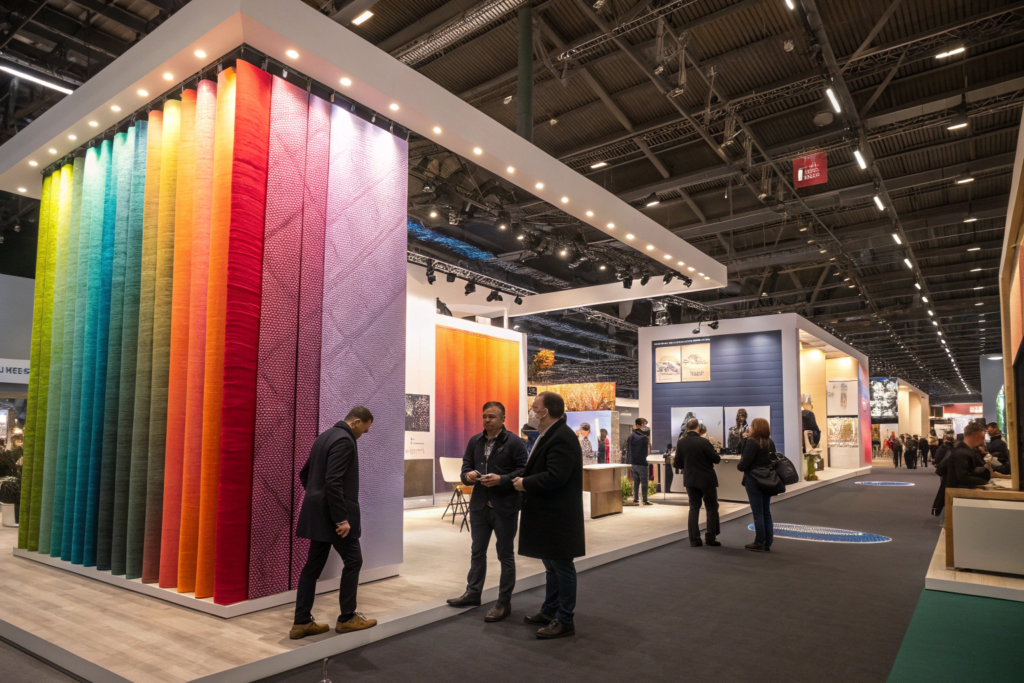
What are the most important trade shows?
- Première Vision (Paris): One of the world’s leading shows for high-end, fashion-forward textiles.
- Pitti Filati (Florence): The premier event for the knitting yarn industry, showcasing the latest yarn innovations.
- Intertextile Shanghai (Shanghai): A massive and comprehensive show for sourcing a wide variety of fabrics and connecting with Asian suppliers.
Attending these shows is an investment, but it can provide unparalleled inspiration and sourcing opportunities.
How do you find and vet artisan cooperatives?
Finding artisan groups often requires more research through ethical fashion platforms, NGOs, and organizations that support fair trade. Look for groups certified by organizations like the World Fair Trade Organization (WFTO) or Fair Trade USA. When vetting them, it’s crucial to ensure they can meet your quality standards and production timelines, which can sometimes be a challenge for smaller groups. This is another area where an experienced manufacturing partner can act as a bridge, helping to manage the relationship and ensure quality.
Conclusion
The journey to creating a truly unique shawl collection begins with a step outside the ordinary. It requires a curious and adventurous approach to sourcing, a willingness to explore alternative fibers, and a creative vision for developing custom blends and textures. By looking beyond the mainstream and partnering with a manufacturer who shares your passion for innovation, you can create a product that not only stands out in a crowded market but also tells a powerful story of craftsmanship, sustainability, and style.
At Shanghai Fumao Clothing, this journey is our expertise. Our global network and in-house R&D team are constantly searching for the next incredible material that will bring our clients’ visions to life. We believe that a unique material is the soul of a memorable product.
If you are ready to move beyond the ordinary and develop a shawl collection that is truly special, we invite you to tap into our world of materials. Please contact our Business Director, Elaine, at her email: elaine@fumaoclothing.com, to start your journey of discovery.