Are you a buyer looking to build a year-round scarf collection, or a brand owner aiming to provide your customers with the perfect accessory for any weather? You know that a single, one-size-fits-all scarf doesn’t work. A chunky wool scarf is useless in July, and a flimsy silk square offers no protection in January. The key to a successful scarf program is offering the right material and weight for the right season.
To choose the right scarf weight, you must consider the fabric’s material composition, its weave or knit density, and its overall size, matching these characteristics to the specific temperature and style needs of each season. It’s a thoughtful process of balancing thermal properties with breathability and drape.
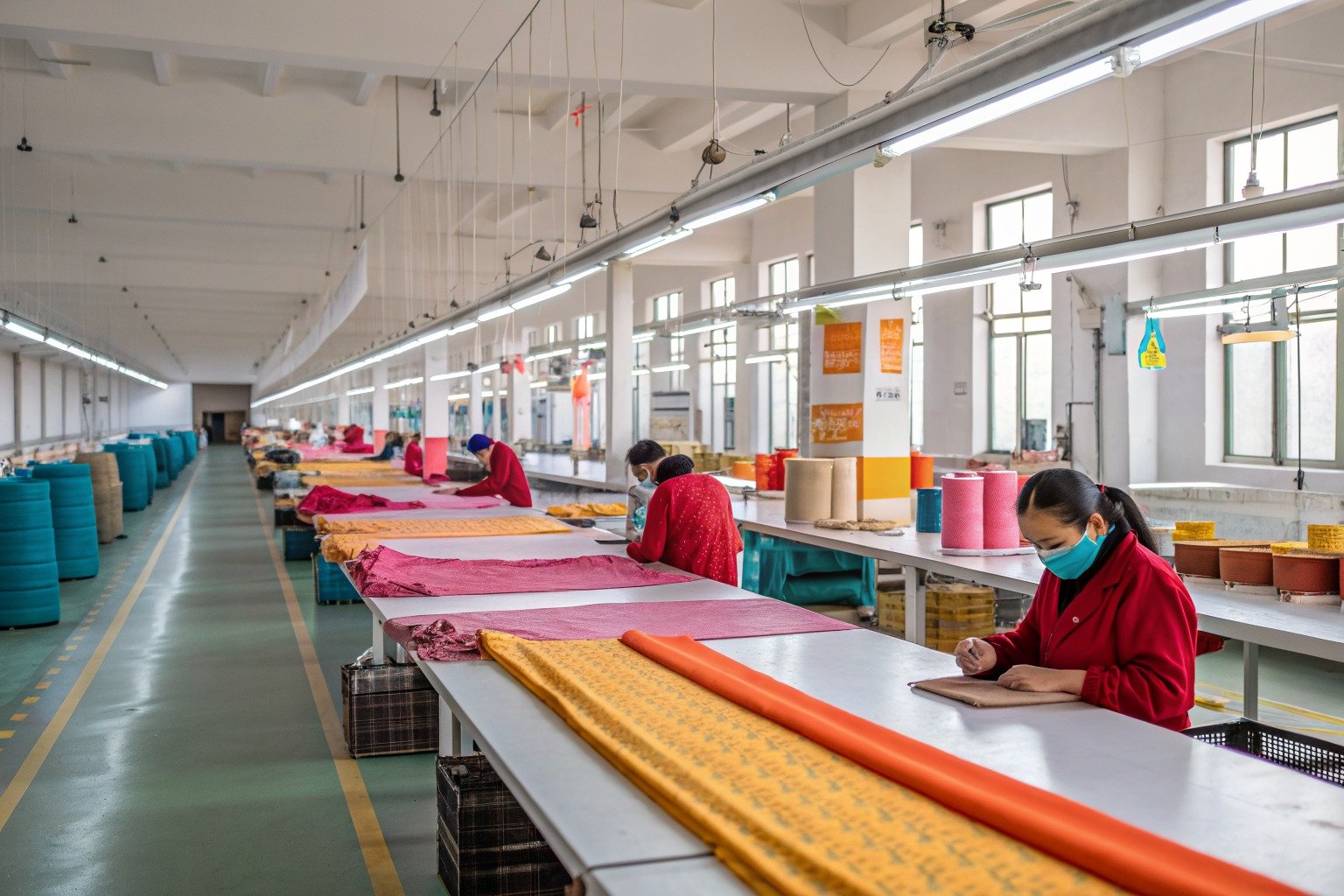
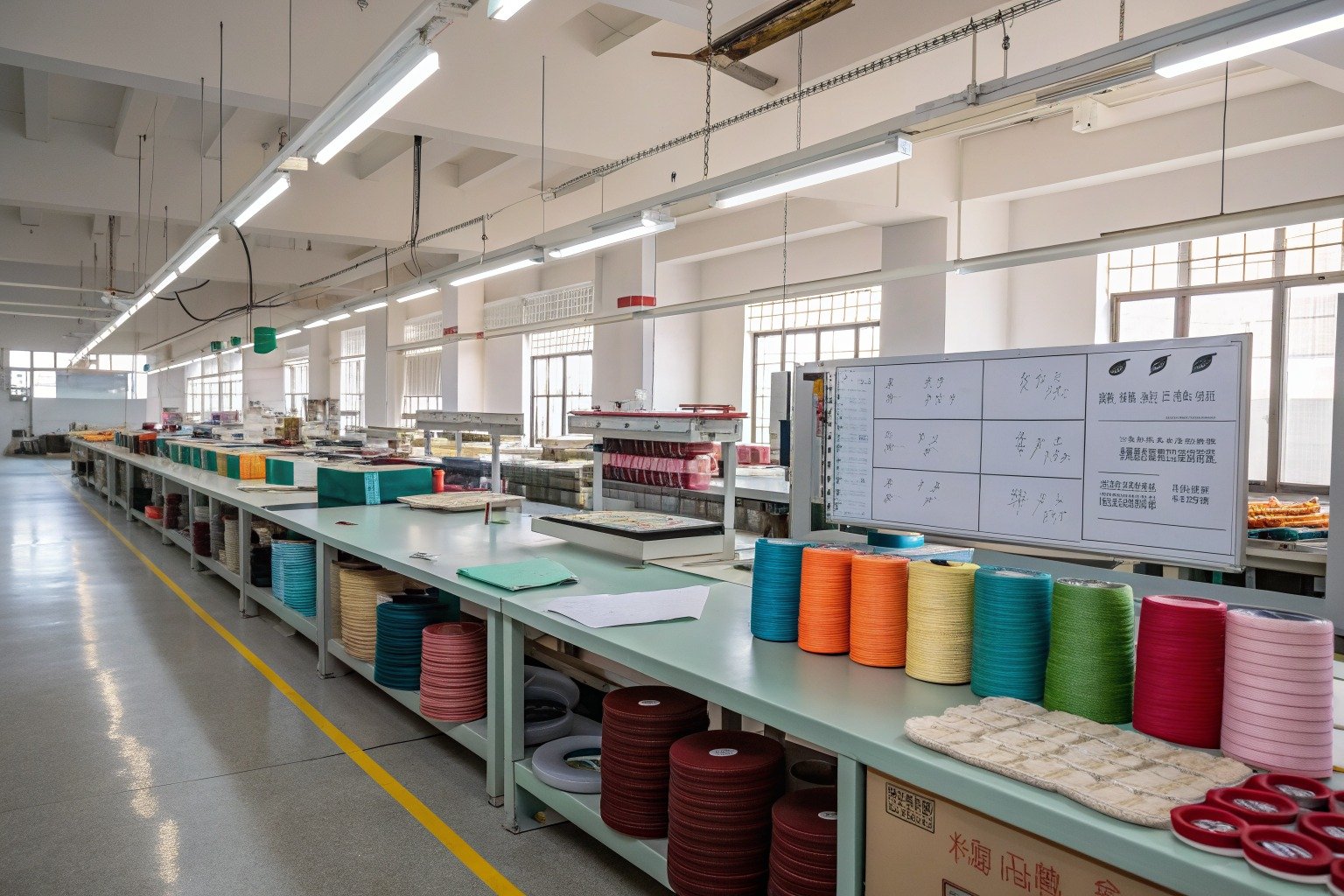
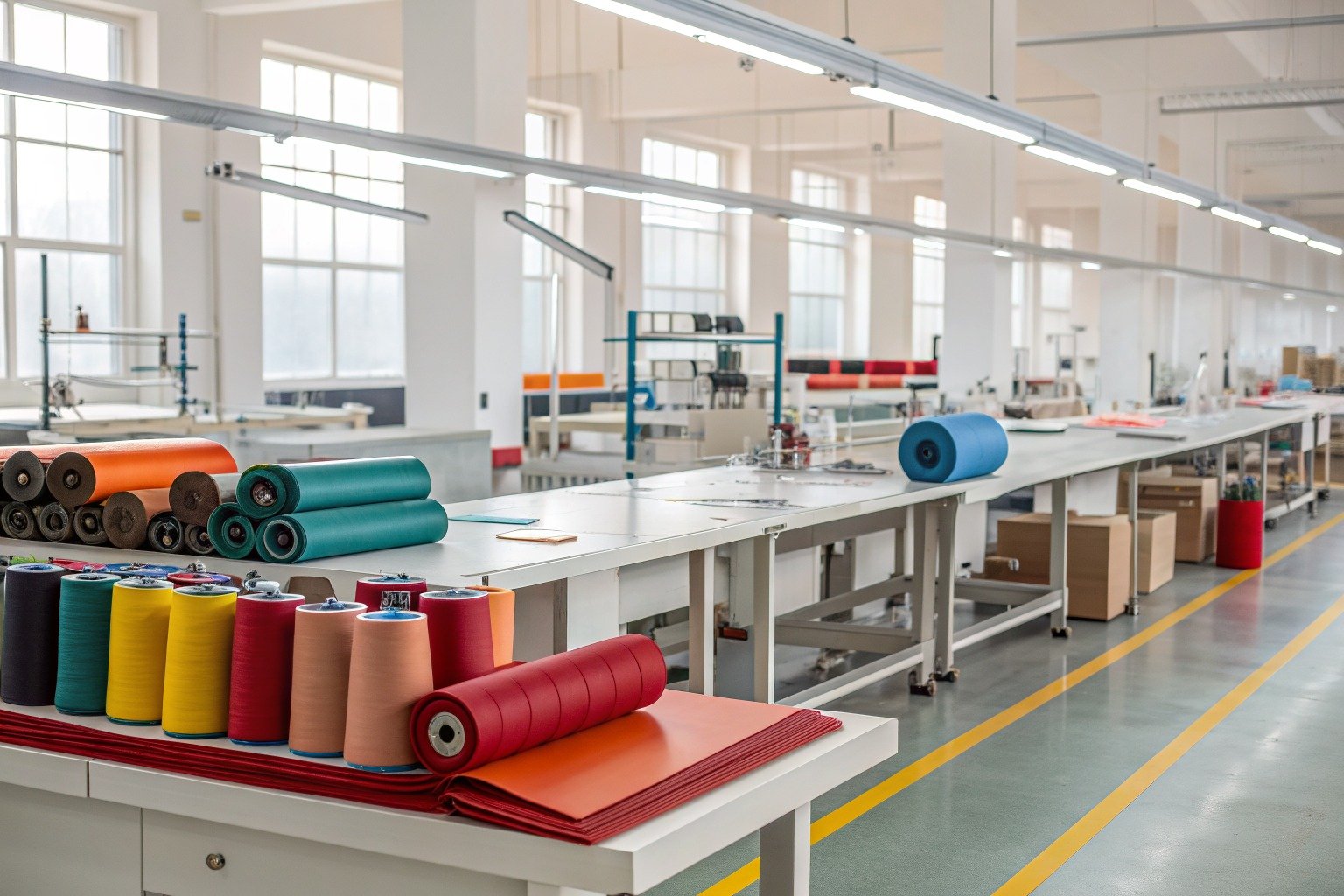
As a manufacturer, we don’t just produce scarves; we engineer them for specific seasons and purposes. We guide our clients on how to build a collection that provides true year-round solutions for their customers. At Shanghai Fumao Clothing, we understand that the secret to a great scarf is choosing the perfect fabric weight. Let’s walk through the seasons to find the ideal choice for each one.
What Defines a Lightweight Scarf for Spring?
As the weather warms up, your customers are putting away their heavy winter coats but still need something to ward off the morning chill or a cool evening breeze. What kind of scarf provides just enough warmth without being cumbersome?
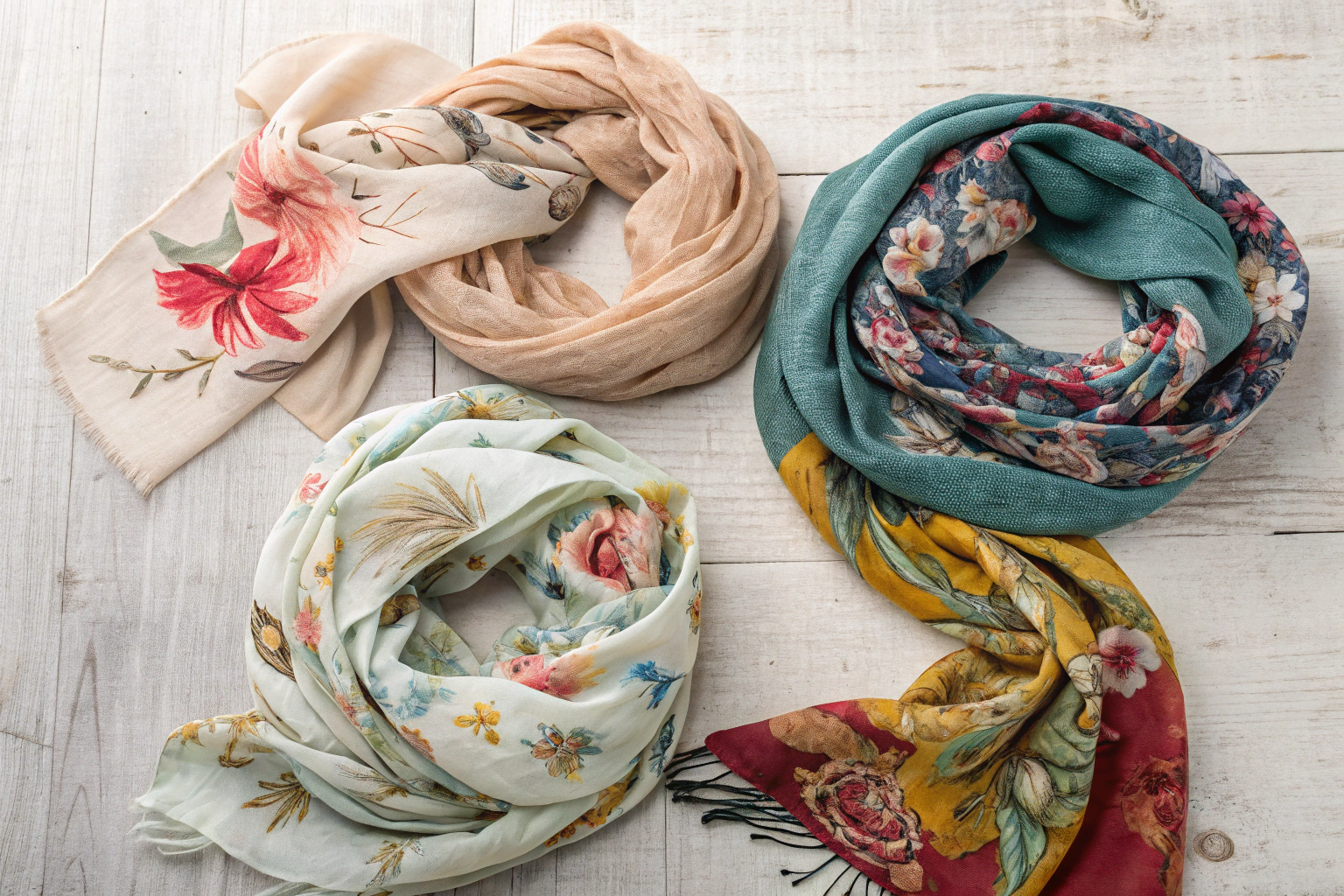
A lightweight spring scarf is defined by its use of breathable, fine-fibered materials like silk, modal, or lightweight cotton, designed to provide a touch of warmth and a pop of color without adding bulk. The focus is on fluid drape, soft feel, and versatility. It’s as much a style statement as it is a functional accessory.
Spring is all about transition, and a spring scarf needs to reflect that. In our factory, this is when we shift production to finer yarns and more delicate weaves. We work with prints—florals, abstracts, pastels—that evoke the feeling of the season. For a buyer like Ron, having a strong offering of these transitional scarves is crucial for capturing sales between the major winter and summer seasons. These lightweight options are the perfect introduction to the even more breathable fabrics required for summer.

What are the best materials for spring?
- Silk: The ultimate lightweight luxury. It’s surprisingly insulating for its weight, breathable, and has a beautiful, lustrous drape.
- Modal: A type of rayon made from beech tree pulp, modal is incredibly soft, drapes beautifully, and is resistant to shrinking and pilling. It’s often blended with cotton or silk.
- Lightweight Cotton Voile or Lawn: These are fine, plain-woven cotton fabrics that are semi-sheer, soft, and very breathable.
You can learn about the properties of these fabrics from textile resources like The Fabric of Our Lives and material science websites.
What about the size and shape?
Spring scarves are often larger and more rectangular (an oblong shape) to allow for versatile styling. They can be looped loosely around the neck, draped over the shoulders like a light shawl, or even used as a head wrap. The generous size, combined with the lightweight fabric, creates an effortless, flowing look that complements spring jackets and blouses. Style guides on platforms like Pinterest offer endless visual inspiration for this.
What Makes a Scarf Suitable for Summer?
It might sound counterintuitive, but the right scarf can be an essential summer accessory. The key is choosing a material that is designed to handle the heat, not create it.
A summer-suitable scarf is made from ultra-lightweight, open-weave natural fibers like linen or cotton gauze, designed primarily for sun protection and style rather than warmth. Its most important characteristic is exceptional breathability, allowing air to pass through freely to keep the wearer cool.
When we develop summer scarves for our clients at Shanghai Fumao Clothing, the conversation shifts entirely from insulation to air permeability. We select yarns and create weaves that are intentionally loose and airy. These scarves are often oversized, not for warmth, but so they can be used as a chic cover-up at the beach, a protective shoulder drape during a sunny walk, or a stylish sarong. It’s about redefining the scarf’s purpose from a source of heat to a shield against the sun, a stark contrast to the needs of autumn.
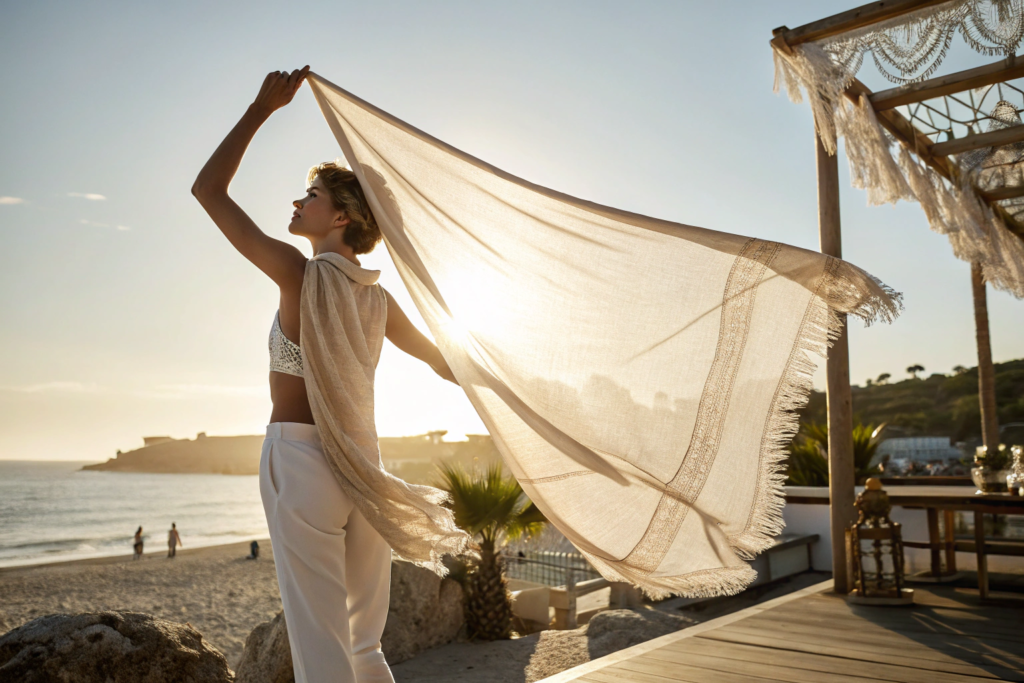
Why is linen the perfect summer fabric?
Linen, which comes from the flax plant, is one of the most breathable fabrics in the world. It has natural moisture-wicking properties, drawing sweat away from the body, and it feels cool to the touch. While it wrinkles easily, this is often considered part of its relaxed, natural charm. You can find extensive information on linen’s benefits from heritage textile mills and sustainable fashion resources like The Irish Linen Store.
What is "gauze" and why is it used?
Cotton gauze is a very thin, translucent fabric with a loose, open weave. It’s incredibly lightweight and breathable, making it ideal for hot and humid climates. It’s often used for baby swaddles because of its softness and breathability, which are the same properties that make it a perfect summer scarf material. Fabric stores and sewing blogs like Tilly and the Buttons provide great explanations of this fabric type.
What Characterizes a Mid-Weight Autumn Scarf?
As the air turns crisp and the leaves begin to fall, it’s time for a scarf that offers genuine warmth without the heavy bulk of a full winter accessory. This is the season of layering, and the scarf is the quintessential layering piece.
A mid-weight autumn scarf is characterized by its use of soft, insulating natural fibers like cashmere, merino wool, or brushed acrylics, offering a perfect balance of warmth, softness, and style. These scarves are substantial enough to provide real warmth on a chilly day but still light enough to be draped and styled comfortably with jackets and sweaters.
Autumn is my favorite season for scarf design. It’s when texture and pattern really come into play. At our factory, this is when we work with richer color palettes—burgundies, mustards, forest greens—and timeless patterns like plaid, houndstooth, and herringbone. The goal is to create a scarf that feels as cozy as it looks. This "cozy factor" is what separates an autumn scarf from a purely functional winter scarf.

What’s the difference between cashmere and regular wool?
Cashmere comes from the fine undercoat of cashmere goats and is known for its incredible softness, light weight, and superb insulation—it can be up to eight times warmer than sheep’s wool of the same weight. Regular wool is much coarser. Merino wool is a great alternative, as it comes from Merino sheep and has much finer, softer fibers than standard wool, making it less itchy and more comfortable against the skin. You can learn about wool types from organizations like The Woolmark Company.
What about acrylic or other synthetic blends?
A high-quality, brushed acrylic can be a very good, cost-effective, and hypoallergenic alternative to wool. The "brushing" process raises the fibers to create a very soft, fluffy, and warm surface that can mimic the feel of cashmere. We often produce scarves from wool/acrylic or cashmere/modal blends to combine the benefits of different fibers, achieving a perfect balance of softness, warmth, and price point for our clients.
What Are the Key Features of a Heavyweight Winter Scarf?
When the temperature truly plummets and the wind is biting, a flimsy fashion scarf is not going to cut it. This is when a scarf’s primary job is functional protection against the elements.
A heavyweight winter scarf is defined by its thick, dense construction, typically a chunky knit or a tightly woven, felted wool, designed for maximum heat retention and wind resistance. The focus is on trapping as much air as possible and creating a physical barrier against the cold. Size also matters—winter scarves are often longer and wider to allow for multiple wraps.
When we design for deep winter, we think in terms of thermal dynamics. A chunky knit creates thousands of large air pockets that trap body heat. A dense, felted wool has a tight structure that blocks wind from penetrating. At Shanghai Fumao Clothing, we use heavy-gauge yarns and dense weaving techniques to build these protective shields. For a buyer in a cold climate, offering a truly functional, heavyweight scarf is not just a style choice; it’s a necessity for their customers.
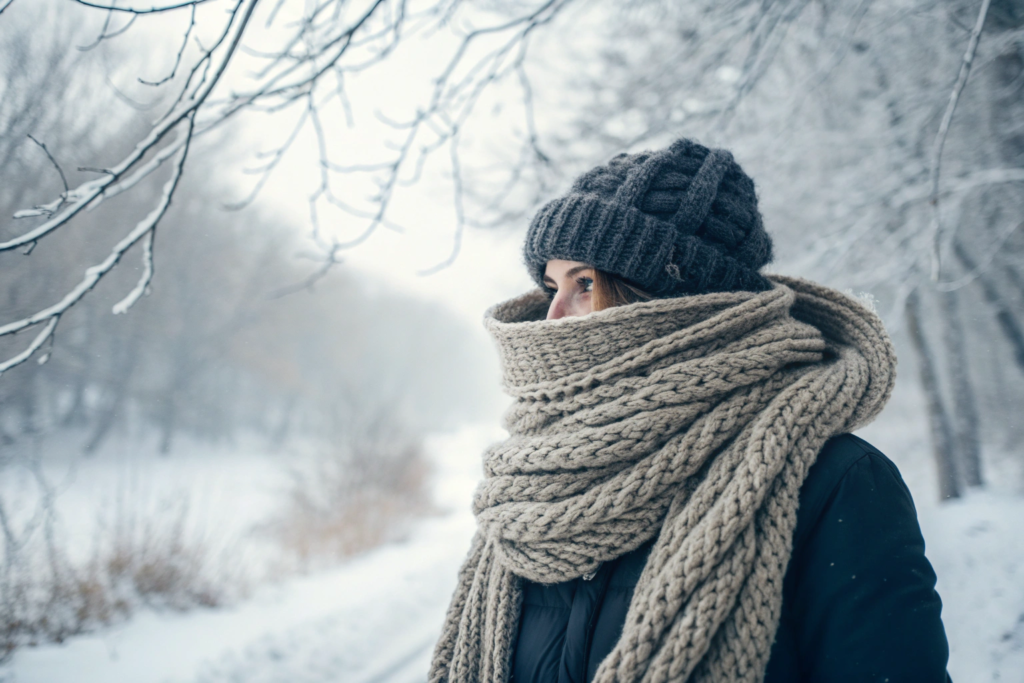
What is a "chunky knit"?
A chunky knit refers to a style of knitting that uses very thick yarn and large needles, creating a fabric with large, highly textured stitches. This construction is excellent for trapping air and providing a high level of insulation and a cozy, handmade look. It’s a very popular style for winter beanies and scarves. Knitting communities and yarn brands like We Are Knitters or Lion Brand Yarn are great places to see examples of this style.
What does "felted" or "boiled wool" mean?
Felting is a process where wool is subjected to heat, moisture, and agitation, causing the fibers to interlock and mat together into a very dense, non-woven fabric. This process makes the wool incredibly warm and highly wind-resistant. Boiled wool is a similar concept. A scarf made from felted or boiled wool will have a very solid, substantial feel and will offer superior protection against harsh winter winds.
Conclusion
Choosing the right scarf is a seasonal science. It’s about understanding that the airy breathability of linen is as important in summer as the insulating power of chunky wool is in winter. By paying close attention to the material, weave, and weight, you can build a scarf collection that offers the perfect solution for any day of the year. From the light, decorative touch of a spring silk to the fortress-like protection of a winter knit, the right scarf is a perfect blend of function and fashion.
At Shanghai Fumao Clothing, our expertise lies in this very science. We are masters of material and construction, and we partner with brands to create thoughtfully engineered scarf collections that resonate with customers year-round. We can help you select the perfect fabrics, weaves, and weights to make your next collection a bestseller.
If you’re ready to build a truly seasonal and successful scarf program, we’re here to guide you. Please contact our Business Director, Elaine, at her email: elaine@fumaoclothing.com, to start the conversation.