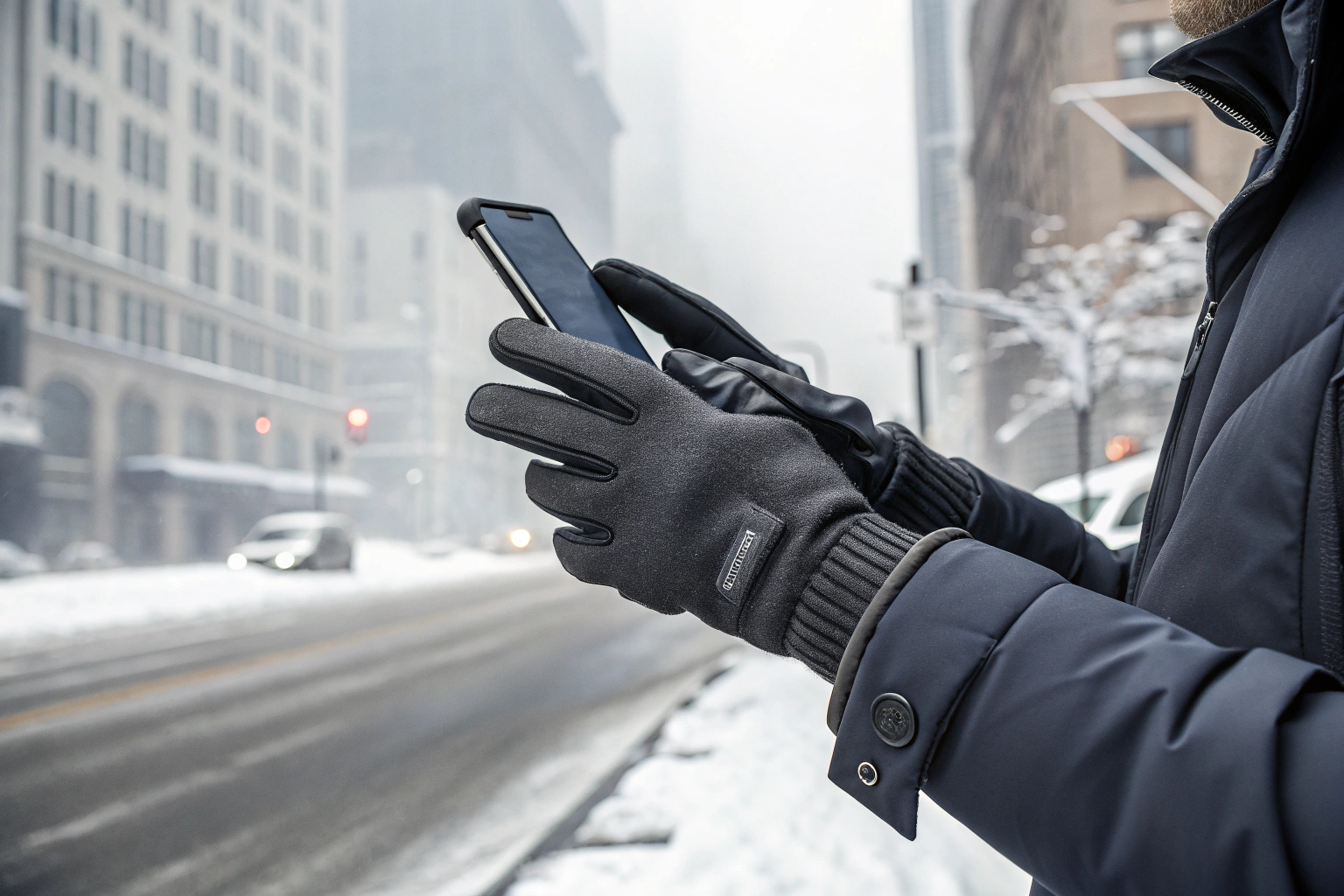
Have you ever been in a situation where your hands are freezing, but you can’t wear your thick winter gloves because you need to answer your phone, find your keys, or handle your wallet? It’s a constant, frustrating trade-off. You’re forced to choose between having warm hands and having functional hands. As a buyer or brand owner, you know this is a major pain point for consumers.
To choose gloves that keep your hands warm without restricting movement, you must prioritize modern insulation technologies like Thinsulate™ or high-fill-power down, and look for designs that incorporate pre-curved fingers and stretchable fabrics. The solution isn’t less insulation; it’s smarter, more efficient insulation combined with an ergonomic design.
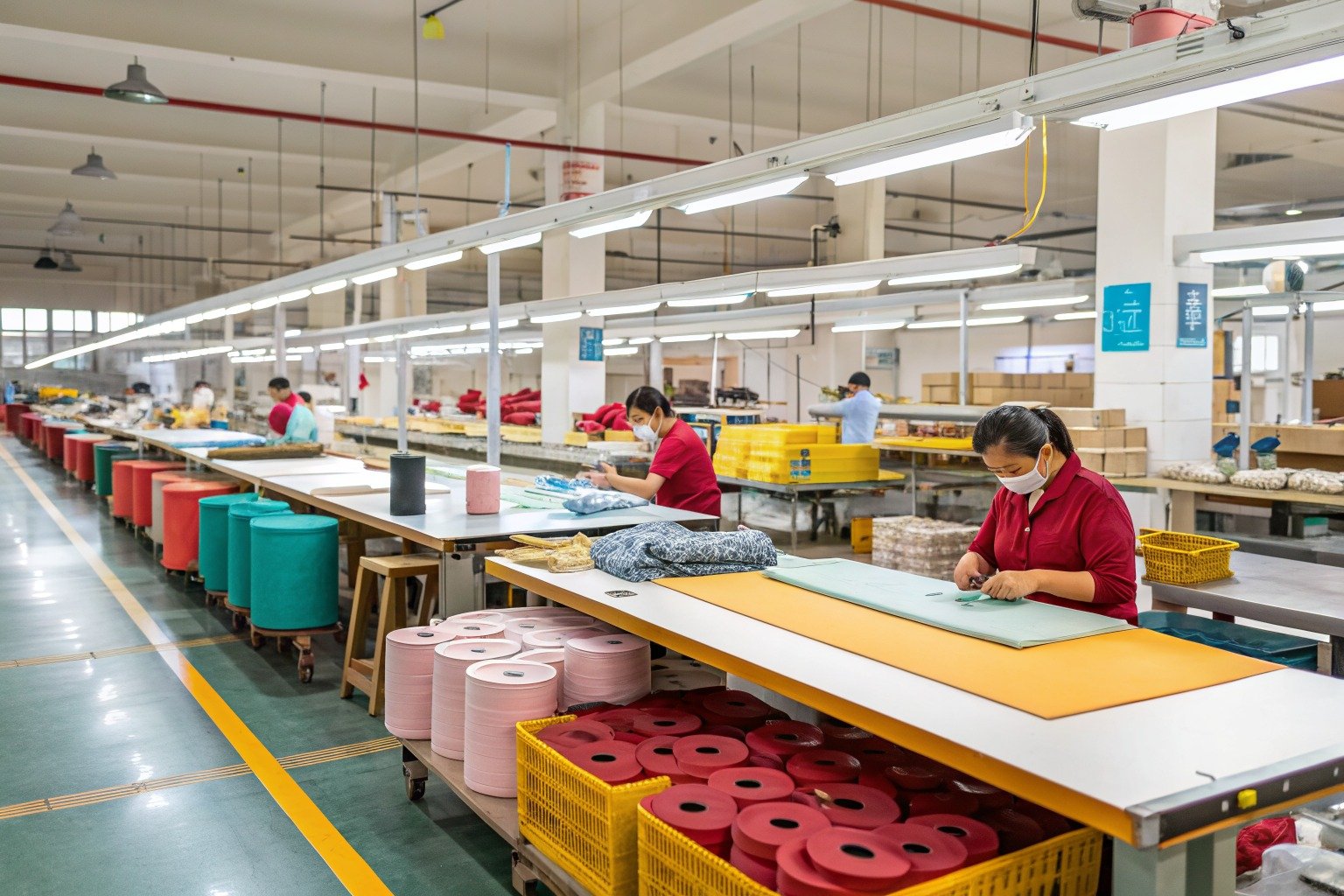
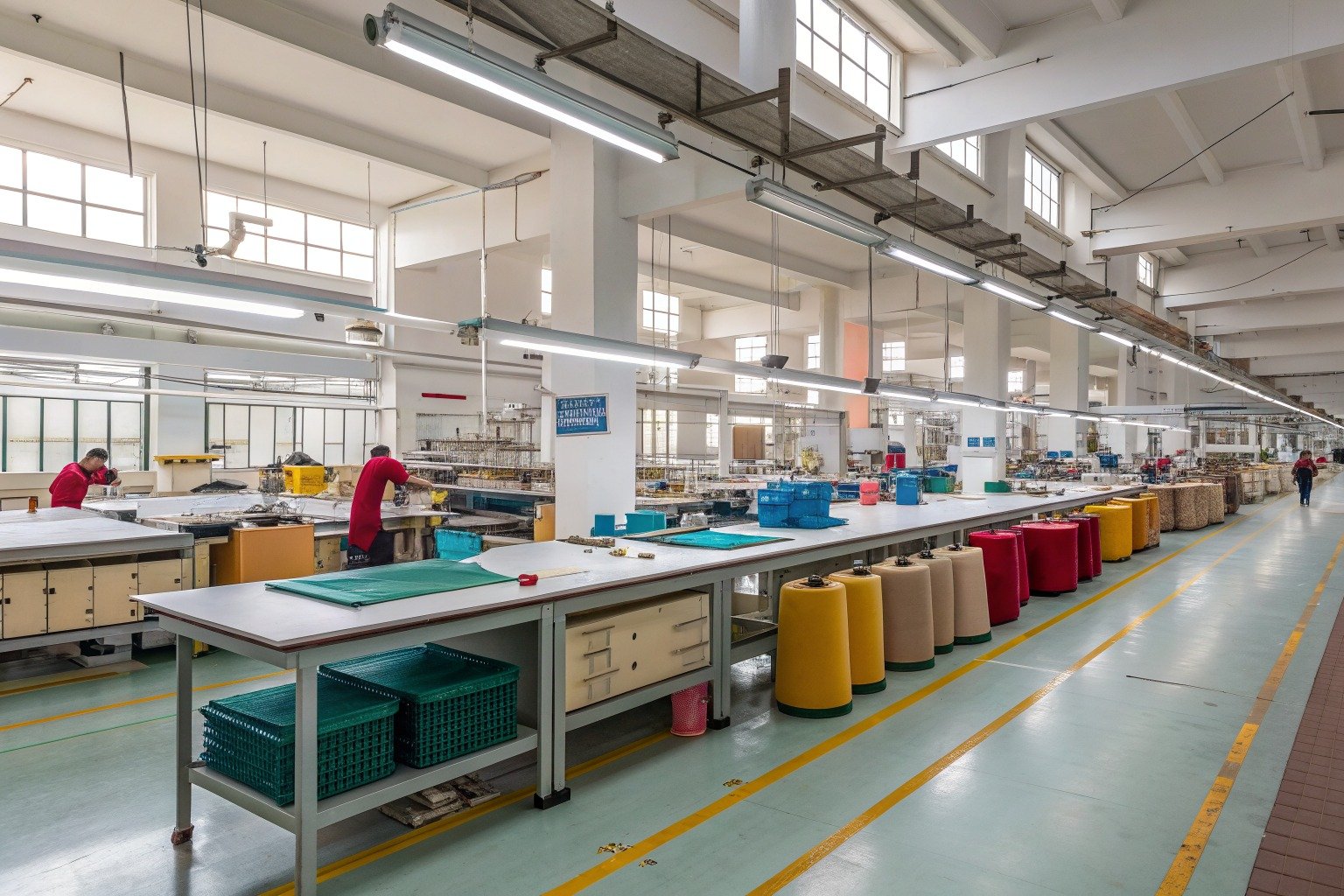
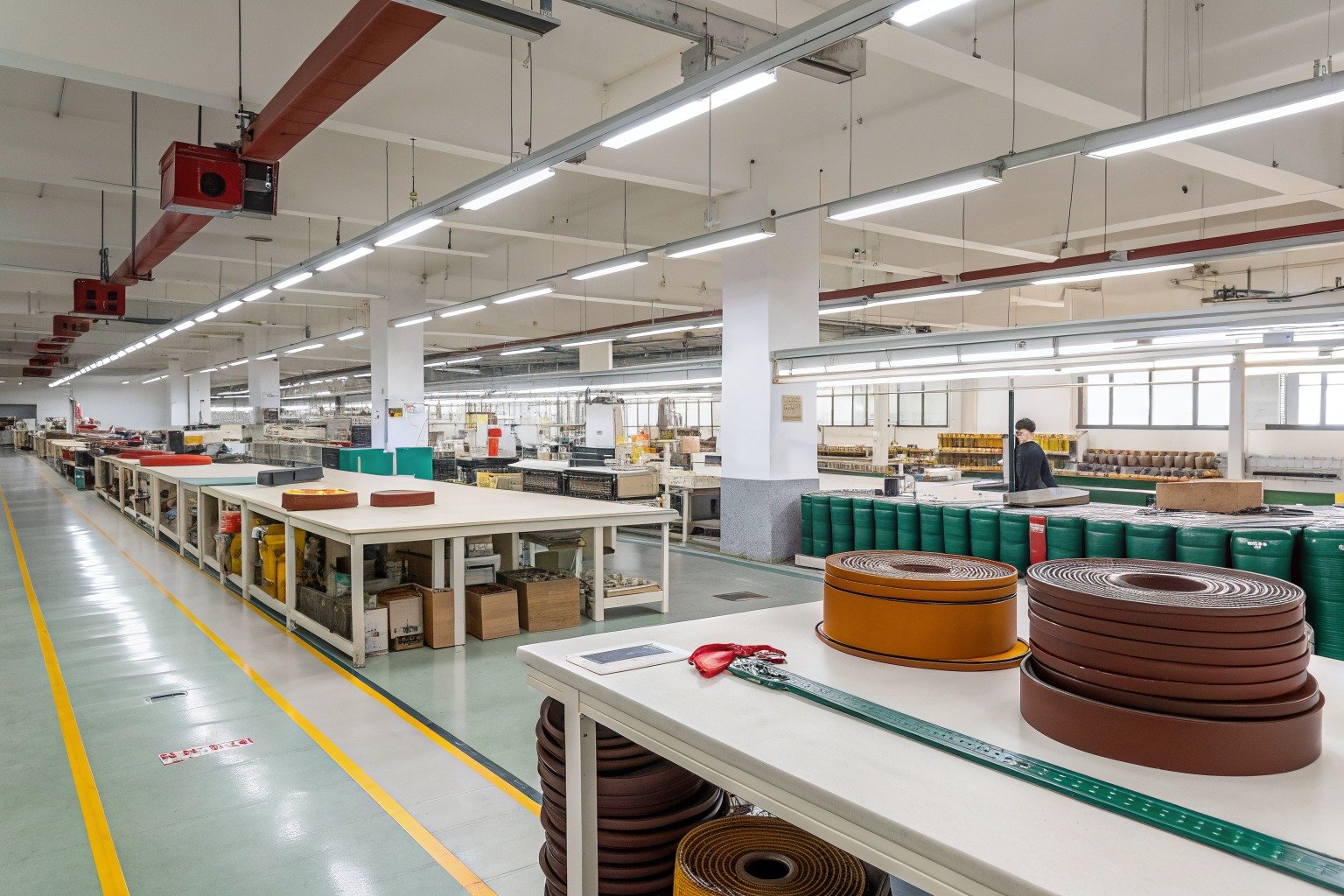
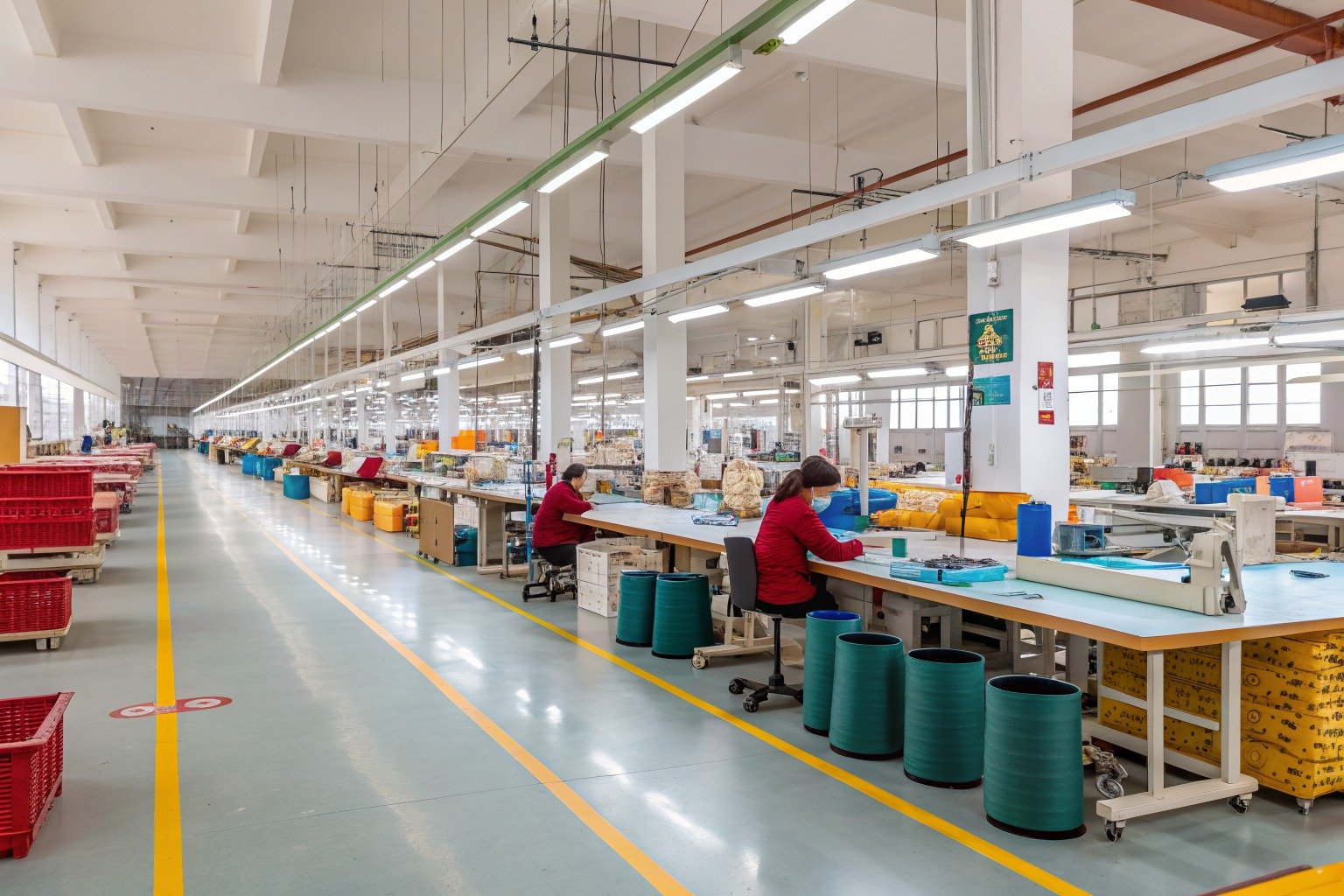
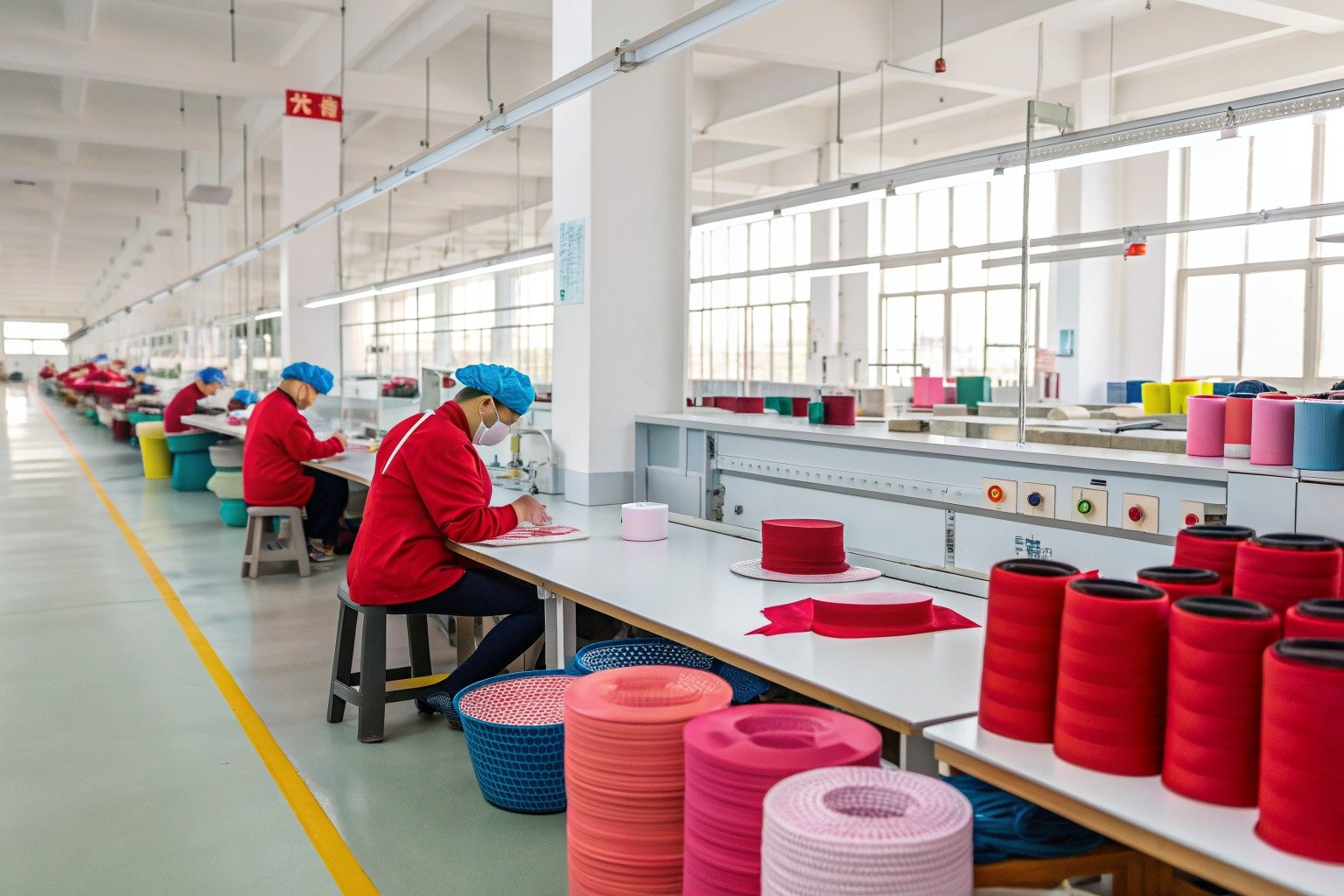
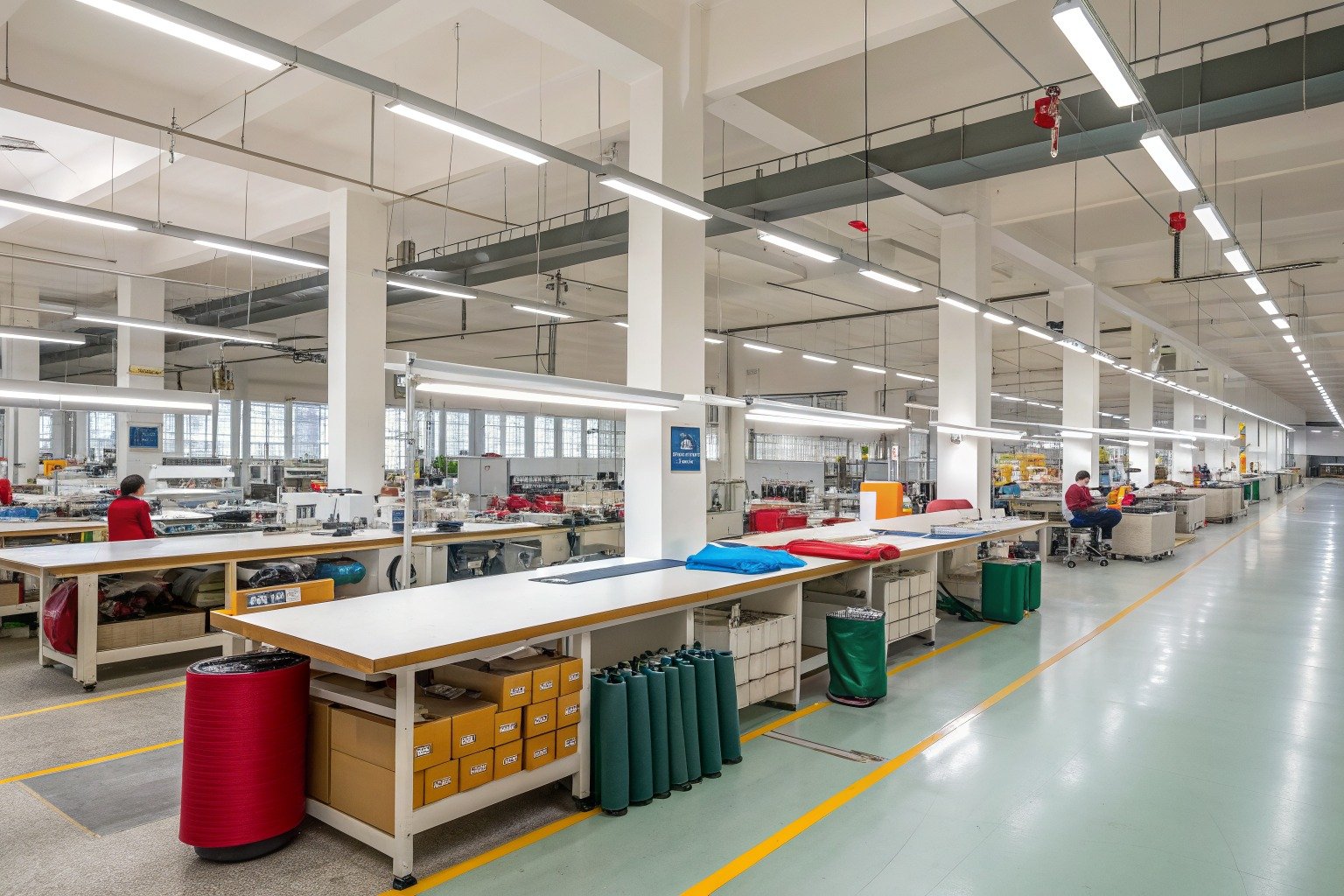
For years, the assumption was that warmth had to equal bulk. As a manufacturer, we’ve been at the forefront of a technological revolution in accessories that has completely shattered this old way of thinking. At Shanghai Fumao Clothing, we specialize in engineering gloves that offer the best of both worlds. Let’s explore the science and design behind a glove that finally lets you have it all.
What Is the "Warmth-to-Bulk" Ratio?
Why are some thin gloves surprisingly warm, while some thick, chunky gloves leave your hands feeling cold and clumsy? The secret lies in a concept that we in the manufacturing world are obsessed with: the warmth-to-bulk ratio.
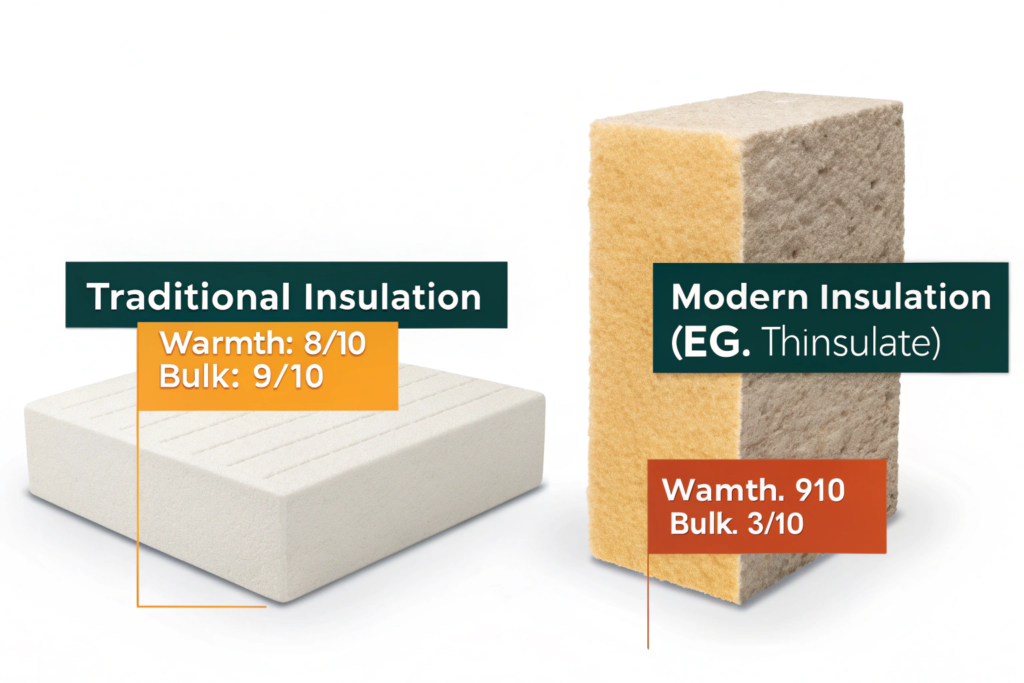
The "warmth-to-bulk" ratio refers to an insulation material’s ability to trap heat (its thermal resistance) relative to its thickness and weight. Traditional materials like thick wool or cheap polyester fill have a poor ratio; they need a lot of bulk to provide warmth. Modern synthetic insulations, however, are engineered with incredibly fine microfibers that create more air pockets in less space, offering exceptional warmth with minimal bulk.
In our R&D lab, we analyze these materials at a microscopic level. When you look at something like 3M™ Thinsulate™, you see a dense web of fibers that are far finer than human hair. This dense structure is incredibly efficient at trapping the warm air your body produces. This means we can use a much thinner layer of insulation to achieve the same, or even better, level of warmth as a much thicker traditional glove. Understanding this principle is the first step to appreciating modern insulation technologies.
How is warmth measured?
The thermal resistance of a fabric is often measured in "clo." One clo is the amount of insulation that allows a person at rest to maintain thermal equilibrium in a room at 21°C (70°F). A higher clo value means more insulation. Modern microfibers can achieve high clo values with very little thickness, which is key to creating a dexterous glove. You can find detailed explanations of clo and thermal resistance from textile universities and research institutions like North Carolina State University’s Wilson College of Textiles.
Does thickness ever matter?
While modern insulation is efficient, thickness does still play a role, especially in extreme cold. However, the key is strategic thickness. A well-designed glove might have a thicker layer of insulation on the back of the hand (where you need the most warmth) and a thinner, more flexible layer on the palm and fingers (where you need dexterity). This intelligent design provides warmth where it’s needed most without compromising movement. This is a principle often discussed in outdoor gear design guides, like those from REI.
What Are the Best Modern Insulation Technologies?
You know that modern insulation is the key, but when you look at a product description, you’re hit with a list of brand names and technical terms. Thinsulate™, PrimaLoft®, high-fill-power down… what’s the real difference, and which one is right for your needs?
The best modern insulation technologies for dexterous gloves are synthetic microfibers like 3M™ Thinsulate™ and PrimaLoft®, or high-fill-power hydrophobic down for premium applications. These materials lead the industry because they offer the highest warmth-to-bulk ratio, and many are engineered to perform well even in damp conditions.
As a manufacturer, we work with all of these materials, and each has its strengths. For a client like Ron, who is sourcing for a major US retailer, we often recommend a product using a well-known branded insulation like 3M™ Thinsulate™. The brand recognition provides an instant mark of quality and trust for the consumer. At Shanghai Fumao Clothing, we are a licensed partner with 3M™, which allows us to build this trusted technology directly into our clients’ products. This choice of material is directly linked to the ergonomic design of the glove.
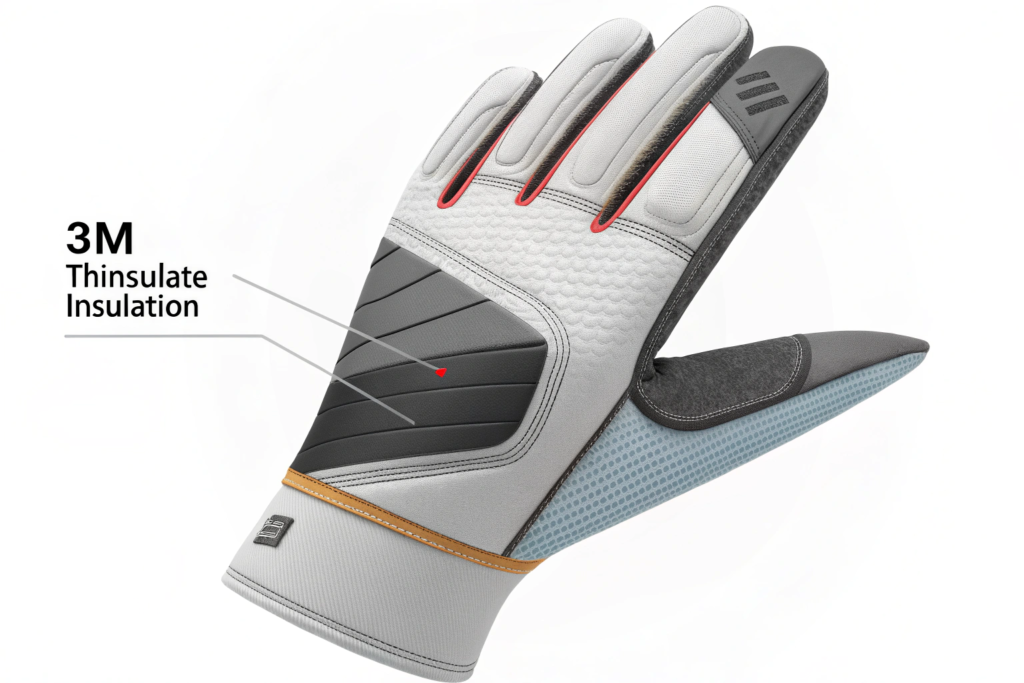
What is 3M™ Thinsulate™?
3M™ Thinsulate™ Insulation is one of the most trusted and widely used synthetic insulations. Its microfibers are about 10 times smaller than the fibers of other synthetic insulations, which allows them to trap more air in less space. This makes it exceptionally effective for gloves, where dexterity is paramount. It’s also inherently hydrophobic, meaning it absorbs very little water and retains its insulating properties even when damp. You can find extensive information on the technology on the official 3M™ website.
What about PrimaLoft®?
PrimaLoft® is another top-tier synthetic insulation, originally developed for the U.S. Army as a water-resistant alternative to down. It’s known for being incredibly soft, lightweight, and compressible, with excellent thermal efficiency. Like Thinsulate™, it maintains most of its warmth when wet. PrimaLoft® offers different series, like Gold, Silver, and Black, which provide varying levels of performance and are often used in high-end athletic and outdoor gear. You can explore their technology on the PrimaLoft® website.
How Does Ergonomic Design Improve Dexterity?
You can have the thinnest, warmest insulation in the world, but if the glove is cut like a flat, two-dimensional paddle, your hands will still feel clumsy and restricted. How does the actual shape and construction of the glove contribute to better movement?
Ergonomic design, specifically the use of pre-curved fingers and articulated patterns, dramatically improves dexterity by mimicking the natural, relaxed shape of the human hand. Instead of forcing your hand to fight against a flat pattern, a pre-curved glove is built to accommodate your hand’s natural resting position, reducing fabric bunching and muscle fatigue.
This is where skilled pattern-making becomes an art. At our factory, our pattern makers don’t just create a simple outline of a hand. They create complex, multi-panel patterns with darts and gussets that allow the glove to take on a three-dimensional shape. It’s a more complex and costly way to build a glove, but the difference in comfort and dexterity is night and day. This focus on fit is just as important as the insulation technology we use.
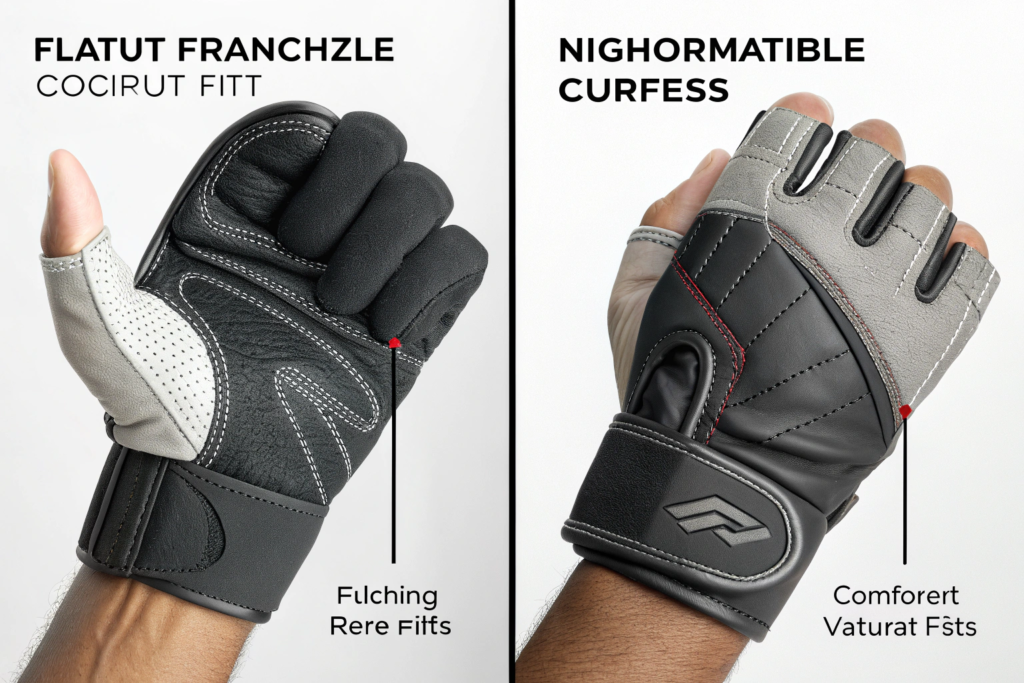
What are "pre-curved" fingers?
This means the glove’s pattern is cut and sewn so that the fingers have a natural, gentle curve to them, just like your fingers have when your hand is relaxed. This simple change eliminates the excess fabric that would normally bunch up on the palm side when you try to grip something, allowing for a much more secure and natural hold. This design feature is a hallmark of high-quality gloves, from motorcycle racing to mountaineering.
What other design features enhance dexterity?
- Gussets: Small pieces of fabric inserted into the seams, especially between the fingers, allow for a greater range of motion.
- Stretch Panels: Incorporating panels of four-way stretch fabric, particularly around the knuckles, allows the glove to move with your hand without restriction.
- "Box-finger" construction: A more complex construction method that creates a more anatomical, three-dimensional shape for the fingertips, improving tactile sensitivity.
You can find discussions of these advanced construction techniques on specialized gear review sites like OutdoorGearLab and in design resources for technical apparel.
How Do You Choose the Right Glove for Your Activity?
You now understand the technology and design principles. But how do you apply that knowledge to a real-world purchasing decision? A glove that’s perfect for a cold walk to the office might not be right for a day on the ski slopes.
Choosing the right glove requires matching the level of insulation and the specific dexterity features to your intended activity. You need to consider the intensity of your activity, the expected temperature, and what tasks you’ll need to perform while wearing the gloves.
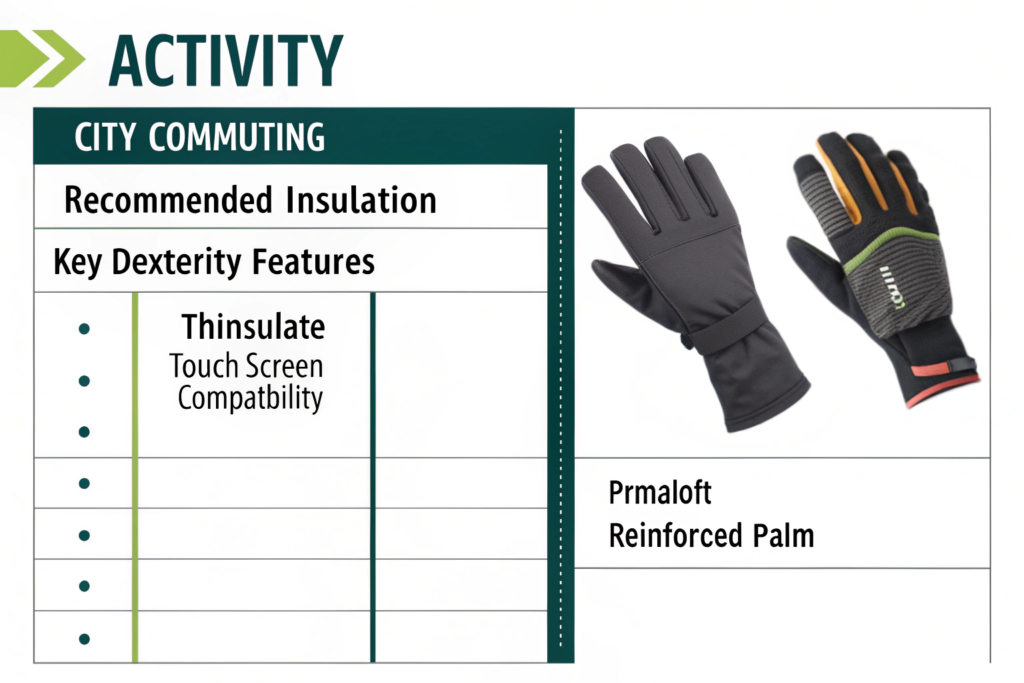
This is a crucial conversation we have with our clients at Shanghai Fumao Clothing. We don’t just offer one "warm glove." We help them develop a collection that serves different needs. For a fashion brand, the priority might be a slim profile with touchscreen compatibility for a city commuter. For a sporting goods brand, the priority might be a durable, waterproof glove with a reinforced palm for skiing. The "best" glove is always the one that is best for the task.
What’s best for everyday urban use?
For city commuting and general daily wear, the priority is dexterity for tasks like using your phone, handling keys, and driving. A slim-profile glove with a moderate amount of Thinsulate™ (40-70 grams) is ideal. The most critical feature here is reliable touchscreen compatibility, which is achieved by weaving conductive threads into the fingertips.
What about for active winter sports like skiing or running?
For high-output activities like cross-country skiing or winter running, breathability becomes as important as warmth to prevent your hands from getting sweaty and then cold. Look for gloves with a windproof outer shell and a lighter layer of insulation or even just a fleece lining. For downhill skiing, you need more insulation (PrimaLoft® or 100+ grams of Thinsulate™), waterproofing (like a GORE-TEX membrane), and durability features like a leather or synthetic suede palm.
Conclusion
The days of choosing between warmth and function are over. Thanks to incredible advancements in insulation technology and ergonomic design, it is now entirely possible to find gloves that keep your hands toasty warm while allowing you the freedom to use them. The key is to look beyond sheer thickness and instead seek out gloves made with efficient, modern insulations like 3M™ Thinsulate™, and those built with an anatomical, pre-curved design. By matching these features to your specific needs, you can find the perfect glove that feels less like a clumsy mitten and more like a second skin.
At Shanghai Fumao Clothing, we are passionate about creating these high-performance accessories. We combine cutting-edge materials with meticulous, ergonomic craftsmanship to produce gloves that deliver on their promise of warmth without bulk. We partner with brands to engineer products that solve real-world problems for their customers.
If you are looking to develop a line of modern, high-dexterity gloves that will set your brand apart, we have the expertise to make it happen. Please contact our Business Director, Elaine, at her email: elaine@fumaoclothing.com, to start designing your next best-seller.