Are you looking to launch a new accessory line but worried it will just blend in with everything else on the market? You see headbands everywhere, from fast-fashion sites to luxury boutiques, and the thought of creating something truly original feels daunting. You have a brand identity, but you’re struggling to translate it into a physical product that stands out and tells your story.
To design a unique headband collection, you must first define your target audience and brand identity, then translate that into a cohesive theme, select innovative materials and silhouettes, and finally, focus on a signature detail that makes the collection instantly recognizable. It’s a strategic process that blends market research with creative expression, moving beyond just putting a bow on a band.
This journey from a simple idea to a best-selling collection is one we’ve mastered over years of working with brands just like yours. It’s not about chasing fleeting trends; it’s about building a collection with a strong point of view that resonates with your specific customer. In this guide, I’ll walk you through the exact steps we use at Shanghai Fumao Clothing to help our clients create headband collections that don’t just sell, but also build brand loyalty.
How Do You Find Your Niche in a Crowded Market?
Feeling lost in a sea of sameness? You see countless headbands online and in stores, and it seems like every possible idea has already been done. How can you possibly carve out a space for your brand that feels fresh and exciting?
The key is to stop looking at the entire market and start focusing on a specific, underserved niche. Instead of trying to appeal to everyone, identify a distinct group of customers whose needs and aesthetics are not being fully met. This targeted approach allows you to create a product that speaks directly to them, making your brand their go-to choice.
I remember working with a client who wanted to create a "general" collection for young women. It was too broad. I asked them, "What does she do on the weekend? What music does she listen to?" We eventually narrowed it down to "young women who are passionate about vintage-inspired, sustainable fashion." Suddenly, the design path became clear: we focused on recycled fabrics, classic patterns like gingham and florals, and timeless silhouettes. This niche focus transformed a generic idea into a powerful brand statement. Finding your niche is the foundational step we’ll build upon when we discuss choosing the right materials.
How to identify your target customer?
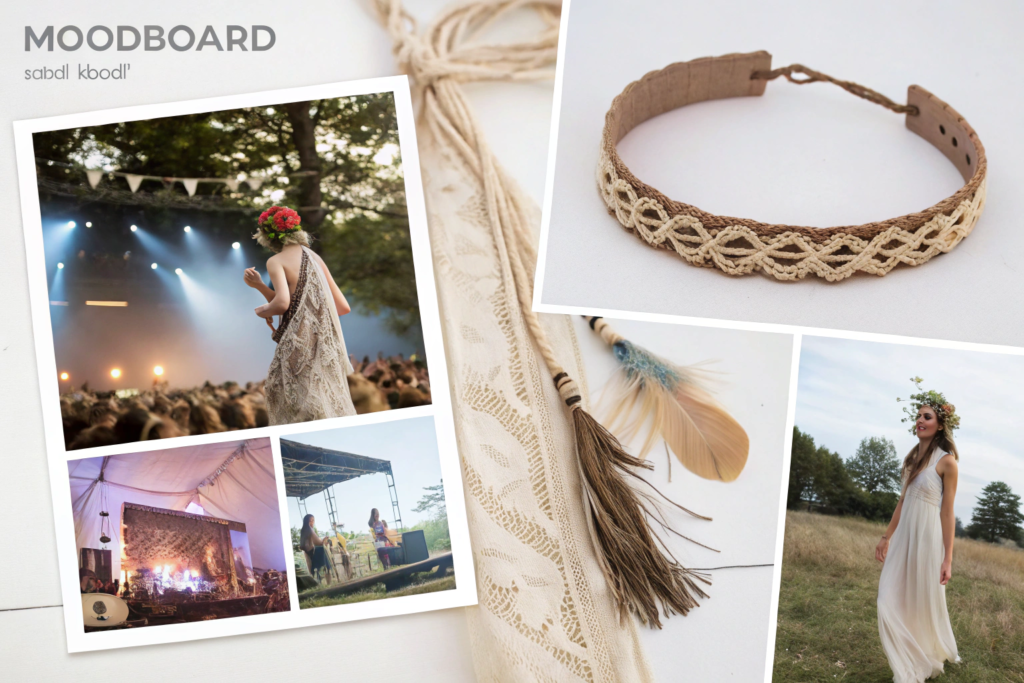
Start by creating a detailed customer avatar, much like the profile for "Ron" you saw earlier. Go beyond basic demographics like age and location. What are her hobbies, values, and pain points? Is she a busy professional needing a chic, low-maintenance hair solution? A fitness enthusiast looking for high-performance, sweat-wicking bands? Or a bride-to-be searching for ethereal, romantic accessories? Use tools like social media polls, competitor analysis, and keyword research to understand what potential customers are searching for. You can find excellent guides on creating customer personas on marketing resource sites like HubSpot and Semrush.
How to analyze market gaps?
Once you know your customer, look for what they’re missing. Browse platforms like Etsy, Pinterest, and Instagram using niche-specific keywords (e.g., "gothic lolita headband," "minimalist metal headband"). Are there popular styles that lack quality? Are there specific needs (like headbands for sensitive skin or extra-large heads) that are ignored? A market gap could be a unique aesthetic, a functional improvement, or a specific price point that isn’t being served. Analyzing these gaps is a core part of the product development strategy we offer at Shanghai Fumao Clothing. For more on market analysis, check out business resources from Shopify and Forbes.
What Materials and Styles Should You Consider?
Now that you have a niche, how do you bring it to life? The materials and shapes you choose are the vocabulary of your design story. Using the same old plastic band and satin fabric as everyone else will dilute your unique message. Are you exploring the full spectrum of possibilities?
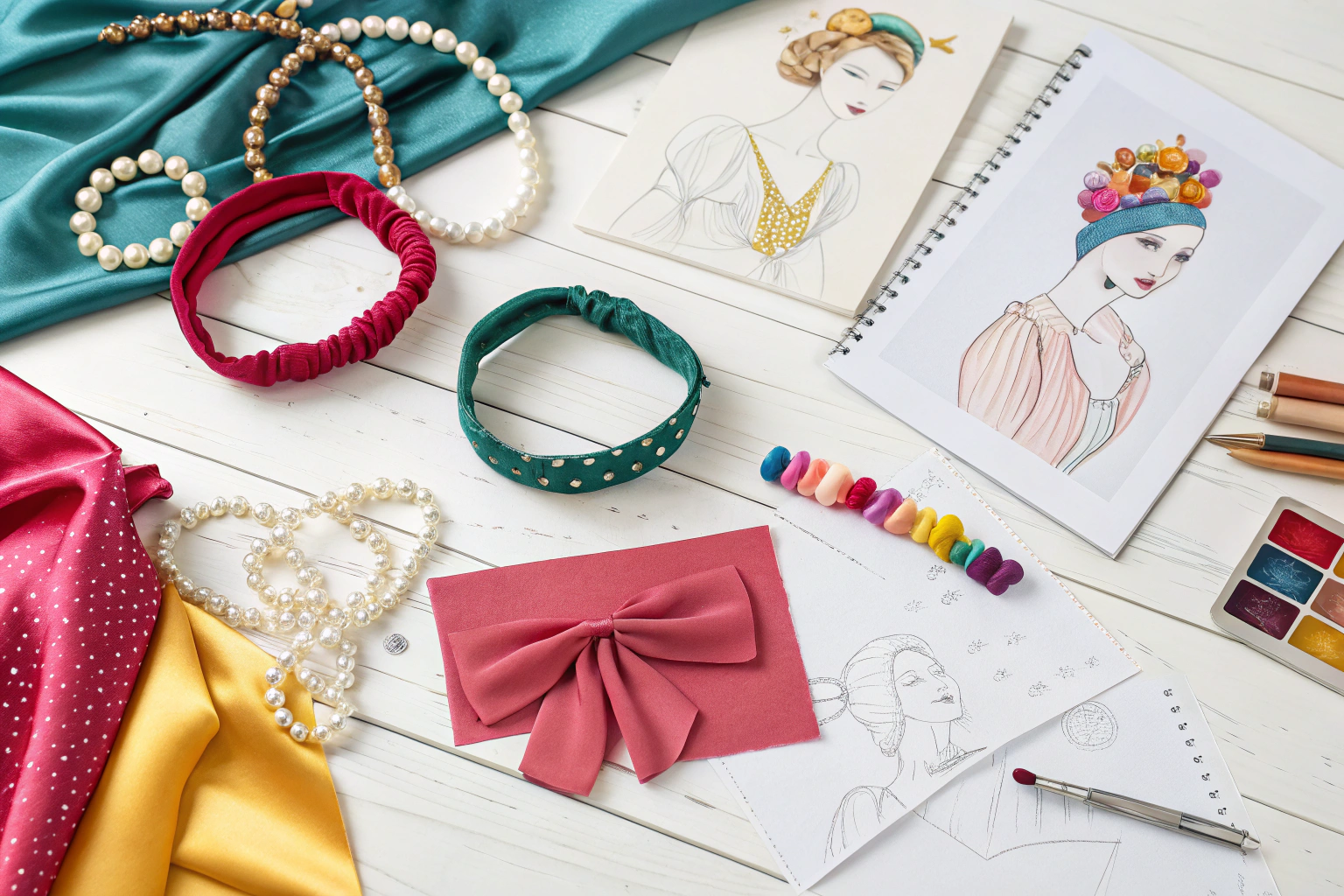
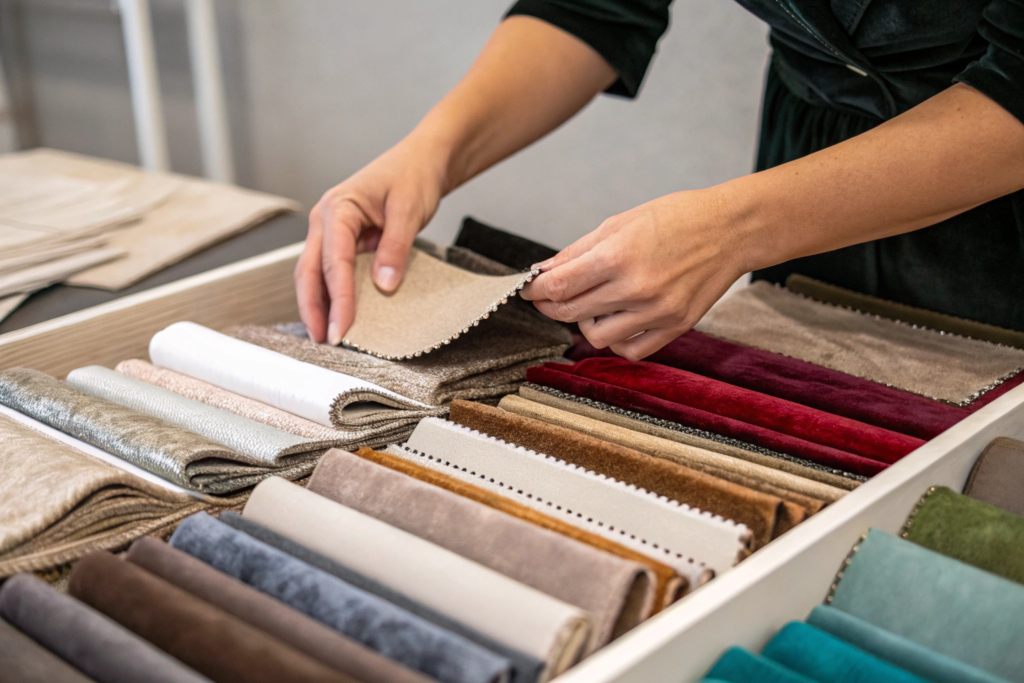
You should consider a diverse range of materials and silhouettes that align with your brand’s specific theme and price point, moving beyond conventional choices to create sensory and visual appeal. The texture of velvet, the coolness of metal, or the rustic charm of linen can evoke powerful emotions and justify a premium price. The style—be it a wide turban, a thin minimalist band, or a knotted design—defines the collection’s character.
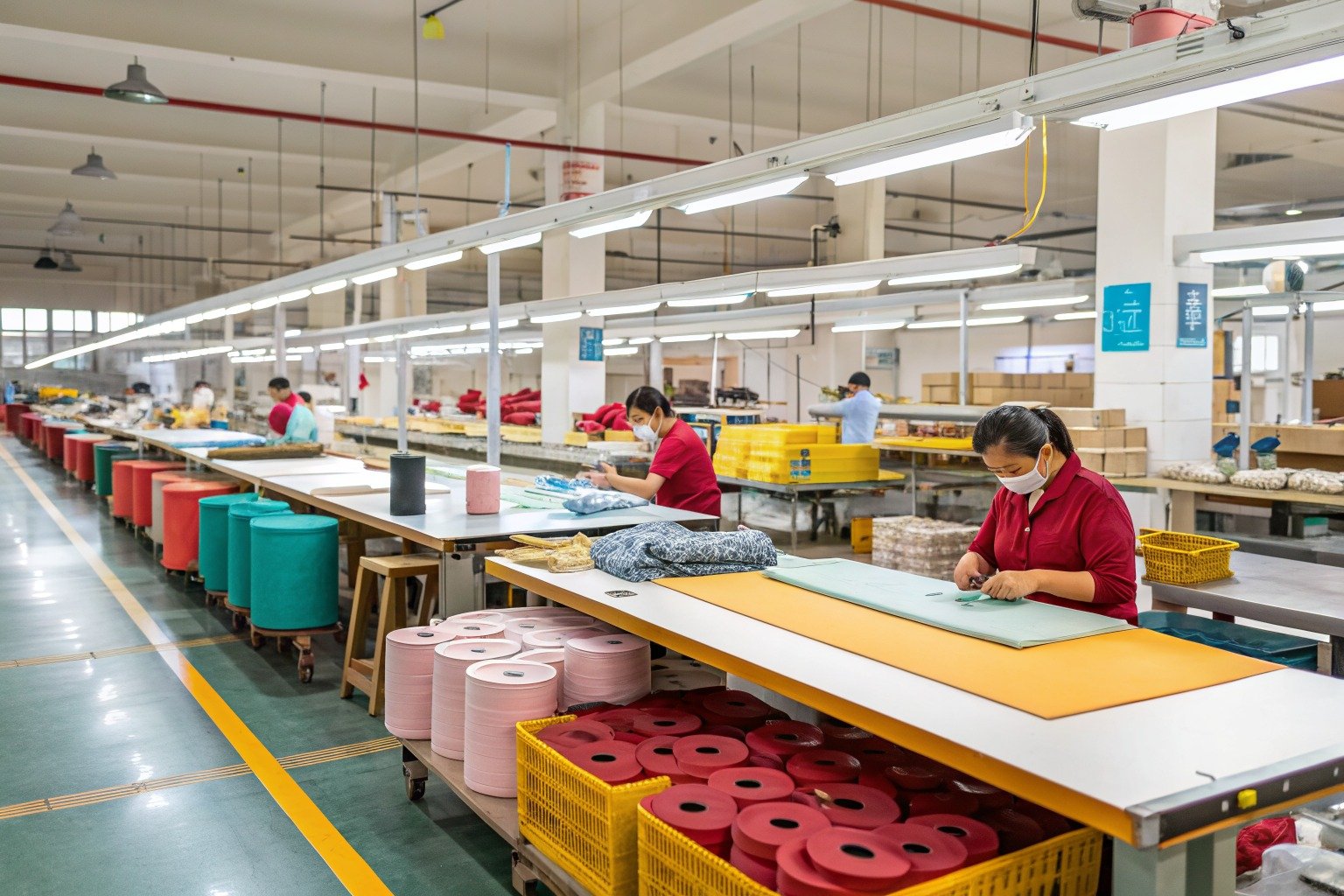
In our factory, the sample room is my favorite place. It’s a treasure trove of fabrics, metals, beads, and more. We once developed a collection for a coastal-themed brand. Instead of just using blue fabric, we sourced hand-dyed linen that mimicked the color of the sea, incorporated tiny, polished shell fragments, and designed a custom metal clasp shaped like a wave. The materials told the story. This tactile experience is what elevates a simple accessory into a cherished piece. This creative process is directly linked to the next crucial step: developing a signature detail.
What are some unconventional material choices?
Think beyond the fabric store. Consider using sustainable materials like cork, recycled plastics, or bamboo fabric. For a luxury feel, explore options like genuine leather, semi-precious stones, or freshwater pearls. For a modern, edgy brand, materials like laser-cut acrylic, polished concrete, or industrial metals can be incredibly effective. The key is to choose a material that is not only visually interesting but also aligns with your brand’s values and story. You can find inspiration for innovative materials on sites like Material District and WGSN.
How does silhouette impact the design?
The silhouette, or the overall shape of the headband, is just as important as the material. A wide, padded "Alice band" creates a bold, regal look, while a thin, flexible metal band offers a minimalist and delicate feel. A knotted or turban-style headband can provide a bohemian or relaxed vibe. Consider offering a few complementary silhouettes within your collection to appeal to different preferences within your niche. For example, a collection could feature a main knotted style and a simpler, slim band in the same set of fabrics and colors. For visual inspiration on silhouettes, fashion archives like Vogue Runway and trend forecasting services are invaluable resources.
How Can You Make Your Collection Unforgettable?
Your collection has a theme and beautiful materials. But what is the one thing that will make a customer stop scrolling? What is the "it" factor that makes your headbands instantly recognizable as yours?
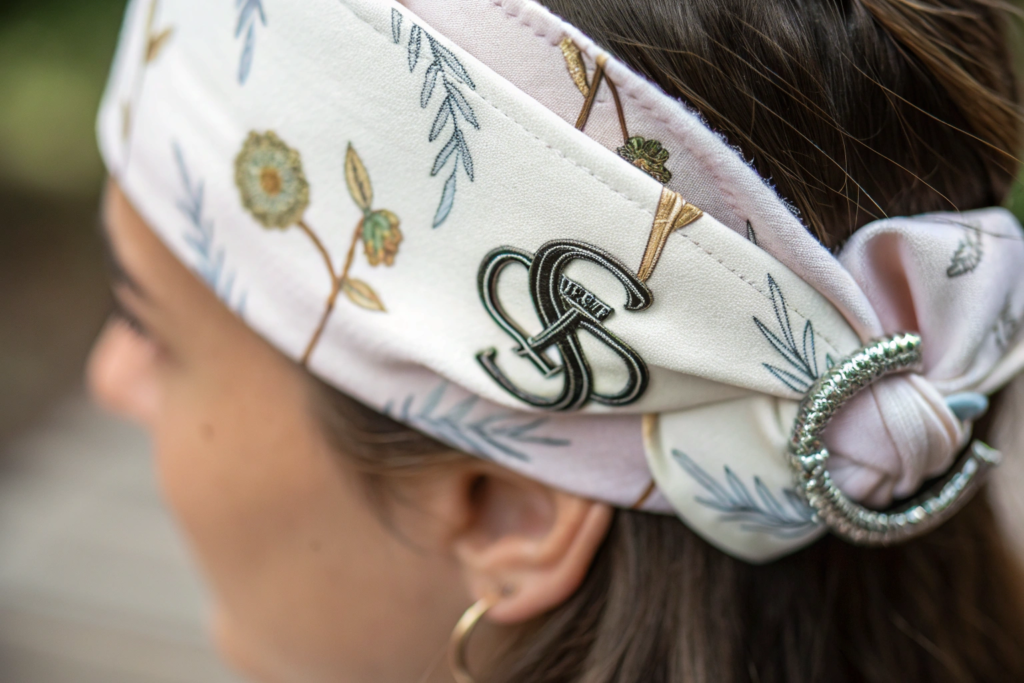
To make your collection unforgettable, you must incorporate a unique and consistent signature detail across all pieces. This could be a custom-designed metal logo, a specific knotting technique, a unique color palette, or a recurring motif. This signature element acts as your brand’s fingerprint, creating a cohesive look and making your products stand out in a crowded market.
One of the most successful collections we ever produced for a client featured a tiny, custom-made brass bee charm stitched onto the side of every headband. It was subtle, but it was consistent. Soon, customers started recognizing the "bee headbands." It became a symbol of the brand’s commitment to nature and quality craftsmanship. This small detail created a powerful sense of brand identity and community among its wearers. This is the ultimate goal of the design process, building on the foundation of a clear niche.
What are some examples of signature details?
A signature detail can be anything that adds a unique touch. Consider these ideas:
- Hardware: A custom-molded metal tip, a logo-engraved charm, or a unique clasp.
- Technique: A proprietary knot or braid, a specific embroidery style, or a unique printing method.
- Branding: A discreetly placed embroidered logo, a branded fabric tag, or a unique color combination that becomes synonymous with your brand.
- Functional Element: An adjustable feature for a perfect fit, or a special non-slip lining.
The possibilities are endless. You can find great inspiration for small design elements on sites like Behance for logo ideas or by studying the hardware on luxury goods from brands like Gucci.
How do you ensure the detail is scalable for production?
This is a critical consideration, especially for a business owner like Ron. A beautiful, handcrafted detail might be perfect for a small batch, but can it be replicated efficiently for a thousand units? This is where partnering with an experienced manufacturer is vital. At Shanghai Fumao Clothing, we specialize in "scalable craftsmanship." We can help you design a signature detail that looks bespoke but can be produced consistently and cost-effectively, whether it’s through creating a custom mold for a metal charm or developing a specialized jig for a unique knot. It’s about finding the sweet spot between uniqueness and manufacturability. Resources on manufacturing processes, like those found on Thomasnet and Maker’s Row, can provide insight into what’s possible.
Why do most headband series tend to look so uniform?
Because they prioritize aesthetics over identity. Too many brands simply replicate what’s trending on Instagram—clinging to fleeting visual fads like pastel gradients, overly filtered backdrops, and curated influencer lifestyles that lack substance.
They chase likes and shares, crafting content that looks polished but feels hollow, as if their entire brand strategy hinges on mimicking the latest aesthetic rather than cultivating a unique voice or authentic connection with their audience.

Is It Really Just “Copycat Culture”—Or Are Deeper Systemic Forces at Play?
It’s less about designers lacking originality and more about structural incentives that reward sameness—those invisible forces within the industry ecosystem that subtly nudge creators toward familiar patterns, proven formulas, and market-tested aesthetics.
Can a Brand Break This Cycle Without Sacrificing Profitability or Scalability?
Yes—but it requires strategic deviation, not random creativity. Strategic deviation involves carefully selecting which elements to modify, enhance, or reframe in order to add depth and richness while staying aligned with the core purpose and message of the original content. It is a deliberate process that considers context, audience, and intent, ensuring that every added detail serves to strengthen rather than dilute the original meaning.
Conclusion
Designing a unique headband collection is not an act of random creativity; it is a deliberate and strategic process. It begins with a deep understanding of a specific niche, which then informs your choice of innovative materials and distinctive silhouettes. The final, crucial step is to infuse your collection with a signature detail—a unique fingerprint that makes your brand instantly recognizable and unforgettable. By following this path, you move beyond simply making accessories and begin building a brand with a loyal following.
This entire process, from initial concept to mass production, is our specialty at Shanghai Fumao Clothing. We are more than just a factory; we are a design and manufacturing partner dedicated to bringing your unique vision to life. Our team of experienced designers and project managers is ready to help you navigate every step, ensuring your final collection is not only beautiful and unique but also produced to the highest quality standards.
If you’re ready to create a headband collection that truly stands out, let’s talk. We can help you translate your brand’s story into a product that captivates your customers. Please contact our Business Director, Elaine, at her email: elaine@fumaoclothing.com to begin your design journey with us.