Lightweight raincoats almost universally feature a hood, and this is a design choice rooted in fundamental principles of weather protection, human anatomy, and practicality. At first glance, it might seem like a simple addition, but the hood is a critical component that transforms a jacket from a mere torso cover into a complete, functional rain barrier. Without it, protection is incomplete.
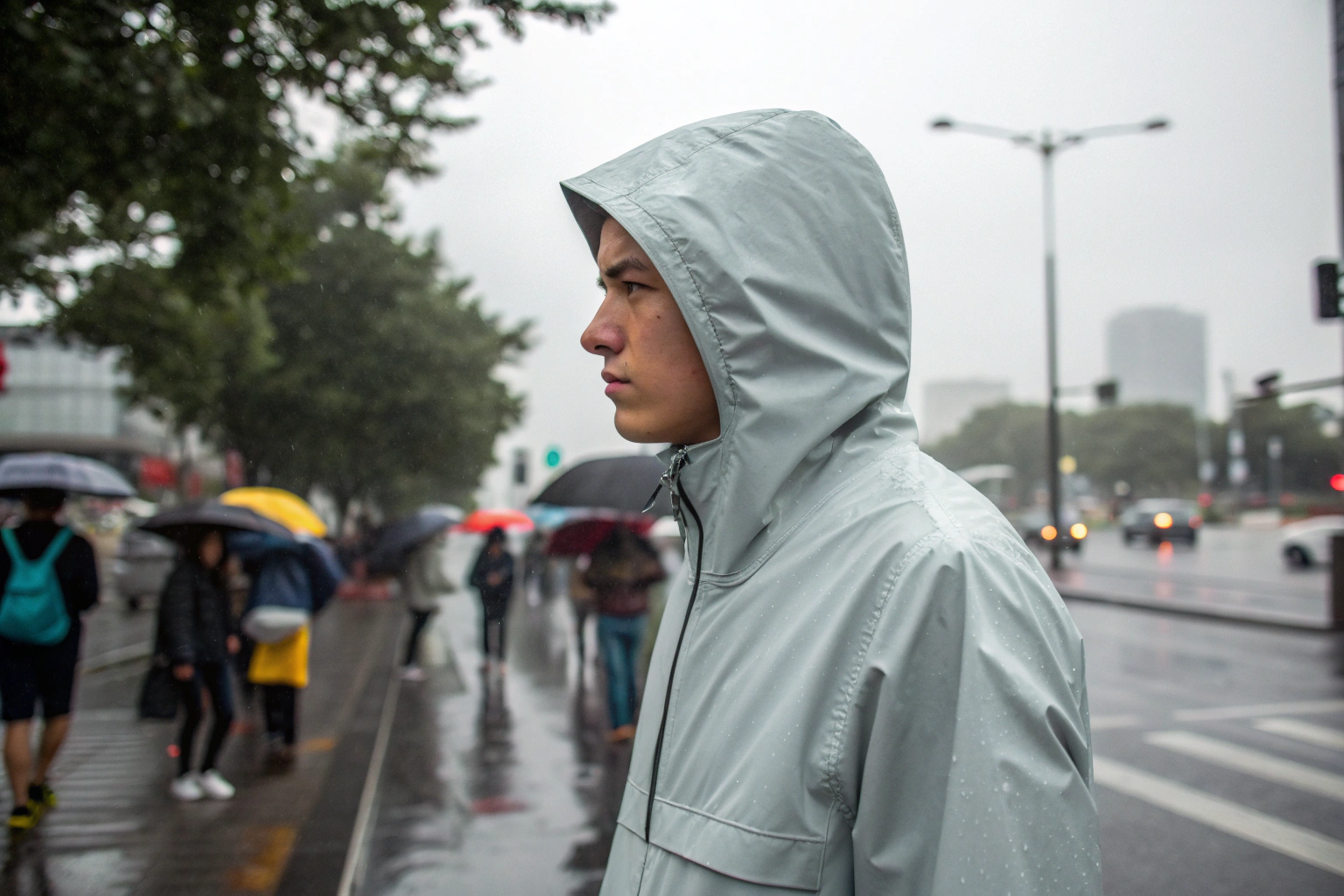
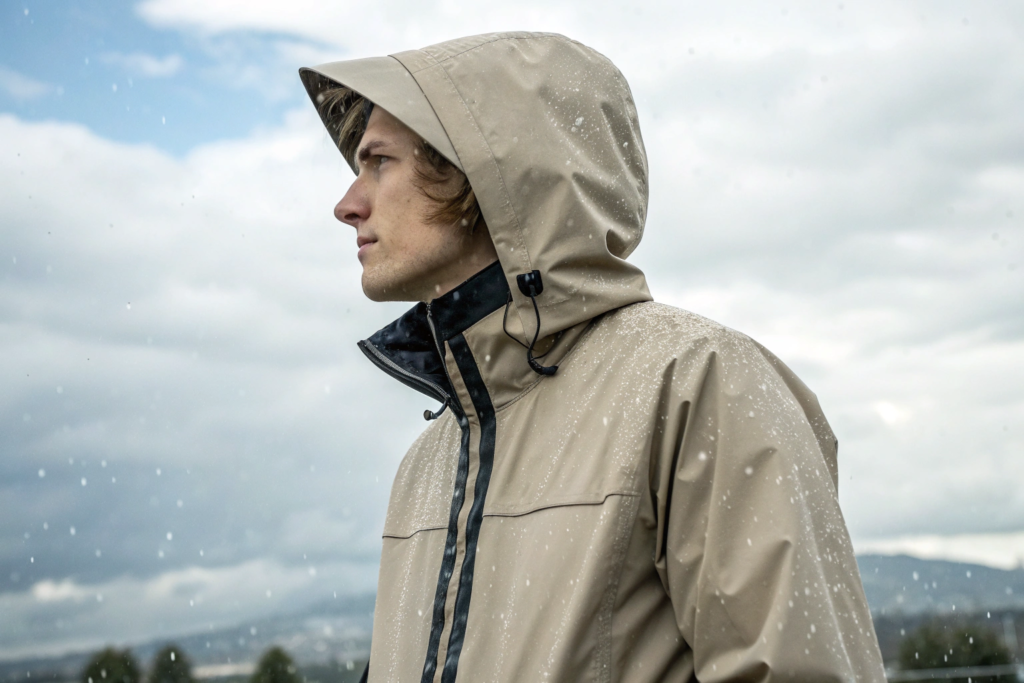
The primary and undeniable reason is comprehensive weather protection. Rain rarely falls straight down; it is driven by wind from various angles. The head and neck are the most exposed parts of the body in a downpour and are also highly sensitive to temperature loss. A hood provides a 360-degree shield for the head, keeping hair dry, preventing water from running down the neck and into the core of the body, and maintaining warmth. For activities like commuting, hiking, or any outdoor task, keeping your head dry is essential for comfort, focus, and preventing chill.
This design choice is also a triumph of practical integration and user-centric design. Modern lightweight rainwear is engineered for packability and unexpected weather. A permanently attached or stowable hood provides an "all-in-one" solution. You don’t need to remember a separate hat or umbrella. This integration is especially crucial for travel, outdoor sports, and emergency preparedness. The convenience of having immediate, integrated protection that moves with your head outweighs the minor additional weight or bulk for the vast majority of users.
How does a hood provide superior protection compared to a hat?
While a wide-brimmed hat can be effective in calm, vertical rain, it fails in common, real-world conditions. A hood’s superiority lies in its integration and adaptability. It is physically attached to the raincoat, creating a continuous, sealed water barrier from the crown of the head down over the shoulders. There are no gaps for wind-blown rain to penetrate, which is a common issue where a hat meets a jacket collar.
Furthermore, hoods are designed for dynamic movement. When you turn your head, look down, or move quickly, the hood moves with you, maintaining coverage. A hat can easily be blown off by a gust of wind or dislodged by a sudden movement. For active use—biking, hiking, or even just briskly walking to a meeting—the security of an attached hood is unmatched. Modern hood designs also incorporate features like adjustable drawcords and stiffened peaks (or bills) that a standard hat cannot offer, allowing for a customized fit that keeps rain off the face without obstructing vision.
What are the key functional features of a modern raincoat hood?
Today’s hoods are far from simple sacks of fabric. They are engineered systems:
- Adjustable Drawcords: Allow the wearer to tighten the hood opening around the face, minimizing exposure to wind and driven rain.
- Stiffened Peak/Visor: A crucial feature that projects forward, keeping rain off the wearer’s glasses or face and improving forward visibility in poor conditions.
- 3D or Anatomical Shaping: Higher-end models use patterned gussets or darts to create a shape that better follows the contour of the head, reducing the "tunnel vision" effect and improving peripheral awareness.
- Compatibility: Many are designed to fit over a cycling helmet or a warm beanie, adding to their versatility across different activities and climates.
Why is packability a key factor in hood design for lightweight rainwear?
The entire point of a lightweight raincoat is to be carried easily for "just in case" scenarios. A hood must align with this philosophy. Therefore, most hoods on these garments are designed to be stowed away cleanly. They often fold into the collar itself using a zippered or snap-closed compartment. This design ensures the hood is always with the jacket, eliminates flapping fabric when not in use, and maintains the garment’s sleek, packable profile. A separate hat is an extra item that can be easily lost or forgotten, defeating the purpose of a ready-to-go emergency layer.
What are the material and manufacturing considerations for hoods?
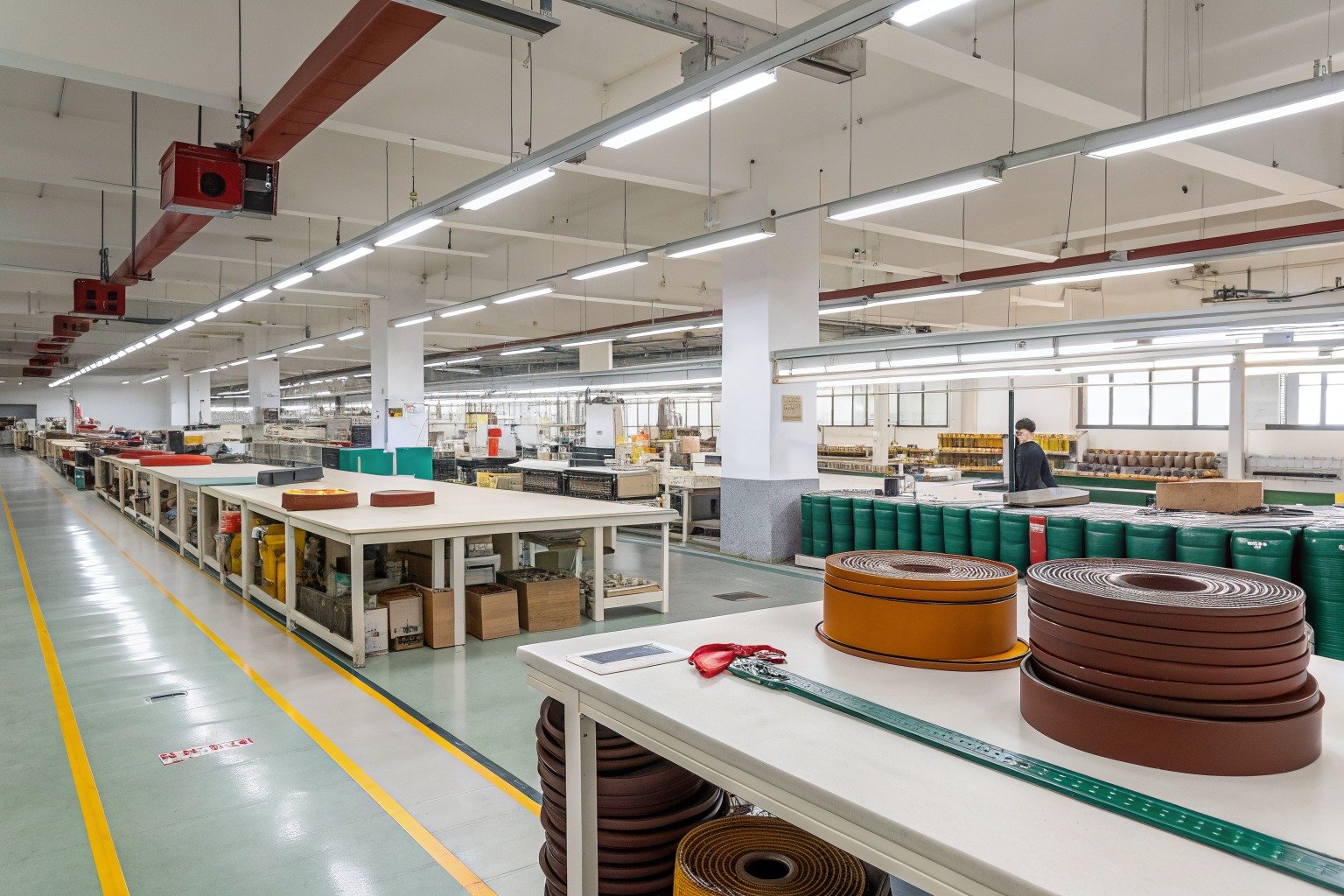
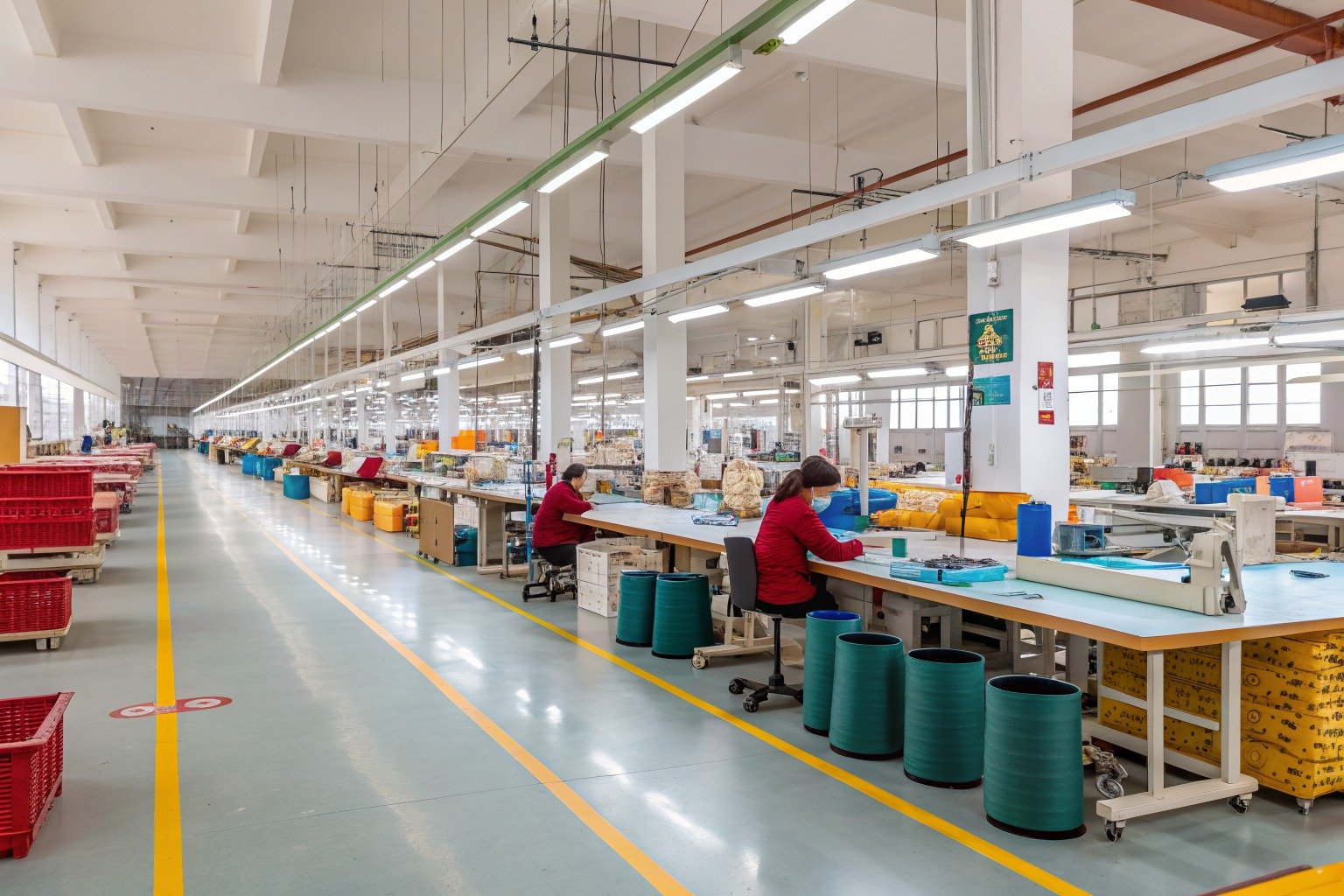
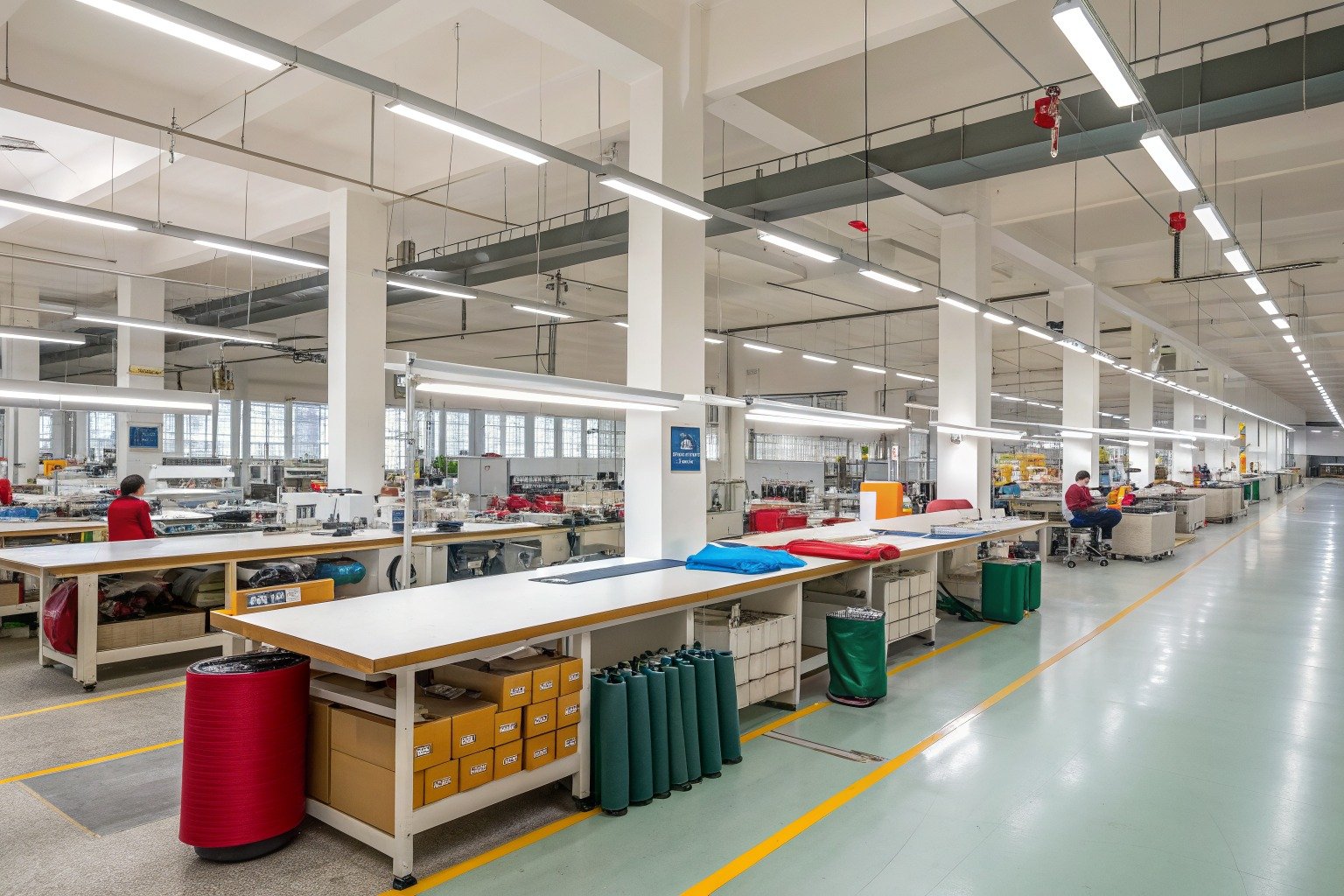
The hood is not an afterthought in manufacturing; it is a key area where material performance and construction techniques are tested. It requires more complex patterning and sewing than the main body of the jacket, as it must transition from a flat piece of fabric into a three-dimensional, functional shape.
The choice of fabric is paramount. Lightweight raincoats typically use nylon or polyester fabrics with a durable water repellent (DWR) coating and a waterproof breathable membrane (like those from Gore-Tex). These materials must be highly flexible and capable of holding a crease for the visor, yet soft enough for comfort around the face. Seam sealing is especially critical on hoods, as they contain many seams that are directly exposed to rainfall. Every stitch hole must be taped to prevent leakage, a process that requires precision. At AceAccessory, our quality control process pays special attention to hood construction, ensuring all seams are perfectly sealed and all adjustments function smoothly, because we know this component is vital to customer satisfaction.
How does hood design impact the overall manufacturing cost?
Adding a hood increases cost in several ways:
- Material Usage: It requires additional fabric, often using more complex pattern pieces that generate more waste from the fabric roll.
- Labor and Complexity: Sewing a hood involves more steps—attaching the visor stiffener, installing the drawcord channels and cord locks, and performing the final attachment to the jacket body—all of which require skilled labor.
- Hardware and Components: The hood adds cost for components like cord locks, the drawcord itself, and potentially extra snaps or zippers for stowage.
- Seam Taping: The increased number of seams directly translates to more meters of seam tape and more time spent applying it.
For a manufacturer, the hood represents a significant portion of the garment’s value. However, it is a non-negotiable feature for the market, as a raincoat without a hood is generally considered less functional and less competitive.
What are the trade-offs between a fixed hood and a detachable one?
Some raincoats offer detachable hoods, presenting a different set of trade-offs. These hoods, often designed with adjustable drawstrings or snap closures, can be easily removed when the weather shifts from drizzly to sunny, allowing for greater ventilation and a more streamlined silhouette. However, this versatility comes with compromises: without the hood, the raincoat may leave the neck exposed to light rain or wind, requiring the wearer to rely on a scarf or collar for protection.
Is the Hood Just a Stylish Add-On—or Does It Serve a Critical Functional Purpose?
Far from being merely decorative, the hood on a lightweight raincoat is a deliberate engineering choice rooted in practicality.
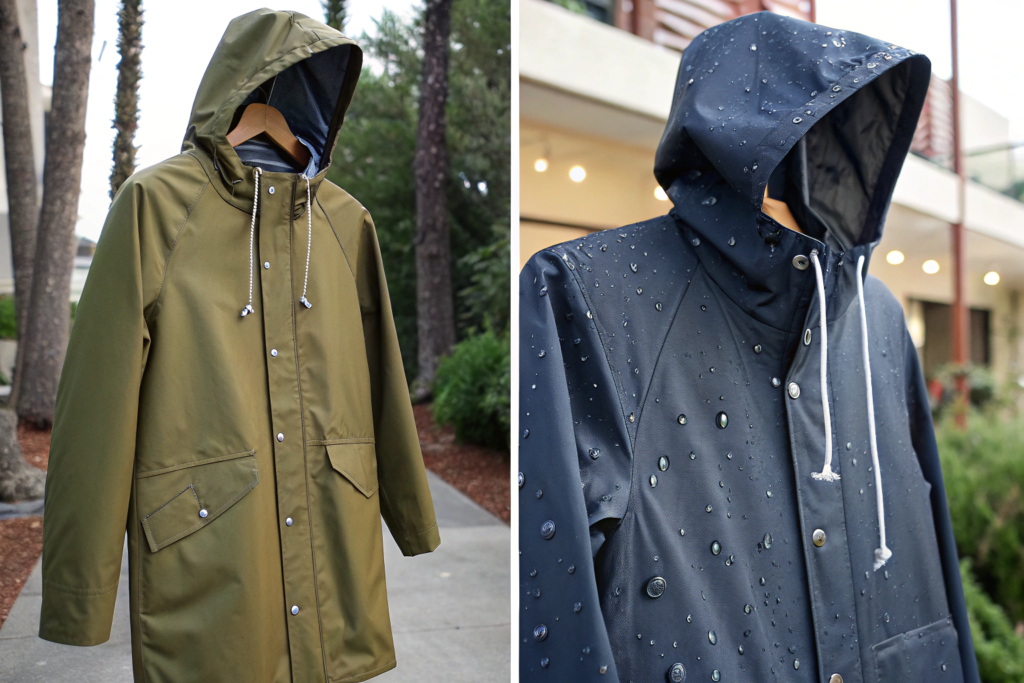
Designed with precision, it extends beyond the shoulders to shield the head, neck, and upper back from driving rain, ensuring that water does not seep through the collar or soak the hair and skin. The curved, contoured shape of the hood follows the natural lines of the head, creating a snug yet comfortable fit that minimizes wind resistance while maximizing coverage.
Can a Thin, Packable Hood Really Keep You Dry in Heavy Rain?
It depends—but today’s innovations make even minimalist hoods surprisingly effective. Most lightweight raincoats use waterproof-breathable membranes like Pertex Shield, eVent, or proprietary laminates that prevent droplet penetration while allowing sweat vapor to escape.
Wouldn’t a Detachable Hood Offer More Flexibility? So Why Are Most Built-In?
You’d think so—but for true lightweight performance, built-in hoods win every time. Detachable hoods require snaps, zippers, or Velcro attachments, which add weight, potential leak points, and complexity.
In a sub-200g rain shell, every gram counts. A permanently integrated hood can be made from the same ultralight fabric as the body, folded flat against the collar, and deployed in seconds.
If They’re So Light, Why Bother Adding a Hood at All?
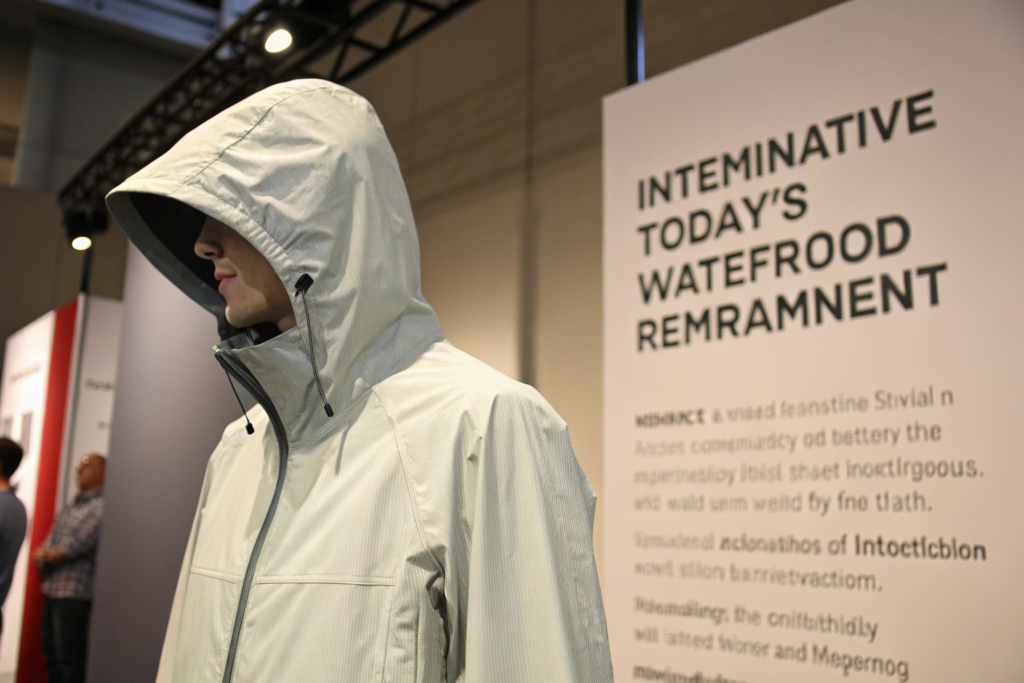
Because in lightweight rainwear, every feature must earn its place—and the hood does more than its fair share.
Unlike heavy-duty rain jackets that rely on full torso coverage and storm cuffs, ultralight raincoats are designed for spontaneity: they pack into a pocket, weigh less than a smartphone, and deploy in seconds when skies turn gray.
Does a Hood Compromise Breathability or Comfort in Warm Weather?
It doesn’t have to—and most quality lightweight raincoats prove it. Many use ultra-thin, breathable membranes (like 2.5-layer nylon with microporous coatings) that allow moisture vapor to escape while blocking liquid rain.
Hoods are typically cut to sit loosely unless cinched, minimizing heat buildup around the head. Additionally, features like mesh-lined eyelets, ventilated napes, or half-zip collars help regulate temperature even with the hood up.
Could You Just Wear a Baseball Cap Instead? Why Not Skip the Hood Altogether?
You could—but a cap only solves part of the problem. While it shields your eyes from rain, it leaves your neck, ears, and hair fully exposed, and offers zero protection against wind-driven downpours.
Worse, water runs off the brim directly onto your shoulders or glasses.

Conclusion
The hooded design on lightweight raincoats is a perfect example of form following core function. It is not a mere stylistic addition but an essential element for delivering complete, reliable, and convenient protection against rain. It addresses the fundamental need to keep the head and neck dry, integrates seamlessly for on-the-go use, and leverages modern materials and manufacturing to balance protection with packability.
While alternatives like hats or umbrellas exist, they fail to provide the same level of integrated, secure, and wind-resistant coverage. The hood transforms the raincoat from a partial solution into a comprehensive shield, making it an indispensable feature for anyone seeking true preparedness for wet weather.
If you are looking for a manufacturing partner who understands these critical design details and can produce high-quality, functional rainwear and accessories, Shanghai Fumao Clothing is here to help. We combine design insight with precise manufacturing to create products that perform. For a discussion on your rainwear or accessory project, please contact our Business Director Elaine at: elaine@fumaoclothing.com. Let’s create functional and fashionable solutions together.