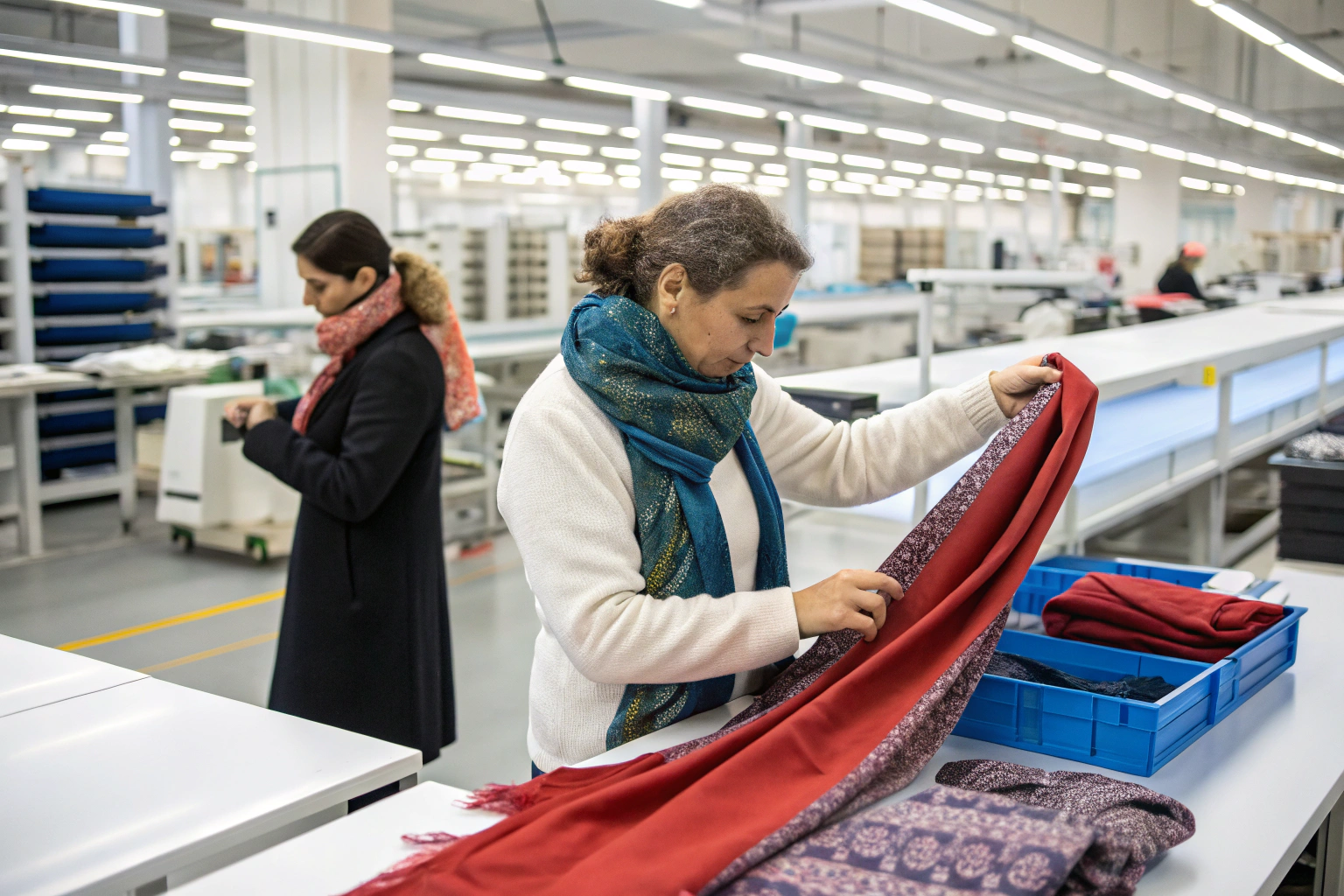
Finding a scarf factory for a small order is challenging. Many established manufacturers have minimum order quantities (MOQs) in the thousands because high-volume runs keep their machines efficient and costs low. But what if you’re a startup, a brand testing a new design, or a retailer with a niche market? You need a partner willing to work with low MOQs, but you don’t want to sacrifice quality or professionalism. This common dilemma can stall many promising ventures before they even begin.
The good news is that such factories do exist. The key is knowing where to look and how to identify partners who are strategically set up for, and openly advertise, low-volume production. While mass-market manufacturers turn them away, a specialized segment of the industry caters specifically to flexible, small-batch orders. By focusing your search on the right platforms and asking the right questions, you can find a reliable factory to launch your scarf line.
This guide will walk you through practical strategies to locate and vet scarf factories with low MOQs. We’ll cover effective search platforms, red flags to avoid, and negotiation tips to secure a partnership that supports your brand’s growth from the first order onward. Learn more Shanghai Fumao Clothing details page.
Where should you start your search for low MOQ factories?
Your first instinct might be to search broadly on major B2B platforms like Alibaba. While this is a valid starting point, the results can be overwhelming, and many listings with seemingly low MOQs are for ready-made items, not true custom manufacturing. To be efficient, you need to target platforms and supplier types that are naturally aligned with small-batch production.
Begin by using very specific search terms. Instead of just "scarf factory," try queries like "low MOQ scarf custom," "small batch scarf manufacturer," or "scarf manufacturer for startups" on Alibaba, Google, and industry-specific directories. These terms filter for suppliers who market this capability. Also, explore regional sourcing hubs known for flexible production. For instance, Yiwu in China is famous for its wholesale markets and many trading companies that aggregate small orders from multiple buyers to meet factory MOQs. While trading companies add a layer, they can be a practical gateway for very low volumes.
What is the difference between a factory and a trading company for low MOQs?
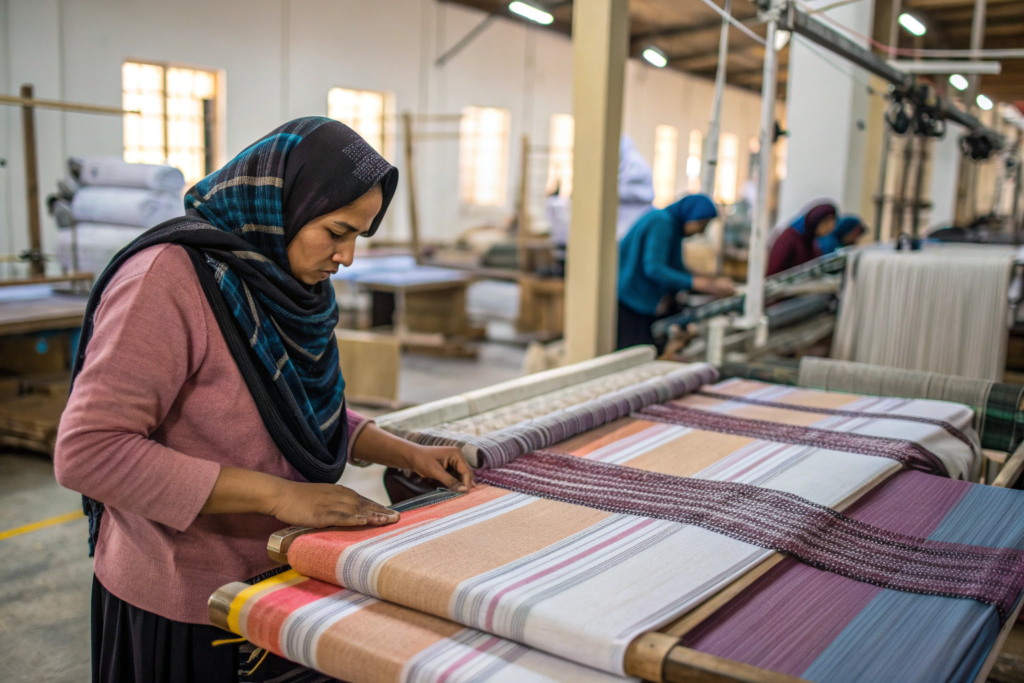
Understanding this distinction is crucial. A factory produces the goods directly. They have full control over the production line but often have higher MOQs to make each production run economically viable. A trading company acts as a middleman, sourcing products from various factories. Their key advantage for low-MQO orders is that they can combine orders from multiple clients for the same product, allowing each client to meet the factory’s volume requirement. The trade-off is less direct communication with the production floor and a slightly higher cost per unit. For your first order, a reputable trading company specializing in scarves and accessories can be an excellent, low-risk starting point.
Which online platforms are best for finding low-volume partners?
Beyond the giant Alibaba, consider these platforms:
- Industry-Specific Directories: Look for fashion manufacturing directories like the Australasian Fashion Council (AFC) directory, which lists suppliers like BLU Overseas that explicitly state "We can cater to low MOQs". Similar regional fashion council directories exist in Europe and North America.
- Specialized B2B Platforms: Sites like ExportHub or HKTDC often feature suppliers from key Asian hubs. You can find companies like Jiangsu Hightop Import & Export Co., Ltd., which, while sometimes listing higher MOQs for full customization, may offer lower thresholds for simpler modifications.
- Trade Data Platforms: For advanced research, use sites like 52wmb.com to analyze a factory’s real export data. If you see a factory consistently ships smaller quantities (e.g., 115kg as in one record) to varied partners, it’s a strong indicator they are accustomed to handling low-volume orders.
How do you verify and communicate with a potential low MOQ factory?
Once you have a shortlist, the verification and communication phase becomes even more critical. With lower order volumes, your per-unit cost will be higher, making trust and clarity non-negotiable. You cannot afford errors, delays, or quality issues on a small, precious order.
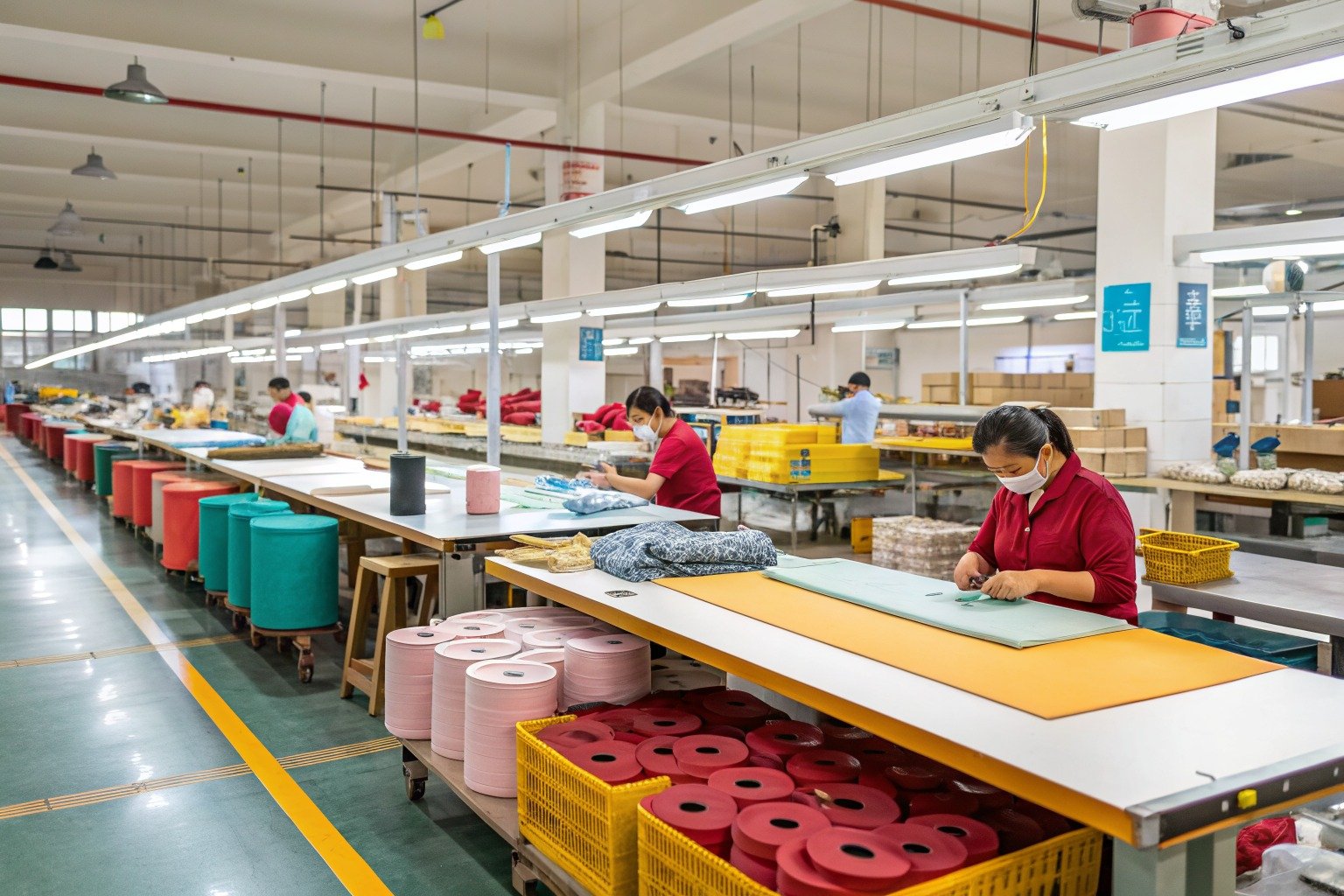
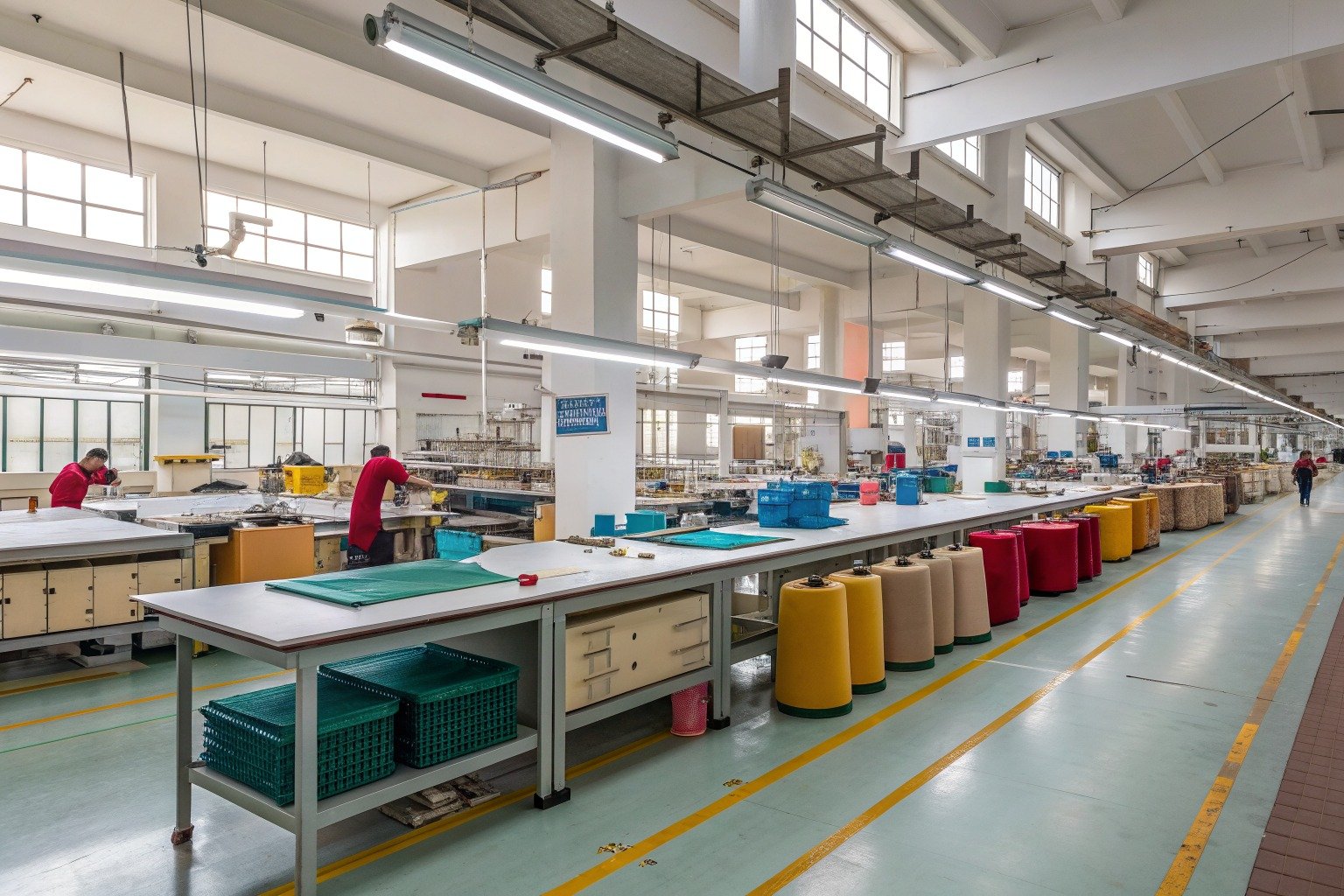
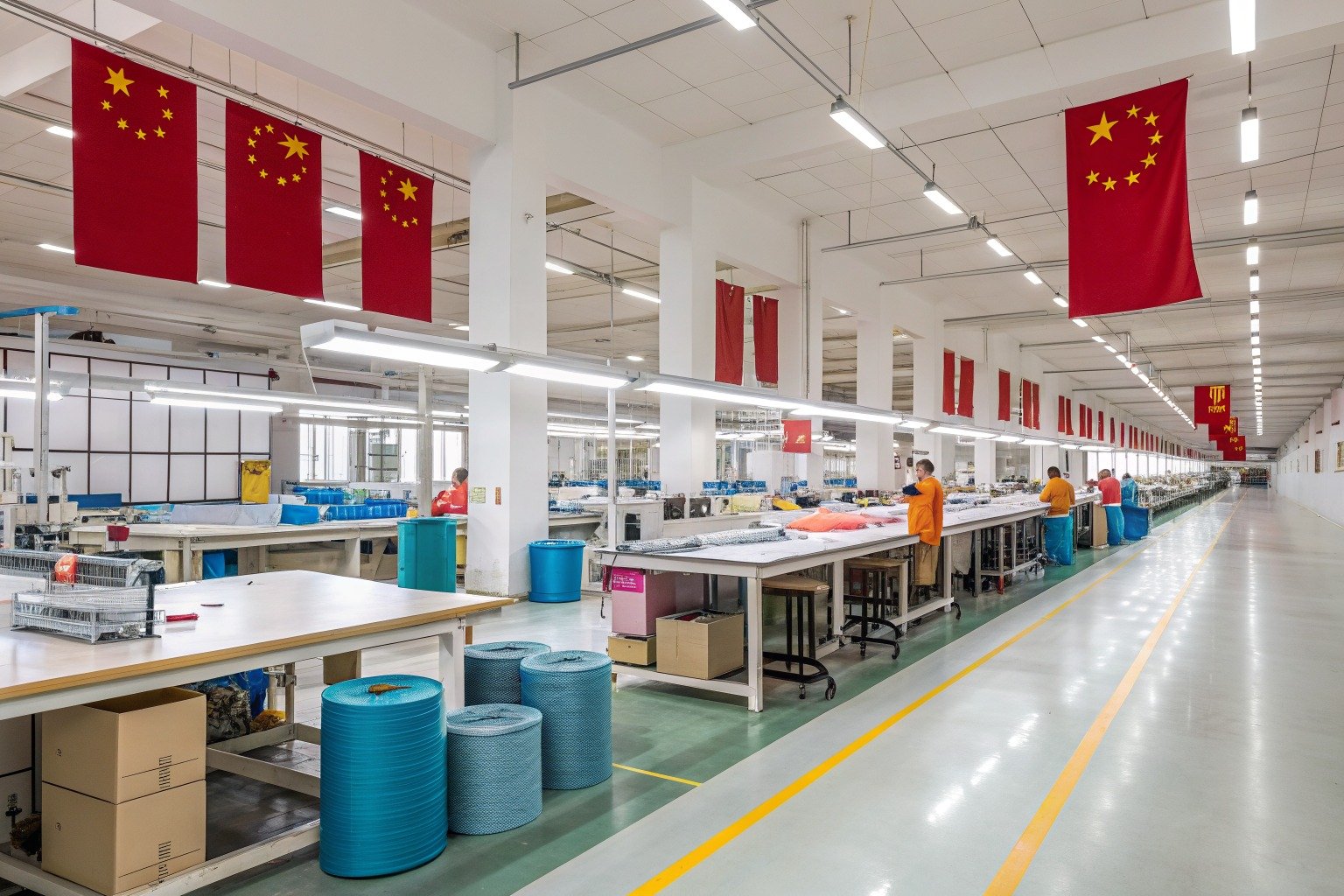
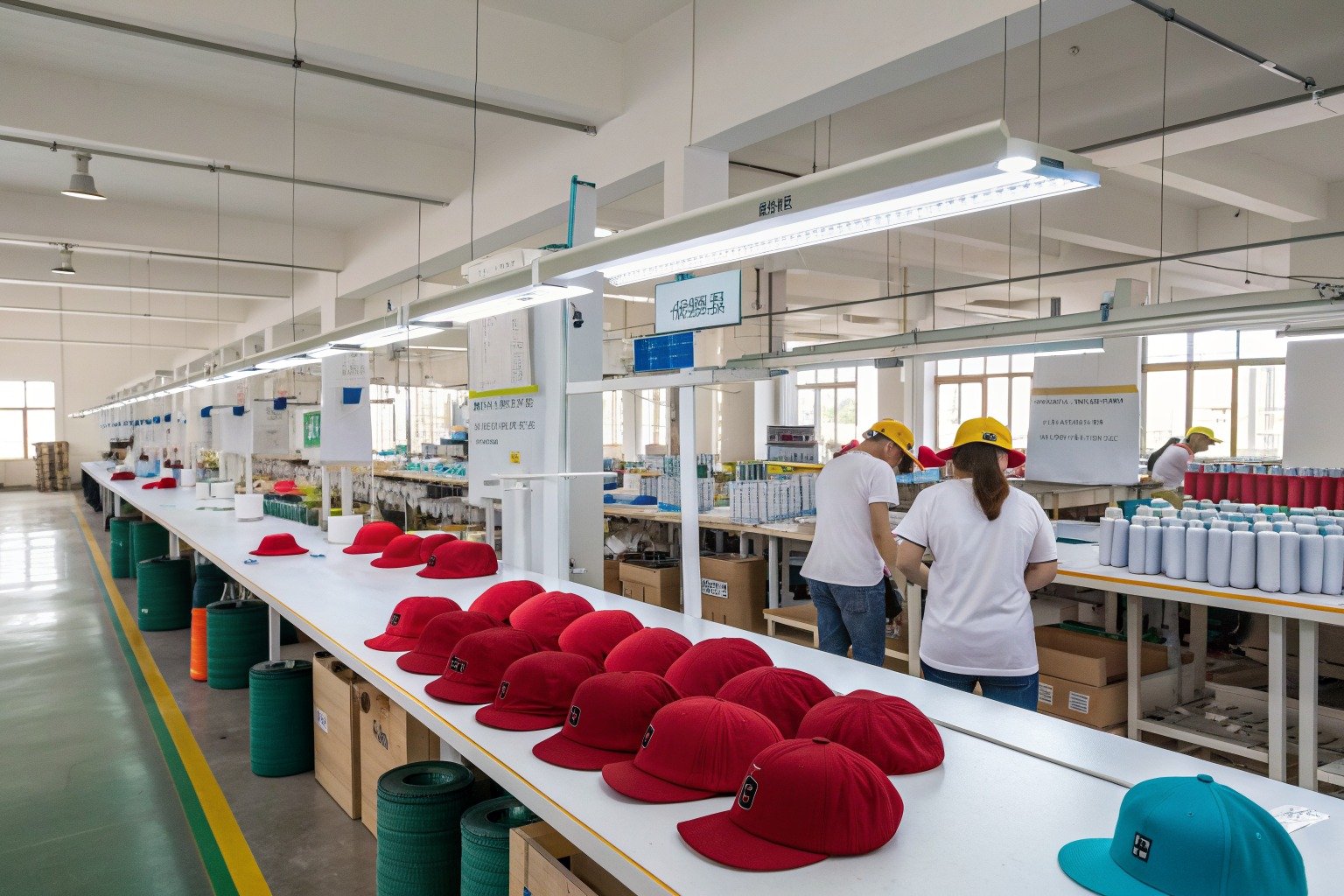
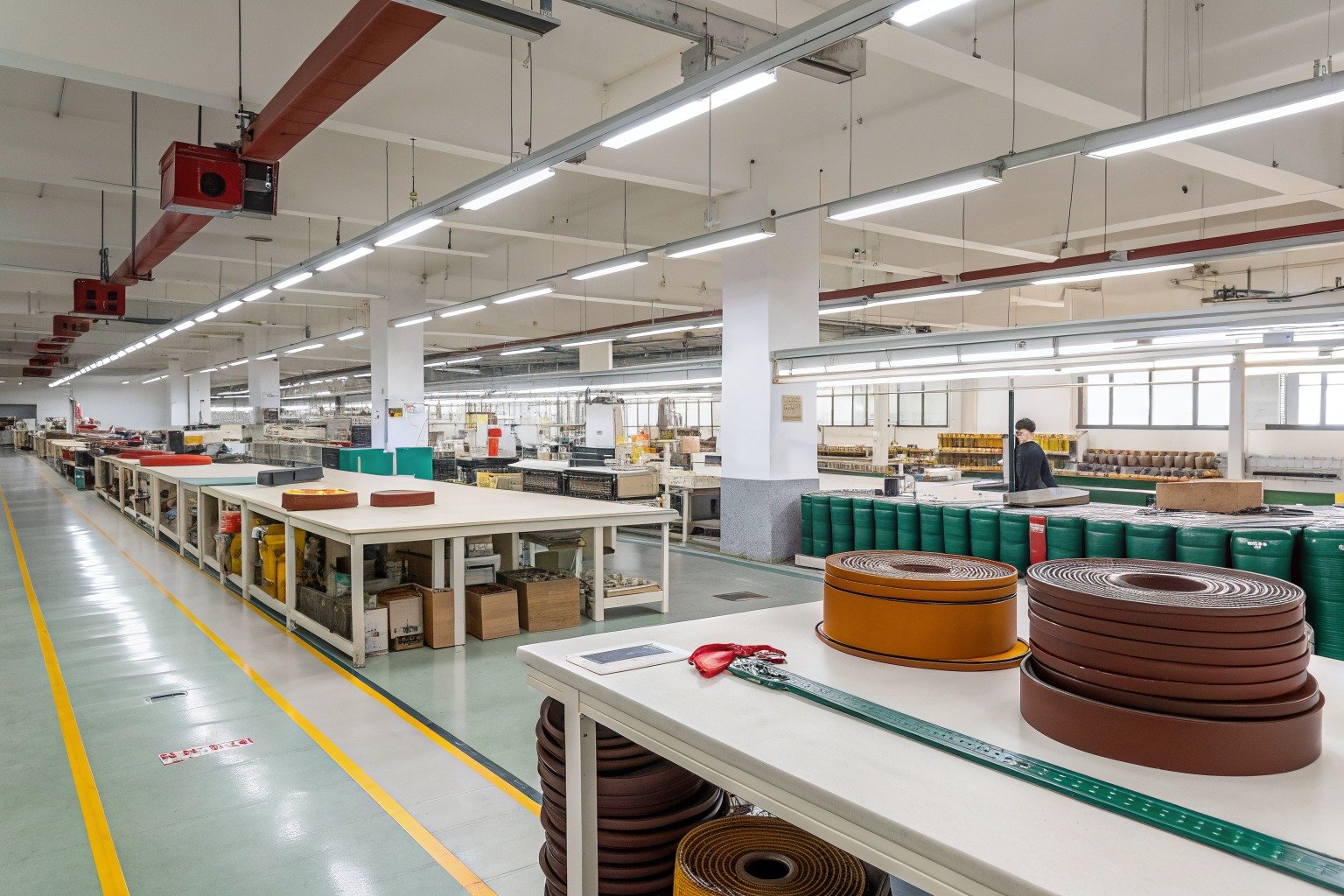
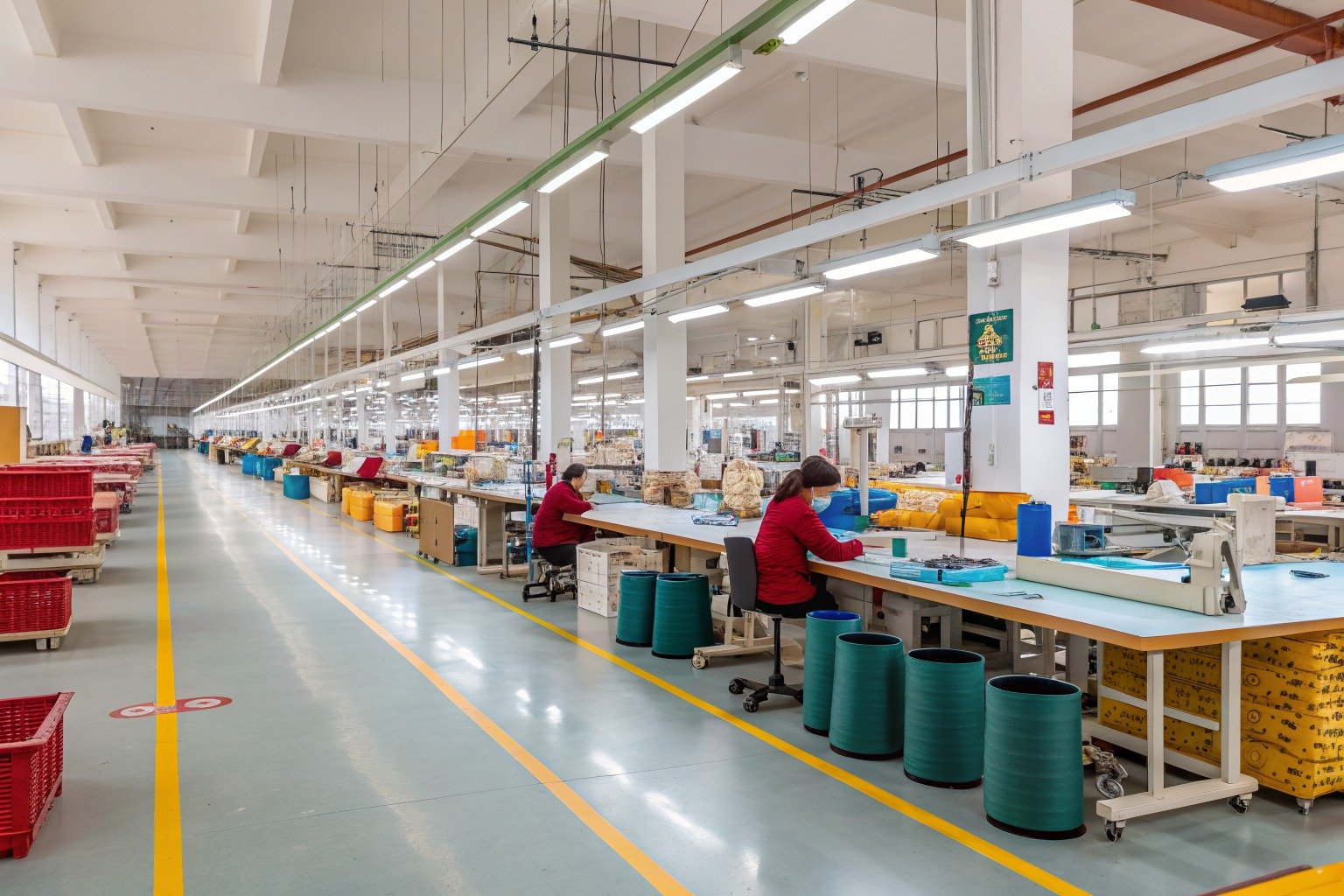
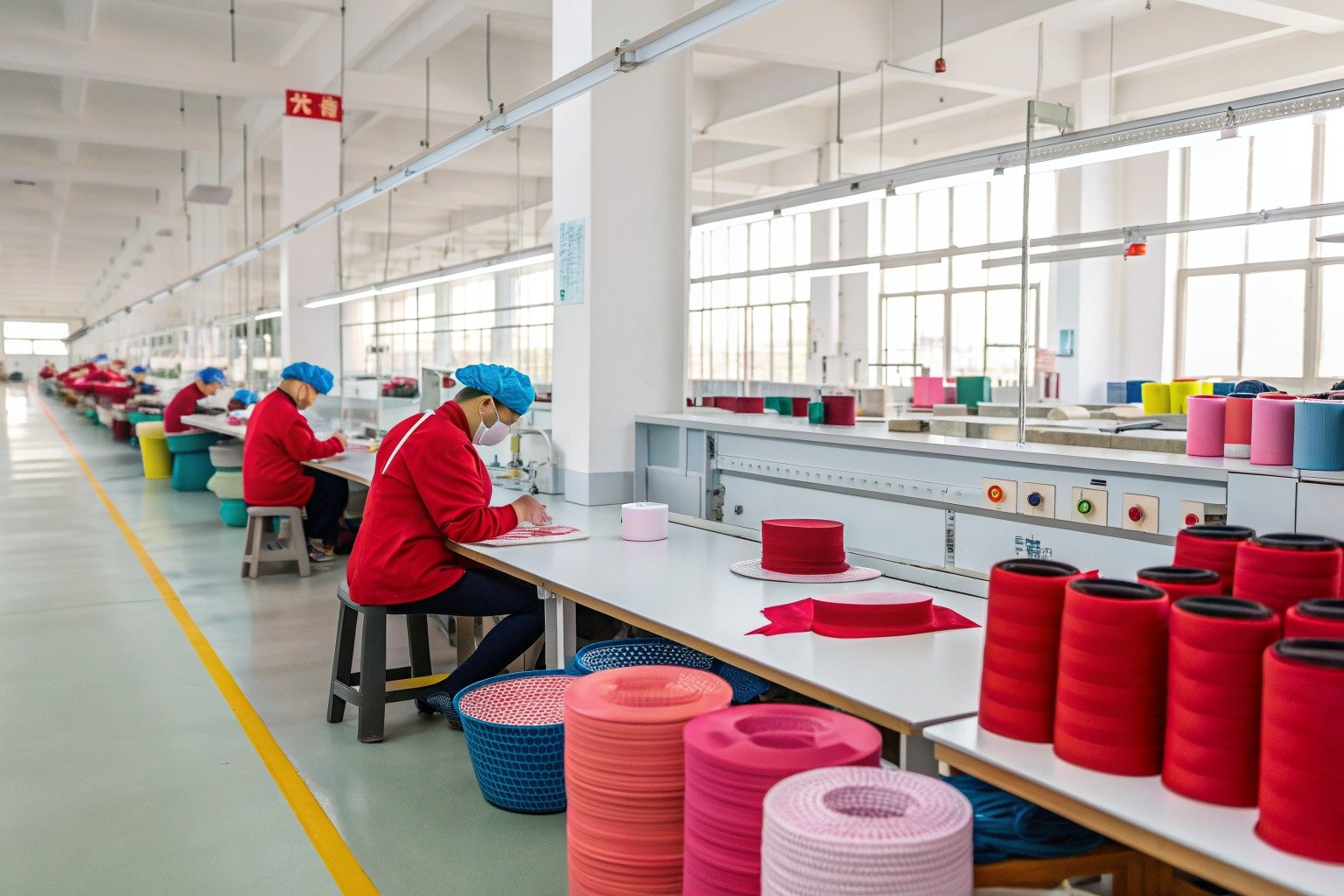
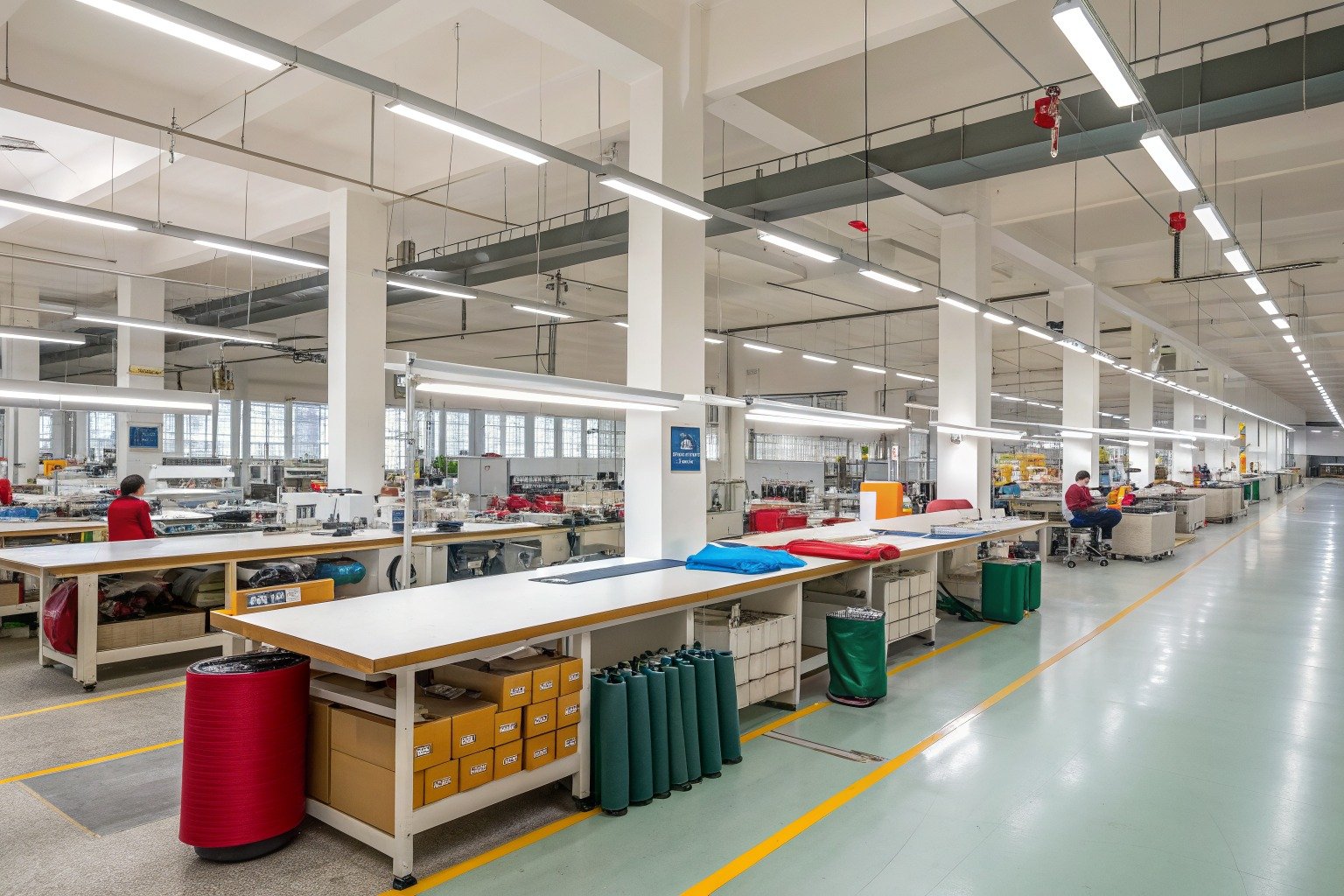
Always start by requesting a complete company profile and business license. For factories in China, you can ask for their "Business License". Immediately propose a video call facility tour. A genuine factory that is proud of its setup, like our modern facility at AceAccessory, will agree to this. During the tour, ask to see not just the main assembly line but also the sampling room and quality check area—these are often busier in factories that handle diverse, small projects. For trading companies, ask them to name and show you the specific factory they partner with for scarf production. Transparency is key.

What specific questions should you ask about the low MOQ process?
Go beyond just asking, "What is your MOQ?" Drill down with these questions:
- "Does the quoted MOQ of 100 pieces apply to a completely new design from my sketch, or is it for modifying an existing scarf style you already produce?"
- "If I provide my own fabric, does the MOQ change?"
- "What is the cost breakdown for the sample versus the mass production? Is there a sample fee, and is it deductible from the final order?"
- "Can you walk me through your payment schedule for a low MOQ order? Is a 50% deposit standard?"
- "What is the lead time for a production run of 100-200 scarves?"
Why is ordering a physical sample an absolute must?
For a low MOQ order, the sample is your quality assurance. Never skip this step. Pay for a fully custom sample that reflects your exact design, materials, and logo. Evaluate it for:
- Material Feel & Color: Does the fabric (e.g., polyester voile, acrylic knit) match your expectations for weight, softness, and color accuracy?
- Construction Quality: Check the stitching, hemming, and any printing or embroidery closely.
- Communication Effectiveness: Was the factory able to follow your instructions accurately? The sampling process tests their attention to detail and responsiveness.
Approve the sample in writing before authorizing mass production. Keep the approved sample as your "gold standard" to compare against the final shipment during pre-shipment inspection.
What are the trade-offs and costs with low MOQ production?
Choosing low MOQ production is a strategic business decision that involves balancing flexibility with higher costs and limited options. Being aware of these trade-offs upfront will help you set realistic budgets and expectations.
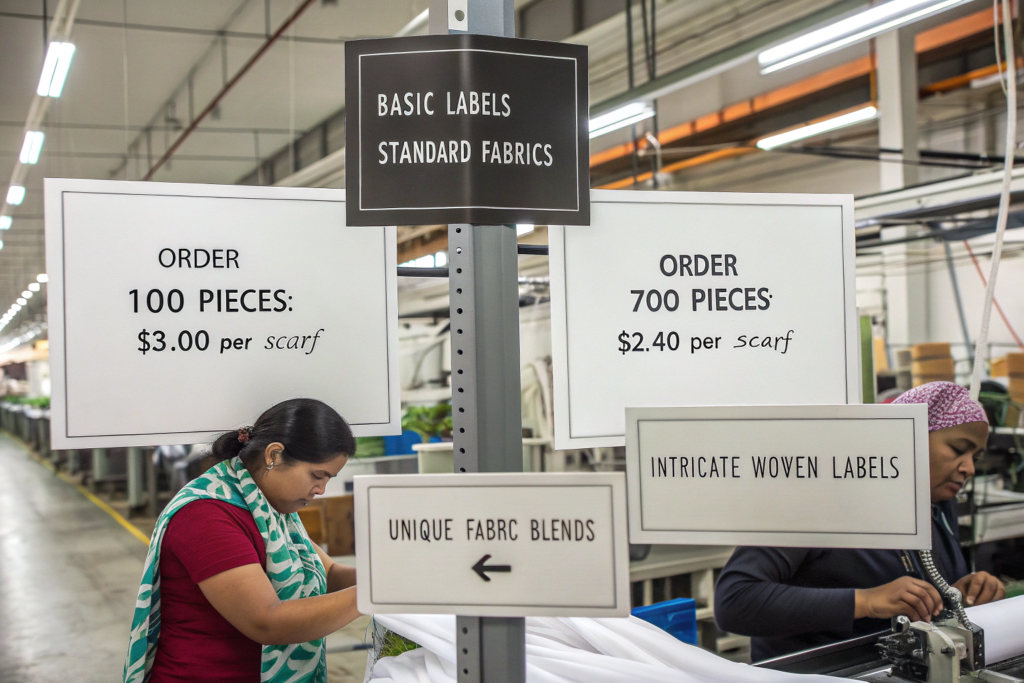
The most direct trade-off is a higher cost per unit. Factories have fixed setup costs (for creating samples, preparing printing screens, setting up knitting machines). These costs are amortized over a large order with high MOQs. With a low MOQ order, you absorb that entire setup cost across far fewer items, significantly raising the price of each scarf. For example, a factory might charge $3.00 per scarf for an order of 100 pieces but only $2.40 per scarf for 700 pieces. Secondly, your customization options may be limited. Complex techniques like intricate woven labels, specialized dyeing, or unique fabric blends might only be available at much higher volumes.
How can you reduce costs without increasing order quantity?
You can negotiate on other levers:
- Simplify Design: Opt for printed patterns instead of woven ones, or choose from the factory’s existing fabric stock rather than custom-dyeing a new fabric.
- Flexible Packaging: Use their standard polybag instead of custom-printed packaging, which often has a high MOQ of its own.
- Negotiate Payment Terms: While a 50% deposit is common, you might negotiate a 30% deposit for a trusted, long-term relationship, improving your cash flow.
Should you consider local or near-shore manufacturing?
For very low volumes, sometimes a local manufacturer becomes competitive. While labor costs are higher, you save massively on shipping, avoid import tariffs, and benefit from easier communication. For instance, a UK-based manufacturer like Xpose Limited specifically markets "short lead times and low minimum order quantities" to startups and known brands alike. Similarly, a manufacturer in Australia like BLU Overseas explicitly states they "can cater to low MOQs" for accessories. Always get a complete cost estimate (including all local costs) for a fair comparison with an overseas partner.
Why Is It So Hard to Find a Scarf Manufacturer That Doesn’t Demand Thousands of Units?
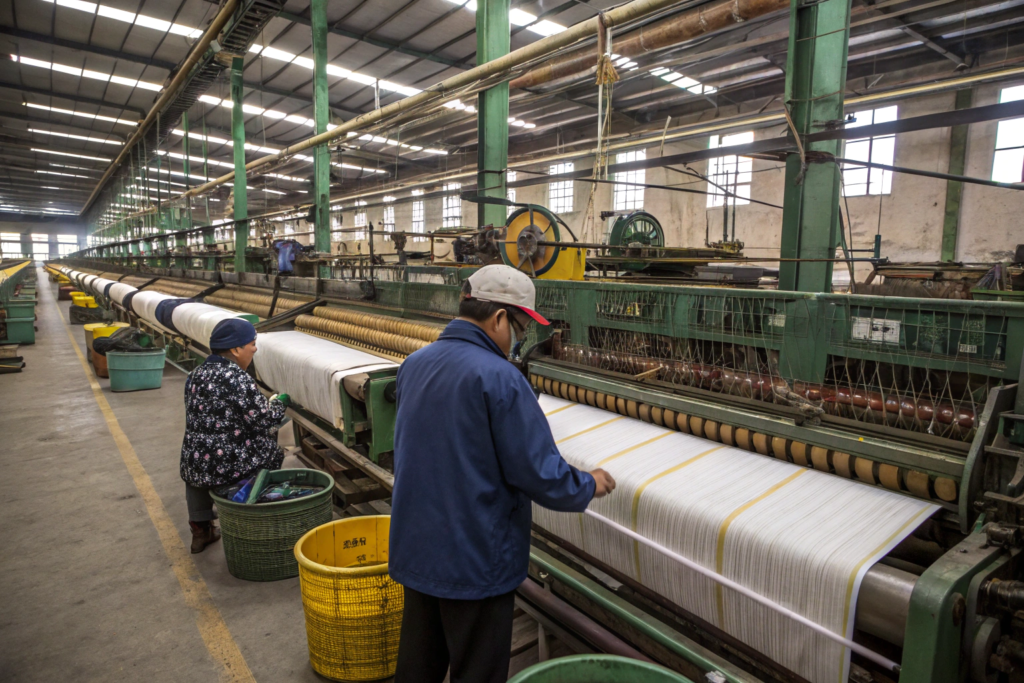
The short answer: traditional textile production is built for scale. Most scarf factories—especially those specializing in woven silk, jacquard, or high-end wool—rely on industrial looms and dyeing vats that only become cost-effective at high volumes.
Can You Really Trust Alibaba Listings That Claim “50-Piece MOQ”?
Sometimes—but never at face value. While Alibaba hosts thousands of scarf suppliers advertising “low MOQ,” many use this as a bait tactic. These suppliers often lure buyers with promises of minimal order quantities, such as just 10 or 20 pieces, to attract attention and secure initial contact. However, upon closer inspection, hidden fees, strict quality standards, or additional requirements for bulk orders beyond the initial low MOQ emerge.
Are There Better Alternatives to Mass-Market Platforms for Small-Batch Scarf Production?
Are There Better Alternatives to Mass-Market Platforms for Small-Batch Scarf Production? For small-batch scarf producers seeking more tailored solutions than the one-size-fits-all approach of mass-market platforms, several specialized alternatives offer distinct advantages. These alternatives often provide greater control over design, material sourcing, and customer engagement, catering specifically to niche markets and artisanal craftsmanship. One such option is direct-to-consumer (DTC) e-commerce platforms, which allow producers to sell directly to customers without intermediaries, enabling higher profit margins and deeper customer relationships.
Conclusion
Finding a scarf factory that accepts low MOQs requires a targeted and diligent approach. It involves searching on the right platforms, prioritizing suppliers who market this flexibility, and conducting thorough verification through samples and direct communication. While you will face trade-offs like higher per-unit costs and some limitations on customization, the payoff is the ability to test the market, build your brand, and manage inventory risk effectively.
The ideal partner is one that sees your small initial order as the beginning of a long-term growth journey. They should be transparent, communicative, and have systems in place to ensure quality even on limited runs.
If you are looking for a professional and reliable partner to produce your scarf line with manageable minimums, we at Shanghai Fumao Clothing are here to help. We understand the needs of growing brands and offer flexible production solutions. Our team can guide you from design to delivery. For a discussion on your specific project, please contact our Business Director Elaine at her email: elaine@fumaoclothing.com. Let’s bring your accessory ideas to life.