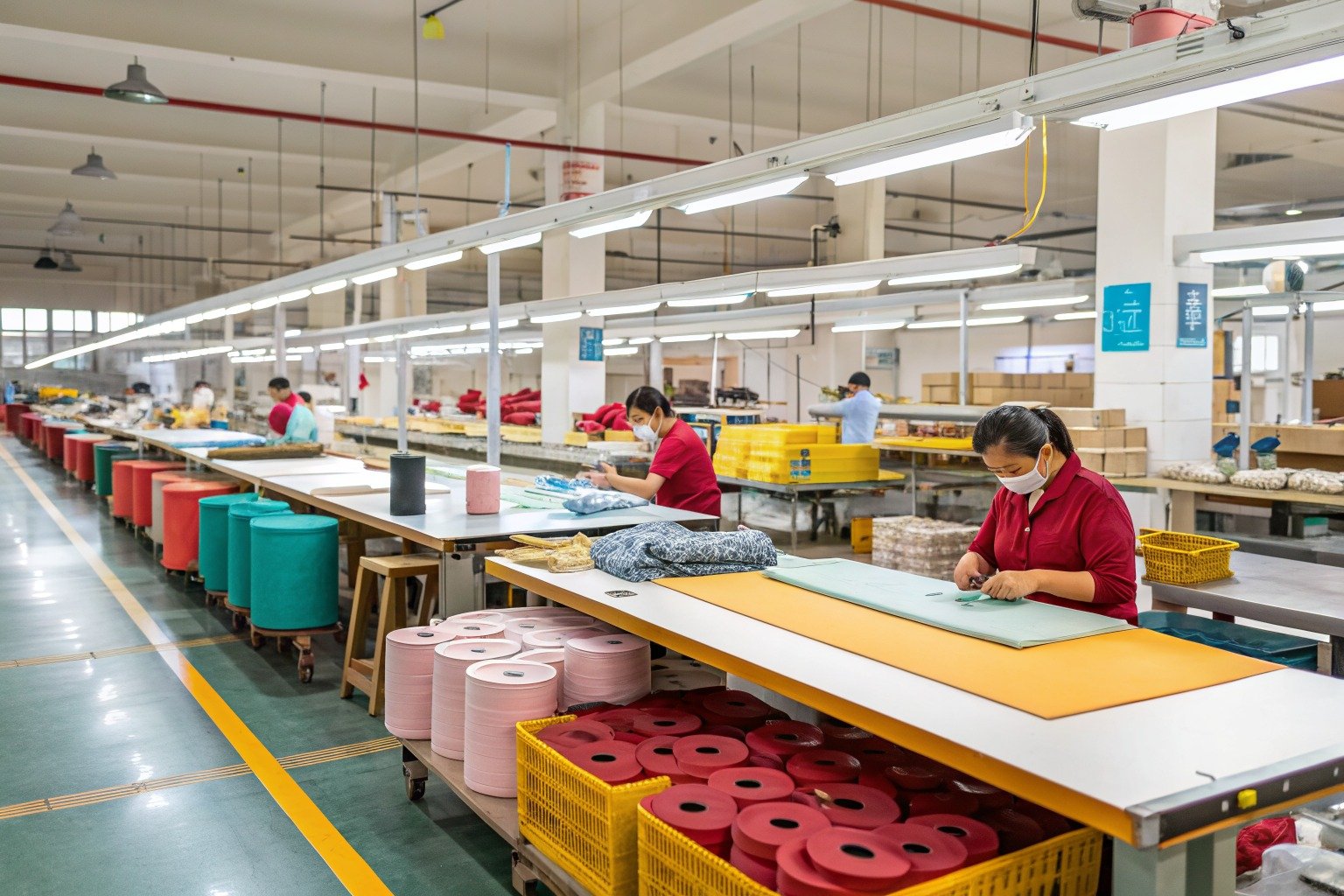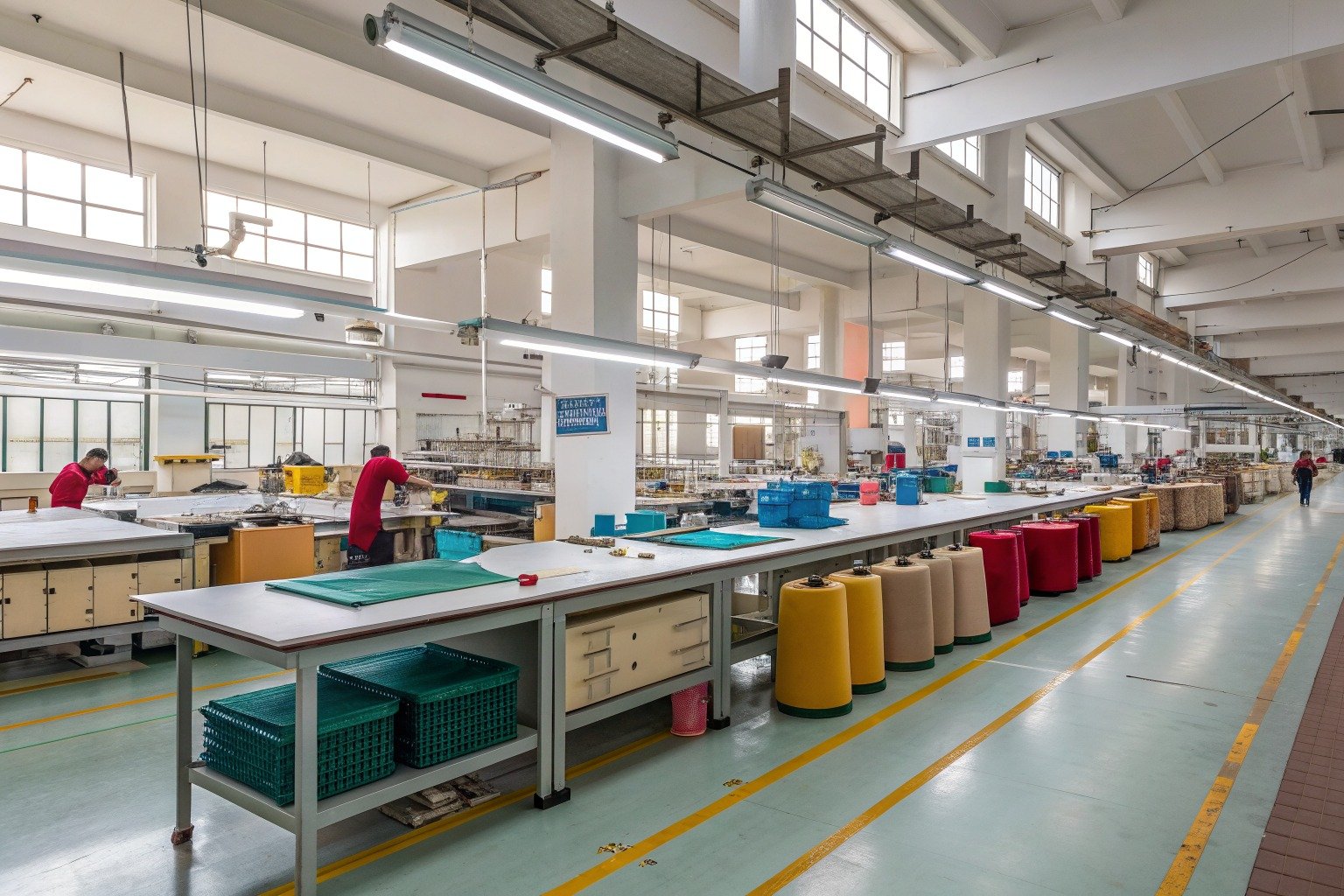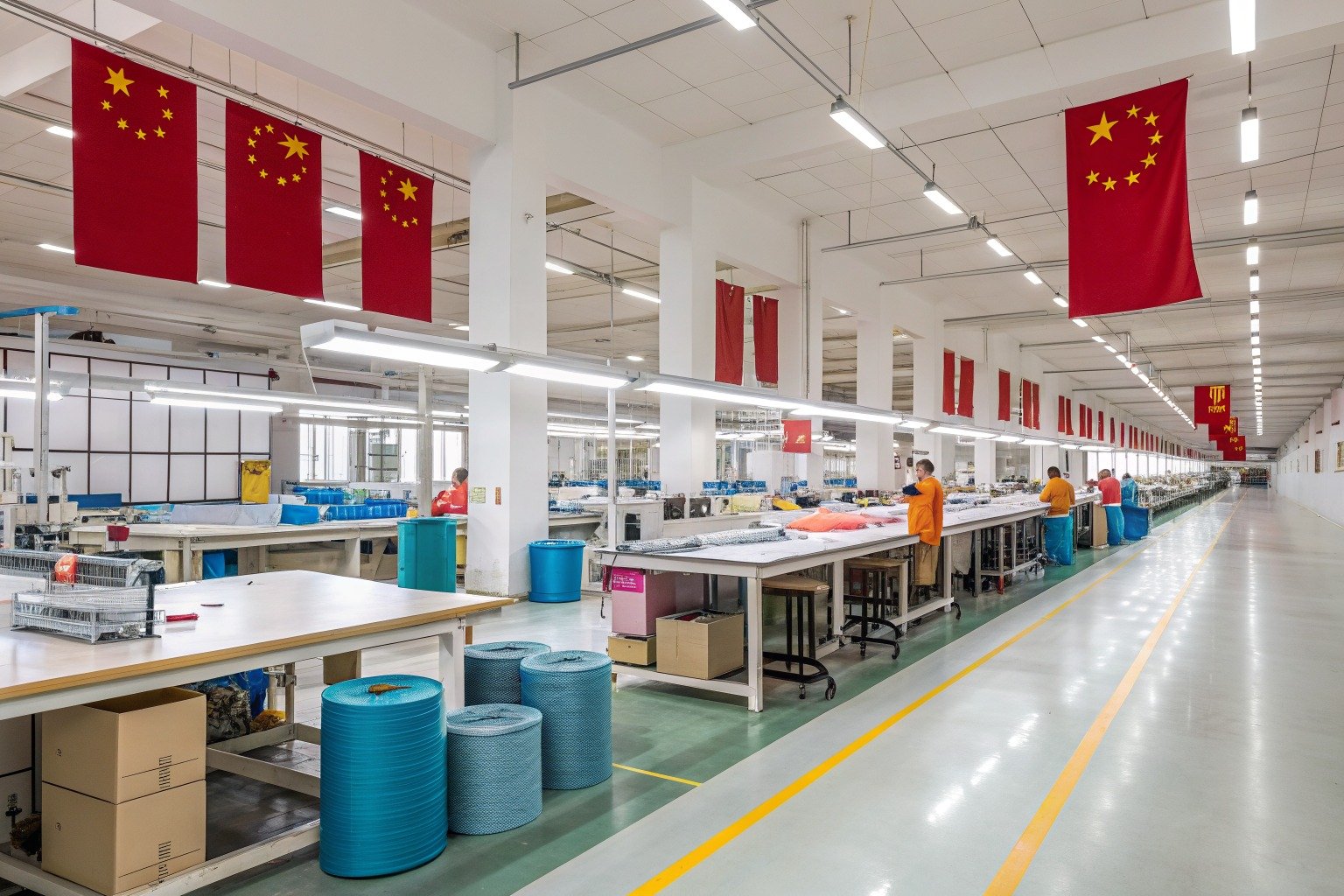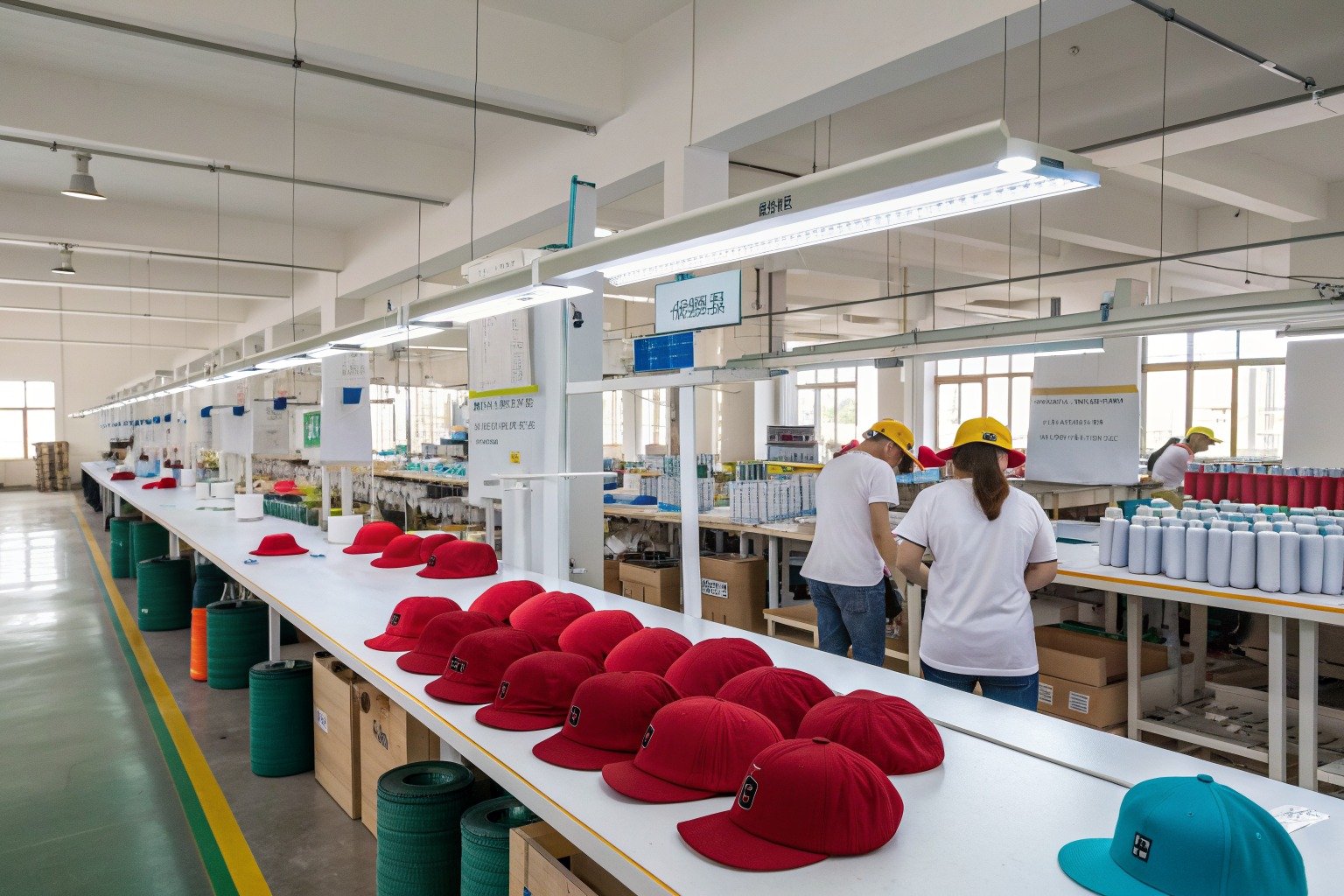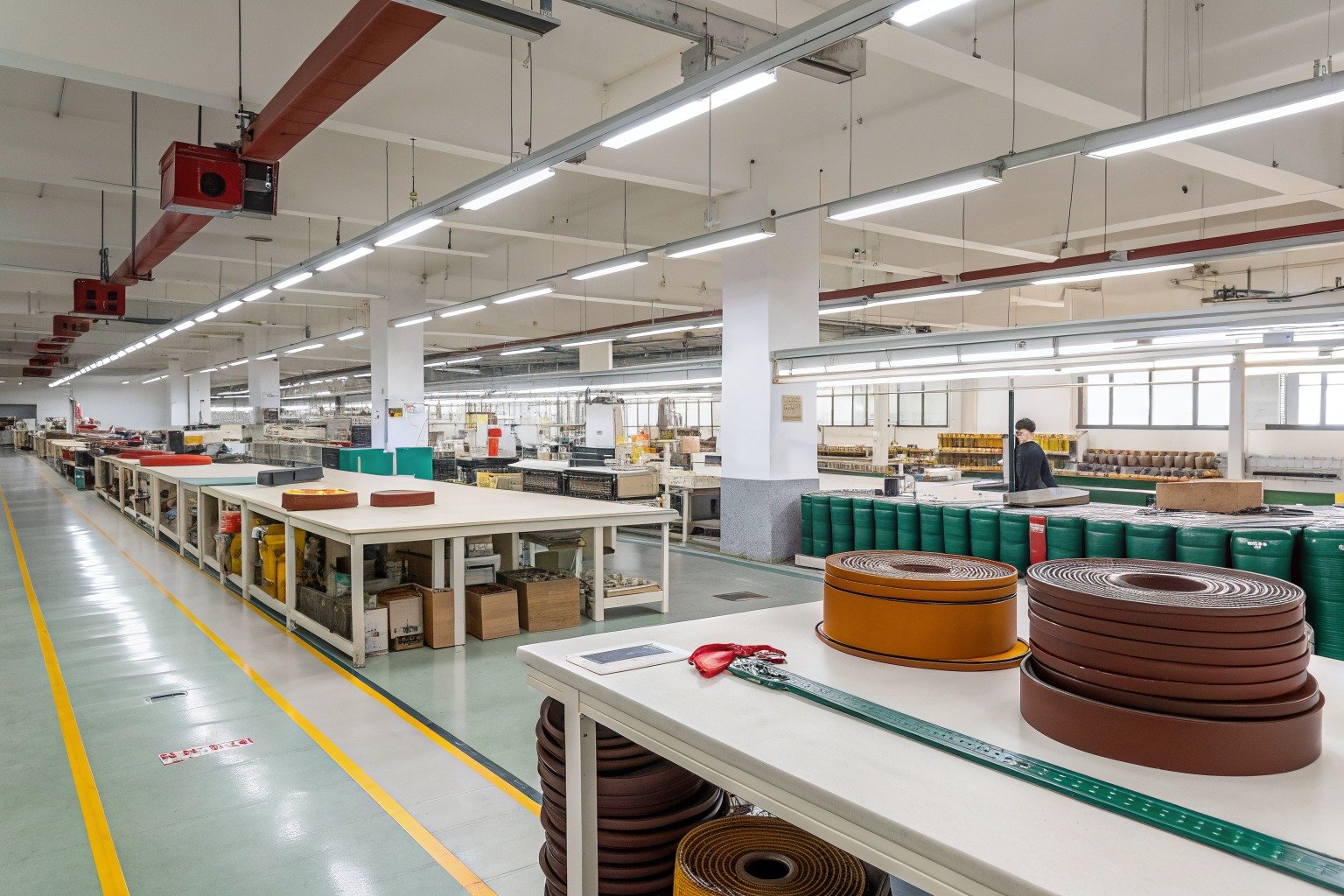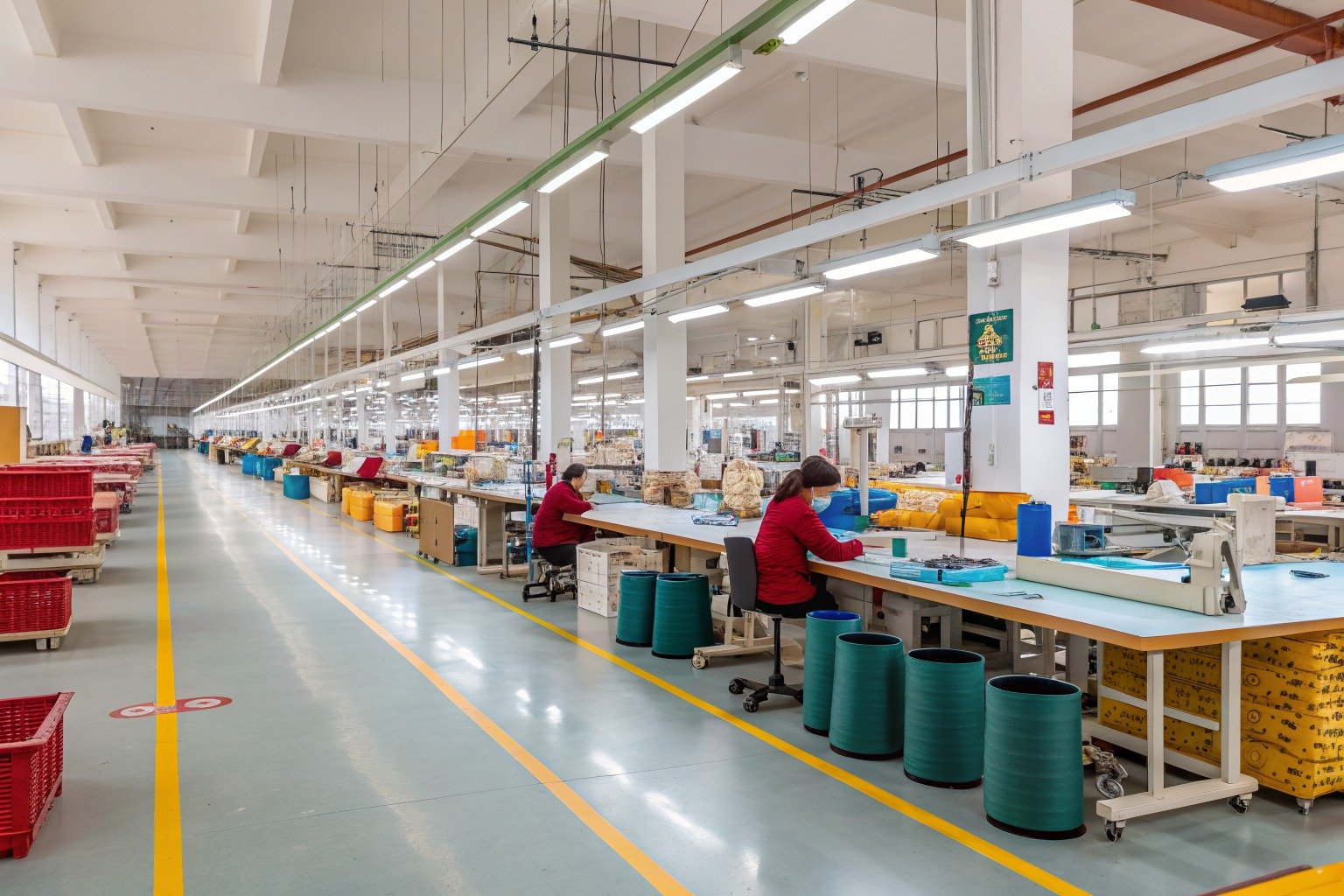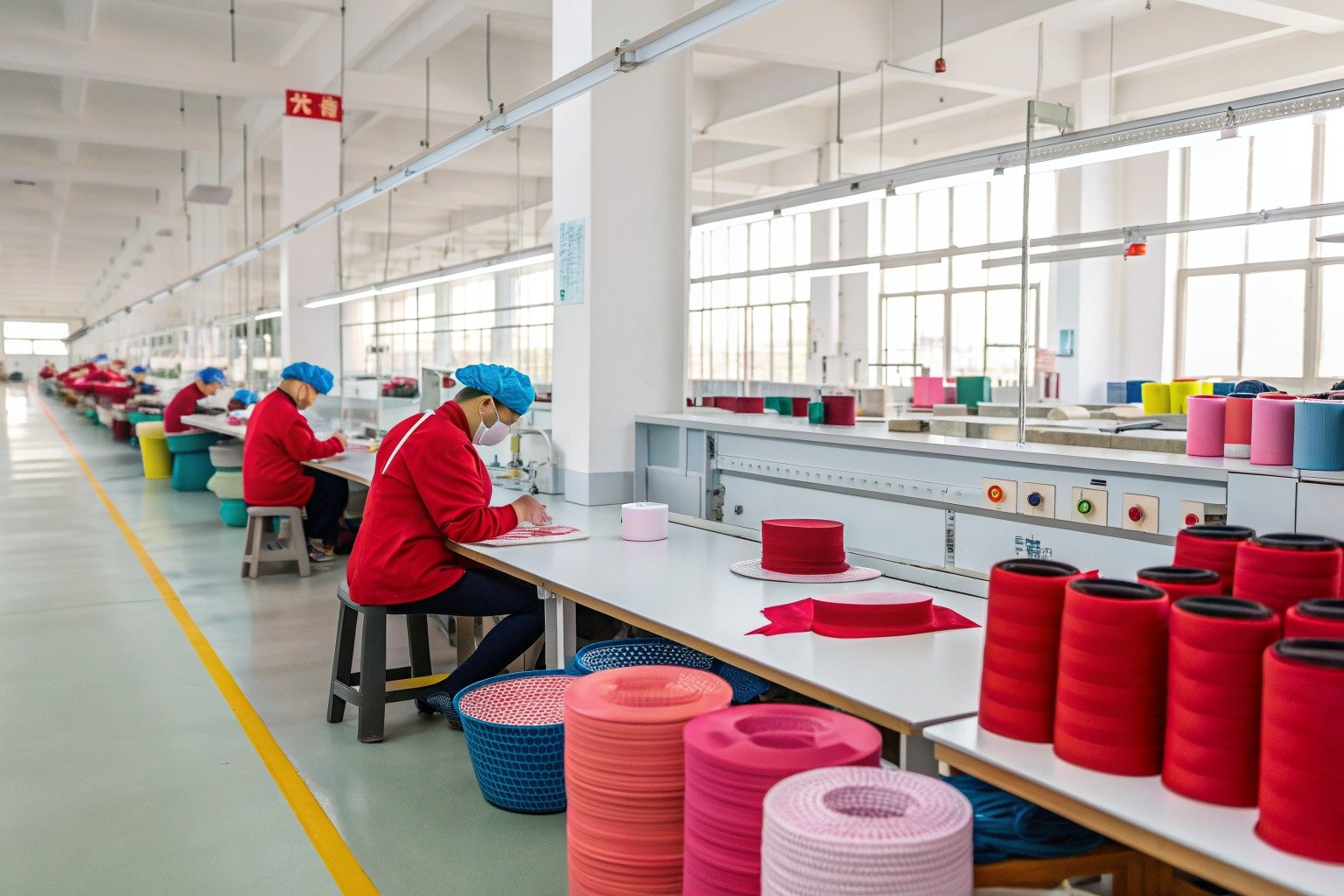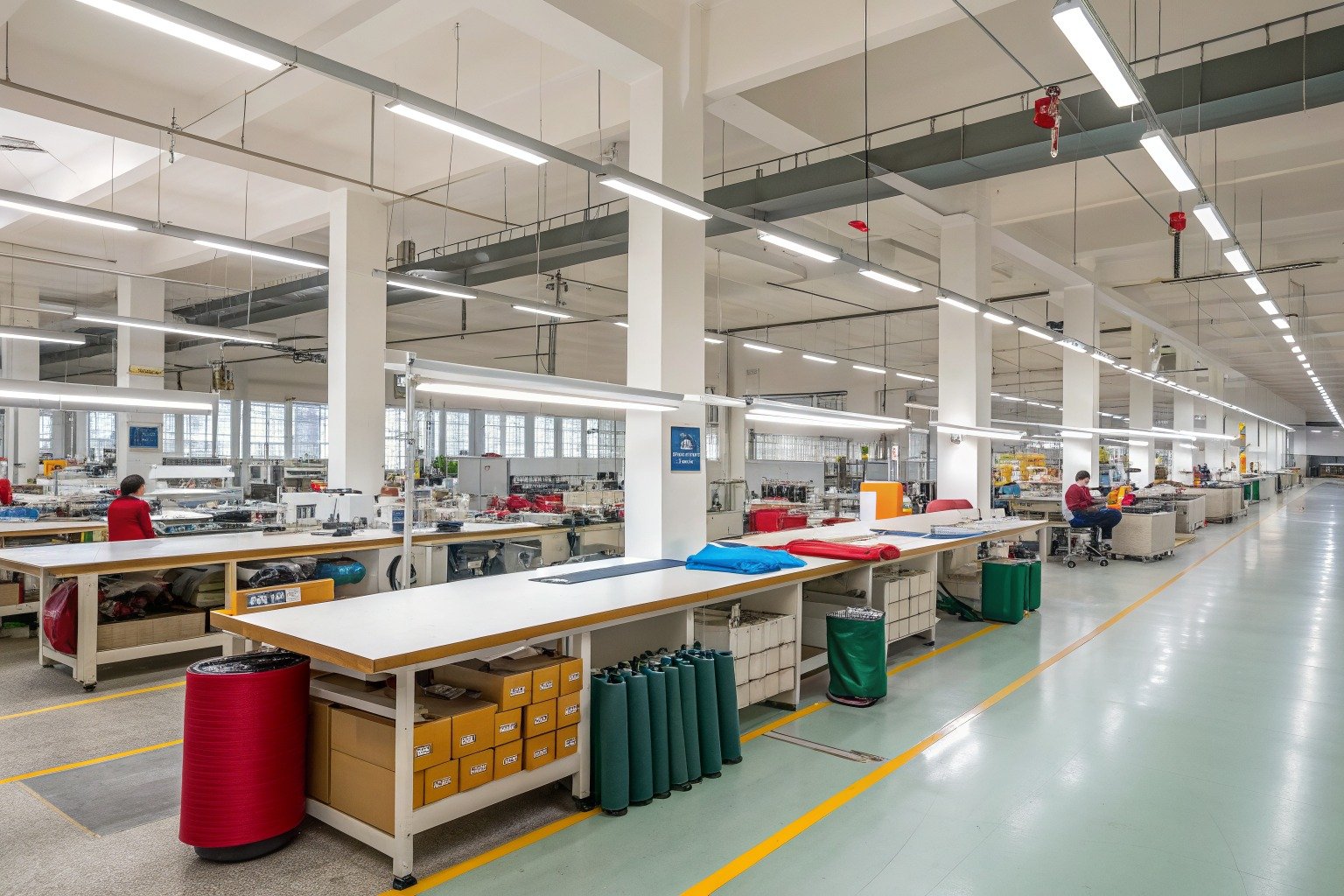
The traditional dropshipping model, where you list products from a middleman on AliExpress, is crowded and offers thin margins. A more advanced and profitable approach is to establish a direct partnership with a Chinese factory. This allows you to source better prices, ensure higher quality, and even develop exclusive products. However, it requires navigating different platforms and understanding factory operations. This guide breaks down the three core pathways to make it work.
Dropshipping directly from a Chinese factory is achievable through three main models: partnering with factories on integrated cross-border platforms, sourcing through wholesale B2B platforms with one-piece delivery, or working with third-party service providers for a full-stack solution. The choice depends on your resources, operational capacity, and growth stage. The most suitable model for you balances control with support, ensuring you can manage inventory, logistics, and quality without direct ownership of the goods.
Partnering Through Cross-Border "Full-Tracking" Platforms?
This is the fastest and most beginner-friendly route. Instead of you finding a factory, you partner with factories that are already integrated into major cross-border e-commerce platforms like SHEIN, Temu, or AliExpress. These platforms act as the intermediary, handling almost everything except production.
In this "full-tracking" or "full-hosting" model, the factory (as the seller) is responsible for product quality and shipping goods to the platform’s domestic warehouse in China. The platform then takes over: it manages the overseas website or app, handles marketing, customer service, international logistics, and even returns. As a partner, you might act as an agent driving traffic to the factory’s storefront on these platforms, or you could be the factory owner yourself, leveraging the platform’s massive distribution network. The key advantage is the extremely low barrier to entry; you don’t need to deal with cross-border logistics, customs, or complex platform operations.
What are the benefits and limitations of the "full-tracking" model?
The primary benefits are risk reduction and efficiency. You avoid the huge capital outlay and risk of holding inventory, as you only pay for or produce goods once an order is placed through the platform. The platform’s sophisticated systems can shorten delivery times to key markets like the US and Europe to 7-10 days, which is faster than traditional cross-border shipping. For factories, payment cycles are also much faster, with some receiving payments within 7 days, improving cash flow dramatically.
However, this model comes with significant trade-offs in control and branding. You have little to no direct relationship with the end customer, making it hard to build a recognizable brand. Your profit margins are also determined by the platform’s pricing and commission structure. You are essentially a cog in a very efficient, but impersonal, machine.
How do I find factories that work with these platforms?
You don’t typically find these factories on public directories. Engagement often happens through platform-led recruitment. Cross-border platforms like SHEIN actively reach out to manufacturing clusters and industrial zones across China, hosting recruitment sessions and onboarding factories onto their systems. As a prospective partner, your best strategy is to attend industry trade shows in China or join relevant B2B forums where these platforms and their supplier networks are promoted.
Alternatively, you can identify potential partners by looking for suppliers on Temu or SHEIN’s official supplier portals. Some factories that work with these platforms may also list their "cross-border cooperation" capabilities on their Alibaba or 1688 storefronts, though this is less common.
How to Implement Dropshipping from B2B Platforms?
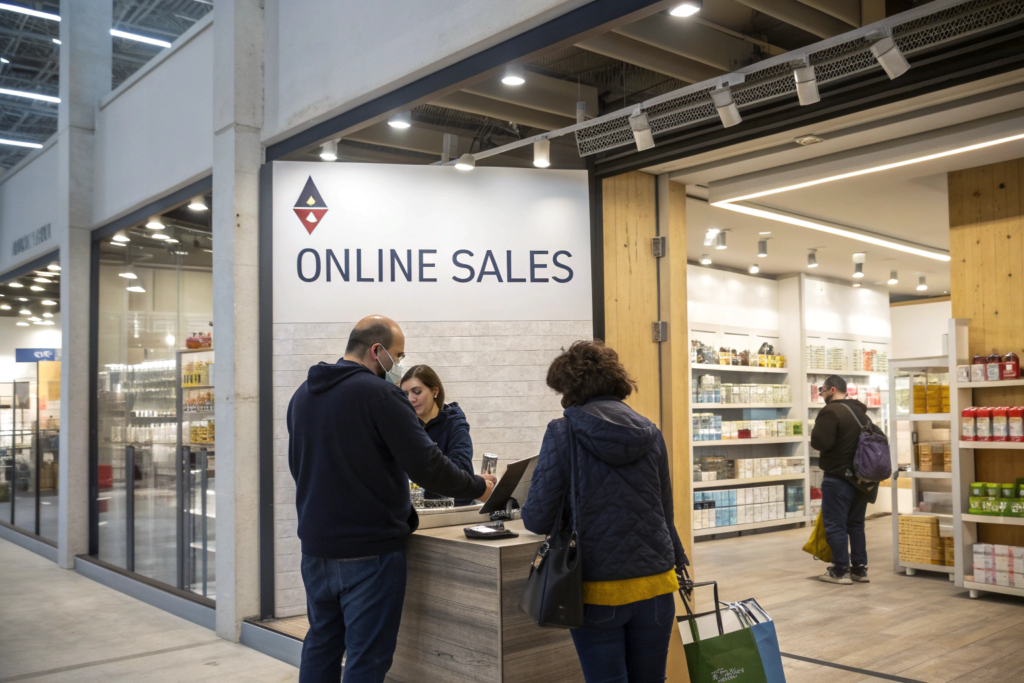
This is a more hands-on, traditional wholesale approach adapted for dropshipping. You source products directly from factories or large wholesalers on Chinese B2B platforms, many of which now offer "one-piece delivery" services suitable for small orders.
The most common platform for international buyers is Alibaba.com, which connects you directly with manufacturers. For deeper sourcing within China, 1688.com offers better prices but requires navigating a Chinese-language interface and often domestic logistics first. For smaller order quantities, AliExpress and DHgate are retail-oriented platforms where many factories also sell, making them ideal for testing products with minimal investment. The key is to use the platform’s filters to specifically search for suppliers who offer "one-piece delivery" or have low Minimum Order Quantities (MOQ).
How do I vet a reliable supplier for dropshipping?
Finding a reliable partner is critical. Start by using the platform’s verification tools to filter for "Verified Suppliers" or those with high transaction volumes and good reviews. Before placing a bulk order, always request product samples. Pay the sample fee to check the quality, packaging, and shipping speed firsthand. For a more thorough check, you can ask the supplier for their business license and relevant product certification reports, or even hire a third-party inspection service. Clear communication about packaging requirements (ensuring no invoices or promotional materials are included in the customer’s package) is also essential.
What are the logistics and operational challenges?
This model places the operational burden on you. You must manage the international shipping arrangement, either by having the supplier ship directly (which can be slow and expensive) or by using a consolidation/forwarding service. You are also responsible for customer service, returns, and handling any customs issues. To streamline order processing, many sellers use an ERP (Enterprise Resource Planning) system that can automatically forward customer orders to the supplier. While this offers more control and potentially higher margins than Platform Partnership, it requires more time, expertise, and upfront investment in tools.
How to collaborate with third-party dropshipping and fulfillment services?
This pathway sits between the first two, offering a balance of control and support. Here, you partner with specialized service companies that have already built relationships with Chinese factories and manage the complex fulfillment chain on your behalf.
These companies, such as the mentioned New Ark Cross-border Supply Chain, act as a "one-stop shop". They curate product catalogs from their factory partners, which you can list in your own independent online store (e.g., on Shopify or WooCommerce). When an order comes in, their system automatically forwards it to their warehouse or partner factory in China, which then packs and ships the product directly to your customer under your brand name. Some even offer "white-label" services, allowing for custom packaging.
What services do these third-party providers offer?
These providers differentiate themselves by offering a full-stack solution. Their core service is integrated fulfillment: holding inventory, picking, packing, and shipping globally. Many also provide value-added services like product sourcing based on market data, quality control inspections, and assistance with branding and packaging design. For store owners, they often provide plug-ins or apps that seamlessly connect your storefront to their inventory and order management systems, automating the entire process.
How do I choose a reliable fulfillment partner?
Due diligence is crucial. Research the company’s reputation, years in business, and client testimonials. A key factor is transparency in shipping times and costs. Ask for detailed reports on their average delivery times to your target markets. Inquire about their quality control process—do they inspect goods before shipment? Finally, understand their fee structure: is it a monthly subscription, a per-order fee, or a percentage of sales? Comparing these factors will help you find a partner that scales with your business.

Why Bypass Middlemen and Source Fashion Accessories Directly from Chinese Factories?
Cutting out intermediaries might sound risky, but when it comes to fashion accessories—items like earrings, sunglasses, hair clips, and phone charms—going straight to Chinese factories can dramatically improve your profit margins.
Can You Really Cut Costs and Boost Margins by Going Straight to the Source?
Absolutely—but only if you do it right. Many dropshippers assume that “factory price” automatically equals massive savings, yet overlook hidden costs like shipping fees, import duties, or returns handling.
What Are the Hidden Challenges of Dropshipping Directly from China?
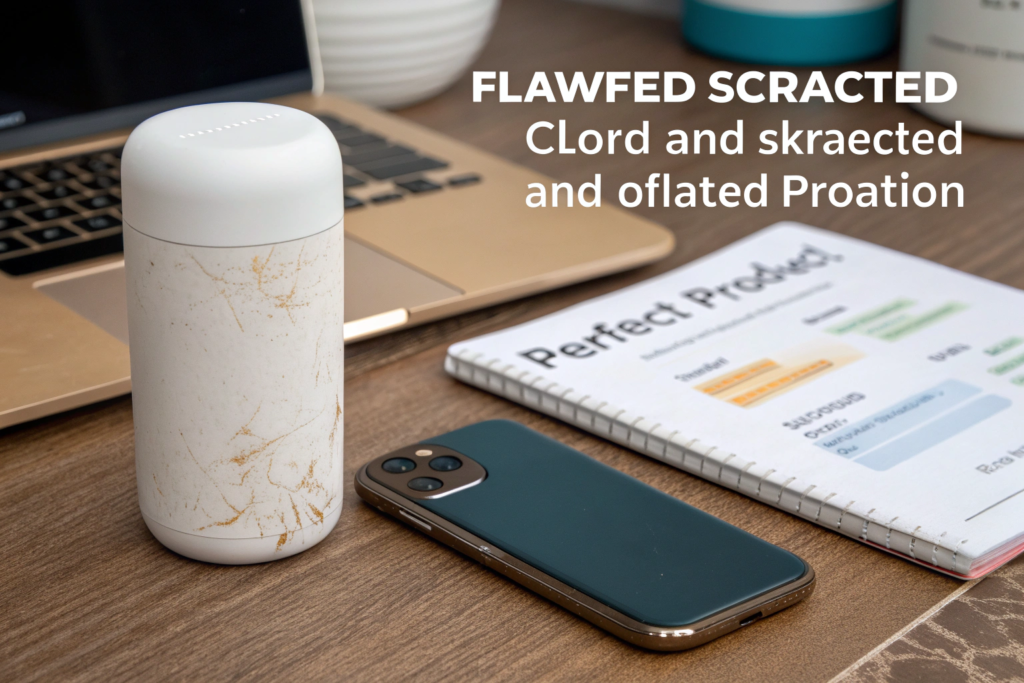
Isn’t it all smooth sailing once you find a cheap supplier? Far from it. One major pitfall is inconsistent quality—what looks perfect in a product photo may arrive with scratches, mismatched colors, or flimsy materials. Language barriers can also delay problem resolution, especially if the factory lacks an English-speaking sales team.
Conclusion
Dropshipping fashion accessories directly from Chinese factories is a scalable business model that moves beyond basic reselling. The three pathways—Platform Partnership, Direct B2B Sourcing, and Third-Party Fulfillment—offer a progression from maximum support to maximum control. Beginners should strongly consider starting with the integrated "full-tracking" model on platforms like SHEIN or Temu to learn the ropes with minimal risk. As you gain experience and want to build your own brand, transitioning to a hybrid model using a reliable third-party fulfillment service or carefully vetted B2B suppliers is a natural next step.
Success in any model hinges on relationship management, relentless quality oversight, and clear communication with your supply chain partners. Start by clearly defining your brand position and target market, then choose the pathway that best aligns with your current capabilities and long-term vision.
Ready to explore a direct partnership with a professional accessory manufacturer? At Shanghai Fumao Clothing, we have experience supporting clients across different business models, from OEM production to collaborative development. To discuss how we can be the reliable factory behind your dropshipping venture, contact our Business Director, Elaine, at elaine@fumaoclothing.com.