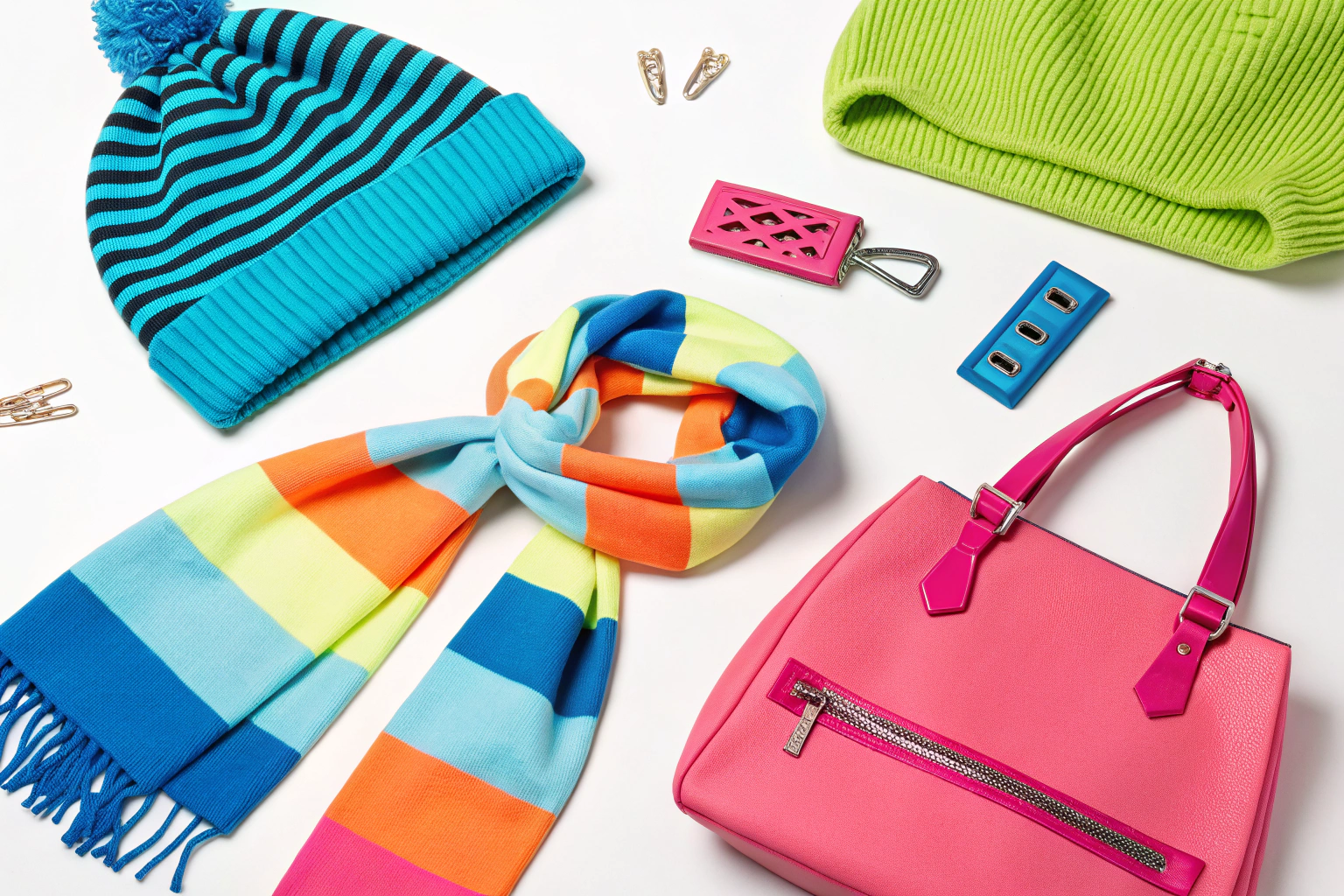
If you look at the streets, social media feeds, or music festivals today, you’ll see a vibrant explosion of color. Gone are the days of minimalist, monochromatic accessories for the younger generation. Today’s youth are making statements with bold, clashing, and unapologetically bright color-blocked hair clips, bucket hats, and scarves. As a manufacturer who works directly with trend-forward brands, I see the data and sample requests shifting dramatically. But what’s driving this shift from subtle to sensational? And more importantly, how can your brand tap into this profitable wave without getting lost in the noise?
Bold color-block accessories are appealing to younger consumers because they serve as a powerful, affordable, and versatile tool for self-expression and digital identity creation. This trend aligns perfectly with Gen Z’s values of individuality, optimism, and visual communication, transforming accessories from mere complements into central pieces of a personal brand, especially on platforms like TikTok and Instagram.
The demand isn’t just a fleeting fad; it’s rooted in a fundamental change in how young people view fashion. They are not just wearing clothes; they are crafting an avatar for the offline and online world. A single, vividly color-blocked scrunchie or beanie can define an outfit—and by extension, a mood or identity—for a day’s worth of social posts. For brands and retailers, this presents a golden opportunity: the accessory is no longer an afterthought but a hero product.
Why is Gen Z Drawn to High-Contrast Color Blocking?
Walk into any store targeting young adults, and you’re met with a rainbow. This isn’t random. After years of subdued palettes, there’s a collective craving for joy and energy, which color directly delivers. For Gen Z, who have come of age amid global uncertainty, vibrant colors are a form of visual optimism. But the appeal goes deeper than just mood; it’s about functionality in a digital ecosystem.
Gen Z is drawn to high-contrast color blocking because it creates maximum visual impact with minimal effort, perfect for the small-screen, fast-scrolling reality of social media. These pieces are easily recognizable, highly "shareable," and allow for endless mix-and-match creativity, which resonates with a generation that values unique personal style over uniform trends.**
Think about the thumbnail of a TikTok video. A neutral outfit might blend in, but a bright yellow and cobalt blue color-block headband instantly grabs attention. This "thumbnail appeal" is a calculated part of youth fashion. Furthermore, color blocking is inherently customizable. A youth consumer can buy a few key pieces—like a set of color-block hair clips from Shanghai Fumao Clothing and a matching belt—and create dozens of distinct looks, achieving a high-fashion feel without a high-fashion budget. This democratization of bold style is key to its viral spread.
How Does Color Psychology Influence Youth Accessory Choices?
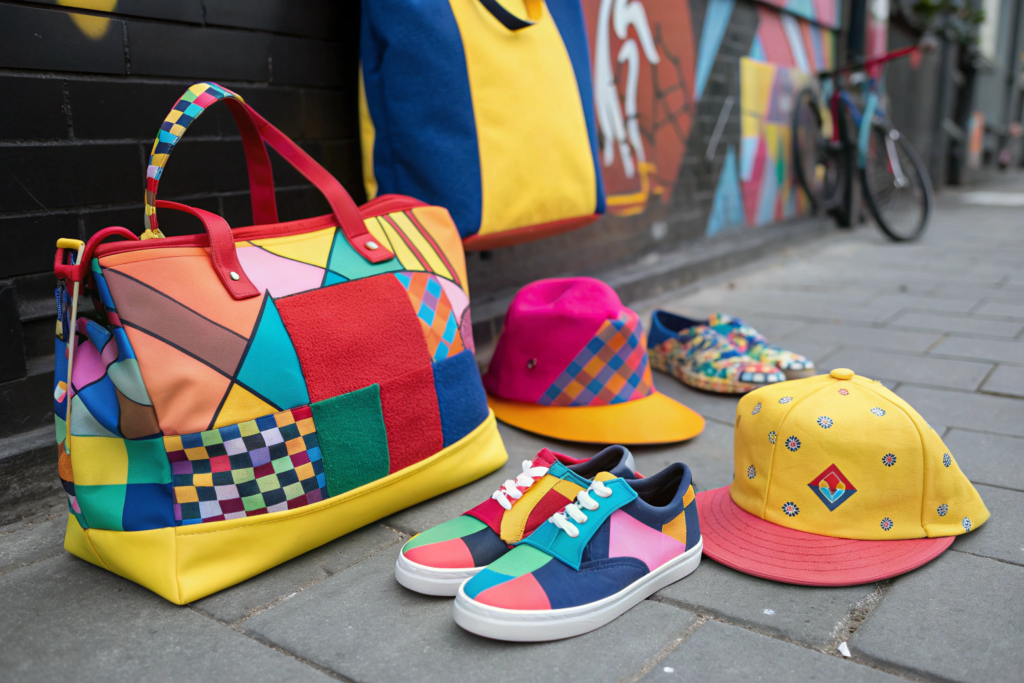
The choice of colors isn’t arbitrary. Youth brands are strategically selecting palettes that speak to specific emotions and attitudes. For instance, combinations of cyan and magenta evoke digital, cyberpunk energy. Earth tones blocked with bright neon signal a balance between nature and tech. Understanding this psychology allows manufacturers and brands to design with intention.
For example, our design team recently worked on a line of unisex color-block bucket hats. We moved beyond primary colors to more nuanced, "Y2K"-inspired palettes like lavender and chrome yellow, which our client’s market research showed resonated with a desire for nostalgic yet futuristic style. This targeted approach leads to deeper connection and higher conversion, as the accessory feels personally relevant. The Pantone Color Institute often publishes insights on how color influences consumer behavior across generations.
What Role Does "Instagrammability" Play in Design?
The design process now explicitly asks: "How will this look in a grid post or a reel?" Features are chosen for their photogenic quality. Sharp, clean lines between colors photograph better than subtle ombres. Unexpected color combinations (like orange and pink) are more likely to be tagged and shared. Textures within the color blocks, such as a ribbed knit section next to a smooth woven one, add depth that looks premium on camera.
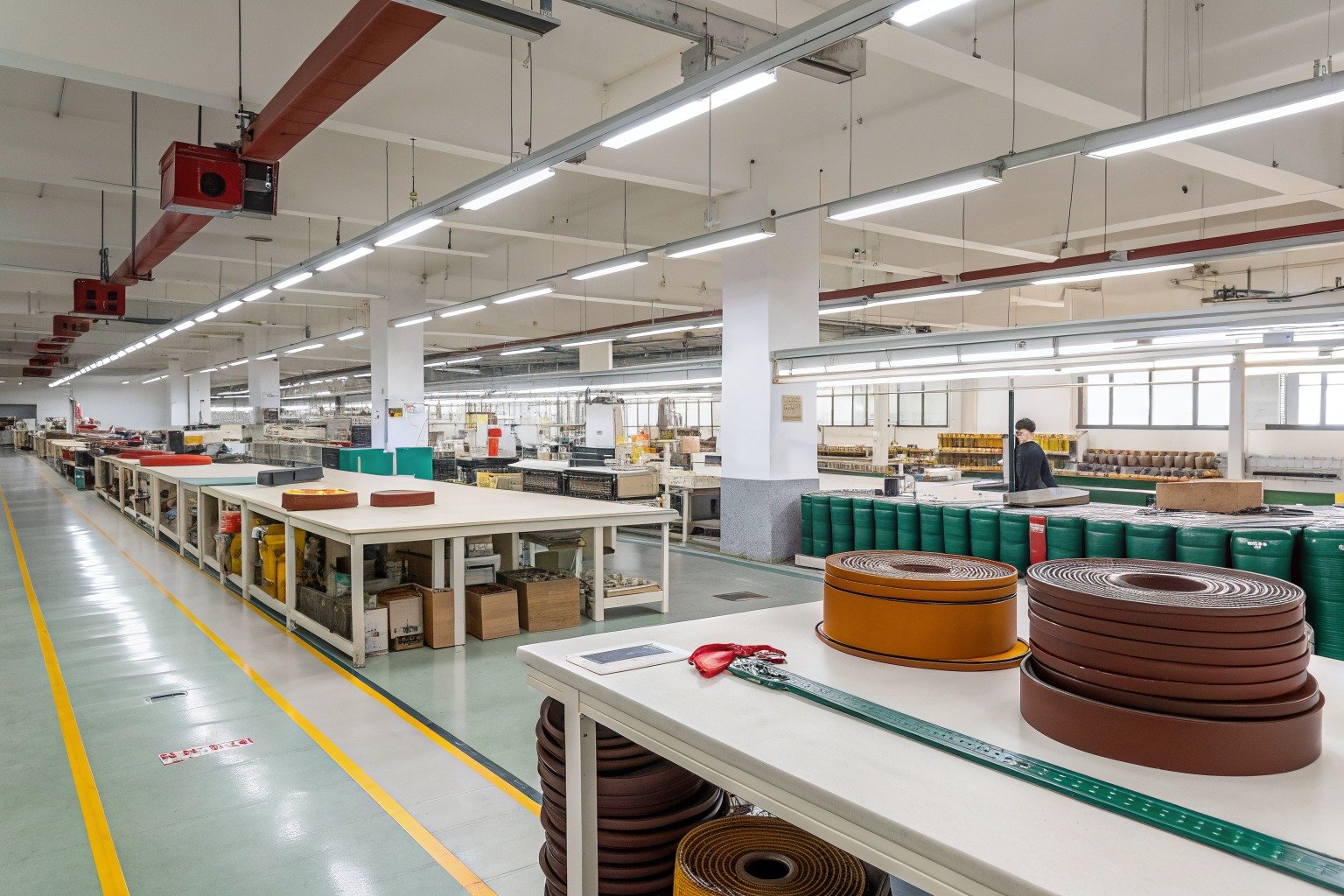
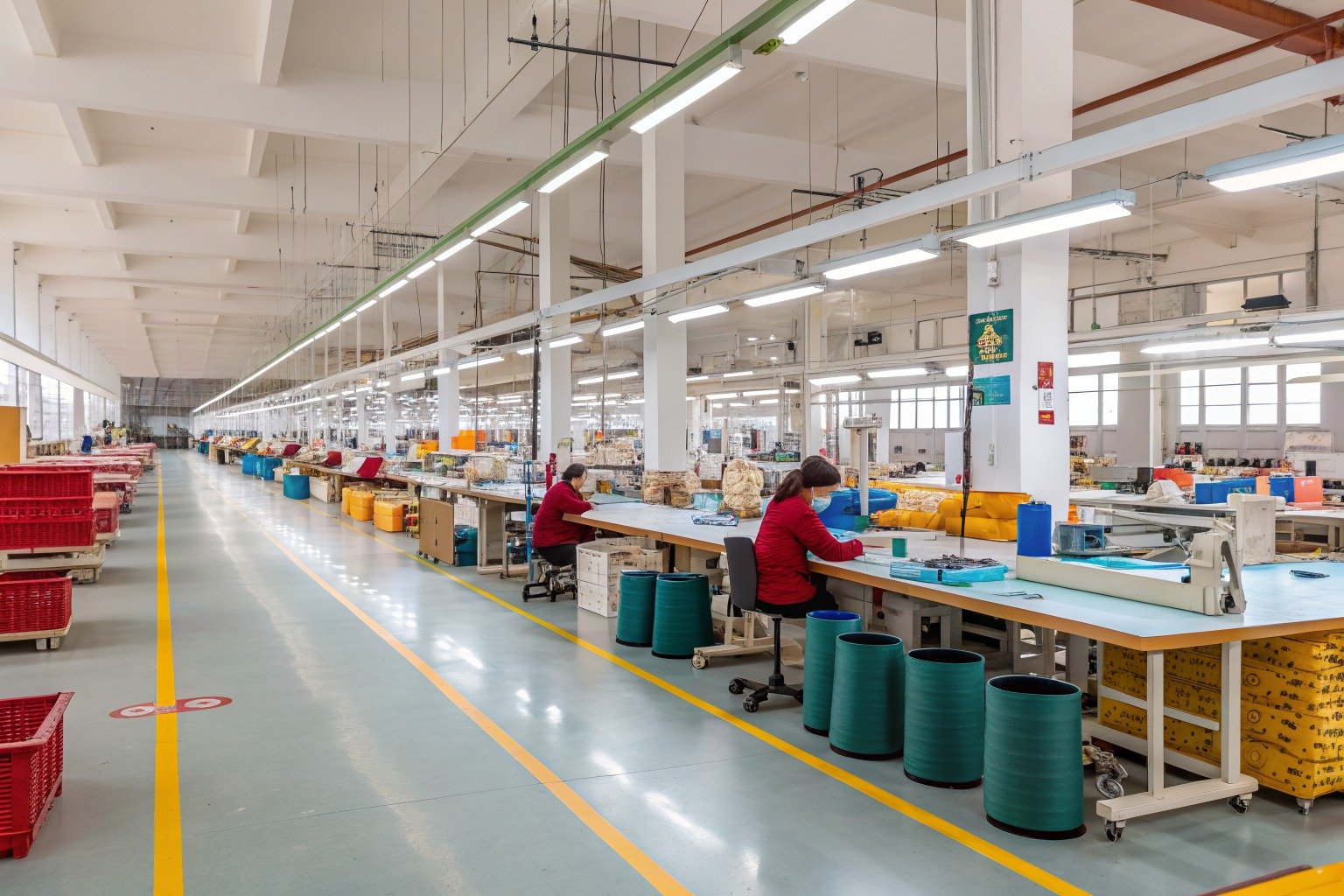
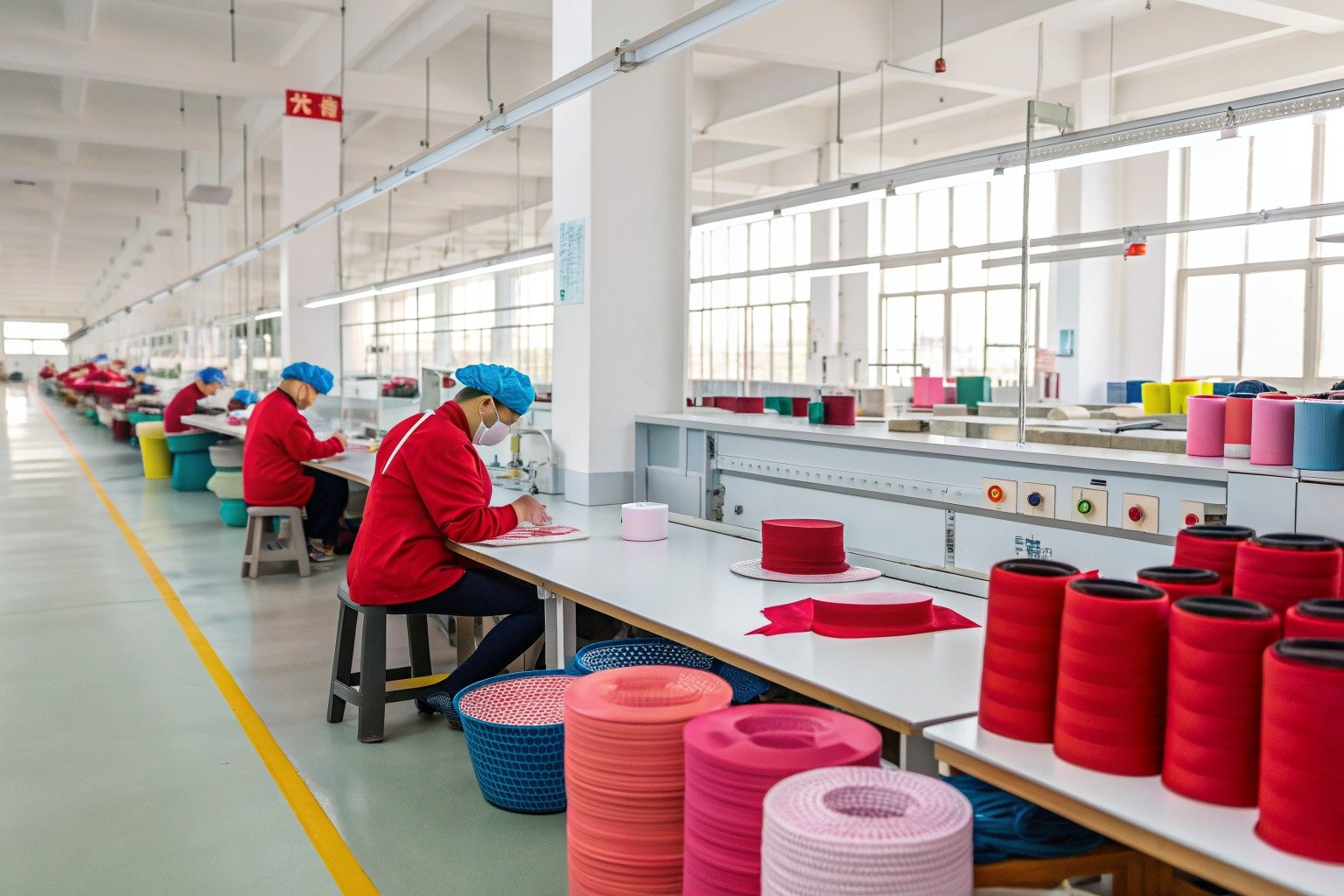
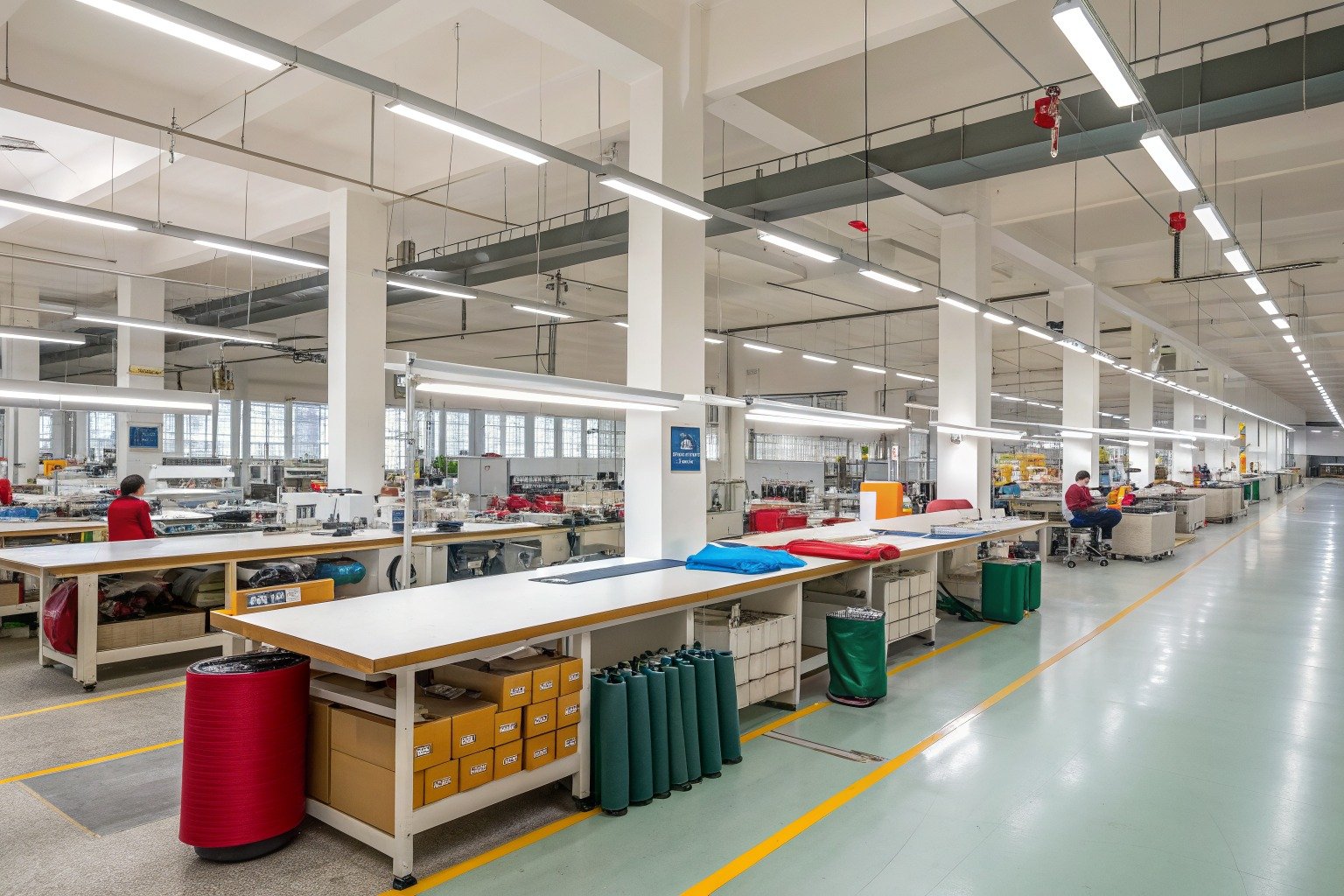
This means materials and manufacturing techniques must adapt. Achieving that perfect, crisp line where two colors of fabric meet in a scarf requires precise cutting and sewing. For molded hair clips, it requires advanced injection molding with clean color separation. The technical demand is higher, which is why partnering with a factory with strong quality control in color application is crucial to maintaining that Instagram-ready aesthetic at scale.
Which Color-Block Accessory Categories Are Trending Now?
The trend is vast, but some categories are exploding faster than others. The key is identifying which items serve multiple purposes: utility, statement-making, and shareability. The winners are often accessories that frame the face or are held close to the body, making them central to any photo or interaction.
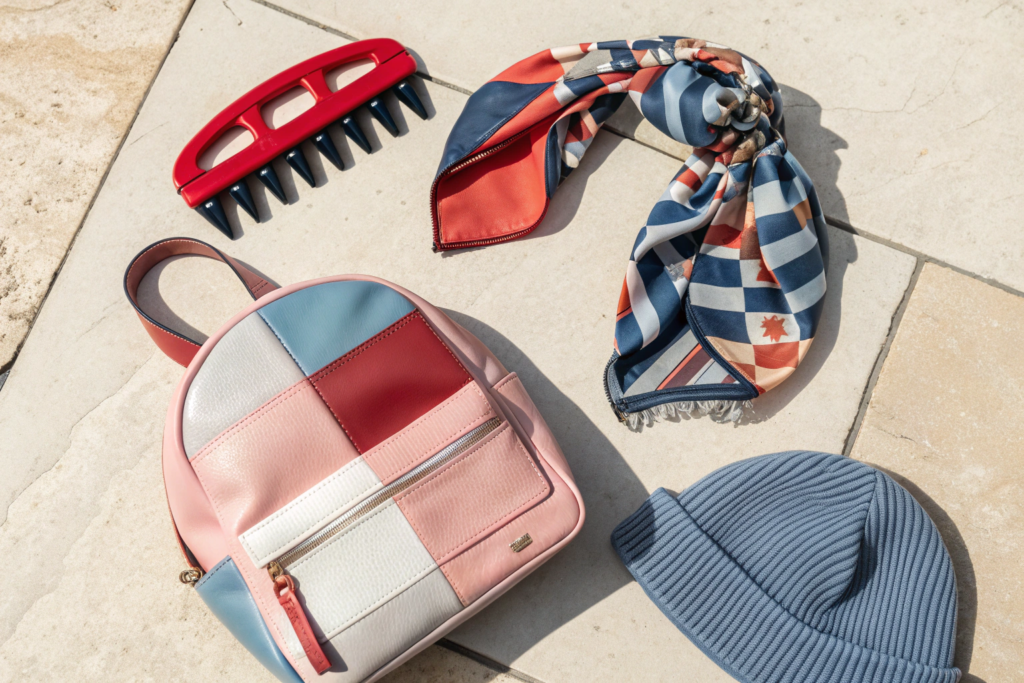
Currently, the hottest color-block accessory categories for youth include oversized hair clips and claws, statement bucket hats and beanies, patchwork scarves and bandanas, and geometric bags. These items are highly visible, easily interchangeable, and perfect for showcasing a "fit" on social platforms, driving both online and offline demand.
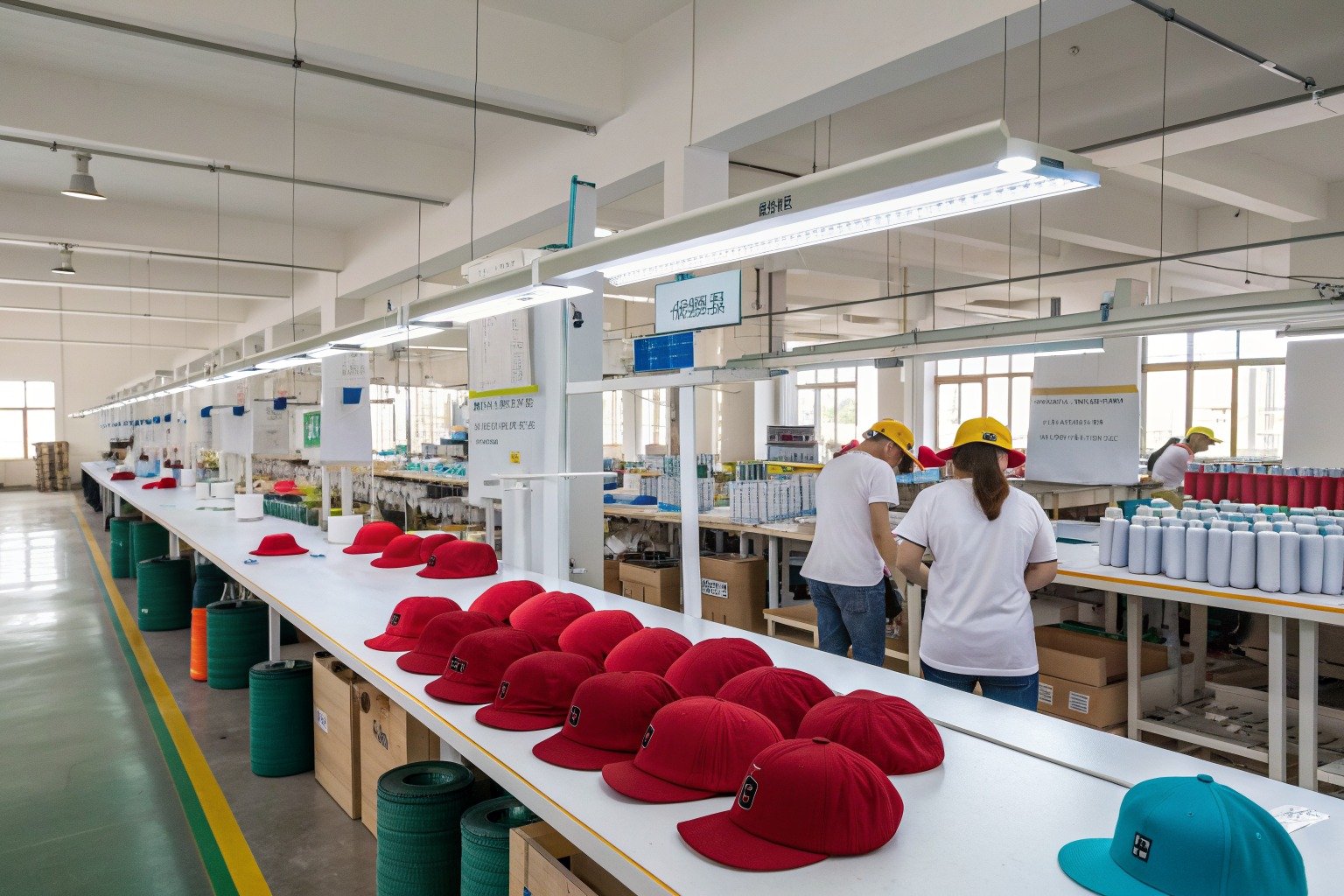
The oversized hair clip is a prime example. It’s no longer just a functional item; it’s a sculptural piece of art for the hair. Using color-block design transforms it further. We’re producing clips with two or three bold resin colors molded together, sometimes with translucent sections. Similarly, bucket hats have shed their purely utilitarian past. They are now canvases for bold panels of color, often incorporating different materials like corduroy next to nylon, which is a specialty in our production hub in Zhejiang.
Why Are Hair Claws and Headbands Leading the Trend?
Hair accessories are at the forefront because they are low-commitment but high-impact. A young consumer can experiment with a loud, color-block style without altering their entire wardrobe or haircut. Hair claws offer a strong geometric shape that is ideal for color blocking. Their large surface area allows for dramatic splits of color or playful patterns.
Wide, padded headbands follow the same principle. They frame the face, drawing immediate attention in person and on camera. A headband with a sharp diagonal color divide can define an entire aesthetic. The manufacturing challenge here is ensuring the comfort and durability of the join between materials, which is where a factory’s experience with multi-material assembly becomes critical. For brands, this trend means higher average order values, as youth often buy these items in sets to coordinate or contrast.
How Are Bags and Scarves Adapting to the Aesthetic?
The color-block trend has moved seamlessly into carryables and wearables. Mini bags and crossbody bags are being designed with distinct, contrasting panels. This makes a simple silhouette much more dynamic and collectible. A consumer might want the same bag shape in three different color combinations.
Scarves and bandanas have been reborn through patchwork designs. Instead of a single print, they are now assembled from various solid-color fabrics cut into geometric shapes. This offers a handmade, unique vibe that resonates with the "craft" subculture within Gen Z. Producing these requires precise fabric cutting and skillful sewing to maintain shape and prevent fraying—a process our quality control team meticulously oversees to ensure every piece looks intentionally designed, not haphazard.
How to Source Quality Color-Block Accessories from China?
Seeing the trend is one thing. Successfully sourcing products that capture its essence—with the right quality, color fidelity, and timely delivery—is another. The risk is high: poor color matching, bleeding dyes, or flimsy construction will instantly kill a product’s appeal in the discerning youth market. Your supply chain needs to be as vibrant and reliable as the products themselves.
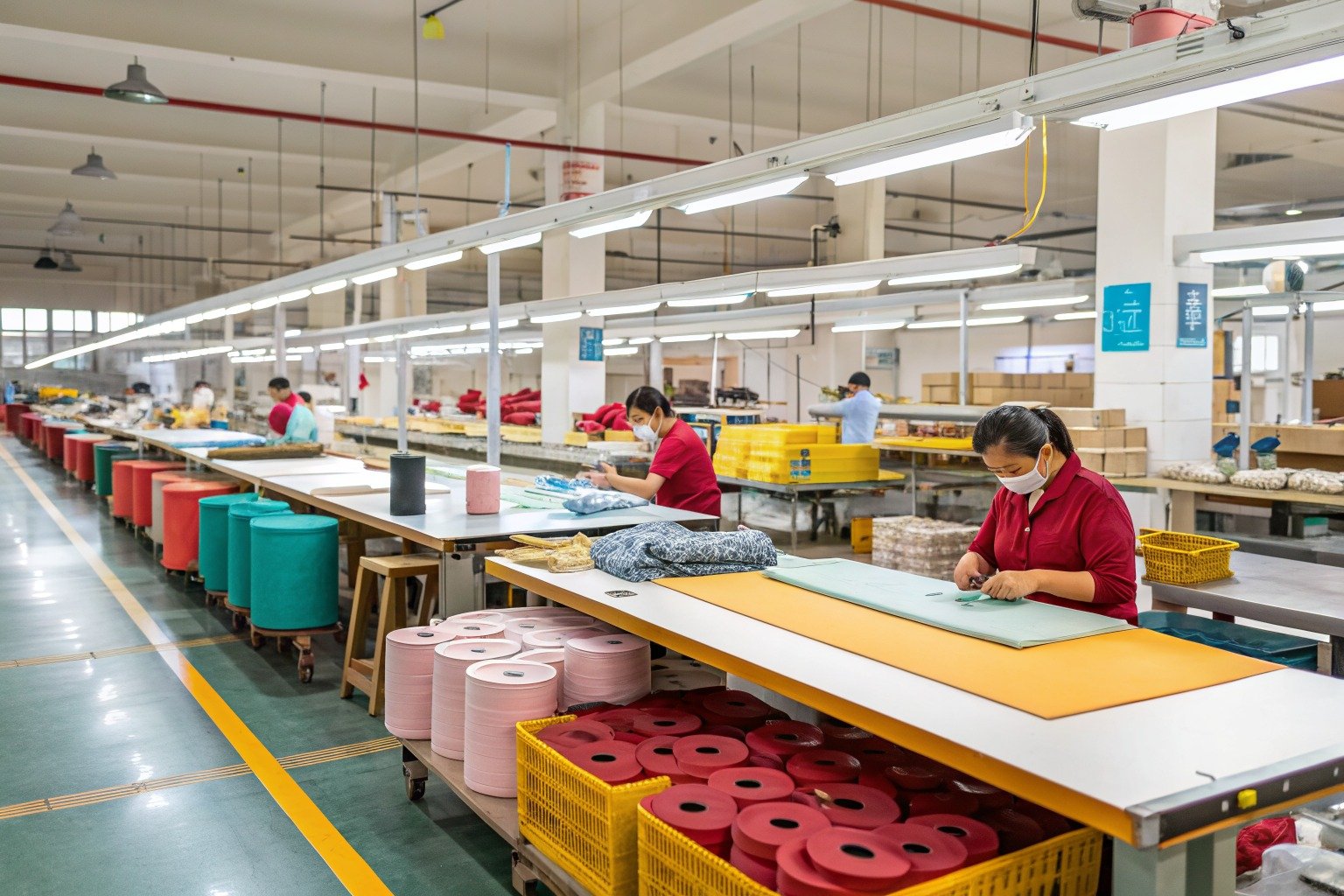
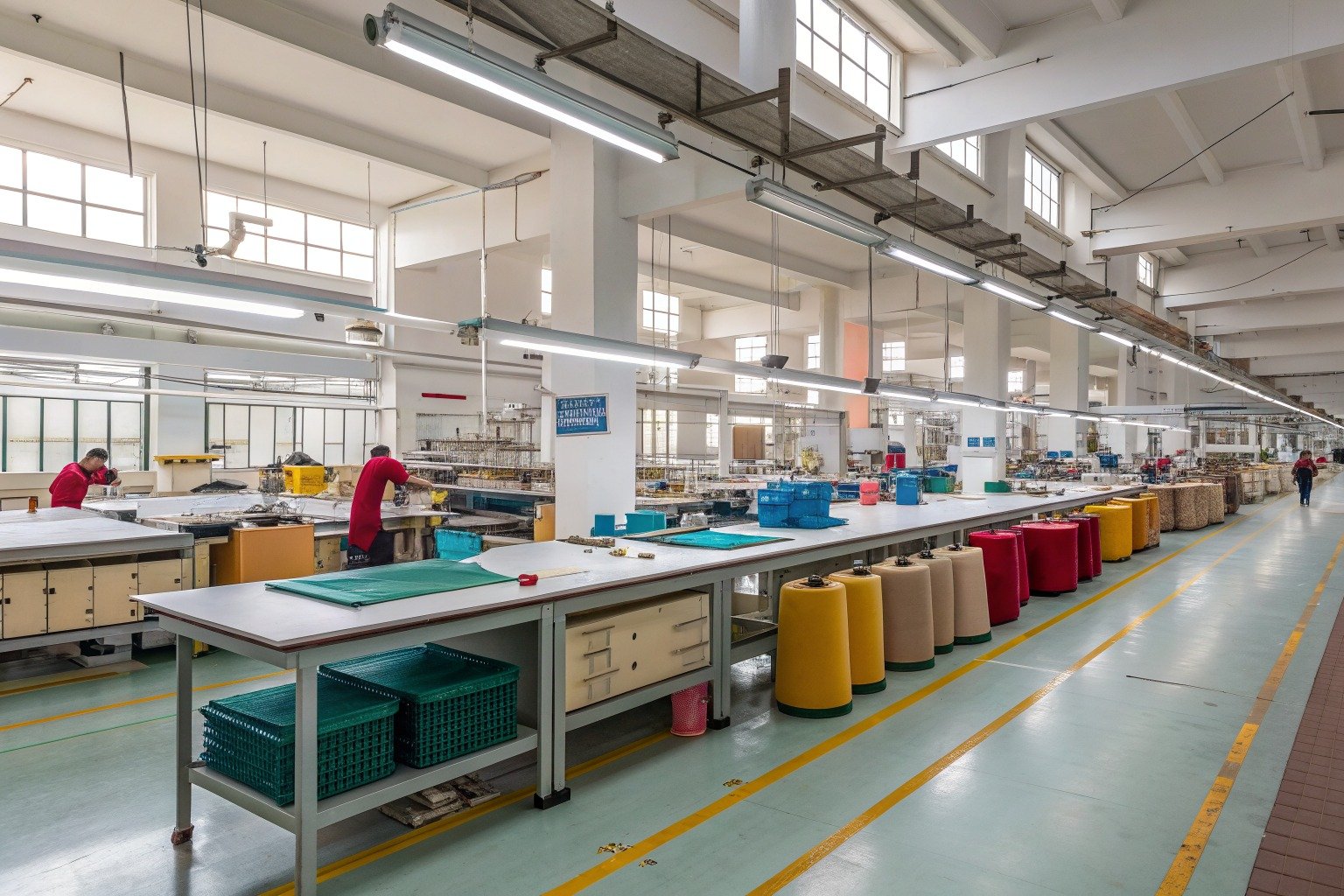
To source quality color-block accessories from China, partner with a manufacturer that has proven expertise in color management and material fusion. This requires a factory with in-house design support for color trend forecasting, advanced printing/dyeing facilities for color accuracy, and a robust quality control system specifically for checking color consistency and seam integrity across production runs.
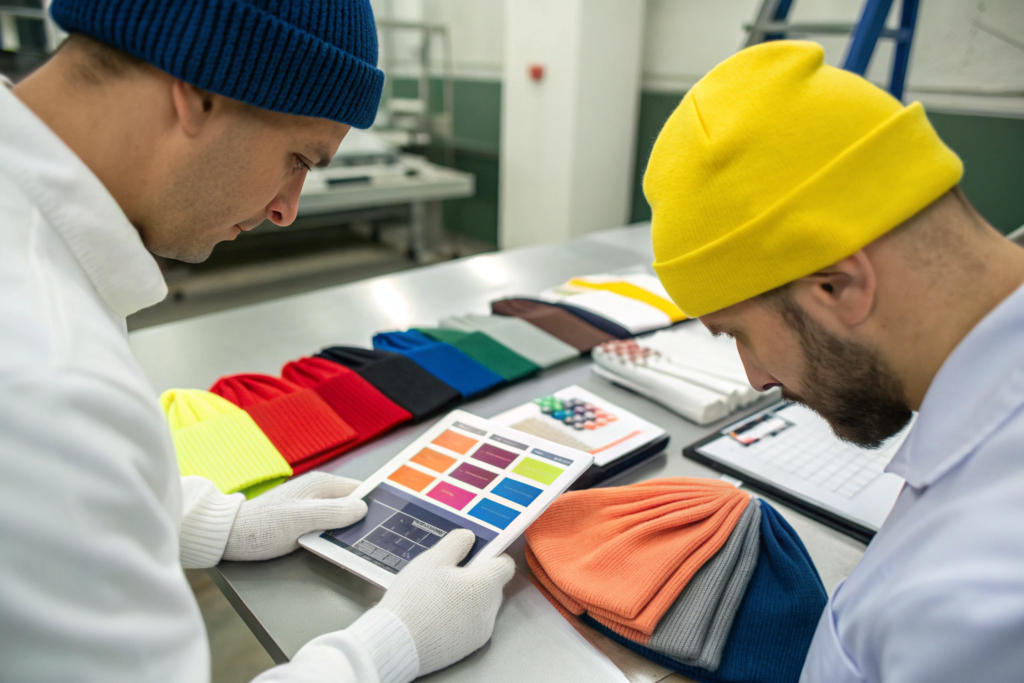
The first pitfall is color variation. The vibrant "electric blue" you approved on a monitor must match the dye lot used for 10,000 units. This requires a manufacturer with a professional color matching system and the ability to provide lab dips or pantone-matched material swatches before bulk production. At AceAccessory, our design team works with global color trend reports and maintains a physical library of approved fabrics and threads to ensure consistency.
What Key Quality Checks Are Vital for Color-Block Items?
Beyond standard checks, color-block items have unique vulnerabilities. The first is color fastness. Will the red fabric bleed onto the white fabric next to it during washing or when wet? We conduct rigorous tests for crocking (rubbing) and washing fastness before production begins.
The second is seam and bond integrity. Where two different materials or colors meet, the seam is a stress point. For glued or molded items (like clips), the bond line must be clean and strong. Our QC process includes stress-testing these junctions on a sample from every production batch. Furthermore, we check for print or dye alignment on items where the color block is achieved through printing; a misaligned line ruins the geometric effect. A resource like the American Association of Textile Chemists and Colorists (AATCC) provides standards for these tests.
Why is Factory Communication Crucial for Nailing the Design?
This trend is highly detail-oriented. A slight shift in the proportion of colors (e.g., a 50/50 split vs. a 70/30 split) can change the entire look. Clear, visual communication is non-negotiable. The best practice is to provide not just a sketch, but a digital mockup or a reference photo with clear Pantone color codes.
An experienced factory will then provide a 3D prototype or a detailed tech pack for confirmation. This back-and-forth ensures everyone is aligned before a single meter of fabric is cut. A manufacturer with a strong project management team, like ours at Shanghai Fumao Clothing, will assign a dedicated manager to facilitate this communication, ensuring your vision for a bold, color-block scarf or hat is executed perfectly, from first sample to final shipment.
How Can Brands Market Bold Accessories to a Younger Audience?
Making a great product is only half the battle. Marketing to Gen Z requires a different playbook than traditional advertising. They have a keen radar for authenticity and dislike hard sells. Success lies in leveraging the right platforms, collaborating with authentic voices, and showcasing the product in the context of lifestyle and self-expression, not just as a commodity.
Brands can successfully market bold accessories to a younger audience by leveraging micro-influencers and UGC (User-Generated Content) on TikTok and Instagram Reels, creating shoppable AR filters, and embracing a "less selling, more styling" approach that integrates products into relatable lifestyle content, challenges, and storytelling.
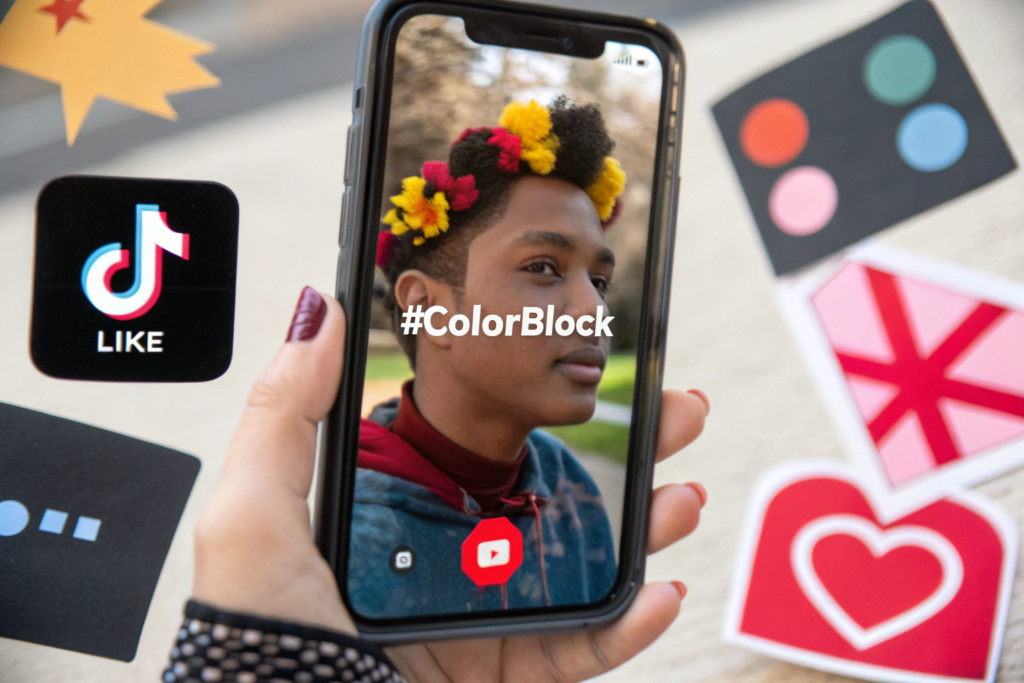
The goal is to make your accessory a prop in their self-expression narrative. A successful campaign might involve sending color-block hair clips to a group of micro-influencers with the simple prompt: "#ColorBlockYourDay – show us your mood." The resulting content is diverse, authentic, and floods the platform with visible, stylized use of your product. This is far more effective than a staged, professional ad.
What is the Power of TikTok Challenges and AR Filters?
TikTok is the engine for youth trend discovery. Creating a branded challenge that incorporates your accessories can generate millions of impressions. For example, a challenge like "#ClipSwitchTransition" where users change their outfit and hair clip in a quick cut, showcasing multiple color-block styles. The accessory becomes the star of the transition effect.
Developing a custom Augmented Reality (AR) filter on Instagram or TikTok is another powerful tool. A filter that lets users "try on" different virtual color-block beanies or glasses is interactive, fun, and drives direct interest toward your product page. It provides a virtual "try-before-you-buy" experience that reduces hesitation.
Why is User-Generated Content (UGC) the Best Advertisement?
Gen Z trusts their peers infinitely more than brands. Encouraging and featuring UGC on your website and social channels is critical. This means reposting customer photos, running contests for the best stylized photo, and creating a dedicated hashtag. When a potential customer sees someone their own age rocking your bold accessory in a real-life setting, it builds immense social proof.
Your product must be designed and packaged to encourage UGC. This includes having photogenic packaging, maybe even including a sticker or a thank-you note that prompts a post. It also means ensuring your products are delivered quickly and consistently—a slow or unreliable supply chain will break the cycle of positive buzz. Partnering with a manufacturer that understands fast production cycles and reliable logistics ensures you can capitalize on viral moments and keep your marketing momentum alive. For insights into Gen Z marketing, platforms like Marketing Dive often feature relevant case studies.
Conclusion
The rise of bold color-block accessories among young consumers is a powerful convergence of emotional need, digital behavior, and fashion evolution. It’s a trend built on the desire for joy, individuality, and shareable self-expression. For brands and retailers, this represents a significant opportunity to connect with a valuable demographic through products that are inherently photogenic, versatile, and emotionally resonant.
Success in this space requires a dual expertise: first, in creating high-quality, visually striking products that stand up to both real-world use and digital scrutiny, and second, in marketing them through authentic, community-driven channels that Gen Z owns and trusts. It’s about moving from being a supplier to being a co-creator of youth culture.
If your brand is ready to dive into the vibrant world of color-block accessories—whether it’s statement hair pieces, headwear, or bags—you need a manufacturing partner who gets both the design nuances and the supply chain demands of this trend. Let’s create products that are built for the feed and for the streets. To discuss developing your own line of bold, youth-focused accessories, contact our Business Director, Elaine. She can guide you from concept to shelf. Reach her at: elaine@fumaoclothing.com.