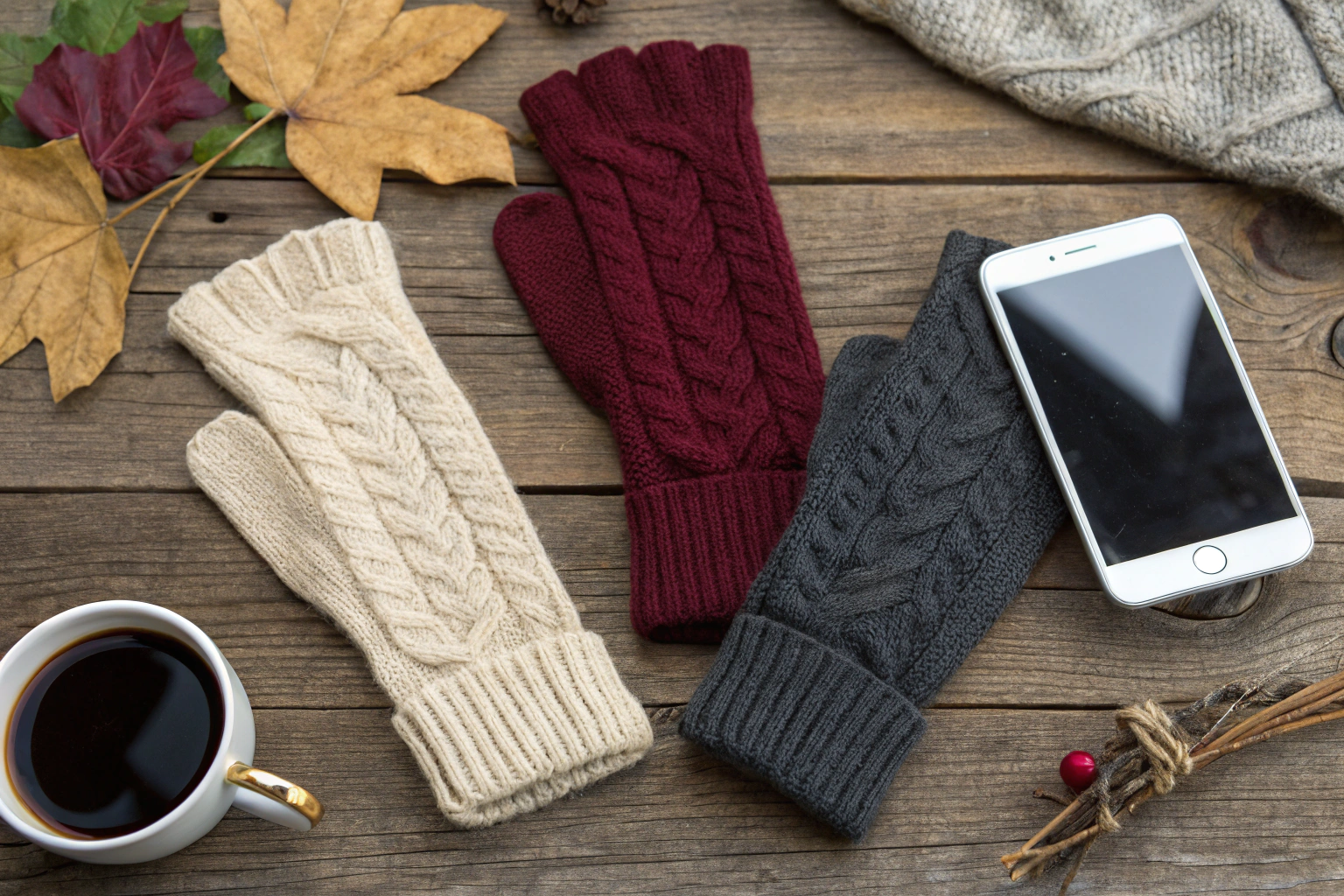
Fingerless knitted gloves with touchscreen tips have become a winter wardrobe staple, perfectly capturing the modern need to stay connected and warm. As a manufacturer at the intersection of fashion and function, we see this category’s evolution from a niche tech accessory to a mainstream style essential each fall/winter. The trending styles this season go beyond basic utility, offering a blend of artisanal craftsmanship, thoughtful design, and reliable technology that appeals to diverse consumers.
The key to their popularity lies in solving a specific problem with style: how to use a smartphone in the cold without sacrificing dexterity or comfort. This season’s trends highlight a split between rustic, heritage-inspired looks and sleek, minimalist urban designs, all while incorporating more advanced and seamless touchscreen technology. Let’s explore the specific styles, features, and market considerations defining this winter’s must-have accessory.
What Are the Top Style Trends for Fingerless Touchscreen Gloves This Season?
This season’s styles are defined by a clear aesthetic divide, catering to different fashion sensibilities and lifestyles. The overarching theme is intentionality—whether through bold, textured statements or through refined, understated elegance.
The market is responding to a desire for both expressive personality and quiet sophistication. We are seeing strong demand for pieces that look and feel handcrafted, as well as for items that serve as subtle, functional complements to a tailored winter wardrobe. The common thread is the use of high-quality materials and distinctive details that elevate the glove from a simple accessory to a key part of a personal style.
Which Heritage and Textured Looks Are Gaining Popularity?
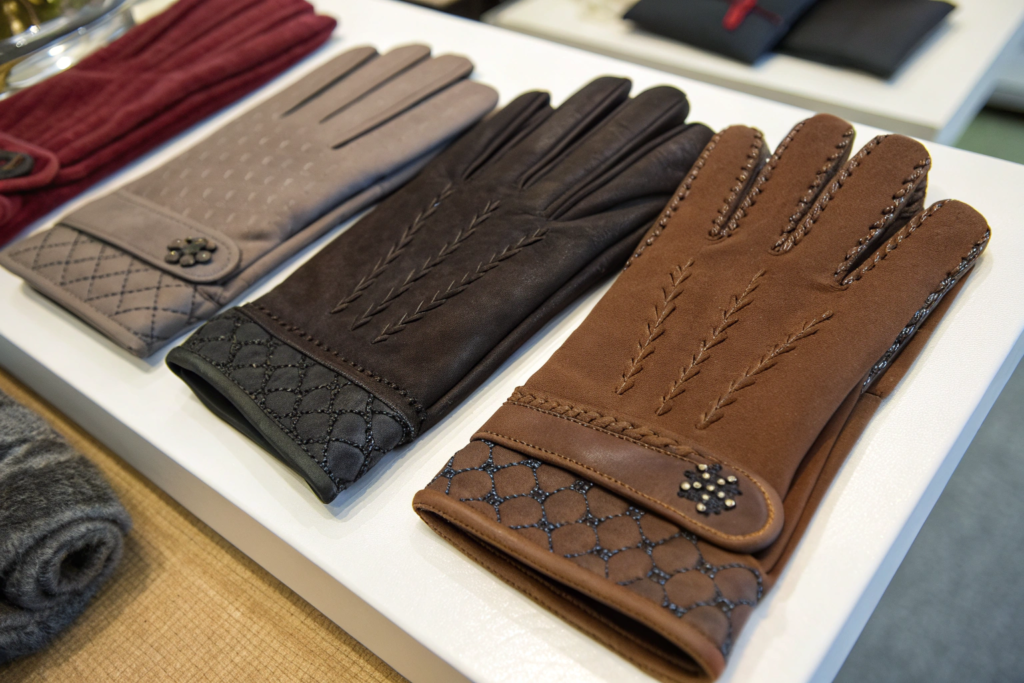
The heritage trend draws inspiration from classic outdoor and craftsman styles. This look is all about chunky, pronounced textures that evoke warmth and tradition. Cable knits are particularly dominant, offering a timeless, cozy aesthetic. Fabrics tend to be wool-rich blends or acrylics that mimic a robust woolen feel. Colors lean into the earthy, seasonal palette: think forest green, rich burgundy, deep mustard, and natural, un-dyed creams. Details often include extended fold-over cuffs that can be worn long or doubled over, sometimes with contrasting colored lining or faux shearling trim. These gloves are designed to be a visible, statement piece, pairing perfectly with duffle coats, chunky sweaters, and casual weekend wear.
What Defines the Modern Minimalist and Urban Style?
In direct contrast, the modern minimalist style is characterized by clean lines and a sleek silhouette. The focus here is on a fine-gauge knit that provides a fitted, almost second-skin feel. Textures are subtle—simple ribbing or a smooth stockinette stitch—prioritizing a neat and polished look. The color palette is anchored in sophisticated neutrals: black, charcoal, navy, oatmeal, and soft grey. The touchscreen technology in this style is especially well-integrated, with conductive fibers woven so seamlessly that the fingertips are visually indistinguishable from the rest of the glove. This style is for the urban professional, designed to be unobtrusive yet perfectly functional under a tailored coat or blazer, embodying the "quiet luxury" ethos.
How Has Touchscreen Technology and Material Comfort Advanced?
The functional core of these gloves has seen significant innovation. The trend is moving towards making the technology invisible and the comfort uncompromising, addressing common pain points from earlier generations of the product.
Consumers now expect touchscreen functionality to work flawlessly on the first tap, every time, without any scratchy or stiff feeling on the fingertips. Simultaneously, the overall wearability of the glove—its softness, stretch, and warmth—has become a major competitive differentiator. Manufacturers are investing in better yarn engineering and production techniques to meet these heightened expectations.
How Is Next-Generation Touchscreen Sensitivity Achieved?
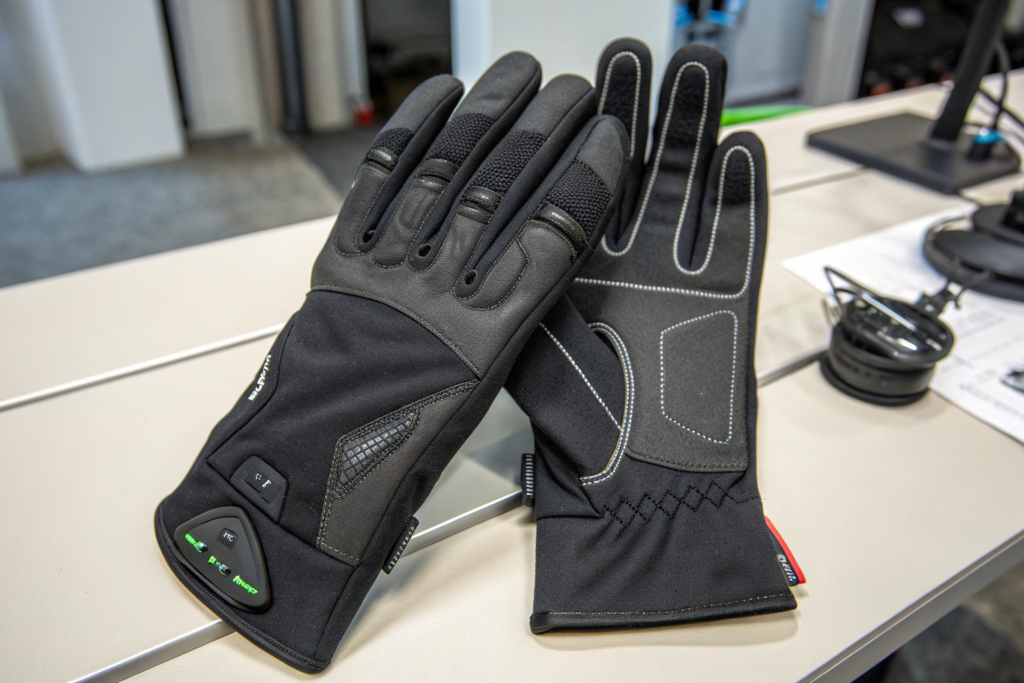
The advancement is in the integration, not just the inclusion, of conductive materials. The goal is a larger, more responsive conductive zone. Instead of a small metallic patch sewn onto the tip, leading manufacturers now knit silver-coated or carbon-infused yarns directly into the entire pad area of the thumb, index, and middle fingers. This creates a broad, sensitive surface that supports multi-touch gestures like pinch-to-zoom and swift typing. Furthermore, the conductive fibers are being blended with the primary yarn during the spinning process, resulting in a softer, more pliable fingertip that feels identical to the rest of the glove. This eliminates the old problem of stiff, cold, or abrasive conductive patches that could degrade over time and washing.
What Material Blends Optimize Warmth, Stretch, and Durability?
The quest for the perfect balance of properties has made advanced synthetic and natural blends the industry standard. A typical high-performance blend might be 55% Acrylic, 30% Wool, 15% Nylon. Acrylic provides affordability, vibrant color retention, and a soft hand-feel; Wool offers natural insulation and breathability; and Nylon (or other polyamides) is critical for adding tensile strength, excellent stretch recovery, and resistance to abrasion and pilling. For the luxury market, blends with Merino wool, cashmere, or alpaca are prized for their exceptional softness and lightweight warmth. The construction is also key: flatlock seams prevent chafing between the fingers, and ergonomic patterning ensures the glove contours to the natural arch of the hand for superior dexterity and comfort.
Who Are the Target Customers and How Do They Use These Gloves?
Understanding the end-user is crucial for design and marketing. The customer base is broad but can be segmented into primary profiles with distinct usage patterns and purchase drivers. These gloves are purchased as solutions to specific lifestyle scenarios.
The product’s versatility is its greatest strength, allowing it to serve multiple needs for different people. From the practical commuter to the style-conscious shopper, the value proposition shifts slightly but remains centered on the seamless blend of utility and aesthetics.
How Does the Urban Commuter and Professional Use This Product?
For the Urban Commuter/Professional, this glove is a daily tool for navigating city life. Their primary use case involves short-burst interactions with a smartphone while on the move: checking maps, sending quick messages, scanning transit passes, or answering calls. Their key requirements are reliable touchscreen function for typing, a sleek and professional appearance that fits under coat sleeves, and the ability to easily handle small items like keys, credit cards, or a coffee cup without removing the glove. Durability for daily use and easy care (e.g., machine washable) are also important. They are often purchased alongside other commute essentials like scarves and beanies.
What Drives the Outdoor Enthusiast and Fashion-Conscious Shopper?
The Outdoor Lifestyle Enthusiast uses the glove for leisure activities: weekend walks, hiking, dog walking, or attending open-air events. They prioritize enhanced warmth (often opting for styles with longer cuffs or thermal linings) and practical features like silicone grip prints on the palms for holding trekking poles or a dog leash. For them, the touchscreen function is often about controlling music or taking photos without exposing their hands. The Fashion-Conscious Shopper, on the other hand, buys the glove primarily as a style accessory. They are driven by color, texture, and how the glove complements their overall winter outfit. They appreciate trending details like contrasting stitches, leather accents, or unique cuff designs. For this customer, the touchscreen feature is a valuable bonus that adds modern functionality to a fashionable item.
What Should Brands and Retailers Consider for Sourcing and Development?
Bringing a successful fingerless touchscreen glove to market requires careful planning from the initial concept through to delivery. For brands and retailers, partnering with an experienced manufacturer who understands both the technical and aesthetic challenges is key to mitigating risk and ensuring product quality.
The development process involves critical decisions around materials, minimum order quantities (MOQs), testing protocols, and lead times. A clear strategy in these areas separates a well-received product from one that faces returns and customer dissatisfaction.
What Are the Key Sourcing and Production Considerations?
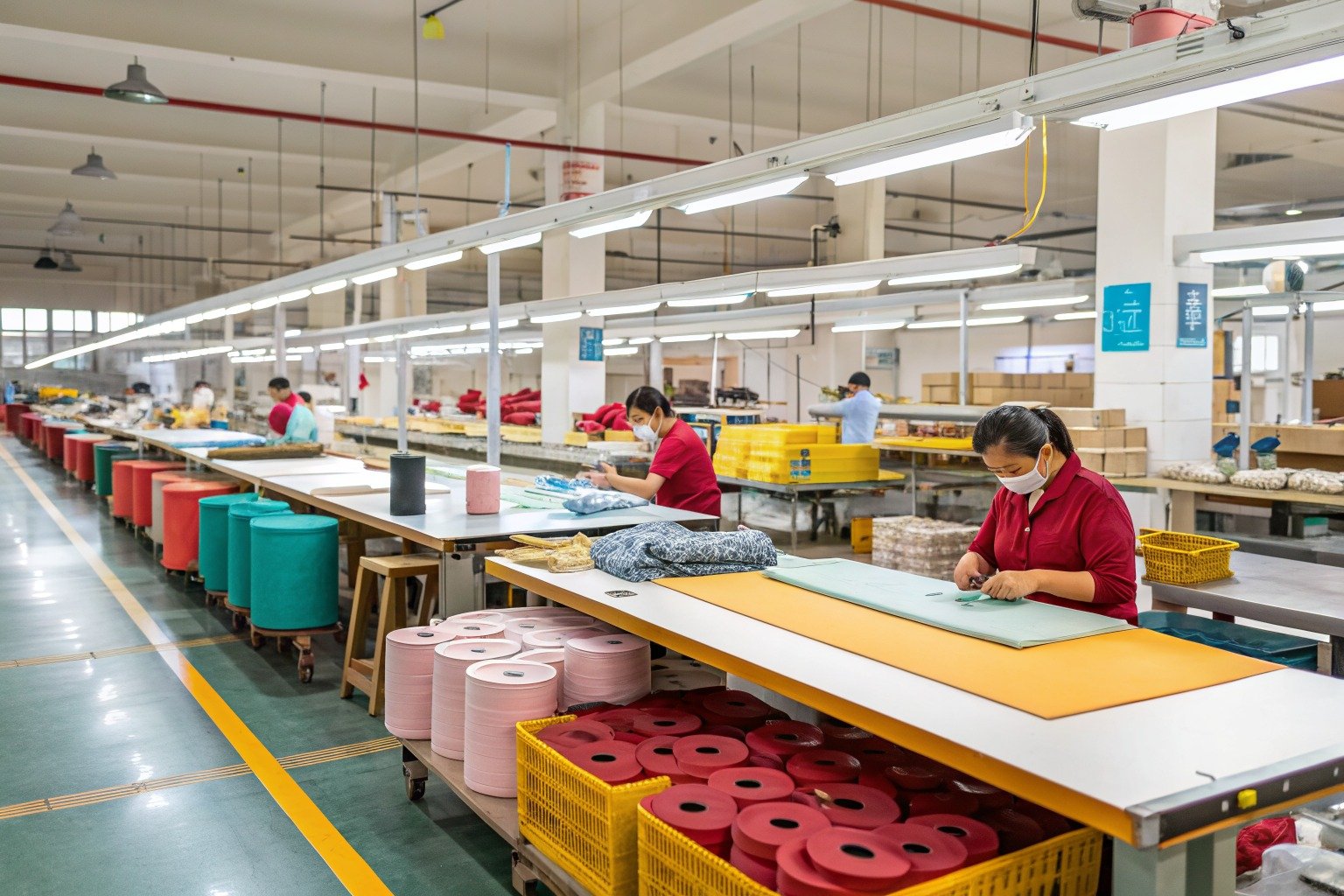
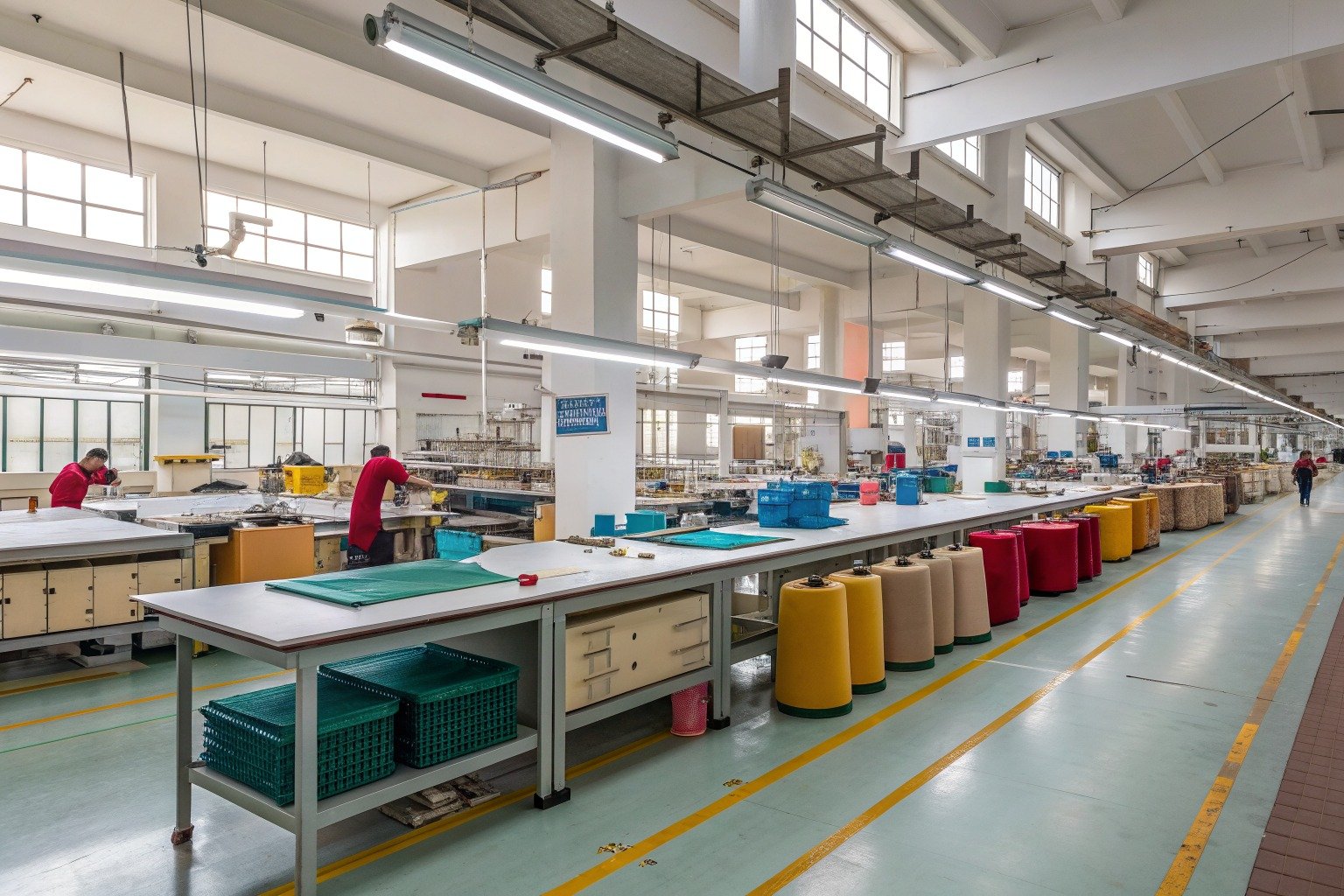
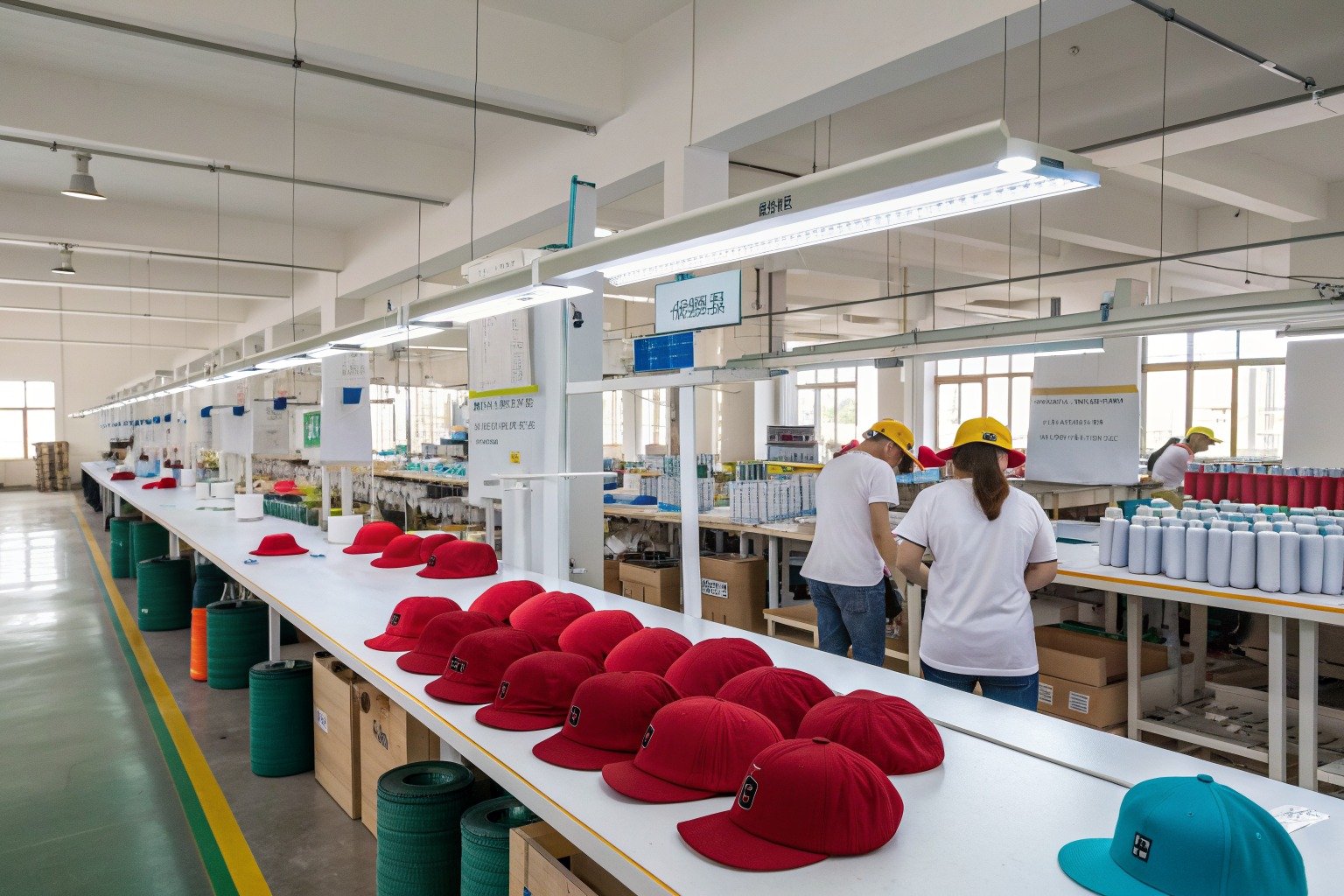
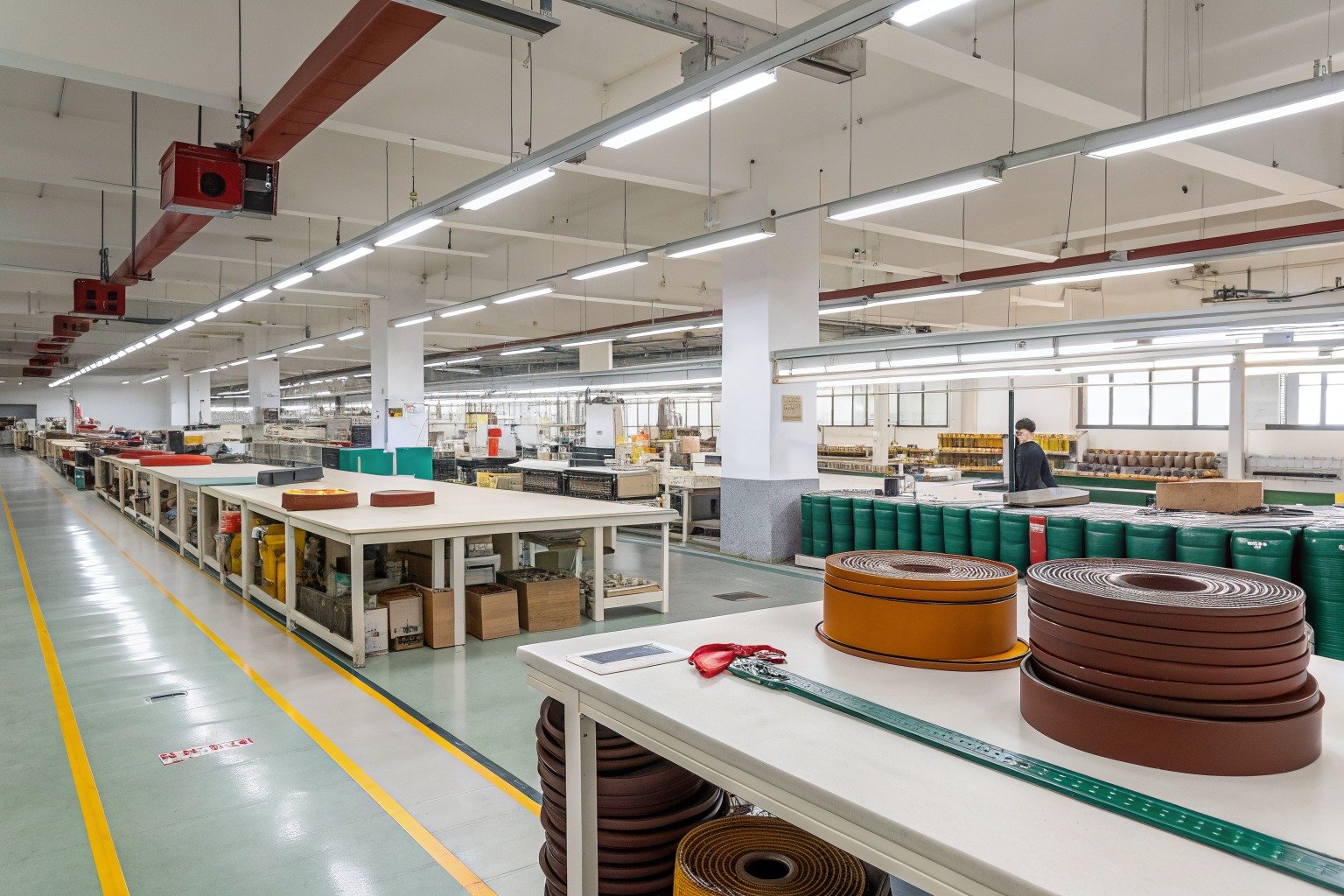
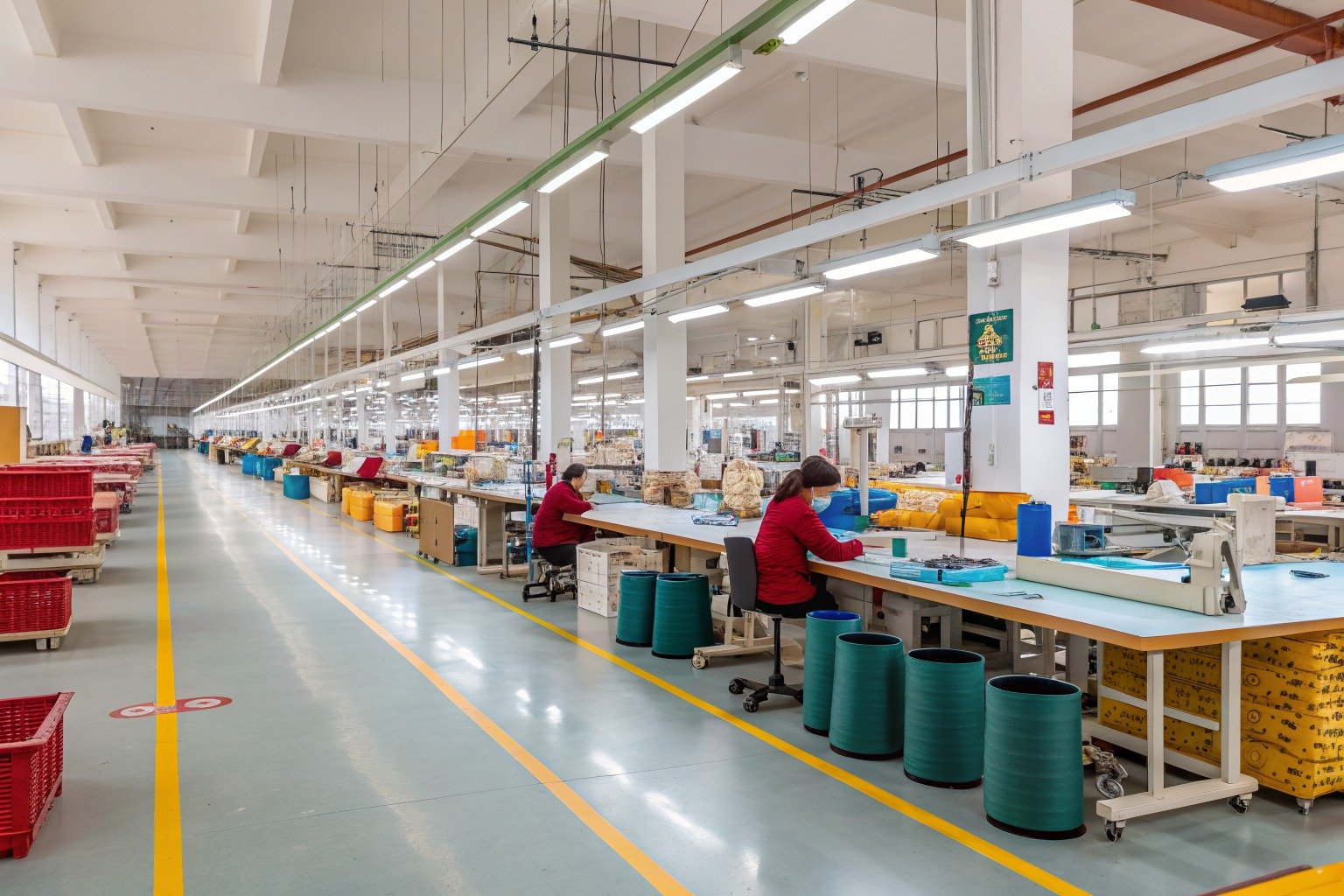
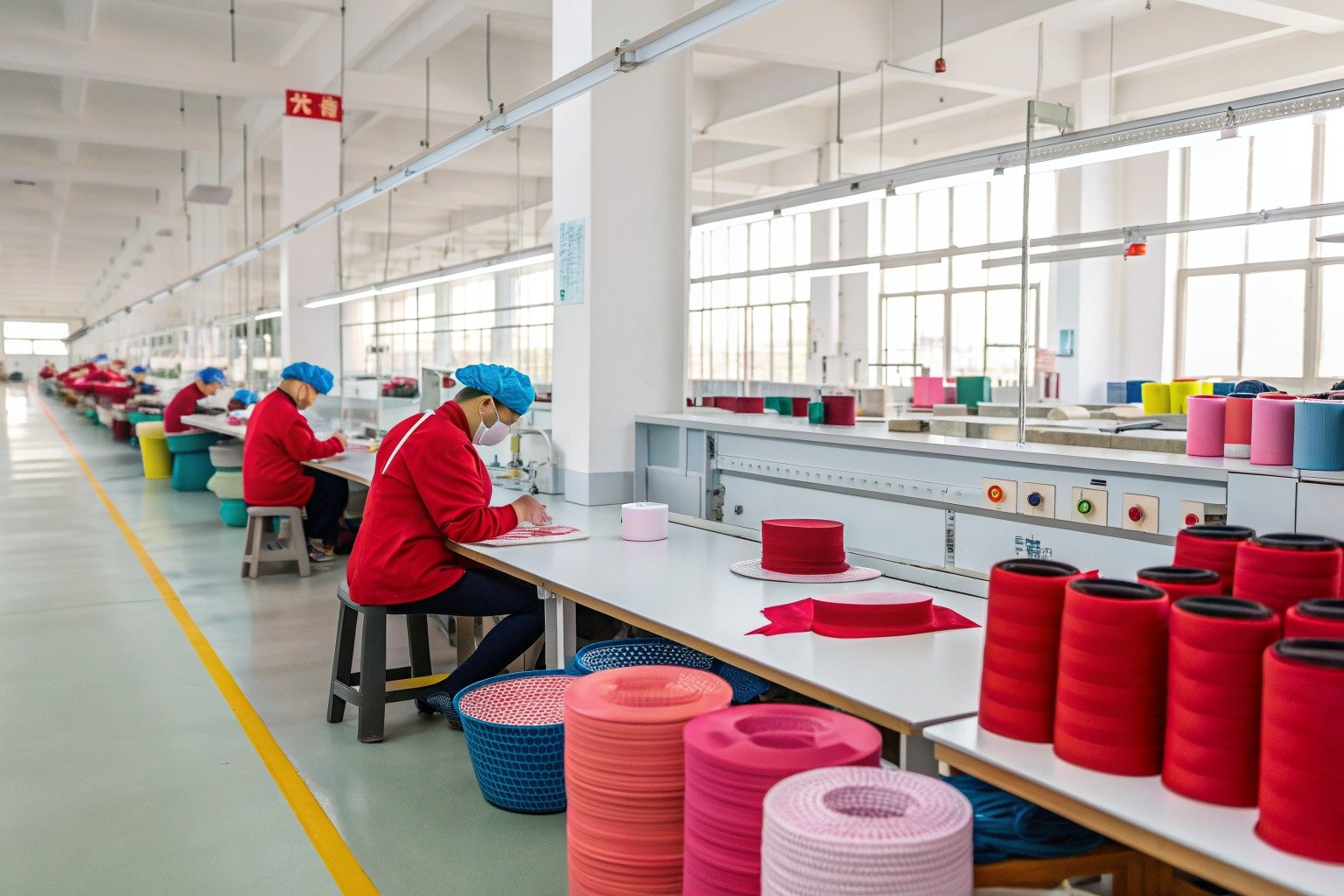
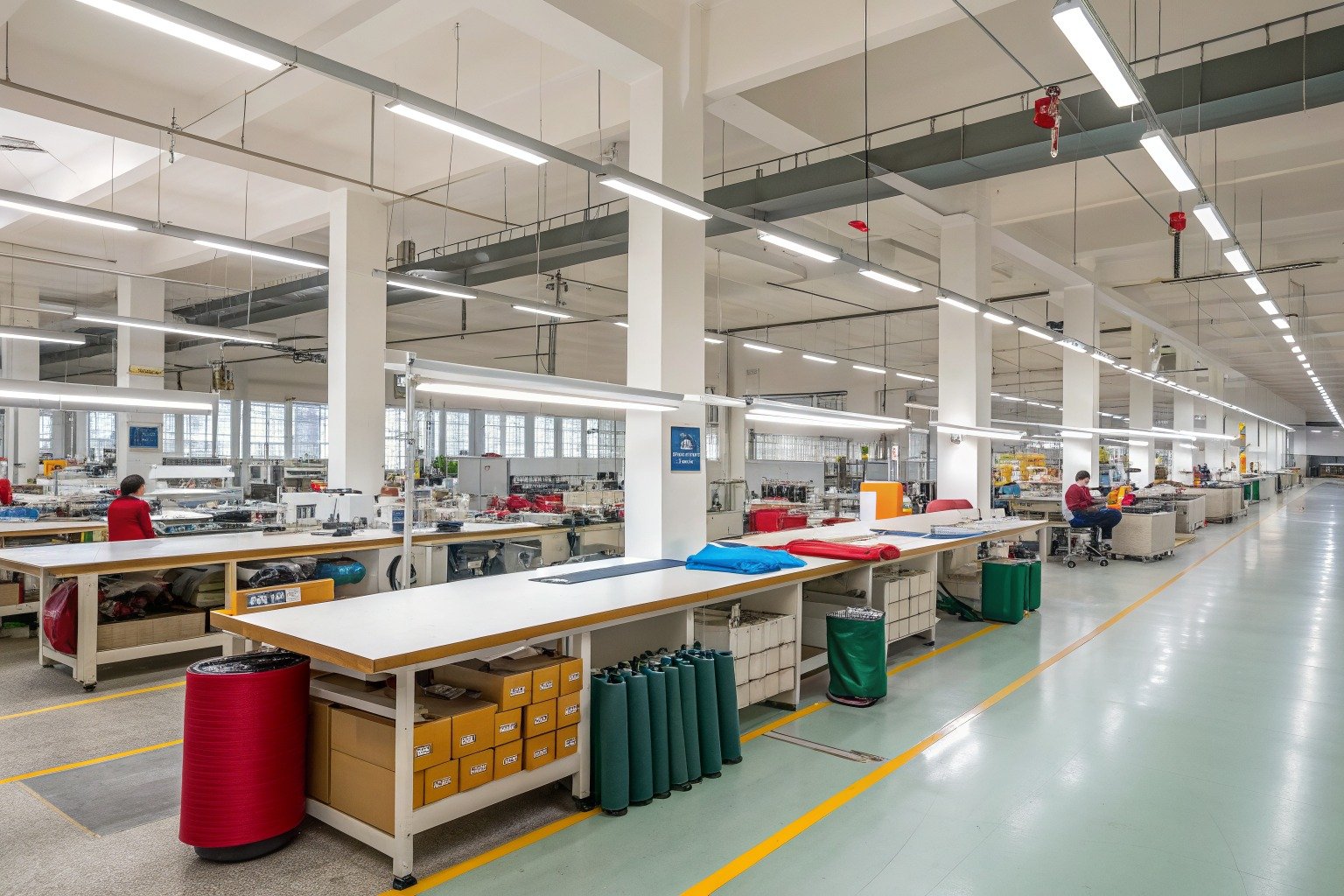
The first step is material sourcing and approval. This includes selecting the right yarn blend for the target price point and performance, and critically, sourcing and testing the conductive yarn with various devices to ensure compatibility. Production requires knitting machines capable of integrating the conductive threads precisely. MOQs can vary significantly; for standard blends, a factory might require 500-1000 pairs per style/color, while for premium blends or complex patterns, MOQs may be higher. It is essential to work with a manufacturer that offers transparent sampling, allowing for multiple rounds to perfect the fit, feel, and function before committing to bulk production. At Shanghai Fumao Clothing , we guide our clients through this process, using our network of trusted yarn suppliers and our in-house quality control team to streamline development.
How to Ensure Quality and Prepare for Market Success?
Rigorous pre-production testing is non-negotiable. This includes:
- Touchscreen Functionality Tests: On multiple device types (iOS, Android) and screen protectors.
- Durability Tests: For pilling, seam strength, and colorfastness after washing.
- Fit and Comfort Tests: On a range of hand sizes to ensure the sizing is consistent and comfortable.
From a market preparation standpoint, high-quality product photography is vital. Imagery should clearly show the texture, demonstrate the touchscreen feature in use, and style the glove in relatable, aspirational settings. Providing retailers with clear copy that highlights both the stylistic details (e.g., "cable-knit pattern," "brushed inner lining") and the technical benefits ("seamlessly conductive fingertips," "acrylic-wool blend for warmth") will help drive sales. Effective packaging that protects the product and reinforces the brand image is also a crucial final step handled by a full-service manufacturer.
Conclusion
Fingerless knitted gloves with touchscreen tips are a mature and thriving category, with clear style trends bifurcating into heritage-inspired textures and modern minimalist designs for the upcoming fall/winter season. The underlying technology has become more sophisticated and comfortable, moving from an add-on feature to a seamlessly integrated component. Success hinges on understanding the specific needs of target customers, from the practical commuter to the style-driven shopper.
For brands and retailers, the opportunity lies in carefully developing products that authentically fit within these style narratives while delivering flawless functionality. This requires a manufacturing partner with expertise in both knitwear construction and technical textile integration, capable of managing quality from yarn sourcing to final shipment.
If you are looking to develop a best-selling line of on-trend fingerless gloves, Shanghai Fumao Clothing provides the end-to-end expertise. From material selection and tech integration to sampling and bulk production with rigorous quality control, we ensure your vision is realized to the highest standard. To discuss your next accessory collection, please contact our Business Director, Elaine, at: elaine@fumaoclothing.com.