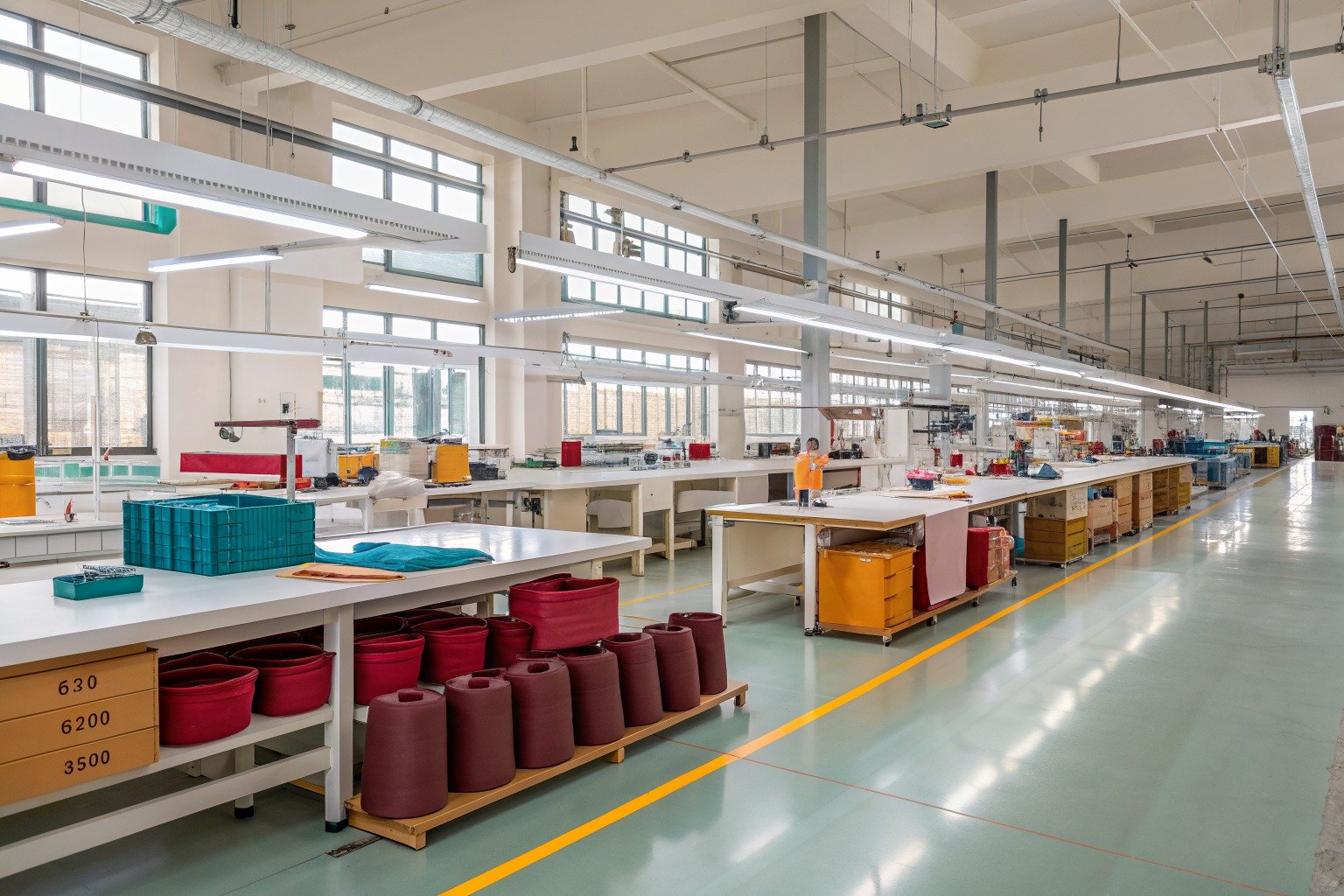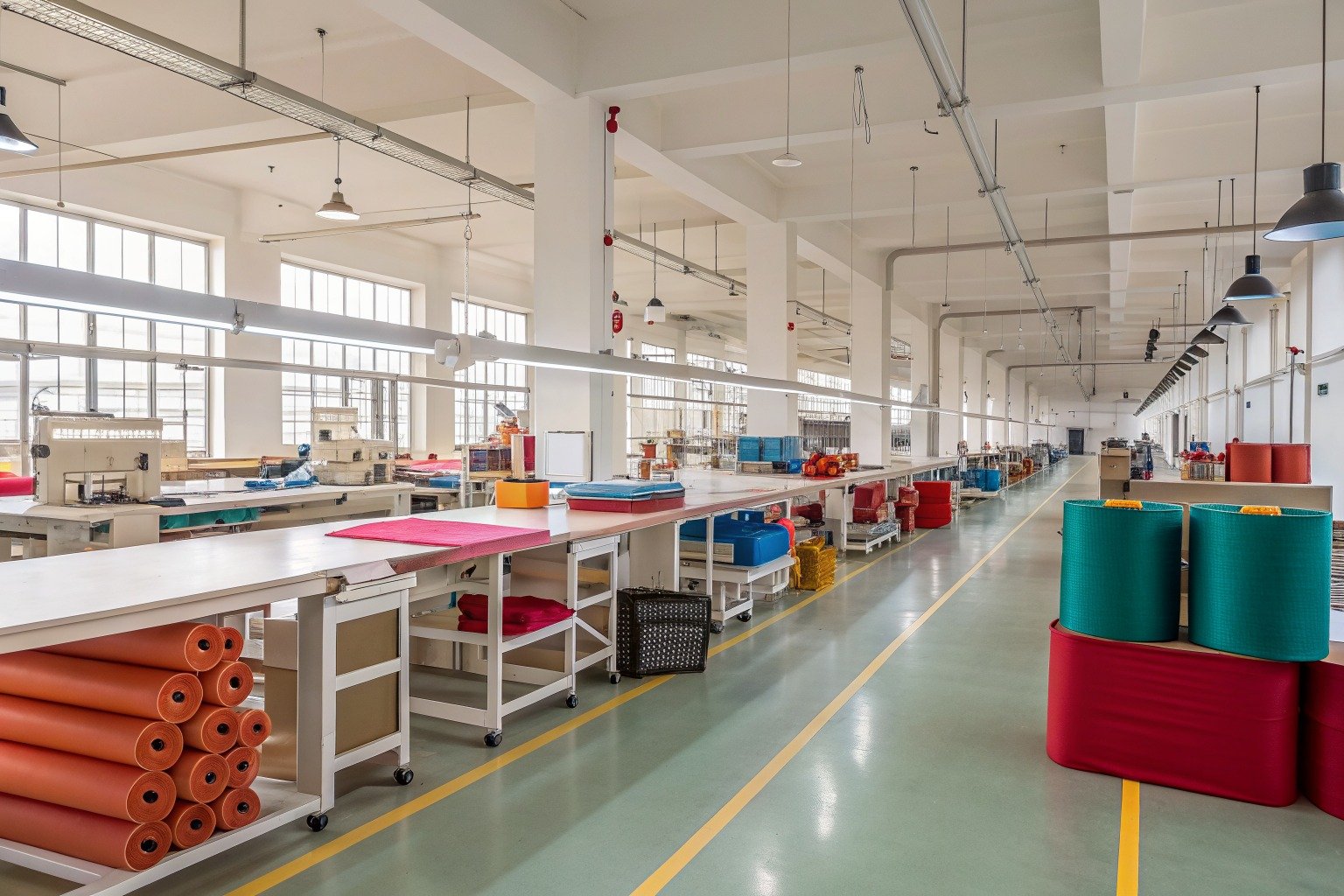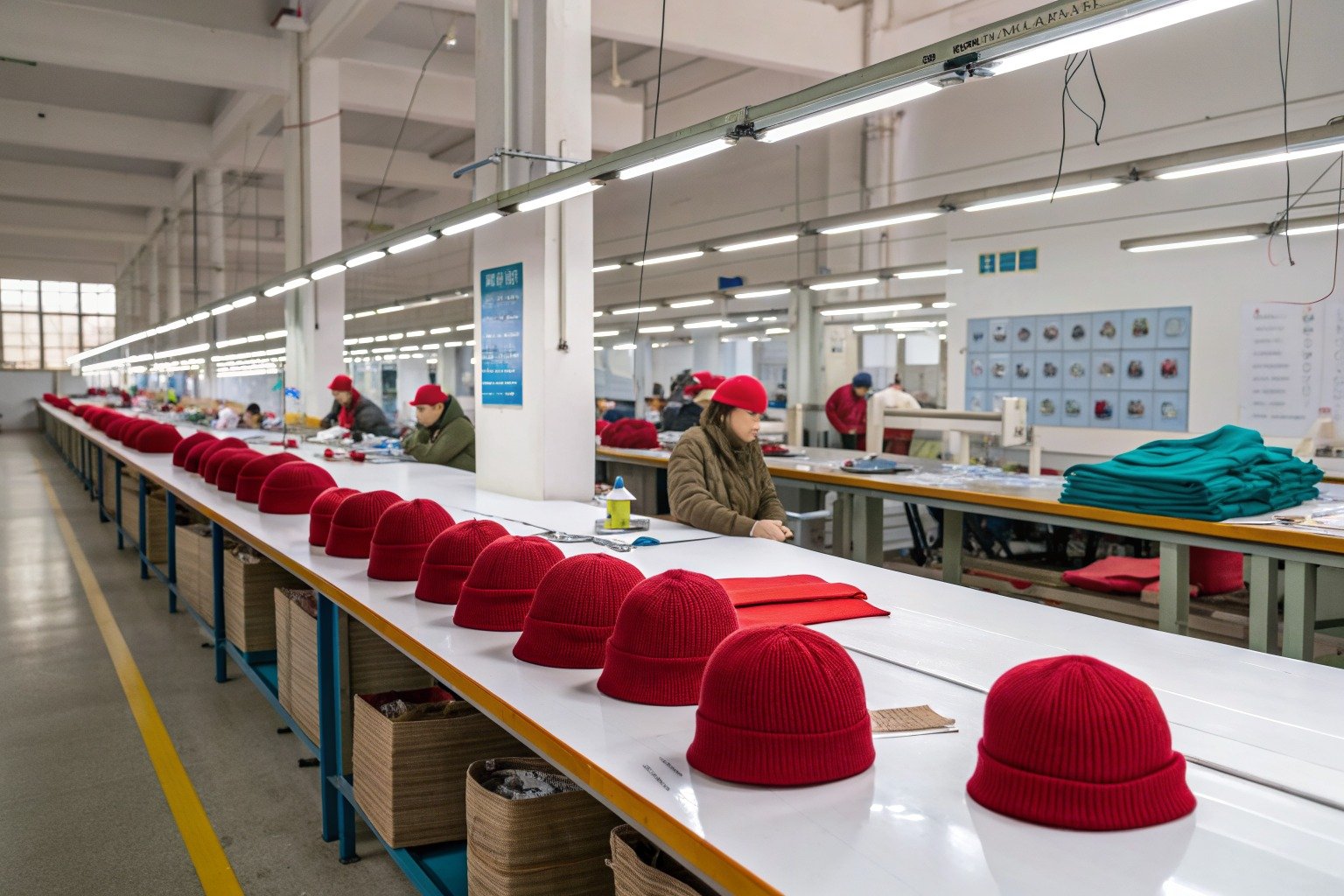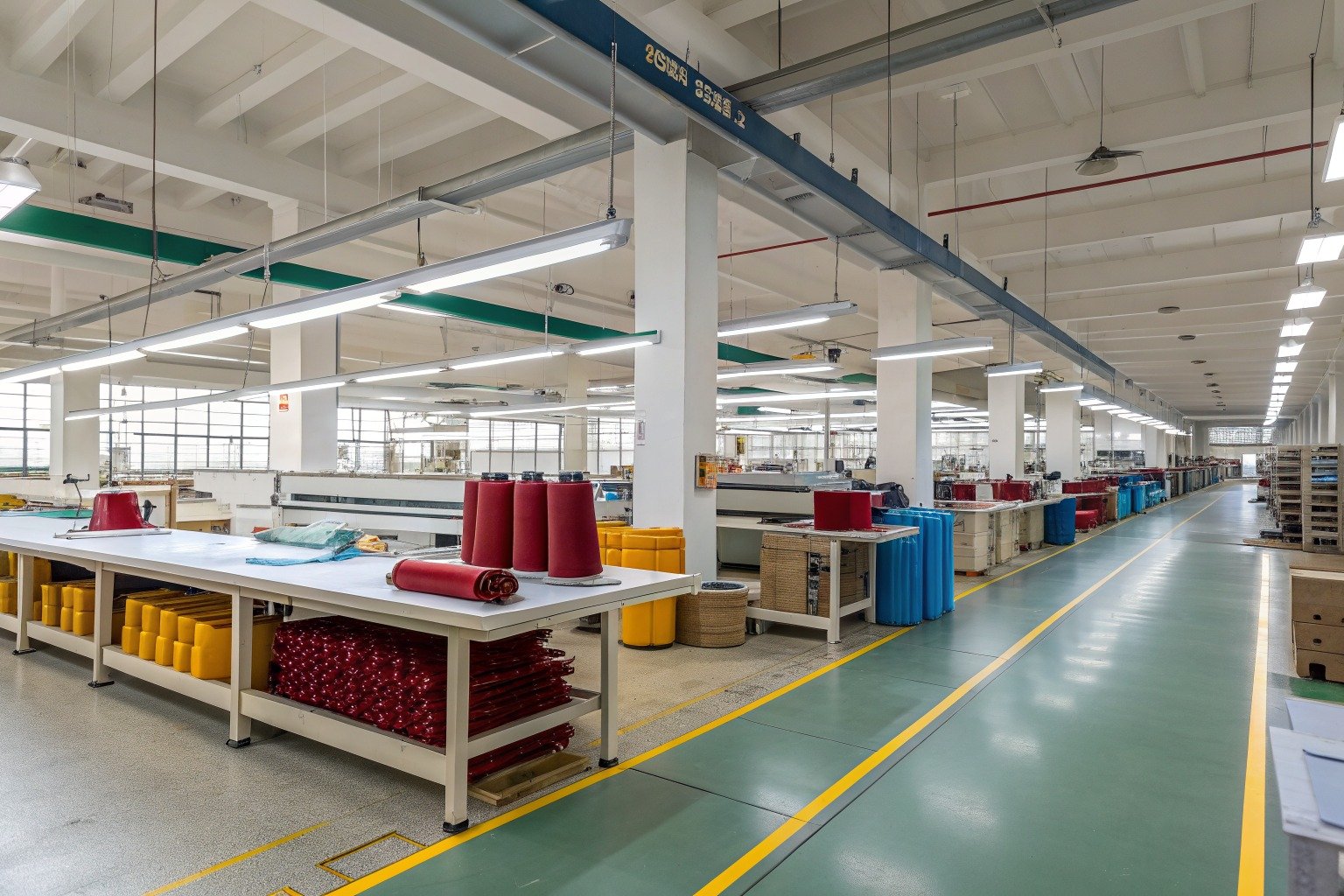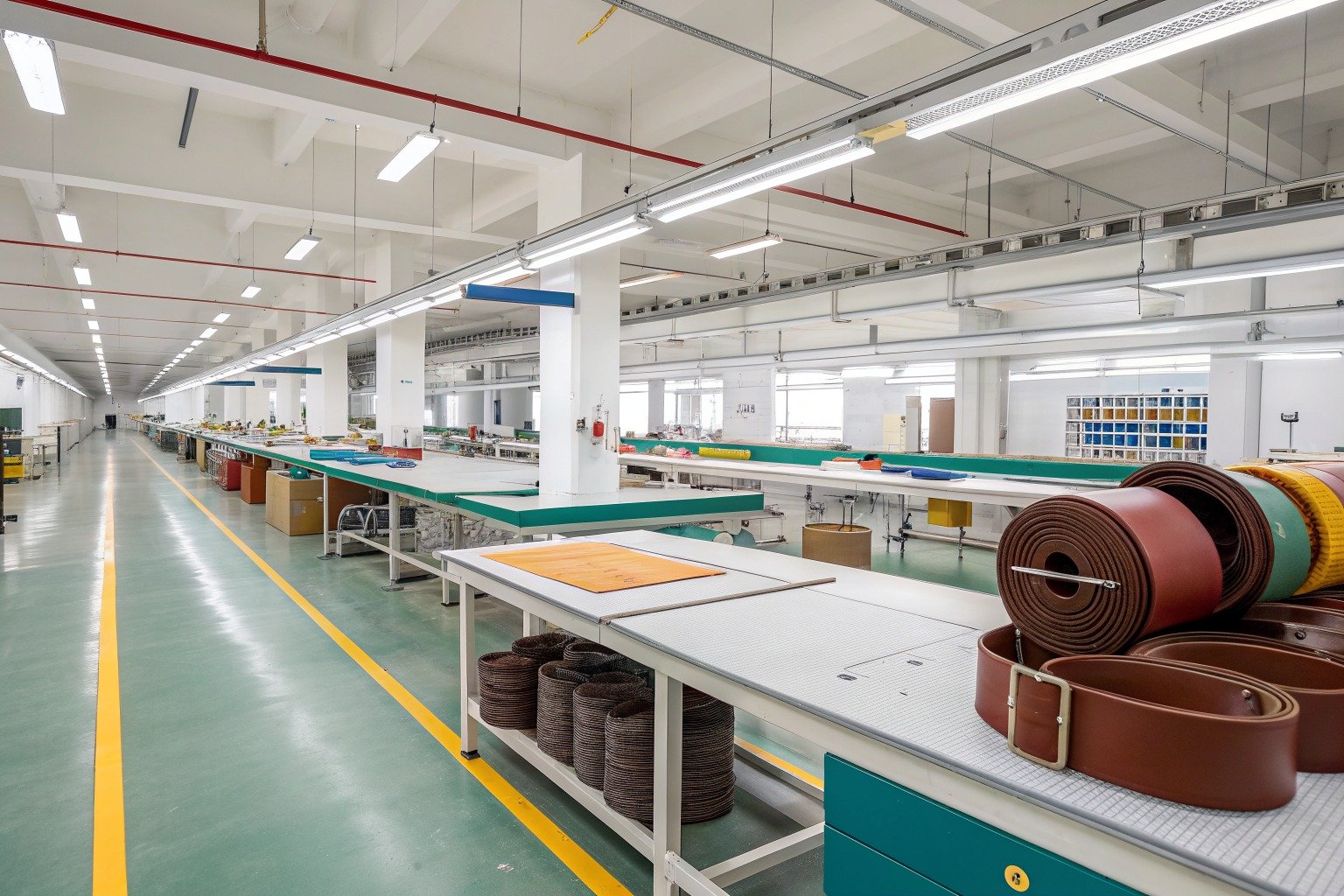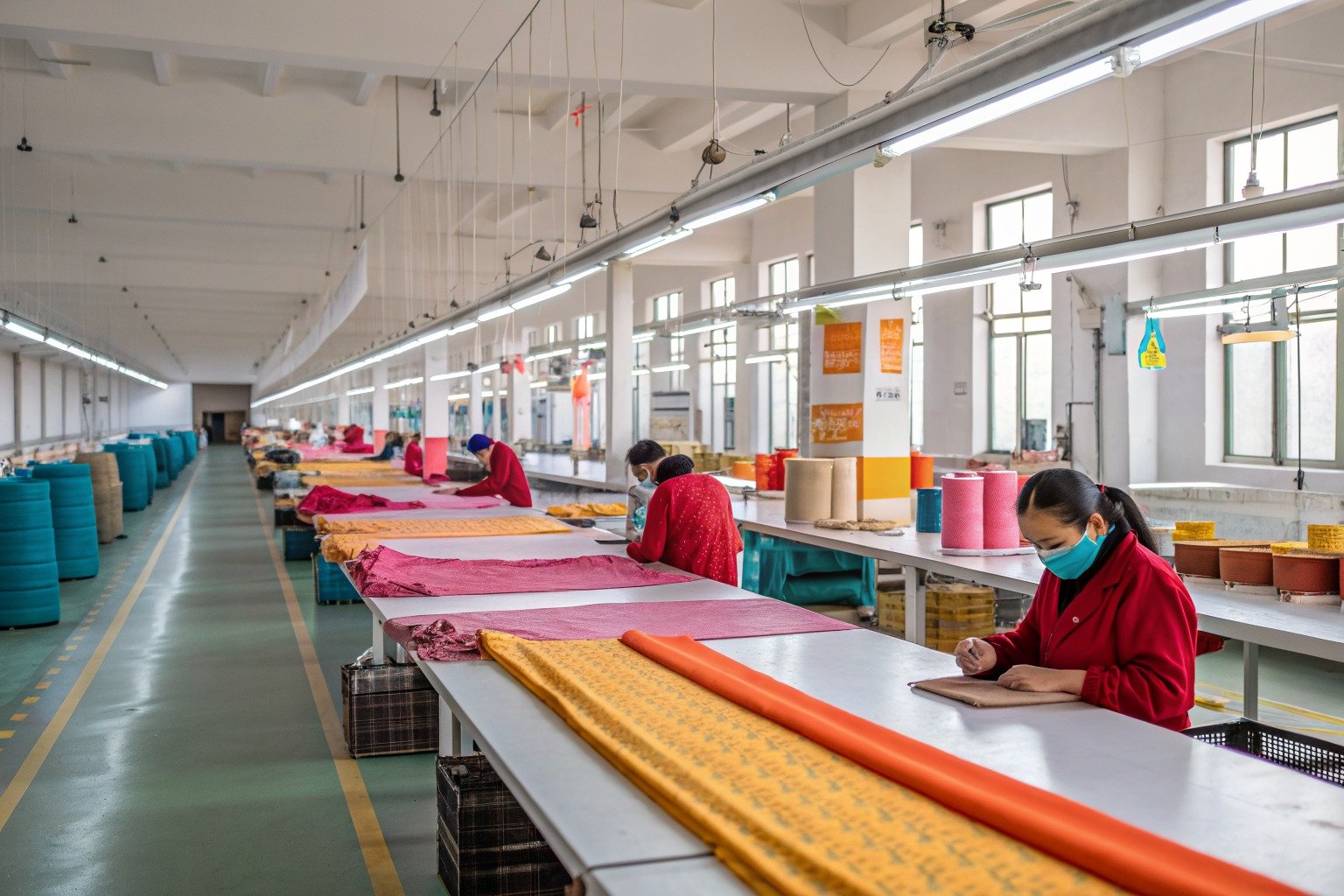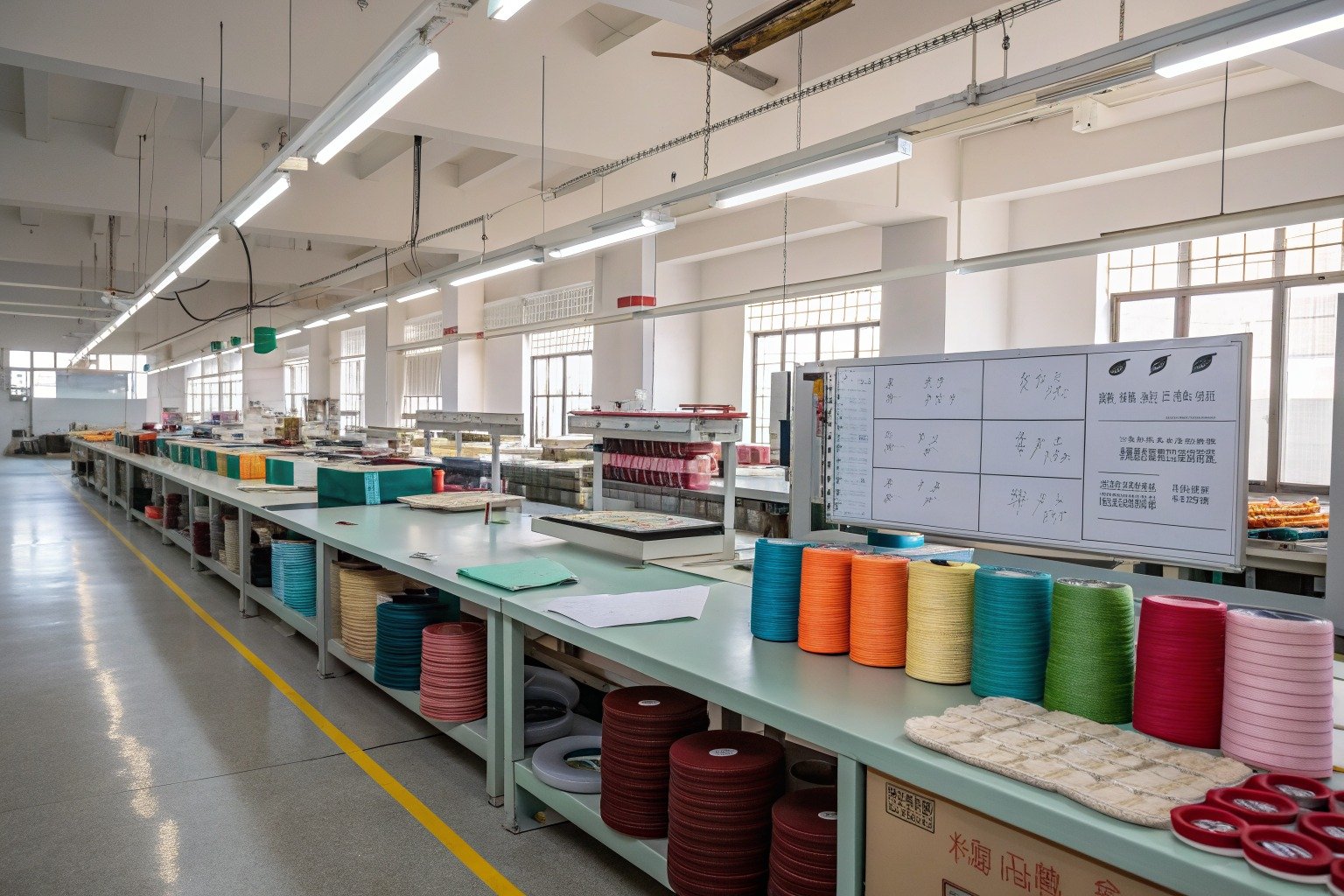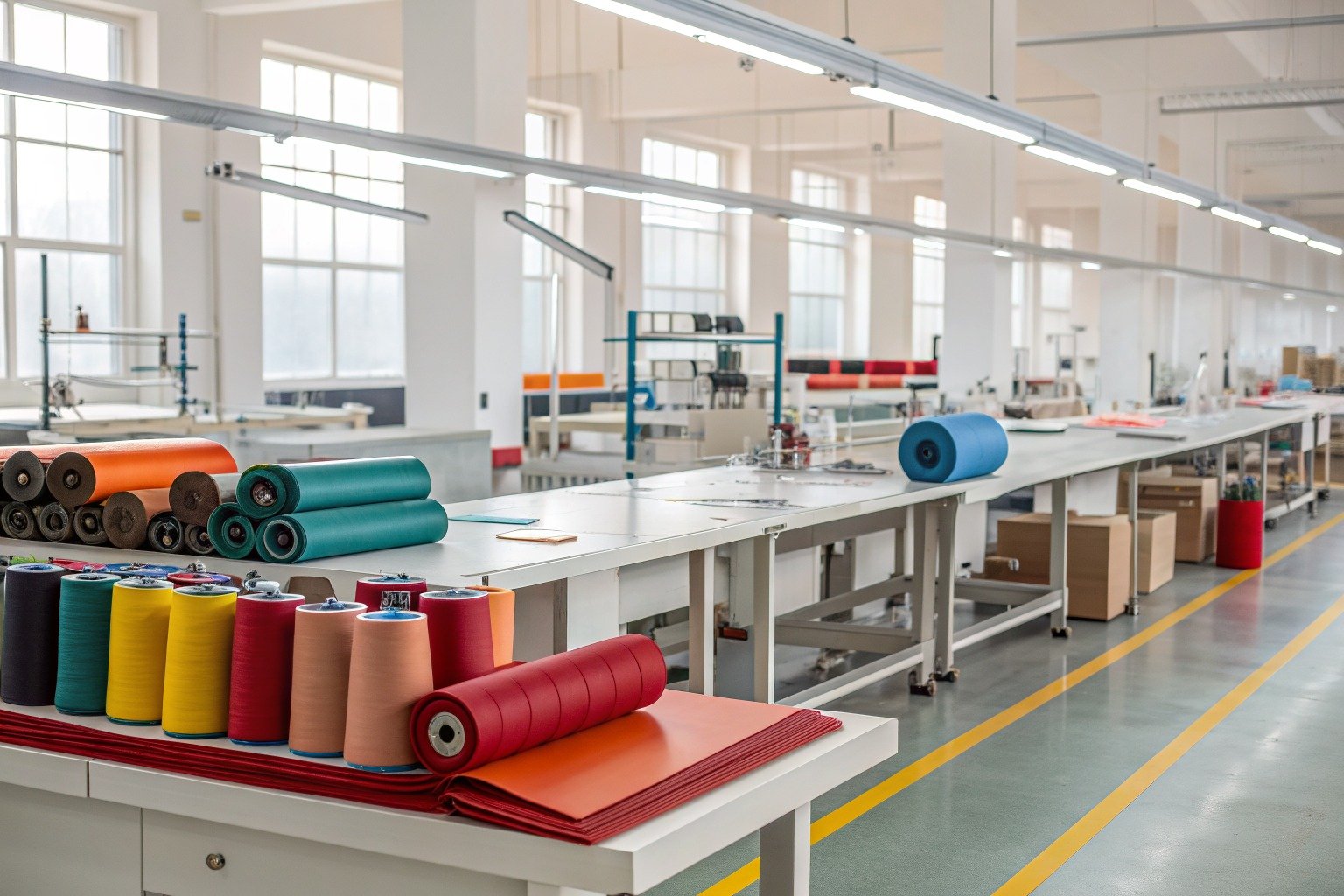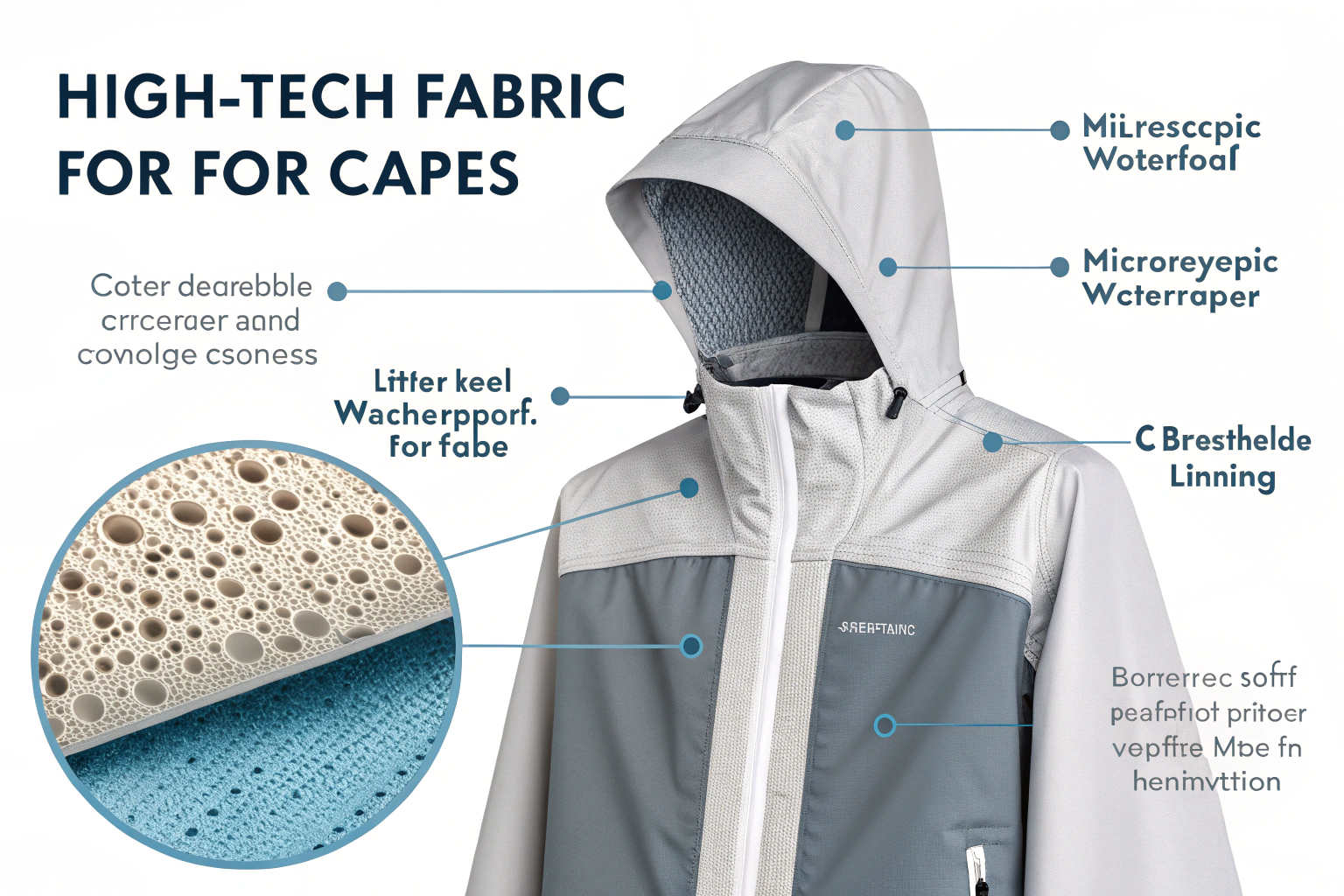
As a leading manufacturer of accessories for global brands, we at AceAccessory have witnessed firsthand the evolution from simple rain ponchos to sophisticated, multi-functional capes designed for specific climates. The question of how Chinese factories adapt capes to weather conditions goes beyond fabric selection—it involves material innovation, precision engineering, and data-driven testing.
Chinese factories adapt capes to weather conditions through a multi-layered strategy: innovating advanced functional materials (like waterproof membranes and high-loft insulation), applying precision manufacturing techniques (such as seam-sealing technology), and rigorously testing products in real-world extreme environments. This integrated approach transforms a basic garment into a reliable shield against diverse climatic challenges.
Let’s explore how this process works in practice.
Pioneering Material Innovation for Extreme Performance?
The journey begins at the molecular level. Before a single cape is cut, factories collaborate with specialized material scientists to engineer textiles that meet precise functional demands. This is not about using generic fabrics, but about creating or sourcing advanced materials designed for specific weather combat.
The goal is to develop materials that are not just barriers, but intelligent systems. For freezing conditions, the focus is on trapping warmth without bulk. For rainy climates, the challenge is creating a breathable yet impenetrable shield. Chinese manufacturers have made significant strides in this arena, often through partnerships with academic institutions to break long-standing technological monopolies.
What Advanced Materials Are Used for Insulation?
For cold-weather capes, insulation is key. Top factories have moved beyond traditional padding to use high-tech alternatives. A prime example is the high-loft, "imitation down" insulation developed by companies like Anhui’s Jixiang Sanbao. This material mimics the structure of natural goose down with a network of hollow fibers and ultra-fine "fuzz," creating countless tiny air pockets that lock in heat efficiently. The result is exceptional warmth with significantly less weight and bulk, a critical advantage for activewear.
This material proved its worth in extreme conditions, having been selected for use by athletes at the Beijing Winter Olympics and for specialized equipment by the Chinese Antarctic expedition team, where it helps prevent non-combat attrition in polar environments. Its ability to retain warmth and resist compression makes it ideal for capes designed for ski resorts, mountain towns, or windy urban winters.
How Do Factories Achieve Waterproofing and Breathability?
The holy grail of rainwear is a fabric that is completely waterproof yet allows sweat vapor to escape. This is achieved through laminated membranes. A standard two-layer fabric combines an outer shell with a bonded waterproof membrane. However, leading manufacturers like those in the Qianjiang outdoor apparel cluster employ more advanced three-layer lamination technology.
This process permanently bonds a durable outer fabric, a microscopic ePTFE (expanded Polytetrafluoroethylene) or PU membrane, and a soft inner lining into a single, robust sheet. The membrane’s pores are thousands of times smaller than a water droplet but larger than water vapor molecules, creating a one-way barrier. Factories with this capability, such as Hubei Lian’ao, supply gear rated to withstand extreme conditions, including professional expeditions. The precision in applying this lamination is so critical that it is considered a core competitive advantage.
Precision Manufacturing: The "Invisible" Engineering?
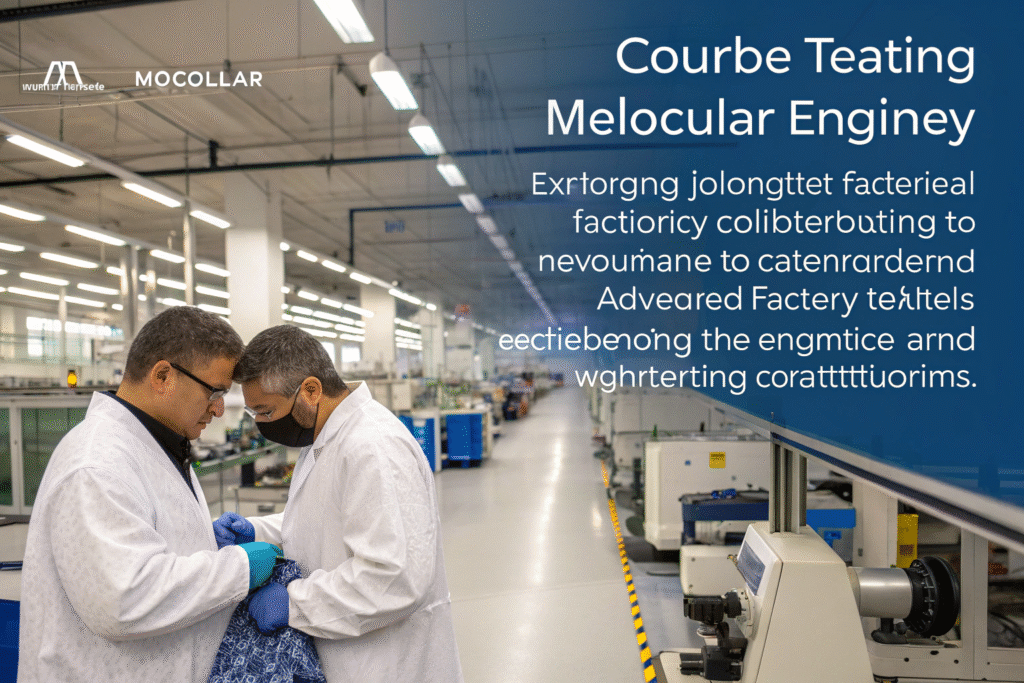
Superior materials are only as good as their assembly. This is where manufacturing expertise transforms fabric into a reliable garment. The weakest points in any waterproof cape are the seams, where hundreds of needle punctures can create a path for water. Closing these micro-holes requires specialized techniques and skilled craftsmanship.
Qianjiang, renowned as China’s "City of Tailors," has built a competitive edge in this precise area. The local workforce’s technical skill is so respected that international brands have established factories there specifically to access this talent pool.
Why Is Seam-Sealing Technology So Critical?
The process of seam sealing is a perfect blend of technology and artisan skill. After a cape is sewn, a worker carefully applies a narrow, specially formulated waterproof tape over the inside of every seam. This tape is then bonded to the fabric using a heated press that applies precise temperature and pressure.
The margin for error is minimal. As described in reports from factories like Livigno, workers must meticulously adjust the fabric and monitor the machine to ensure every centimeter of the tape bonds perfectly without wrinkles or gaps. A flawed seal is a potential leak. Factories that have earned stringent international certifications, such as the GORE-TEX 8MM Black Label, are among a select global group recognized for mastering this craft.
How Is Design Optimized for Real-World Use?
Manufacturing adaptation also involves intelligent pattern and feature design. For capes intended for variable or unpredictable weather, factories employ modular or adjustable designs. This can include:
- Ventilation Systems: Strategically placed mesh-lined vents (e.g., under the arms) that can be opened to release heat and moisture during activity and closed for protection.
- Adaptable Coverage: Designs with removable sleeves, adjustable hems, or integrated hoods that allow the wearer to customize the level of protection and insulation based on changing conditions.
- Packability: Engineering fabrics and designs that allow the cape to be folded into its own pocket for easy carry, a feature highly valued for travel and fluctuating weather.
This user-centric design thinking ensures the cape is not just protective but also practical and comfortable to wear.
Rigorous, Real-World Testing and Data Validation?
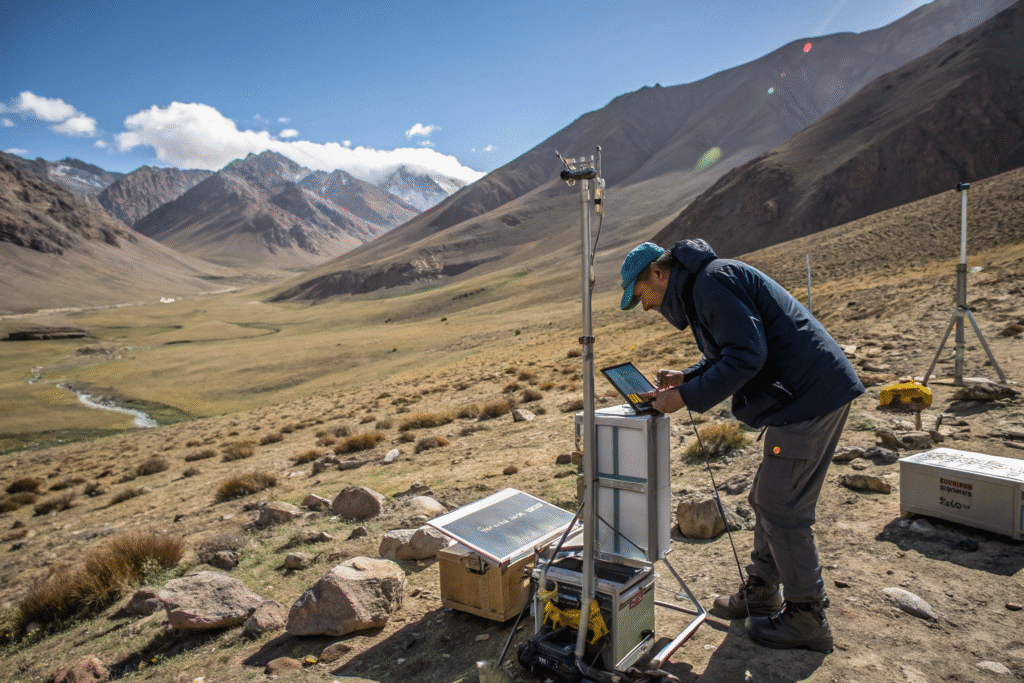
Before a weather-adapted cape reaches the market, its promises must be validated under conditions that mimic—or exceed—real-world use. Chinese manufacturers and testing institutions are increasingly leveraging the country’s diverse and extreme geography as a natural laboratory.
This shift moves testing from controlled lab environments to harsh, real-world proving grounds. The data gathered is invaluable for driving iterative improvements in material blends, construction methods, and durability claims.
What Does Extreme Environment Testing Involve?
To certify performance for high-altitude or intense UV environments, products are now tested in places like the "3H" (High Elevation, High Cold, High UV) Outdoor Exposure Test Field on the Tibetan Plateau. At an elevation of 4,400 meters, materials are subjected to months of relentless, intense sunlight, rapid temperature swings, and strong winds.
Engineers on-site monitor how colors resist fading, fabric strength degrades, and critically, how waterproof coatings hold up over time. For a cape marketed for alpine hiking or coastal sailing, passing such a test provides a compelling, data-backed claim of longevity and reliability. This process helps factories pre-emptively identify and fix potential failure points, such as seam tape adhesion failure or fabric delamination.
How Is Smart and Sustainable Manufacturing Integrated?
The final layer of adaptation is in the production philosophy itself. Leading factories are embracing digitization and green manufacturing. Smart factories use 5G and IoT systems to monitor production lines in real time, optimizing efficiency and reducing human error. Reports indicate that such digital transformation can reduce manufacturing cycles by over 10% while improving quality consistency.
Simultaneously, there is a strong industry push toward sustainability. This includes using recycled materials for linings and membranes, implementing water-saving dyeing processes, and developing bio-based durable water repellent (DWR) coatings. For global brands, partnering with a factory that prioritizes these elements is no longer a bonus but a necessity. A partner like shanghaifumaoclothing ensures that technical performance is delivered through efficient and responsible production systems.
Conclusion
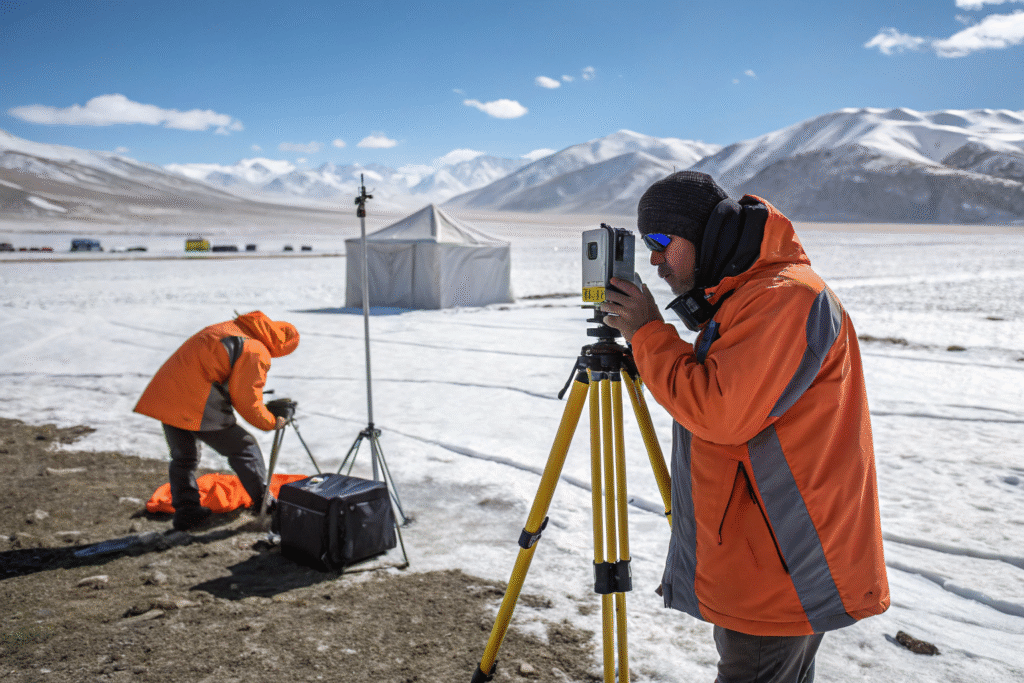
Adapting capes to weather conditions is a sophisticated, multi-stage process that defines modern Chinese manufacturing in the apparel sector. It intertwines material science (creating intelligent fabrics), precision engineering (mastering sealing and construction), and empirical validation (testing in real extremes). This end-to-end capability is what allows factories to confidently produce gear for an Antarctic researcher, a fashion-conscious urban commuter, or a mountain adventurer.
For brands, the takeaway is clear: the right manufacturing partner acts as a technical collaborator. They don’t just sew fabric; they help solve the environmental challenges your end-consumer faces. By leveraging their expertise in functional design, material sourcing, and rigorous testing, you can develop cape products that are not only stylish but also deliver genuine, reliable performance.
If you are looking to develop a line of high-performance, weather-specific capes or any functional accessory, AceAccessory is built to be that partner. Our expertise connects you to this advanced ecosystem of material innovation and manufacturing precision. To discuss how we can engineer the perfect cape for your market and climate, please contact our Business Director, Elaine, at elaine@fumaoclothing.com.