Dreaming of the Northern Lights but worried about the cold? A standard fashion shawl won’t cut it in the Arctic, where temperatures can plunge far below freezing. The right shawl isn’t just an accessory; it’s a critical piece of survival gear that must trap heat efficiently and block the biting wind. So, what truly makes a shawl Arctic-worthy? The secret lies in specialized insulating materials, windproof construction, and integration into a full layering system designed for extreme cold.
To be warm enough for the Arctic, a shawl must be constructed from high-loft insulation (like premium down or advanced synthetics), feature a windproof and water-resistant shell fabric, and be designed as a large, wrappable piece that seals in core heat. It is not a standalone item but a key component of a dedicated technical layering system.
Let’s move beyond basic wool and explore the materials and designs that can actually withstand polar conditions.
The Insulation Breakdown: What Materials Actually Work at -30°C?
In the Arctic, not all insulation is created equal. The primary goal is to create a thick, stable layer of still air around your body. The materials best at this are high-fill-power down and modern hydrophobic synthetics.
Premium Goose Down (with a fill power of 700 or higher) offers the best warmth-to-weight ratio. It creates incredibly efficient loft. However, traditional down loses all insulating power when wet. For Arctic use, it must be treated with a DWR (Durable Water Repellent) coating and used under a fully waterproof outer shell.
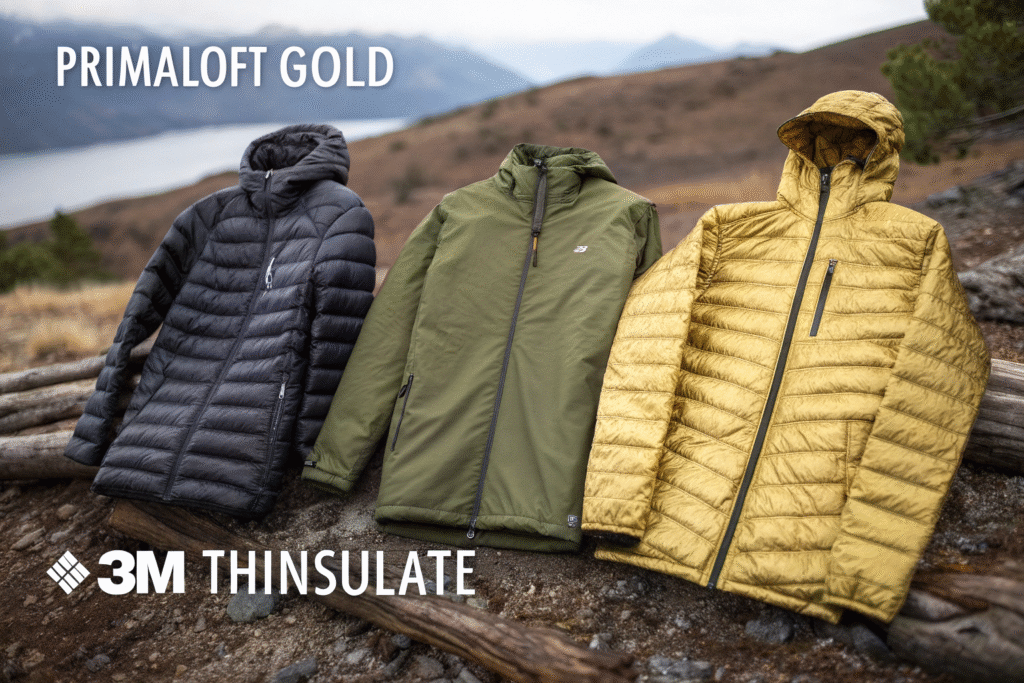
Advanced Synthetic Insulations like PrimaLoft® Gold or 3M™ Thinsulate™ are arguably more reliable for dynamic, humid, or unpredictable polar conditions. These fibers are engineered to mimic down’s loft but retain much of their heat-trapping ability even when damp. They also dry faster and are often used in military and expedition-grade gear.
Why Are Synthetics a Safer Bet for Active Arctic Travel?
If you’re moving, skiing, or dog-sledding, you’ll generate sweat and encounter blowing snow. PrimaLoft®, originally developed for the U.S. Army, is renowned for providing consistent warmth in damp conditions. Its fine, continuous fibers create a dense, air-trapping matrix that is highly resilient and compressible. A shawl insulated with such material offers a crucial safety margin, ensuring you stay warm even if the weather turns wetter than expected.
Can Natural Fibers Like Wool and Cashmere Work?
Heavyweight Merino Wool or Cashmere can provide excellent warmth as part of a mid-layer system inside a protective shell. Their inherent moisture-wicking properties are valuable. However, as a standalone outer shawl, they have a critical flaw: wind penetration. Even the densest knit has tiny holes that allow wind chill to strip away heat. For a shawl to function as an outer layer in the Arctic, it requires a dedicated, windproof exterior fabric.
Design & Integration: More Than Just a Wrap
An Arctic shawl’s design is dictated by function. It must be large enough to provide full coverage and integrate seamlessly with other critical gear.
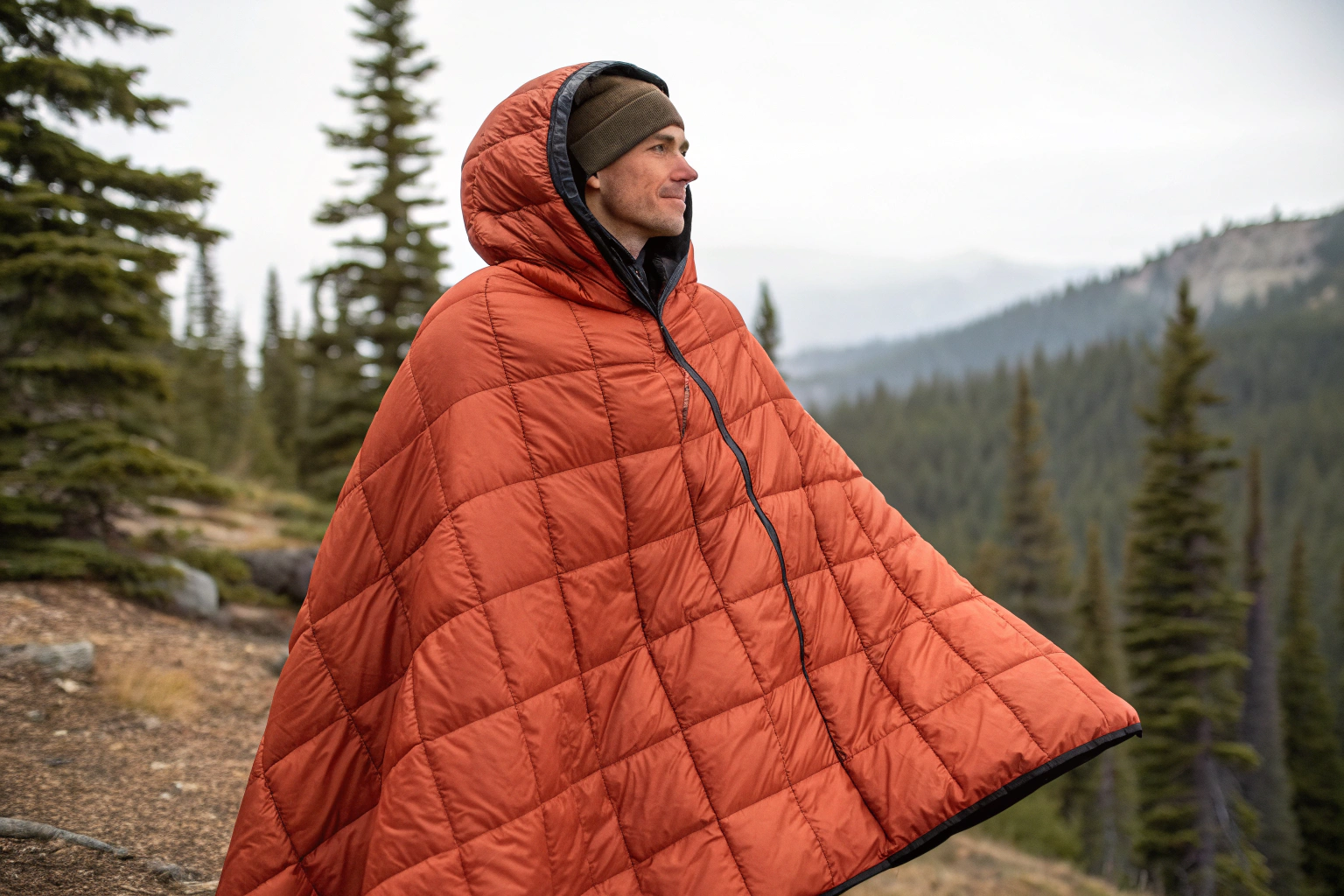
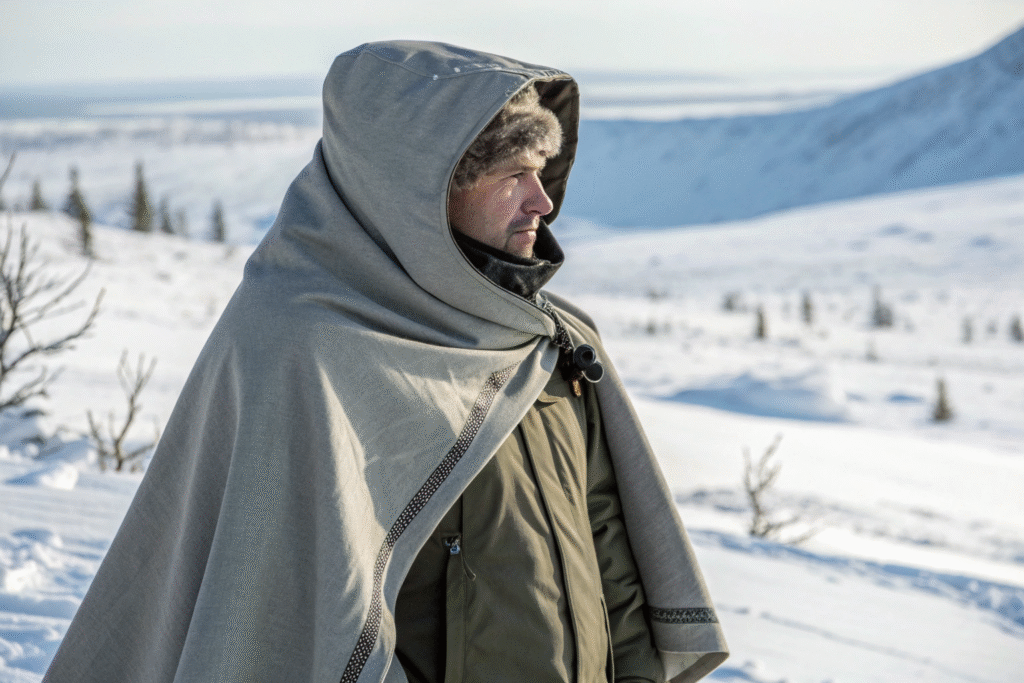
The ideal design is a large rectangle or a generous triangle that can be wrapped around the neck, shoulders, and chest multiple times, or even pulled up over the head and face. Look for features like:
- Integrated Hood or Drawcord: Allows it to be secured over a beanie and under a parka hood.
- Long Length: Enough to cross over the chest and tuck into a jacket for a complete seal.
- Windproof Shell Fabric: An outer face made of a tightly woven, calendared nylon or polyester with a DWR finish.
How Does an Arctic Shawl Fit Into the Layering System?
In extreme cold, clothing is a system. The shawl acts as a supplemental, adjustable mid-layer focused on the core.
- Base Layer: Moisture-wicking Merino wool or synthetic top.
- Mid-Layer 1: A fleece or lightweight insulated jacket.
- Mid-Layer 2 / Shawl: Your Arctic shawl, added for extra core and neck warmth.
- Outer Shell: A fully waterproof and windproof parka with a insulated hood.
The shawl offers flexibility; you can tighten it during rest stops or in camp to conserve heat, or loosen it during high-exertion activities to prevent overheating. This modular approach is a cornerstone of modern technical layering for extreme environments.
What Are the Limitations of a Shawl in True Arctic Conditions?
It’s vital to understand that indigenous Arctic peoples, like the Inuit, rely on integrated garments, not separate shawls. A traditional caribou-skin parka with a built-in hood and fur ruff provides superior, all-in-one protection. A modern shawl, therefore, is best viewed as a specialized accessory for experienced adventurers who already possess a full technical wardrobe. It cannot replace a proper insulated parka, insulated pants, face mask, or serious mittens.
Key Features Checklist for an Arctic-Grade Shawl
When evaluating or sourcing a product for this niche, use this checklist:
Insulation: High-loft, water-resistant down (700+ fill) or advanced synthetic (PrimaLoft®, Thinsulate™).
Shell Fabric: Windproof, water-resistant, and durable (e.g., ripstop nylon with DWR).
Size & Design: Minimum 70" x 30" (178cm x 76cm); includes secure closure (toggles, snaps, or long ties).
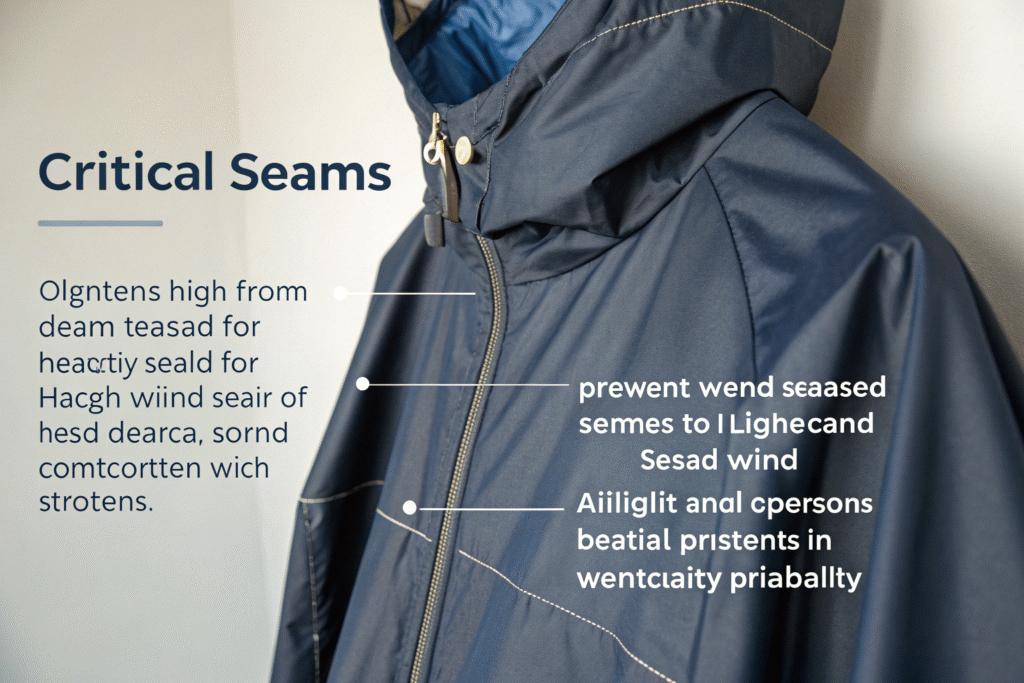
Seam Construction: Critical seams should be taped or sealed to prevent wind and moisture ingress.
Weight: It will be substantial—lightweight shawls are not suitable.
What Certifications Should I Look for in a Supplier?
Certifications are your objective guarantee of quality and ethics. For Arctic shawls, important ones include:
- Responsible Down Standard (RDS): Crucial if using down insulation.
- OEKO-TEX Standard 100: Ensures fabrics are free from harmful substances.
- GRS (Global Recycled Standard): If using recycled synthetic insulation.
- ISO 9001: Indicates a systematic quality management process.
A reputable manufacturer like shanghaifumaoclothing will be transparent about these certifications and can often guide clients through the selection process to match their brand values and market requirements. This due diligence is not optional; it’s foundational for building a credible product in the performance wear space.
How Does a Factory’s Location Impact the Development of Cold-Weather Gear?
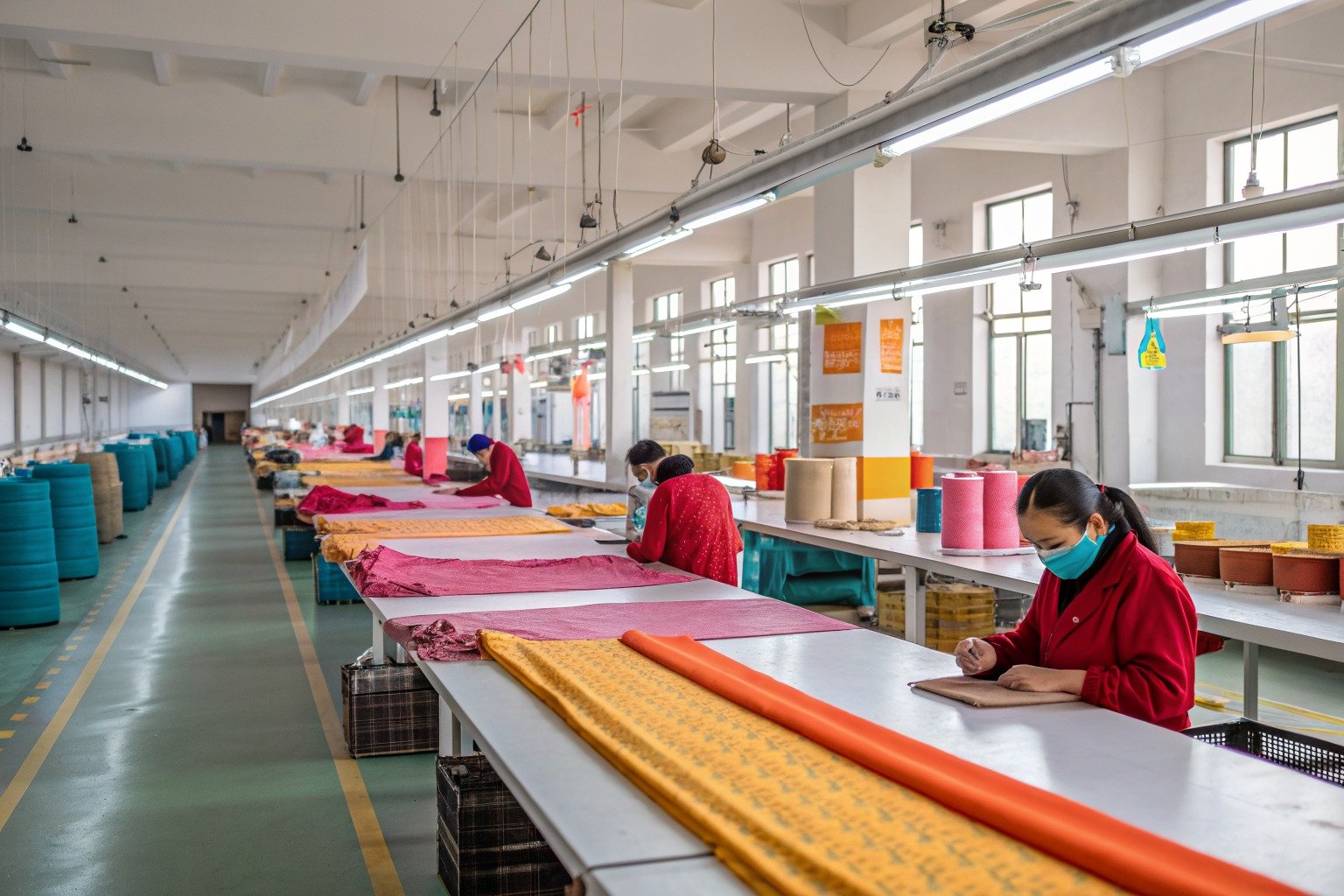
A factory’s environment can influence its innate understanding of the product. While not a strict requirement, manufacturers located in regions with cold winters (like Northern China or elsewhere) may have more intuitive insight into the functional needs of thermal wear. More importantly, look for a partner with a proven track record of exporting to countries with strong outdoor and expedition markets (Canada, Norway, Iceland). Their experience meeting the stringent demands of these buyers is the best indicator of capability. Our location in a major manufacturing hub gives us access to a vast network of technical fabric suppliers, while our experience with global brands ensures our processes meet international standards for performance and durability.
Conclusion
An Arctic-worthy shawl is a highly technical piece of gear, not a casual fashion item. Its warmth depends on using expedition-grade insulation like treated down or PrimaLoft®, combined with a windproof shell and a design that allows for secure, full-core coverage. It excels as a versatile, adjustable layer within a complete system that includes a moisture-wicking base, insulating mid-layers, and a fortress-like waterproof outer shell.
For brands and retailers looking to cater to the serious cold-weather adventure market, offering such a specialized product requires deep material expertise and a clear understanding of its role in the layering system. At AceAccessory, our design and development team can help you navigate these complex specifications. We source premium technical fabrics and insulations to create high-performance accessories for demanding environments.
Ready to explore developing a line of extreme-cold weather accessories? Contact our Business Director, Elaine, to discuss how we can bring your technical product vision to life: elaine@fumaoclothing.com.**