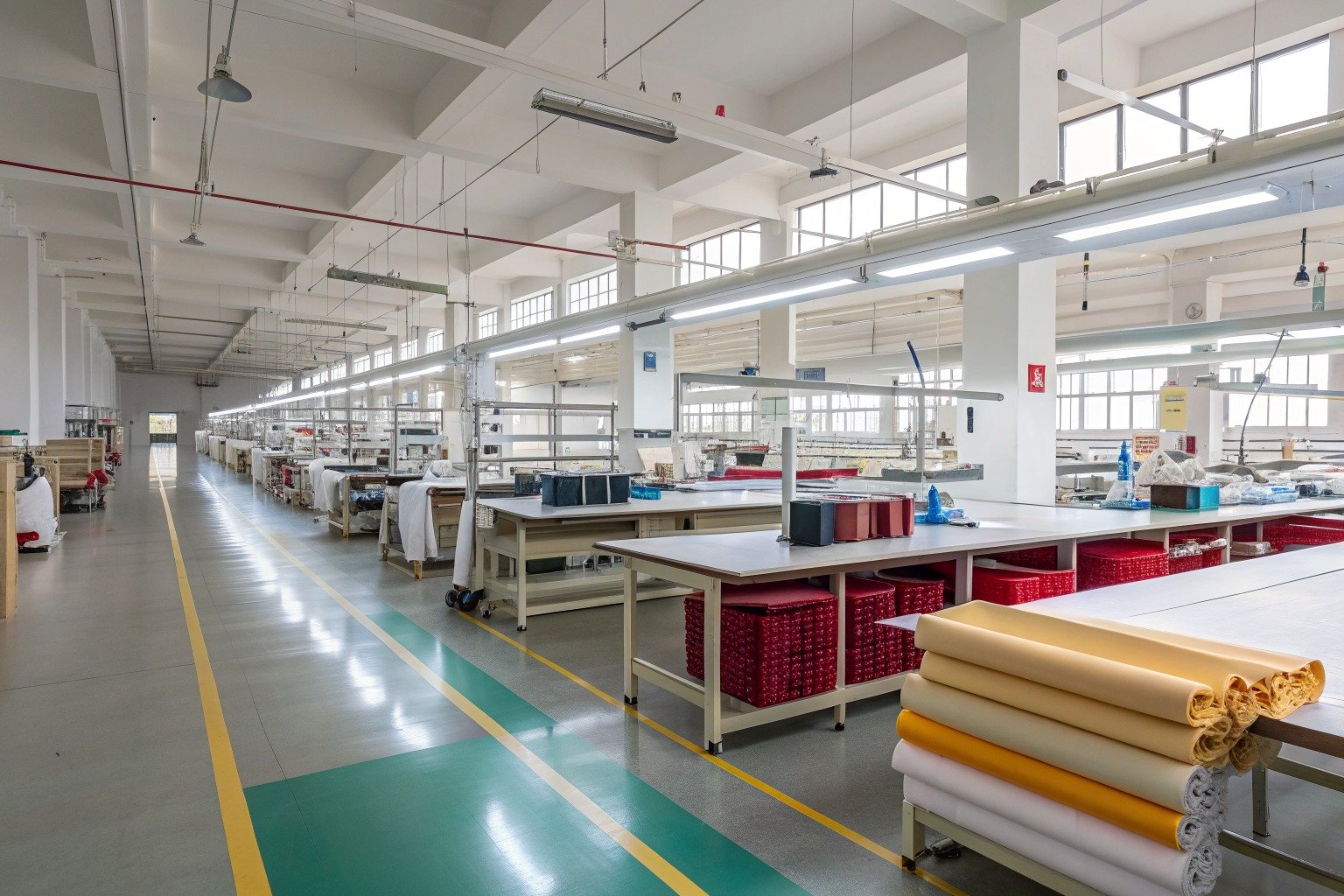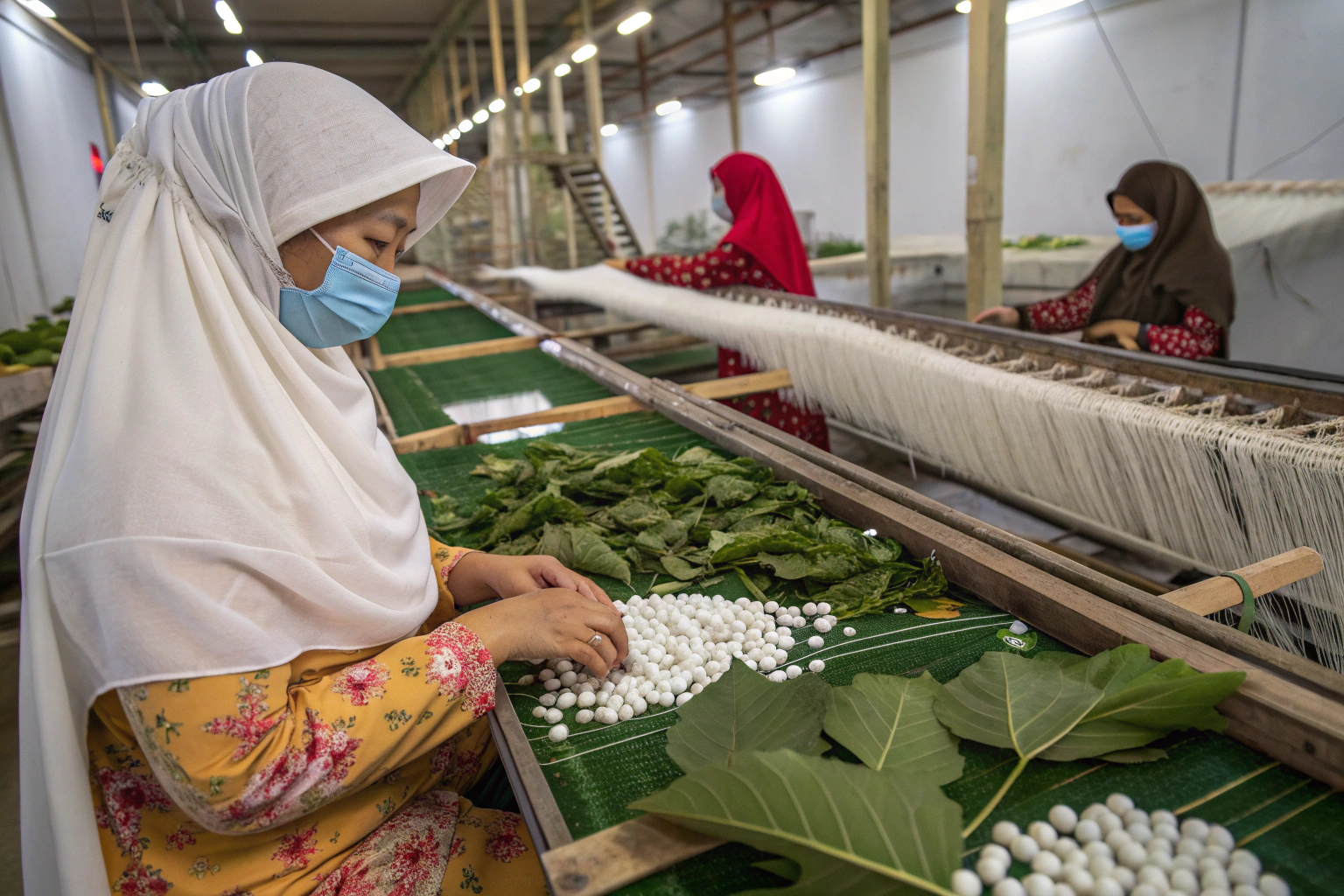
Sourcing silk shawls for luxury retail requires a meticulous approach that balances exceptional quality, artisanal craftsmanship, compelling storytelling, and sophisticated supply chain management. The luxury silk shawl market demands excellence across every touchpoint, from raw material selection to final presentation.
Sourcing luxury silk shawls involves identifying specialized artisans, verifying material authenticity, ensuring ethical production, mastering quality control, and developing compelling product narratives. At AceAccessory, our luxury silk sourcing strategy combines traditional craftsmanship with modern business practices to create shawls that meet the exacting standards of high-end retailers and their discerning customers.
This comprehensive guide outlines the key considerations, processes, and partnerships necessary for successfully sourcing silk shawls that meet luxury retail standards and justify premium positioning.
What Defines Luxury-Grade Silk Shawls?
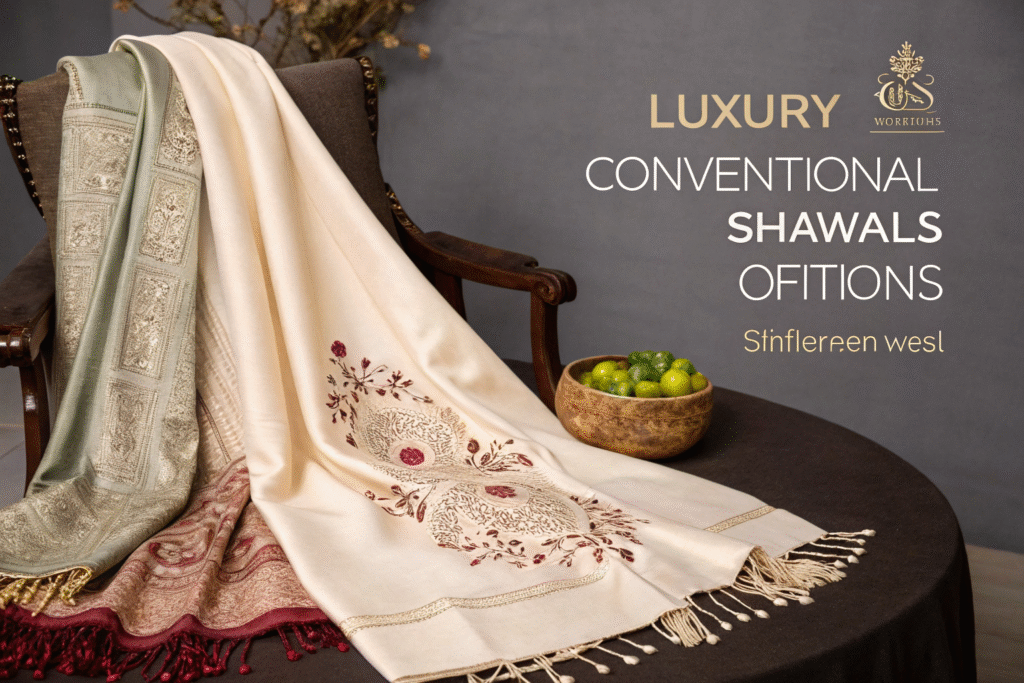
Understanding what distinguishes luxury silk shawls from conventional options is fundamental to effective sourcing. Luxury positioning depends on specific quality markers, craftsmanship standards, and material characteristics that justify premium pricing.
Key luxury differentiators include silk grade authenticity, thread density, craftsmanship complexity, finishing excellence, and heritage credentials. Our luxury silk standards exceed basic industry requirements, focusing on attributes that discerning customers can see and feel.
How to Identify Premium Silk Materials?
Premium silk materials are identified through specific characteristics:
- Mulberry silk (6A grade): Longest filament fibers with consistent diameter and minimal imperfections
- Momme weight: 22-30 momme for optimal drape and durability in shawls
- Natural sheen: Characteristic luminosity that cannot be replicated by synthetics
- Hand feel: Smooth, cool touch with substantial but not heavy weight
Our sourcing specifications require certification from the International Silk Association and verification of momme weight through independent testing. We prioritize silk from established regions like China, India, and Brazil where traditional sericulture practices have been perfected over centuries.
What Craftsmanship Standards Define Luxury?
Luxury craftsmanship standards include:
- Hand-rolled edges: Finished by artisans rather than machines for superior appearance
- Hand-hemming: Invisible stitching that maintains fabric drape
- Artisanal printing/dyeing: Techniques like block printing or hand-painting
- Complex weaving: Jacquard looms or hand-weaving for intricate patterns
Our craftsmanship verification involves factory visits, artisan interviews, and sample testing to ensure each production partner meets our standards for attention to detail and technical execution.
Where to Source Authentic Luxury Silk?
Identifying the right sourcing locations and partners is crucial for obtaining genuine luxury silk shawls. Different regions offer distinct advantages in terms of traditional techniques, material quality, and artisanal expertise.
Prime sourcing locations include specific Chinese provinces, Indian regions with heritage techniques, Italian specialty mills, and emerging luxury producers with unique approaches. Our geographic sourcing strategy leverages the unique strengths of each region while maintaining consistent quality standards.

What Are the Advantages of Different Sourcing Regions?
Key sourcing regions offer distinct advantages:
- Suzhou, China: Excellence in high-momme mulberry silk and embroidery
- Varanasi, India: Mastery of traditional Banarasi weaving and zari work
- Como, Italy: Superior dyeing technology and contemporary design sensibility
- Bhutan: Unique raw silk traditions and natural dye expertise
Our multi-region approach allows us to match specific luxury market segments with appropriate sourcing origins. For example, we source heritage-inspired designs from traditional regions while obtaining fashion-forward pieces from innovative manufacturers.
How to Verify Supplier Credentials and Capabilities?
Supplier verification involves multiple steps:
- On-site facility inspection: Assessing working conditions and equipment quality
- Material traceability: Tracking silk from cocoon to finished product
- Artisan interviews: Understanding skill levels and working conditions
- Sample validation: Testing multiple production batches for consistency
Our supplier qualification process typically takes 3-6 months and includes evaluation of at least 20 production samples across different color ways and design complexities before approving a manufacturing partner.
What Production Techniques Command Luxury Pricing?
Specific production techniques and artisanal methods justify premium pricing in luxury silk shawls. Understanding these techniques helps identify authentic craftsmanship worth the luxury investment.
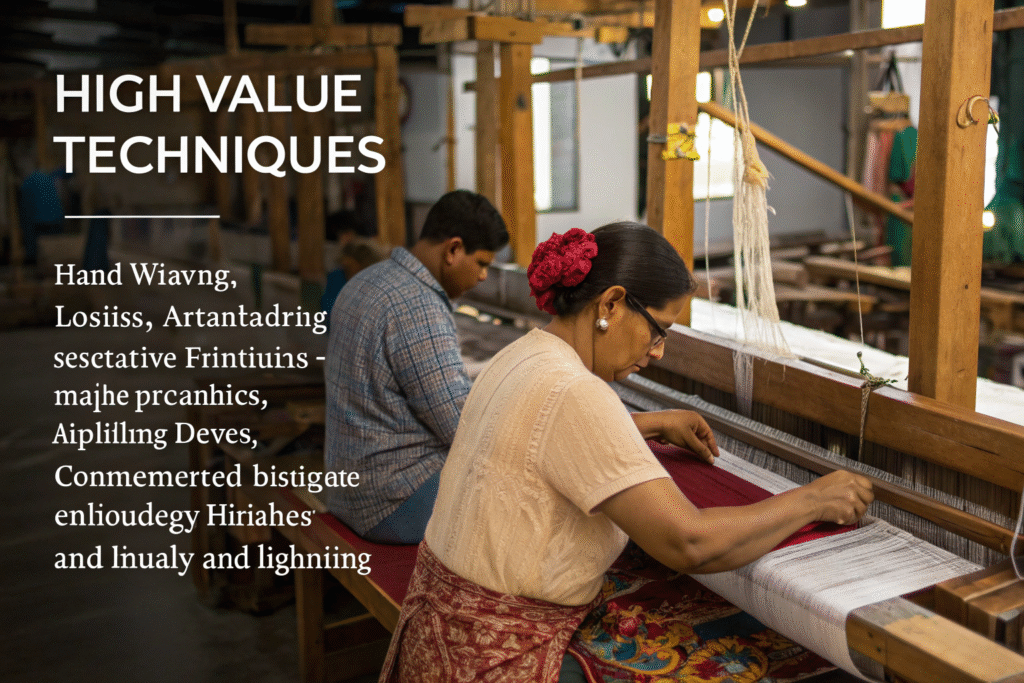
High-value techniques include hand-weaving, artisanal dyeing, intricate embroidery, and specialized finishing. Our production partnerships focus on preserving these traditional methods while ensuring commercial viability and consistent quality.
How Does Hand-Weaving Enhance Value?
Hand-weaving enhances value through:
- Unique imperfections: Slight variations that demonstrate human craftsmanship
- Complex pattern capability: Designs impossible on power looms
- Superior drape: Looser weave structure that moves more fluidly
- Cultural authenticity: Connection to centuries-old traditions
Our hand-woven collections typically involve 2-4 weeks of production per shawl, with artisans working on traditional looms in conditions that preserve both quality and cultural heritage.
What Artisanal Dyeing Methods Add Luxury Appeal?
Artisanal dyeing methods that add luxury appeal include:
- Natural plant dyes: Extracted from roots, leaves, and flowers for subtle color variations
- Shibori techniques: Japanese tie-dye creating unique pattern variations
- Block printing: Hand-carved wooden blocks applying patterns with precision
- Ombré effects: Gradual color transitions achieved through skilled dipping
Our natural dye partnerships include botanical sourcing verification and colorfastness testing to ensure these artisanal techniques meet practical luxury requirements for durability and care.
How to Ensure Consistent Quality Control?
Maintaining consistent quality across luxury silk shawl production requires rigorous inspection protocols, clear standards communication, and continuous monitoring. Quality consistency is non-negotiable in luxury retail environments.
Essential quality control measures include raw material testing, in-process inspections, finished product evaluation, and packaging standards. Our quality management system addresses each production stage with detailed specifications and verification procedures.
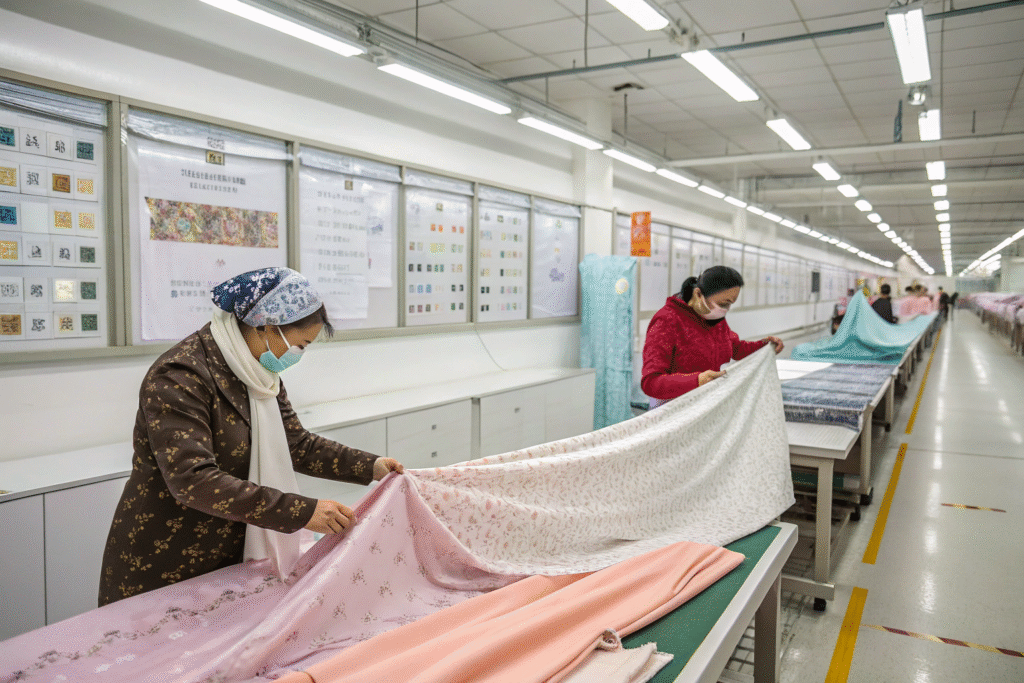
What Inspection Points Are Critical for Luxury Shawls?
Critical inspection points include:
- Raw silk verification: Testing for fiber length, consistency, and purity
- Weaving inspection: Checking for tension consistency and pattern alignment
- Dye lot matching: Ensuring color consistency across production runs
- Finishing examination: Verifying hemming, rolling, and pressing quality
Our inspection protocols involve both human expertise and technological assistance, including digital color matching systems and magnification equipment for stitch density verification.
How to Manage Color and Pattern Consistency?
Managing color and pattern consistency requires:
- Digital color standards: Spectrophotometer verification against approved standards
- Pattern registration checks: Ensuring design alignment across the fabric
- Lighting condition standards: Evaluating products under multiple light sources
- Batch-to-batch comparison: Maintaining reference samples from initial production
Our color management system tracks each production batch against original approvals, with tolerances 50% tighter than conventional textile standards to meet luxury expectations.
What Packaging and Presentation Meet Luxury Expectations?
Packaging and presentation significantly impact luxury perception and must align with the quality of the silk shawls themselves. The unboxing experience contributes substantially to perceived value and brand positioning.
Luxury packaging elements include premium materials, thoughtful design, informative content, and reusable components. Our packaging development focuses on creating an experience that begins before the shawl itself is even visible.
What Packaging Materials Convey Luxury?
Packaging materials that convey luxury include:
- Heavyweight paper stocks: Custom milled with cotton or linen content
- Fabric-lined boxes: Silk or velvet interiors that protect and elevate
- Embossed details: Subtle texture that enhances tactile experience
- Metal hardware: Quality clasps and hinges that function smoothly
Our packaging specifications include FSC-certified papers, acid-free tissue, and custom-designed boxes that become part of the product’s value proposition rather than disposable containers.
How Should Shawls Be Presented at Point of Sale?
Luxury retail presentation should feature:
- Strategic folding: Techniques that showcase pattern and craftsmanship
- Complementary displays: Materials that enhance without overwhelming
- Informative signage: Storytelling about origins and techniques
- Tactile accessibility: Allowing customers to experience the hand feel
Our retail partners receive detailed presentation guidelines, including folding templates and display recommendations that maintain brand standards while accommodating different retail environments.
How to Develop Compelling Product Stories?
Luxury consumers purchase stories as much as products. Developing authentic, compelling narratives around silk shawls enhances perceived value and emotional connection.
Effective storytelling elements include artisan profiles, technique explanations, material origins, and cultural context. Our product development includes dedicated story gathering to support retail sales and marketing efforts.
What Story Elements Resonate with Luxury Consumers?
Story elements that resonate include:
- Artisan backgrounds: Personal stories of the people creating the products
- Technique heritage: Historical context of production methods
- Material journey: Traceability from raw material to finished product
- Cultural significance: Meaning behind patterns and design elements
Our storytelling includes documentary photography, artisan interviews, and region-specific context that helps retailers communicate value beyond the physical product.
Conclusion
Sourcing silk shawls for luxury retail requires a comprehensive approach that addresses material quality, artisan craftsmanship, consistent production standards, sophisticated presentation, and compelling storytelling. The most successful luxury silk programs combine authentic traditional techniques with modern business practices, creating products that justify premium positioning through genuine quality and meaningful narratives. By developing deep partnerships with specialized producers, implementing rigorous quality control, and supporting products with authentic stories, retailers can build successful luxury silk shawl collections that meet the expectations of discerning customers.Learn more shanghaifumaoclothing.
If you’re looking to develop or source luxury silk shawls for your retail business, we invite you to contact our Business Director, Elaine. She and our AceAccessory team specialize in connecting luxury retailers with exceptional silk producers and developing complete product programs that meet luxury market standards. Reach out to Elaine at: elaine@fumaoclothing.com.