Shawl customization represents a significant opportunity for brands to offer personalized products that command premium pricing while fostering deeper customer connections. Through our development of customization systems for various accessory brands, we’ve established comprehensive frameworks for implementing scalable yet personalized shawl experiences.
Implementing shawl customization requires developing modular design systems, creating intuitive digital interfaces, establishing efficient production workflows, managing material logistics for customization, and building marketing strategies that communicate the value of personalized accessories.This integrated approach transforms standard shawl offerings into platforms for individual expression.
Successful customization balances creative freedom with production feasibility, offering meaningful personalization options without creating operational complexity. Let’s examine the specific implementation strategies for effective shawl customization.
How to structure modular design systems for customization?
Modular design forms the foundation of scalable customization, breaking shawls into components that can be varied without complete redesign. This systematic approach enables personalization while maintaining design coherence and production efficiency.
Strategic modularity identifies which elements deliver the strongest perceptual impact when customized while remaining technically feasible to produce individually.
What shawl components are ideal for customization?
Different shawl elements offer varying opportunities for personalization based on their visual impact and production complexity. We’ve identified border treatments as the highest-impact customization point, allowing personalization of the most visible shawl area without affecting the entire piece. Color fields within structured patterns enable color personalization while maintaining design integrity. Embellishment placement provides focal point customization through strategic application of embroidery, beading, or appliqué. Size proportions allow wearers to adjust shawl dimensions for different styling preferences and body types. The most effective modular systems offer tiered customization with simple options for casual customers and more complex combinations for enthusiasts seeking deeper personalization.
How do design parameters ensure aesthetic coherence?
Unconstrained customization can produce visually chaotic results that undermine brand identity. We implement curated choice architectures that present compatible options rather than unlimited possibilities. Color relationship rules ensure selected colors work harmoniously regardless of combination. Scale and proportion guidelines maintain visual balance across different customization selections. Pattern compatibility systems prevent clashing motifs or textures. The most sophisticated approaches use algorithmic design validation that automatically suggests adjustments when selections create visual discord, guiding customers toward successful combinations rather than simply executing problematic requests.
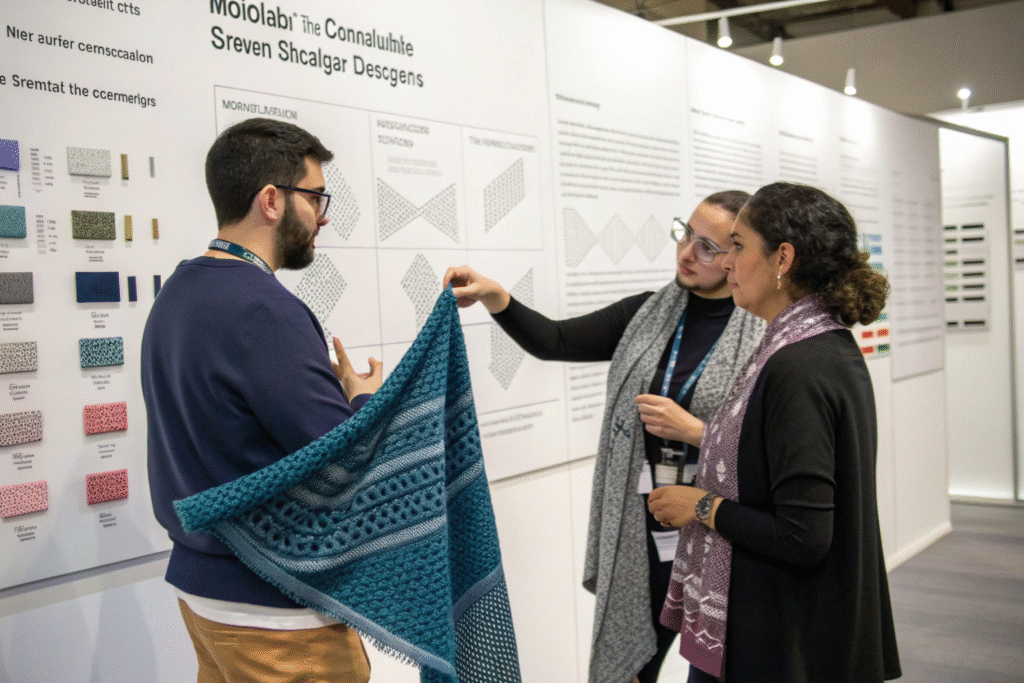
What digital tools enable intuitive customization experiences?
The customization interface significantly influences customer satisfaction and conversion rates by making personalization feel accessible rather than overwhelming. Digital tools must balance creative freedom with guided decision-making.
Effective customization platforms transform technical possibilities into enjoyable creative experiences that customers can navigate successfully.
What visualization technologies build customer confidence?
Accurate previews are essential for customization, as customers cannot evaluate personalized products physically before purchase. We implement real-time 3D rendering that shows shawls from multiple angles with accurate material drape and lighting. Augmented reality try-on allows customers to visualize customized shawls over their outfits using smartphone cameras. Fabric simulation engines that accurately represent how different materials will hang and move. Contextual styling suggestions that show customized shawls in various wearing situations. The most advanced systems incorporate personalization memory that learns from customer interactions to suggest options aligned with their demonstrated preferences.
How do configuration interfaces guide successful choices?
The user interface design significantly impacts whether customers complete customization processes. We develop progressive disclosure systems that introduce options gradually rather than presenting all choices simultaneously. Visual preference profiling that uses image selections to determine customer style preferences before showing customization options. Confidence indicators that show how frequently particular combinations are chosen by other customers. Expert curation layers that offer pre-designed combinations for customers who feel overwhelmed by options. The most effective interfaces balance creative exploration with decision support, making customization feel both expansive and manageable.

How to establish efficient customization production workflows?
Customization introduces production complexities that standard manufacturing workflows cannot efficiently handle. Successful implementation requires reengineering production processes specifically for variable output while maintaining quality and timeliness.
Streamlined customization workflows balance flexibility with efficiency through strategic process design and technology integration.
What production models efficiently handle customization?
Different customization approaches require distinct production strategies. We’ve implemented postponement manufacturing where shawls remain undifferentiated until customer orders specify personalization details. Modular assembly systems that combine pre-produced components according to customer specifications. Digital fabrication integration using technologies like digital printing and automated embroidery that can vary output without retooling. Hybrid approaches that combine efficient standard production for common elements with custom work for personalized details. The most efficient models identify customization boundaries that define which variations can be accommodated without unacceptable cost or time implications.
How does inventory management support customization?
Customization transforms inventory requirements from finished goods to components and materials. We’ve developed demand forecasting for components rather than finished products, requiring different analytical approaches. Strategic safety stock of customization elements with long lead times to prevent delays. Dynamic replenishment systems that trigger component orders based on customization demand patterns. Material optimization across variations that utilizes remnant materials from one customization for elements of another. The most sophisticated inventory approaches treat customization components as a portfolio with different management strategies based on their variability, cost, and lead time characteristics.

How to manage material logistics for customization?
Material availability and handling present significant challenges in customization systems where demand for specific combinations is unpredictable. Strategic material management ensures customization options remain available without excessive inventory costs.
Effective material logistics create flexibility for customers while maintaining operational feasibility for manufacturers.
What sourcing strategies support customization variability?
Customization requires material sourcing approaches that differ from standard production. We’ve implemented supplier partnerships for low-minimum orders that enable access to diverse materials without large commitments. Material platform strategies that base customization on a curated set of materials with reliable availability. Pre-production material testing to verify compatibility before offering customization options. Strategic material overlapping where the same materials support multiple customization options to increase utilization. The most resilient sourcing approaches include alternative material mapping that automatically suggests equivalent alternatives when preferred materials become unavailable.
How does material handling adapt to customization scale?
Physical material management requires different approaches when producing varied rather than identical products. We’ve developed digital material tracking that associates physical materials with digital customization options in real-time. Kitting workflows that gather customization components efficiently before production begins. Remnant management systems that track and utilize leftover materials from custom orders. Quality assurance protocols for customized components that verify specifications before assembly. The most efficient material handling treats each customization as a project with defined material requirements rather than applying standard material management approaches.

How to market customization value effectively?
Customization must be presented in ways that help customers understand its value and navigate the decision process. Marketing strategies should emphasize the emotional and practical benefits of personalization while making the process feel accessible.
Effective customization marketing transforms the perceived nature of shawls from inventory products to personal creations.
What messaging communicates customization benefits?
Customers need help understanding why customization justifies often-higher prices and longer wait times. We develop benefit-focused messaging that emphasizes emotional outcomes like self-expression and uniqueness rather than just technical customization features. Storytelling around customization that highlights the creative process and personal significance. Social proof demonstrations showing how other customers use and value their customized shawls. Value justification frameworks that help customers understand what they’re receiving for premium pricing. The most compelling messaging positions customization as access to creativity rather than just product variation.
How does presentation enhance perceived value of customization?
The way customized shawls are presented significantly influences perceived value. We implement customized packaging that continues the personalization theme through the unboxing experience. Personalized documentation that tells the story of the specific shawl’s creation. Digital content creation that shows customers’ customized shawls in styled contexts before shipping. Care instructions tailored to customization elements that demonstrate ongoing attention to the specific piece. The most value-enhancing presentations make customers feel they’ve participated in creation rather than just configuring a product.

Conclusion
Implementing shawl customization requires integrated attention to modular design systems, digital tools, production workflows, material logistics, and marketing strategies. The most successful customization programs balance creative freedom with operational feasibility, offering meaningful personalization that customers value while maintaining efficient production. This balanced approach transforms shawls from standard inventory items into platforms for personal expression that command premium pricing and foster stronger customer relationships.
If you’re looking to implement shawl customization for your brand, we invite you to contact our Business Director, Elaine. Our experience developing customization systems can help you create a successful personalized shawl program. Reach her at: elaine@fumaoclothing.com.