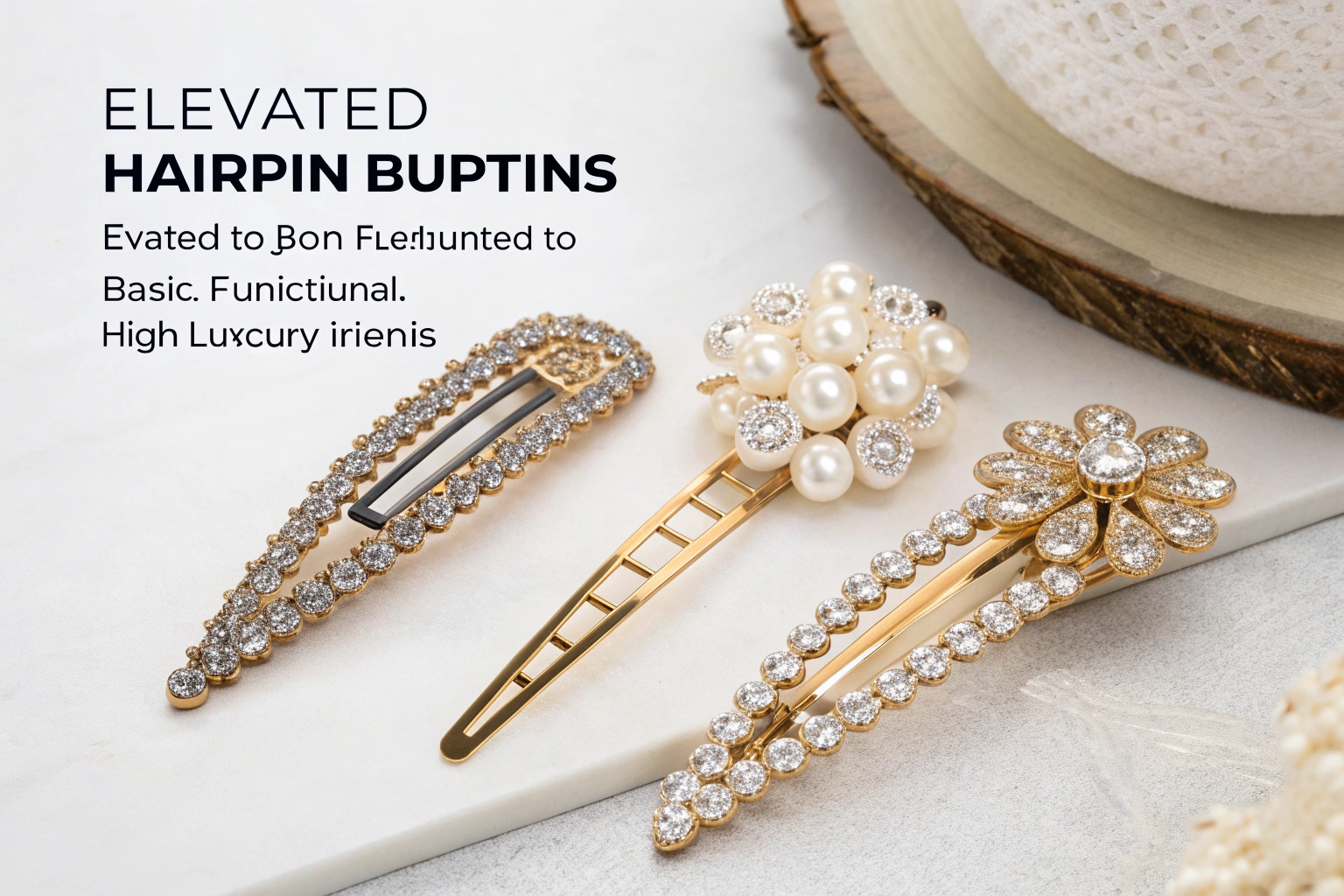
Elevating hairpins from basic functional items to premium accessories requires a multifaceted approach addressing materials, craftsmanship, design sophistication, and perceived value. Through our experience developing hairpin collections across market segments, we’ve identified specific strategies that systematically enhance both quality and grade while maintaining commercial viability.
Improving hairpin quality and grade involves upgrading materials to premium alternatives, refining manufacturing processes for precision and durability, incorporating sophisticated design elements, enhancing functional performance, and developing compelling brand storytelling that justifies elevated positioning.This comprehensive approach transforms ordinary hairpins into desirable accessories that command higher price points and consumer loyalty.
Quality improvements address tangible product attributes, while grade elevation influences perceived value and market positioning. Let’s examine the specific strategies that achieve both objectives simultaneously.
How can material upgrades transform hairpin quality?
Material selection forms the foundation of hairpin quality, influencing everything from aesthetic appeal to functional performance and longevity. Strategic material upgrades create immediate perceptual and tangible quality improvements.
Premium materials not only enhance user experience but also communicate value through tactile and visual cues.
What metal alternatives offer superior performance and appearance?
Standard base metals often undermine hairpin quality through corrosion, bending, and cheap appearance. We’ve implemented surgical-grade stainless steel for structural components that provides exceptional strength, corrosion resistance, and hypoallergenic properties. Brass with premium plating offers weight and substance that feels luxurious while allowing diverse finish options. Titanium implementations provide strength-to-weight advantages particularly valuable in larger hairpins. The most significant quality transformation comes from solid sterling silver and gold vermeil options that elevate hairpins into fine jewelry territory while maintaining functional durability. These metal upgrades immediately communicate higher grade through weight, finish quality, and material authenticity.
How do innovative non-metal materials enhance quality?
Beyond metals, material innovations significantly impact hairpin quality and perception. Engineered polymers with metal-like appearance but superior flexibility prevent the breakage common in cheap plastics. Natural material incorporation including sustainably sourced wood, bone, and stone creates unique aesthetic appeal with inherent variation that signals craftsmanship. Composite material systems that combine structural rigidity with surface elegance allow optimal performance characteristics in different hairpin areas. The most sophisticated material approaches create coherent material stories where all components feel intentionally selected rather than defaulting to industry standards.
What manufacturing refinements elevate hairpin quality?
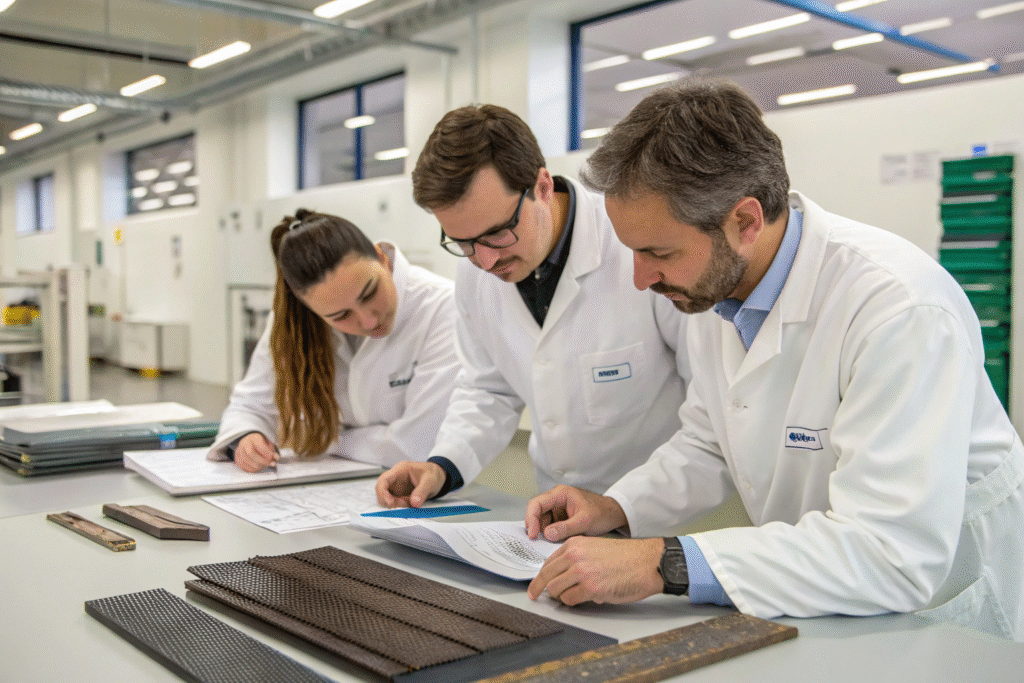
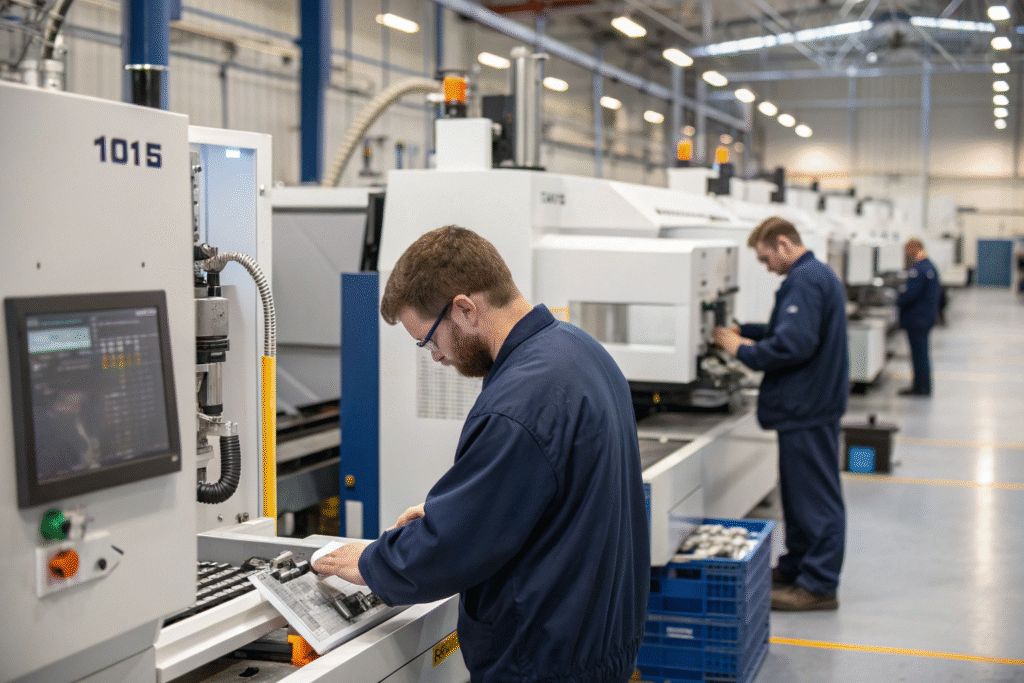
Precision manufacturing transforms good designs into premium products through consistency, refinement, and attention to detail often missing from mass-produced hairpins. Manufacturing excellence ensures design intent translates faithfully into finished products.
Advanced manufacturing approaches eliminate the imperfections and inconsistencies that undermine perceived quality.
How does precision engineering improve functional performance?
Hairpin functionality depends significantly on manufacturing precision that standard production often overlooks. We’ve implemented tension calibration systems that ensure consistent holding power across production batches. Surface refinement processes eliminate microscopic burrs and sharp edges that can catch and damage hair. Tip engineering that balances secure hold with easy insertion through precisely calculated tapers and finishes. Joint reinforcement at stress points that prevents failure during use. The most significant functional improvements come from application-specific engineering that optimizes hairpins for different hair types and styles rather than one-size-fits-all approaches.
What finishing techniques communicate luxury quality?
Surface treatments and finishes significantly influence perceived quality through visual and tactile cues. Multi-stage polishing creates deep, reflective surfaces that cheap alternatives cannot replicate. Specialized plating techniques including physical vapor deposition (PVD) create durable, consistent finishes that resist wear. Hand-applied patinas on appropriate metals create unique surface character that signals artisanal attention. Protected decorative elements that prevent stone loss, enamel chipping, or plating wear at high-contact areas. The most effective finishing approaches create coherent visual language across all hairpin components, ensuring that even unseen areas reflect the same quality standards as visible surfaces.
How does design sophistication elevate hairpin grade?
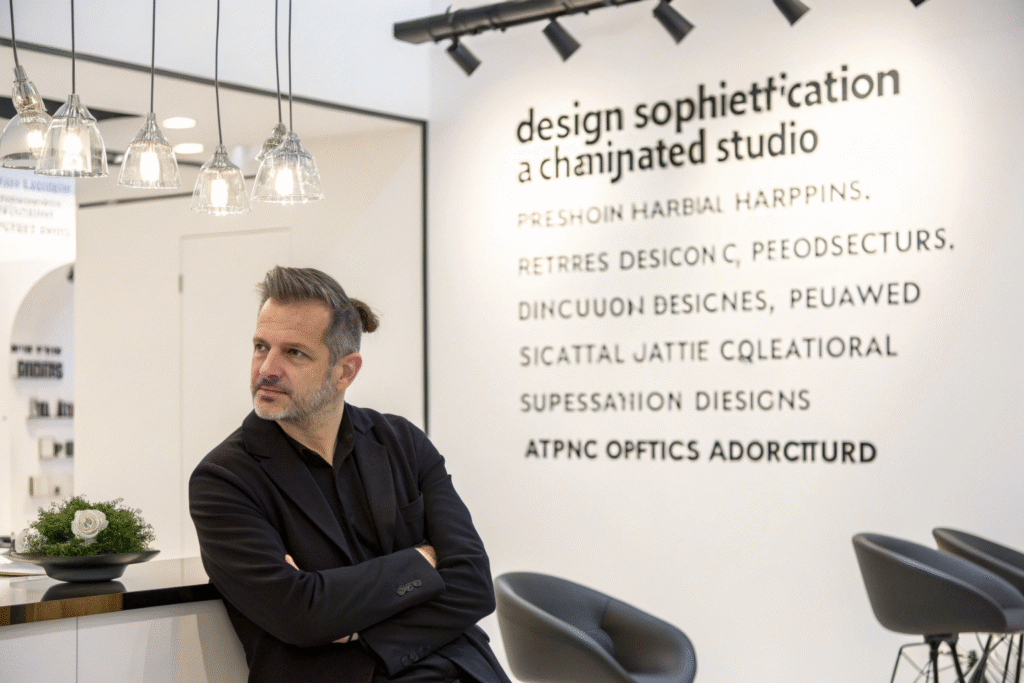
Beyond materials and manufacturing, design intelligence separates premium hairpins from basic alternatives. Sophisticated design considers aesthetic appeal, functional performance, and emotional resonance simultaneously.
Design excellence transforms hairpins from mere utilitarian objects into desirable accessories with inherent value.
What architectural principles enhance both form and function?
Structural design decisions significantly impact both aesthetic appeal and practical performance. We’ve developed ergonomic profiling that follows head contours for secure, comfortable wear. Weight distribution optimization that positions mass for balance rather than simple symmetry. Visual proportion systems based on classical principles rather than arbitrary dimensions. Strategic flexibility that provides necessary give without compromising structure. The most sophisticated designs implement biomimetic principles inspired by natural forms that have evolved efficient structural solutions, creating hairpins that feel intuitively right in both hand and hair.
How do decorative elements communicate refined aesthetics?
Decoration must enhance rather than overwhelm a hairpin’s design integrity. We implement integrated ornamentation where decorative elements serve structural or functional purposes rather than existing as mere appliqué. Scale-appropriate detailing that remains visually effective when viewed from both near and far. Contextual references that connect hairpins to broader fashion, architectural, or artistic movements. Restrained color palettes that create sophistication through harmony rather than novelty. The most elevated decorative approaches feel inevitable rather than applied, as if the decoration emerged naturally from the hairpin’s fundamental form and purpose.
What functional enhancements justify premium positioning?
Superior performance provides tangible justification for higher grade positioning, transforming hairpins from decorative items into genuinely useful tools that solve hair styling challenges effectively.
Functional excellence creates practical value that supports emotional desire and perceived worth.
How does hair-friendly engineering improve user experience?
Standard hairpins often damage hair through poor design decisions. We’ve developed seamless transition zones that eliminate catching points where hair can snag and break. Surface energy optimization that creates the right balance between grip and slip for different hair types. Tension graduation that distributes holding force evenly rather than concentrating it at specific points. Insertion guidance features that help users position hairpins correctly without trial and error. The most user-centered designs undergo extensive wear testing across different hair types, textures, and styles to identify and eliminate potential functional shortcomings.
What innovative mechanisms enhance practical performance?
Beyond basic form improvements, mechanical innovations can significantly enhance hairpin functionality. Variable tension systems that allow users to adjust holding power based on hairstyle and hair type. Secure closure mechanisms that prevent accidental opening while remaining easy to operate intentionally. Multi-orientation designs that work effectively in multiple positions rather than a single specific orientation. Magnetic assistance that provides helpful positioning guidance without complicating operation. The most valuable functional innovations address genuine user frustrations identified through research rather than creating unnecessary complexity for its own sake.
How does brand storytelling elevate perceived grade?
The narrative surrounding hairpins significantly influences their perceived value and grade positioning. Compelling storytelling transforms hairpins from commodities into meaningful objects with cultural and emotional resonance.
Strategic brand development creates context that justifies premium positioning and fosters emotional connections.
What authenticity markers build brand credibility?
Genuine brand stories create perceived value that cannot be replicated through product features alone. We develop heritage narratives that connect contemporary designs to meaningful traditions or historical references. Artisan partnerships that highlight specific skills or cultural practices embodied in the hairpins. Material provenance stories that trace components to their ethical and geographical origins. Process transparency that reveals the care and attention invested in each hairpin. The most compelling authenticity markers feel organic rather than contrived, emerging naturally from the brand’s actual practices and values rather than being manufactured for marketing purposes.
How does packaging and presentation communicate grade?
The unboxing experience significantly influences initial quality perceptions and ongoing brand relationship. We implement substantial packaging with appropriate weight and materials that signals value before the hairpin is even visible. Functional storage solutions that become part of the product experience rather than disposable containers. Educational components that help users appreciate subtle quality features they might otherwise overlook. Tactile delights through materials, openings, and reveals that create memorable moments. The most effective packaging approaches extend the brand experience beyond the product itself, creating comprehensive luxury experiences that justify premium positioning.
Conclusion
Improving hairpin quality and grade requires simultaneous attention to materials, manufacturing, design, functionality, and brand storytelling. The most successful transformations address all these dimensions cohesively, creating products where superior tangible quality supports elevated market positioning through demonstrable excellence. This comprehensive approach enables hairpins to transcend their utilitarian origins and become meaningful accessories that command premium prices while delivering genuine satisfaction through both ownership and use.
If you’re looking to systematically improve the quality and grade of your hairpin collections, we invite you to contact our Business Director, Elaine. Our experience across materials, manufacturing, design, and branding can help you develop hairpins that successfully compete in premium markets. Reach her at: elaine@fumaoclothing.com.