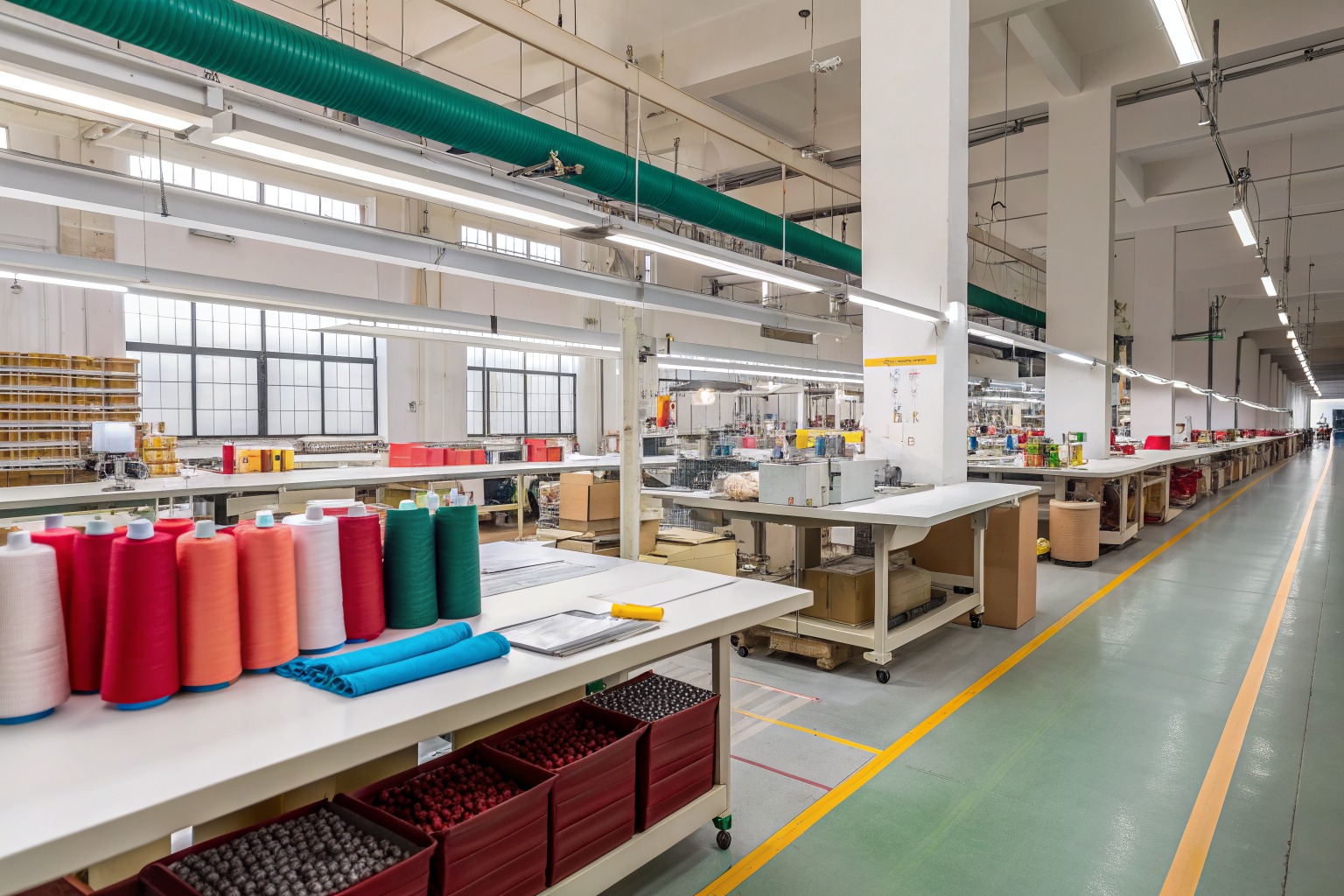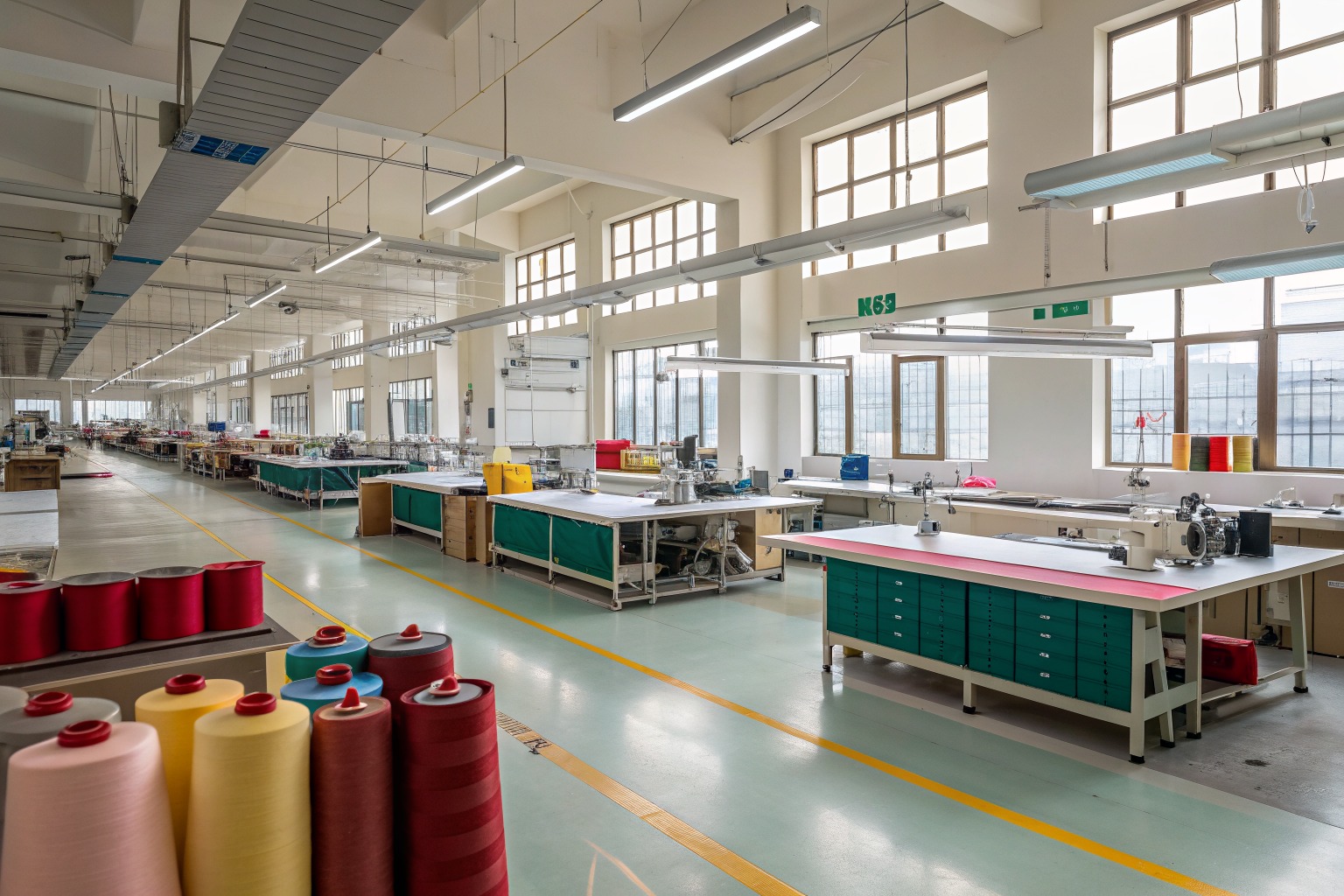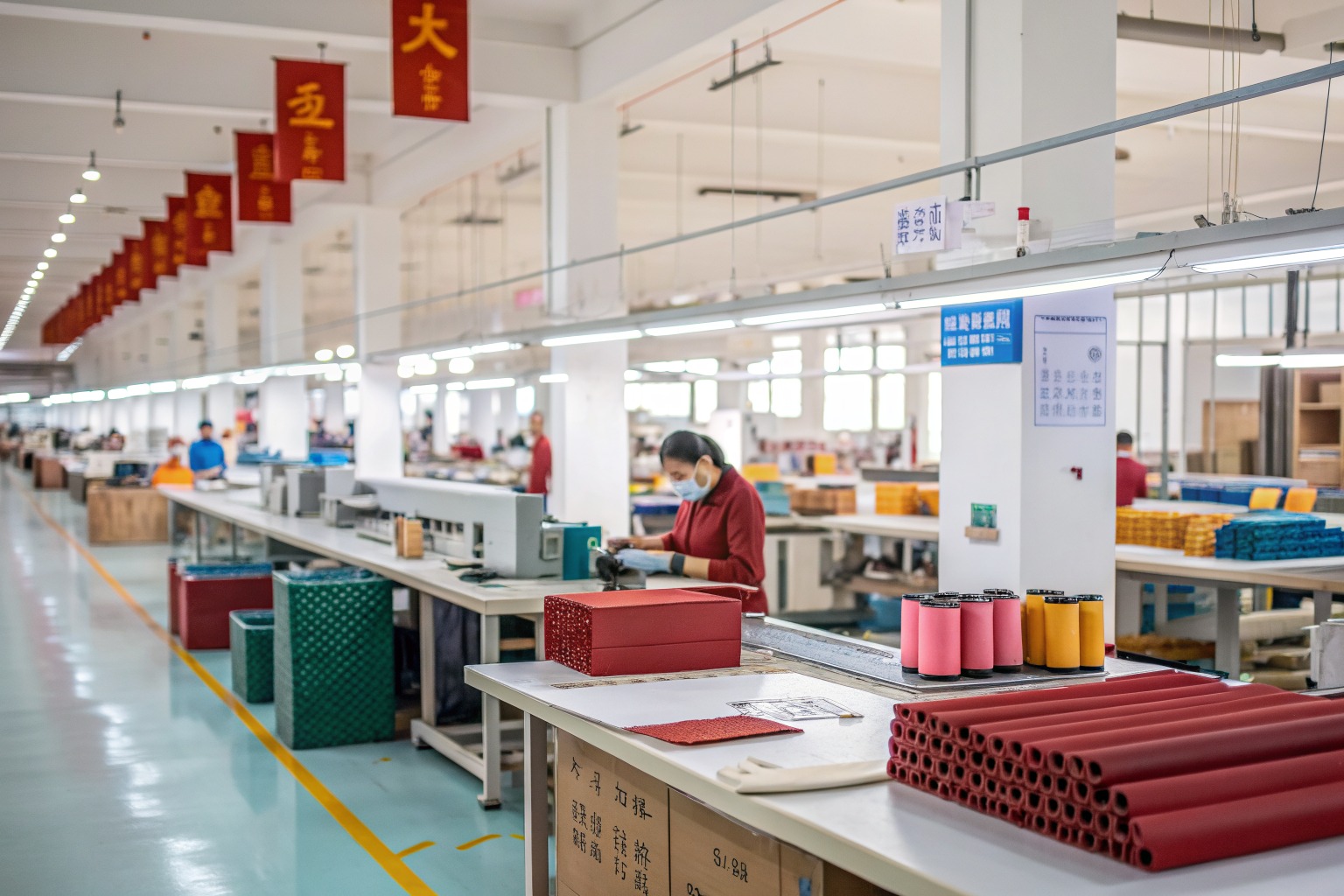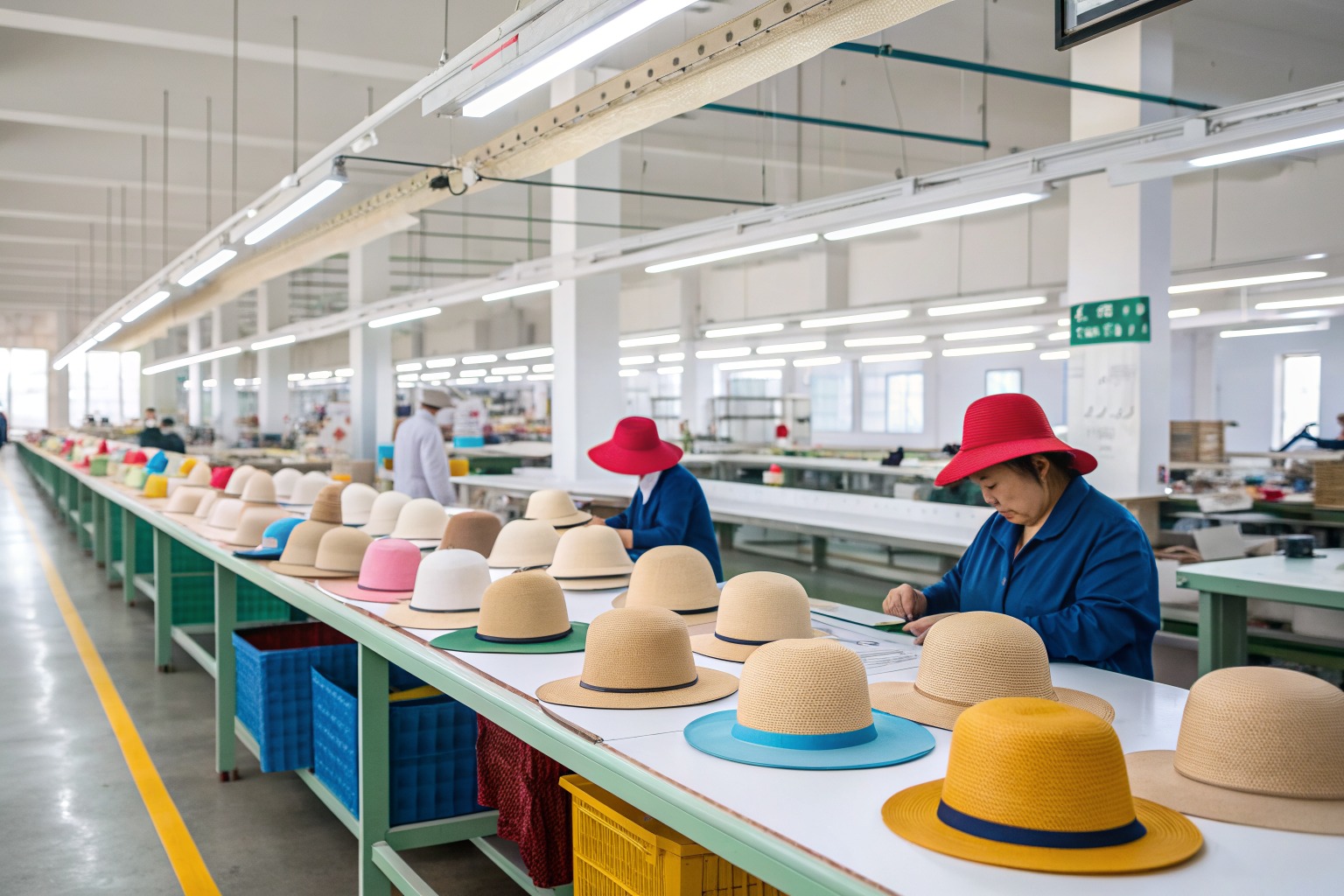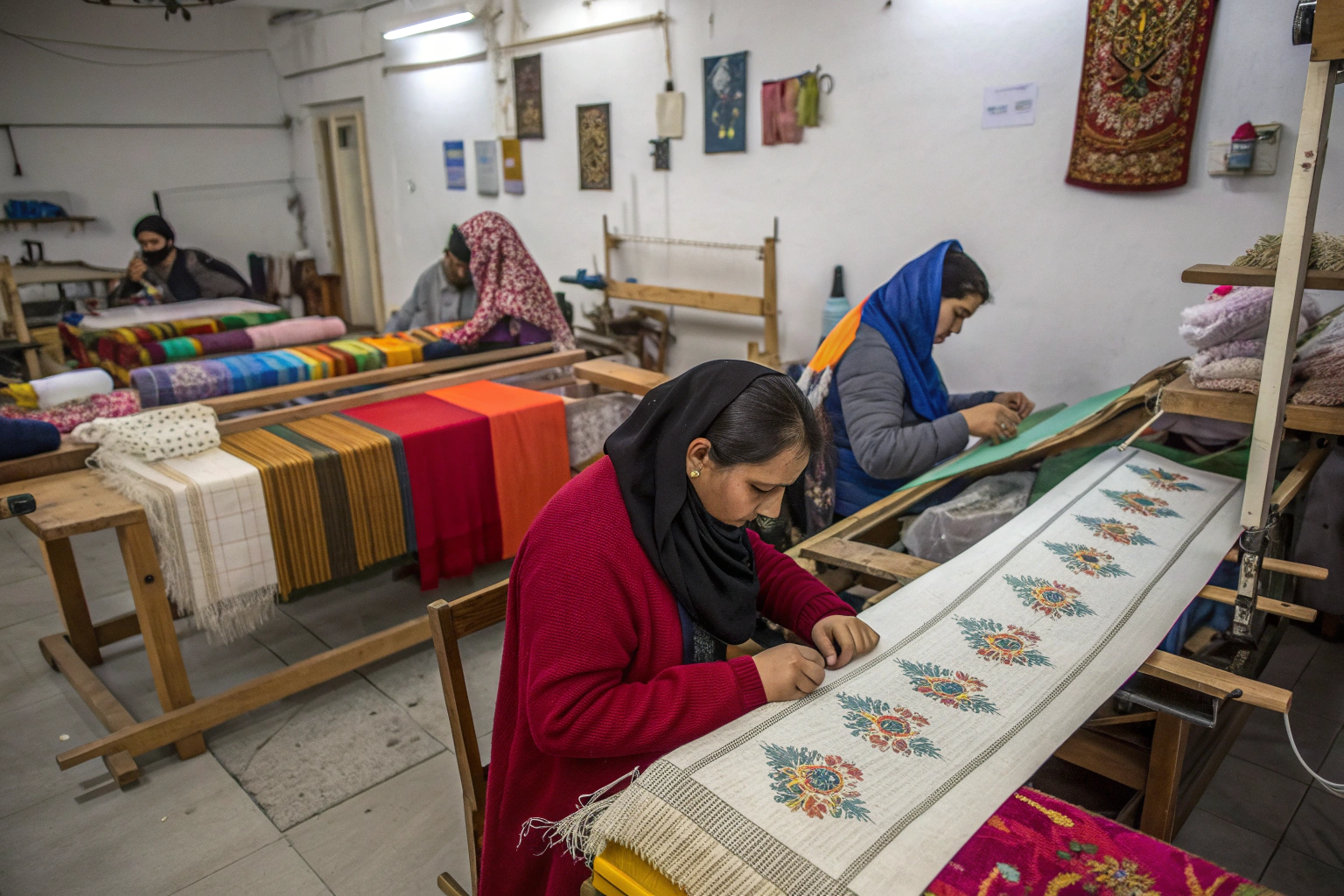
Incorporating handcraft details transforms mass-produced shawls into distinctive, luxury accessories that convey artistry and individuality. Through our collaborations with artisans and development of handcraft techniques for production, we’ve systematized approaches to integrating handmade elements that elevate shawl designs while maintaining feasibility for larger collections.
Adding handcraft details to a shawl involves selecting appropriate techniques that complement the base fabric, strategically placing decorative elements to enhance drape and wearability, balancing handmade touches with production realities, and ensuring these details reinforce rather than overwhelm the shawl’s design narrative.This careful integration creates pieces that feel personally touched while remaining commercially viable.
Handcraft details should feel intentional and integrated rather than applied as afterthoughts. Let’s explore specific techniques and strategies for enhancing shawls with artisanal touches.
What embroidery techniques enhance shawl aesthetics?
Embroidery represents one of the most versatile methods for adding handcraft details, offering endless possibilities for color, texture, and pattern. Different embroidery techniques create distinct visual and tactile effects that can transform simple shawls into heirloom-quality pieces.
Strategic embroidery application considers both aesthetic impact and practical concerns like drape, weight, and care requirements.
How does surface embroidery create decorative focus?
Surface embroidery sits atop the fabric rather than integrating into its structure, making it ideal for adding decorative elements to finished shawls. We utilize crewel embroidery using wool yarns on wool or blend shawls to create raised, textural patterns with traditional appeal. Goldwork techniques incorporate metallic threads and elements for luxury emphasis, particularly effective on evening shawls. Silk ribbon embroidery creates dimensional floral motifs that move with the fabric, adding delicate texture. The most effective surface embroidery respects the shawl’s drape by concentrating detailed work in areas that won’t affect how the fabric falls—perhaps along edges or in structured border designs rather than across the entire field.
What counted-thread techniques integrate pattern into fabric?
Counted-thread embroidery works with the fabric’s weave structure, creating integrated patterns that feel inherent to the material. Cross-stitch embroidery builds geometric or figurative patterns that reference folk art traditions, particularly effective on evenly-woven shawls. Blackwork techniques create intricate monochromatic patterns with varying densities that play with transparency and opacity. Assisi embroidery uses negative space to define patterns, creating visual interest without heavy stitching that might stiffen the fabric. These techniques work particularly well on shawls with simple weaves where the embroidery can become a focal point without competing with complex base fabrics.

How can fringe and edge treatments transform shawls?
The edges of a shawl present significant opportunities for handcraft enhancement through specialized finishing techniques. Edge treatments frame the shawl, direct attention to the wearer’s face, and create movement that enhances the wearing experience.
Strategic edge work balances decorative impact with practical considerations like durability and care.
What hand-knotted fringe techniques add luxury appeal?
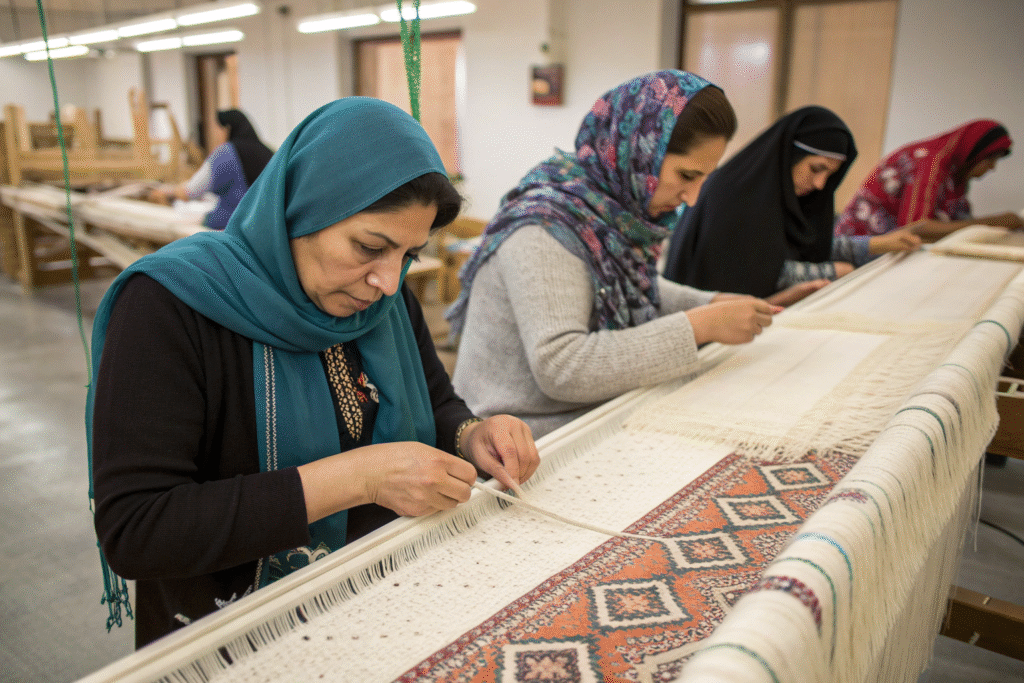
Machine-made fringe often appears uniform and impersonal, while hand-knotted variations introduce artisanal quality. We implement macramé-inspired knotting that creates intricate patterns along the shawl edge, with complexity levels ranging from simple repeated knots to elaborate pictorial designs. Beaded fringe incorporates hand-strung beads that catch light and create subtle sound with movement. Mixed-material tassels combine various yarns, threads, and sometimes natural elements like feathers or semi-precious stones for unique endpoints. The most effective fringe treatments consider weight distribution to ensure the shawl drapes properly rather than being pulled out of shape by heavy edge details.
How do hand-rolled edges demonstrate quality craftsmanship?
The manner in which raw edges are finished significantly influences a shawl’s perceived quality. Hand-rolled hemstitching creates nearly invisible edges that allow the fabric to flow without bulky seams. Hand-picked stitching produces tiny, almost imperceptible stitches that demonstrate extraordinary attention to detail. Blanket stitching in contrasting or complementary threads creates decorative reinforcement along edges, particularly effective on wool and felted shawls. These edge treatments require significant hand labor but create finishes that machines cannot replicate, signaling premium quality to discerning customers.
What fabric manipulation techniques create texture?
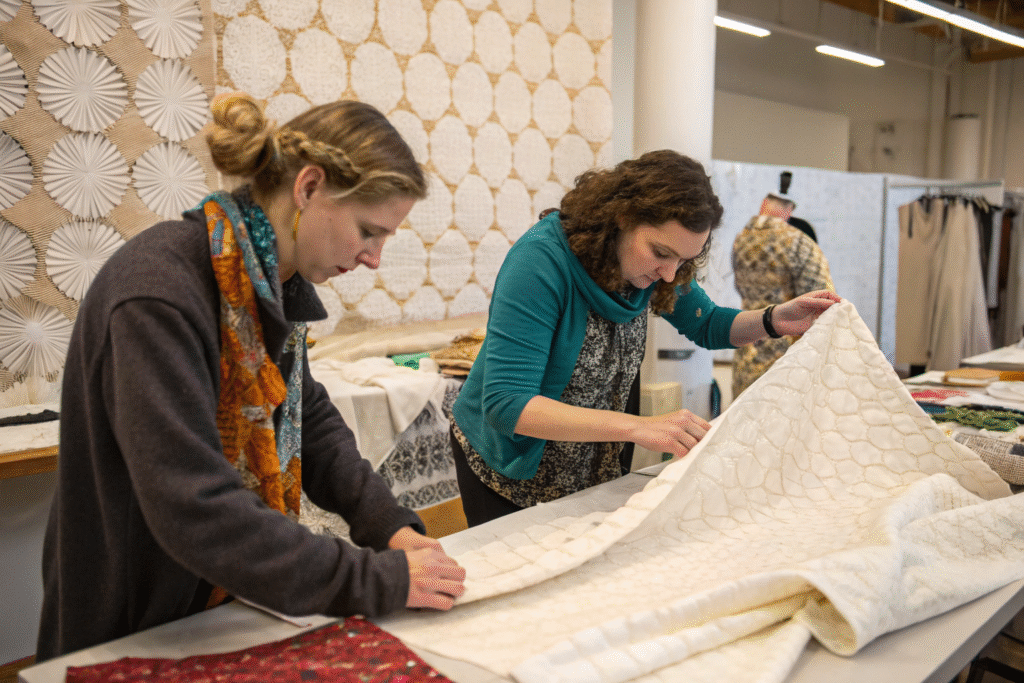
Beyond applied decorations, manipulating the shawl fabric itself creates texture and dimension through handcraft techniques. These approaches transform flat textiles into tactile experiences that engage multiple senses.
Fabric manipulation respects the base material’s properties while enhancing its visual and physical presence.
How does smocking create structured texture?
Smocking gathers fabric into regular patterns that create flexible texture and controlled fullness. We adapt English smocking to create geometric patterns that play with light and shadow across the shawl surface. Honeycomb smocking produces cellular textures that expand and contract with movement, particularly effective on lightweight shawls where this movement creates dynamic visual interest. Surface smocking adds texture to portions of the shawl without significant gathering, creating focal points without adding bulk. These techniques work best on shawls with some body rather than ultrasoft drapey fabrics that won’t hold the structured patterns.
What appliqué and reverse appliqué techniques add dimension?
Appliqué layers fabrics to create dimensional designs, while reverse appliqué reveals lower layers through cutouts. Felted wool appliqué adds textural contrast to woven shawls, with hand-cut shapes creating organic, slightly irregular forms that signal handmade quality. Reverse appliqué involves stitching multiple layers then cutting away portions to reveal colors and textures beneath, creating complex visual effects through relatively simple techniques. Fabric collage appliqué combines numerous small fabric pieces into intricate designs, particularly effective for pictorial or highly detailed patterns. These techniques allow for bold designs that would be difficult to achieve through embroidery or printing alone.
How do dyeing and painting techniques create unique effects?
Adding color by hand creates variations and effects impossible to achieve through industrial dyeing processes. These techniques transform shawls into wearable art while maintaining the practicality of textile accessories.
Hand-color techniques range from subtle enhancements to bold artistic statements.
What hand-painting methods personalize shawls?
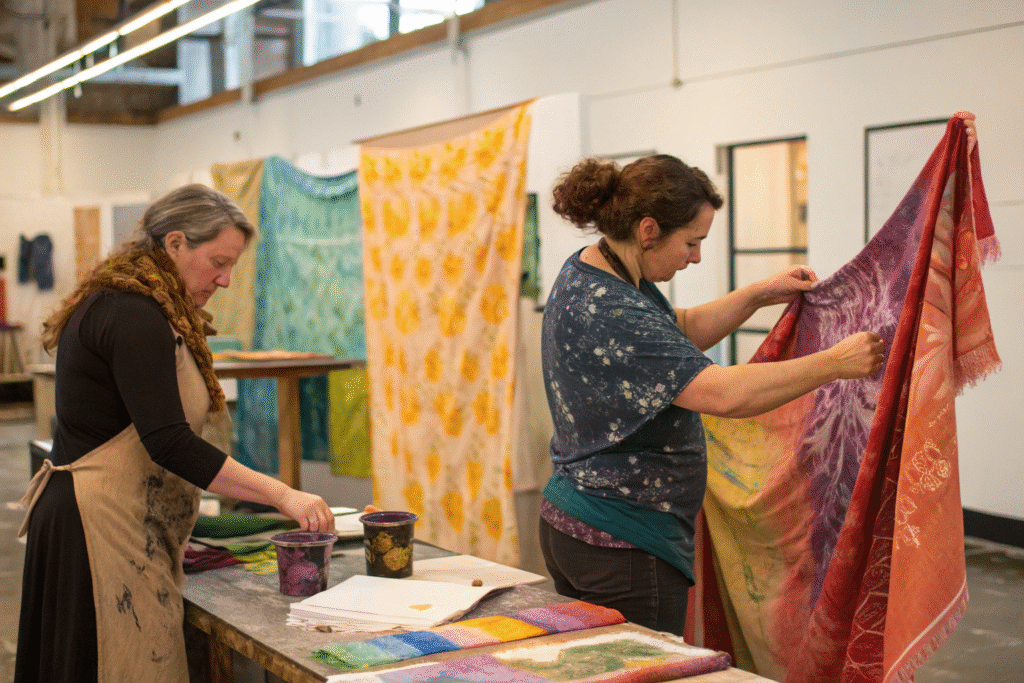
Direct application of color to shawl surfaces creates truly unique pieces with artistic flair. Silk painting with specialized dyes creates flowing, translucent color effects particularly suited to silk and silk-blend shawls. Shibori techniques adapted for shawls create organic resist patterns through folding, binding, and clamping before dye application. Freehand brush painting allows artists to create original designs ranging from abstract washes to detailed illustrations. The most successful applications consider the shawl’s wearability—placing detailed painting in areas that will be visible when worn rather than hidden in folds.
How do natural dyeing techniques add artisanal character?
Natural dyes produce subtle, complex colors that change slightly with each batch, embracing variation as a feature rather than flaw. Botanical printing transfers pigments and shapes directly from leaves and flowers onto shawl fabrics through bundling and steaming. Indigo vat dyeing creates rich blues with characteristic variation that signals traditional craftsmanship. Ecoprinting embeds plant materials directly into the fabric during the dye process, creating direct impressions of natural forms. These techniques appeal to consumers seeking connection to traditional methods and natural materials, with each shawl carrying slight variations that make it unique.
How are handcraft details balanced with production considerations?
While handcraft details elevate shawls aesthetically, practical considerations around production scale, consistency, and cost require careful balancing. Strategic integration of handmade elements ensures commercial viability without sacrificing artisanal quality.
Thoughtful production planning allows handcraft details to enhance rather than hinder manufacturing efficiency.
What hybrid approaches maintain handmade quality at scale?
Pure handcraft throughout entire production rarely suits commercial collections, but strategic hybridization preserves artisanal qualities. We implement focal point handwork where specific elements receive detailed handcraft while the majority of the shawl is machine-produced. Team-based craftsmanship divides complex hand techniques among specialists, increasing efficiency while maintaining quality. Limited edition numbering justifies more extensive handwork through premium pricing and exclusivity. The most effective hybrid approaches identify which elements deliver the most significant perceptual impact from handcraft and concentrate resources there rather than spreading effort thinly across the entire piece.
How does documentation enhance perceived value of handcraft?
The story behind handcraft details significantly influences how consumers perceive and value them. Artisan attribution identifies specific craftspeople or communities responsible for particular techniques, creating connection between maker and wearer. Process documentation through photography or video shows the handwork involved, helping justify premium pricing. Material provenance traces elements like specially hand-dyed yarns or locally sourced natural dyes. This documentation transforms handcraft from invisible effort to valued story, increasing consumer appreciation and willingness to invest in pieces with artisanal elements.
Conclusion
Adding handcraft details to shawls transforms them from commodity accessories to distinctive wearable art through embroidery, edge treatments, fabric manipulation, and hand-coloring techniques. The most successful applications balance artistic expression with wearability, concentrating handwork where it delivers maximum impact while maintaining the shawl’s fundamental function as a comfortable, beautiful accessory. This strategic enhancement creates pieces that stand out in a crowded market while delivering the authenticity and individuality today’s consumers increasingly value.
If you’re looking to enhance your shawl collections with handcraft details, we invite you to contact our Business Director, Elaine. Our experience integrating artisanal techniques into production can help you develop distinctive shawls that balance handmade quality with commercial viability. Reach her at: elaine@fumaoclothing.com.