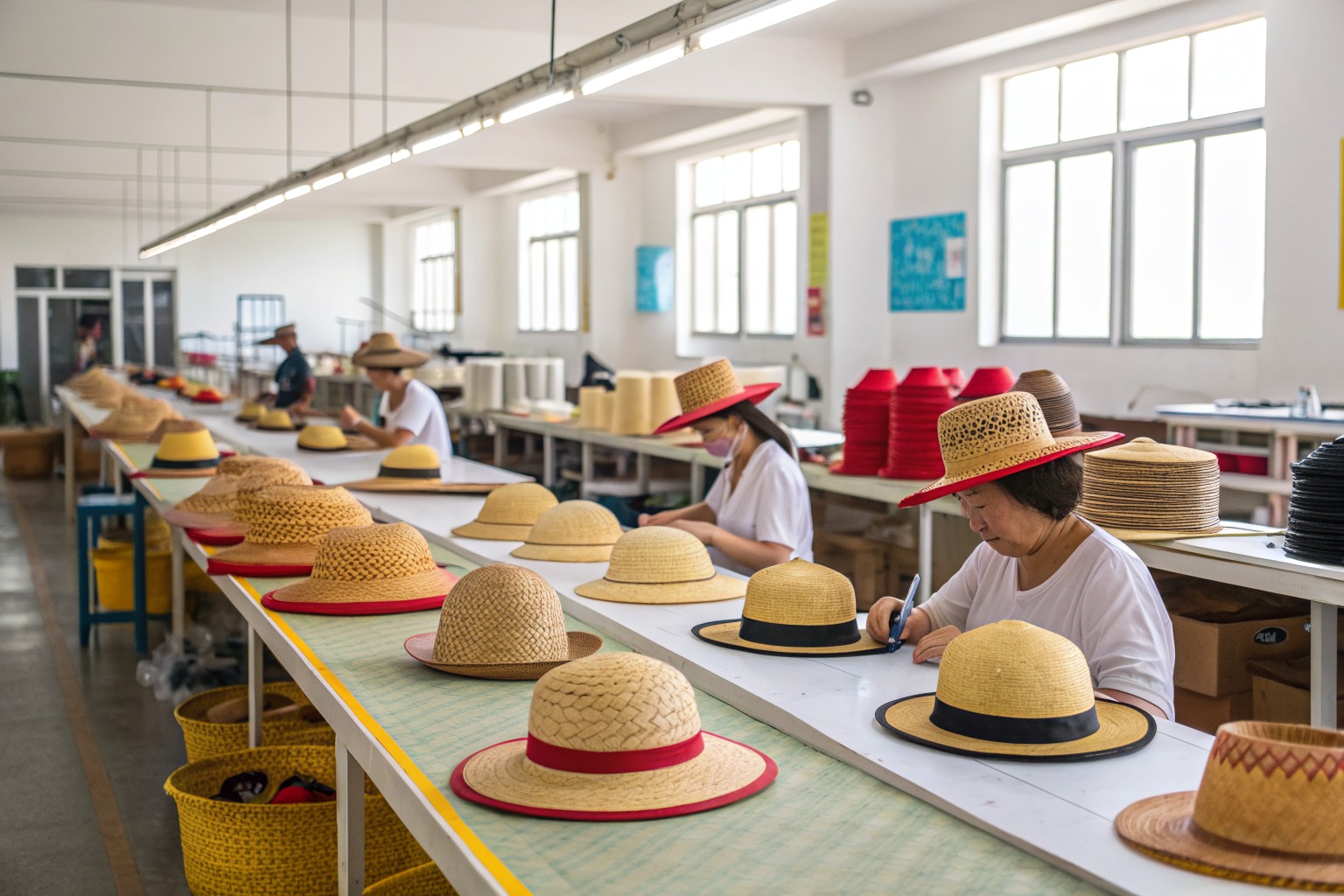
Creating a hat that fits diverse head sizes and shapes while maintaining style and comfort represents one of the most challenging aspects of headwear design. Through our extensive experience developing hats for global markets, we’ve established comprehensive approaches to designing adjustable systems that work across demographics while preserving aesthetic integrity.
Designing an adjustable and universally compatible hat requires integrating sizing mechanisms that accommodate head circumference variations, creating structural designs that adapt to different head shapes, selecting materials that provide both flexibility and support, and ensuring adjustment systems enhance rather than compromise the hat’s aesthetic appeal.This multifaceted approach transforms standard headwear into inclusive accessories with broader market appeal.
Universal compatibility extends beyond simple size adjustment to address different cultural preferences, hairstyles, and wearing habits. Let’s examine the specific design strategies that create truly adaptable headwear.
What sizing mechanisms accommodate head circumference variations?
Head circumference represents the most fundamental fitting challenge, with adult sizes typically ranging from 21 to 25 inches across global populations. Effective sizing systems must address this variation while maintaining the hat’s intended silhouette and comfort.
Strategic mechanism selection balances precise adjustability with discreet integration that doesn’t compromise the hat’s design integrity.
How do hidden adjustment systems maintain clean aesthetics?
Visible adjustment mechanisms often detract from a hat’s style, particularly in fashion-forward designs. We’ve developed concealed sizing bands that tuck inside the hat’s crown, providing up to 3 inches of adjustment while remaining invisible during wear. Magnetic closure systems allow seamless size adaptation through overlapping panels secured with discreet but powerful magnets. Stretch panel integration places elastic sections in strategic locations that accommodate size variations while maintaining the hat’s structured appearance. The most sophisticated approach involves graduated crown construction where the entire crown incorporates slight flexibility through specialized seaming or material selection, creating accommodation without dedicated adjustment hardware. These hidden systems preserve clean exterior lines while providing practical sizing flexibility.
What traditional adjustment methods offer reliable performance?
While hidden systems excel for fashion applications, some contexts benefit from visible, familiar adjustment mechanisms. Slide buckle systems on hat bands provide precise, incremental adjustment with familiar operation that consumers understand immediately. Snap-button arrays offer discrete sizing options that maintain security during active wear. Velcro closures deliver rapid adjustment with minimal hardware, particularly effective for children’s wear and casual styles. The most user-friendly visible systems incorporate intuitive sizing indicators that help consumers identify their perfect fit without trial and error, perhaps through color-coded elements or numbered positions. These traditional approaches balance functionality with user familiarity.
How can structural designs adapt to different head shapes?
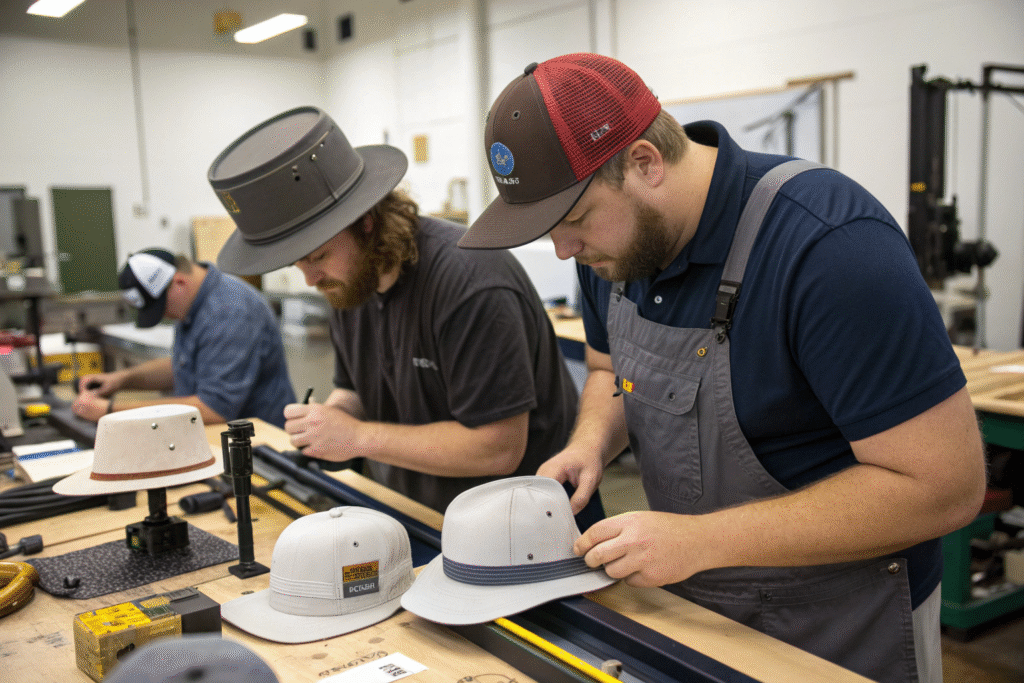
Beyond circumference, head shape variations present significant fitting challenges, with oval, round, and triangular head forms requiring different accommodation strategies. Universal hat design must address these shape differences while maintaining consistent external appearance.
Structural adaptation ensures hats feel comfortable and secure regardless of the wearer’s specific head morphology.
What crown engineering techniques address shape diversity?
The crown represents the primary interface with the head, making its design critical for universal compatibility. We’ve developed asymmetrical crown patterns that naturally accommodate the oval shape of most heads while presenting a symmetrical exterior appearance. Strategic crown darts create shape memory that conforms to head contours without visible external seams. Multi-panel crown constructions with varied panel shapes distribute tension differently across the head surface, preventing pressure points. The most advanced approach involves modular crown systems where interchangeable interior components customize the fit experience while maintaining a consistent exterior silhouette. These structural solutions ensure comfort across diverse head shapes without compromising style.
How does brim design contribute to universal compatibility?
While the crown interfaces directly with the head, brim design significantly influences perceived fit and wearability. Flexible brim constructions incorporate internal supports that allow brim shaping to complement different face shapes and proportions. Graduated brim stiffness varies support levels from crown attachment to brim edge, creating stability where needed while allowing personalized shaping elsewhere. Detachable brim systems enable complete customization where wearers can exchange brims based on their style preferences and functional needs. The most versatile brim designs acknowledge that universal compatibility extends beyond simple head measurement to include how the hat frames the face and complements individual features.
What material selections enhance universal fit and comfort?
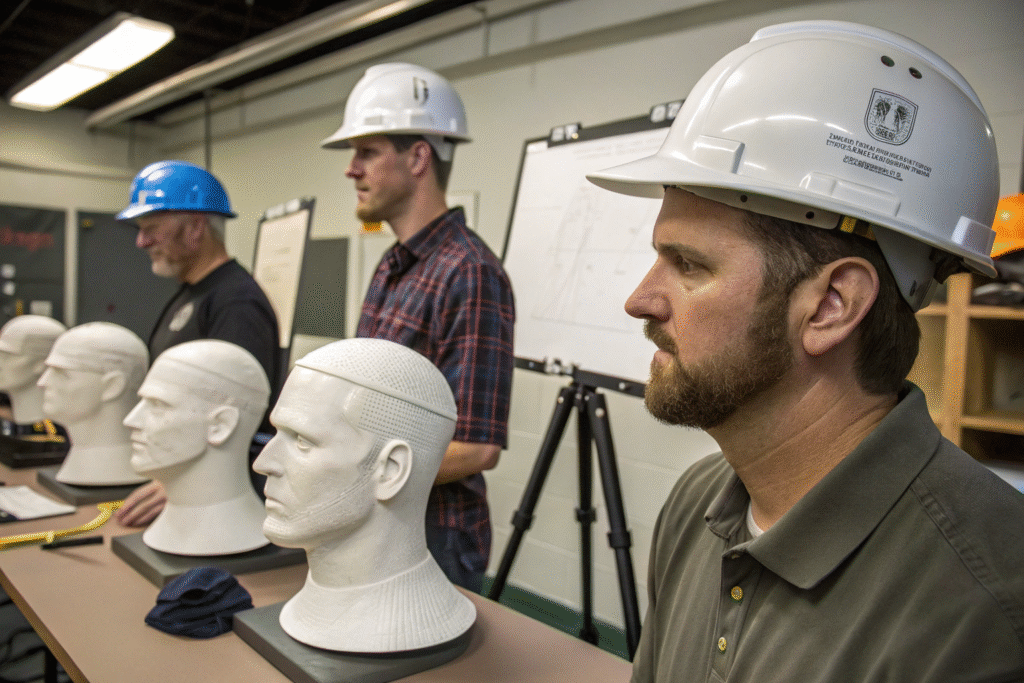
Material choices fundamentally influence how hats adapt to different wearers, with specific properties enhancing adjustability, comfort, and durability. Strategic material selection creates hats that feel custom-fitted without custom manufacturing.
Intelligent material combinations address the competing demands of structure, flexibility, breathability, and weight across different hat components.
Which fabrics provide optimal flexibility and recovery?
Materials must accommodate movement and sizing adjustments while returning to their original shape. We’ve developed composite fabric systems that combine structural stability with strategic stretch, typically using stable woven materials in visible areas with flexible knits or elastics in sizing zones. Memory fabrics with mechanical stretch properties maintain tension without permanent deformation, particularly valuable in hat bands and crown linings. Hybrid material constructions place different materials based on their functional requirements—perhaps rigid materials in the front panel for structure with flexible materials in the back for accommodation. The most effective material systems feel consistently high-quality throughout their adjustment range, without appearing strained at larger sizes or baggy at smaller settings.
How do interior materials enhance wearing comfort?
The hat’s interior surfaces directly contact skin and hair, making their material selection critical for universal appeal. Moisture-wicking headbands maintain comfort during extended wear, particularly important for adjustable hats that may be worn for varying durations. Breathable lining materials prevent heat buildup, addressing a common reason people remove hats regardless of fit. Hypoallergenic interfaces ensure compatibility with sensitive skin, expanding the potential wearer base. The most comfortable interiors incorporate graduated cushioning that provides enhanced comfort at pressure points without adding bulk where unnecessary. These interior considerations ensure that universal compatibility extends beyond mere sizing to encompass the entire wearing experience.
How do cultural and demographic factors influence universal design?
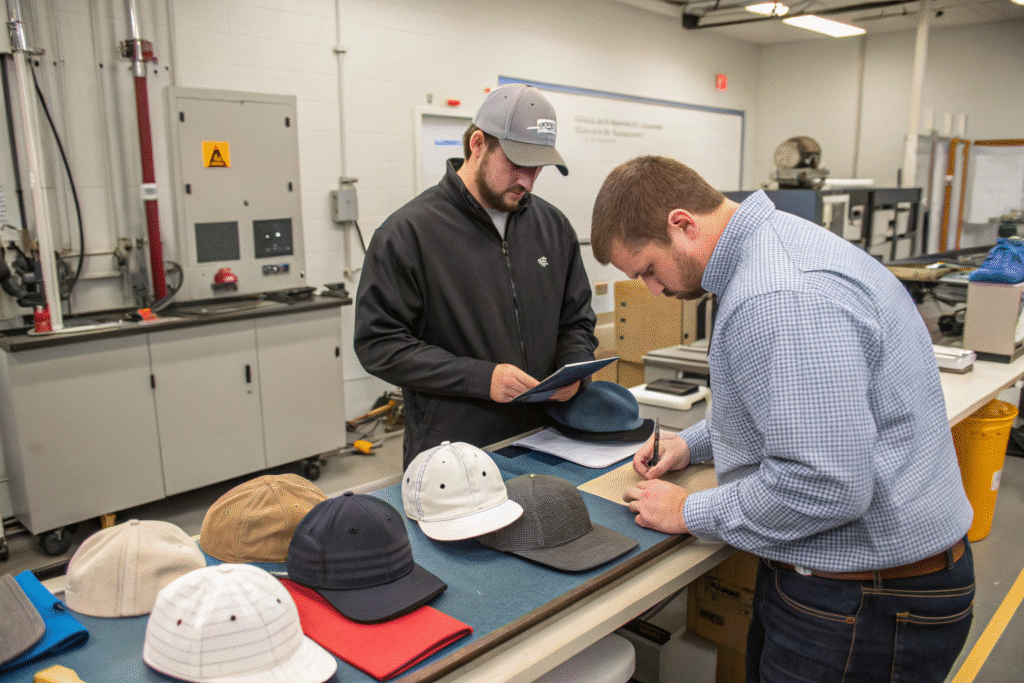
True universal compatibility extends beyond physical measurements to address cultural preferences, age-related needs, gender expressions, and geographic considerations. These factors significantly influence how hats are worn, perceived, and valued across different markets.
Cultural sensitivity in design creates hats that feel appropriate and respectful across diverse contexts while maintaining design integrity.
What cultural considerations impact hat design?
Hat-wearing traditions vary significantly across cultures, influencing design requirements for true universal compatibility. Profile and silhouette preferences differ across regions, with some cultures favoring specific crown heights or brim widths that carry social meaning. Color symbolism varies dramatically, requiring thoughtful color selection for globally-marketed hats. Religious and social considerations may dictate specific coverage requirements or design restrictions in certain markets. The most culturally sensitive designs incorporate adaptable elements that can be styled according to local preferences—perhaps removable decorative elements or adjustable coverage options that respect different cultural norms while maintaining the design’s core identity.
How do demographic factors influence universal design?
Different age groups, genders, and lifestyles present distinct fitting challenges and style preferences. Children’s headwear requires rapid size adjustment to accommodate growth, along with enhanced safety features. Senior considerations address potential sensitivity issues, ease of use with potentially reduced dexterity, and different proportional requirements. Gender-neutral designs avoid assumptions about size ranges or style preferences while accommodating physiological differences in head shape and hair volume. The most universally compatible designs incorporate modular approaches where base hats work across demographics while optional components address specific needs—perhaps different interior pads for hair volume or alternative closure systems for dexterity limitations.

Conclusion
Designing an adjustable and universally compatible hat requires addressing circumference variations, head shape diversity, material performance, and cultural considerations through integrated design solutions. The most successful universal hats balance precise adjustability with aesthetic consistency, creating accessories that feel personally fitted to each wearer while maintaining their design integrity. This approach significantly expands market potential while enhancing consumer satisfaction through improved comfort and perceived value.
If you’re looking to develop adjustable and universally compatible hats for your collection, we invite you to contact our Business Director, Elaine. Our experience creating inclusive headwear solutions can help you design hats that fit and flatter diverse wearers. Reach her at: elaine@fumaoclothing.com.