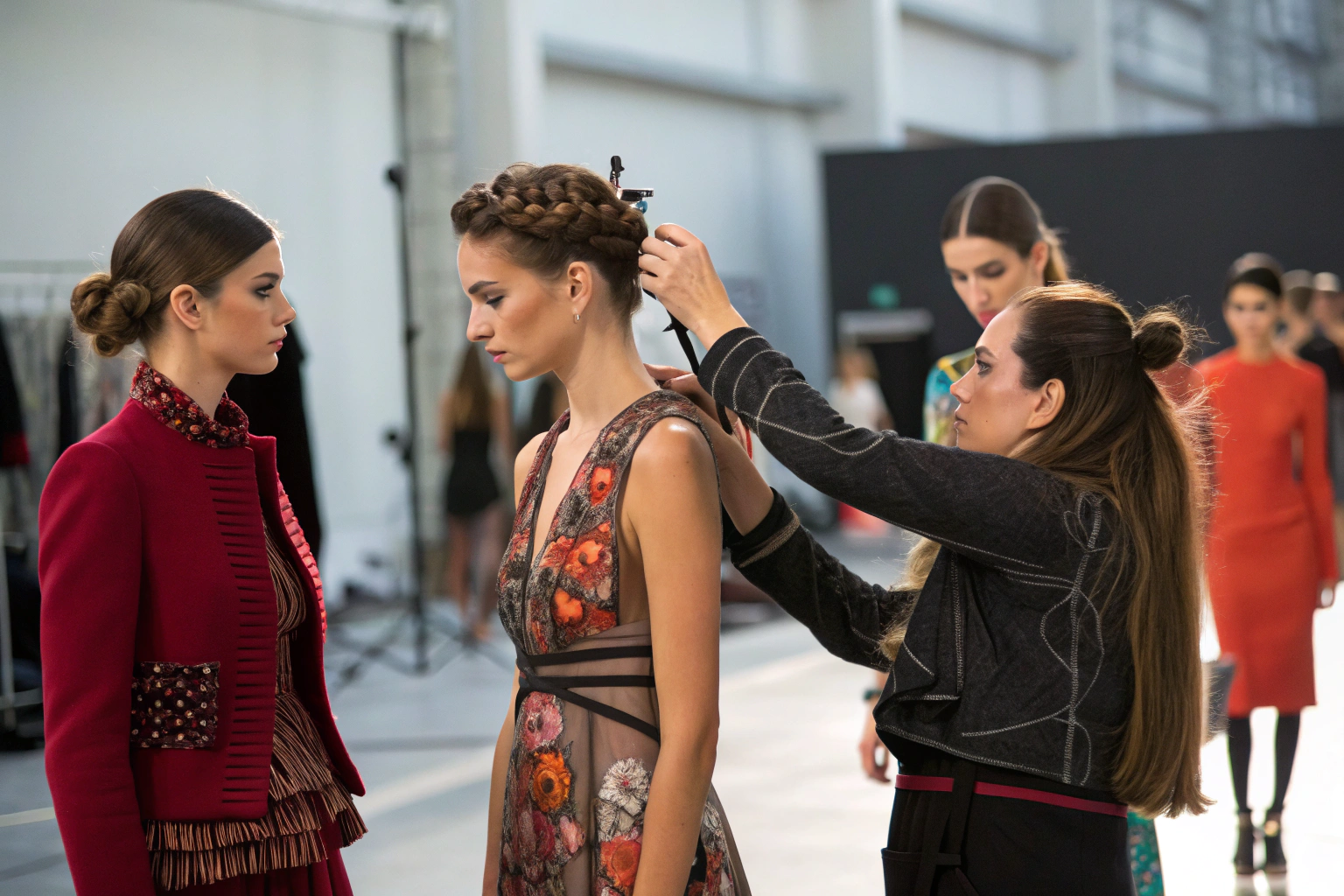
Hairpins have evolved from simple functional items to strategic styling elements that significantly impact how clothing collections are perceived and experienced. Through our work developing hair accessories for fashion brands, we’ve observed how thoughtfully designed hairpins can elevate entire collections by creating cohesion, emphasizing themes, and increasing versatility.
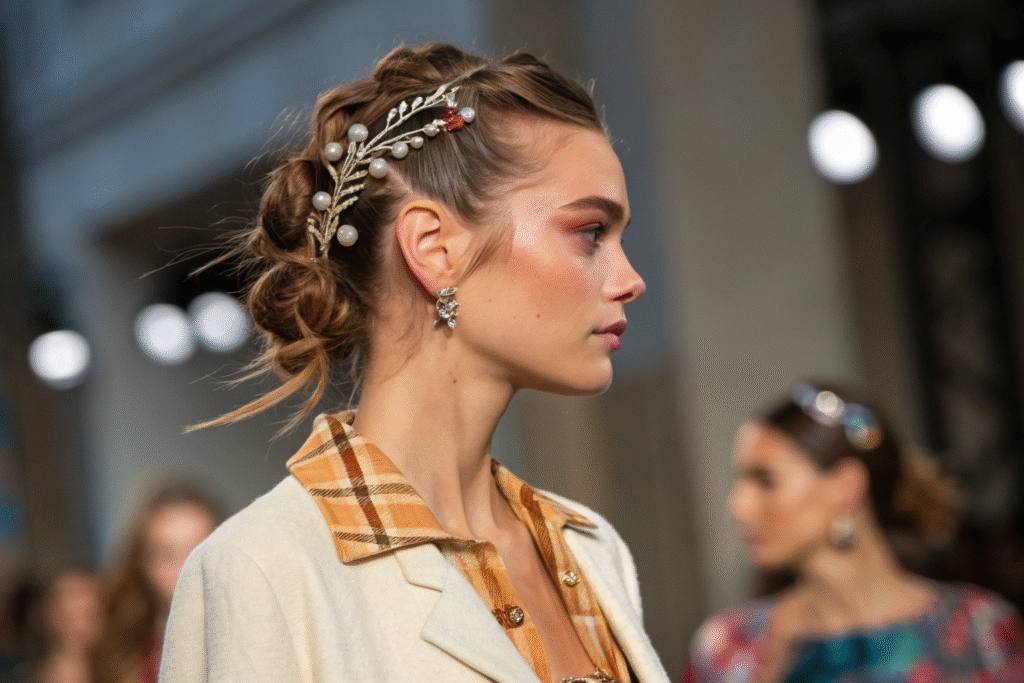
Hairpins enhance clothing collections by creating stylistic continuity, emphasizing design themes through repetition of motifs, providing finishing touches that complete looks, increasing outfit versatility through styling options, and serving as accessible entry points to designer collections.These small accessories deliver disproportionate impact relative to their size and cost within fashion presentations.
The strategic use of hairpins transforms how clothing is perceived, worn, and remembered. Let’s examine the specific mechanisms through which hairpins elevate fashion collections.
How do hairpins create stylistic continuity across collections?
Hairpins serve as subtle connectors that tie disparate looks together within a collection, creating visual rhythm and narrative flow. Their repetitive presence helps establish recognizable styling signatures that make collections feel intentional and cohesive.
Strategic hairpin use creates subtle visual threads that guide viewers through collection stories while strengthening brand identity.
What repetition techniques establish collection cohesion?
Consistent hairpin application creates recognizable styling patterns across multiple looks. We implement motif repetition where specific shapes, materials, or colors appear in hairpins throughout the collection, creating visual echoes that connect different outfits. Placement consistency uses hairpins in similar positions across various hairstyles, establishing a signature styling approach. Graduated scaling applies the same design element in different sizes across looks, creating rhythm while accommodating varied hair volumes and styles. The most effective continuity strategies feel intentional rather than repetitive, with hairpins serving as subtle reminders of the collection’s overarching aesthetic rather than identical applications in every look.
How do hairpins strengthen brand identity within collections?
Beyond connecting individual looks, hairpins reinforce brand recognition and design philosophy. Signature hardware that appears in a brand’s bags or jewelry can be miniaturized in hairpins, creating consistent design language across categories. Characteristic materials like a brand’s signature metal finish or distinctive enamel work translated into hairpins strengthen brand recognition. Styling signatures involving specific hairpin placement or combination techniques become associated with particular designers or houses. The most established brands understand that hairpins offer opportunities to extend brand aesthetics into intimate, personal applications that consumers experience directly against their skin and hair.
How do hairpins emphasize and extend design themes?
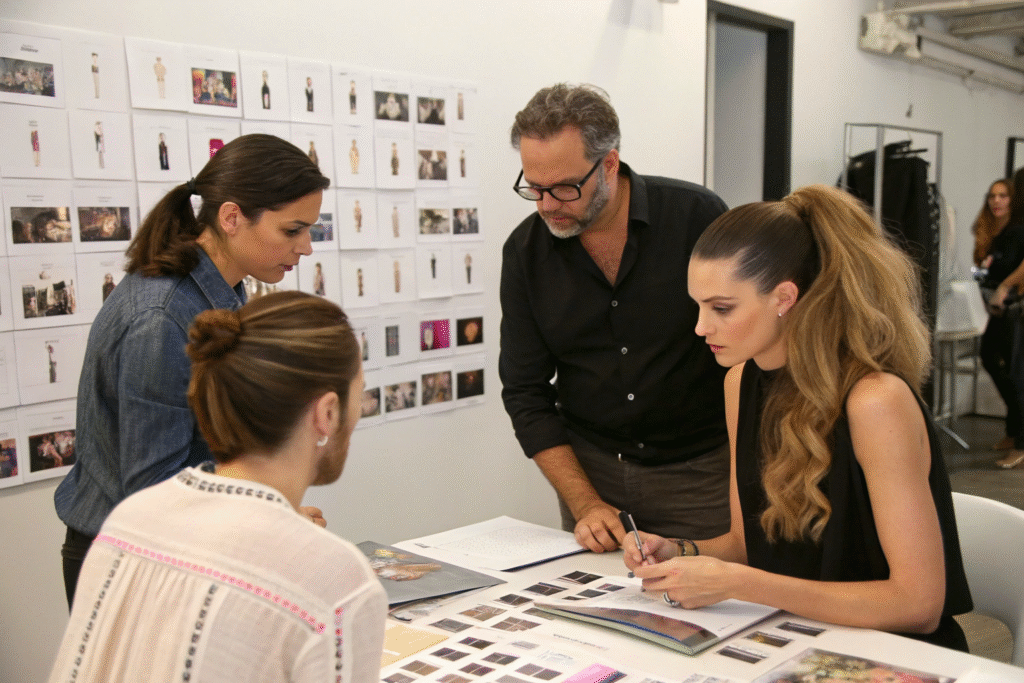
Hairpins provide efficient vehicles for communicating and amplifying collection themes without the production commitment required for garments. Their small scale allows for thematic experimentation and emphasis that might be overwhelming in larger applications.
Strategic hairpin design translates collection narratives into wearable expressions that reinforce thematic elements.
What thematic translation techniques work effectively?
Collection themes can be efficiently communicated through carefully designed hairpins. Material storytelling uses hairpins to introduce collection materials in intimate applications—perhaps fabric scraps from clothing production transformed into fabric-wrapped hairpins. Motif miniaturization scales down prominent patterns or shapes from garments into hairpin forms. Color accenting introduces collection colors in subtle doses through enamel, crystal, or painted hairpin elements. The most sophisticated thematic applications involve narrative extensions where hairpins tell parts of the collection story that garments alone cannot convey—perhaps symbolic forms that reference collection inspiration or cultural elements that complement garment designs.
How do hairpins provide thematic consistency across price points?
Hairpins make collection themes accessible at various price levels, expanding a collection’s reach. Entry-level accessibility allows consumers to participate in collection themes through affordable hairpins when full outfits remain financially out of reach. Complementary purchases enable existing customers to extend their collection engagement through coordinating hair accessories. Gift-giving opportunities make collection themes presentable as gifts when clothing purchases require specific sizing. The most commercially savvy collections understand that hairpins serve as both styling tools and business strategies, making high-fashion concepts accessible while driving incremental revenue.
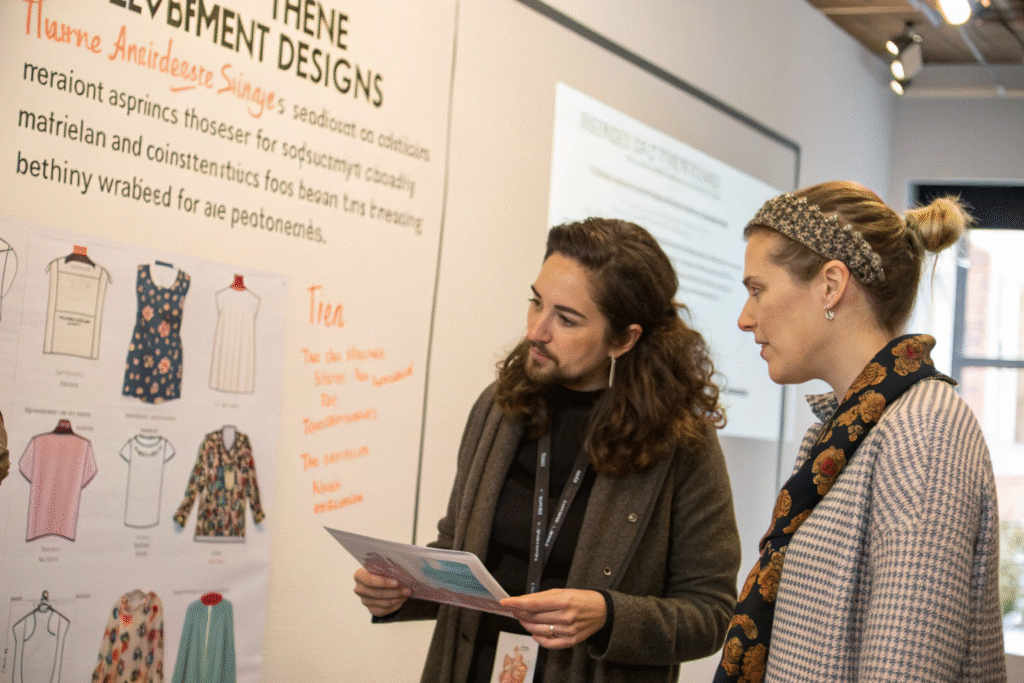
How do hairpins provide finishing touches that complete looks?
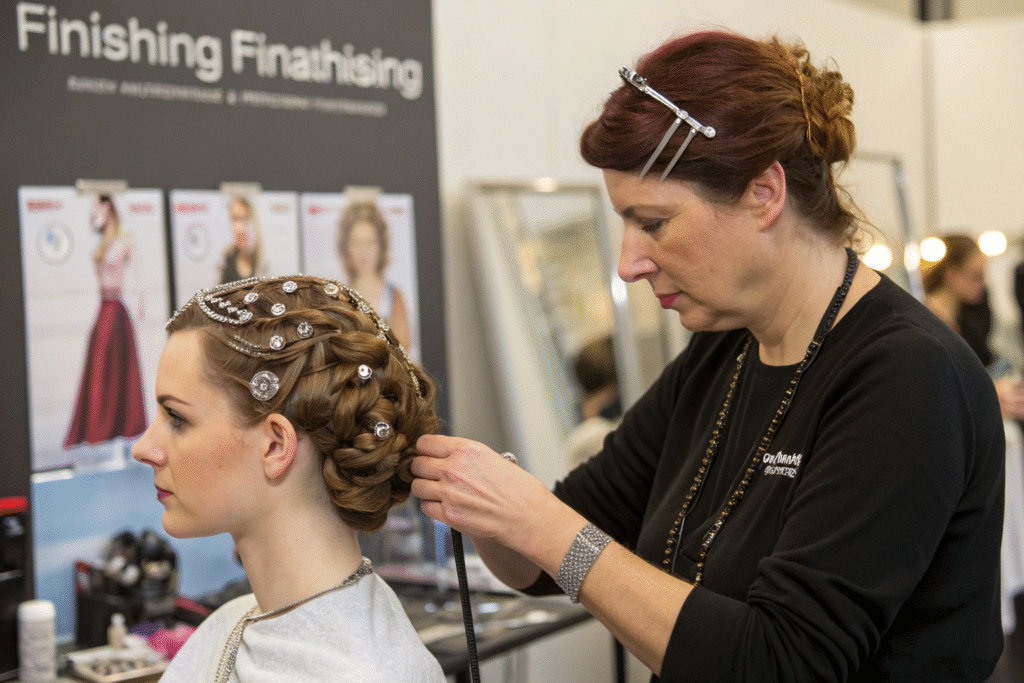
Hairpins serve as the final styling elements that signal completeness and intention in fashion presentations. Their presence often transforms outfits from "worn clothes" to "styled looks" by demonstrating thoughtful attention to detail.
Strategic hairpin placement provides the finishing assurance that outfits have been completely considered and intentionally crafted.
What completion psychology makes hairpins effective finishers?
The presence of hairpins signals that hair has been intentionally styled rather than left natural, which psychologically extends to how the entire outfit is perceived. We’ve observed that styled hair completeness often translates to perceived outfit completeness, with viewers assuming similar attention has been paid to all elements. Detail demonstration through hairpins suggests comparable careful detailing throughout the collection. Polished presentation involving hairpins elevates the perceived effort and intention behind each look. The most effective applications understand that hairpins serve as visible evidence of the stylist’s or wearer’s comprehensive approach to their appearance.
How do hairpins address specific styling challenges?
Beyond general completion, hairpins solve practical styling problems that might otherwise undermine collection presentation. Hair control maintains intentional hairstyles throughout presentations or wear, ensuring clothing is framed as intended. Balance correction uses hairpins to visually weight hairstyles that complement clothing proportions. Practical security keeps hair from obscuring garment details or disrupting clean lines. The most thoughtful applications recognize that hairpins serve both aesthetic and practical completion functions, ensuring clothing is presented and experienced as designed regardless of movement, weather, or duration of wear.
How do hairpins increase collection versatility?
Hairpins dramatically expand how clothing can be styled and perceived, effectively multiplying outfit options without additional garment production. Their styling flexibility allows consumers to personalize and adapt collection pieces to their preferences and occasions.
Strategic hairpin integration creates styling variability that increases collection appeal and longevity.
What styling transformations do hairpins enable?
A single outfit can generate multiple distinct looks through strategic hairpin variations. Formality adjustment transforms daytime casual to evening appropriate through the addition of decorative hairpins. Theme reinforcement allows wearers to emphasize different aspects of a garment’s design through complementary hairpin selection. Personal expression enables consumers to inject their style into designer pieces through hairpin choices that reflect their taste. The most versatile collections understand that hairpins offer consumers agency in how they interpret and wear designs, increasing emotional connection and wear frequency.
How do hairpins extend collection relevance across contexts?
Hairpins help collection pieces transition across different wearing situations and seasons. Context adaptation allows garments to work for different occasions through hairpin changes that modify overall appearance. Seasonal transition helps carry collection pieces across seasonal boundaries through hairpin updates that refresh looks. Trend responsiveness enables consumers to keep collection pieces feeling current through hairpin additions that reference newer trends. The most commercially successful collections recognize that hairpins extend garment lifespan and relevance, increasing perceived value and consumer satisfaction.
Conclusion
Hairpins enhance clothing collections by creating stylistic continuity, emphasizing design themes, providing completing touches, and increasing versatility—all while requiring minimal production investment compared to garments. These small accessories deliver significant impact by influencing how clothing is perceived, worn, and valued. Designers who strategically incorporate hairpins into their collections create more cohesive narratives, stronger brand identities, and more commercially successful offerings that resonate with consumers seeking both style and substance.
If you’re looking to enhance your clothing collections through strategic hairpin integration, we invite you to contact our Business Director, Elaine. Our experience developing hair accessories for fashion collections can help you leverage these small but powerful styling elements. Reach her at: elaine@fumaoclothing.com.