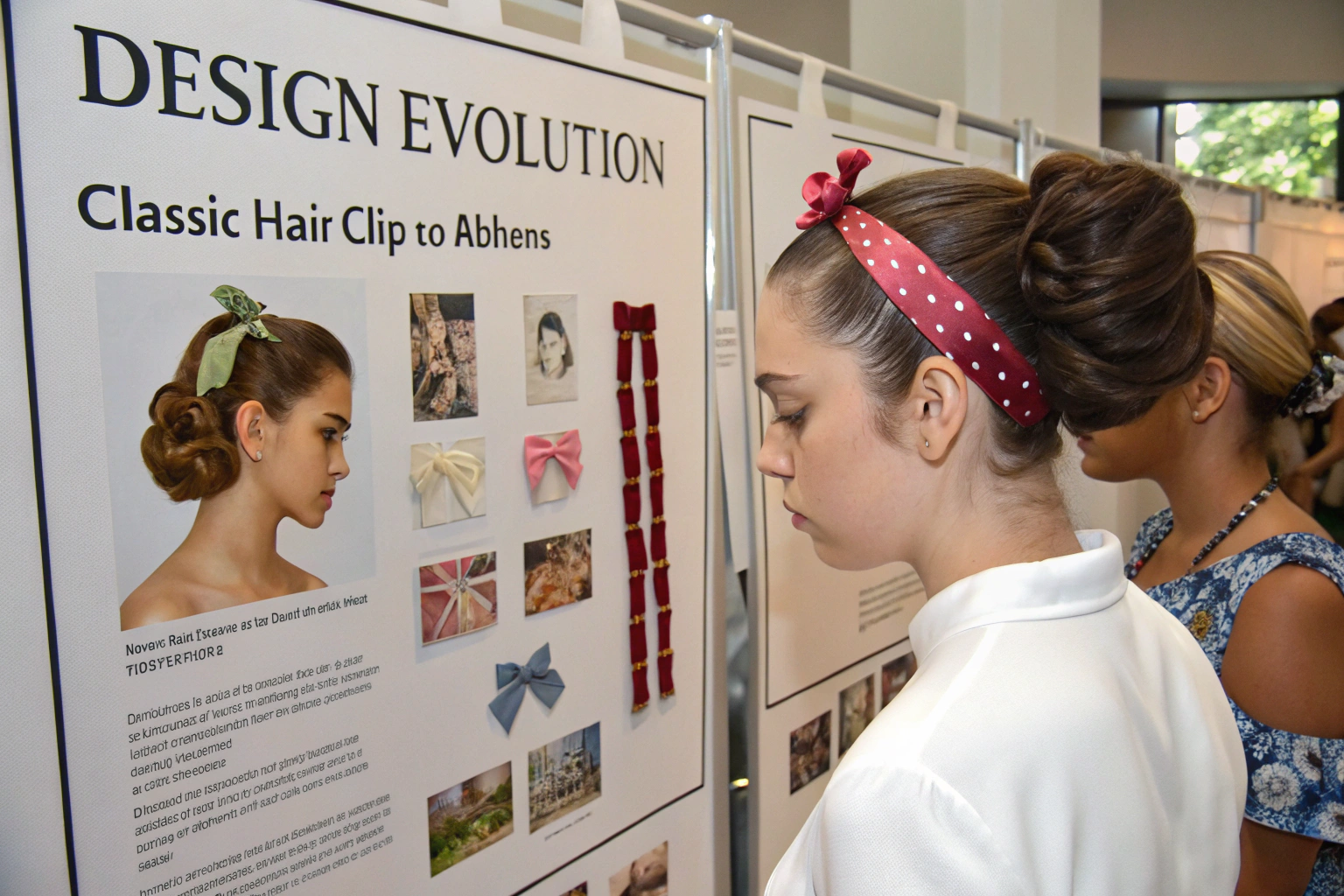
The transformation from classic hair clip to fashionable hair ribbon represents a fascinating evolution in hair accessory design, manufacturing, and consumer perception. This journey involves material innovation, aesthetic reconsideration, functional reengineering, and market repositioning that collectively redefine a traditional accessory category. Through our experience navigating this transition with numerous brands, we’ve documented the comprehensive process that transforms utilitarian hair clips into fashion-forward ribbon accessories.
The process from classic hair clip to fashionable hair ribbon involves redesigning functional mechanisms, reimagining material applications, integrating fashion aesthetics, repositioning market perception, and creating new wearing experiences that collectively elevate a practical item into a style statement.This transformation touches every aspect of product development from initial concept through manufacturing to marketing.
The evolution represents more than just aesthetic changes—it’s a fundamental reconsideration of how hair accessories function in fashion contexts. Let’s examine the specific stages in this transformation process.
How are functional mechanisms reengineered for fashion?
Classic hair clips prioritize secure hold and durability above all else, often resulting in utilitarian designs that sacrifice aesthetics. The transformation to fashionable hair ribbons requires rethinking these functional elements to serve both practical and stylistic purposes.
Mechanism redesign represents the foundational stage where engineering meets aesthetics to create accessories that work beautifully.
What clasp innovations enable ribbon integration?
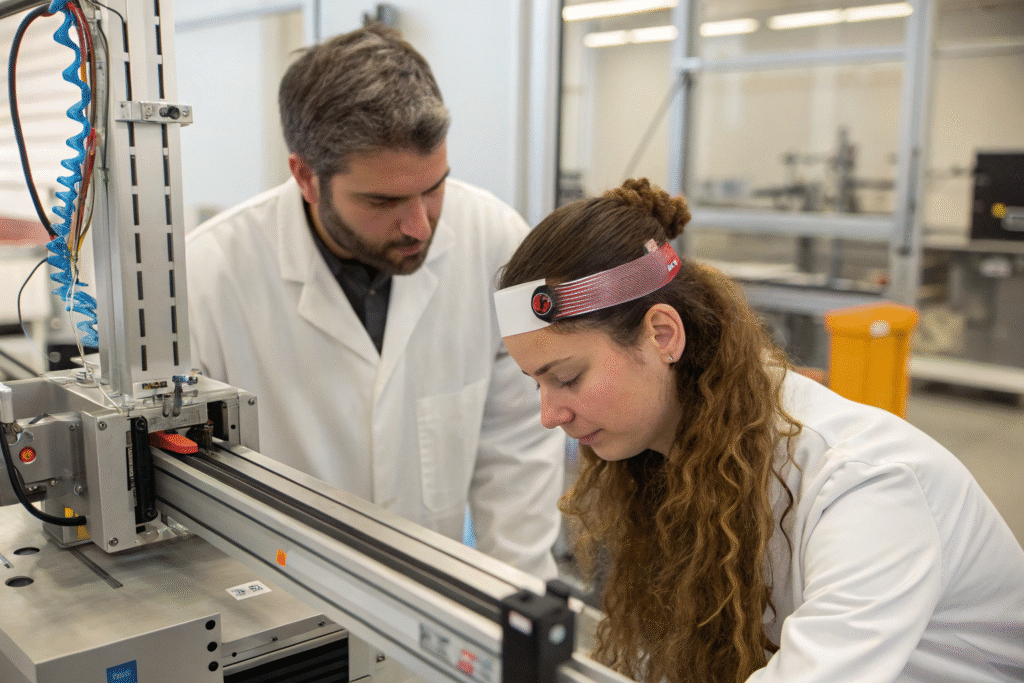
Traditional hair clip mechanisms often conflict with ribbon aesthetics, creating visual discord. We’ve developed concealed clasp systems that provide secure hold while maintaining clean ribbon appearance. These include magnetic closure ribbons that create seamless connections without visible hardware, integrated snap systems embedded within ribbon layers, and adjustable slide mechanisms that allow perfect fit without compromising the ribbon’s flow. For more structured designs, we’ve created hybrid approaches where delicate chains or transparent elements connect ribbon ends while providing necessary tension. These mechanism innovations have transformed ribbons from decorative additions to functional accessories in their own right.
How does attachment engineering evolve?
Classic clips often damage hair or struggle with different hair types and volumes. Our fashionable ribbon development includes gentle attachment technologies that secure without pulling, including silicone-gripped ribbon edges that prevent slippage on fine hair, tension-distributing designs that spread pressure across wider ribbon areas, and adaptive closure systems that adjust to different hair thicknesses. The most significant innovation involves ribbon-integrated combs that provide secure anchor points while remaining virtually invisible when styled. These engineering advances have made fashionable hair ribbons accessible to consumers who previously found traditional clips uncomfortable or ineffective.
How are materials transformed for fashion appeal?
Classic hair clips typically use practical materials chosen for durability and cost, while fashionable hair ribbons demand materials that provide both aesthetic appeal and functional performance. This material transformation represents a significant shift in sourcing, processing, and manufacturing approaches.
Material evolution bridges the gap between traditional hair accessory manufacturing and fashion textile applications.
What textile innovations enable ribbon functionality?
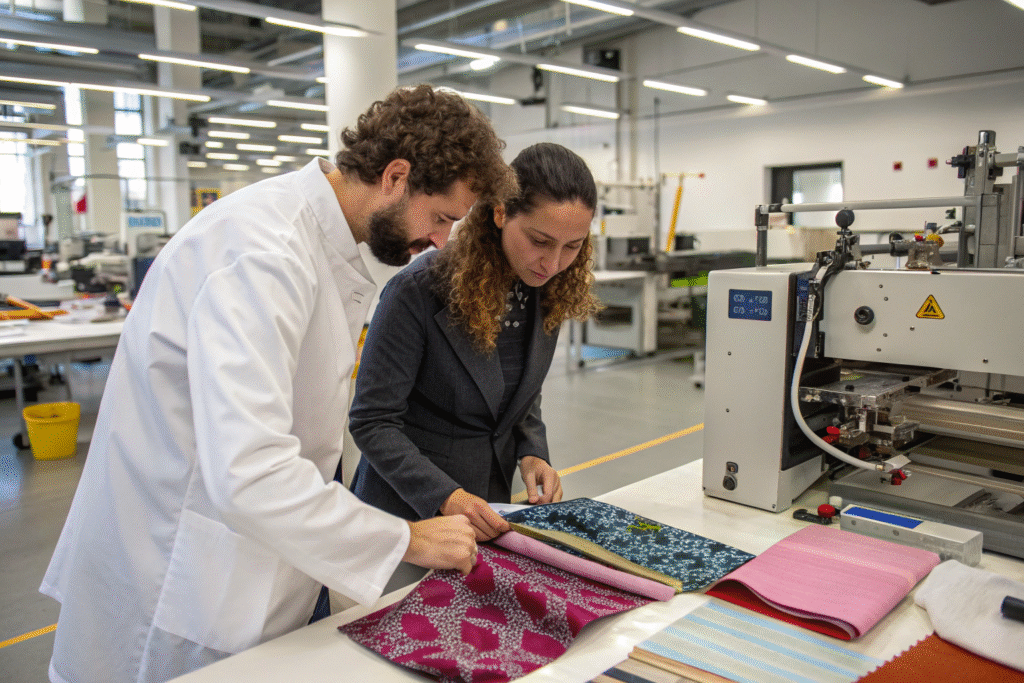
Traditional ribbons often lack the structural integrity required for hair accessories. We’ve developed specialized hair ribbon textiles that combine aesthetic qualities with functional requirements. These include double-faced satins with different colors on each side for styling versatility, stretch velvet ribbons that accommodate various hair volumes while providing secure hold, and technical fabric blends that maintain shape while offering luxurious hand-feel. For luxury positioning, we’ve created hand-finished silk ribbons with reinforced edges that prevent fraying while maintaining the material’s natural beauty. These textile innovations have transformed ribbons from decorative trims to primary accessory materials.
How are traditional clip materials reimagined?
The metal and plastic components of classic clips require complete reconsideration for fashionable ribbon integration. We’ve transitioned from visible utilitarian hardware to minimalist metal accents that complement rather than dominate the ribbon aesthetic. Plastic elements have been reengineered as transparent structural supports that provide function without visual intrusion. The most successful material transformation involves complete material integration where traditional clip functions are performed by the ribbon itself through strategic folding, bonding, or structural treatments. This approach maintains the accessory’s functional purpose while creating a pure ribbon aesthetic.
How are fashion aesthetics integrated into traditional forms?
Classic hair clips typically follow functional forms with limited aesthetic consideration, while fashionable hair ribbons draw inspiration from broader fashion trends, art movements, and cultural references. This aesthetic integration requires new design processes and creative approaches.
Fashion sensibility transforms hair ribbons from practical items into style statements that communicate personal aesthetic preferences.
What design processes incorporate fashion trends?
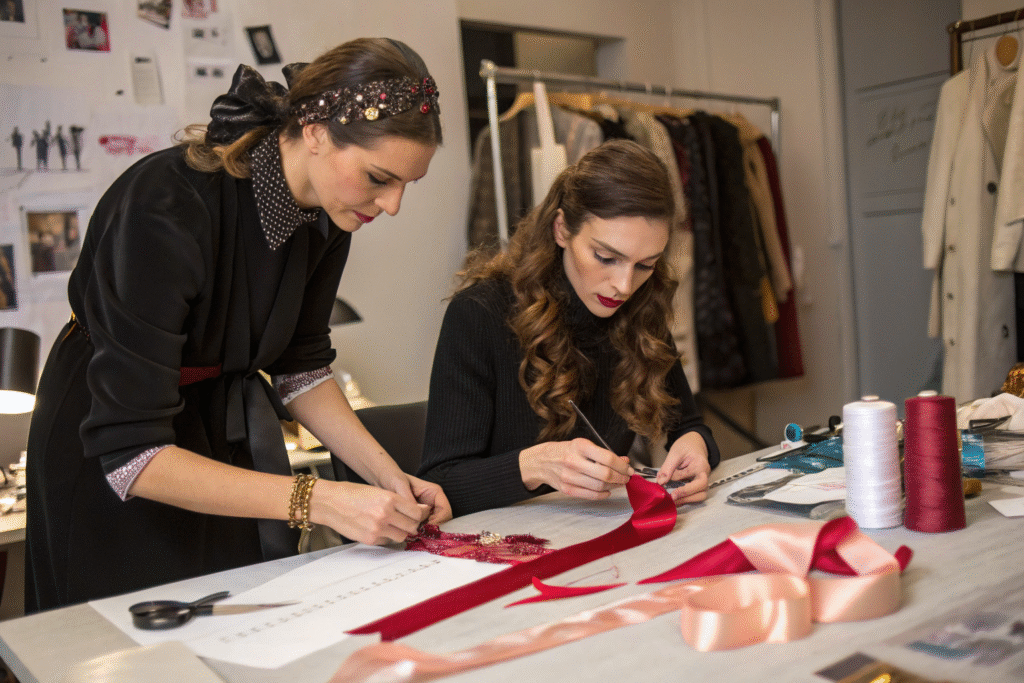
Traditional hair accessory design often occurs in isolation from broader fashion cycles. We’ve implemented integrated trend forecasting that connects hair ribbon development with ready-to-wear, color, and textile trends. Our design team participates in fabric and trim fairs traditionally attended by fashion designers rather than just hair accessory manufacturers. The most significant change involves seasonal collection development where hair ribbons coordinate with broader accessory stories rather than being developed as standalone items. This fashion-integrated approach ensures hair ribbons feel current and relevant within the broader style context.
How does detailing elevate ribbon aesthetics?
Classic clips typically feature minimal detailing beyond basic functional requirements. Fashionable hair ribbons incorporate luxury finishing techniques including hand-rolled edges, custom-developed prints, and artisanal dye methods that create unique color variations. Embellishment integration has evolved from basic rhinestones to sophisticated applications including hand-embroidery, delicate beading, and laser-cut appliqués. The most fashion-forward approaches involve collaborations with artists and designers who bring unique perspectives to ribbon design. These detailing elements transform hair ribbons from mass-produced items into distinctive fashion accessories.
How is market perception repositioned?
Classic hair clips occupy a practical position in consumers’ minds, often associated with childhood or basic hair management. Fashionable hair ribbons require repositioning to occupy a style-driven space where they function as intentional fashion choices rather than utilitarian necessities.
Market repositioning involves strategic communication, channel selection, and price architecture that supports the fashionable positioning.
What marketing strategies establish fashion credibility?
Traditional hair clip marketing focuses on functional benefits and practical applications. We’ve developed fashion-forward marketing approaches that position hair ribbons as style accessories rather than hair management tools. This includes lifestyle photography that shows ribbons within fashionable contexts rather than isolated product shots, stylist collaborations that demonstrate sophisticated wearing techniques, and fashion editorial placements that associate ribbons with high-style imagery. The most effective strategy involves integrated fashion campaigns where hair ribbons appear alongside clothing and other accessories as complementary style elements rather than standalone products.
How does retail presentation support repositioning?
Classic hair clips typically appear in functional displays near hair care products. Fashionable hair ribbons require curated retail environments that emphasize their fashion status. We’ve developed boutique-style merchandising that presents ribbons as precious objects rather than commodity items, styled presentation that shows ribbons integrated into complete looks, and luxury packaging that reinforces the fashion positioning. The most successful retail approaches position hair ribbons within the fashion accessory department rather than the hair care section, creating natural associations with other fashion purchases. This retail repositioning fundamentally changes how consumers perceive and value hair ribbons.
How are new wearing experiences created?
Classic hair clips offer limited wearing options focused primarily on secure attachment. Fashionable hair ribbons create diverse wearing experiences that allow personal expression, styling creativity, and emotional connection beyond basic function.
Wearing experience design transforms how consumers interact with hair ribbons, creating deeper engagement and increased usage occasions.
What styling versatility increases usage occasions?
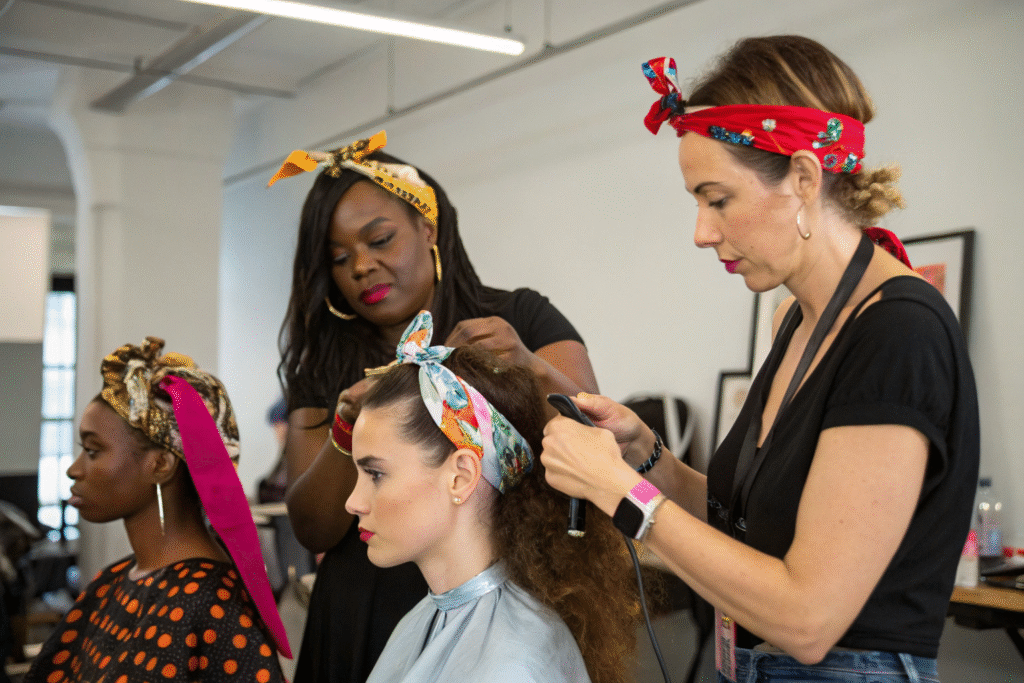
Traditional clips typically serve specific functions like pulling hair back or securing sections. Fashionable hair ribbons offer multiple wearing methods including classic bows, wrapped styles, woven techniques, and decorative accents that work with various hair lengths, textures, and styles. We’ve developed educational content that teaches consumers diverse styling approaches, dramatically increasing how frequently they use and purchase ribbons. The most successful wearing experiences include transformative designs that can be worn multiple ways, creating the perception of multiple accessories within a single product. This versatility justification supports premium pricing while increasing consumer satisfaction.
How does emotional connection drive engagement?
Classic clips typically generate transactional relationships based on function. Fashionable hair ribbons create emotional connections through self-expression, nostalgia, and personal style storytelling. We’ve designed collections that trigger positive emotional responses through color psychology, tactile experiences, and aesthetic appeal. The most profound connections occur when hair ribbons become personal signature items that consumers associate with their identity and style narrative. This emotional dimension transforms hair ribbons from disposable accessories into cherished personal items that consumers repurchase as their style evolves.
Conclusion
The process from classic hair clip to fashionable hair ribbon represents a comprehensive transformation that touches functional design, material selection, aesthetic integration, market positioning, and user experience. This evolution reflects broader changes in how consumers view accessories—not as utilitarian necessities but as intentional style statements. Companies that successfully navigate this process create higher-value products, stronger consumer relationships, and more sustainable business models through emotional engagement and fashion relevance.
If you’re considering transforming traditional hair accessories into fashionable ribbon collections, we invite you to contact our Business Director, Elaine. Our experience guiding brands through this evolution can help you develop successful fashion-forward hair accessory strategies. Reach her at: elaine@fumaoclothing.com.