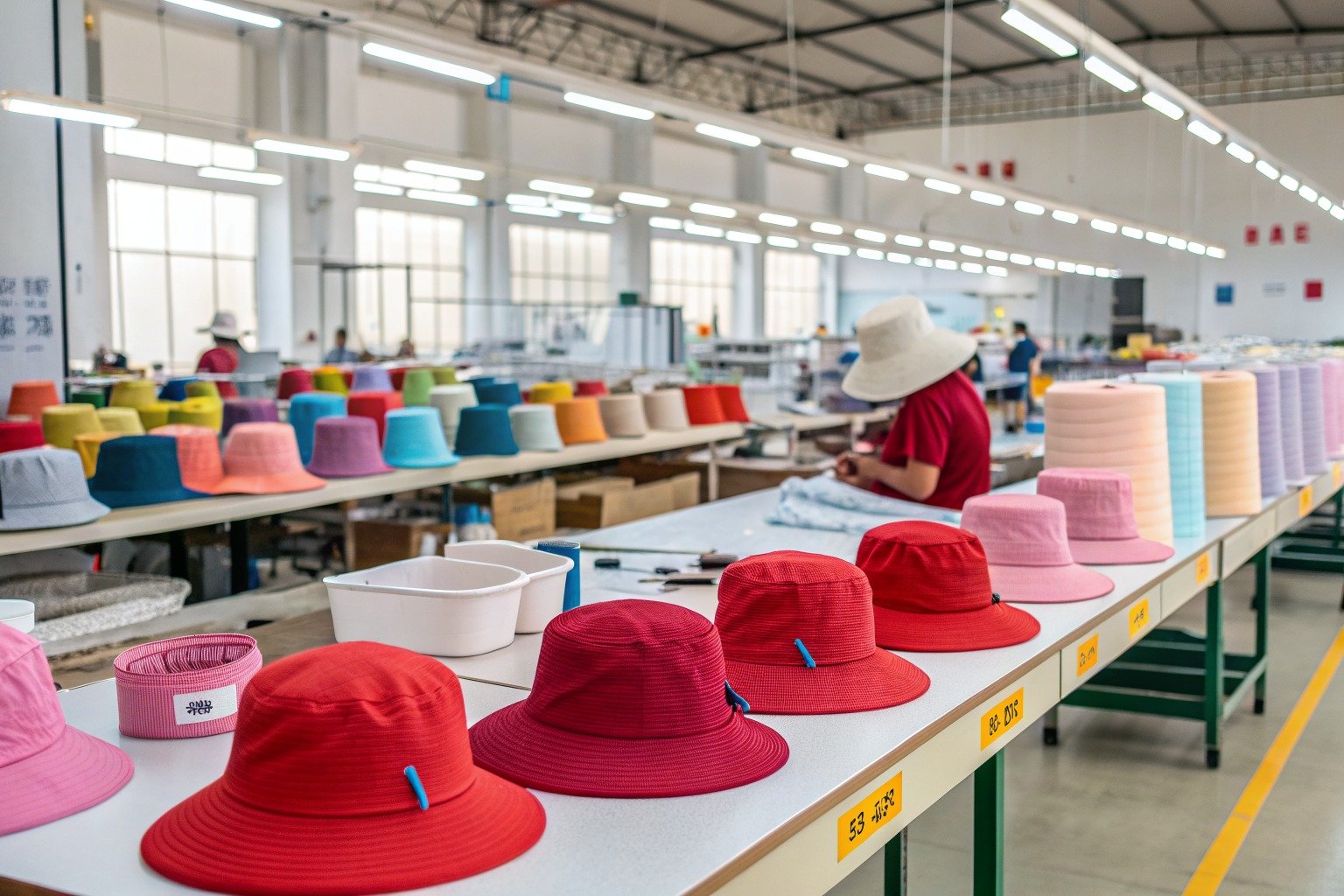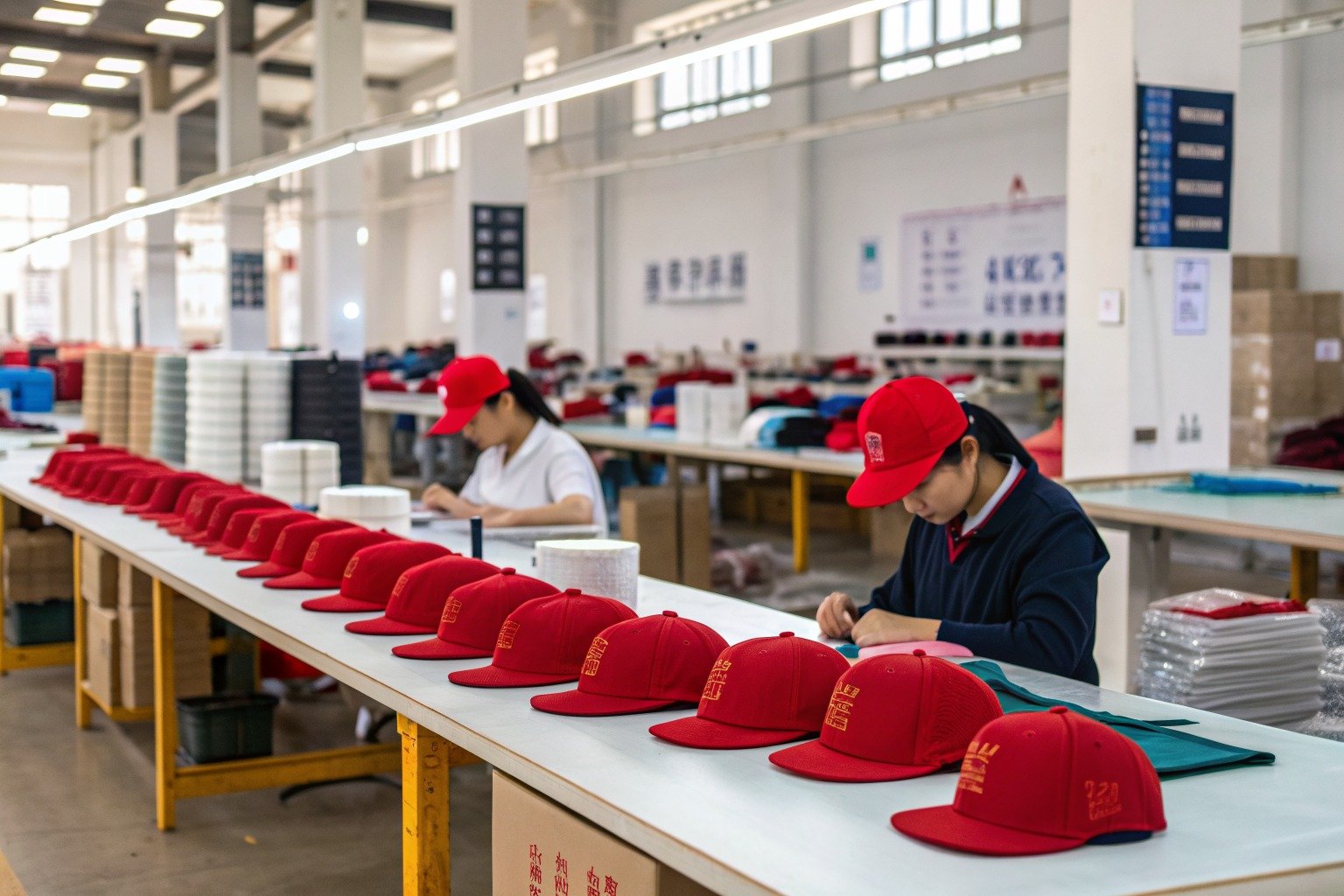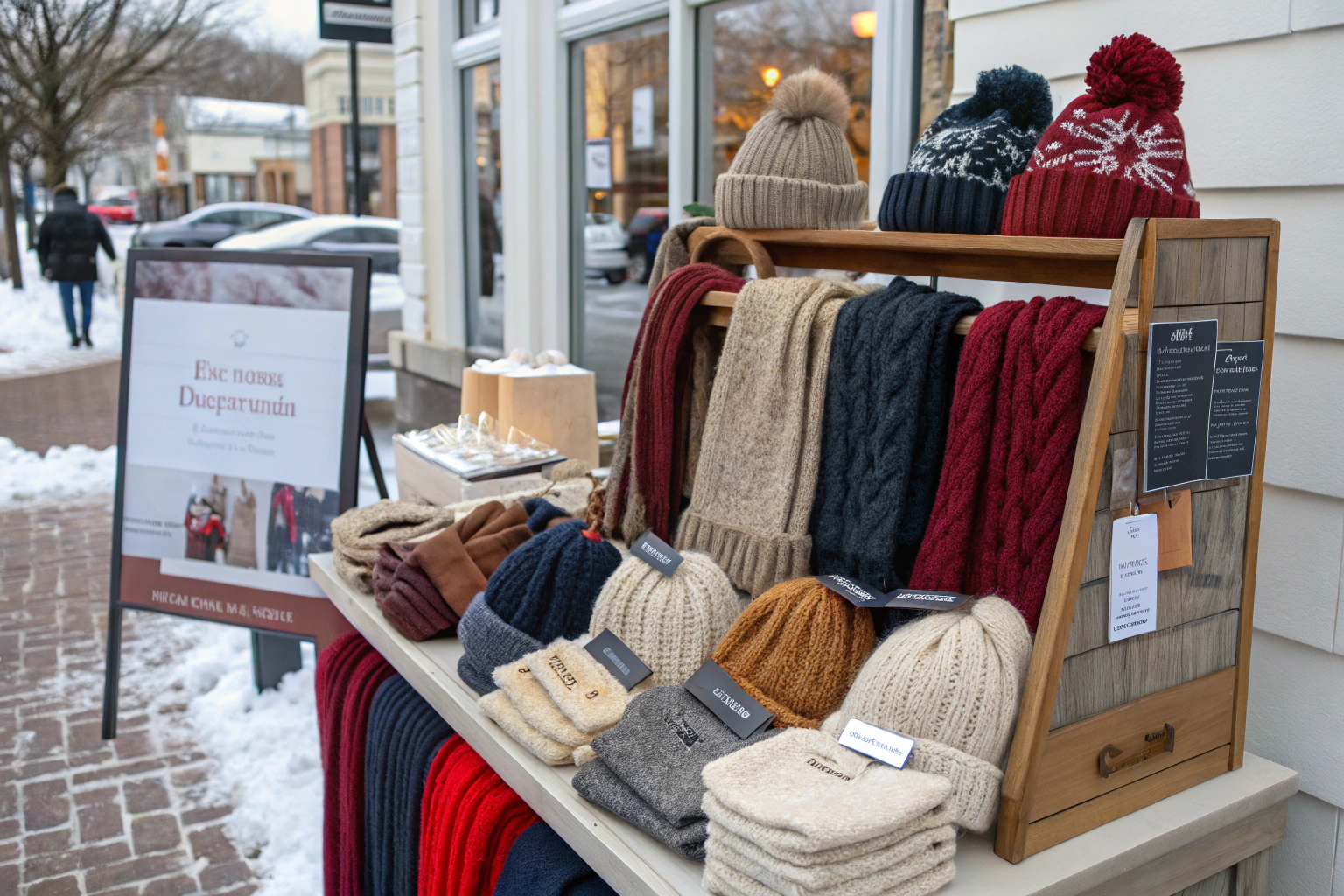
Winter represents a crucial selling season for accessories, with specific categories driving significant revenue during colder months. Through our experience supplying winter accessories to retailers across North America, Europe, and other cold-weather markets, we’ve identified the essential categories that consistently perform while understanding how consumer preferences evolve each season.
Essential winter retail accessories include warmth-focused items like hats, scarves, and gloves; seasonal specialty products like earmuffs and neck warmers; layering pieces like shawls and capes; and complementary accessories that enhance winter outfits despite not providing warmth themselves.This balanced assortment addresses both functional needs and fashion desires during the colder months.
Winter accessory retail success requires understanding how different categories interact and complement each other within consumer wardrobes. Let’s examine the specific essential accessories that should anchor every winter retail strategy.
What headwear categories drive winter sales?
Headwear represents the most immediate winter accessory need, with multiple subcategories addressing different style preferences, warmth requirements, and usage occasions. A well-curated headwear assortment ensures retailers capture both fashion-driven and function-focused purchases.
Strategic headwear merchandising addresses the full spectrum of winter needs from basic warmth to fashion statement pieces.
Why are beanies and knit hats foundational items?
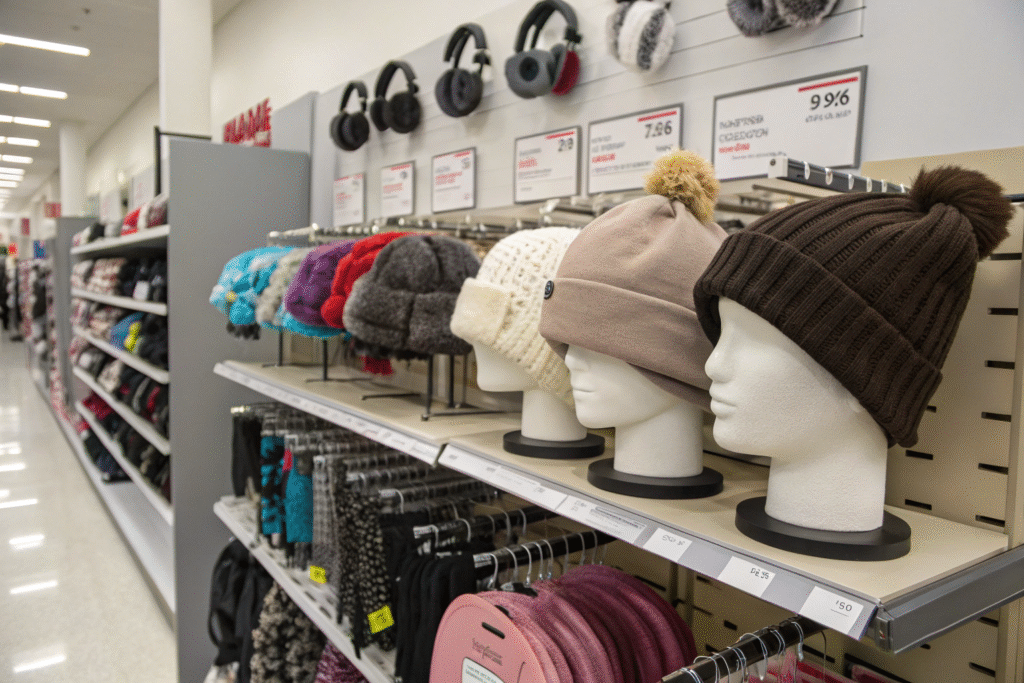
Beanies and knit hats represent the workhorse of winter headwear, with nearly universal appeal across demographics and style preferences. We recommend maintaining multiple fiber options including affordable acrylic blends for mass market, wool blends for mid-tier, and luxury materials like cashmere and merino for premium segments. Style variations should include classic cuffed beanies, slouchy styles for fashion-forward consumers, and technical designs with ear coverage for extreme cold. The most successful retailers maintain color strategies that balance seasonal neutrals (black, gray, navy) with trending fashion colors and limited edition patterns that drive impulse purchases. These versatile hats typically represent 40-60% of winter headwear sales, making them essential inventory.
What specialty headwear addresses niche markets?
Beyond basic beanies, several specialty headwear categories deliver significant winter revenue. Ear muffs have evolved from practical warmth to fashion accessory, with designs ranging from minimalist metal bands to faux-fur adorned options. Headbands appeal to consumers who want ear coverage without hair compression, particularly popular among athletes and those with voluminous hairstyles. Trapper hats with fur (real or faux) linings and ear flaps serve both extreme cold protection and fashion statement purposes. These specialty items typically command higher margins than basic beanies while addressing specific consumer needs that basic headwear cannot satisfy.
How do neckwear essentials perform in winter retail?
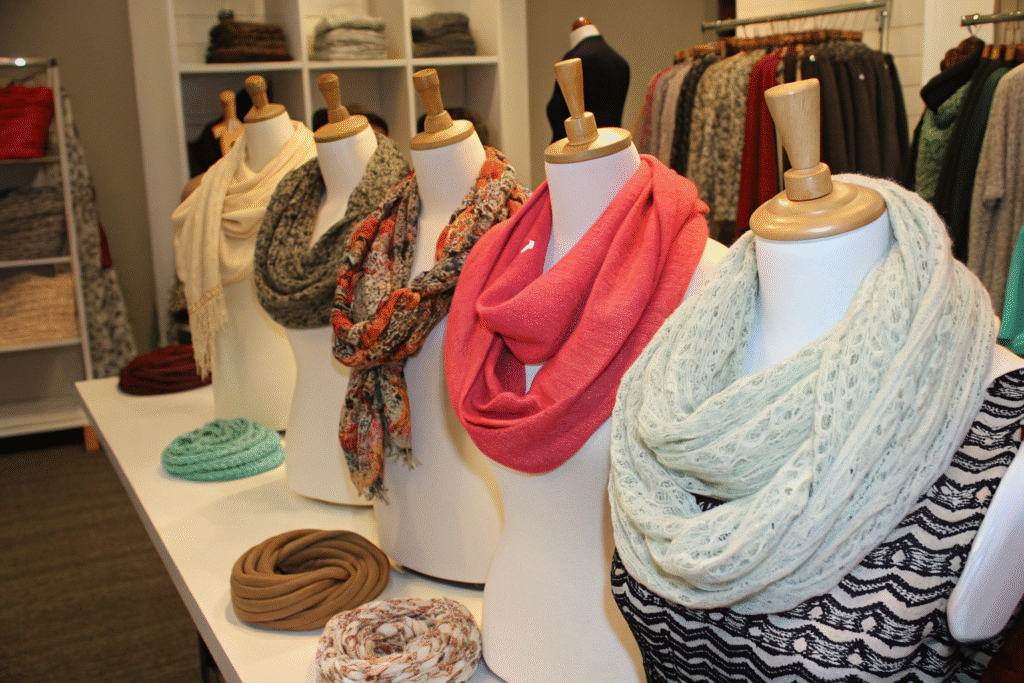
Neckwear represents the second essential winter accessory category, with multiple product types addressing different warmth levels, style preferences, and wearing methods. A diverse neckwear assortment ensures retailers meet various consumer needs from subtle warmth to dramatic style statements.
Strategic neckwear merchandising recognizes that consumers often purchase multiple pieces for different occasions and outfit combinations.
What scarf styles and materials drive sales?
Scarves represent the most versatile winter neckwear, functioning as both warmth providers and style anchors. We recommend maintaining multiple length options from shorter neck wraps to dramatic extra-long styles that can be creatively draped. Material selection should include fleece and acrylic for affordable warmth, wool and wool blends for mid-range, and cashmere, silk, and luxury blends for premium segments. Width variations address different styling preferences, with narrower options working well under coats and wider designs making bold fashion statements. The most successful scarf assortments include pattern diversity with solids, plaids, stripes, and seasonal prints that refresh the category throughout the selling season.
What alternative neckwear categories complement scarves?
Beyond traditional scarves, several neckwear alternatives deliver important winter sales. Infinity scarves offer easy styling with continuous loops that eliminate complicated tying. Neck warmers and gaiters provide streamlined warmth without bulk, particularly popular among outdoor enthusiasts and commuters. Shawl collars and capelets bridge the gap between accessories and outerwear, offering dramatic style with practical warmth. These alternatives typically attract fashion-forward consumers seeking distinctive pieces beyond traditional scarves, while also addressing specific functional needs like athletic use or driving comfort.
What handwear categories are essential for winter?
Hand protection represents a functional winter necessity that has evolved into a fashion category, with consumers purchasing multiple pairs for different occasions and style preferences. A well-curated handwear assortment addresses the spectrum from technical performance to fashion statement.
Strategic handwear merchandising recognizes that consumers increasingly view gloves and mittens as style accessories rather than just functional items.
How do glove styles address different consumer needs?
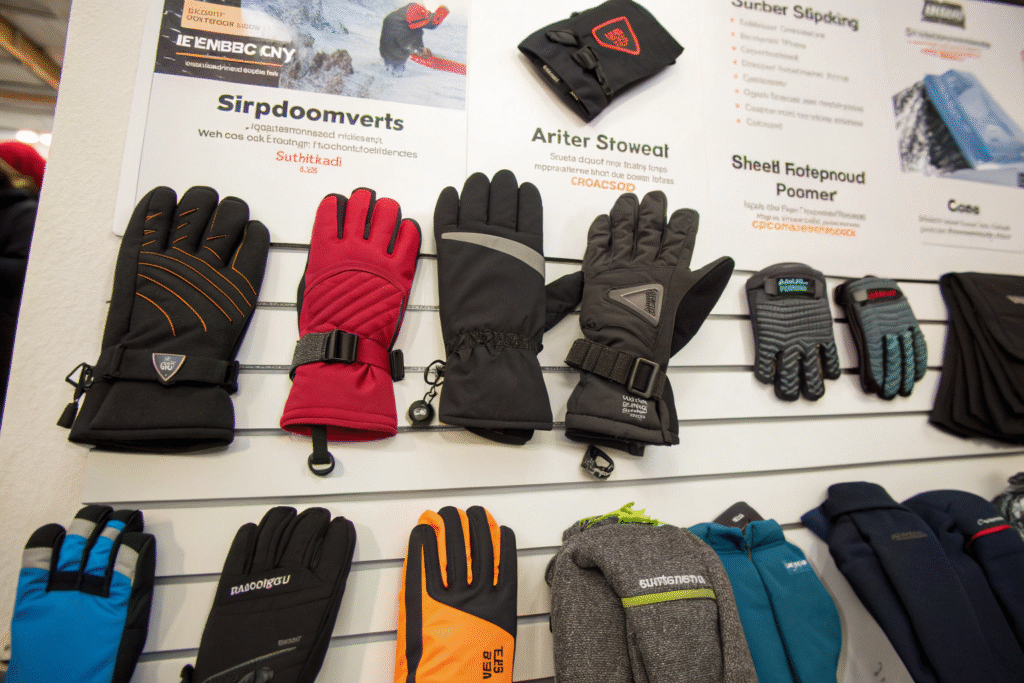
Gloves represent the most sophisticated handwear category, with specialized designs for various activities and style preferences. Touchscreen-compatible gloves have become essential for urban consumers, with seamless integration that maintains style while providing functionality. Fashion leather gloves deliver luxury positioning with details like cashmere lining, decorative stitching, and sophisticated fastenings. Technical performance gloves with waterproofing, insulation, and grip enhancements appeal to outdoor enthusiasts. Knit and crochet gloves offer affordable fashion options with endless pattern and color possibilities. Successful retailers maintain balanced assortments across these categories to capture different consumer segments and usage occasions.
What role do mittens play in winter assortments?
Mittens deliver superior warmth compared to gloves, making them essential for extreme cold and children’s wear. Traditional wool mittens represent heritage styling with reliable performance. Technical mittens with waterproof shells and advanced insulation appeal to winter sports enthusiasts. Fashion mittens with faux fur, embroidery, and decorative elements attract style-conscious consumers. Convertible mittens with flip-top designs offer versatility that appeals to practical consumers who need finger dexterity occasionally. While typically representing smaller volume than gloves, mittens deliver important price point coverage and address specific consumer needs that gloves cannot satisfy.
What complementary accessories enhance winter outfits?
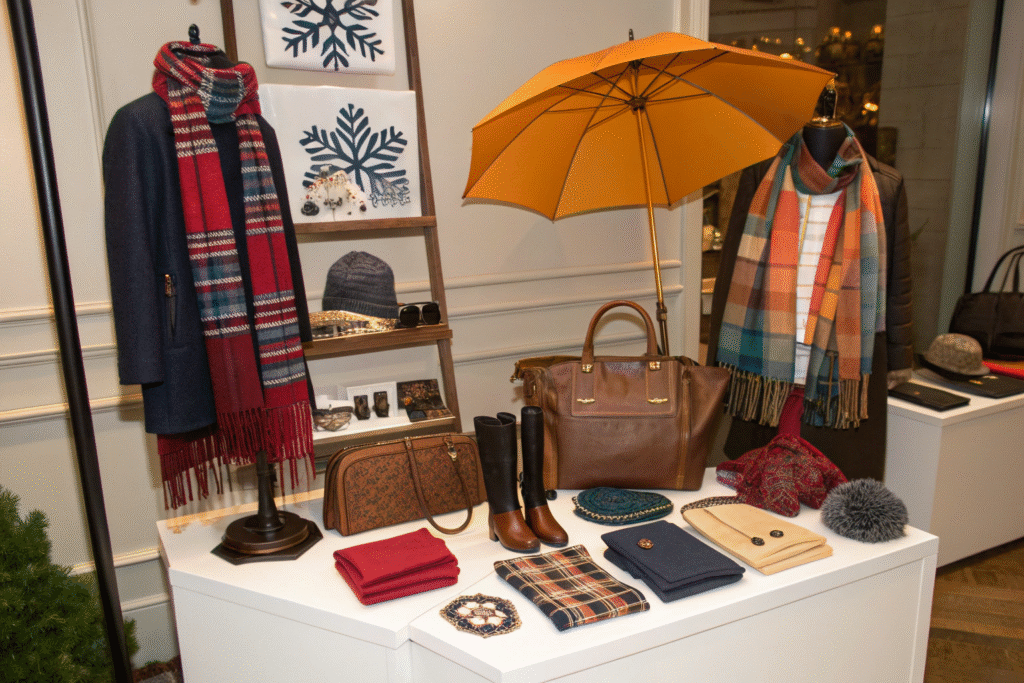
Beyond the core warmth-providing categories, several complementary accessories drive significant winter sales by completing outfits, providing practical benefits, or offering gifting opportunities. These items enhance the winter accessory business without directly competing with core categories.
Strategic complementary accessories increase basket size while providing style solutions that core categories cannot address.
How do bag and umbrella categories perform in winter?
Winter-specific bag and umbrella designs address seasonal needs while coordinating with other accessories. Crossbody bags that wear well over bulky coats see increased winter demand, particularly in water-resistant materials and darker colors that hide winter grime. Fabric umbrellas with winter-appropriate patterns and colors complement accessory purchases while addressing practical precipitation protection. Bag accessories including seasonal charm designs and coordinating straps allow personalization of existing bags for winter style. These categories typically benefit from impulse purchasing when merchandised near core winter accessories, with consumers adding them to complete their seasonal style updates.
What seasonal jewelry and hair accessories round out assortments?
Winter-specific jewelry and hair accessories complement core categories by adding sparkle and style during darker months. Statement necklaces that layer over turtlenecks and sweaters extend neckwear options beyond scarves. Festive hair accessories including crystal-embellished clips and seasonal bows attract holiday party shoppers. Seasonal brooches and pins that adorn coats, hats, and bags offer affordable style updates. These categories typically deliver higher margins than core warmth accessories while addressing the desire for holiday glamour and gift-giving options beyond practical items.
How should retailers balance their winter accessory assortments?
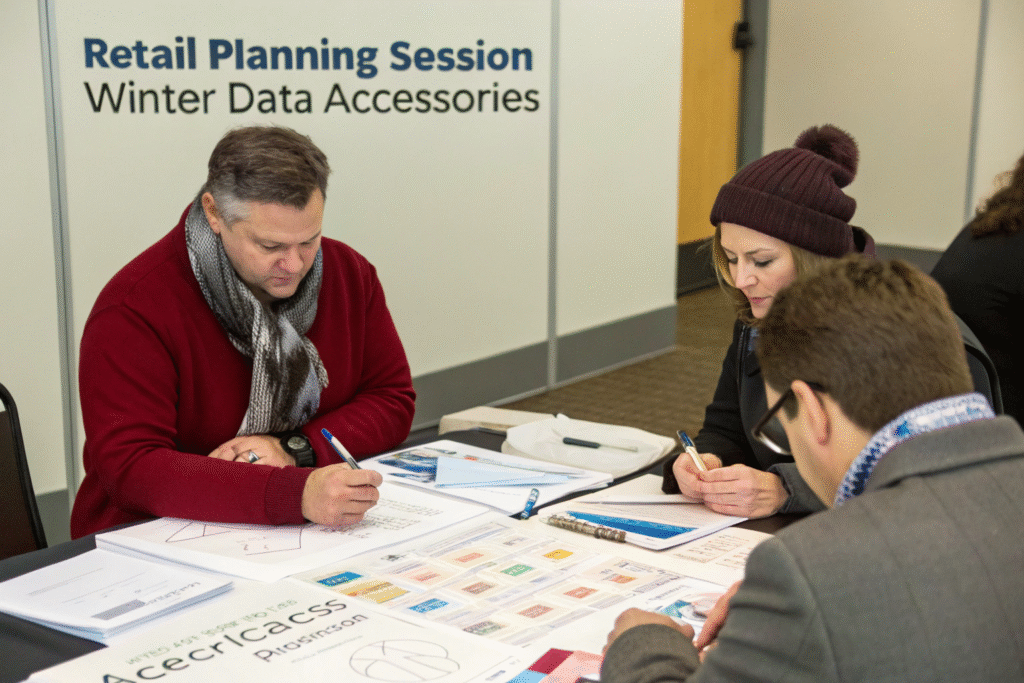
Successful winter accessory retail requires strategic assortment planning that balances multiple factors including price points, materials, styles, and inventory depth. The most profitable winter accessory businesses maintain disciplined assortment architecture that maximizes sales while minimizing markdowns.
Strategic assortment planning recognizes that different categories serve different roles within the overall winter accessory business.
What price point architecture optimizes sales and margins?
Winter accessory assortments should include strategic price point distribution that captures different consumer segments. Opening price points (typically $15-30) drive volume with basic beanies, acrylic scarves, and knit gloves that appeal to budget-conscious consumers and impulse purchasers. Mid-tier pricing ($30-75) delivers core business with wool blends, fashion designs, and technical features that represent the assortment backbone. Premium and luxury pricing ($75+) creates aspiration and gift-giving opportunities with cashmere, luxury materials, and designer collaborations. Successful retailers typically maintain approximately 40% of inventory at opening price points, 45% at mid-tier, and 15% at premium levels, though this varies by retail channel and customer demographic.
How should inventory depth be allocated across categories?
Strategic inventory management ensures popular categories remain in stock while limiting exposure to trend-driven items. Core basics including solid-color beanies, traditional scarves, and black gloves require deepest inventory with multiple replenishments throughout the season. Fashion colors and patterns should receive moderate depth with limited replenishment to maintain freshness. Trend-driven and novelty items warrant shallow initial buys with careful sell-through monitoring before reordering. Late-season introductions including holiday-specific designs and Valentine’s patterns require precise timing with minimal carryover risk. This disciplined approach to inventory depth maximizes full-price selling while minimizing end-of-season markdowns.
Conclusion
Essential winter retail accessories encompass headwear, neckwear, handwear, and complementary categories that collectively address both functional warmth needs and fashion expression during colder months. The most successful winter accessory businesses maintain balanced assortments across price points, materials, and styles while understanding how different categories work together within consumer wardrobes. Retailers who master winter accessory merchandising capture significant seasonal revenue while building customer loyalty through products that genuinely enhance the winter experience.
If you’re looking to optimize your winter accessory assortments or develop new seasonal products, we invite you to contact our Business Director, Elaine. Our experience supplying winter accessories to global retailers can help you build successful seasonal strategies. Reach her at: elaine@fumaoclothing.com.