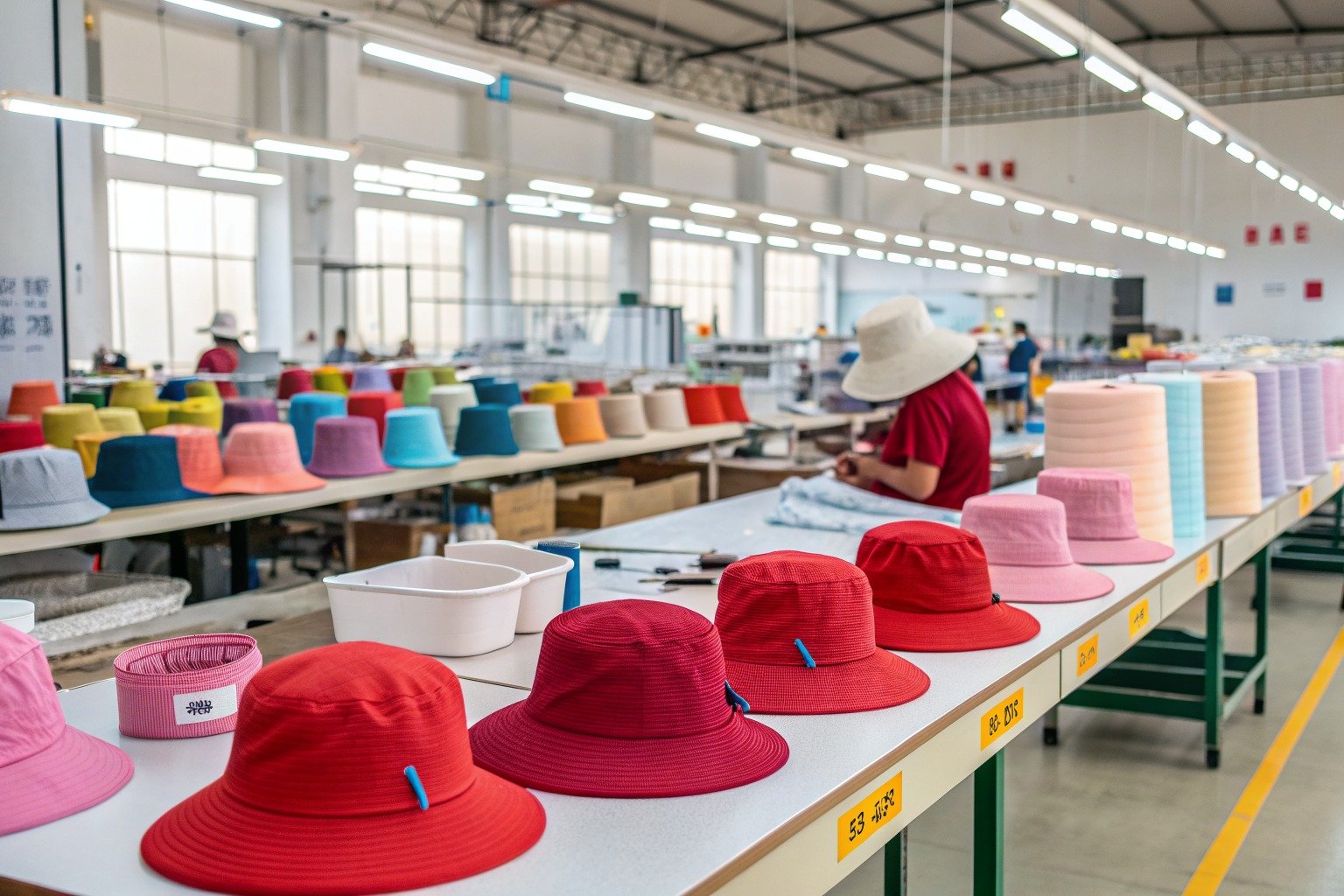
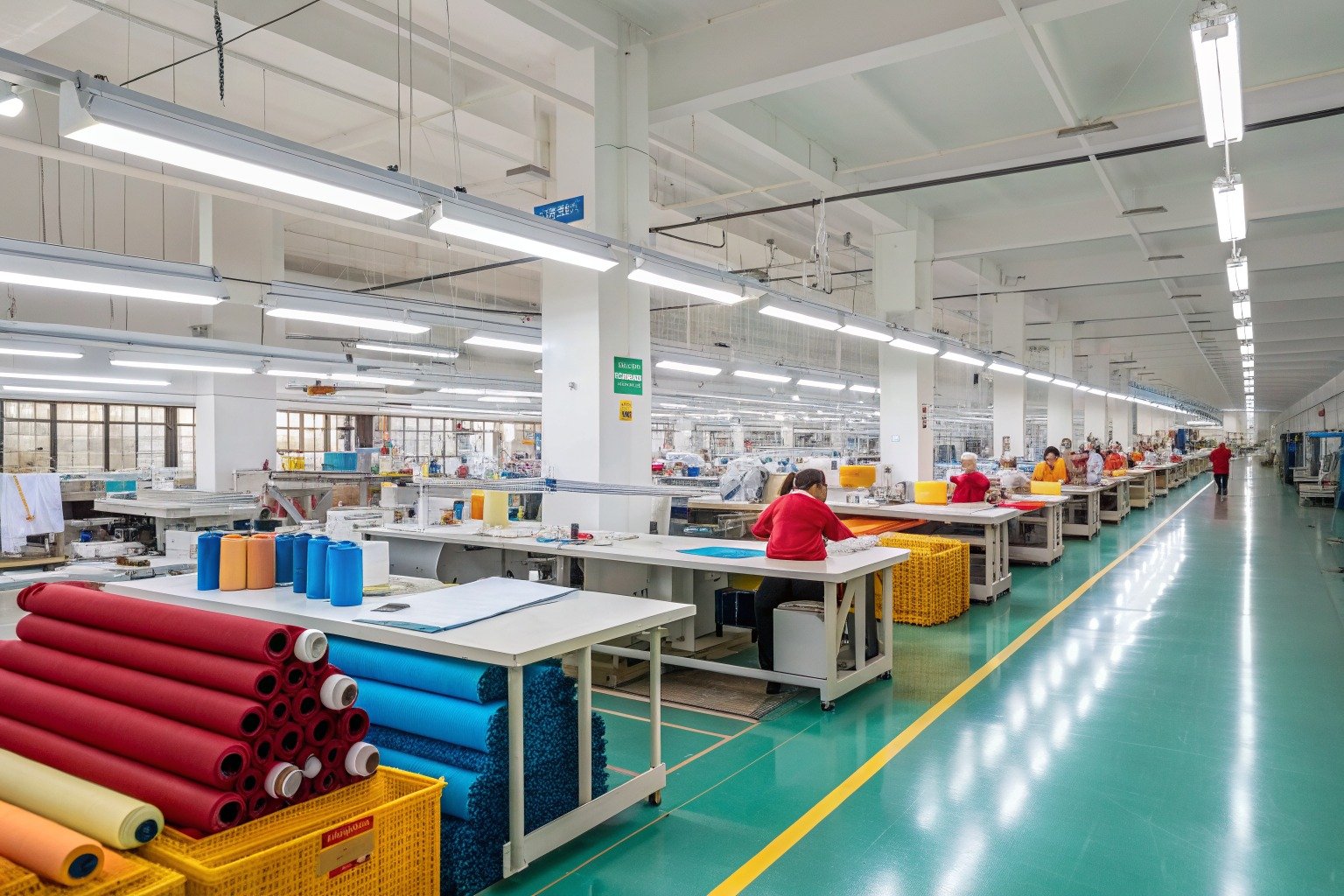
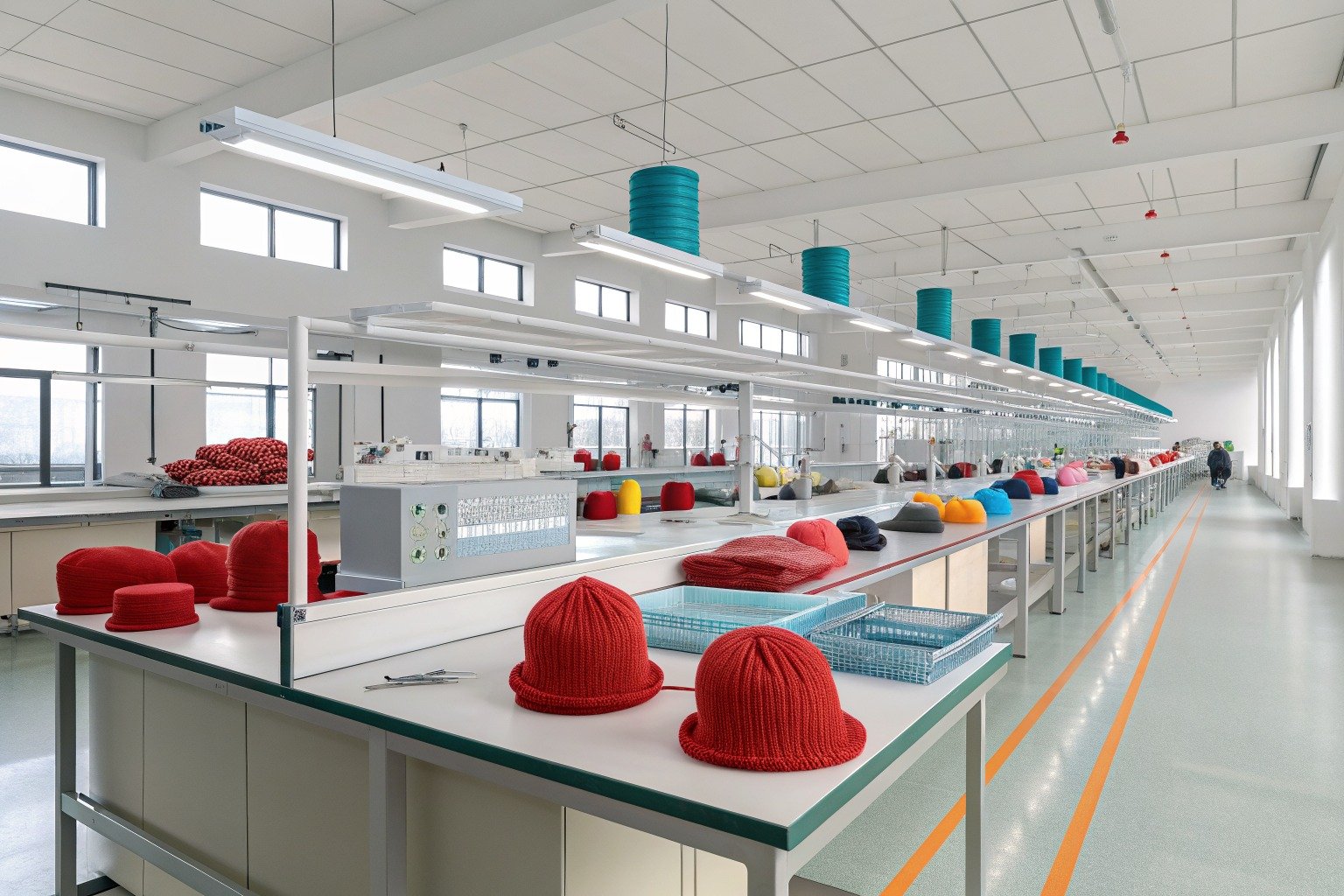
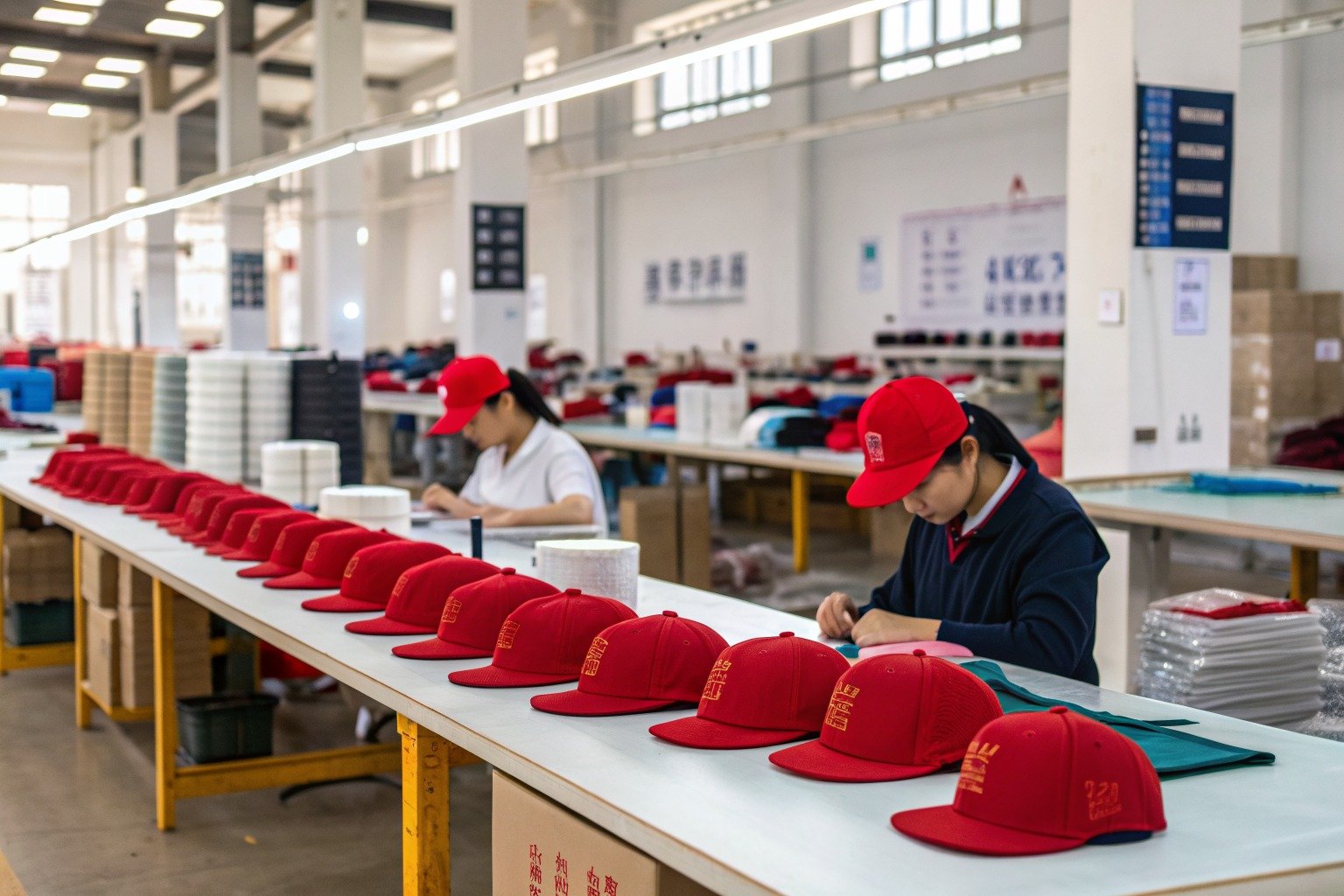
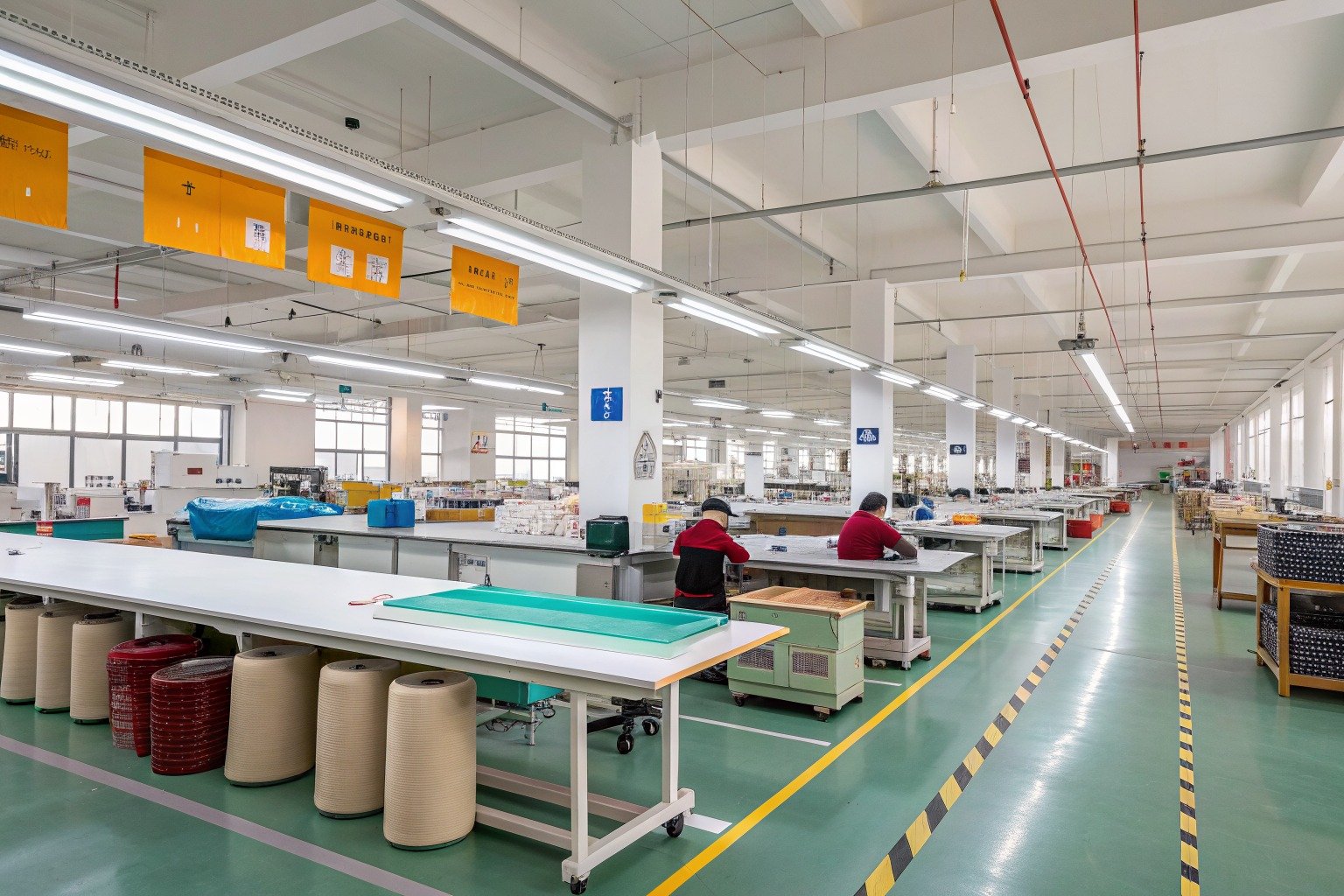
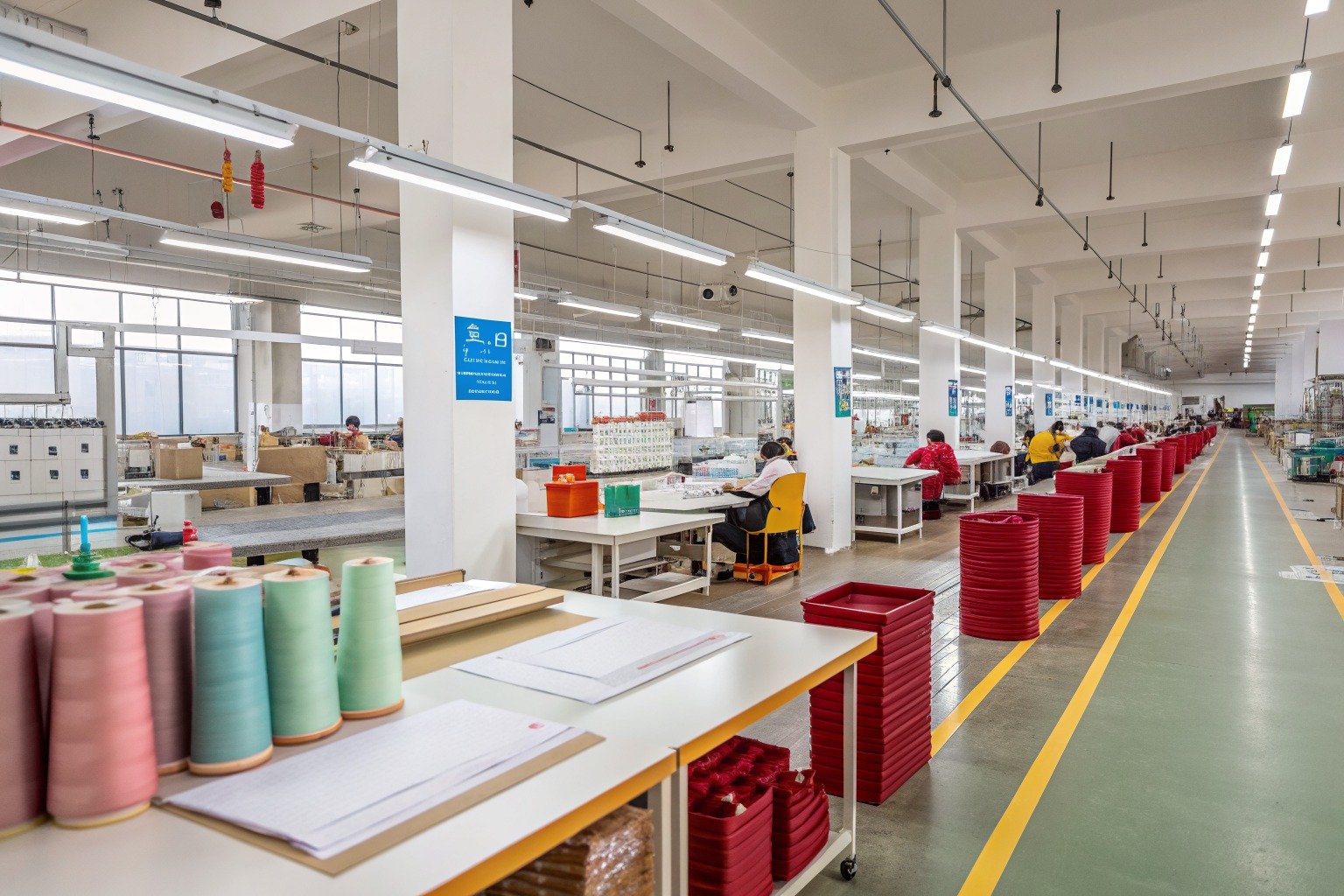
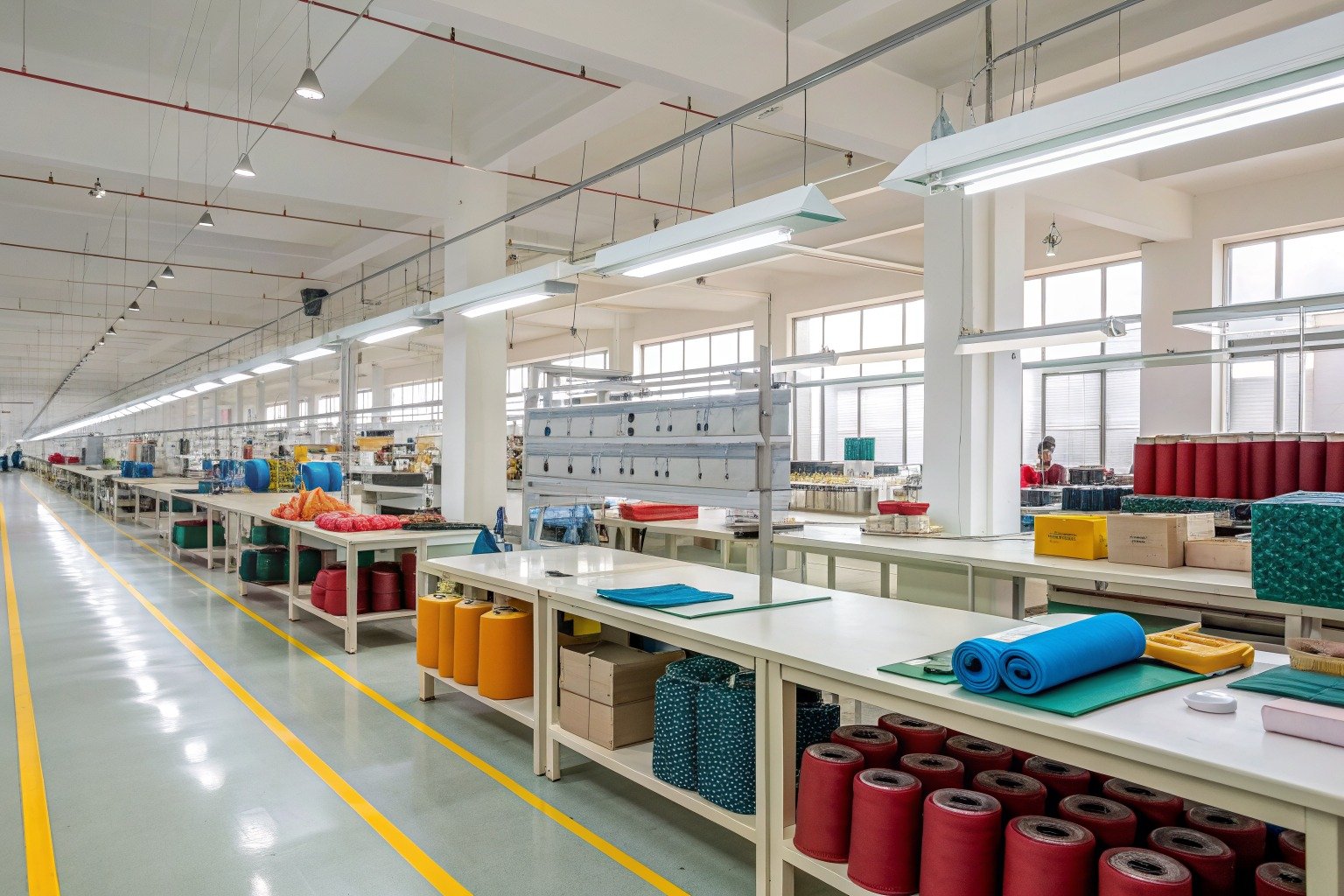
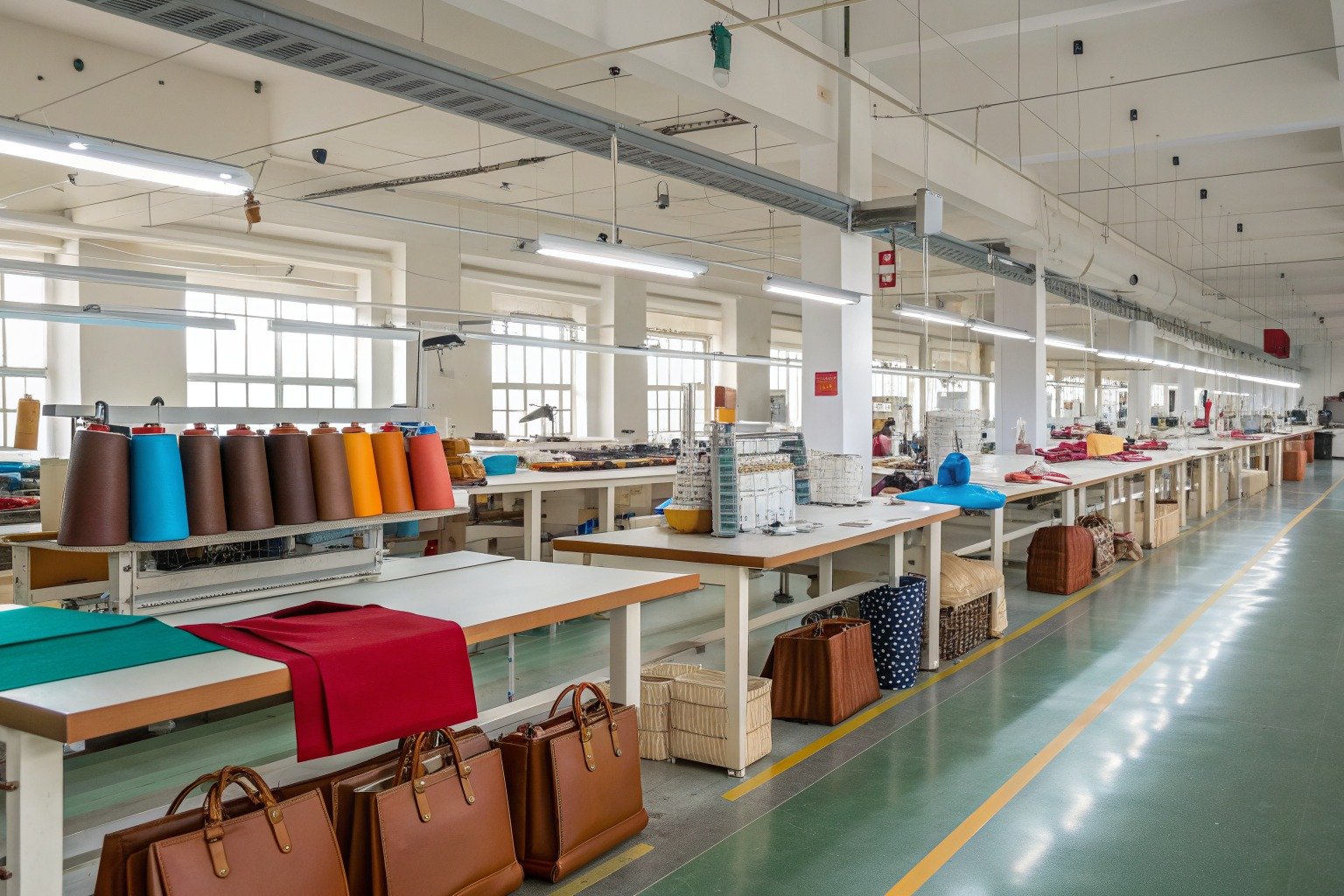
Bag accessory manufacturing is undergoing a radical transformation driven by technological advancements, changing consumer expectations, and sustainability imperatives. Traditional manufacturing approaches are being reimagined through digitalization, material science breakthroughs, and new business models that respond to evolving market demands. Through our work supplying accessories to bag brands worldwide, we’ve identified key innovation areas reshaping how bag accessories are designed, produced, and brought to market.
Bag accessory manufacturing is innovating through digital design integration, smart material applications, sustainable production systems, customization technologies, and supply chain transformation that collectively enhance capability, reduce environmental impact, and create new value propositions.This multi-dimensional innovation addresses both production efficiency and product differentiation in an increasingly competitive market.
The innovation landscape spans from fundamental process improvements to completely new manufacturing paradigms. Let’s examine the specific areas where bag accessory manufacturing is advancing most significantly.
How is digitalization transforming design and prototyping?
Traditional bag accessory development involves lengthy physical prototyping cycles that limit creativity and slow time-to-market. Digital tools are collapsing these timelines while expanding creative possibilities and ensuring manufacturing feasibility from the earliest design stages.
Digital integration transforms accessory development from sequential physical iterations to simultaneous virtual creation and validation.
What 3D modeling and simulation capabilities accelerate development?
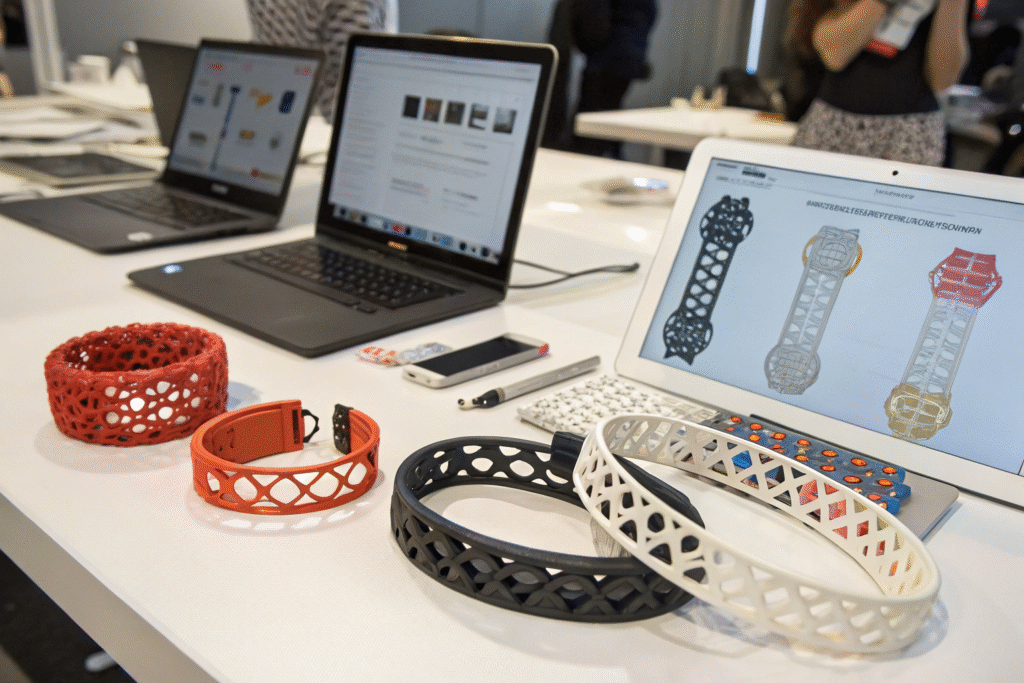
Physical prototyping of bag accessories like hardware, straps, and decorative elements traditionally requires multiple iterations to perfect. Our advanced 3D modeling platforms enable designers to create virtual accessories with photorealistic material representation, evaluating how different finishes, textures, and forms work together before any physical resources are committed. The software includes physics simulation that tests how accessories will function in real-world conditions—predicting strap strength under load, hardware durability with repeated use, and material behavior in different environments. This virtual validation has reduced our prototyping cycles by 70% while enabling more ambitious designs that would be too risky or time-consuming to develop through traditional physical prototyping alone.
How does computational design expand creative possibilities?
Human designers naturally work within familiar forms and construction methods, while computational systems can explore unconventional solutions. We’ve integrated generative design algorithms that create innovative accessory concepts based on specified parameters like functional requirements, material constraints, and aesthetic preferences. These systems produce unexpected forms and configurations that human designers might never consider, often resulting in breakthrough products with unique functional advantages. For hardware components, the algorithms might develop novel closure mechanisms or attachment systems that improve both function and aesthetics. This human-computer collaboration has significantly expanded our design vocabulary while increasing the innovation rate in our accessory collections.
What smart material applications are advancing functionality?
Bag accessories are evolving from passive decorative elements to functional components enhanced by advanced materials. Material science innovations are enabling accessories that offer improved performance, enhanced durability, and entirely new capabilities.
Smart material integration transforms accessories from stylistic additions to value-adding components that enhance the overall bag experience.
How are performance-enhanced materials improving durability?
Traditional accessory materials often represent failure points where bags show wear first. We’re implementing advanced polymer composites for hardware components that offer metal-like appearance with significantly reduced weight and corrosion resistance. Self-healing coatings on metal hardware maintain appearance despite scratches and minor impacts. For straps and handles, we’re using engineered textiles with enhanced abrasion resistance and UV stability that maintain appearance through years of use. The most advanced applications include phase-change materials in strap padding that regulate temperature for improved comfort and shape-memory alloys in frames that return to perfect form after deformation. These material innovations have significantly extended accessory lifespan while maintaining aesthetic appeal.
What electronic integrations are creating smart accessories?
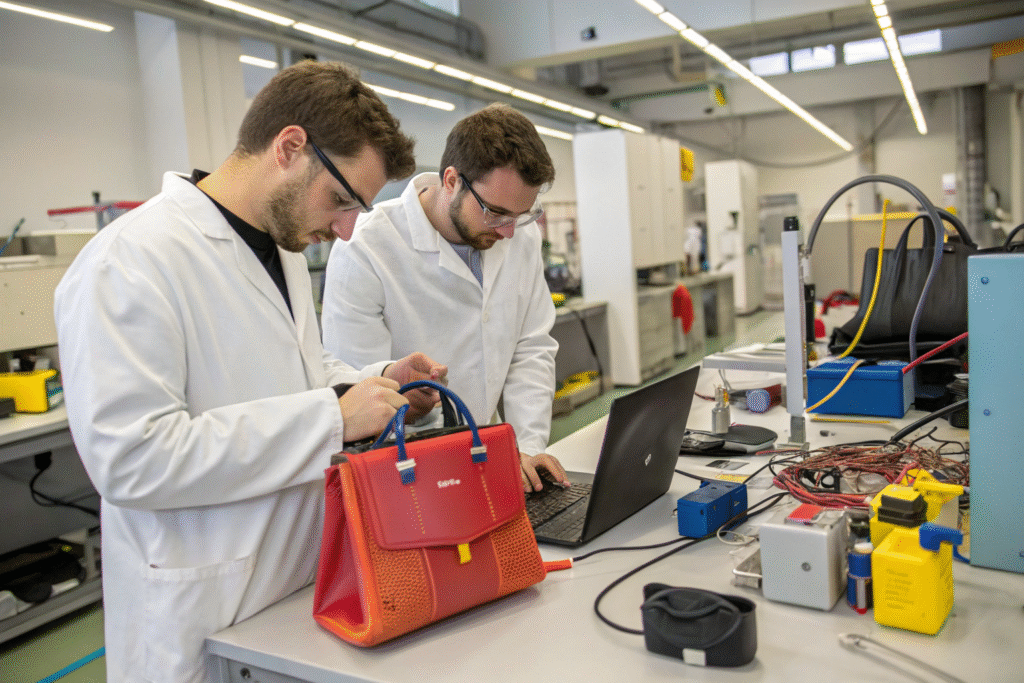
The boundary between accessories and electronics is blurring as manufacturers integrate technology directly into bag components. We’re developing hardware with embedded NFC chips that enable authentication, ownership registration, and connection to digital services. Strap-integrated power banks provide convenient device charging without adding separate components. Illuminated accessories using fiber optics and micro-LEDs enhance visibility and safety while creating distinctive aesthetic effects. The most advanced smart accessories include proximity sensors that alert users when they move away from their bag and load sensors that warn when weight limits are approached. These electronic integrations transform accessories from passive elements to active participants in the user experience.
How are sustainable manufacturing systems transforming production?
Sustainability has evolved from compliance requirement to competitive advantage in bag accessory manufacturing. Innovative approaches are reducing environmental impact while often improving product quality and manufacturing efficiency.
Sustainable manufacturing innovations address material sourcing, production processes, and end-of-life considerations throughout the accessory lifecycle.
What circular production models reduce waste?
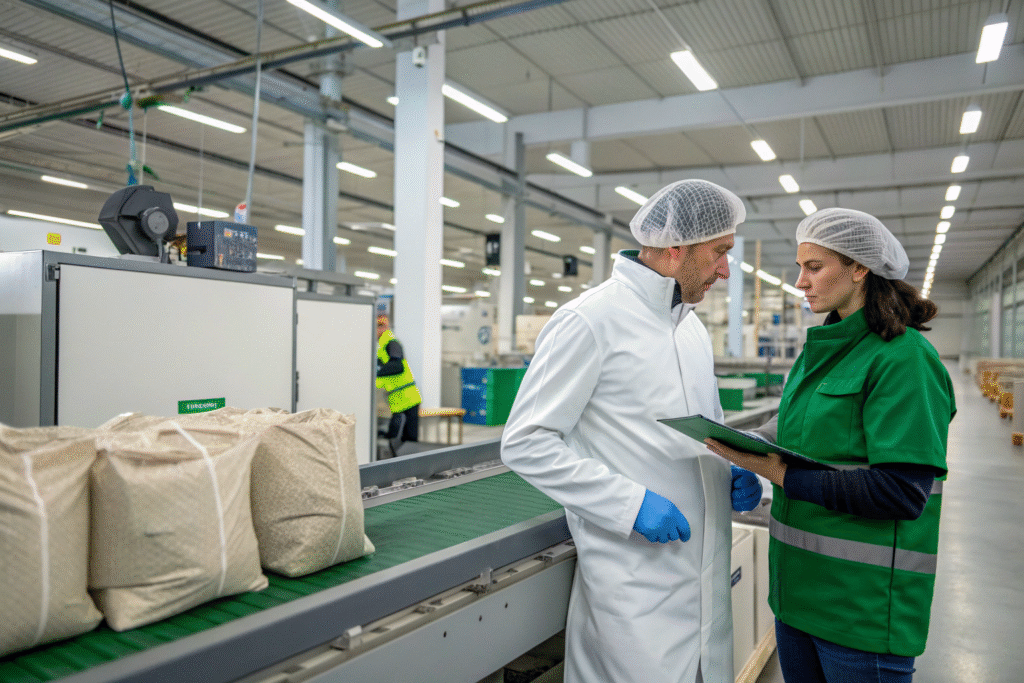
Traditional manufacturing generates significant waste through subtractive processes and quality rejections. We’ve implemented closed-loop production systems that recycle waste materials directly back into manufacturing processes. Metal hardware production now utilizes recycling rates exceeding 95% through efficient scrap collection and reprocessing. For plastic components, we’ve established regrind systems that incorporate production waste into new products without quality compromise. The most advanced circular applications include chemical recycling of mixed-material accessories that separates components for optimal reuse. These circular approaches have reduced our material waste by 65% while decreasing raw material costs and environmental impact.
How are bio-based and recycled materials being integrated?
Virgin material substitution represents a major sustainability innovation area. We’re increasingly using marine plastics recovered from oceans and waterways for hardware components and decorative elements. Plant-based polymers derived from agricultural waste offer renewable alternatives to petroleum-based plastics. For metal components, we’re transitioning to recycled content exceeding 80% while maintaining quality standards. The most promising material innovations include bio-fabricated alternatives grown from microorganisms that offer custom properties with minimal environmental impact. These material substitutions have significantly reduced the carbon footprint of our accessories while appealing to environmentally conscious consumers.
How is customization technology changing consumer engagement?
Mass customization represents a major manufacturing innovation that transforms how consumers interact with bag accessories. Advanced manufacturing technologies enable personalization at scale, creating new value propositions and consumer relationships.
Customization capabilities allow manufacturers to address individual preferences while maintaining production efficiency.
What on-demand manufacturing systems enable personalization?
Traditional manufacturing requires large batches that limit personalization options. We’ve implemented digital manufacturing systems that efficiently produce single customized items or small batches. 3D printing technologies create unique hardware components with complex geometries impossible to produce through traditional methods. Digital embroidery allows personalized patterns and monograms on straps and decorative elements without minimum quantity requirements. Laser engraving and etching provide permanent customization of metal and leather components. These on-demand capabilities have opened new business models where consumers co-create their accessories, resulting in stronger emotional connections and willingness to pay premium prices.
How do configurator platforms facilitate consumer co-creation?
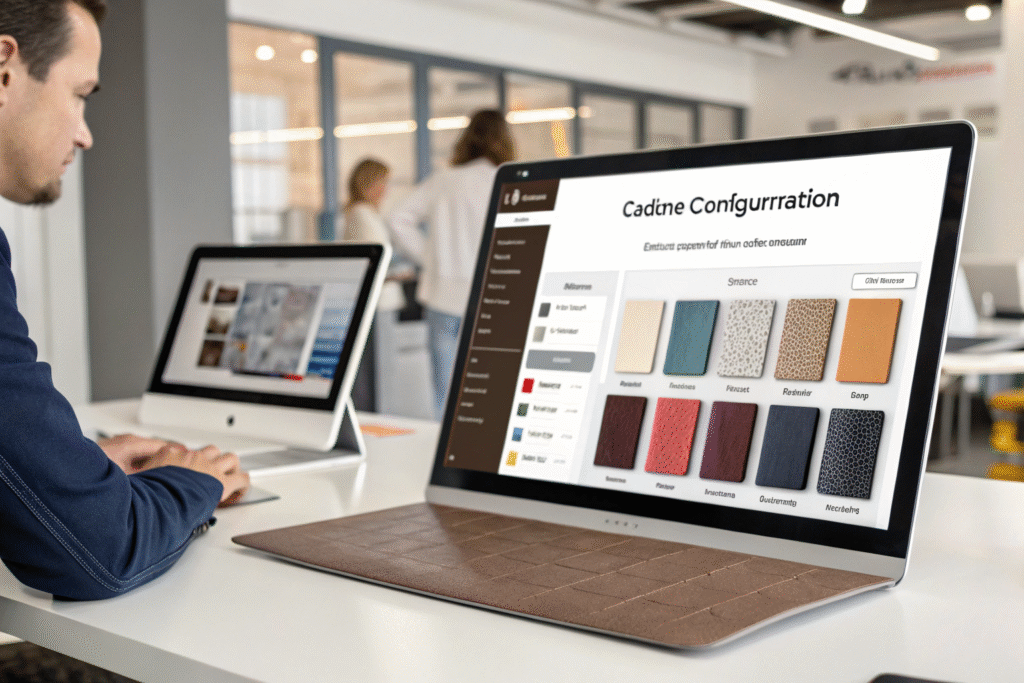
Beyond manufacturing technology, digital platforms enable new forms of consumer participation in accessory creation. Our online configurator systems allow customers to visualize custom accessories in real-time, selecting materials, colors, finishes, and personalization options while seeing immediate visual feedback. The systems include manufacturability checking that ensures custom designs can be produced within quality standards and cost parameters. For complex accessories, augmented reality visualization shows how custom options will appear on actual bags. These platforms have transformed accessory selection from choosing among predetermined options to active participation in creation, significantly enhancing consumer engagement and satisfaction.
Conclusion
Bag accessory manufacturing is innovating across multiple dimensions—digital design integration, smart material applications, sustainable production systems, and customization technologies—that collectively transform how accessories are created, produced, and experienced. Manufacturers embracing these innovations position themselves for success in a competitive market by offering superior products, reduced environmental impact, and enhanced consumer engagement. The most successful innovation strategies address both production efficiency and product differentiation, recognizing that manufacturing excellence and market appeal are increasingly interconnected in the evolving accessories landscape.
If you’re looking to leverage these manufacturing innovations for your bag accessory collections, we invite you to contact our Business Director, Elaine. Our experience implementing advanced manufacturing technologies across diverse accessory categories can help you achieve similar innovation breakthroughs. Reach her at: elaine@fumaoclothing.com.