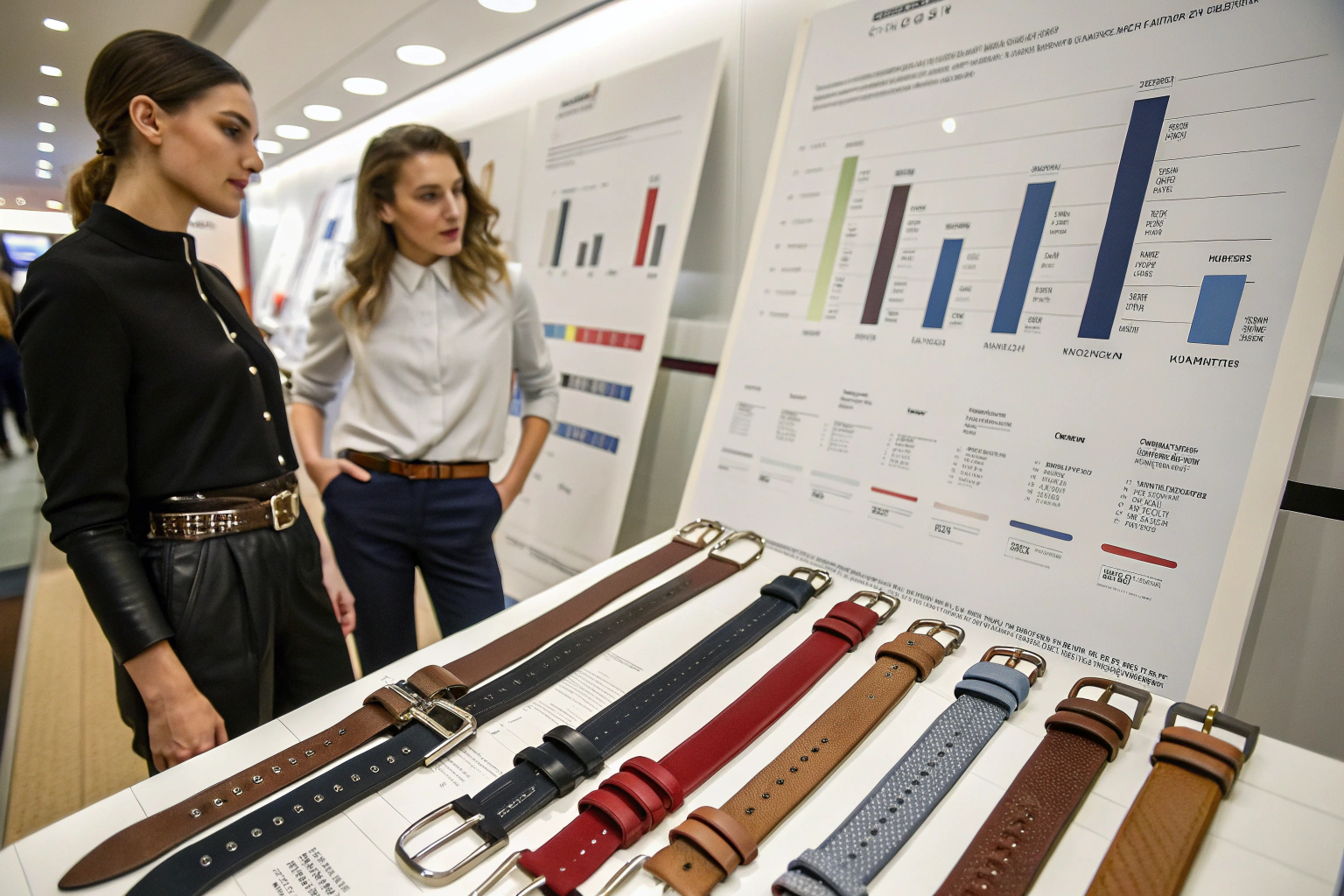
The fashion accessory market shows fascinating dynamics between belts and waistbands, with popularity shifting based on fashion trends, consumer demographics, and functional requirements. Through our manufacturing experience supplying both categories to global markets, we’ve observed distinct patterns in consumer preference, market performance, and future growth trajectories for these competing waist-defining products.
Currently, waistbands are experiencing stronger growth and broader popularity across most fashion segments due to changing fashion silhouettes, comfort-focused dressing trends, and the rise of athleisure influences, though belts maintain strong positions in specific categories including luxury fashion, formalwear, and vintage-inspired styles.This popularity distribution reflects broader shifts in how consumers approach both fashion and function in their accessory choices.
Understanding the relative popularity requires examining multiple dimensions beyond simple sales volume. Let’s analyze the specific factors driving preference in this dynamic segment of the fashion accessories market.
How do fashion trend cycles influence relative popularity?
Fashion trends significantly impact the popularity balance between belts and waistbands, with each product category benefiting from different style movements. The current fashion landscape strongly favors waistbands, but belts maintain important positions in specific style contexts.
The trend-driven nature of fashion accessories means popularity can shift rapidly as new styles emerge and consumer preferences evolve.
What current fashion movements favor waistbands?
Several dominant fashion trends have significantly boosted waistband popularity in recent seasons. The athleisure movement has made elastic waistbands and drawstring styles socially acceptable beyond athletic contexts, integrating them into everyday fashion. Comfort-first dressing post-pandemic has driven preference for waistbands that accommodate fluctuating body shapes without constriction. The high-waisted silhouette popularity has made waistbands more visible and fashionable as design features rather than hidden necessities. Additionally, the minimalist aesthetic often favors integrated waistbands over additional accessories like belts. These converging trends have positioned waistbands as both fashionable and functional, driving their current popularity advantage in the broader market.
Which style contexts maintain belt popularity?
Despite waistbands’ current advantage, belts maintain strong popularity in specific fashion contexts. Heritage and vintage styles continue to favor leather belts as authentic period-accurate accessories. Formal and business attire typically requires belts as finishing elements for trousers and tailored clothing. Luxury fashion utilizes belts as status symbols and investment pieces, with designer belt sales remaining strong despite broader market shifts. Alternative fashion subcultures including goth, punk, and rock styles continue to feature belts as essential elements of their aesthetic language. These contextual strongholds ensure belts maintain significant market share even as waistbands gain broader popularity.
How do demographic factors affect product preference?
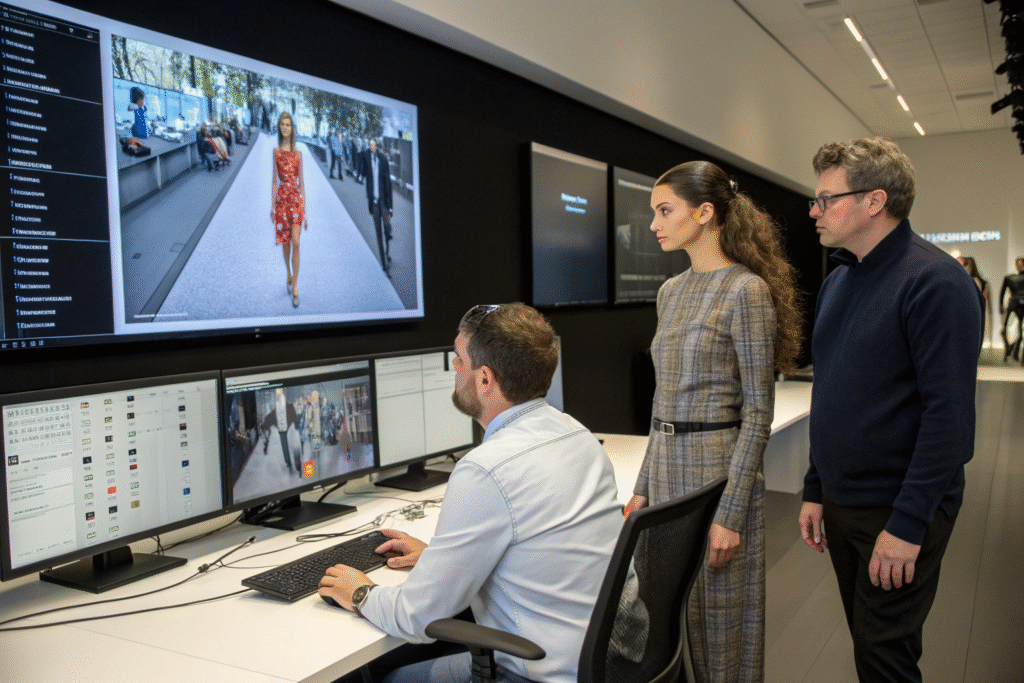
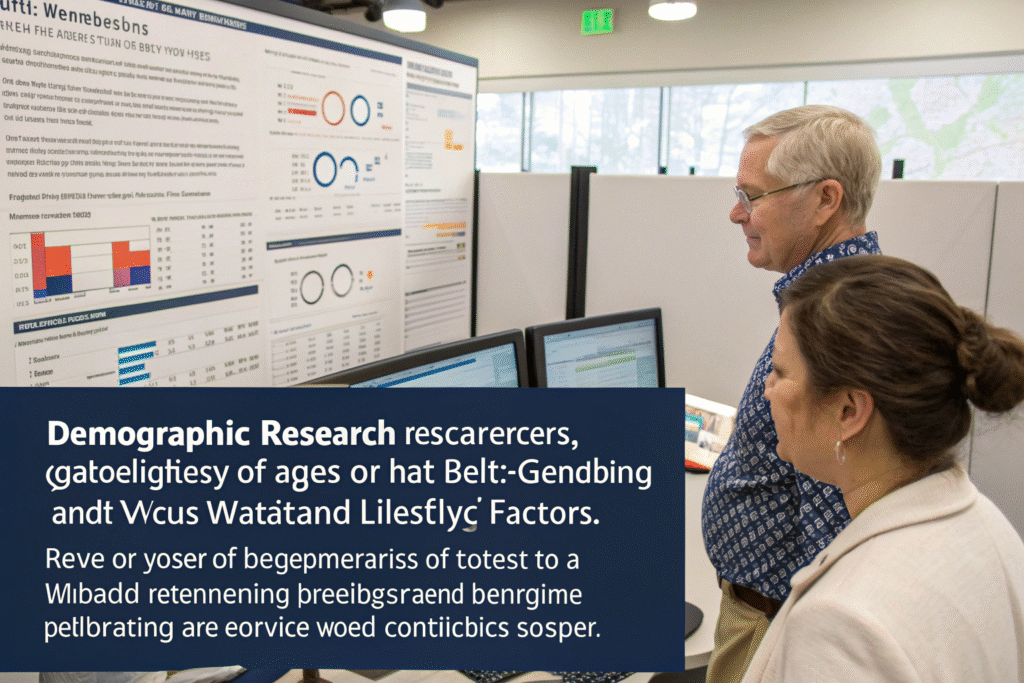
Different consumer demographics show distinct preferences between belts and waistbands, with age, gender, lifestyle, and geographic factors all influencing choice patterns. Understanding these demographic variations explains why both categories maintain significant market presence despite shifting overall popularity.
Demographic preference patterns reveal how different consumer segments prioritize fashion, function, and comfort in their accessory choices.
What age demographics prefer each option?
Age significantly influences belt versus waistband preference, with clear generational patterns emerging. Younger consumers (Gen Z) strongly favor waistbands, particularly elastic and drawstring styles that align with their comfort-focused, gender-fluid fashion preferences. Millennials show the most balanced preferences, purchasing both fashion belts and comfortable waistbands for different contexts. Generation X maintains stronger belt preference, particularly for professional and formal contexts where they perceive belts as more polished. Baby Boomers show the strongest belt loyalty, often viewing waistbands as casual or athletic rather than proper fashion. These generational patterns suggest waistbands may maintain their popularity advantage as younger consumers age and their preferences dominate the market.
How do gender and lifestyle influence choice?
Gender and lifestyle factors create distinct preference patterns between belts and waistbands. Women’s fashion currently strongly favors waistbands, particularly in dresses, skirts, and high-waisted bottoms where integrated waistbands create smooth silhouettes. Men’s fashion maintains stronger belt preference, particularly for jeans and trousers where belts serve both functional and style purposes. Active lifestyles drive waistband preference across genders, with elastic options accommodating movement and physical comfort. Professional contexts maintain belt preference across genders, particularly in conservative industries where belts complete business attire. These lifestyle influences ensure both categories maintain relevance for specific usage occasions and consumer needs.
What functional advantages drive preference?
Beyond fashion considerations, functional differences significantly influence belt versus waistband popularity for different applications. Each option offers distinct practical benefits that make them preferable for specific uses and consumer needs.
Functional considerations often override fashion preferences when consumers make purchasing decisions for specific wearing contexts.
What comfort factors favor waistbands?
Waistbands offer several comfort advantages that drive their popularity for everyday wear. Size flexibility allows waistbands to accommodate minor weight fluctuations and body changes throughout the day, unlike fixed-hole belts. Even pressure distribution prevents the digging and pressure points that belts can create, particularly when sitting. Temperature regulation benefits from waistbands that allow better air circulation compared to non-breathable belt materials. Movement accommodation makes waistbands preferable for active days, travel, and long wearing periods. These comfort advantages have become increasingly important as consumers prioritize wearable comfort in their clothing choices, significantly boosting waistband popularity for casual and everyday contexts.
What practical benefits maintain belt relevance?
Despite comfort advantages, belts offer practical benefits that maintain their popularity for specific applications. Adjustable fit precision allows belts to achieve exact sizing in a way integrated waistbands cannot match. Weight distribution capabilities make belts preferable for carrying additional items like tools, phones, or accessories. Durability and longevity typically favor quality belts over waistbands that may wear out with the garment. Transformative function allows belts to alter the fit of ill-fitting clothing in a way waistbands cannot. These practical benefits ensure belts maintain strong positions in workwear, utility contexts, and situations requiring precise fit adjustment.

How are market sales data reflecting popularity?
Market performance data provides concrete evidence of current popularity trends between belts and waistbands. Sales figures, growth rates, and market segment performance all indicate waistbands’ current advantage while revealing nuances in how each category performs across different market segments.
Quantitative market data confirms the broader popularity trends while highlighting specific opportunities for both product categories.
What do overall sales volumes indicate?
Current market data shows waistbands achieving higher overall sales volumes across most fashion categories. The fast fashion sector reports waistbands outselling belts by approximately 3:1 in women’s categories and 2:1 in men’s categories. The athleisure market shows even stronger waistband dominance, with elastic and drawstring waistbands representing over 85% of waist-defining product sales. However, premium and luxury segments tell a different story, with belts maintaining strong sales as investment pieces and status accessories. The workwear and uniform market also maintains strong belt sales due to functional requirements. These volume patterns confirm waistbands’ broader popularity while identifying specific segments where belts maintain strong positions.
What growth rates suggest about future popularity?
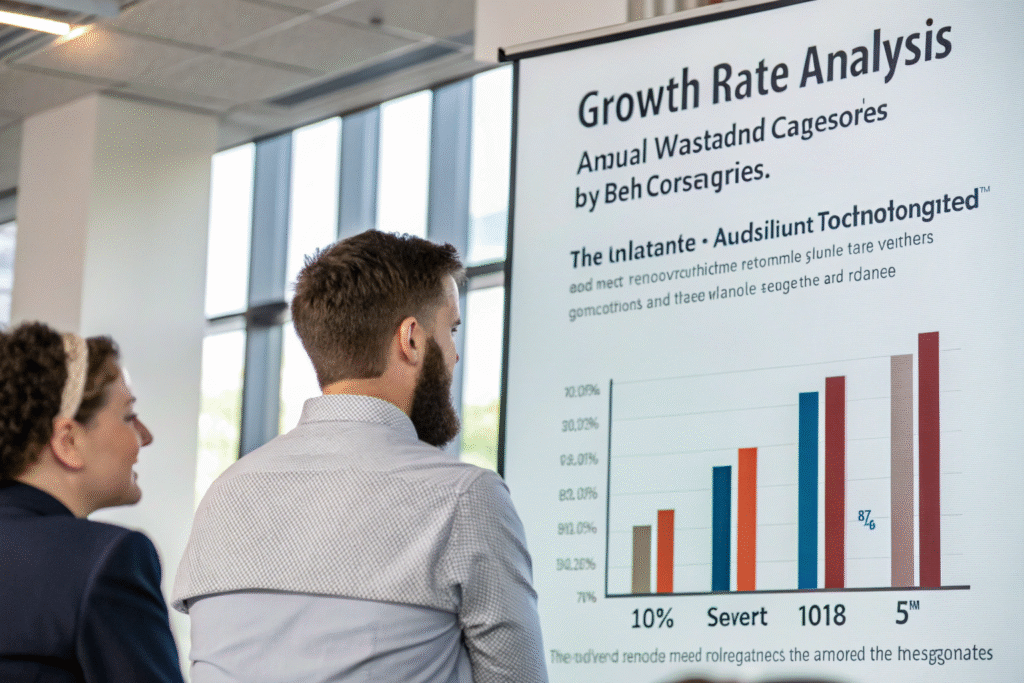
Growth rate analysis provides insights into future popularity trajectories beyond current sales volumes. Waistband categories are showing annual growth rates of 12-18% compared to 3-5% for most belt categories. Innovative waistband technologies including smart fabrics, temperature regulation, and adjustable systems are driving particularly strong growth in premium segments. Sustainable waistband options using recycled elastics and eco-friendly materials are outperforming conventional options. Meanwhile, designer and luxury belts are maintaining steady growth despite broader category challenges, suggesting belts are evolving toward higher-value, lower-volume positioning. These growth patterns suggest waistbands will likely extend their popularity advantage while belts transition toward more specialized, premium positioning.
Conclusion
While waistbands currently enjoy broader popularity driven by comfort-focused fashion trends and the athleisure movement, belts maintain strong positions in specific contexts including formalwear, luxury fashion, and utility applications. The popularity balance reflects broader shifts in fashion priorities, with comfort and flexibility currently driving preference toward waistbands while tradition, status, and specific functional needs maintain belt relevance. Successful manufacturers and retailers recognize that both categories hold important market positions and are developing strategies that address the distinct growth opportunities in each segment rather than treating them as directly competing options.
If you’re looking to navigate the evolving popularity dynamics between belts and waistbands for your product development strategy, we invite you to contact our Business Director, Elaine. Our experience manufacturing both categories for diverse market segments provides valuable insights into current preferences and future trajectories. Reach her at: elaine@fumaoclothing.com.