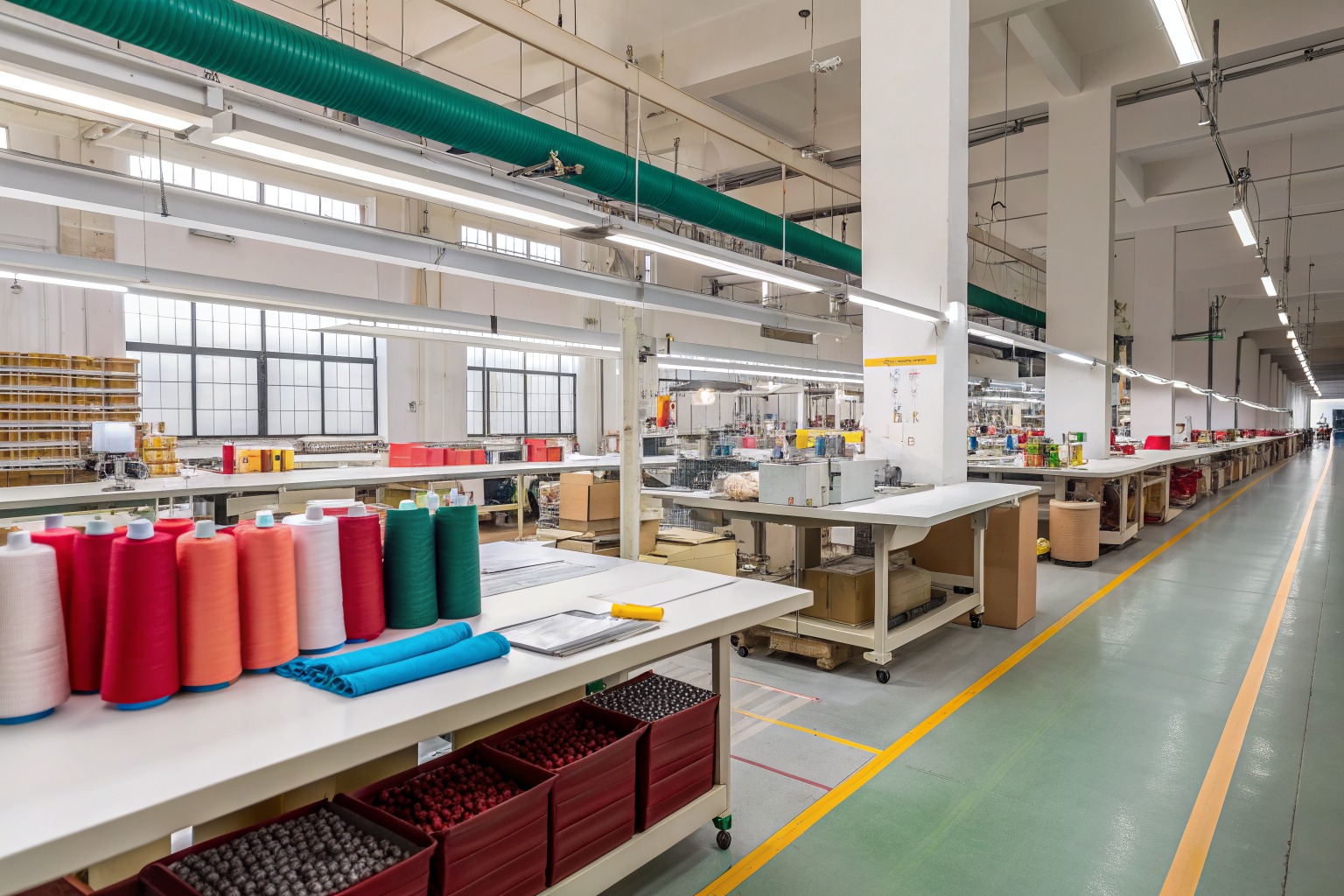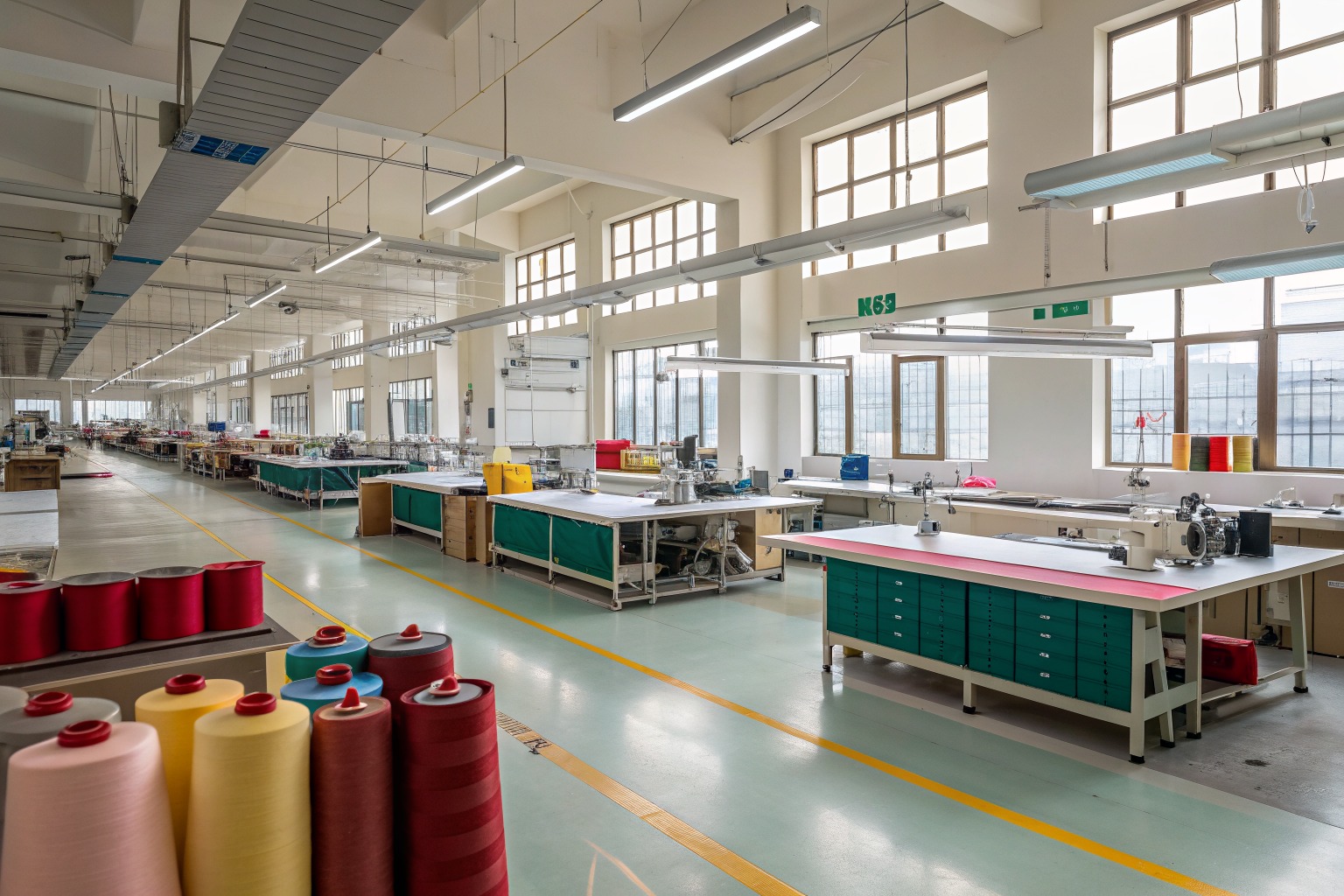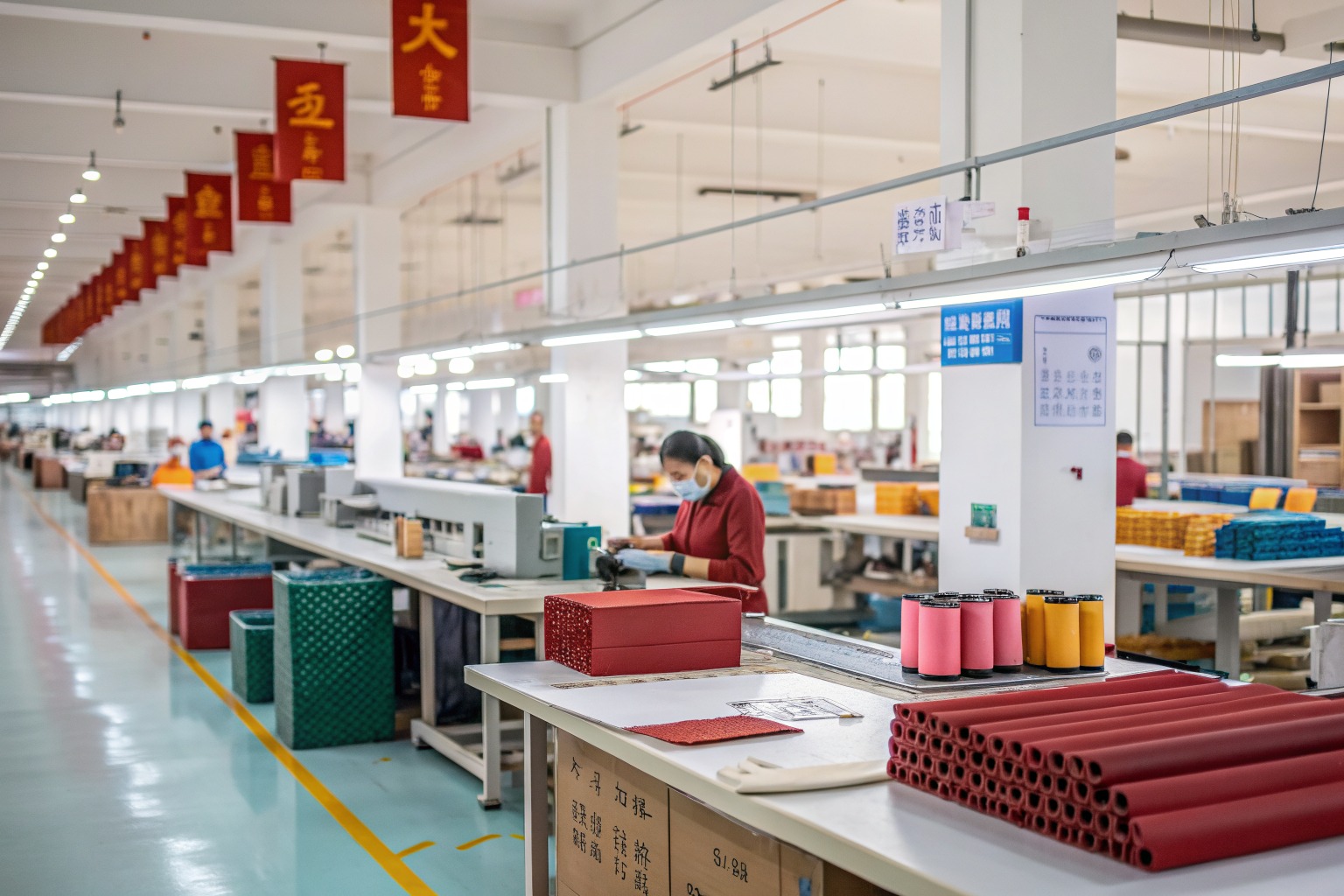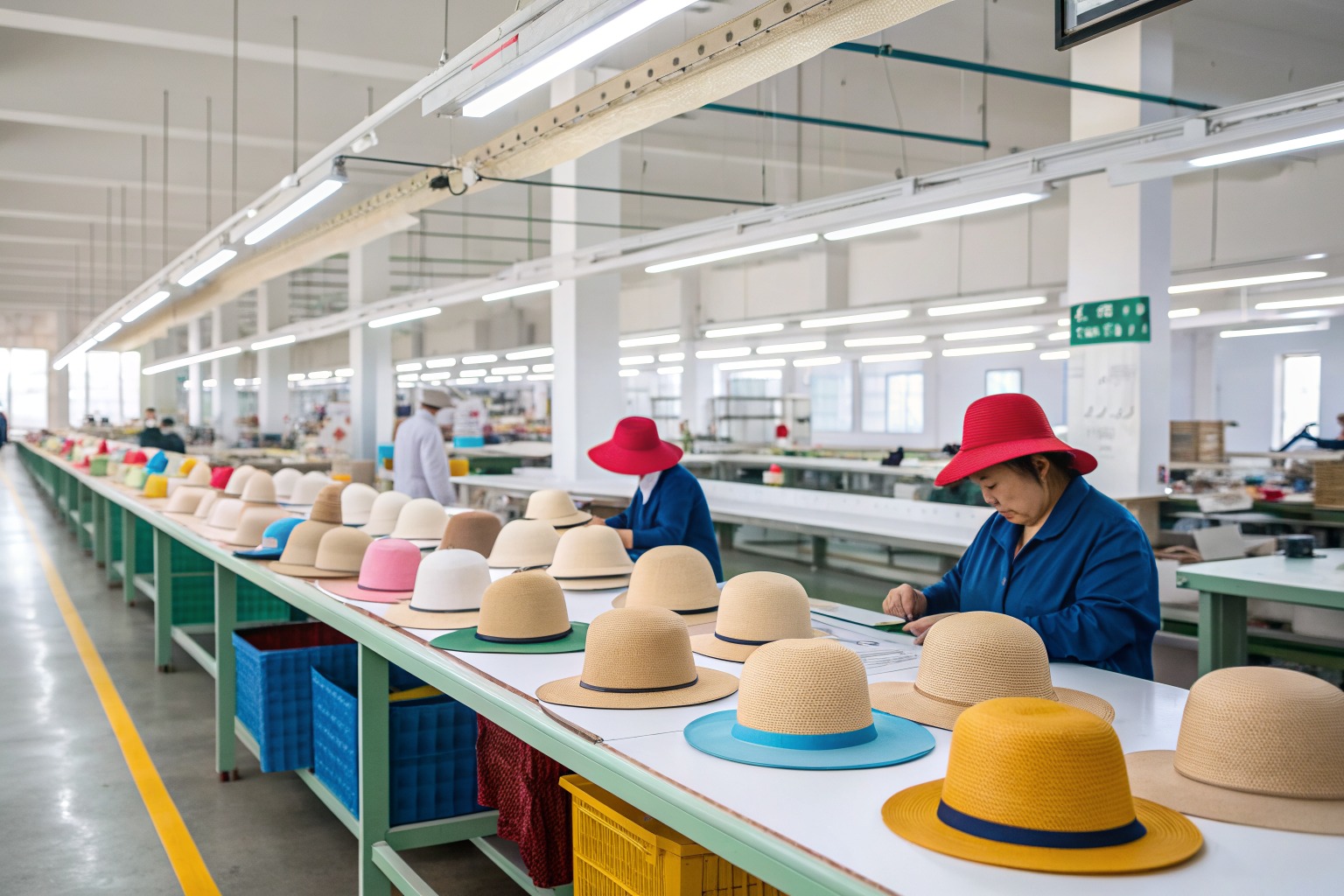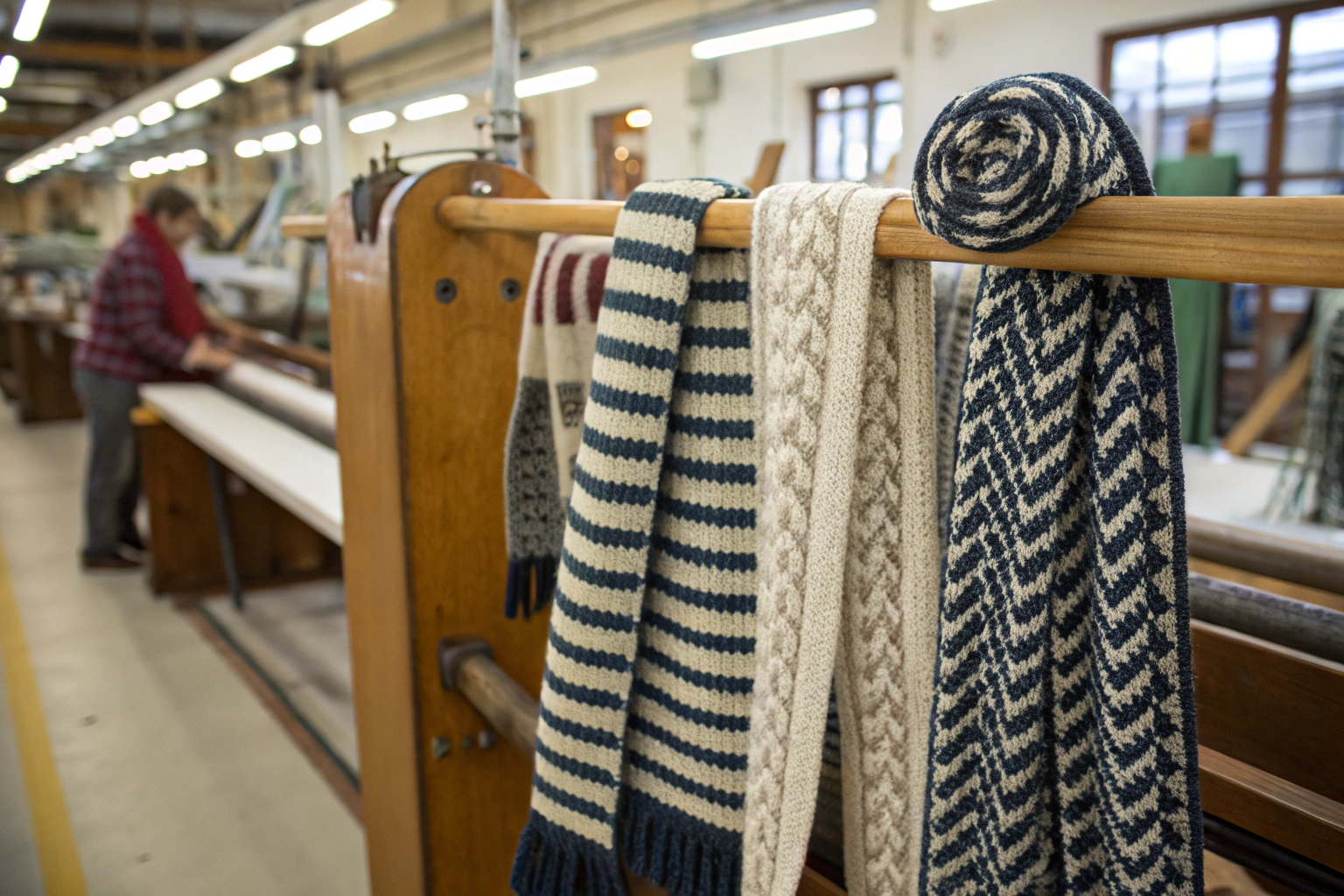
Striped knitted scarves present unique manufacturing challenges that traditional factories struggle to master consistently. From pattern alignment and color consistency to tension management and finishing, these seemingly simple accessories reveal the limitations of conventional knitting approaches. Through our transition to digital factory systems, we’ve documented remarkable quality improvements that explain why digitally transformed manufacturers are setting new quality standards in striped scarf production.
Digital factories achieve higher quality for striped knitted scarves through precision color management systems, real-time pattern monitoring, automated tension control, and data-driven process optimization that collectively eliminate the variations inherent in traditional manufacturing.This technological integration transforms striped scarf production from artisanal craft to precision engineering while preserving the aesthetic qualities that define these accessories.
The quality advantage of digital manufacturing becomes particularly evident in patterned knitwear where consistency demands exceed human capabilities. Let’s examine the specific digital systems driving this quality transformation.
How do digital color management systems enhance stripe consistency?
Color consistency represents one of the most challenging aspects of striped scarf production, with traditional methods struggling to maintain exact color placement and hue consistency across production runs. Even minor variations in dye lots, yarn tension, or knitting parameters can disrupt the visual harmony of striped patterns.
Digital color systems introduce scientific precision to what has traditionally been an artistic process, ensuring that every scarf reproduces intended colors with remarkable fidelity.
What role does spectrophotometric analysis play in color accuracy?
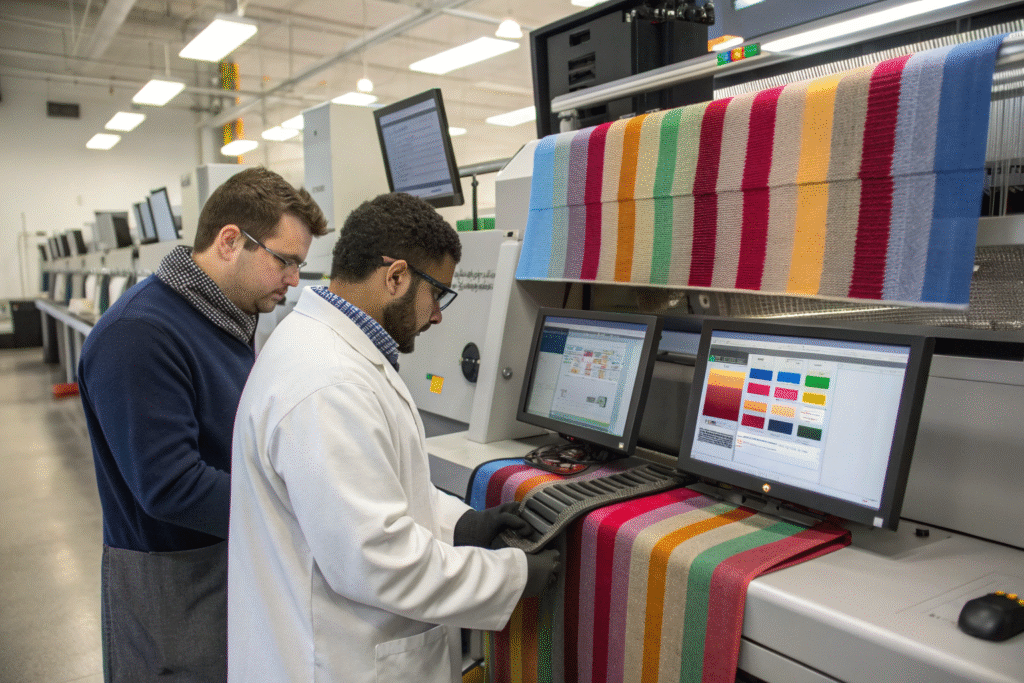
Traditional color matching relies on visual assessment under variable lighting conditions, introducing inevitable subjectivity. Our digital factories employ integrated spectrophotometers that quantitatively measure yarn color before knitting, comparing it against digital standards with precise numerical tolerances. The systems automatically flag yarn lots falling outside established parameters, preventing color inconsistencies before knitting begins. During production, in-line color monitoring continuously verifies that knitted stripes maintain color integrity, detecting subtle variations that human inspection would miss. This scientific approach to color management has eliminated the stripe color drift that previously required manual sorting and matching of finished scarves.
How does digital yarn feeding maintain stripe precision?
Traditional striped knitting often exhibits subtle variations in stripe width and alignment due to manual yarn handling and tension inconsistencies. Our digital systems feature individual yarn feeding control for each color, maintaining exact tension relationships between stripes regardless of pattern complexity. The systems include yarn consumption monitoring that tracks usage for each color, enabling automatic replenishment alerts and preventing production interruptions that can create visible joins in striped sequences. For complex stripe patterns with multiple color changes, the digital systems execute precise carriage movements that eliminate the slight misalignments that traditionally occurred at color transition points. This feeding precision has achieved stripe consistency previously impossible with manual methods.
How does real-time pattern monitoring prevent defects?
Striped patterns magnify knitting defects that might go unnoticed in solid-color scarves. A single dropped stitch, tension variation, or pattern misalignment becomes immediately visible against the regular rhythm of stripes, making quality control particularly challenging in traditional manufacturing.
Digital pattern monitoring transforms quality assurance from periodic sampling to continuous verification, catching defects at their origin rather than after completion.
What computer vision systems detect pattern irregularities?
Human inspection cannot reliably identify the subtle pattern variations that affect striped scarf quality, particularly at production speeds. Our digital factories implement high-resolution line scan cameras that continuously monitor knitted fabric as it forms, comparing the emerging pattern against digital design files with pixel-level precision. The systems detect issues like stripe width variations as small as 0.5mm, color bleeding at transition points, and stitch inconsistencies that disrupt pattern regularity. When irregularities are detected, the system automatically alerts operators and can, in advanced implementations, initiate self-correction procedures. This continuous visual monitoring has reduced pattern-related defects by over 80% compared to traditional sampling methods.
How does electronic needle control maintain pattern integrity?
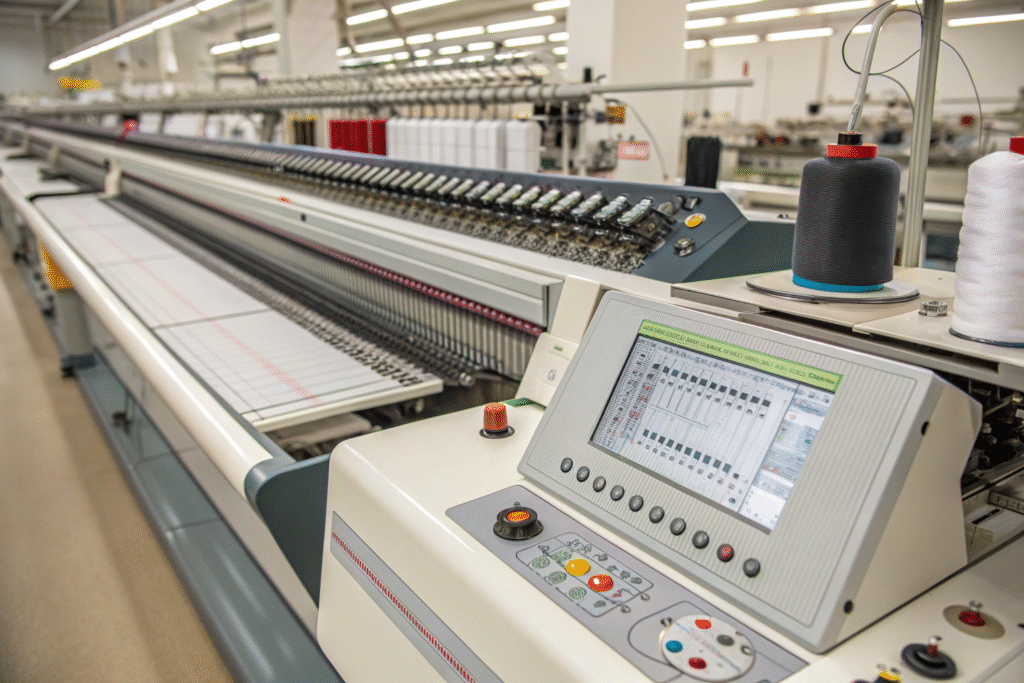
Mechanical needle systems in traditional knitting machines introduce subtle variations that compromise stripe precision. Our digital factories utilize fully electronic needle selection that positions each needle with digital accuracy, eliminating the mechanical play that causes pattern inconsistencies. The systems maintain needle-by-needle monitoring that verifies each needle’s operation thousands of times per minute, ensuring perfect stitch formation throughout complex color sequences. For striped patterns requiring precise needle timing at color changes, the electronic systems provide synchronized needle movement that maintains perfect stripe alignment across the entire needle bed. This electronic precision has virtually eliminated the pattern drift that traditionally occurred in long striped scarves.
How does automated tension control enhance fabric quality?
Consistent tension forms the foundation of quality knitted fabric, yet maintaining perfect tension manually across long production runs proves practically impossible. Striped scarves particularly reveal tension variations through uneven stripe appearance and inconsistent fabric hand.
Digital tension systems bring engineering precision to yarn management, creating fabrics with uniform characteristics regardless of pattern complexity or production duration.
What digital tension management ensures consistent stitch size?
Traditional tension control relies on mechanical systems that drift with wear, temperature changes, and material variations. Our digital factories implement electronic tension control that maintains exact yarn feed tension through closed-loop monitoring and immediate correction. The systems continuously adjust to accommodate different yarn characteristics—perhaps higher tension for elastic stripes and lower tension for rigid yarns—while maintaining consistent stitch size across all sections. For striped scarves combining multiple yarn types in a single design, the systems provide individual tension profiles for each yarn, ensuring uniform fabric density despite material variations. This precision tension management has eliminated the row-to-row stitch size variations that previously created visual disturbances in striped patterns.
How does climate control optimization maintain manufacturing consistency?
Textile properties change with environmental conditions, particularly humidity affecting natural fibers used in striped scarves. Traditional factories struggle with these variations, but digital facilities implement comprehensive climate control that maintains optimal temperature and humidity levels throughout production. The systems include real-time environmental monitoring that detects subtle changes affecting yarn behavior, automatically adjusting knitting parameters to compensate. For facilities producing scarves with both synthetic and natural fiber stripes, the climate systems maintain conditions that accommodate both material types without compromise. This environmental stability has significantly reduced the quality variations that traditionally occurred between different production days or seasons.
How does data-driven optimization enhance overall quality?
Digital factories generate vast amounts of production data that enable continuous quality improvement rather than relying on experiential knowledge alone. This data-driven approach transforms quality management from reactive problem-solving to proactive optimization.
The accumulation and analysis of manufacturing data create self-improving production systems that learn from each scarf produced, steadily elevating quality standards.
What predictive analytics prevent quality issues?
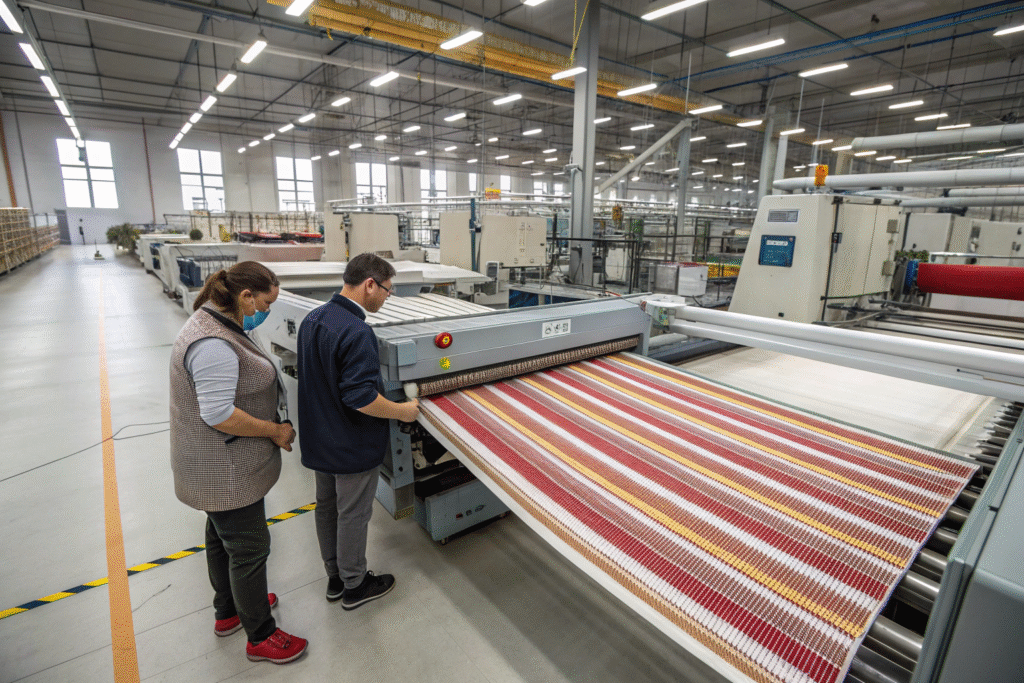
Traditional quality management responds to defects after they occur, but digital systems use historical and real-time data to predict and prevent issues. Our predictive quality algorithms analyze relationships between material characteristics, machine settings, environmental conditions, and final quality outcomes. The system might detect that specific yarn lots require adjusted tension settings or that particular stripe patterns benefit from modified carriage speeds. These insights enable preemptive parameter adjustments that optimize quality before production begins rather than correcting issues after they emerge. This predictive approach has reduced our defect rate by 65% while providing the process understanding needed for continuous quality improvement.
How does closed-loop optimization create self-improving systems?
Digital factories don’t just detect quality issues—they learn from them to prevent recurrence. Our systems implement closed-loop optimization where quality inspection data automatically feeds back to adjust manufacturing parameters. If vision systems detect slight stripe width variations, the system fine-takes yarn feed rates. If tension monitoring identifies inconsistencies, the system recalibrates tension settings. This automatic optimization creates manufacturing systems that steadily improve through operation rather than gradually drifting from optimal settings as traditional equipment often does. The most advanced implementations use machine learning algorithms that identify subtle improvement opportunities beyond human recognition, continuously refining processes toward theoretical quality limits.
Conclusion
Digital factories achieve higher quality for striped knitted scarves by replacing human-dependent processes with integrated systems that maintain precision across color management, pattern execution, tension control, and continuous optimization. This technological transformation addresses the specific quality challenges of striped patterns where consistency demands exceed human capabilities. Manufacturers embracing digital transformation establish significant quality advantages that translate to superior products, stronger brand reputation, and reduced costs associated with defects and rework. As consumer expectations for perfection continue to rise, digital manufacturing provides the consistency and quality that discerning markets increasingly demand.
If you’re looking to achieve higher quality in your striped knitted scarf production through digital transformation, we invite you to contact our Business Director, Elaine. Our experience in implementing digital factory systems has positioned us to help brands achieve similar quality breakthroughs in patterned knitwear. Reach her at: elaine@fumaoclothing.com.