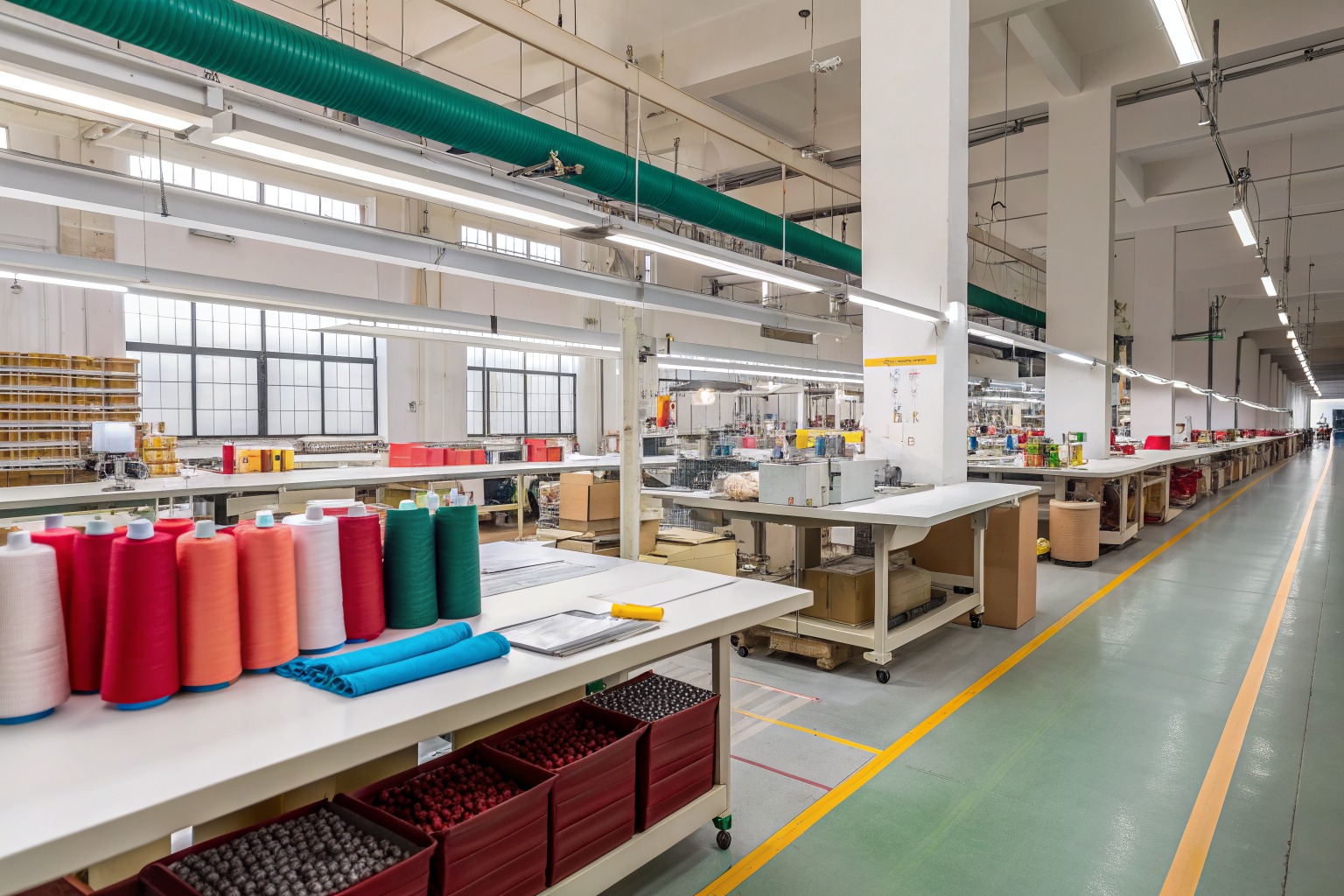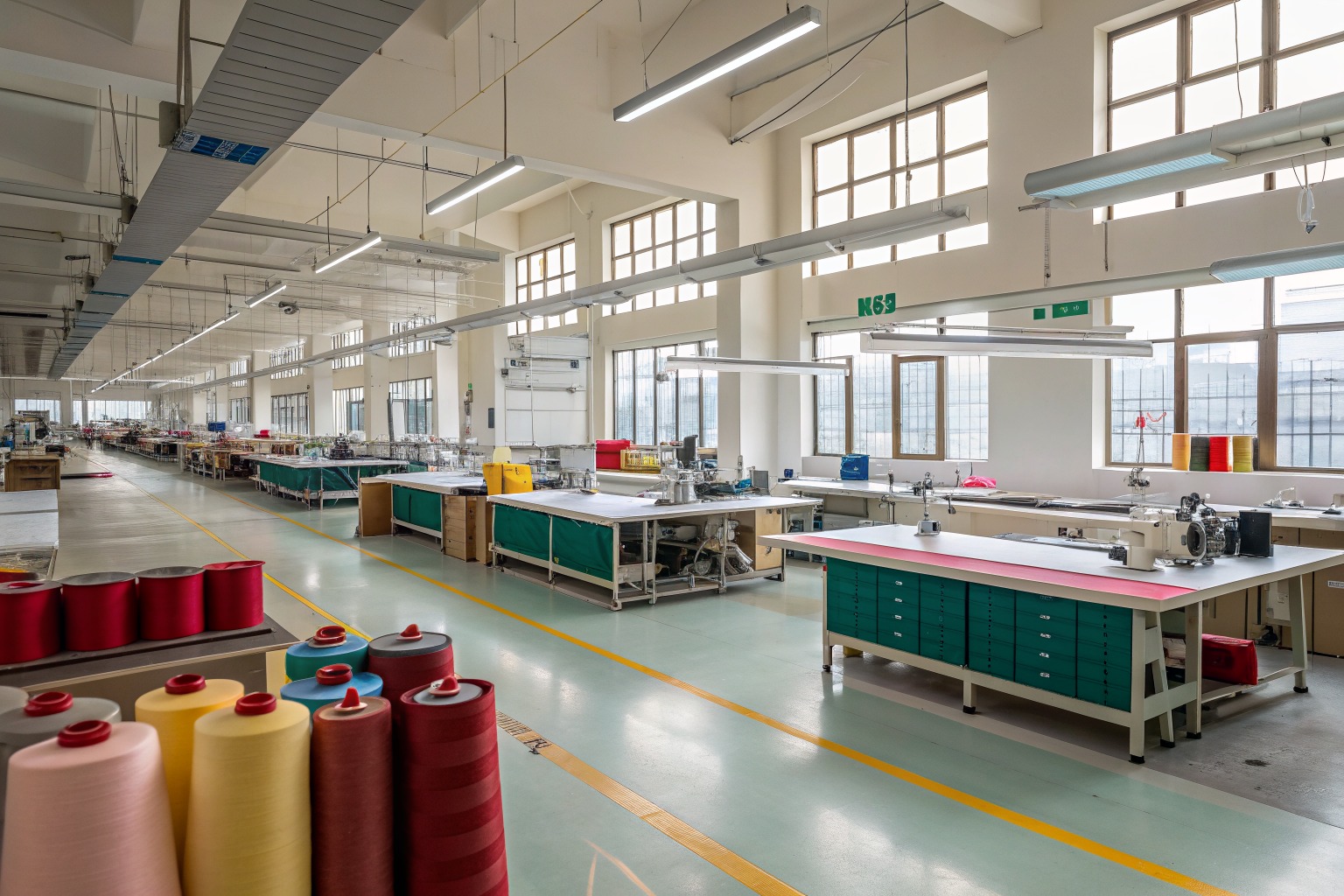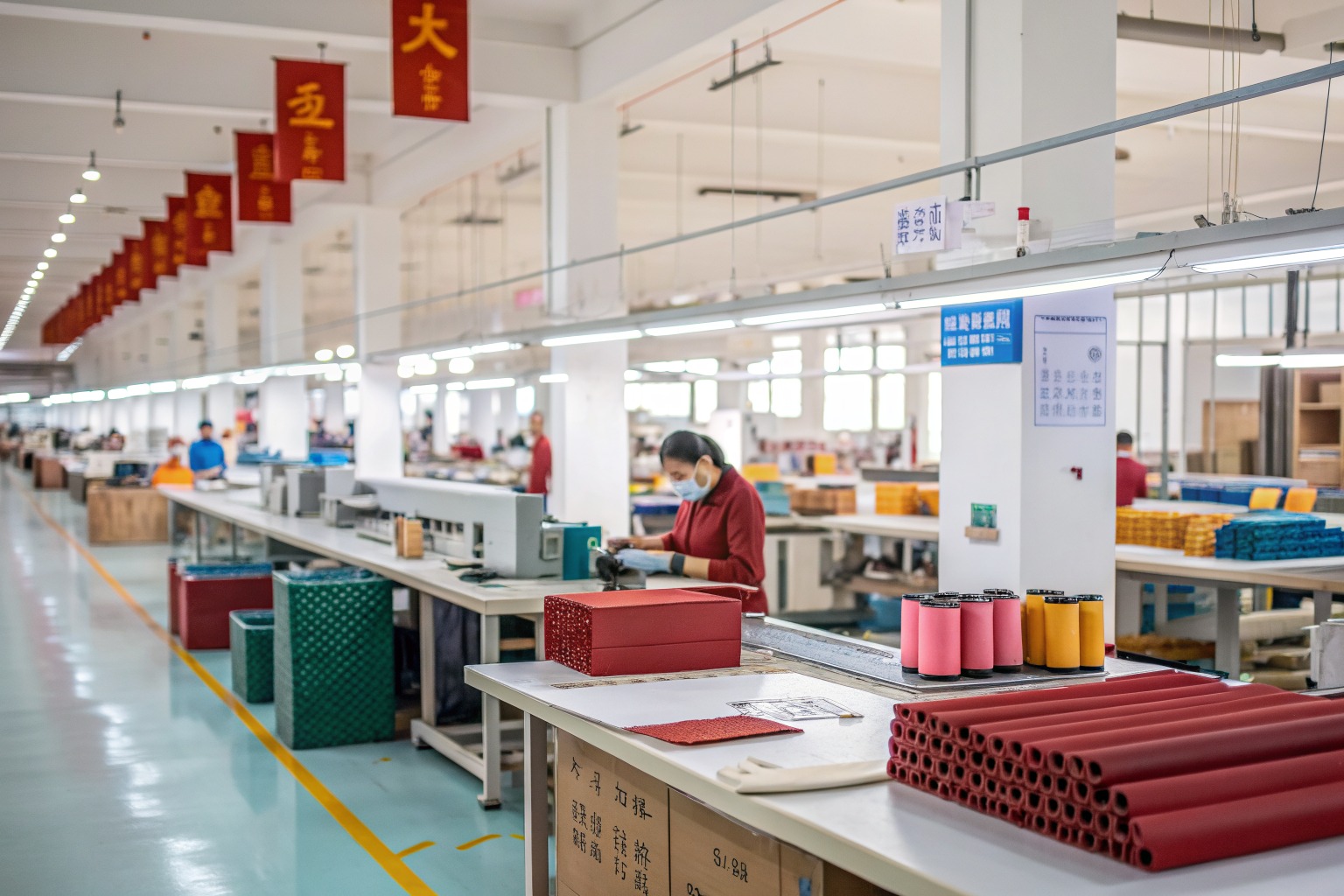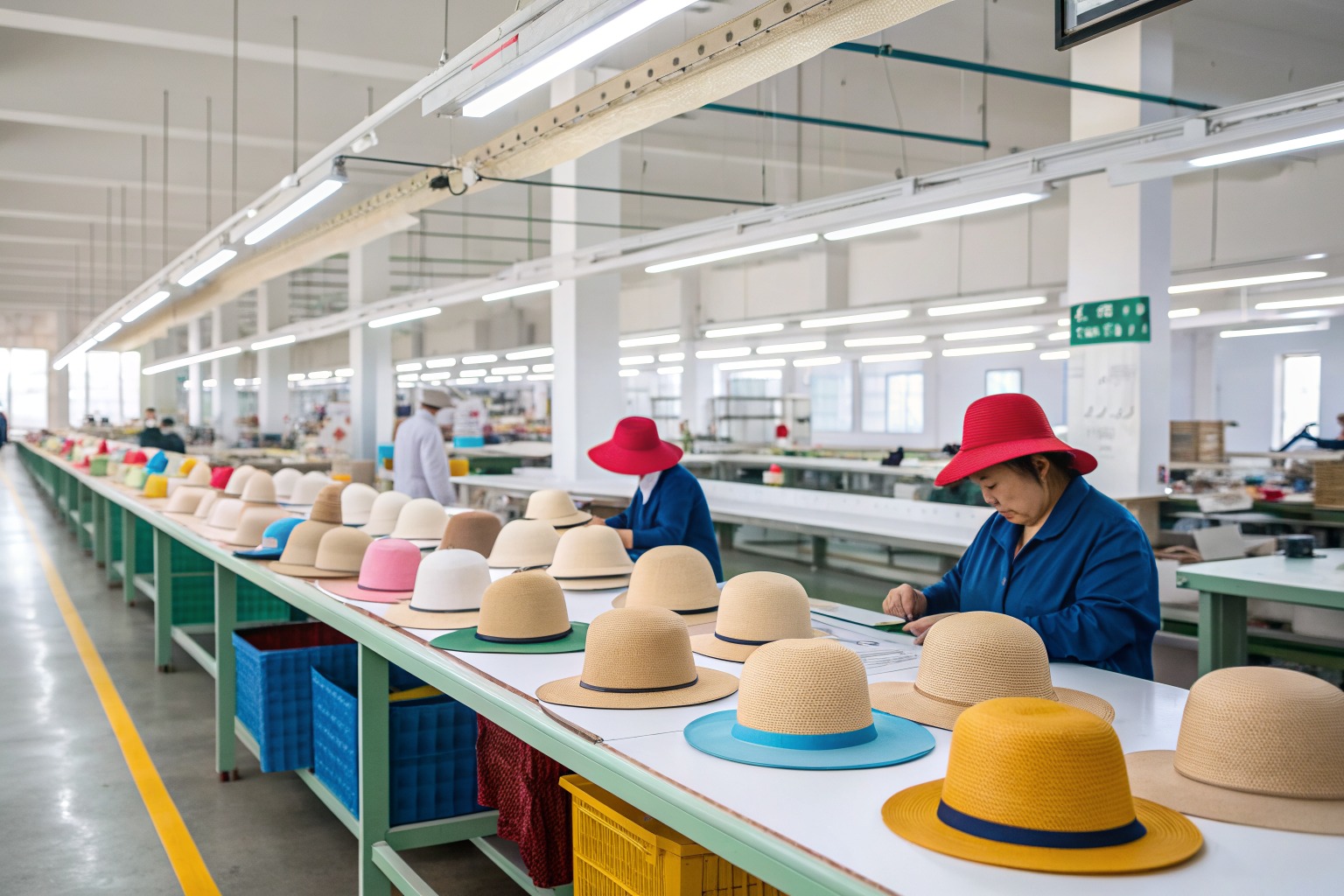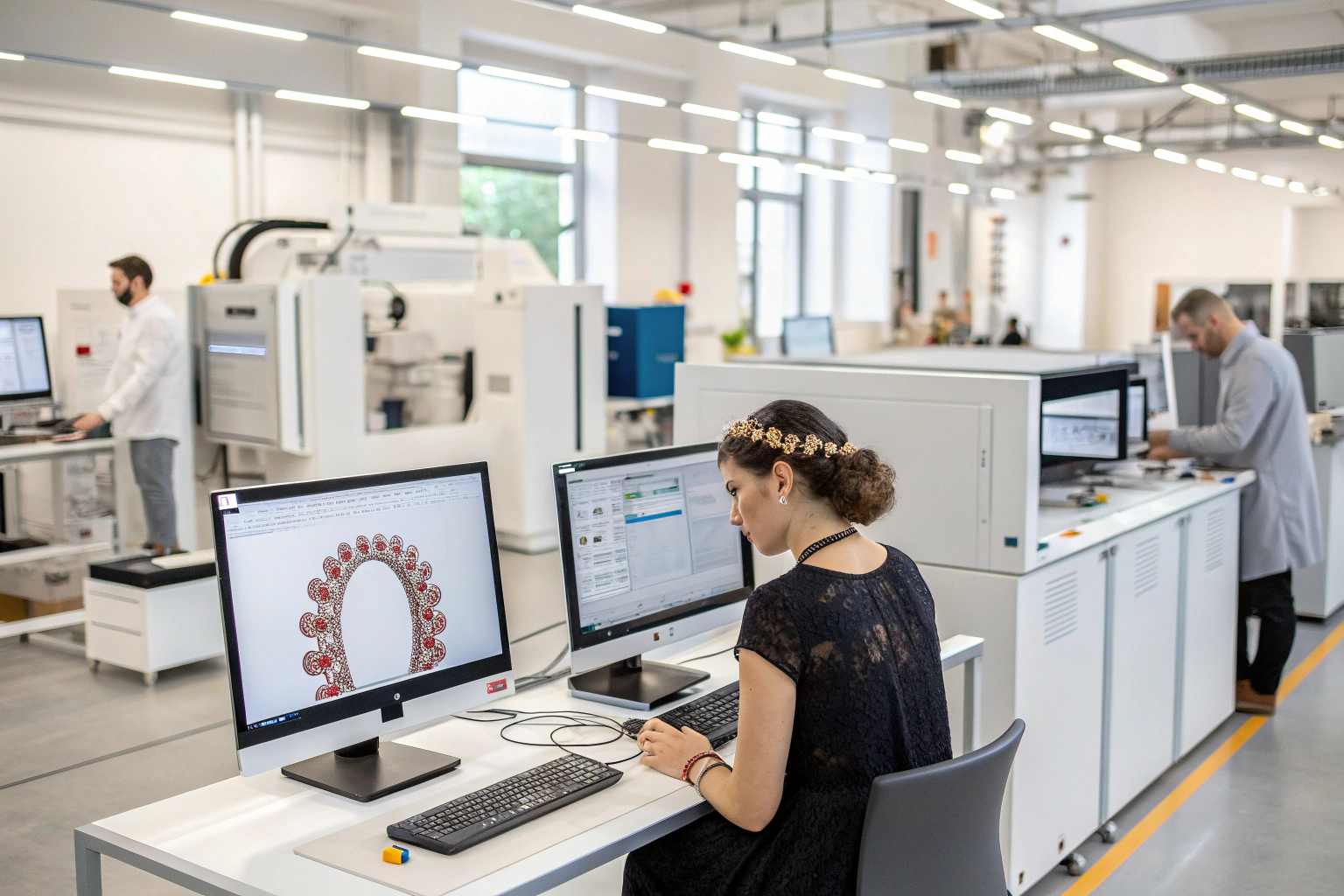
The hair accessories industry faces significant operational challenges with manual processes, from design conceptualization through manufacturing to inventory management. Traditional methods lead to extended production timelines, inconsistent quality, communication gaps with manufacturers, and difficulty scaling operations. Digitization offers solutions but requires careful implementation to address the unique characteristics of hair accessory production.
The most effective approach to digitizing hair accessory processes involves implementing integrated digital systems for design (CAD), product lifecycle management (PLM), manufacturing (CAM), and inventory management, while maintaining the artistic elements that make hair accessories unique.This digital transformation streamlines operations from concept to customer while preserving the creative aspects essential to hair accessory design.
This comprehensive guide explores the specific digital tools, implementation strategies, workflow optimizations, and change management approaches that successfully digitize hair accessory processes.
What digital design tools transform hair accessory creation?
Digital design tools revolutionize the creative process for hair accessories, enabling faster iteration, better visualization, and more accurate manufacturing specifications. Understanding these tools helps select the right solutions for different types of hair accessories.
Key digital design tools include 3D modeling software, material simulation platforms, color management systems, and specification tools that bridge the gap between design and production.
How does 3D modeling enhance hair accessory design?
3D modeling transforms hair accessory design by enabling virtual prototyping and realistic visualization before physical samples are created. Software like CLO 3D, Browzwear, and specialized jewelry design programs allow designers to create accurate digital twins of hair accessories, complete with material properties, drape simulation, and realistic lighting. This technology significantly reduces sampling costs and time—what traditionally required 3-4 physical samples and weeks of iteration can now be achieved digitally in days. For complex hair accessories involving multiple materials (metal, fabric, beads), 3D modeling helps identify potential construction issues early, preventing costly manufacturing corrections later. The most advanced implementations include photorealistic rendering that creates marketing-ready images directly from design files, streamlining both production and marketing workflows.
Why is digital material management crucial for accuracy?
Digital material management ensures color and material consistency throughout the design and production process. Using digital color standards like Pantone Live and material libraries with accurate physical properties prevents the common issue of designers and manufacturers referencing different interpretations of the same material. For hair accessories featuring specific finishes (matte, glossy, metallic) or specialty materials (velvet, satin, transparent plastics), digital material management creates a single source of truth. The most effective systems include spectrophotometer integration that captures physical material properties and converts them into accurate digital representations. This approach is particularly valuable for brands producing seasonal collections where color consistency across multiple accessories is essential.
Which production digitization solutions work best?
Digitizing production processes for hair accessories requires solutions that accommodate the diverse materials and construction methods used in the industry. The right tools improve efficiency, quality control, and communication with manufacturing partners.
Effective production digitization includes automated manufacturing technologies, digital quality control systems, production tracking platforms, and integrated communication tools.

How can CAM systems optimize hair accessory manufacturing?
Computer-Aided Manufacturing (CAM) systems bring precision and efficiency to hair accessory production. For metal components like clips, barrettes, and headbands, CNC machining and laser cutting create consistent, precise parts with minimal material waste. For fabric-based accessories, computer-controlled cutting systems optimize pattern placement and cutting accuracy. The most advanced implementations use nested programming that automatically arranges pattern pieces to maximize material utilization, particularly valuable for expensive materials like silk, leather, or specialty synthetics. These systems also create digital records of production efficiency and material usage, providing data for continuous improvement and cost optimization.
Why is digital quality control essential for consistency?
Digital quality control systems ensure consistent quality across production runs, which is challenging with manual inspection processes. Computer vision systems can automatically inspect hair accessories for defects like inconsistent coloring, imperfect finishes, or structural flaws at speeds impossible for human inspectors. For accessories with precise measurements like hair clips with specific tension requirements or headbands with exact dimensions, automated measurement systems provide objective quality assessment. The most comprehensive quality systems integrate inspection data with production records, creating traceability that identifies when and where defects occur in the manufacturing process. This data-driven approach transforms quality control from reactive problem-solving to proactive prevention.
What inventory and supply chain digitization strategies work?
Digitizing inventory management and supply chain processes addresses the unique challenges of hair accessory businesses, including SKU proliferation, seasonal demand fluctuations, and material variety.
Effective digitization strategies include integrated inventory management, demand forecasting, supplier collaboration platforms, and real-time visibility systems.
How do integrated inventory systems manage SKU complexity?
Integrated inventory systems handle the significant SKU complexity inherent in hair accessory businesses, where a single style may have multiple color variations, size options, and material combinations. Modern inventory management systems use AI-powered classification that automatically categorizes accessories by type, material, color family, and season, simplifying inventory tracking and reordering decisions. These systems can integrate with e-commerce platforms, providing real-time synchronization between online sales and inventory levels. The most effective implementations include barcode or RFID tracking for individual items or batches, creating complete visibility from raw materials through finished goods to customer delivery. This comprehensive approach prevents the stockouts and overstock situations that commonly plague hair accessory businesses.
Why is digital supplier collaboration transformative?
Digital supplier collaboration platforms transform traditionally fragmented supply chains into integrated networks. Platforms like Anvyl, Quickbase, or Flexport create shared visibility between brands and their manufacturing partners, enabling real-time communication about production status, material availability, and potential delays. For hair accessories requiring multiple specialized suppliers (metal component manufacturers, fabric cutters, assembly facilities), these platforms coordinate timing and material flow, preventing bottlenecks. The most advanced systems include digital approval workflows for samples and production quality, replacing slow email chains with structured processes that maintain complete audit trails. This collaboration efficiency is particularly valuable for fast-fashion hair accessories where speed to market is critical.
How to implement digitization successfully?
Successful digitization requires careful planning, phased implementation, and change management that addresses the unique characteristics of hair accessory businesses. Understanding implementation strategies ensures smooth transition and maximum benefit.
Key implementation considerations include process analysis, technology selection criteria, staff training approaches, and performance measurement systems.

What phased implementation approach minimizes disruption?
A phased implementation approach minimizes disruption while building digital capabilities progressively. Start with digitizing design and development processes, as these typically offer the quickest return on investment through reduced sampling costs and faster time to market. Next, implement production digitization focused on highest-volume or most problematic products, creating success stories that build organizational confidence. Finally, roll out comprehensive inventory and supply chain digitization that connects all previous phases into an integrated system. This staged approach allows for learning and adjustment at each phase, preventing the overwhelm that can derail comprehensive digital transformation initiatives. Each phase should include clear success metrics and celebration of achievements to maintain momentum.
How should training approaches address creative and technical staff?
Training approaches must address the different needs of creative designers and technical production staff. For creative teams, focus on how digital tools enhance rather than replace creativity, emphasizing time savings on administrative tasks and expanded creative possibilities through digital experimentation. For technical and production staff, highlight how digitization reduces repetitive tasks and errors, making their work more valuable and less frustrating. The most effective training combines formal instruction with hands-on projects that deliver immediate practical benefits. Consider pairing digitally experienced staff with traditional experts in mentorship arrangements that facilitate knowledge transfer in both directions. This inclusive approach ensures all team members see digitization as empowerment rather than threat.
Conclusion
Digitizing processes for hair accessories requires a strategic approach that addresses the unique combination of creative design and precise manufacturing inherent in the industry. The most successful implementations balance technological capability with human creativity, creating systems that enhance rather than replace the artistic elements that make hair accessories special.
At Global-Caps, we’ve implemented comprehensive digitization across our hair accessory operations, developing specialized approaches that maintain creative integrity while achieving operational excellence. Our experience spans 3D design implementation, production digitization, and inventory management optimization specifically tailored for fashion accessories. If you’re considering digitizing your hair accessory processes and want to learn from implemented solutions, contact our Business Director Elaine at elaine@fumaoclothing.com. Let us share our digitization journey and help you develop a strategy that transforms your operations while preserving your creative vision.