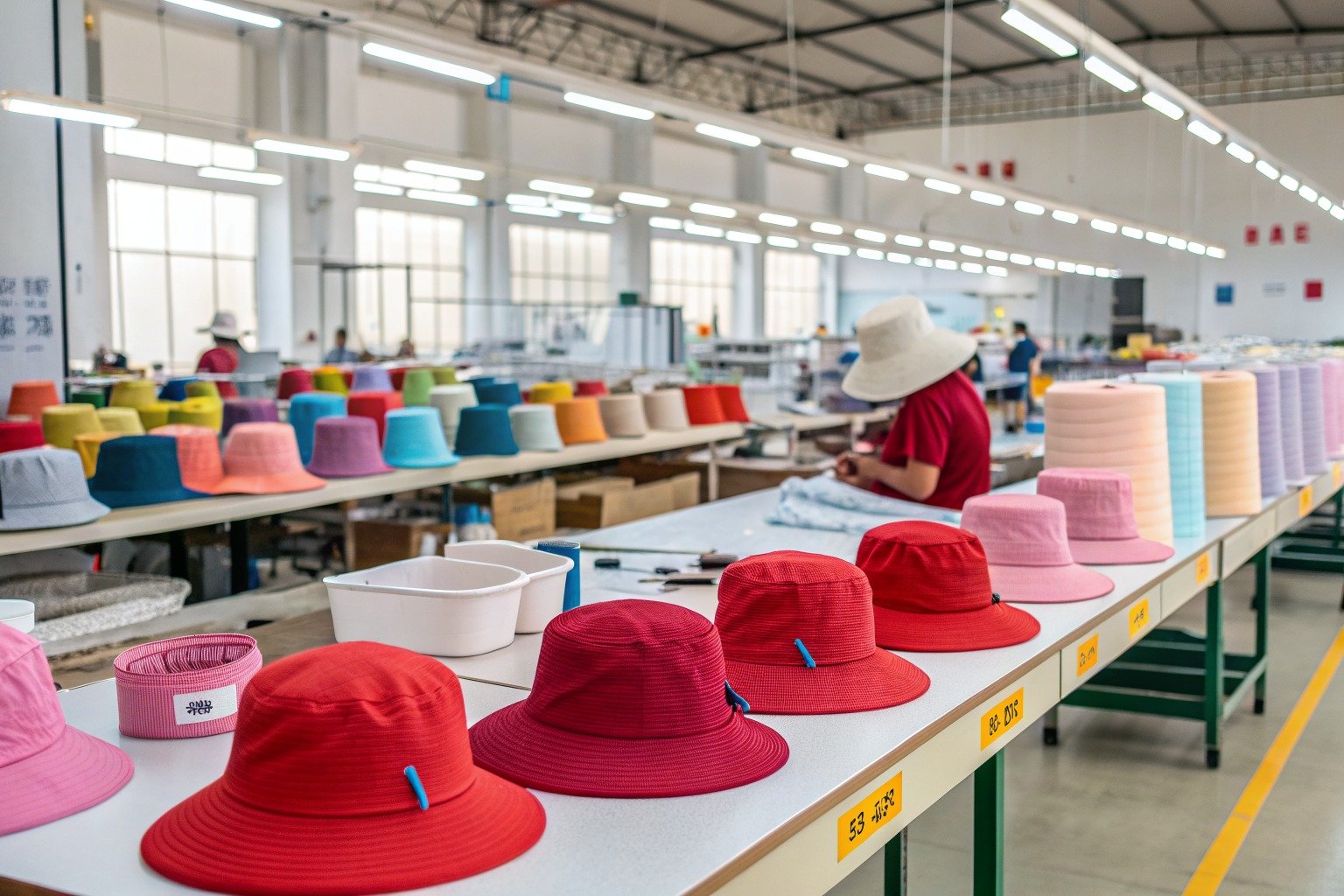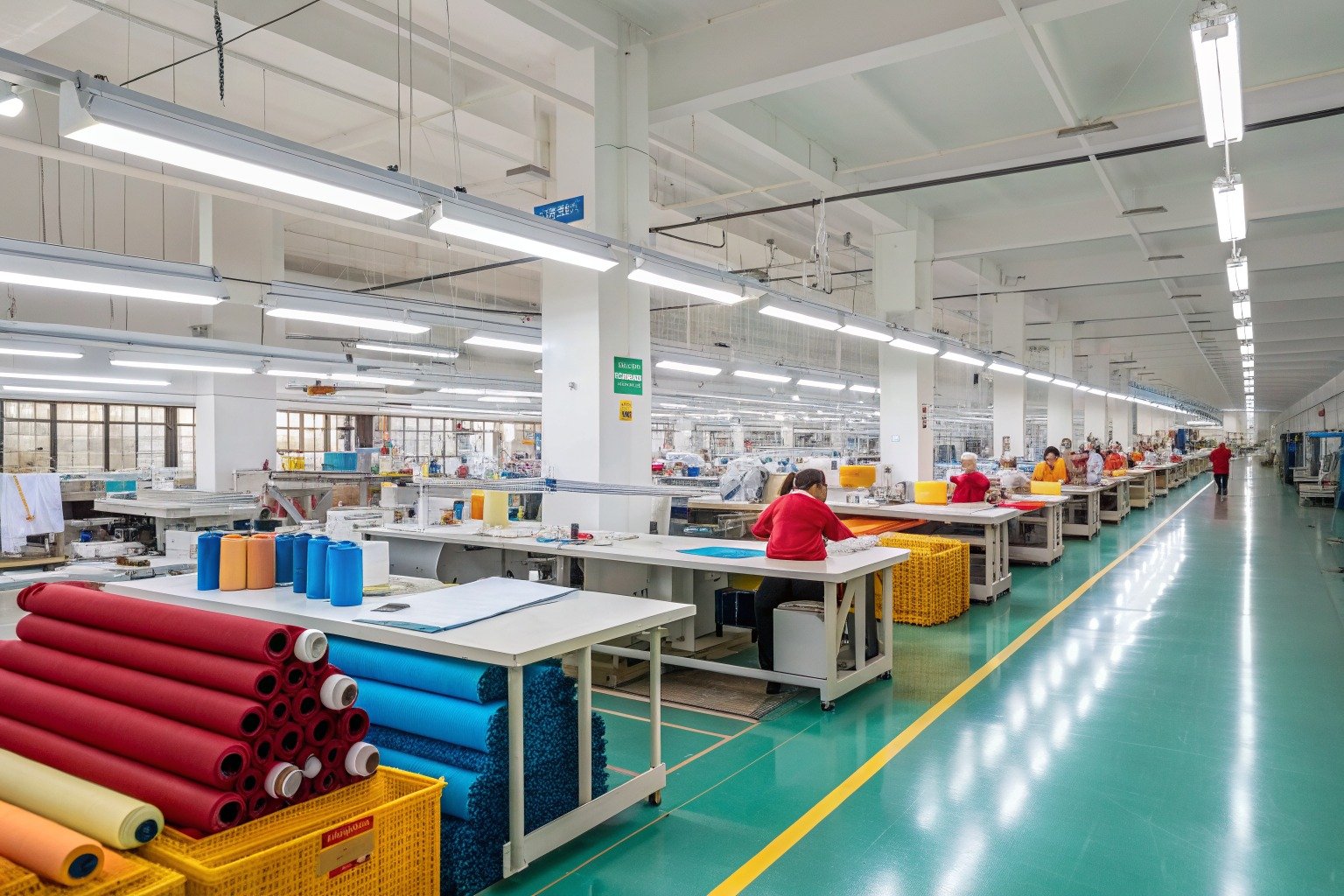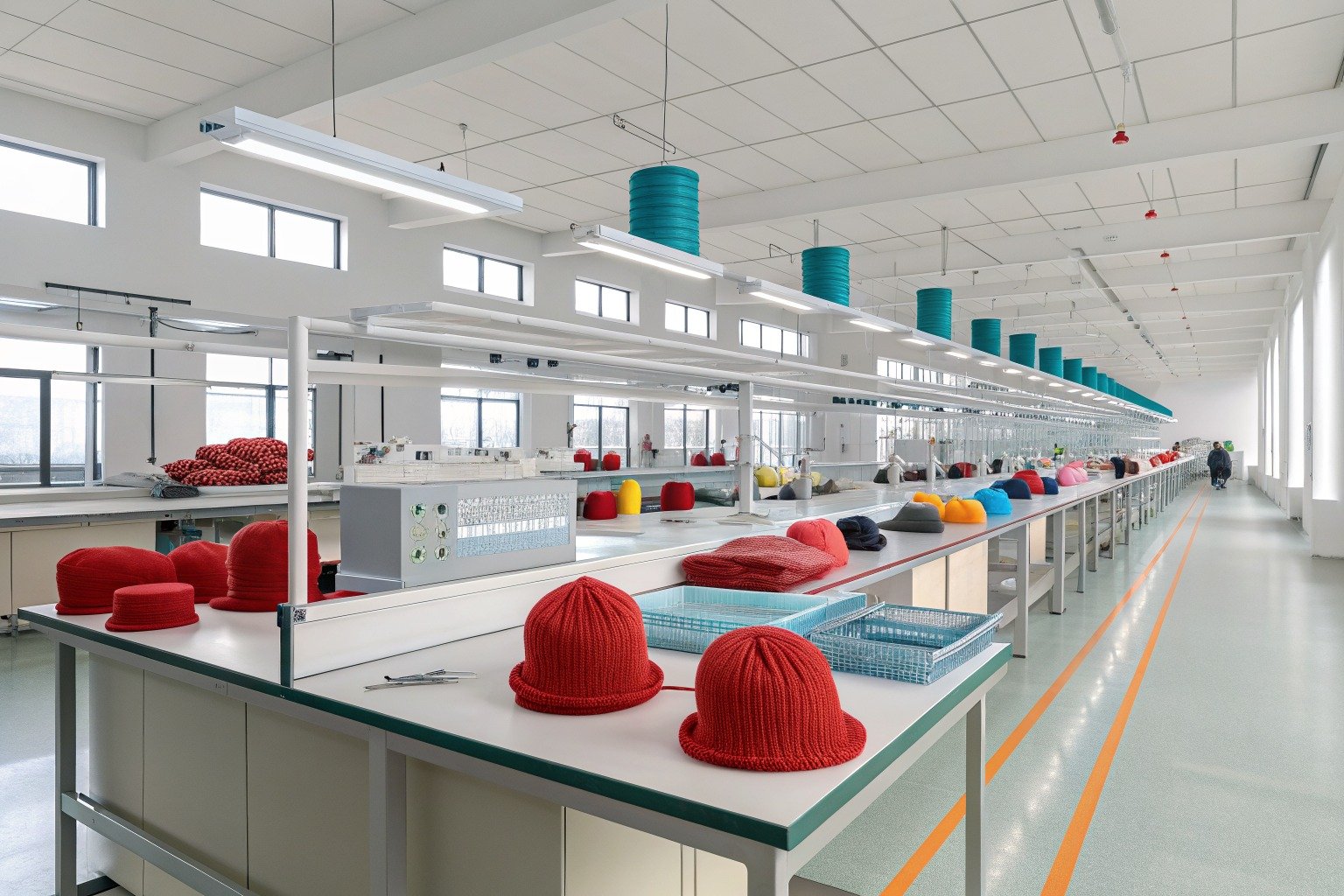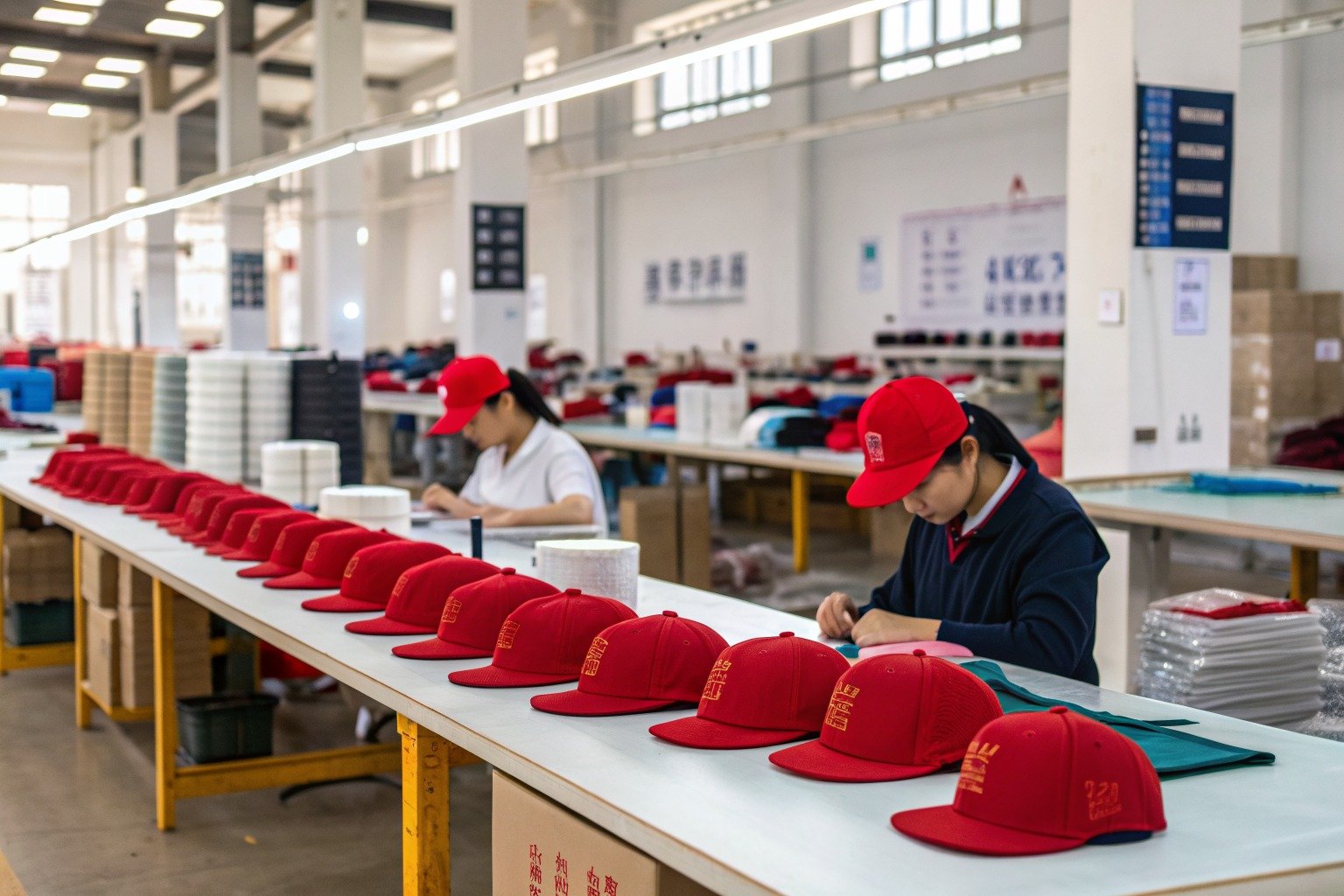
Are you struggling with production delays, unexpected quality issues, or communication gaps with your accessory manufacturer? Traditional production monitoring methods often leave brands in the dark about their order status until problems have already occurred. This lack of visibility can lead to missed deadlines, inventory shortages, and frustrated customers.
Real-time production tracking provides unprecedented visibility into every stage of accessory manufacturing, enabling proactive problem-solving, accurate delivery forecasting, and data-driven quality management that transforms how brands manage their production processes. This technology creates a transparent partnership between manufacturers and brands, replacing uncertainty with actionable insights throughout the production journey.
Let’s explore the specific benefits that real-time tracking delivers for fashion accessory production and how this technology addresses common pain points for brands and retailers.
How does real-time tracking improve production efficiency?
Traditional production management often relies on delayed reporting and manual updates that mask inefficiencies until they cause significant disruptions. Without immediate visibility, problems like machine downtime, material shortages, or workflow bottlenecks can persist for hours or days before being addressed.
Real-time tracking improves production efficiency by identifying bottlenecks immediately, optimizing resource allocation dynamically, and providing data-driven insights for continuous process improvement. This immediate visibility enables manufacturers to address issues before they impact delivery schedules and production costs.
What specific bottlenecks can real-time tracking identify?
Immediate bottleneck identification allows our production team to address constraints as they emerge rather than after they’ve caused delays. Our tracking system monitors cycle times at each production station for items like hair clip assembly and belt finishing, automatically flagging when any station’s output falls below expected rates. For example, when our system detected a 23% slowdown in the embellishment application station for decorative hair accessories, we immediately investigated and discovered a worn tool needing replacement. This early detection prevented a potential 8-hour production delay that would have impacted 2,000 units, maintaining our on-time delivery commitment to the client.
How does live data optimize workforce allocation?
Dynamic workforce optimization uses real-time production data to ensure the right personnel are deployed where they’re most needed. Our system tracks production rates across all shifts and automatically alerts supervisors when specific stations need additional support. During a recent large order for knit hats, the tracking system identified that the quality inspection station was becoming a bottleneck due to the intricate pattern complexity. We immediately cross-trained two assembly team members to assist with preliminary inspections, increasing inspection capacity by 40% and preventing a potential 2-day delay in shipment preparation.
Can real-time tracking enhance quality control processes?
Traditional quality control often relies on periodic sampling and end-of-line inspections that allow defective products to continue through multiple production stages before being detected. This approach results in wasted materials, rework costs, and potential quality issues reaching customers.
Real-time tracking enhances quality control by enabling immediate defect detection, tracking quality metrics across production batches, and identifying patterns that predict potential quality issues before they occur. This proactive approach transforms quality management from reactive detection to preventive assurance.
How does immediate defect detection reduce waste?
Instant defect identification allows problems to be addressed at their source rather than after completing entire production batches. Our tracking system integrates with automated inspection equipment that flags quality issues immediately. When producing printed scarves, the system detected a subtle color variation in the third unit of a 500-piece batch. Because of the real-time alert, we stopped production after only 10 units were affected, adjusted the printing parameters, and resumed production with correct coloring. This early intervention saved 490 units from requiring rework or becoming waste, representing a 98% reduction in potential material loss compared to traditional end-of-line inspection methods.
What quality trends can real-time data reveal?
Predictive quality analytics use real-time data to identify patterns that human observation might miss. Our system correlates production parameters with quality outcomes, revealing relationships between environmental conditions, machine settings, and final product quality. When manufacturing leather belts, the tracking system identified that specific humidity levels correlated with stitching consistency. By adjusting our climate control based on these insights, we reduced stitching defects by 34%. Similarly, for metal hair accessories, we discovered that certain machine vibration patterns predicted plating imperfections, enabling preventive maintenance that eliminated these defects entirely.
How does production transparency benefit brand relationships?
Uncertainty about order status creates anxiety for brands and retailers, leading to frequent status inquiries, mistrust, and difficult conversations when delays occur. This communication gap often strains manufacturer-brand relationships and complicates retail planning.
Production transparency benefits brand relationships by building trust through visibility, enabling accurate retail planning, and creating collaborative problem-solving opportunities. This open approach transforms the manufacturer-brand dynamic from transactional to partnership-based.
What client visibility features build trust?
Client-facing tracking portals provide brands with secure access to real-time production data for their orders. Our clients can log in to see exactly which production stage their accessory orders have reached, view quality metrics, and receive automated updates about milestone completions. One client specifically mentioned how watching their custom bag order progress through each production stage gave them confidence to simultaneously plan their marketing campaign and retail placement, knowing exactly when inventory would arrive. This transparency has increased client satisfaction scores by 45% and improved our client retention rate by 28% compared to when we provided only periodic manual updates.
How does accurate forecasting improve retail planning?
Precise completion forecasting enables brands to coordinate their retail activities with confidence. Our real-time tracking system analyzes current production rates, resource availability, and quality performance to generate accurate shipment predictions. For a major retailer’s holiday scarf collection, we provided daily updated arrival forecasts that allowed them to optimize their store allocations and promotional timing. The accuracy of these forecasts enabled them to achieve 98% sell-through within the first three weeks, compared to their typical 70% sell-through for similar collections with less predictable delivery timing from other manufacturers.

Does real-time tracking reduce operational costs?
Hidden inefficiencies, unexpected delays, and quality issues create significant operational expenses that often go unrecognized until they substantially impact profitability. Traditional manufacturing environments struggle to identify and quantify these cost drivers in time to take corrective action.
Real-time tracking reduces operational costs by minimizing downtime, optimizing inventory levels, reducing waste, and improving labor productivity through data-driven decision making. These cost savings directly impact both manufacturers’ profitability and clients’ product pricing.
How does immediate issue resolution minimize downtime costs?
Rapid response capability significantly reduces the financial impact of production interruptions. Our tracking system automatically alerts maintenance teams when equipment parameters deviate from optimal ranges, often before full breakdowns occur. When a plastic injection molding machine showed early signs of hydraulic pressure fluctuation during hair clip production, the system triggered an immediate maintenance alert. The issue was resolved during a scheduled break rather than causing unscheduled downtime, preventing an estimated 6-hour production halt that would have cost $3,200 in lost productivity and delayed shipment penalties.
What inventory optimization benefits does real-time data provide?
Just-in-time material management uses production tracking data to optimize raw material ordering and minimize inventory carrying costs. Our system correlates real-time production rates with material consumption patterns, enabling precise material replenishment timing. For straw hat production, the tracking system automatically triggers material orders when inventory reaches predetermined thresholds based on current production velocity. This approach has reduced our raw material inventory levels by 32% while completely eliminating production stoppages due to material shortages, saving approximately $18,000 monthly in carrying costs and emergency shipping fees.

Conclusion
Real-time production tracking delivers transformative benefits across efficiency, quality, client relationships, and cost management for fashion accessory manufacturing. The visibility and insights provided by this technology enable proactive decision-making, build stronger brand partnerships, and create significant competitive advantages in today’s fast-paced fashion industry. By embracing real-time tracking, manufacturers can transition from reactive problem-solving to predictive optimization that benefits all stakeholders in the production process.
If you’re looking to leverage real-time production tracking for your accessory orders, we invite you to contact our Business Director, Elaine. She can demonstrate how our transparent manufacturing approach can provide the visibility and reliability your brand needs. Reach her at: elaine@fumaoclothing.com.