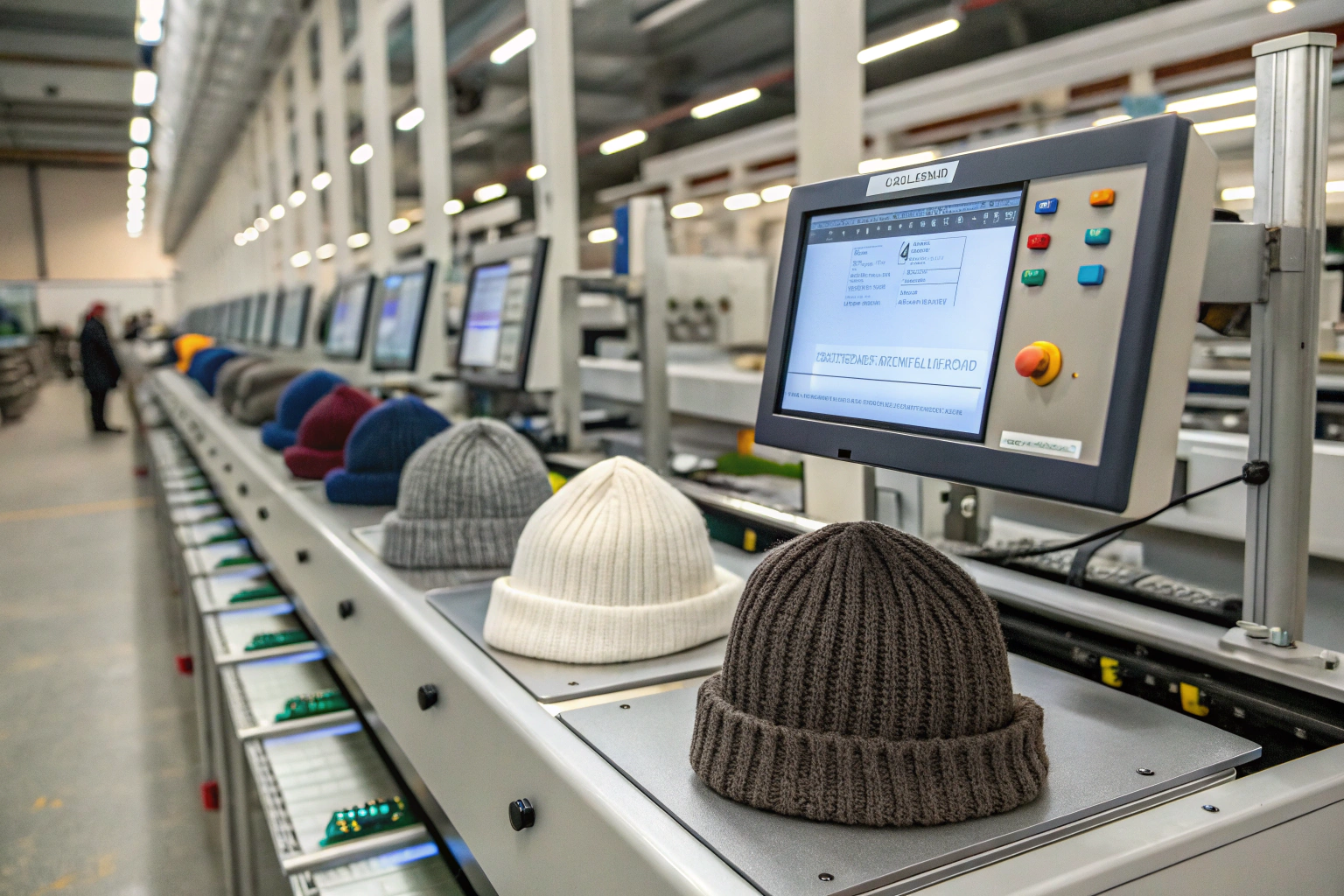
The knitted hat industry faces unique quality challenges due to the nature of textile manufacturing, where variations in yarn tension, stitch consistency, and material properties can significantly impact final product quality. Traditional quality control methods relying on manual inspection and sampling often miss subtle defects, create inconsistencies between inspectors, and struggle to keep pace with modern production speeds. The transition to digital quality control represents a fundamental shift from detecting defects to preventing them through continuous monitoring and data-driven insights.
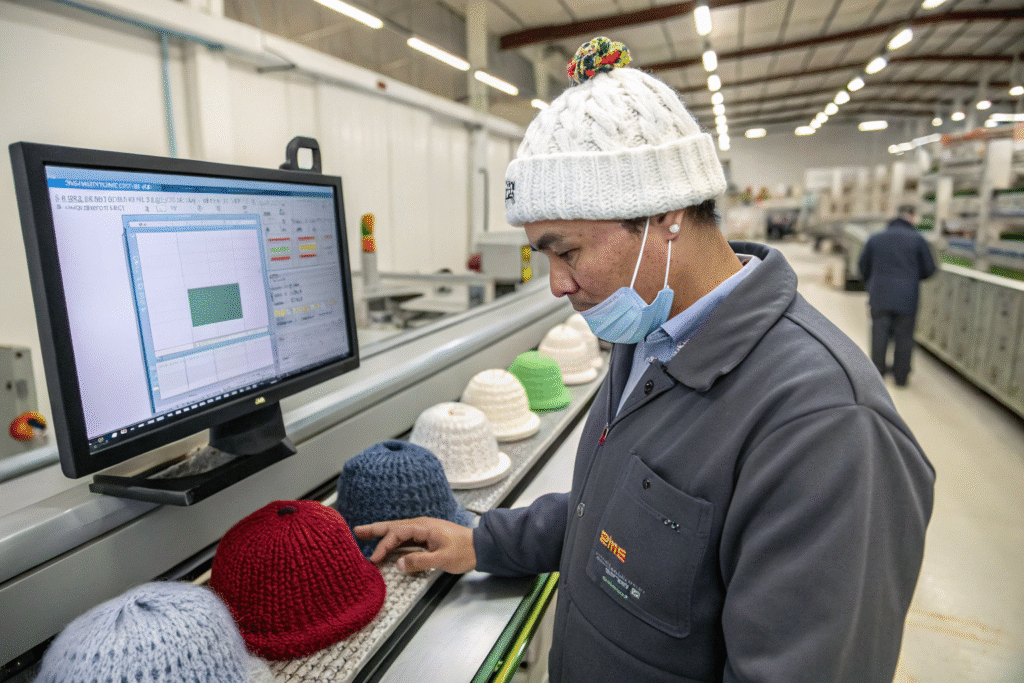
Implementing digital quality control in knitted hat production requires computer vision systems for visual inspection, IoT sensors for process monitoring, automated testing for functional validation, and data analytics for continuous improvement.This integrated approach ensures consistent quality across production runs while providing the data needed to optimize processes and prevent defects before they occur.
Let’s explore the practical implementation strategies and technologies that enable effective digital quality control in knitted hat manufacturing.
What infrastructure supports digital quality control implementation?
Transitioning from manual to digital quality control requires both technological infrastructure and organizational adaptation. Many manufacturers make the mistake of purchasing inspection equipment without considering the supporting systems, data management, and workforce training needed for sustainable implementation. A strategic approach builds the foundation for comprehensive digital quality management.
The infrastructure must support automated inspection, data integration, real-time decision making, and continuous improvement across the entire production process.
What hardware components are essential for automated inspection?
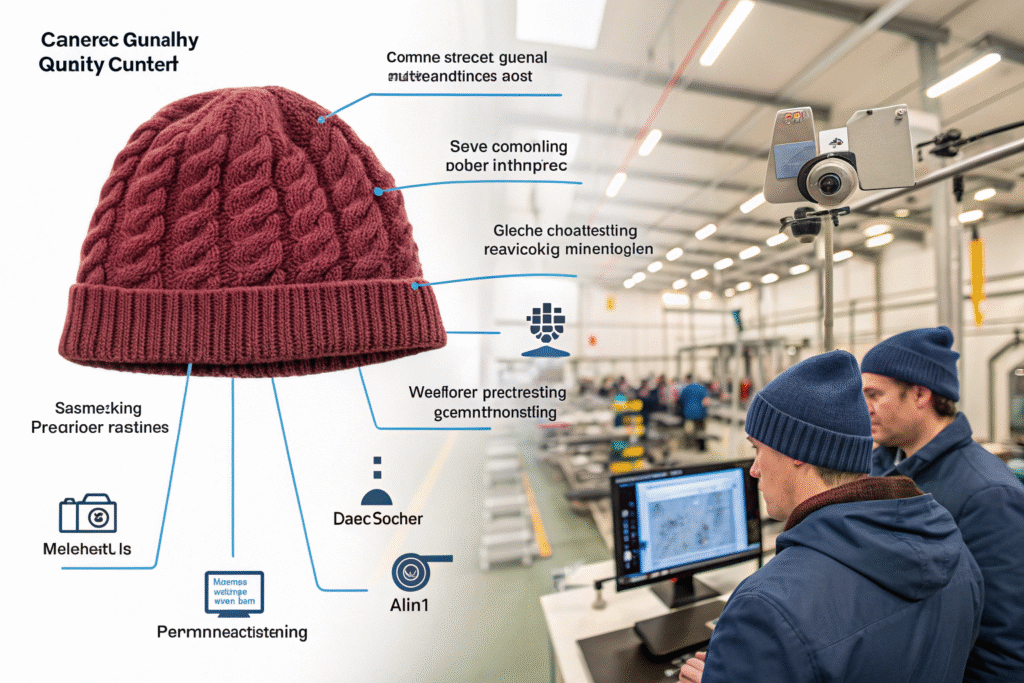
High-resolution vision systems with appropriate lighting and positioning capabilities form the foundation of digital quality control for knitted hats. Our implementation uses multi-angle camera stations that capture detailed images of hats from all perspectives, enabling detection of stitching errors, color variations, and dimensional inaccuracies. This comprehensive imaging has been particularly valuable for identifying subtle defects like dropped stitches, tension variations, and pattern misalignments that are difficult to detect through manual inspection alone.
How does IoT integration enhance quality monitoring?
Smart sensors installed on knitting machines monitor operating parameters that influence quality, including yarn tension, machine speed, and needle performance. Our implementation tracks 19 different parameters on each knitting machine, providing real-time alerts when conditions deviate from optimal ranges. This process monitoring has reduced quality variations by 64% by identifying and addressing issues during production rather than after completion.
How can computer vision systems detect knitting defects?
Knitted hat production involves numerous potential defect types that can occur during knitting, linking, and finishing processes. Traditional visual inspection is subjective, inconsistent, and limited by human attention span and visual acuity. Computer vision systems overcome these limitations by providing consistent, precise inspection capabilities that learn and improve over time.
Advanced imaging combined with machine learning creates inspection systems that adapt to different hat styles and materials while maintaining accuracy.
What types of knitting defects can computer vision identify?
Stitch-level analysis detects dropped stitches, tension variations, and pattern errors that affect both appearance and functionality. Our system examines approximately 2,800 stitches per hat, identifying defects as small as single dropped stitches or tension variations of less than 5%. This microscopic precision has eliminated the gradual quality drift that previously occurred as human inspectors adapted to declining standards over time.
How does machine learning enhance defect detection for different hat styles?
Adaptive algorithm training allows inspection systems to recognize defects across various knitting patterns, materials, and hat constructions. Our vision system started with 84% detection accuracy but improved to 98.9% within four months as it learned from confirmed defects and feedback from quality engineers. This continuous learning capability has been particularly valuable for seasonal collections with new patterns and materials where defect patterns are initially unknown.
How can automated testing ensure functional quality?
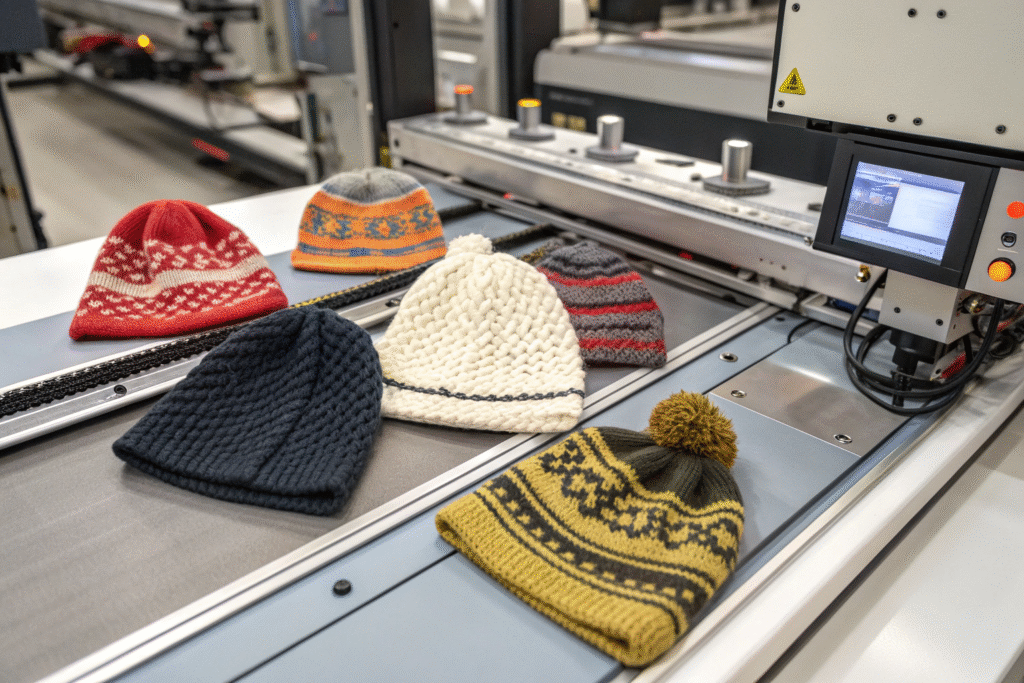
Knitted hats must balance aesthetic appeal with functional performance—proper fit, elasticity recovery, and durability are essential for customer satisfaction. Traditional functional testing is time-consuming and often limited to sample-based verification. Automated testing systems provide comprehensive, objective validation of functional properties across entire production runs.
Integrated testing ensures that every hat meets functional requirements regardless of style or material variations.
How does automated dimensional verification ensure consistent fit?
Precision measurement systems verify critical dimensions including circumference, height, and crown shape to ensure consistent fit across production runs. Our automated measurement stations check 7 key dimensions on every hat, ensuring compliance with size specifications within 2mm tolerance. This dimensional accuracy has reduced size-related returns by 81% and improved customer satisfaction through consistent fit regardless of production batch or style variations.
What role does elasticity testing play in quality assurance?
Automated stretch and recovery testing ensures hats maintain their shape and elasticity through repeated wear and washing. Our system measures elongation at specific force points and recovery after stretching, identifying materials or constructions that may lose their shape over time. This performance validation has been particularly valuable for blended materials where elasticity characteristics can vary between production batches.
How can data analytics enhance quality management?
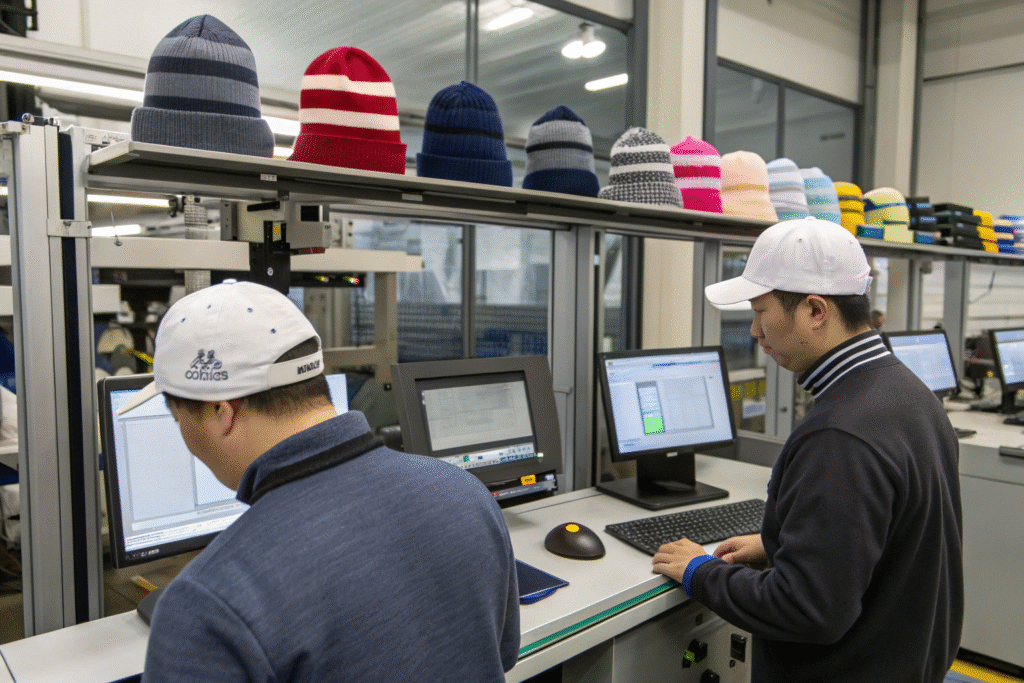
Digital quality control generates extensive inspection data that traditional methods cannot effectively utilize. Without proper analysis, this data provides limited value beyond immediate accept/reject decisions. Advanced analytics transform quality data into strategic insights that drive continuous improvement and prevent future defects.
The most effective implementations use quality data to identify patterns, predict issues, and optimize manufacturing processes.
How does defect pattern analysis improve manufacturing processes?
Root cause correlation connects quality issues with specific production conditions, materials, or equipment settings to identify and address underlying causes. Our analytics system identified that 72% of tension variations correlated with specific yarn lots from a particular supplier, enabling us to address the issue at the source rather than through increased inspection. This preventive quality approach has reduced our overall defect rate by 47% by systematically addressing the most significant root causes.
What benefits does predictive analytics provide for quality management?
Trend-based issue prediction analyzes quality data to identify emerging patterns that may indicate developing problems before they result in significant defects. Our system detected a gradual increase in color fastness issues 10 days before the problem became statistically significant, enabling process adjustments that prevented the production of 8,000 defective hats. This predictive capability has been particularly valuable for maintaining quality consistency as we introduce new materials and production techniques.

How can digital QC be implemented across different production stages?
Knitted hat manufacturing involves multiple stages where quality issues can originate, from yarn preparation through knitting, linking, finishing, and packaging. Implementing digital quality control requires a staged approach that addresses the unique quality requirements of each production phase while maintaining overall quality system integration.
A comprehensive implementation ensures quality monitoring throughout the entire manufacturing process.
What quality controls are essential during the knitting process?
Real-time knitting monitoring detects issues as they occur, preventing the production of defective materials rather than identifying them after completion. Our system monitors stitch formation, pattern alignment, and yarn tension during knitting, automatically stopping machines when critical defects are detected. This in-process control has reduced material waste by 58% by preventing the knitting of defective fabric that would require rework or disposal.
How does finishing process monitoring ensure final quality?
Automated inspection after washing and finishing verifies that processes like softening, dyeing, and blocking maintain rather than compromise product quality. Our system compares pre- and post-finishing measurements to ensure dimensional stability and color fastness meet specifications. This process validation has been particularly important for quality assurance, as finishing processes can introduce variations that affect final product quality and performance.
Conclusion
Implementing digital quality control in knitted hat production represents a fundamental transformation from detecting defects to preventing them through comprehensive monitoring, automated testing, and data-driven insights. By building the necessary infrastructure, deploying adaptive inspection technologies, implementing automated functional testing, and leveraging quality analytics, manufacturers can achieve unprecedented levels of quality consistency and process optimization.
The transition requires significant investment in technology, data systems, and workforce training, but the returns in reduced waste, improved customer satisfaction, and strengthened brand reputation justify the commitment. As quality expectations continue to increase and production speeds accelerate, digital quality control capabilities will evolve from competitive advantages to essential requirements for successful knitted hat manufacturers.
If you’re interested in implementing digital quality control for your knitted hat production or want to partner with a manufacturer that has advanced quality systems, we invite you to contact our Business Director, Elaine. She can discuss our digital quality approach and how it delivers consistent quality across production variations. Reach her at: elaine@fumaoclothing.com.