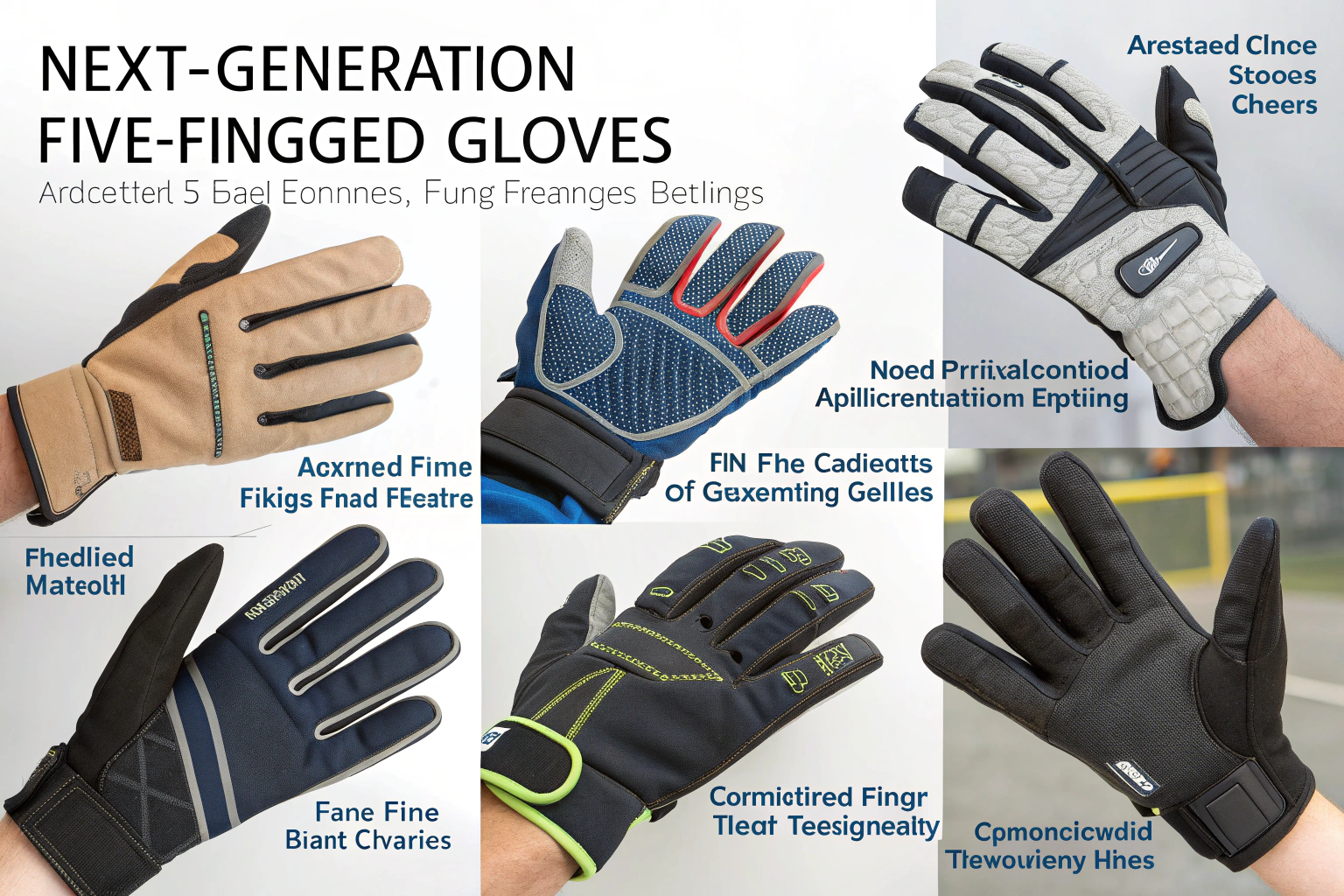
Fve-fingered gloves are one of the most universal and long-lasting types of handwear out there. They cover each finger fully and let you move your hands really freely, which makes them super useful for all kinds of things. Whether it’s work clothes, fashion, sports, or even medical stuff, this classic design has stayed popular over time—plus, it keeps getting better thanks to new materials and ways of making them. Looking ahead, a bunch of trends are coming together that show these gloves will keep evolving, not going away anytime soon.
The future prospect of five-fingered gloves are set to get even more specialized, with smart tech built right in, better sustainable materials, and fits tailored just for you. These changes will make them do more than ever while keeping that key flexibility we love. This shift could open up new markets and breathe new life into old uses by making gloves perform better, feel cozier, and offer extra perks.
Let’s explore the specific developments and opportunities shaping the future of five-fingered gloves across different sectors and user needs.
How will Chinese market scale of five-fingered gloves?
According to investigations, the market size of China’s five-finger gloves reached 42.6 billion yuan in 2024, a year-on-year increase of 18.3%, and is expected to exceed 50 billion yuan in 2025. It is projected that by 2027, the market size of smart gloves capable of monitoring vital signs may reach 8 billion yuan.
From January to September 2023, China’s five-finger glove exports increased by 15% year-on-year, and it is expected that export revenue will reach 1.2 billion US dollars in 2025, a 20% increase compared to 2023.
What smart functionality will become standard in future designs?
Comprehensive biometric monitoring uses each finger’s unique vascular and neural traits to track health in ways that go beyond today’s wrist-based tech. We’ve developed gloves with fingertip oxygen sensors, pulse wave velocity checks, and tiny sweat analyzers, and they show real promise for non-invasive health monitoring that might one day match what you’d get at a clinic.
How will haptic feedback and gesture control evolve?
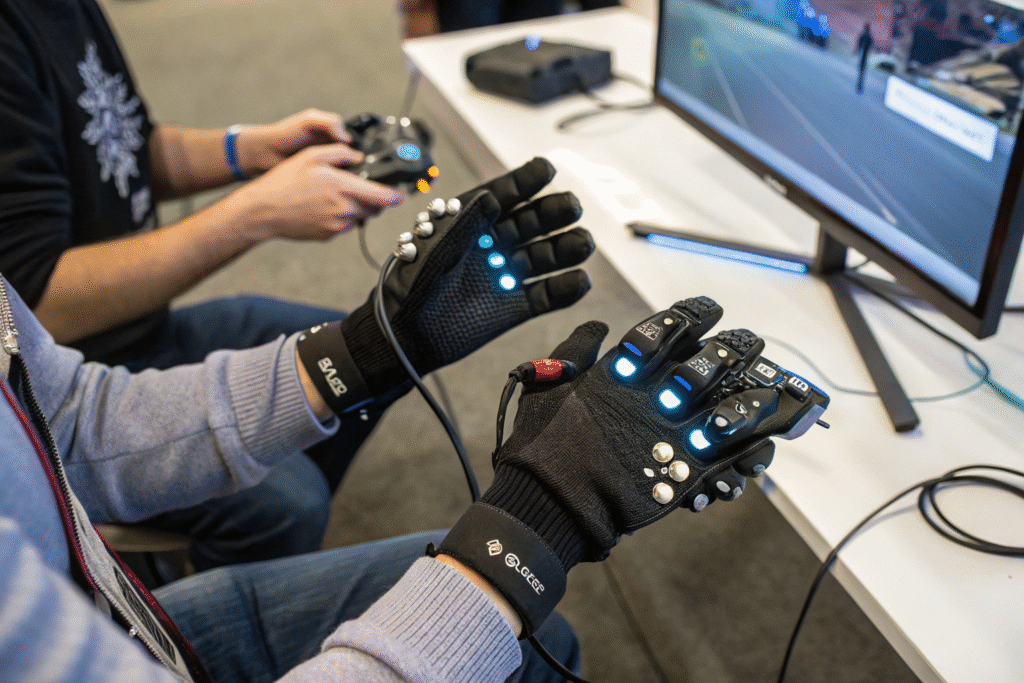
Advanced tactile interfaces let users and digital systems chat back and forth using cool vibrations, pressure feelings, and motion tracking. We’ve made prototype gaming and work gloves with haptics on each finger and super-precise motion tracking—down to less than a millimeter—and they’re giving really engaging experiences. These immersive interactions could one day replace regular controllers in lots of areas. They’re all about bringing together the physical and digital worlds more and more, which is happening everywhere from entertainment and work to how we socialize.
Which scenarios will become the core drivers of growth for five-fingered gloves?
This field has always been a key demand market for five-fingered gloves and maintains a stable growth momentum. It once accounted for 40% of the global market share of five-fingered gloves, and is expected to account for 35% of the global market share in 2025. After the epidemic, the standards for infection control in medical institutions have been upgraded. For example, the daily consumption of surgical examination gloves has increased significantly. Meanwhile, the promotion of endoscopic technology has also driven the special growth of demand for precision gloves for surgical operations.
In addition, the aging population is deepening, and elderly care and home medical scenarios are constantly spurring new demand growth points for medical five-fingered gloves. The penetration rate of degradable latex gloves in the medical field is also expected to reach 18% in 2025, which will further promote the demand release in this field.
What new material properties will become available?
Phase-change materials and adaptive insulation will create gloves that actively respond to environmental conditions and body temperature, maintaining optimal comfort across wider temperature ranges. Our development of gloves with microencapsulated phase-change materials has demonstrated the ability to maintain consistent hand temperature across 15°C temperature variations, significantly outperforming traditional insulating materials. This adaptive comfort represents a fundamental improvement in one of the core functions of gloves—thermal regulation.
How will durability and protection evolve?
Self-healing polymers and reinforced nanocomposites will extend product lifespan while providing better protection against abrasion, cuts, and impact. Our industrial gloves incorporating micro-damage repair technology have demonstrated 300% longer lifespan in high-abrasion applications while maintaining flexibility and tactile sensitivity. This enhanced durability addresses both economic and environmental concerns by reducing replacement frequency while maintaining safety standards.
How Will Customization and Personalization Trends Develop in Five-Fingered Gloves?
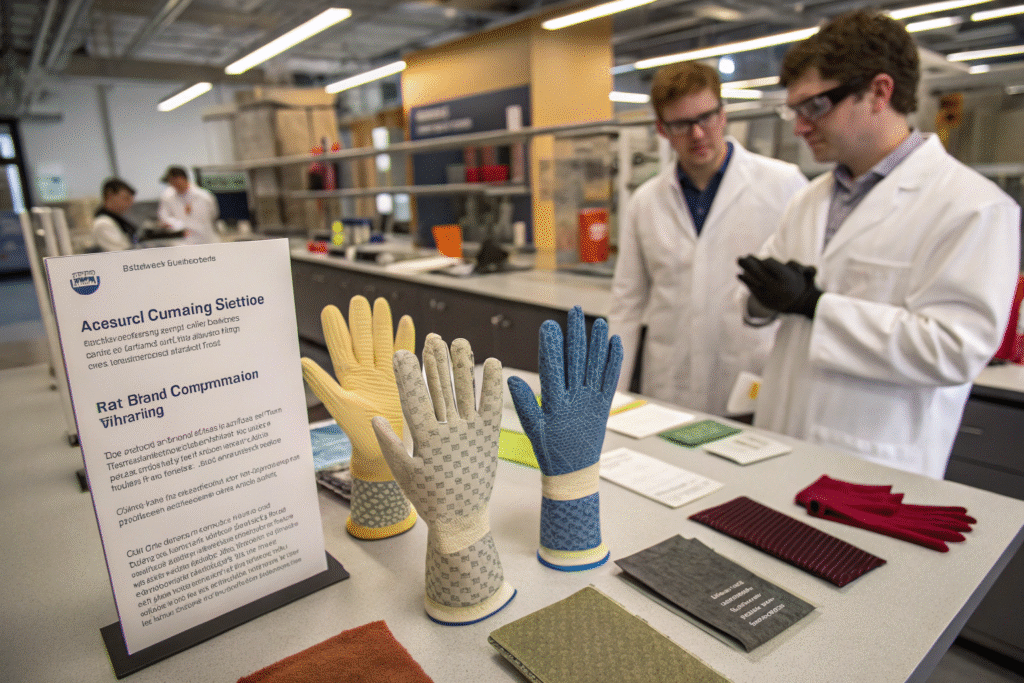
Different industries will have more targeted customized functional gloves. For example, the electronics manufacturing industry will need anti-static five-fingered gloves with adjustable static resistance parameters customized according to different electronic component production processes; the chemical industry will require gloves customized with corrosion-resistant materials of different formulas for various chemical reagents.
Thus,the construction industry will see customized gloves with enhanced anti-cutting and anti-wear performance at key finger joints based on the frequent grasping and friction actions of workers.
How to transition from general-purpose to precise customization?
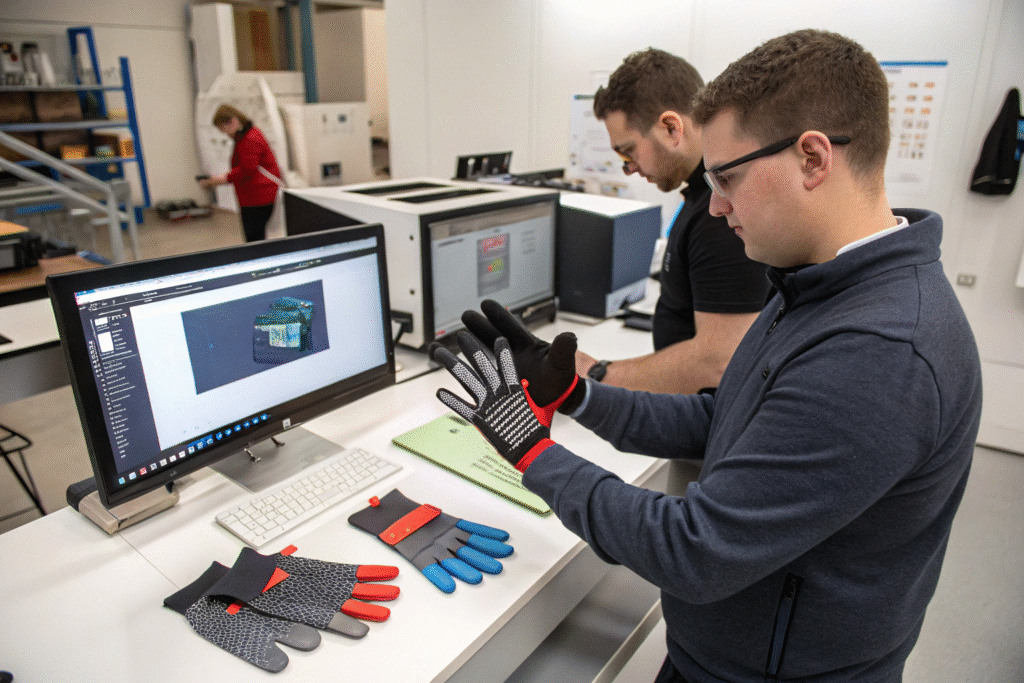
Accurate hand data is the foundation of precise customization, which can solve the problem that general – purpose gloves cannot fit different hand shapes. On one hand, we can popularize non-contact high-precision measurement technologies.These tools can capture key data such as finger length, knuckle circumference, palm width, and the curvature of the back of the hand with an error within 1-3 millimeters. On the other hand, build a secure cloud data platform. After collecting the hand data, encrypt and store it in the cloud.
What role will user-configurable features play?
Modular design approaches will allow users to customize gloves for specific activities, conditions, or preferences through interchangeable components. Our professional glove system with replaceable palm pads, finger guards, and cuff extensions has proven popular among workers who face varying hazards throughout their shifts, reducing the need for multiple specialized gloves. This configurable functionality represents a shift toward versatile, adaptable hand protection that can evolve with changing needs rather than requiring separate products for each application.
How will sustainability concerns influence future development?
The environmental impact of glove manufacturing—particularly synthetic materials and short product lifespans—will face increasing scrutiny as sustainability becomes a central concern across consumer goods. Five-fingered gloves come with unique hurdles because they’re tricky to make with lots of small parts, but they also open up chances to get creative with circular design and eco-friendly materials.
Environmental factors are going to move from being just marketing points to becoming essential parts of how things are designed right from the start.
What circular economy principles will be implemented?
Design for disassembly and material recovery will transform gloves from disposable items to products with multiple lifecycles through repair, refurbishment, and material recycling. Our development of gloves with separable components and standardized materials has demonstrated feasibility of industrial-scale glove recycling that was previously uneconomical due to material complexity. This circular approach addresses growing regulatory pressure and consumer demand for more sustainable products without compromising performance.
How will bio-based materials transform manufacturing?
Advanced biopolymers and natural composites will reduce dependence on petroleum-based synthetics while maintaining or improving technical performance. Our work with algae-based polymers, mushroom leather alternatives, and plant-based membranes has produced viable alternatives to traditional glove materials with significantly lower environmental impact across their lifecycle. This material transition represents both an environmental imperative and a market opportunity as consumers increasingly factor sustainability into purchasing decisions.
Conclusion
The global market demand for five-fingered gloves will maintain a steady growth momentum with a compound annual growth rate of around 5%. It is expected that related market demand will keep expanding in the next few years. Geographically, Asia will become the core growth engine, with China and India as the main driving forces, and its market share is expected to reach 50%. Specifically, the industrial sector holds the largest market share, accounting for 60% of the global market. Meanwhile, the demand in the medical, sports and leisure sectors is also rising rapidly.
The facturers and brands that can spot these trends early—balancing new ideas with real-world use, and focusing on specific needs while staying easy to access—are likely to do well as the market changes. The fact that everyone needs hand protection, plus higher demands for better performance, custom options, and eco-friendliness, makes it a great time for more innovation in this important product area.
If you’re interested in developing next-generation five-fingered gloves or want to partner with a manufacturer that understands the evolving landscape of handwear, we invite you to contact our Business Director, Elaine. She can discuss our approach to glove design and manufacturing that anticipates future trends while meeting current market needs. Reach her at: elaine@fumaoclothing.com.