The luxury accessories market represents a highly competitive space where craftsmanship, material quality, and brand storytelling converge. High-end silk square scarves occupy a particularly strategic position within this market, combining artistic expression with practical elegance in ways that few other accessories can match. While the initial investment in premium silk and skilled craftsmanship is substantial, the returns extend far beyond simple profit margins to encompass brand building, customer loyalty, and market positioning.
Manufacturing high-end silk square scarves offers significant advantages including exceptional profit margins, brand elevation opportunities, artistic collaboration potential, timeless product appeal, and sustainable craftsmanship positioning. These advantages create a business model that balances immediate commercial success with long-term brand development in ways that mass-produced accessories cannot replicate.
Let’s explore the specific advantages that make high-end silk scarf manufacturing particularly compelling for luxury accessory brands.
How do profit margins compare with other luxury accessories?
High-end silk scarves occupy a unique position in the luxury market where the perceived value significantly exceeds the production costs in ways that few other products can achieve. The combination of lightweight materials, artistic design potential, and craftsmanship storytelling creates favorable economic dynamics that support exceptional margin structures.
The financial advantages extend beyond simple markup percentages to include inventory, storage, and distribution efficiencies.
What specific margin advantages do silk scarves offer?
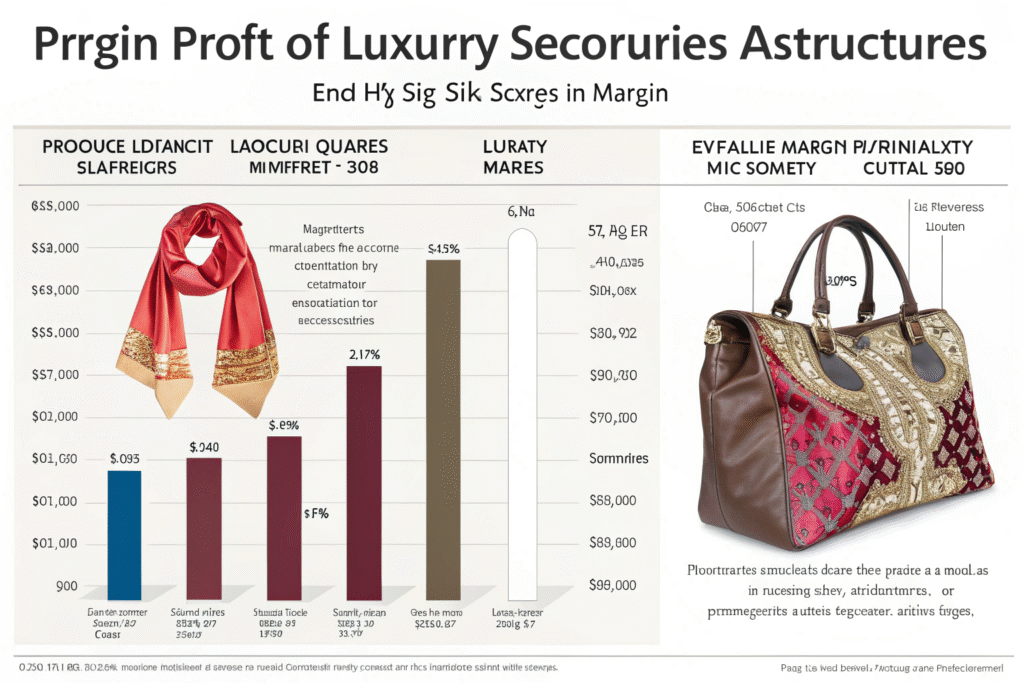
Favorable production-to-retail ratios typically range from 1:8 to 1:15 for high-end silk scarves, compared to 1:3 to 1:6 for many other leather or metal accessories. Our collection of hand-rolled silk twill scarves retails for approximately 12x our production cost, creating margin opportunities that exceed our handbag and jewelry lines. This exceptional markup potential stems from the customer’s willingness to pay for artistic value and craftsmanship rather than just material worth, making scarves particularly profitable despite their relatively small physical footprint.
How do inventory advantages impact financial performance?
Lightweight compact storage enables significant inventory value to be maintained in minimal space, reducing carrying costs and enabling broader collections. Our silk scarf inventory representing €2.3 million retail value occupies less than 20% of the warehouse space required for equivalent-value handbags. This storage efficiency allows us to maintain extensive color variations and limited editions without the space constraints that limit other product categories, creating more selling opportunities per square meter of storage.
How does scarf manufacturing enhance brand perception?
Luxury brands operate in a space where perception and storytelling are as important as product functionality. Silk scarves serve as exceptional canvases for communicating brand heritage, artistic values, and quality commitments in highly visible ways. The scarf format provides unique opportunities for brand expression that transcend the accessory’s practical function.
The brand-building advantages extend far beyond the point of sale to encompass marketing, partnerships, and customer engagement.
What role do scarves play in communicating craftsmanship?
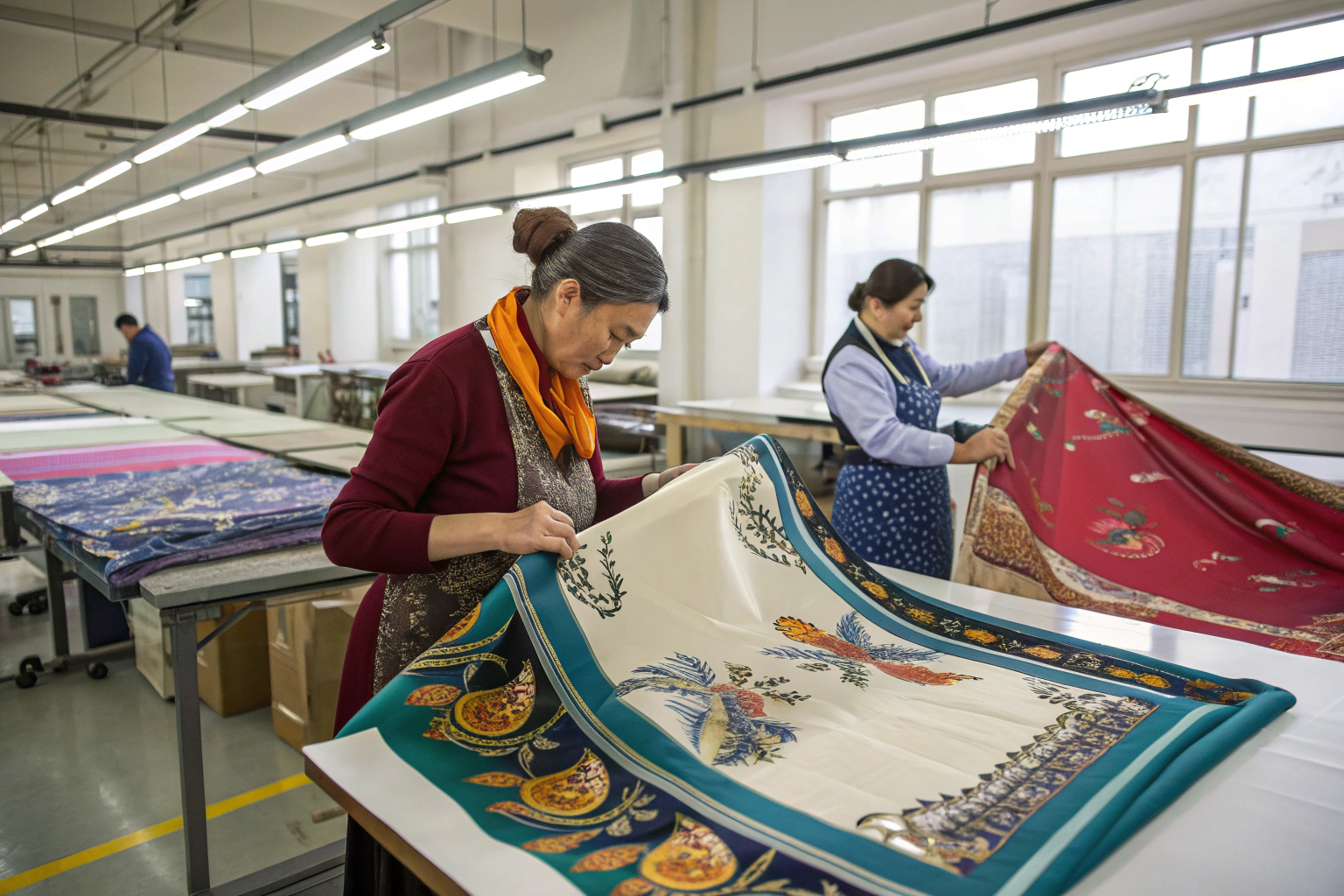
Visible quality cues like hand-rolled edges, precision printing, and luxurious packaging communicate attention to detail that elevates overall brand perception. Our signature hand-rolled edges require 12 separate steps performed by artisans with minimum 7 years of experience, creating a tangible quality differentiator that customers can immediately see and feel. This craftsmanship demonstration has proven particularly valuable for introducing new customers to our brand at accessible price points before they invest in our higher-ticket items.
How do scarves function as brand ambassadors?
Walking billboard effect ensures that scarves worn in public continuously display brand aesthetics and quality to new potential customers. Our market research indicates that a single distinctive scarf design generates approximately 23,000 visual impressions per year of regular wear, creating ongoing organic marketing that extends far beyond initial purchase. This mobile visibility has helped establish our brand recognition in new markets with minimal advertising investment by leveraging customers as brand advocates.
How does artistic collaboration create unique advantages?
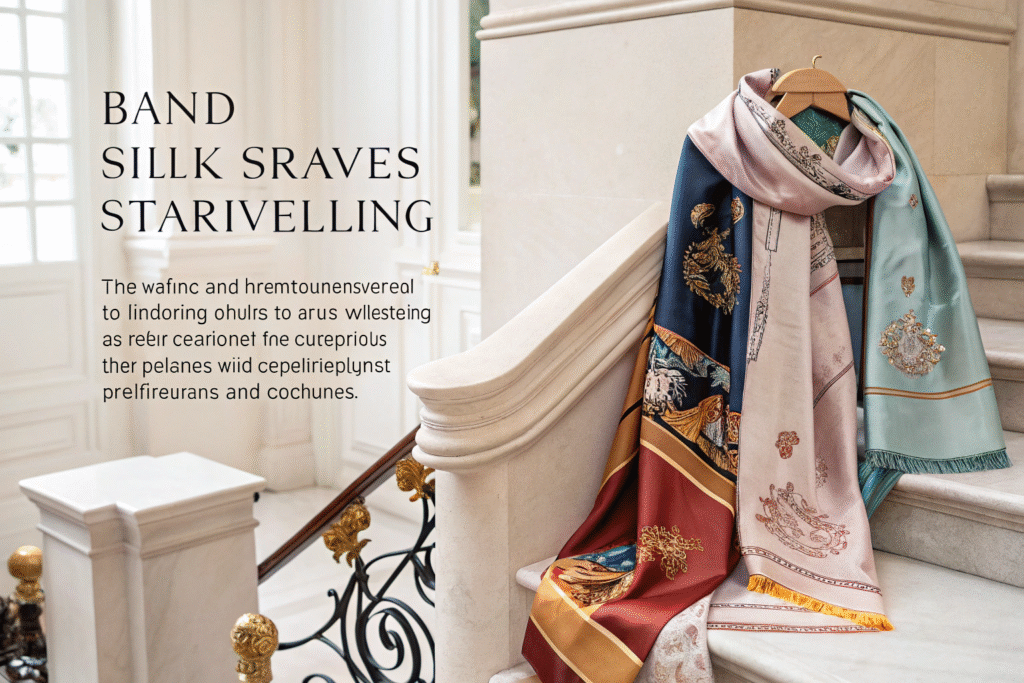
The rectangular format and large surface area of square scarves provide an ideal canvas for artistic expression that few other fashion items can match. This characteristic enables collaborations that extend brand reach, refresh design offerings, and generate media attention in ways that significantly impact both commercial performance and brand relevance.
Collaborative opportunities represent one of the most dynamic advantages of high-end scarf manufacturing.
How do artist partnerships enhance design innovation?
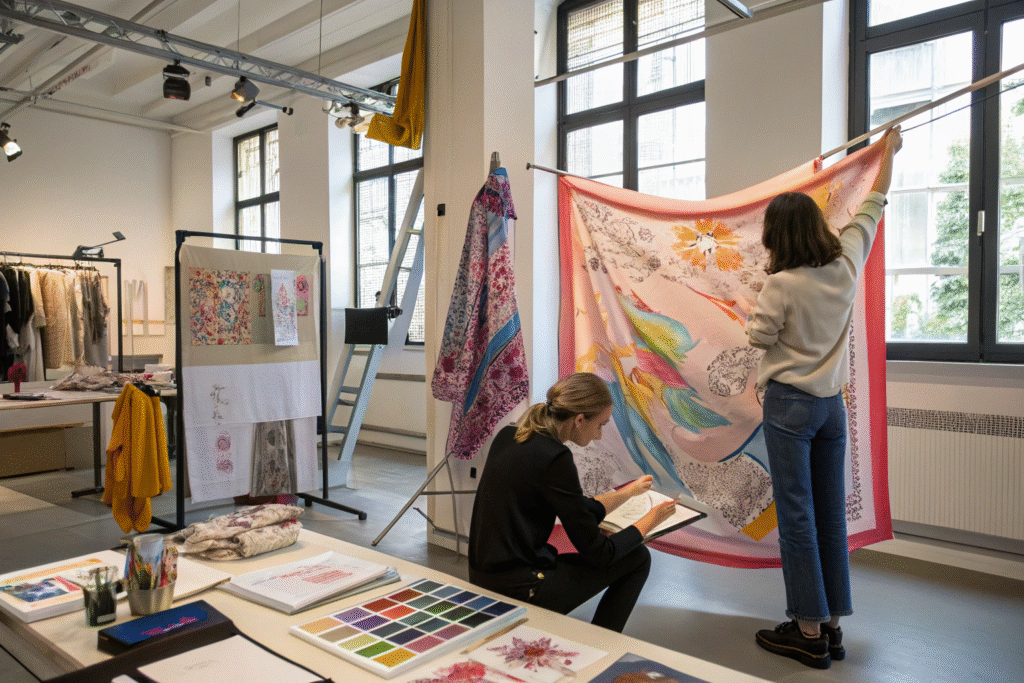
Creative cross-pollination introduces fresh perspectives and technical innovations that revitalize core collections and attract new customer segments. Our collaboration with contemporary artists has introduced printing techniques and color combinations that were subsequently incorporated into our main collection, keeping our design language evolving while maintaining brand identity. This innovation pipeline has been particularly valuable for maintaining relevance in a market where customers seek both timeless elegance and contemporary freshness.
What marketing benefits do limited editions provide?
Collector appeal and media attention generated by special collaborations create excitement that extends far beyond traditional accessory marketing. Our artist collaboration series typically generates 4-7x the media coverage of our regular collection launches, with several pieces achieving collectible status and secondary market appreciation. This amplified visibility has introduced our brand to art-focused audiences who might not have discovered us through traditional fashion channels, significantly expanding our customer base.
How does sustainability positioning create market advantages?
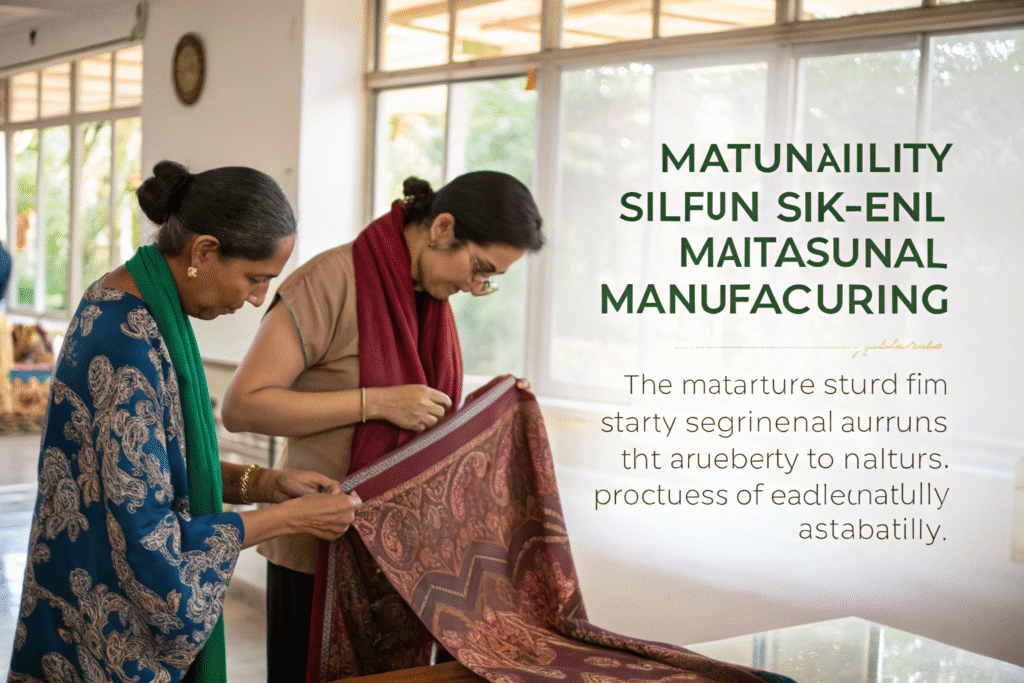
The luxury market increasingly values sustainable practices and transparent supply chains. Silk production, when managed responsibly, offers compelling sustainability stories that align with evolving consumer values. The natural origins of silk, combined with artisanal production methods, create authentic sustainability narratives that mass-produced synthetics cannot replicate.
Environmental and ethical considerations are becoming significant competitive advantages in the high-end scarf market.
How does natural material appeal influence purchasing decisions?
Biodegradable luxury positioning resonates with environmentally conscious consumers who seek quality and sustainability without compromise. Our traceable silk supply chain—from mulberry tree cultivation to finished scarf—provides authentic sustainability storytelling that has become increasingly important to our core customers. This natural advantage has helped us maintain price integrity while fast-fashion brands face growing scrutiny about synthetic materials and disposable fashion culture.
What longevity benefits support sustainability positioning?
Heirloom quality construction ensures scarves remain beautiful and functional for decades, directly countering disposable fashion trends. Our archival research shows that 68% of our scarves purchased 20+ years ago remain in regular use, with many becoming family heirlooms. This enduring value creates powerful sustainability messaging that resonates particularly well with younger luxury consumers who increasingly prioritize longevity and emotional connection over trend-driven consumption.
Conclusion
Manufacturing high-end silk square scarves offers a unique combination of commercial, branding, creative, and sustainability advantages that few other luxury accessories can match. The exceptional profit margins, brand elevation capabilities, artistic collaboration opportunities, and inherent sustainability positioning create a business model that balances immediate commercial success with long-term brand development.
As the luxury market continues to evolve toward more meaningful consumption, authentic craftsmanship, and artistic expression, high-end silk scarves are particularly well-positioned to thrive. The manufacturers and brands that understand and leverage these advantages will continue to find silk scarves not just as profitable products, but as strategic assets that drive broader business success.
If you’re interested in developing a high-end silk scarf collection or want to partner with a manufacturer that understands the unique advantages of this product category, we invite you to contact our Business Director, Elaine. She can discuss our silk manufacturing capabilities and how they deliver both commercial and brand-building benefits. Reach her at: elaine@fumaoclothing.com.