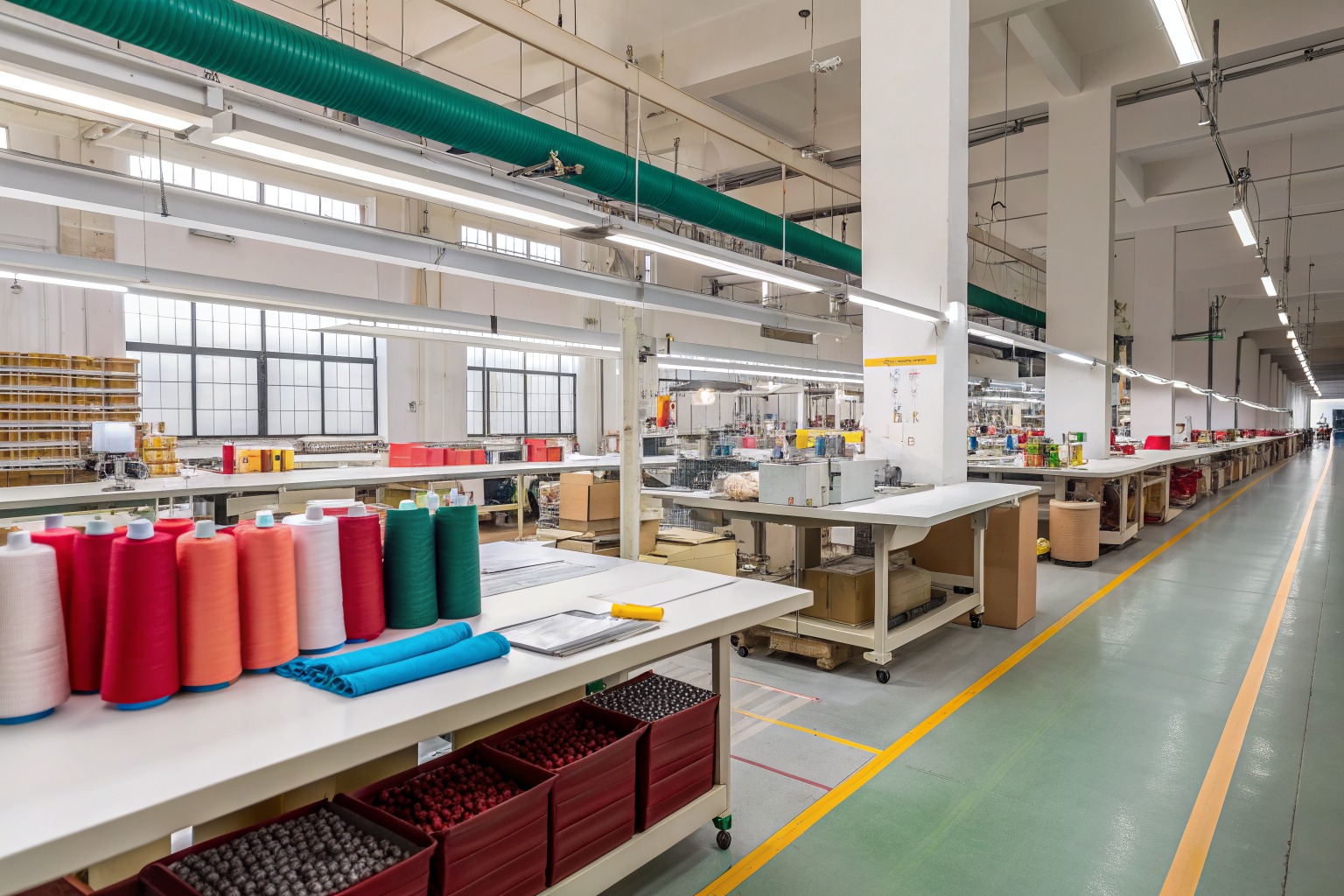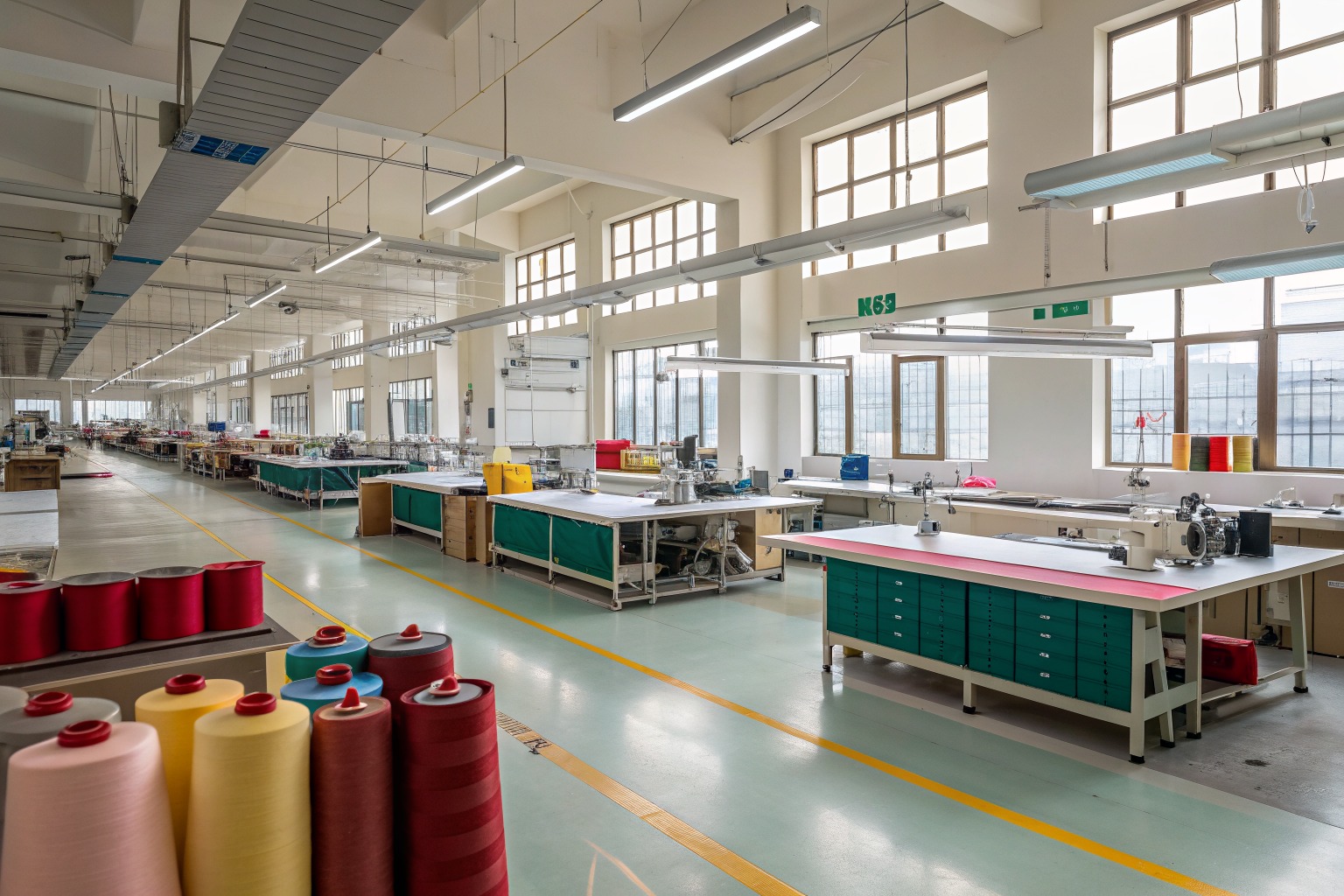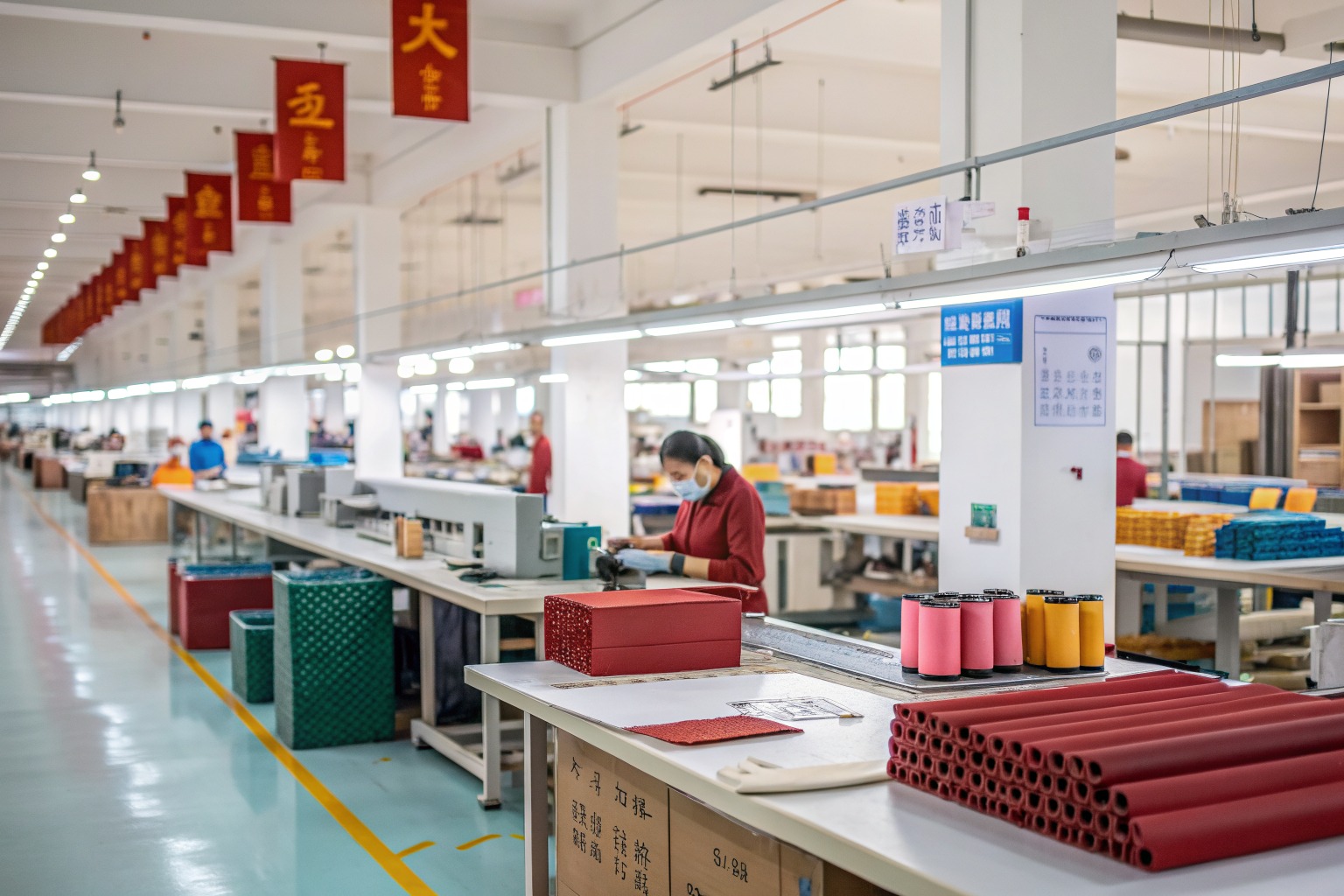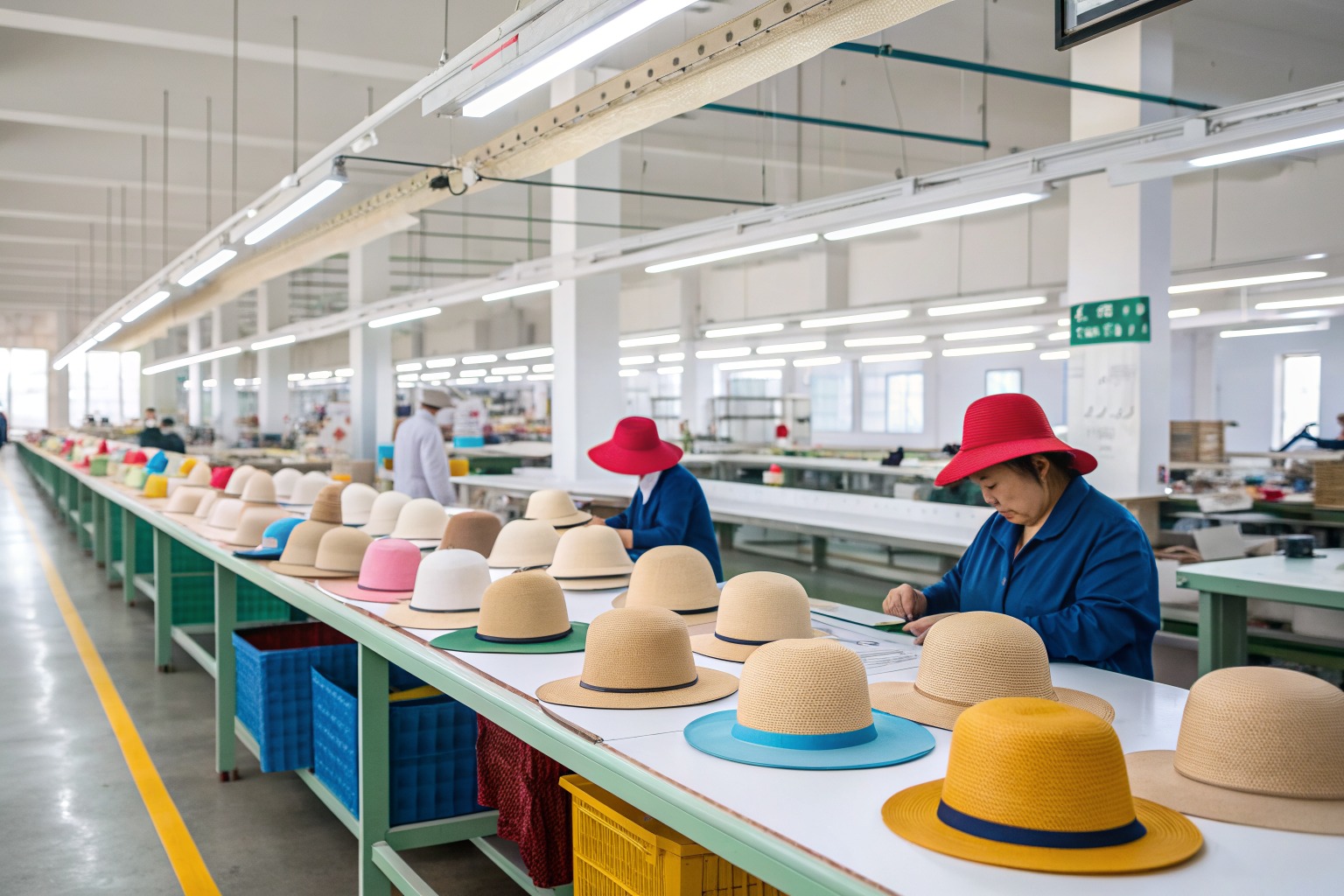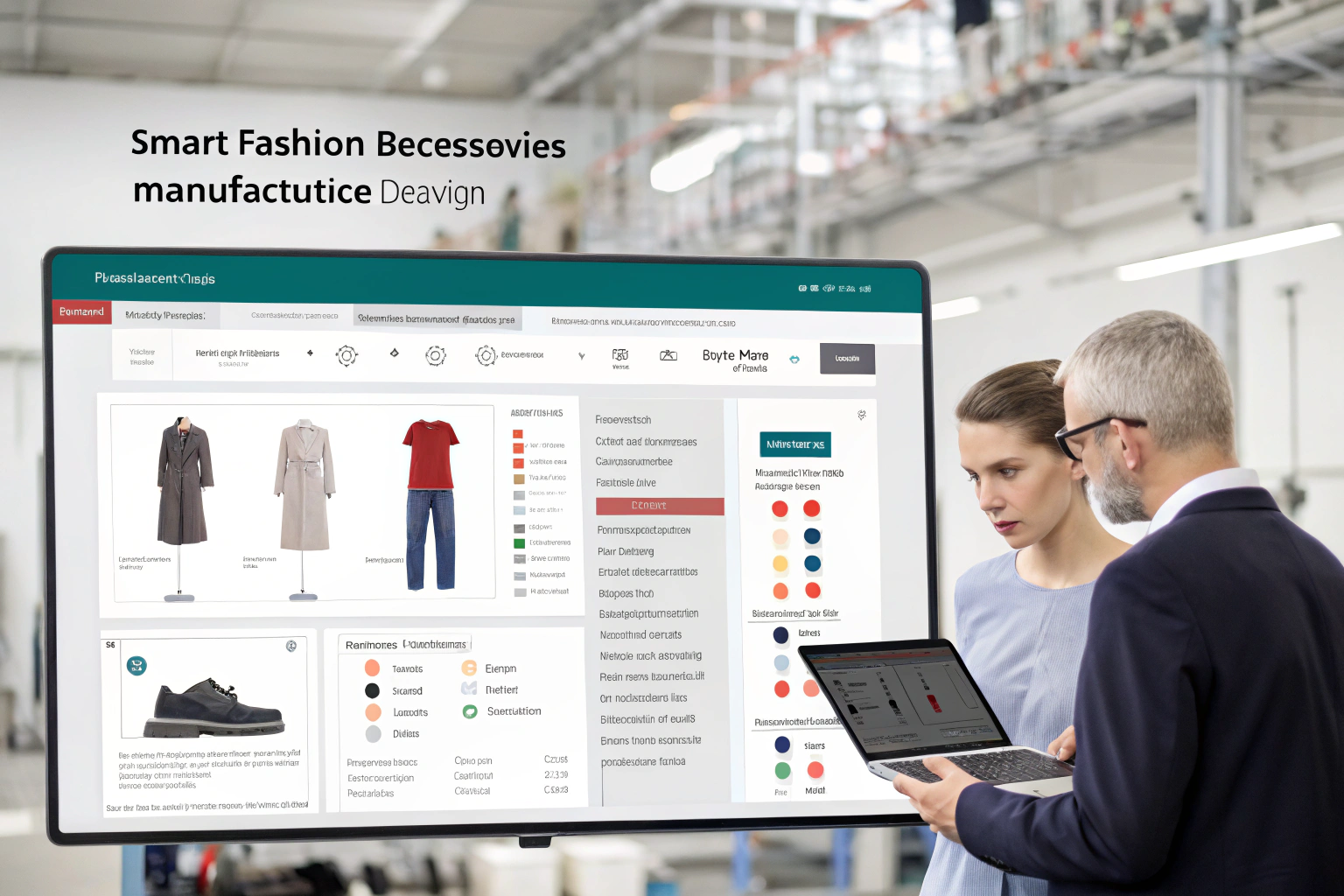
The fashion accessories manufacturing industry has traditionally operated with fragmented systems where design, production, inventory, and sales often function as separate silos with limited communication. This disconnection leads to inefficiencies, errors, delays, and missed opportunities. Manufacturers struggle with visibility across their operations, while brands and retailers face challenges in tracking orders and maintaining quality consistency.
Smart platforms revolutionize fashion accessories manufacturing by integrating all operational aspects into unified digital ecosystems that enable real-time data sharing, automated workflows, predictive analytics, and seamless collaboration across the entire supply chain. These platforms transform manufacturing from a series of disconnected processes into a cohesive, intelligent system that responds dynamically to changing conditions and opportunities.
Let’s explore the specific advantages that smart platforms deliver across different aspects of accessories manufacturing.
How do smart platforms enhance operational efficiency and productivity?
Traditional manufacturing operations suffer from manual data entry, paper-based systems, and disconnected software solutions that create redundant work, communication gaps, and error-prone processes. The time spent reconciling information between systems, chasing updates, and correcting misunderstandings represents significant hidden costs in traditional manufacturing.
Smart platforms eliminate these inefficiencies by creating single sources of truth and automating routine operational tasks.
What specific efficiency gains do integrated workflows provide?
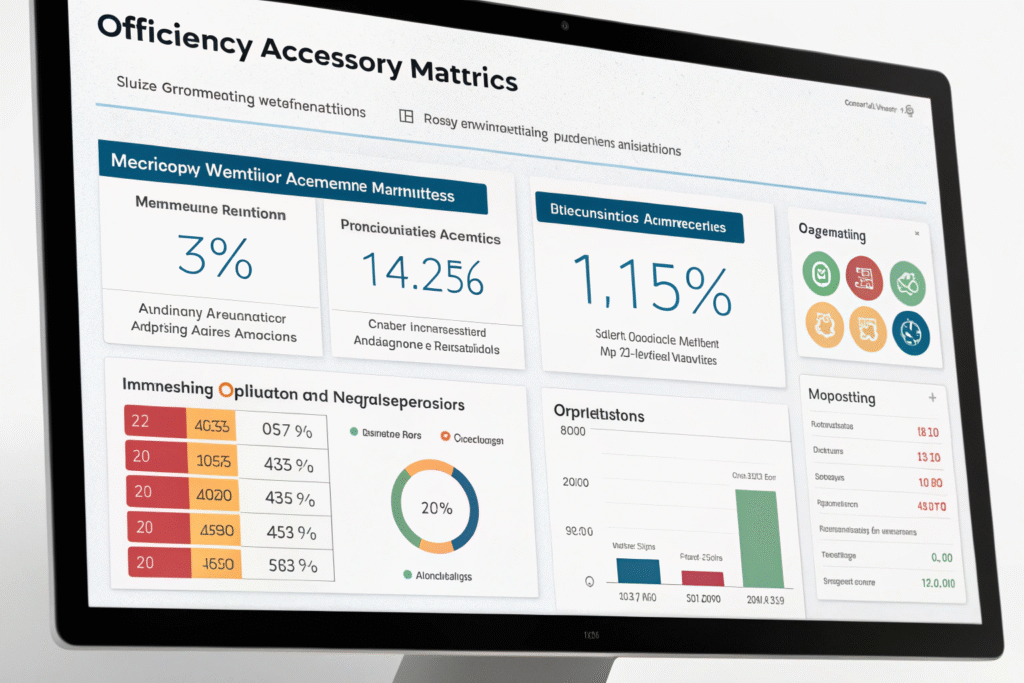
Automated data flow between design, production planning, procurement, and manufacturing eliminates manual re-entry and reduces errors. Our implementation reduced the time spent on order processing from 3 days to 4 hours by automating documentation, specifications sharing, and production scheduling. This workflow automation has eliminated the miscommunication that previously caused 18% of our production delays and reduced administrative costs by 35% through eliminated redundant tasks.
How do smart platforms optimize resource utilization?
Real-time capacity monitoring combined with predictive analytics enables better utilization of equipment, materials, and human resources. Our platform’s resource management module has increased machine utilization from 68% to 89% by identifying underutilized capacity and optimizing production scheduling. This resource optimization has allowed us to increase production volume by 32% without additional capital investment in equipment or facilities.
How do smart platforms improve quality management and consistency?
Quality control in accessories manufacturing often relies on manual inspections, paper checklists, and individual inspector judgments that introduce variability and delay issue identification. Without integrated systems, quality data remains isolated from production parameters, making root cause analysis difficult and slow.
Smart platforms create closed-loop quality systems that connect inspection results directly to production conditions and enable continuous improvement.
How do integrated quality systems enhance defect prevention?
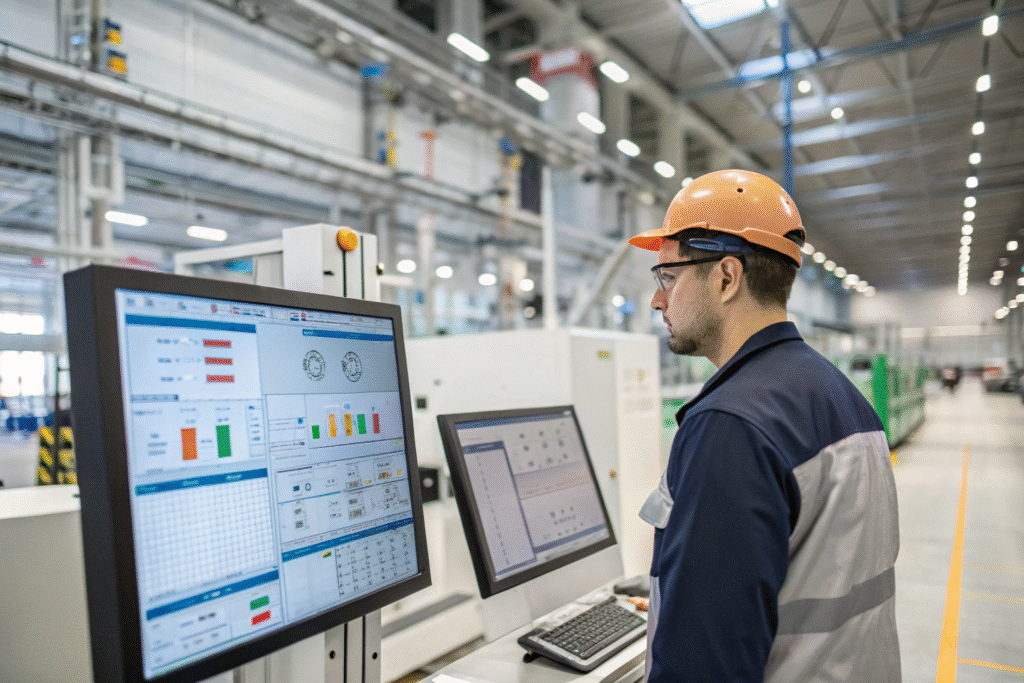
Real-time quality monitoring connects production parameters with quality outcomes, identifying patterns that precede defects. Our platform correlates equipment settings, material batches, and environmental conditions with inspection results, automatically flagging combinations that increase defect risks. This predictive quality capability has reduced our defect rate by 57% by enabling interventions before defective products are produced rather than after detection.
How do smart platforms ensure consistency across production runs?
Digital work instructions and standardized processes ensure every operator follows identical procedures regardless of shift, location, or experience level. Our platform provides visual work instructions at each station, with version control ensuring everyone uses the latest specifications. This process standardization has reduced product variations between production runs by 78% and decreased training time for new operators by 65% while actually improving output quality.
How do smart platforms enhance supply chain visibility and coordination?
Fashion accessories manufacturing involves complex supply chains with multiple material suppliers, component manufacturers, and logistics providers. Traditional supply chain management relies on phone calls, emails, and spreadsheets that provide limited visibility and slow response times when issues arise.
Smart platforms create transparent, connected supply networks where all partners operate with shared information and coordinated actions.
What advantages does real-time supply chain visibility provide?
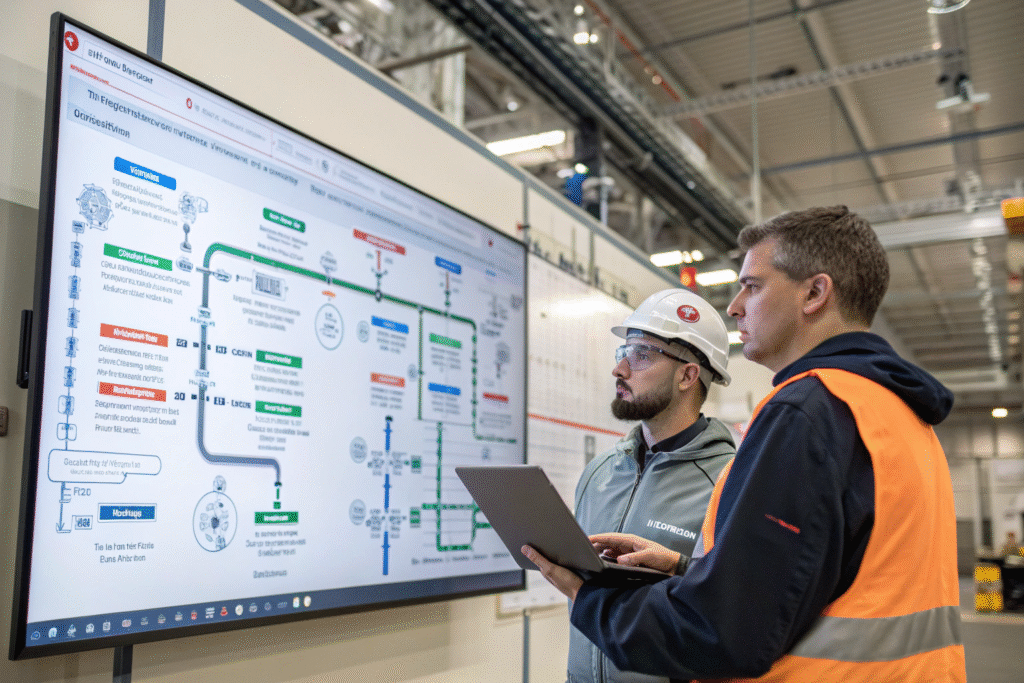
End-to-end tracking of materials, components, and finished goods enables proactive management rather than reactive firefighting. Our platform provides visibility from raw material sourcing through production to customer delivery, reducing the unexpected shortages that previously affected 23% of our production runs. This supply chain transparency has improved our on-time completion rate from 76% to 94% while reducing expediting costs by 62%.
How do smart platforms improve supplier collaboration?
Supplier portals integrated with manufacturing platforms enable seamless information exchange, automated replenishment, and collaborative problem-solving. Our suppliers access real-time production schedules, inventory levels, and quality requirements through dedicated portal access, allowing them to anticipate our needs rather than reacting to purchase orders. This collaborative approach has improved supplier on-time delivery from 82% to 97% while reducing raw material inventory by 44% through better coordination.
How do smart platforms enable data-driven decision making?
Traditional manufacturing decisions often rely on experience, intuition, and fragmented information that may not reflect current realities or emerging patterns. Without comprehensive data integration and analytical tools, manufacturers miss optimization opportunities and risk making decisions based on incomplete or outdated information.
Smart platforms transform decision-making by providing comprehensive, real-time data and advanced analytical capabilities.
How do integrated analytics improve strategic planning?
Unified performance data from all operational areas enables holistic analysis rather than department-specific optimization. Our platform’s analytics module identifies relationships between seemingly unrelated factors—for example, how marketing promotions affect production efficiency or how material choices impact quality costs. This cross-functional insight has helped us optimize our product mix for both profitability and manufacturing efficiency, increasing overall margin by 18%.
What advantages do predictive capabilities provide for manufacturing?
Machine learning algorithms analyze historical patterns to forecast outcomes and recommend optimal actions. Our platform predicts production bottlenecks, material requirements, and quality issues with 87-94% accuracy, allowing proactive management rather than reactive responses. This predictive capability has reduced unplanned downtime by 64% and decreased excess inventory by 41% while actually improving our ability to respond to urgent customer requests.
Conclusion
Smart platforms deliver transformative advantages to fashion accessories manufacturing by creating integrated digital ecosystems that enhance efficiency, quality, supply chain coordination, and decision-making. The connectivity, automation, and intelligence these platforms provide enable manufacturers to achieve new levels of performance that are impossible with traditional disconnected systems.
As the technology continues to advance—incorporating more AI capabilities, expanding connectivity, and becoming more accessible—smart platforms will evolve from competitive differentiators to essential infrastructure for any manufacturer seeking to thrive in an increasingly demanding and dynamic global marketplace.
If you’re interested in implementing smart platforms for your accessory manufacturing or want to partner with a manufacturer that leverages integrated digital systems, we invite you to contact our Business Director, Elaine. She can discuss our platform capabilities and how they create superior manufacturing outcomes. Reach her at: elaine@fumaoclothing.com.