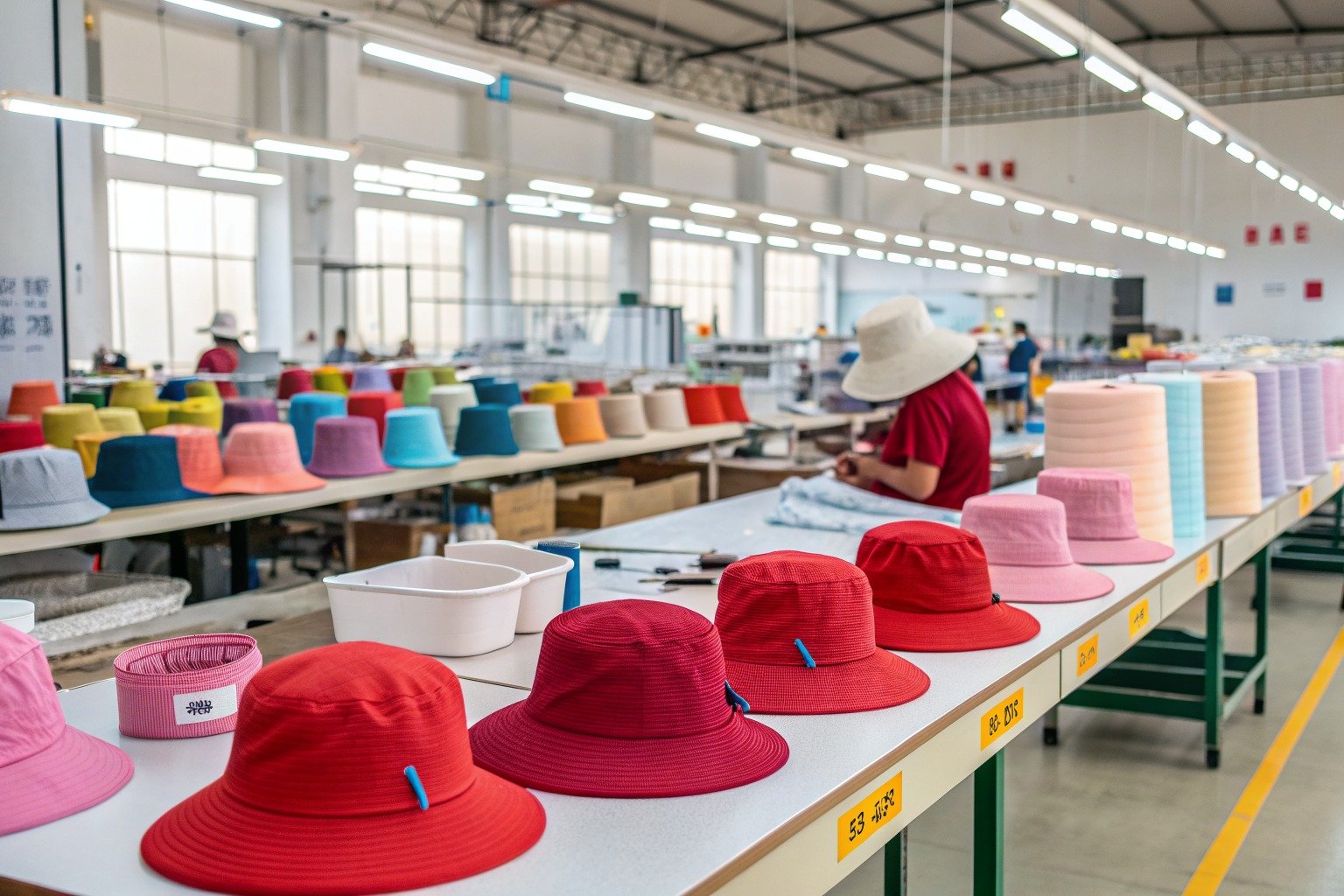
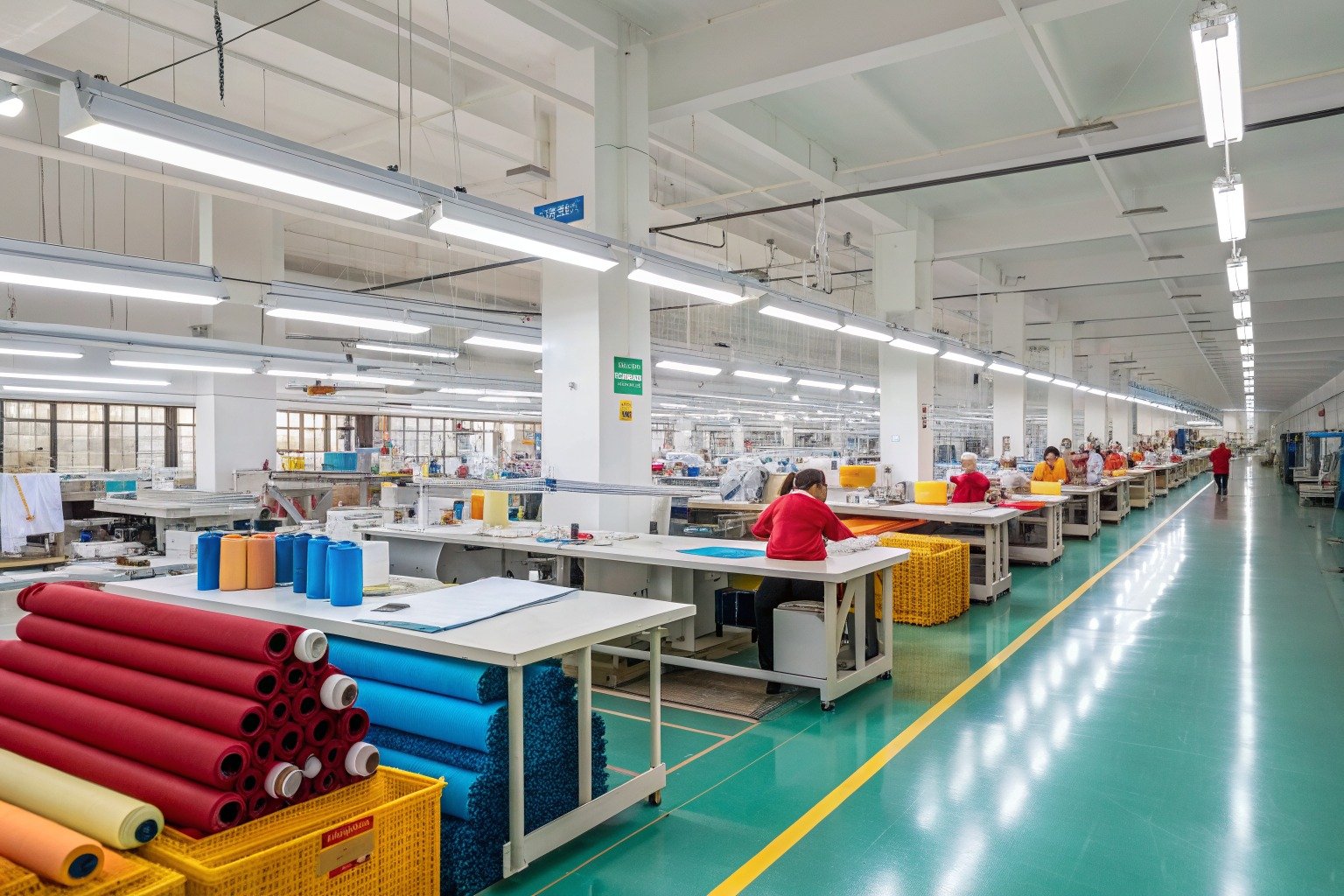
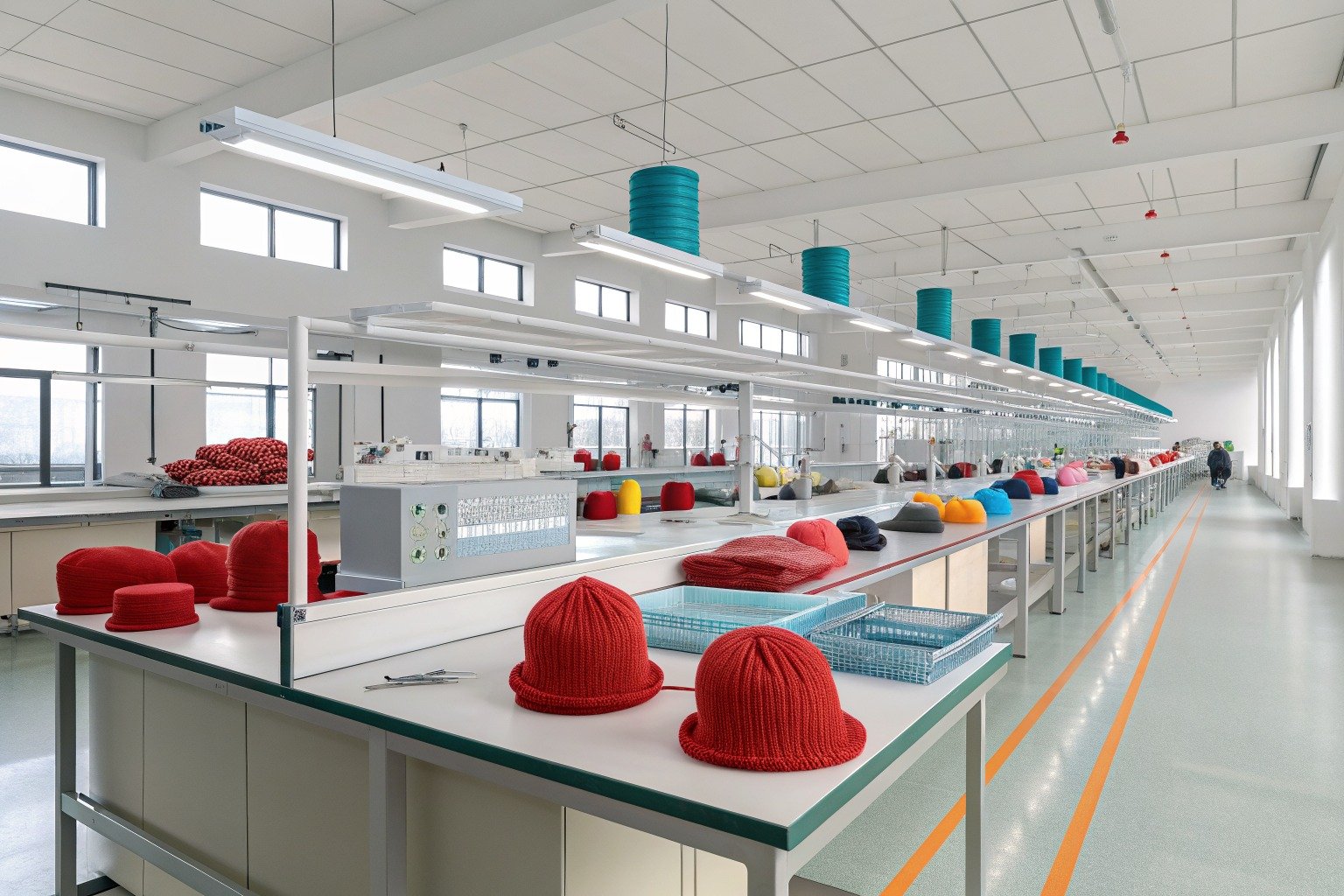
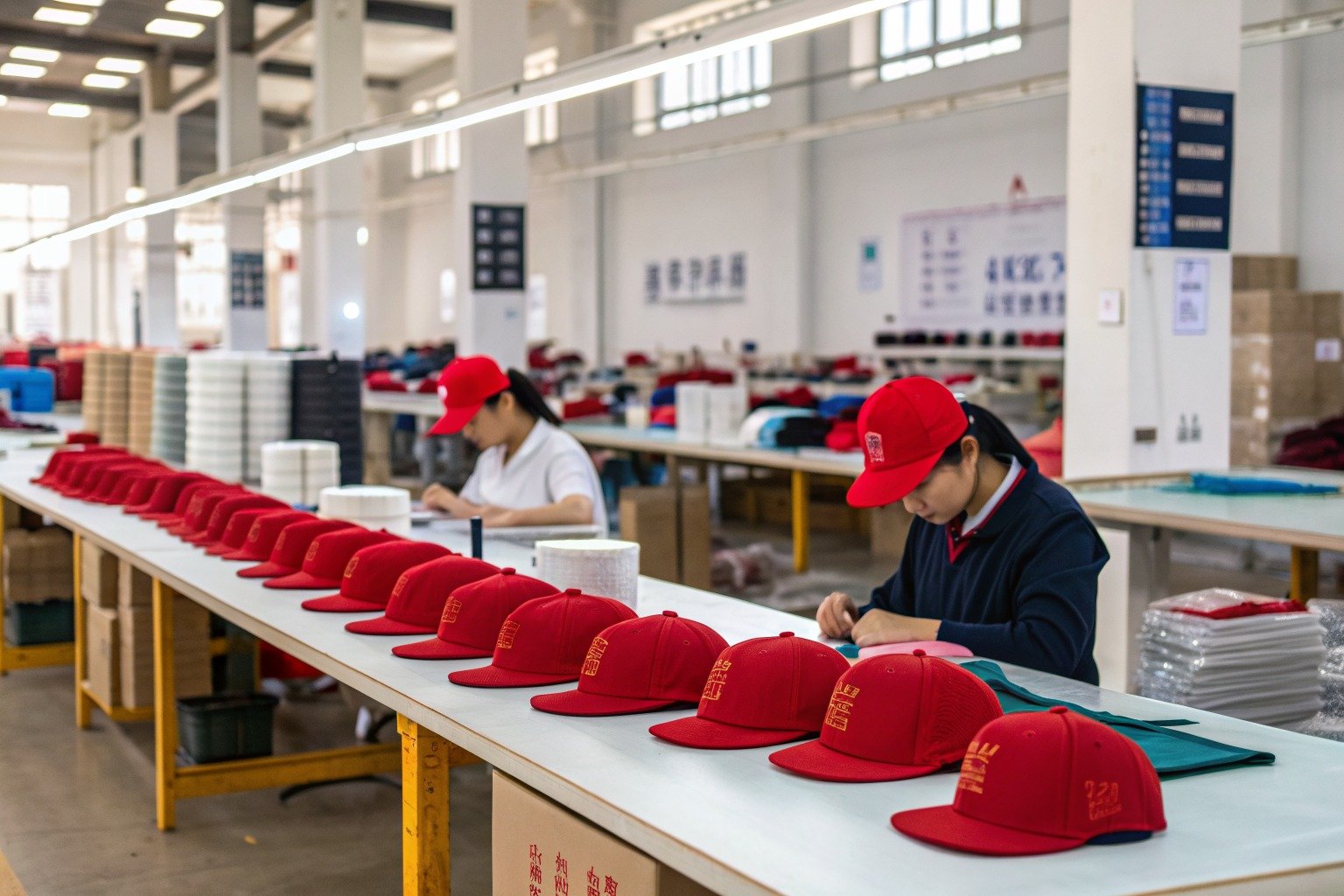
Beret manufacturing balances tradition with contemporary fashion demands, creating a headwear piece that must simultaneously maintain its distinctive shape, offer comfort, and convey aesthetic appeal. The material selection directly impacts not only the beret’s appearance and drape but also its durability, weather resistance, and market positioning. With berets spanning categories from military uniform components to high-fashion statements and everyday accessories, material choices must align with intended use and price points.
The most critical material choices for beret manufacturers involve selecting appropriate wool types and blends, determining felt density and quality, choosing lining materials for comfort, and selecting trims and finishes that enhance both aesthetics and functionality.These decisions collectively determine the beret’s performance characteristics, production feasibility, and market reception, making material selection a foundational aspect of manufacturing strategy.
Let’s examine the specific material considerations that distinguish exceptional berets and how these choices impact manufacturing processes and final product quality.
How does wool selection define beret quality and characteristics?
Wool remains the traditional and most respected material for quality berets, but not all wool performs equally in beret manufacturing. The fiber diameter, staple length, origin, and processing method significantly influence the final product’s appearance, texture, and performance. Manufacturers must balance historical authenticity with contemporary performance expectations when selecting wool sources.
The wool selection establishes the fundamental character of the beret, influencing everything from its distinctive drape to its weather resistance and longevity.
What distinguishes merino wool for premium berets?
Merino wool offers exceptionally fine fibers (often 18-22 microns) that create soft, non-itchy felt ideal for direct skin contact, with natural elasticity that helps berets maintain their shape. Our use of Australian merino for our luxury collection provides superior temperature regulation and moisture-wicking properties, making these berets comfortable across varying climate conditions. The fine fibers also enable tighter felting that creates the smooth, dense surface characteristic of high-quality berets while allowing vibrant dye absorption for rich colors.
Why does wool origin impact beret manufacturing?
Geographic sourcing influences fiber characteristics—Spanish merino produces particularly elastic wool ideal for traditional beret shapes, while New Zealand crossbred wools offer durability for military specifications. Our sourcing strategy combines Welsh wool for its weather-resistant properties (important for outdoor wear) with a percentage of cashmere for luxury lines to enhance softness without compromising structure. This geographical diversification ensures consistent quality despite seasonal variations in wool characteristics from any single source.
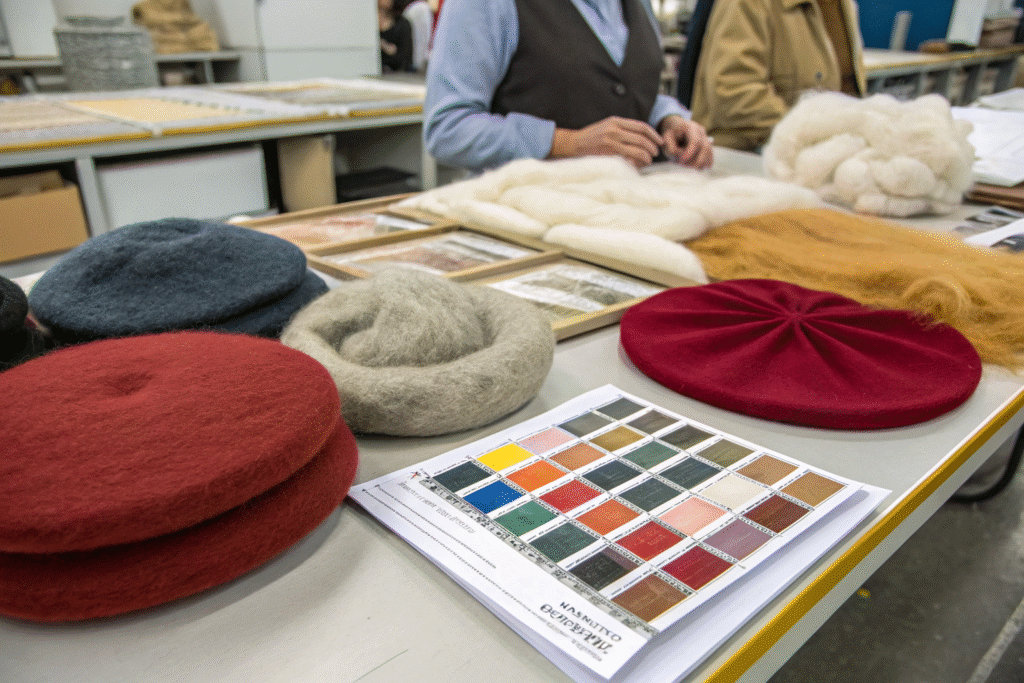
How do felt density and processing methods affect beret performance?
The transformation of wool into felt represents the alchemy of beret manufacturing, where fibers are permanently interlocked through moisture, heat, and pressure. The density achieved during felting determines the beret’s structural integrity, water resistance, and distinctive ability to be shaped and styled by the wearer. Different felting techniques produce dramatically different results despite using similar raw materials.
Felt processing represents the manufacturing stage where material potential is realized into functional form, with density choices creating berets for different purposes and price points.
What is the significance of felt weight and thickness?
Felt density measured in grams per square meter or ounce weight determines the beret’s drape, structure, and weather resistance—lighter felts (180-220 gsm) offer soft drape for fashion berets, while heavier felts (280-350 gsm) provide structure for uniform berets. Our military specification berets use high-density felting that creates virtually waterproof fabric capable of maintaining its shape in adverse conditions, while our fashion line employs medium-density felting that allows the characteristic beret "pouch" to form naturally when worn.
How do different felting techniques create varied beret characteristics?
Traditional fulling methods using water, friction, and natural shrinkage create dense, durable felt with slight texture variations that signal authentic craftsmanship, while modern needle punching combined with thermal bonding produces consistent felt at lower cost. We maintain traditional wet-felting for our heritage collection, recognizing that the slight imperfections and unique hand of this method contribute to the aesthetic value that justifies premium pricing, while using modern techniques for our mid-range lines to maintain affordability without sacrificing quality.

What lining materials enhance beret comfort and durability?
While often overlooked by consumers, the lining represents a critical material choice that significantly impacts wearer comfort, moisture management, and interior appearance. An inappropriate lining can undermine even the highest quality wool exterior through poor fit, discomfort, or premature wear. The lining also provides structural support that helps maintain the beret’s shape over time.
Lining selection requires balancing comfort, functionality, and cost while ensuring compatibility with the outer material during cleaning and wear.
What are the advantages of different lining fabrics?
Silk and satin linings offer luxurious feel and minimal friction against hair, while breathable cotton blends provide better moisture absorption for active wear. Our premium berets feature breathable silk blends that prevent static electricity while offering natural temperature regulation, particularly important for berets that may be worn for extended periods. For our more affordable lines, we use high-quality viscose blends that mimic silk’s smoothness while offering better cost control and consistent supply.
How does lining construction impact beret quality?
Fully attached linings sewn into the crown provide superior structure and durability, while partial linings covering only the sweatband area offer lighter weight and better breathability. Our construction method uses crown-attached linings with a separate sweatband, creating multiple layers of protection against oils and perspiration that can degrade the wool over time. This approach extends the beret’s lifespan while maintaining comfort through the strategic use of different lining materials for different functions.
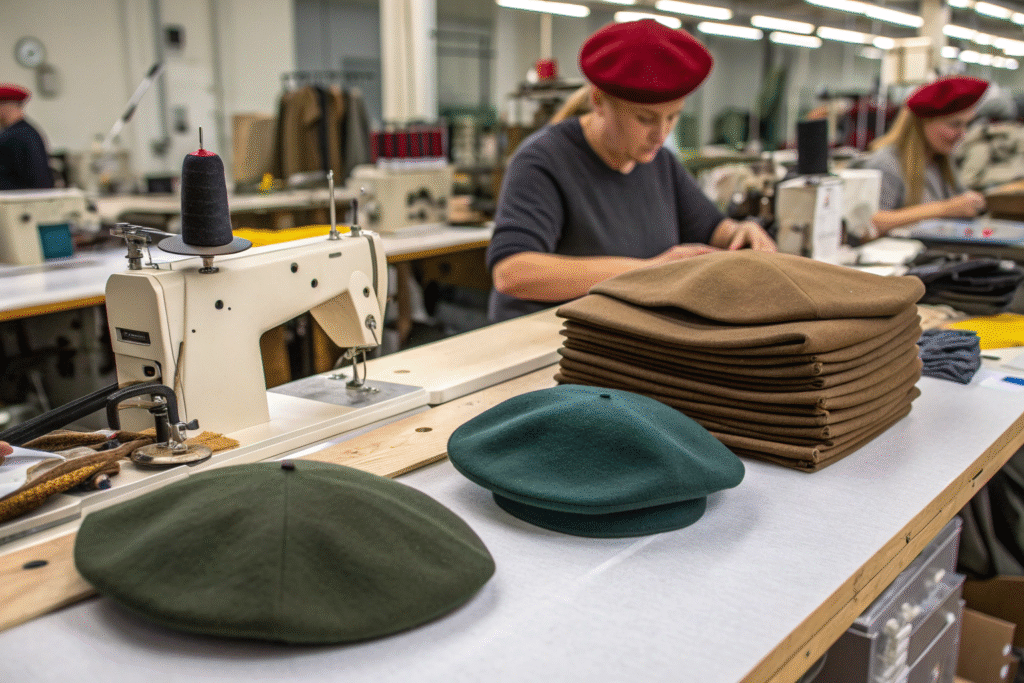
How do trim materials and finishes define beret aesthetics?
The finishing touches—leather sweatbands, ribbons, labels, and edge treatments—contribute disproportionately to the beret’s perceived quality and brand identity. These elements face the closest inspection from consumers and often determine whether a beret feels premium or ordinary. Material choices for trims must complement the main fabric while withstanding the specific stresses of wear.
Trim selection represents the final opportunity to enhance both functionality and aesthetic appeal before the beret reaches the consumer.
What makes an effective sweatband material?
Genuine leather sweatbands absorb moisture while developing a personalized patina over time, enhancing the beret’s character with age, while synthetic alternatives offer consistent appearance and vegan compatibility. Our traditional berets use vegetable-tanned leather that ages beautifully and naturally conforms to the wearer’s forehead, while our contemporary lines feature microfiber alternatives with moisture-wicking properties that appeal to performance-focused consumers. Both approaches prioritize functionality while aligning with different customer values.
How do edge finishes impact beret durability and appearance?
Hand-rolled edges created by skilled sewers represent the pinnacle of beret craftsmanship, creating a resilient, elegant finish, while machine-stitched edges offer consistency and affordability. Our luxury collection features silk-bound edges that require exceptional skill to execute properly but create a seamless transition from exterior to interior that signals uncompromising quality. This attention to edge detail represents one of the clearest differentiators between mass-produced and artisan-crafted berets.

Conclusion
Material choices represent the foundation of successful beret manufacturing, with each selection—from wool type and felt density to lining fabrics and trim materials—contributing to the final product’s aesthetic appeal, functional performance, and market positioning. The most successful manufacturers understand that these choices are interconnected, creating a material ecosystem where each component complements the others to produce berets that meet specific consumer needs and expectations.
As sustainability concerns and new material technologies continue to evolve, beret manufacturers must balance tradition with innovation, selecting materials that honor the beret’s heritage while meeting contemporary standards for comfort, durability, and environmental responsibility.
If you’re looking to develop a beret collection or partner with a manufacturer that understands the critical importance of material selection, we invite you to contact our Business Director, Elaine. She can discuss our material expertise and how we match specific wool types, linings, and finishes to create berets that excel in both quality and market appeal. Reach her at: elaine@fumaoclothing.com.