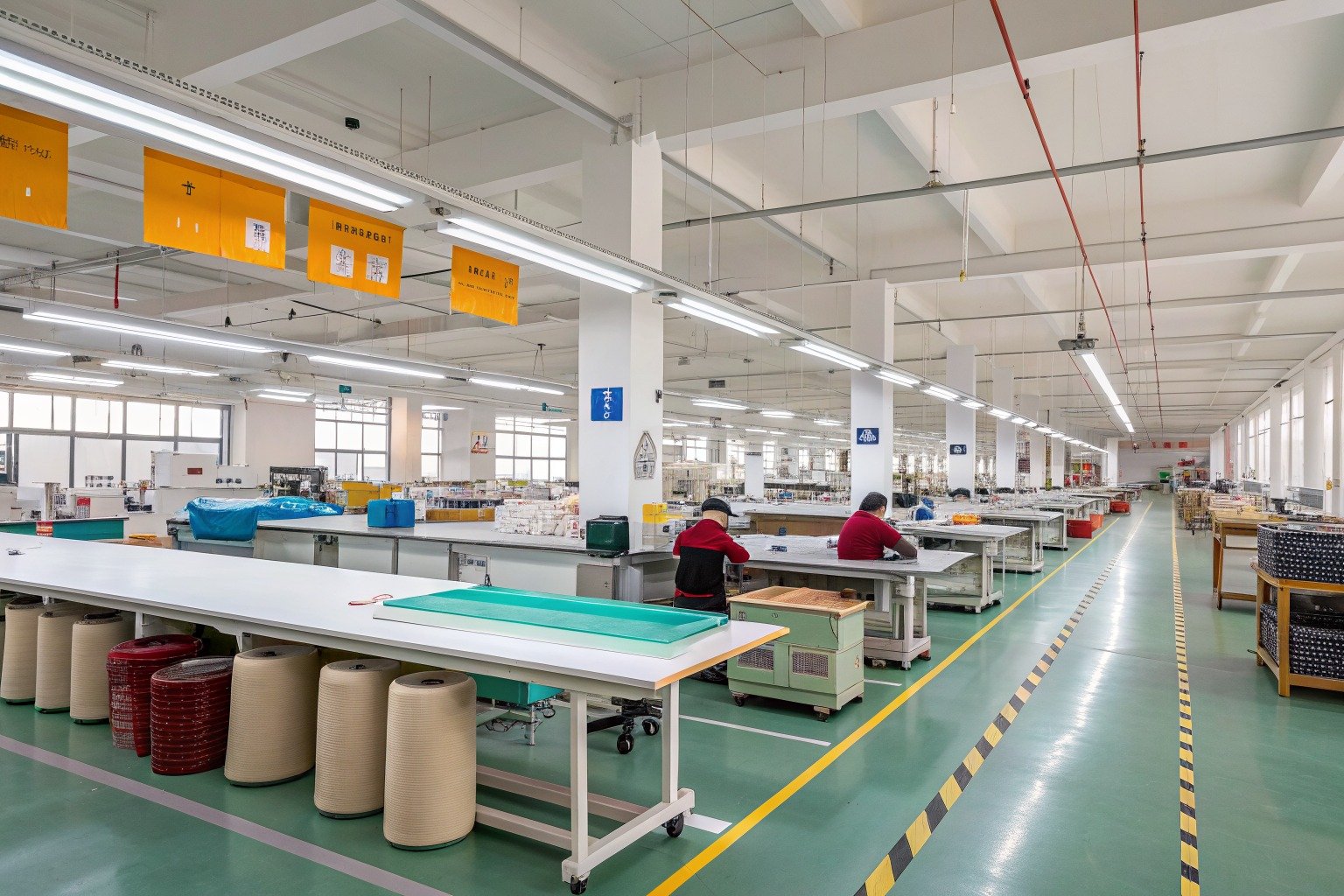
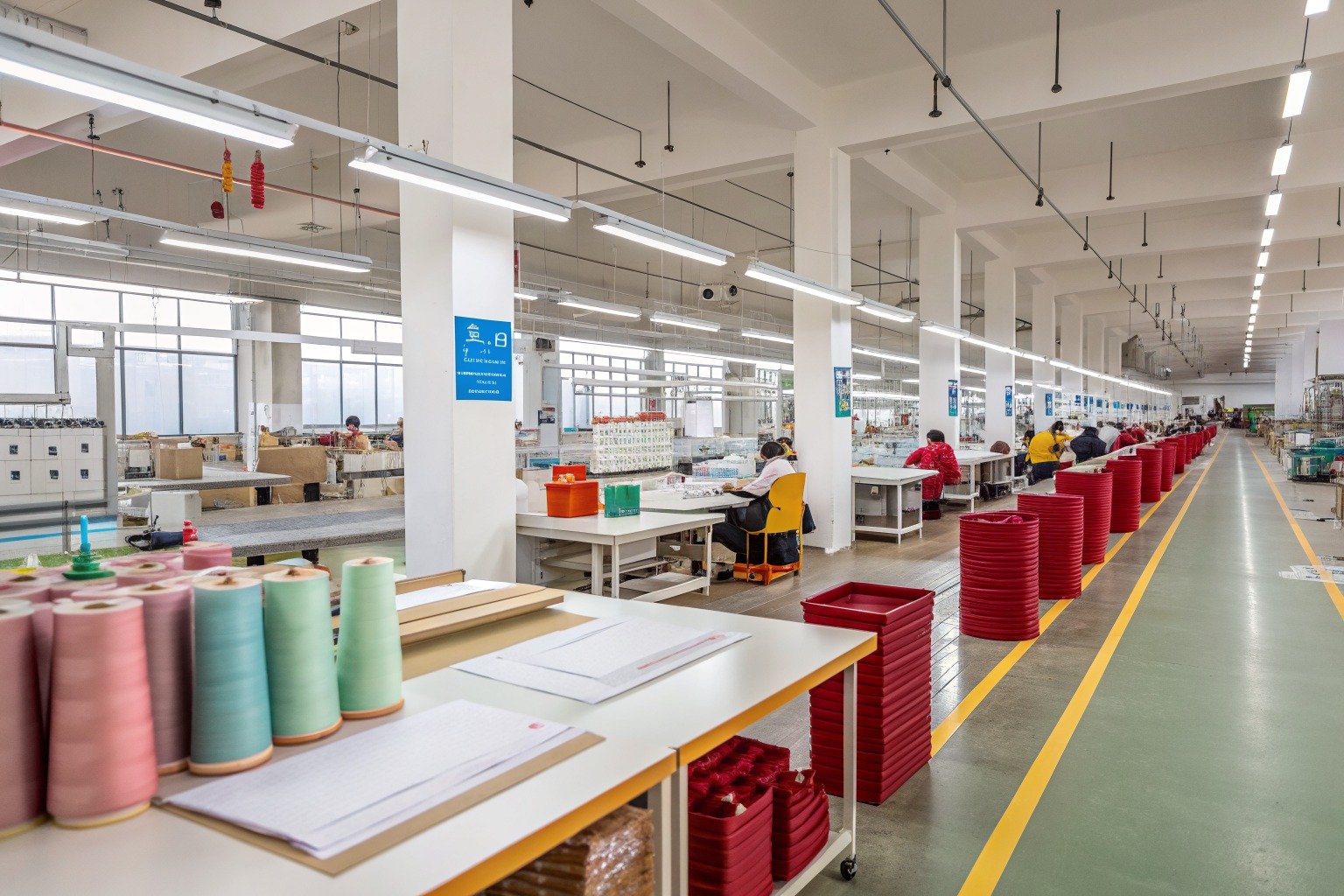
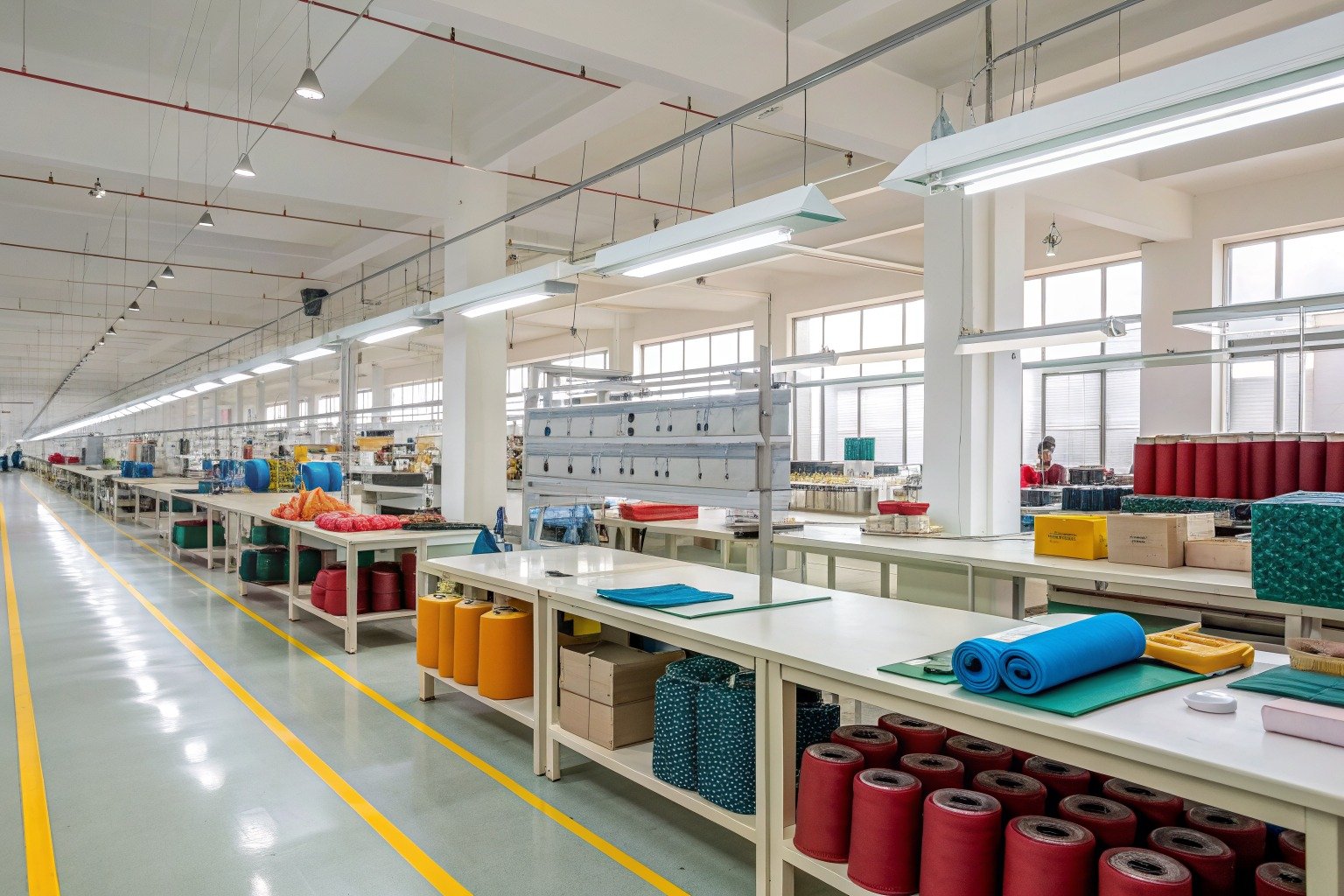
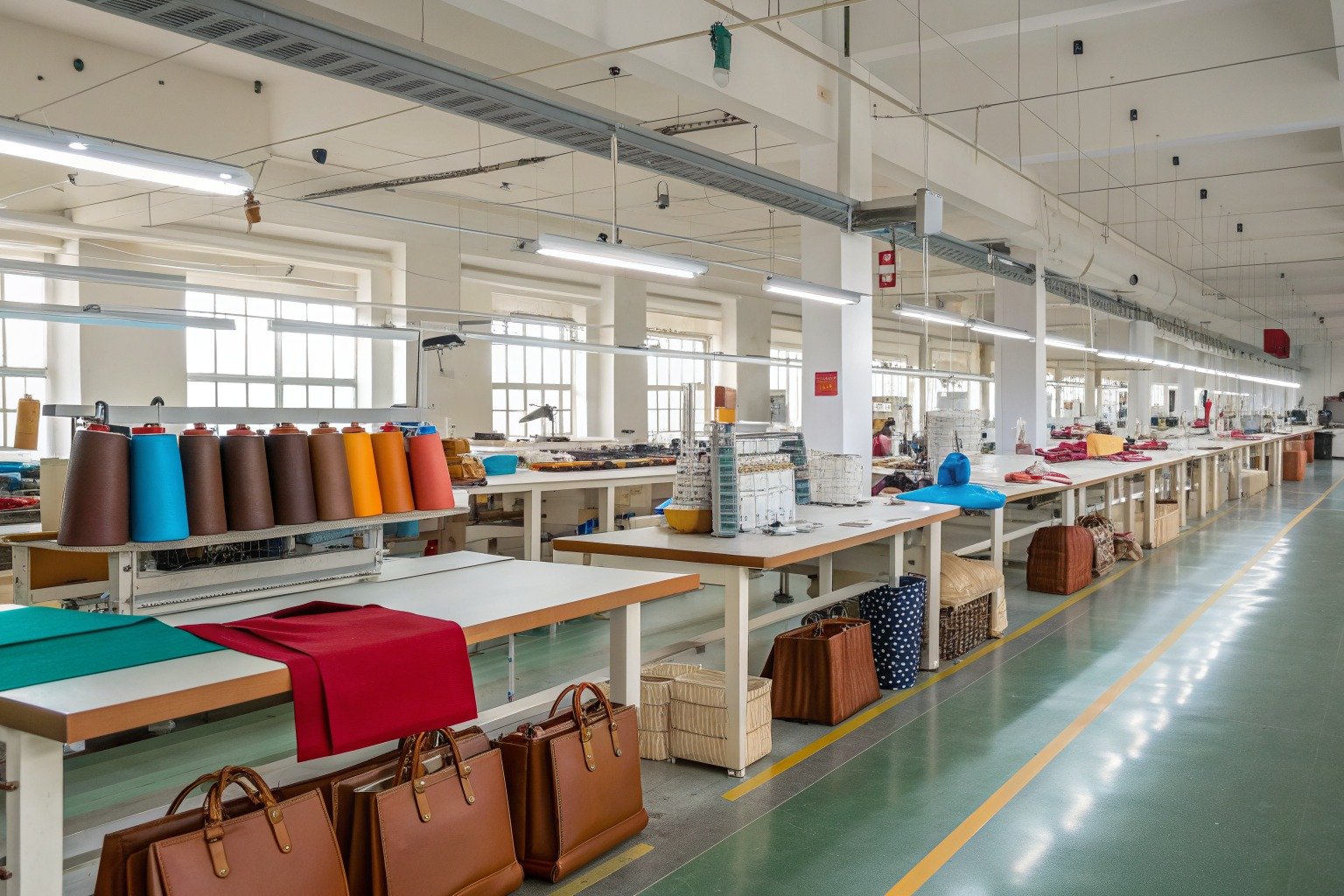
Headscarf weaving represents one of the oldest textile arts, yet modern workshops blend traditional craftsmanship with contemporary technology to create beautiful, market-ready accessories. Many envision weaving as a purely manual process, but successful operations require careful planning, specialized equipment, and skilled coordination across multiple production stages. The transformation from raw fiber to finished headscarf involves both artistic creativity and technical precision.
A headscarf weaving workshop operates through a coordinated process of design creation, material preparation, loom setup, weaving execution, and finishing treatments.This workflow transforms yarns into finished headscarves through specialized equipment operated by skilled weavers, with quality control maintained at each production stage. Modern workshops often integrate digital tools with traditional techniques to enhance efficiency while preserving artisanal quality.
Let’s explore the key operational stages that characterize a professional headscarf weaving workshop, from initial design to final product.
How does the design and planning process work?
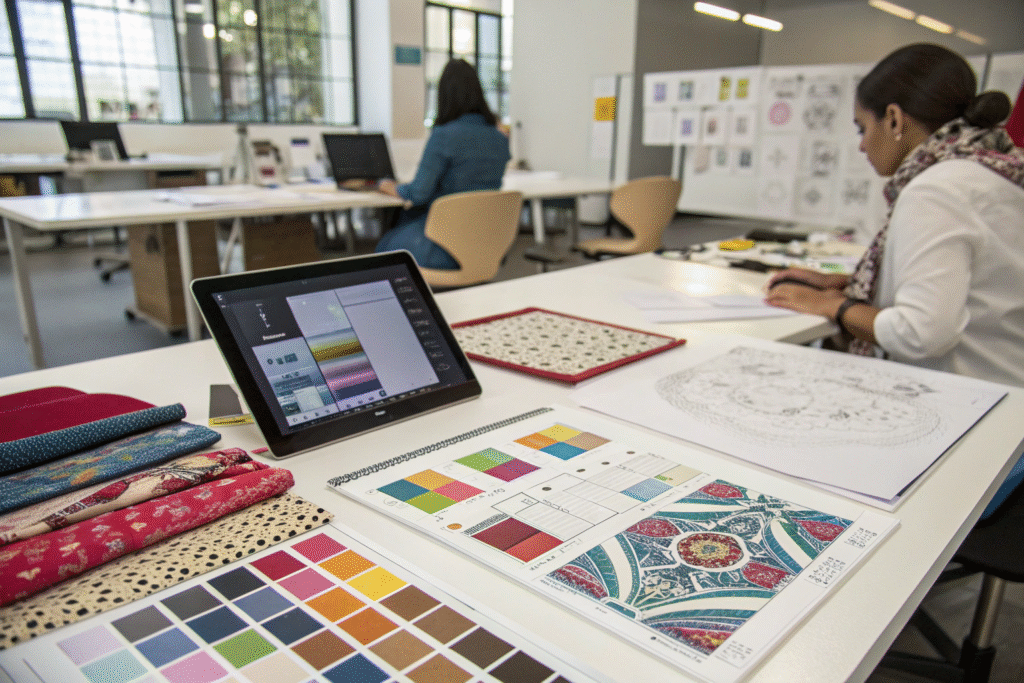
Before any weaving begins, headscarf designs must be conceptualized, refined, and translated into technical weaving specifications. This planning stage determines not only the aesthetic appeal of the final product but also the complexity of the weaving process and the materials required.
The design phase bridges creative vision and technical execution, ensuring that beautiful concepts can be practically realized within the workshop’s capabilities.
How are headscarf patterns developed and translated into weaving instructions?
Design creation begins with concept development through sketches, color studies, and material selection, followed by technical translation into weave drafts that specify how threads will interlace. Our designers create both visual representations and technical documents that indicate thread count, weave structure, and color sequencing. These weaving plans serve as the blueprint that guides material preparation and loom setup, ensuring consistency across production runs.
What role does material calculation play in workshop planning?
Precise yarn estimation determines the quantity of each colored yarn needed based on the scarf dimensions, pattern complexity, and weave density. We calculate warp length (longitudinal threads) and weft requirements (crosswise threads) using formulas that account for loom waste, sampling, and shrinkage during finishing. This material planning prevents production delays due to yarn shortages while minimizing waste from overordering, particularly important when working with expensive specialty fibers like silk or cashmere blends.
How is the weaving preparation process conducted?
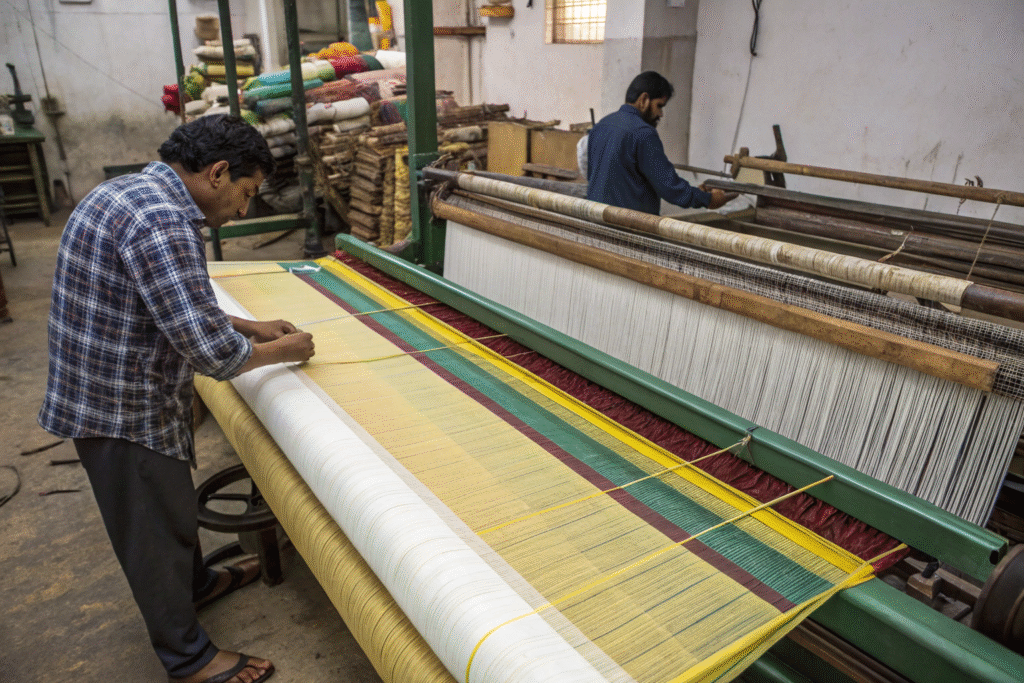
The setup phase transforms raw yarns into a dressed loom ready for weaving. This extensive preparation represents a significant portion of the total production time but is essential for achieving high-quality results. Proper preparation prevents numerous potential weaving problems and ensures smooth operation once weaving commences.
Meticulous preparation separates professional workshops from amateur operations, directly impacting the quality and efficiency of the weaving process.
What does warping involve and why is it critical?
Warp preparation involves measuring hundreds of parallel yarns to exact length under consistent tension, then transferring them onto the loom beam in the precise sequence required by the design. Our workshop uses a sectional warping system that allows us to create complex color patterns in the warp direction efficiently. This precise warping ensures that striped or patterned warps maintain perfect alignment throughout the weaving process, which is particularly important for designs with geometric precision or graduated color transitions.
How are looms threaded and made ready for weaving?
Loom dressing includes threading each warp end through the heddles (which control raising and lowering patterns) and the reed (which spaces threads evenly and beats weft into place). For patterned headscarves, this setup follows the weave draft exactly to ensure the design emerges correctly during weaving. Our loom preparation for a jacquard headscarf design might require several days to thread thousands of ends through the correct heddles, but this investment enables us to create intricate patterns that would be impossible with simpler setups.
What happens during the active weaving phase?
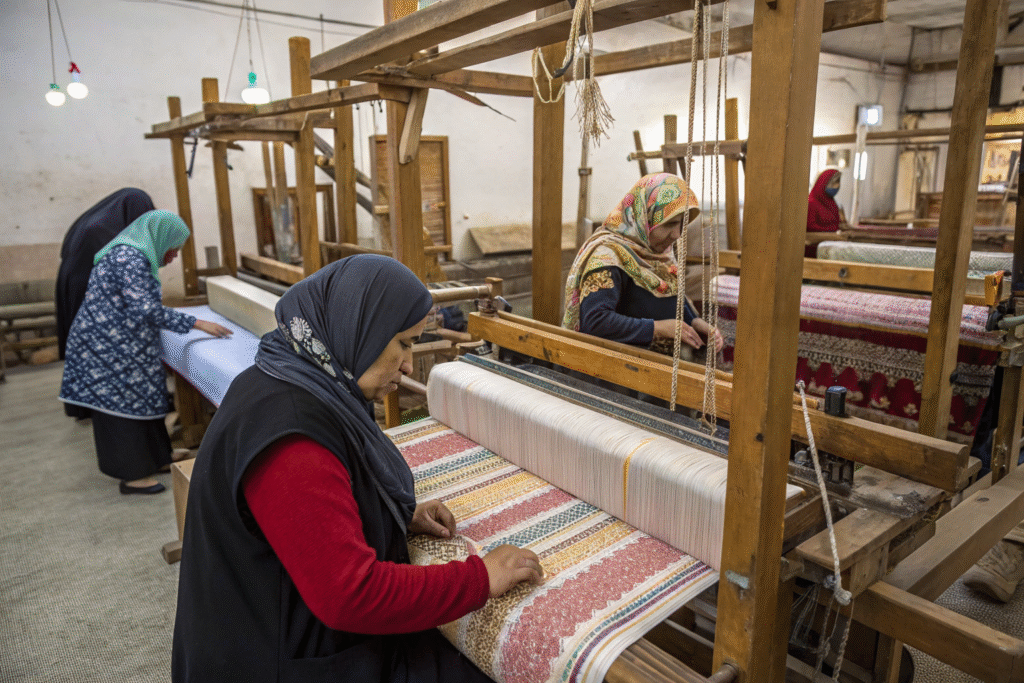
The weaving process itself transforms prepared materials into fabric through the systematic interlacing of warp and weft threads. While seemingly straightforward, skilled weaving requires consistent rhythm, tension management, and attention to detail to produce uniform fabric with clean pattern execution.
The weaving stage represents the most visually recognizable aspect of workshop operations, where the planned design becomes tangible reality.
How do weavers maintain quality and consistency during production?
Consistent beat (pressure applied to weft threads) and even selvedges (finished edges) distinguish professional weaving, achieved through practiced technique and attention to tension. Our weavers develop a rhythmic motion that maintains consistent fabric density, with periodic checks to ensure pattern alignment remains perfect. This quality awareness throughout the weaving process minimizes defects and reduces the need for later corrections, particularly important when working with expensive materials where waste is costly.
What different weaving techniques create various headscarf styles?
Basic weaves like plain, twill, and satin create different fabric characteristics, while pattern weaves including jacquard, dobby, and tablet weaving produce decorative designs. Our workshop specializes in lightweight plain weave for summer scarves, twill weaves for drapier winter styles, and jacquard techniques for intricate pictorial patterns. This technical versatility allows us to produce headscarves with different weights, drapes, and visual effects to meet diverse market preferences.
How are woven headscarves finished and prepared for market?
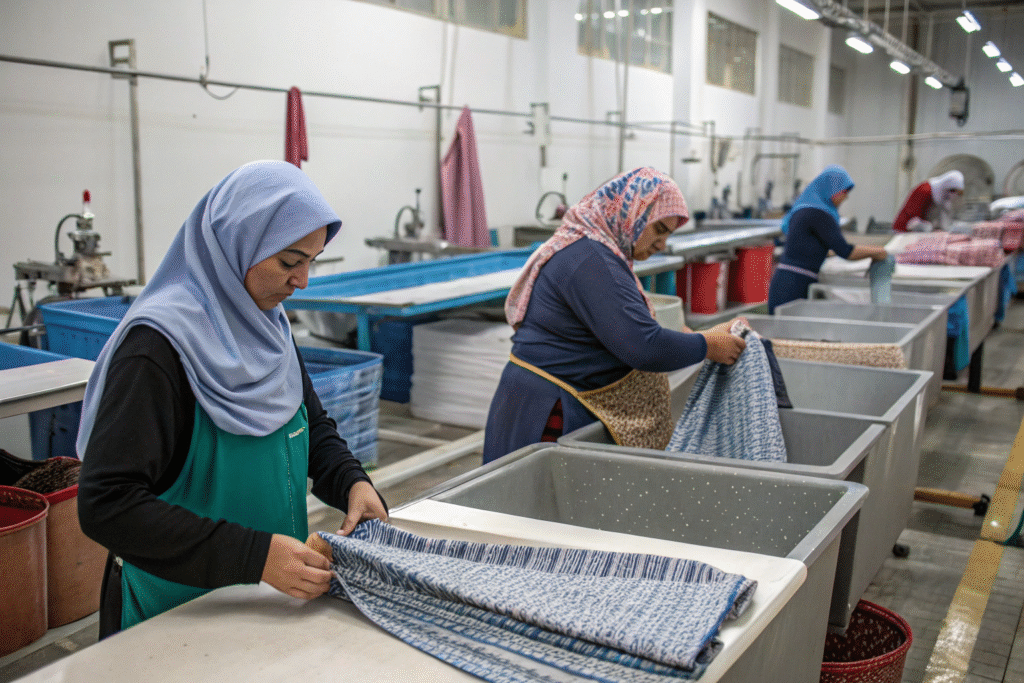
Once removed from the loom, woven headscarves require several finishing processes to enhance their appearance, feel, and durability. These final treatments transform loom-state fabric into finished products ready for wear, addressing the aesthetic and functional qualities customers expect.
Finishing represents the crucial final step that elevates woven fabric from technical achievement to desirable accessory.
What washing and finishing treatments improve headscarf quality?
Wet finishing (washing) relaxes fibers, removes sizing, and allows for controlled shrinkage, while pressing creates smooth, professional appearance. Our workshop uses specialized pressing equipment that maintains the fabric’s drape while creating crisp edges. For some styles, we employ specialty finishes like enzyme washing for silk to enhance softness or mechanical softening for cotton to improve hand feel. These finishing touches significantly impact the perceived quality and luxury of the final headscarf.
How are headscarves inspected and prepared for delivery?
Quality inspection identifies any weaving flaws, consistency issues, or finishing imperfections, while labeling and packaging prepare products for retail presentation. Each of our headscarves undergoes individual inspection against quality standards for even weaving, color consistency, and finishing quality. This final assessment ensures that only products meeting our standards reach customers, maintaining brand reputation and reducing returns due to quality issues.
Conclusion
A headscarf weaving workshop operates through a carefully orchestrated sequence of design, preparation, weaving, and finishing processes that combine artistic vision with technical expertise. Each stage builds upon the previous one, with quality maintained throughout to ensure the final product meets both aesthetic and functional standards. While modern workshops may incorporate digital tools for design and administration, the fundamental process remains rooted in the ancient craft of transforming yarn into textile.
The successful workshop balances efficiency with craftsmanship, recognizing that while some processes can be accelerated with technology, the creation of beautiful, high-quality headscarves still requires the skilled hands and attentive eyes of experienced weavers.
If you’re interested in creating woven headscarves or partnering with a workshop that maintains traditional craftsmanship while meeting modern quality standards, we invite you to contact our Business Director, Elaine. She can discuss our weaving capabilities and how we create beautiful headscarves through our workshop operations. Reach her at: elaine@fumaoclothing.com.