The traditional textile industry ranks among the world’s most polluting sectors, with conventional scarf production involving toxic dyes, excessive water consumption, and synthetic materials that shed microplastics. Consumers increasingly seek scarves that align with their environmental values without compromising quality, aesthetics, or affordability. The challenge lies in creating beautiful, durable scarves through processes that respect both people and planet.
Creating eco-friendly and harmless scarf fabric requires selecting sustainable raw materials, implementing clean production processes, utilizing non-toxic coloration methods, and ensuring circular end-of-life solutions. This comprehensive approach addresses environmental impact across the entire product lifecycle—from material sourcing through manufacturing to disposal—while maintaining the aesthetic qualities consumers expect from luxury scarf fabrics.
Let’s explore the specific methods and materials that enable production of scarves that are both beautiful and environmentally responsible.
What raw materials are most sustainable for scarf production?
Conventional scarf materials often include synthetic fibers derived from petroleum or conventionally grown cotton requiring significant pesticides and water. These materials carry substantial environmental footprints through their production processes and after use, when they may persist in ecosystems for centuries.
Sustainable alternatives include plant-based fibers from regenerative agriculture, recycled materials, and innovative bio-based textiles that offer similar performance with dramatically reduced environmental impact.
How do organic natural fibers reduce environmental harm?
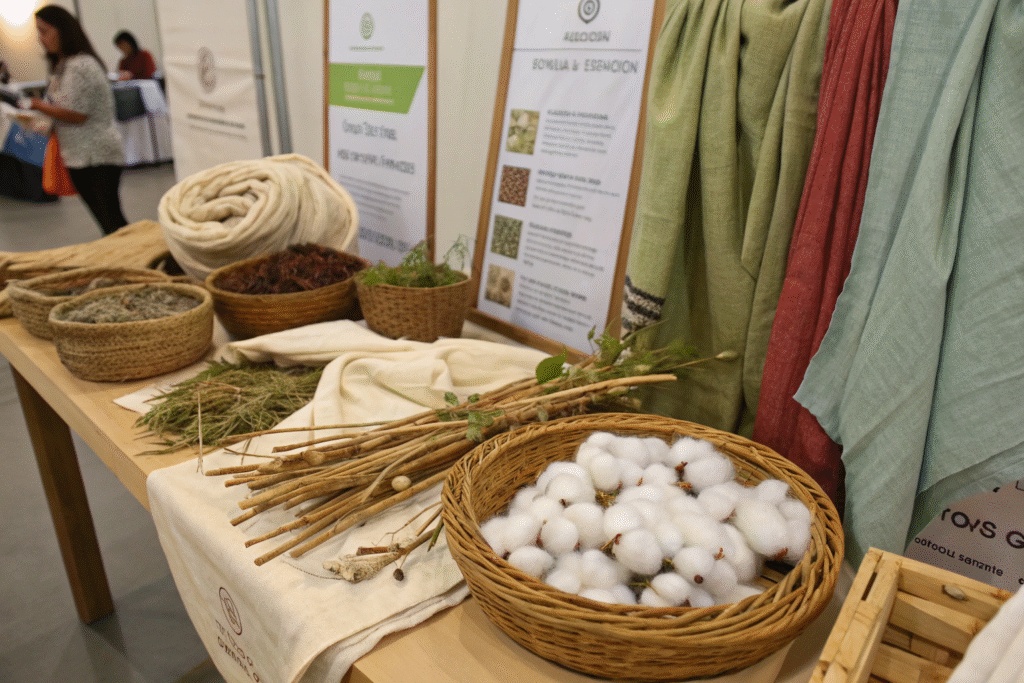
Organic cotton eliminates synthetic pesticides and fertilizers that contaminate soil and water systems, while linen from flax requires minimal water and naturally resists pests. Our transition to GOTS-certified organic cotton for our basic scarf collection has reduced water consumption by 91% and eliminated 1.3 kilograms of hazardous pesticides per hectare of cotton grown. These regenerative materials not only minimize environmental damage but often produce fabrics with superior breathability and comfort characteristics.
What innovative materials offer new sustainability possibilities?
Lyocell (TENCEL™) derived from sustainably sourced wood pulp uses a closed-loop process that recycles 99% of solvents and water, while hemp grows rapidly without pesticides and actually improves soil health. Our development of a hemp-silk blend for luxury scarves has created a fabric with the drape and luster of silk but with significantly lower environmental impact and greater durability. These next-generation materials represent the future of sustainable textiles by combining aesthetic appeal with environmental responsibility.
How can eco-friendly processing transform raw materials into fabric?
Converting raw fibers into scarf fabric traditionally involves energy-intensive mechanical processes and chemical treatments that can leave residual toxins in finished textiles. Conventional spinning, weaving, and finishing may utilize synthetic sizing agents, chlorine bleaches, and formaldehyde-based resins that pose risks to both workers and wearers.
Green chemistry, water-efficient processes, and renewable energy can transform these manufacturing stages to minimize environmental impact while maintaining fabric quality.
What makes mechanical processing more sustainable?
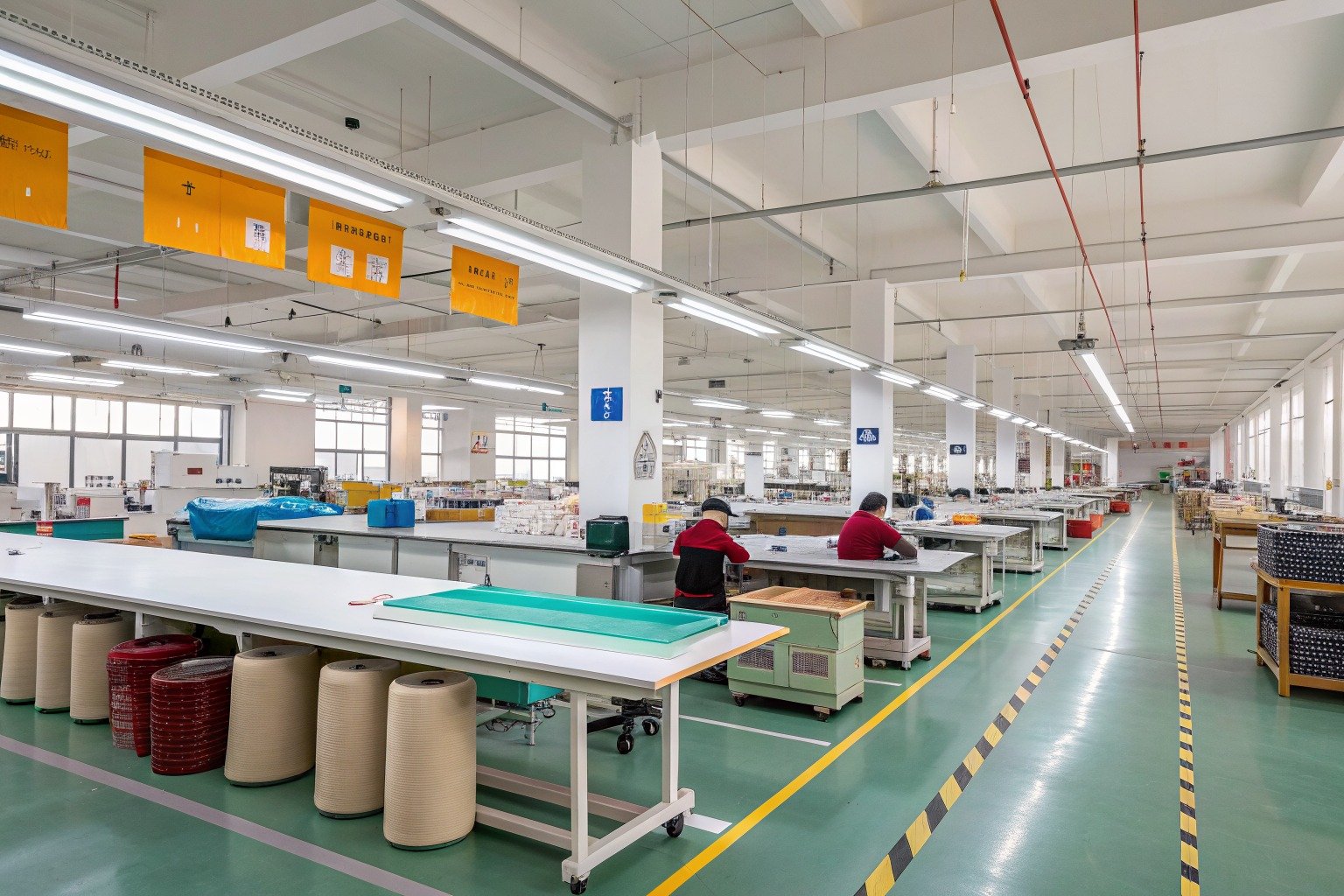
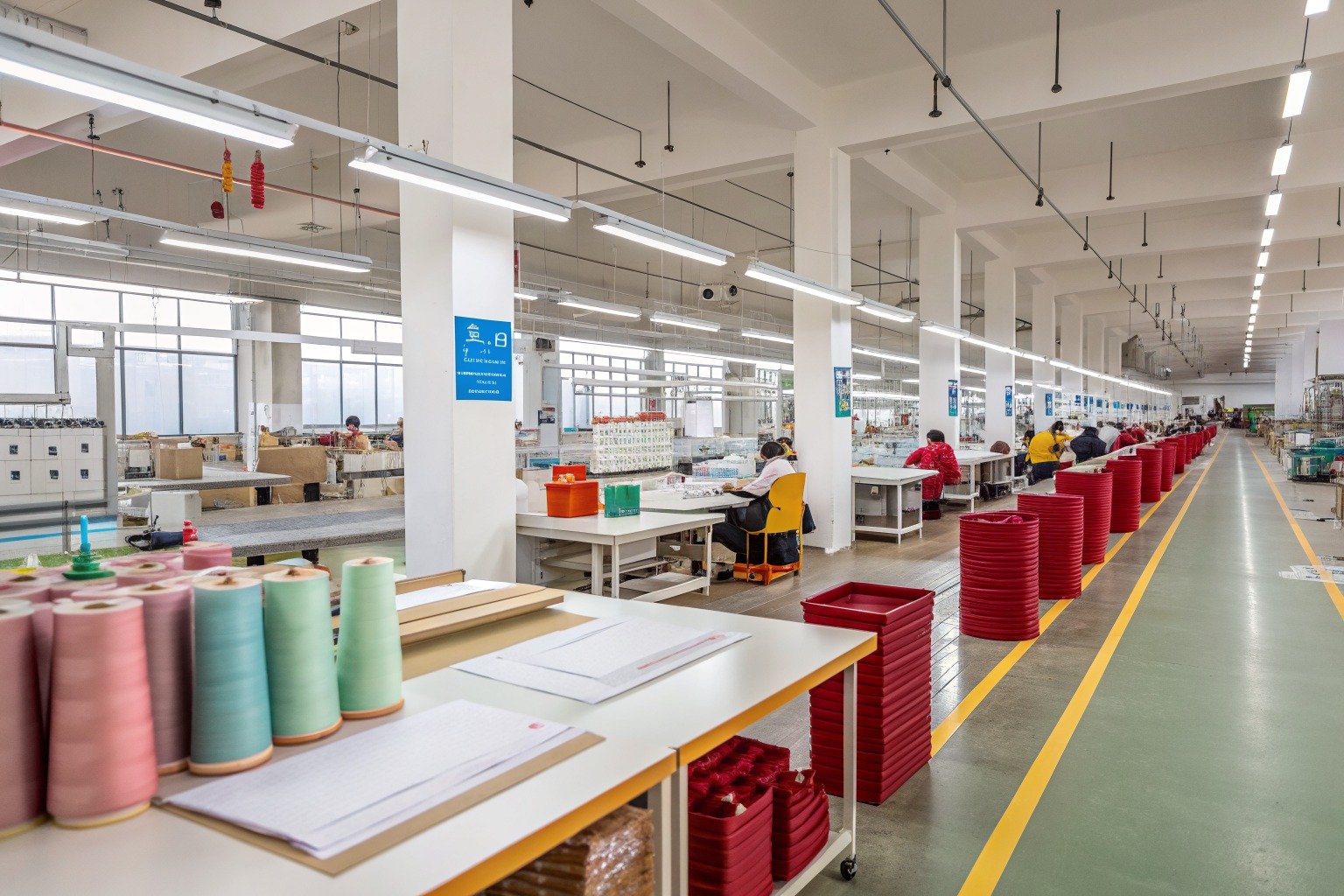
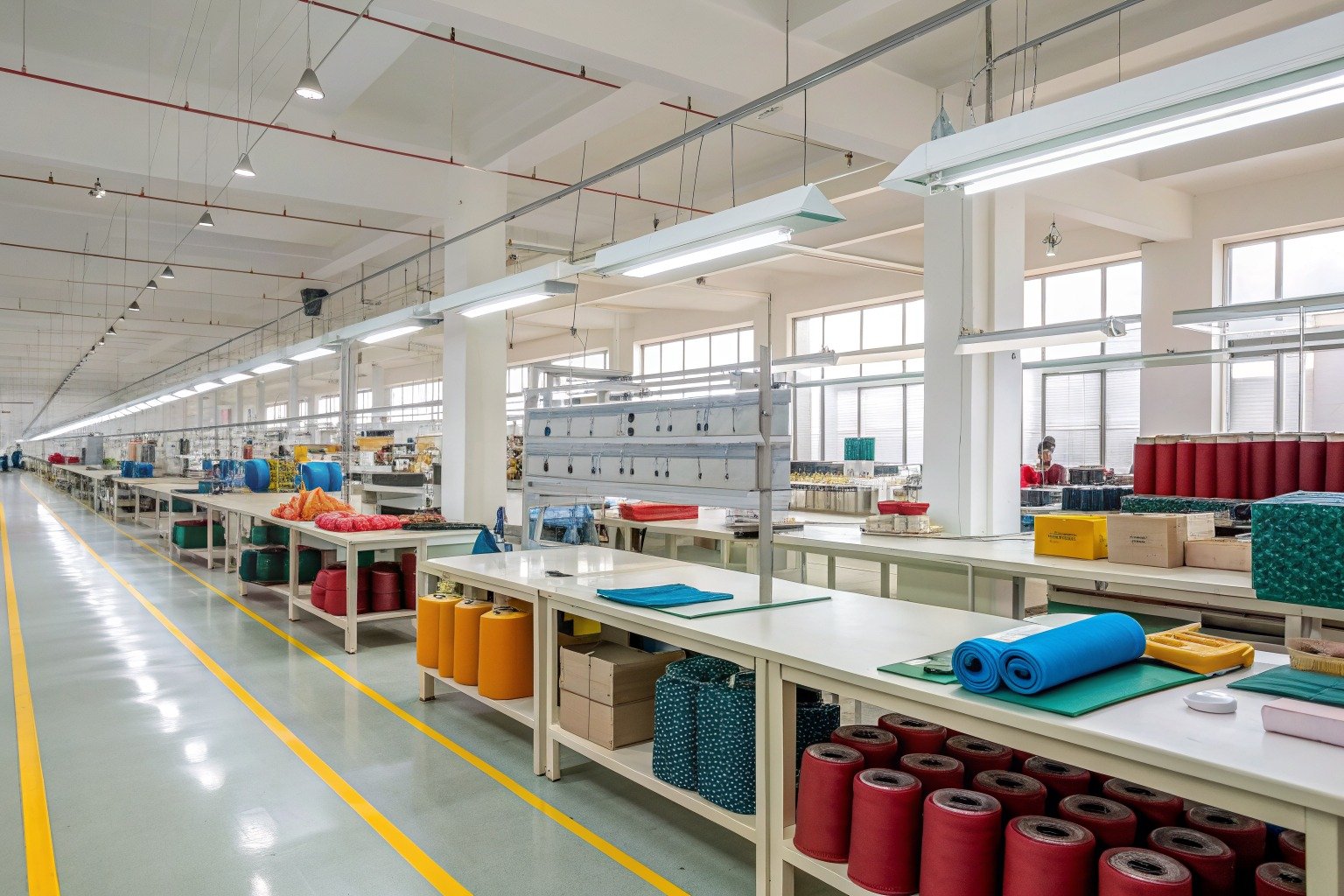
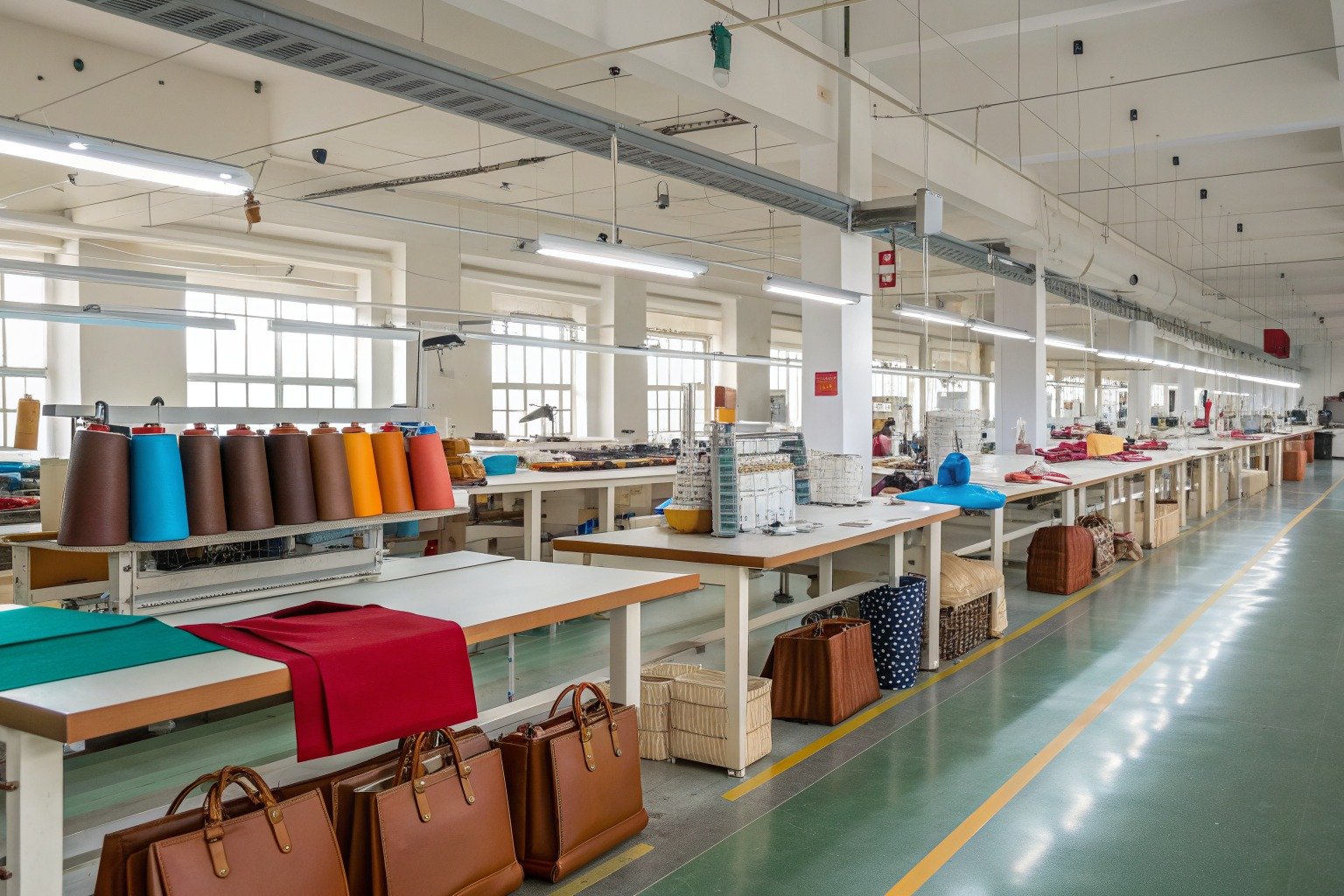
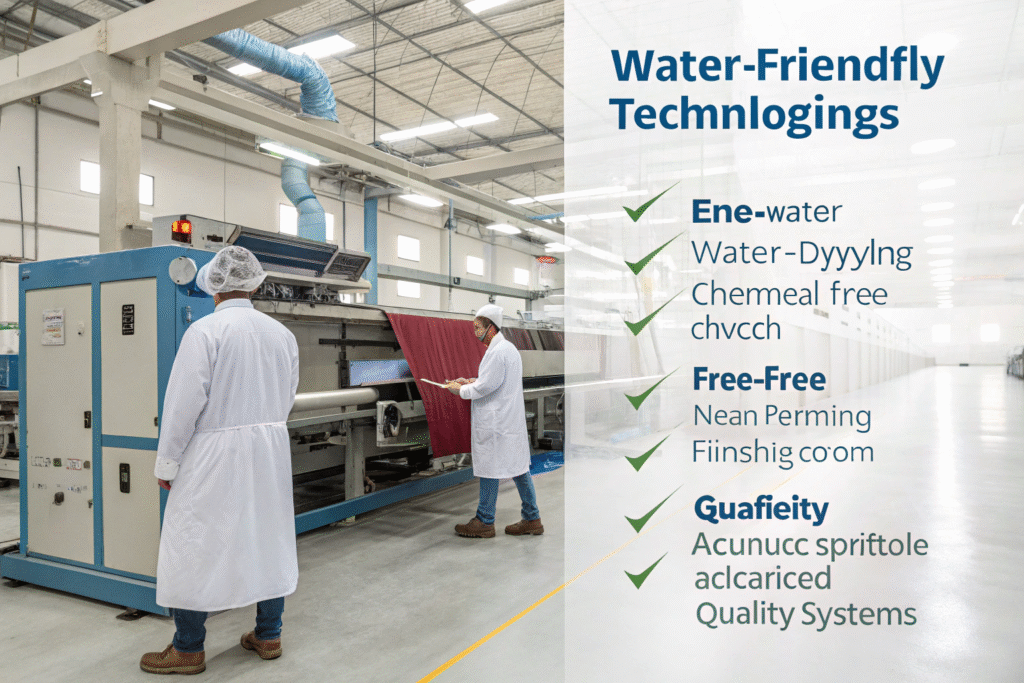
Water-free fabric finishing technologies like foam applications and compressed CO2 treatments reduce water consumption by up to 95% compared to traditional wet processing. Our implementation of air-jet weaving instead of water-jet weaving has eliminated the need for synthetic sizing compounds while reducing water consumption by 30,000 liters per day in our scarf production facility. These water conservation measures are particularly important in regions where textile manufacturing competes with communities for limited water resources.
How does green chemistry create safer scarf fabrics?
Bio-based softening agents derived from plant oils replace toxic silicone softeners, while enzyme treatments provide stone-washed effects without pumice or harsh chemicals. Our switch to chitosan—a biopolymer from crustacean shells—as a natural antimicrobial finish has eliminated the need for triclosan and other synthetic antimicrobials that can cause skin irritation and environmental harm. These natural alternatives create scarves that are safer for people with sensitive skin while reducing manufacturing environmental impact.
What dyeing and printing methods minimize environmental impact?
Traditional textile dyeing accounts for approximately 20% of global wastewater pollution, often releasing heavy metals, toxic solvents, and untreated dye compounds into water systems. The vibrant colors and patterns that make scarves fashionable have historically come at significant environmental cost.
Advanced dyeing technologies, natural colorants, and water-free printing methods now offer colorful alternatives that eliminate these pollution concerns.
How do natural dyes create harmless coloration?
Plant-based dyes from madder root, indigo, turmeric, and other botanical sources provide beautiful colors without synthetic chemicals, while metal-free mordants like alum and tannins from plants fix colors without introducing heavy metals. Our collection of naturally dyed scarves uses food waste—avocado pits, onion skins, pomegranate rinds—to create subtle, unique color variations that tell a sustainability story customers appreciate. These natural coloration methods eliminate the risk of allergic reactions to synthetic dyes while creating distinctive aesthetic appeal.
What technological innovations reduce dyeing environmental impact?
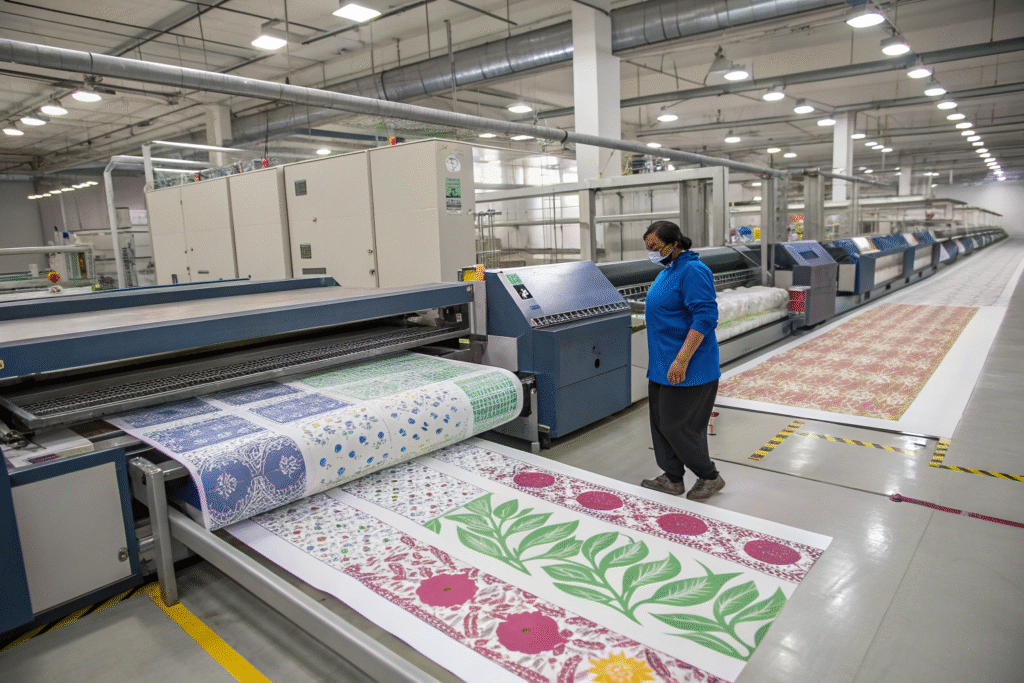
Digital printing applies pigments directly to fabric with minimal water usage, while supercritical CO2 dyeing uses pressurized carbon dioxide instead of water as the dye carrier. Our investment in digital printing technology has reduced water consumption by 95% and energy use by 75% compared to traditional screen printing, while enabling intricate patterns that would be impossible with conventional methods. These water-free coloration technologies represent a fundamental shift toward more sustainable scarf decoration.
How can certification and transparency ensure fabric safety?
Without independent verification, claims about eco-friendly and harmless scarf fabrics may represent "greenwashing" rather than genuine environmental responsibility. Consumers increasingly seek proof of sustainability claims through recognized certifications and transparent supply chain information.
Third-party certifications, comprehensive testing, and supply chain transparency provide assurance that scarves meet rigorous environmental and safety standards.
What certifications verify eco-friendly scarf production?
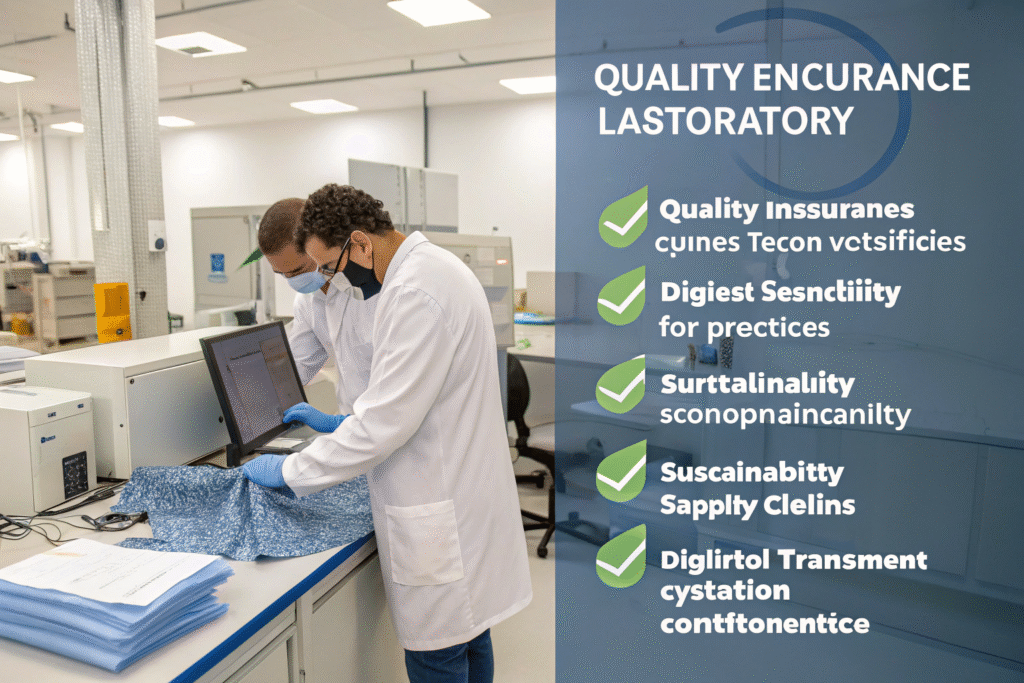
Global Organic Textile Standard (GOTS) certification ensures organic fiber content and environmentally responsible processing, while OEKO-TEX Standard 100 verifies that fabrics are free from harmful substances. Our GOTS certification process required comprehensive documentation of our supply chain from farm to finished scarf, ensuring that every production stage meets strict environmental and social criteria. These independent verifications provide customers with confidence that our sustainability claims are legitimate and comprehensive.
How does supply chain transparency build trust?
Traceability systems using blockchain or QR codes allow customers to access information about where materials originated and how products were manufactured, while comprehensive testing verifies the absence of restricted substances. Our scarves now include QR codes that reveal the journey from organic cotton field to finished product, including water savings, carbon footprint, and fair labor practices documentation. This radical transparency has become a significant competitive advantage as consumers increasingly question generic "eco-friendly" marketing claims.
Conclusion
Creating truly eco-friendly and harmless scarf fabric requires a holistic approach that addresses materials, manufacturing processes, coloration methods, and verification systems. By selecting sustainable raw materials, implementing clean production technologies, utilizing low-impact dyeing methods, and ensuring transparency through certification, manufacturers can produce beautiful scarves that align with environmental values without compromising quality or aesthetics.
The market for sustainable scarves continues to grow as consumers become more educated about textile production impacts, making environmental responsibility not just an ethical choice but a business imperative for forward-thinking scarf manufacturers.
If you’re interested in developing eco-friendly scarf collections or want to partner with a manufacturer committed to sustainable practices, we invite you to contact our Business Director, Elaine. She can discuss our sustainable fabric options and how we create beautiful scarves through processes that protect both people and planet. Reach her at: elaine@fumaoclothing.com.