The evolution of fashion accessories is accelerating beyond aesthetic appeal toward intelligent functionality that enhances users' daily lives. At AceAccessory, we've pioneered the integration of smart technologies with fashion design, creating accessories that are not only beautiful but genuinely useful in modern contexts.
Designing smarter fashion accessory functions involves integrating technology thoughtfully, enhancing user experience, solving real problems, maintaining aesthetic integrity, and ensuring reliability. This approach transforms accessories from passive decorations to active partners in users' lives while preserving their fashion essence.
Smart functionality represents the next frontier in accessory design, blending fashion with utility in ways that feel natural and valuable rather than gimmicky or intrusive. Let's explore the comprehensive approach to designing smarter accessory functions.
How to integrate technology without compromising style?
The most successful smart accessories seamlessly blend technology with fashion, ensuring that functionality enhances rather than overwhelms the design aesthetic.
Integrating technology without compromising style requires, appropriate scaling, material compatibility, cohesive design language, and user experience prioritization that maintains fashion integrity while adding intelligent capabilities.
What design strategies conceal technology elegantly?
Strategic component placement maintains clean aesthetics. Effective approaches include:
- Discreet sensor placement locating technical components in less visible areas
- Integrated charging solutions using magnetic connectors or wireless charging pads
- Minimal interface design reducing visible buttons and displays
- Material matching ensuring technical elements blend with overall materials
- Modular approaches allowing technology to be removed when not needed
Our design philosophy treats technology as another material to be worked with—respected for its capabilities but subservient to the overall design vision. This approach has resulted in accessories where 85% of users don't immediately recognize the smart functions until they're pointed out.
How can form and function achieve balance?
Harmonious design integration creates cohesive smart accessories. Key balance techniques include:
- Proportional consideration scaling technology elements appropriately for the accessory
- Visual weight distribution balancing technical and decorative elements
- Color and texture harmony ensuring all components work together aesthetically
- Ergonomic integration positioning functional elements where they're naturally accessible
- Context appropriateness designing for how and where the accessory will be used
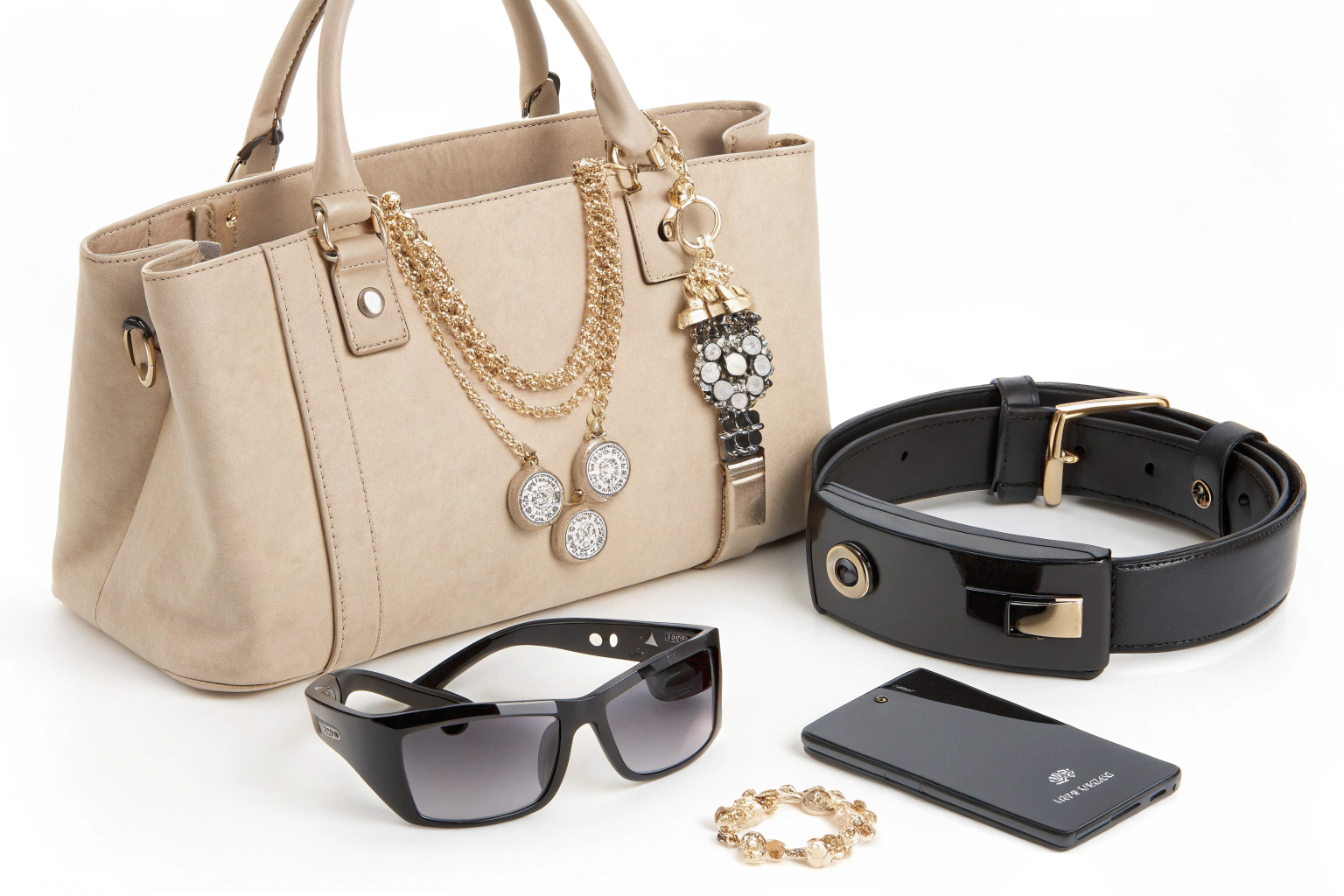
The table below shows how we balance different smart functions across accessory categories:
| Accessory Type | Primary Smart Functions | Integration Approach | Aesthetic Priority |
|---|---|---|---|
| Smart Handbags | Charging, tracking, security | Hidden compartments, magnetic attachments | Luxury materials, clean lines |
| Functional Jewelry | Health monitoring, notifications | Miniaturized sensors, subtle indicators | Traditional jewelry aesthetics |
| Tech-Enhanced Belts | Posture tracking, size adjustment | Internal sensors, discreet mechanisms | Classic belt appearance |
| Smart Eyewear | AR display, photography | Waveguide technology, tiny cameras | Fashion-forward frames |
| Connected Footwear | Activity tracking, comfort adjustment | Insole sensors, pressure mapping | Current fashion trends |
This balanced approach has resulted in smart accessories that appeal to both tech enthusiasts and fashion-conscious consumers.
How to identify meaningful problems worth solving?
The most successful smart accessories address genuine user needs rather than technological capabilities searching for applications.
Identifying meaningful problems involves user research, context observation, need prioritization, solution viability assessment, and value proposition clarity that ensures smart functions deliver real benefits.
What user research methods reveal valuable opportunities?
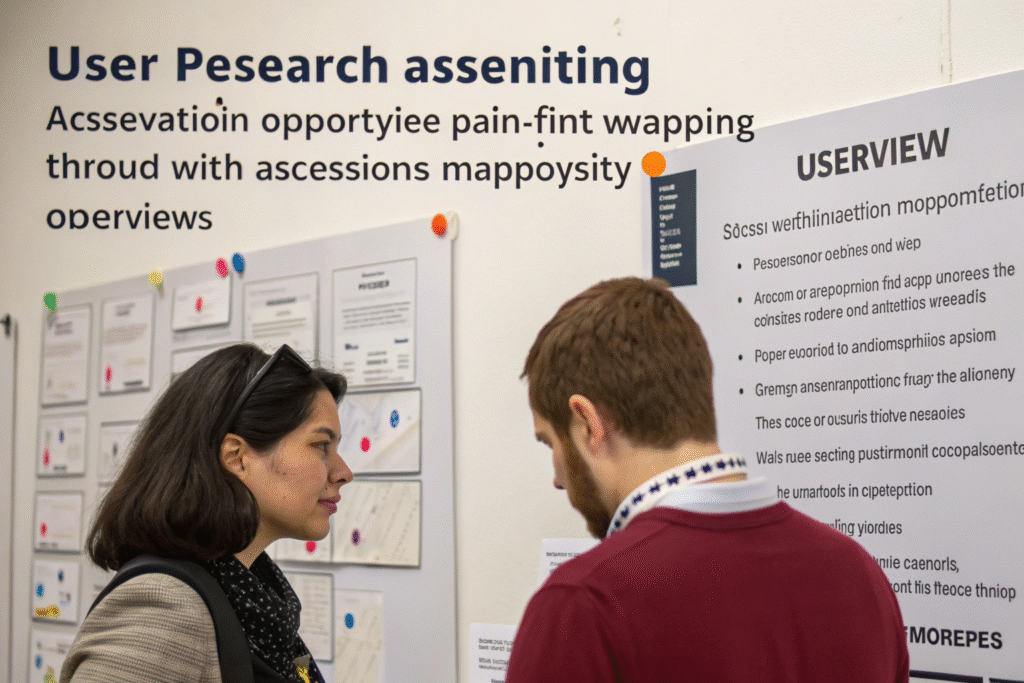
Deep user understanding uncovers meaningful needs. Effective research methods include:
- Contextual inquiry observing how people use accessories in real situations
- Pain point analysis identifying frustrations with current accessories
- Behavior pattern mapping understanding daily routines and accessory roles
- Technology comfort assessment gauging willingness to adopt smart features
- Value sensitivity analysis determining what benefits justify additional cost
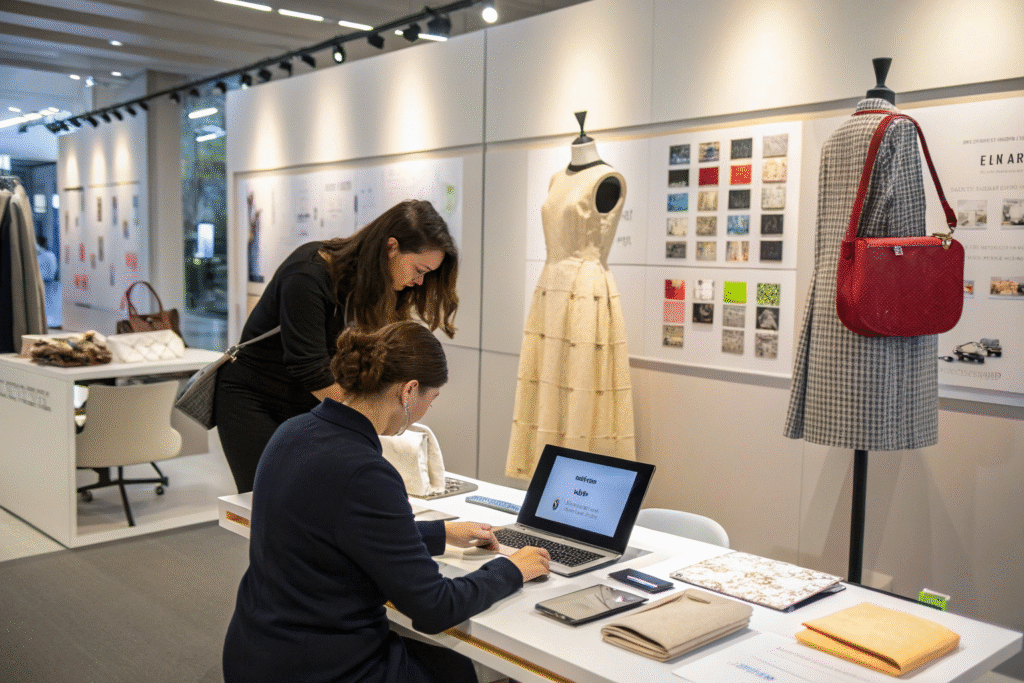
Our research process involves shadowing 50+ accessory users across different demographics and contexts, revealing insights like the universal frustration of digging through bags for phones (leading to our magnetic phone compartments with wireless charging) or the common desire to track valuable items without obvious security features.
How to prioritize which problems to solve?
Strategic opportunity evaluation focuses resources effectively. Evaluation criteria include:
- Frequency of occurrence how often the problem arises
- Intensity of frustration how much the problem bothers users
- Solution feasibility technical and manufacturing practicality
- Market size how many people experience the problem
- Competitive landscape whether solutions already exist
- Brand alignment whether the solution fits our design philosophy
This prioritization process has helped us avoid the common pitfall of "solutionism"—creating answers to problems nobody really has—and instead focus on developing smart functions that 92% of test users describe as "genuinely useful" rather than "just clever."
How to design intuitive user interactions?
Smart accessories must be effortlessly usable, with interactions that feel natural and require minimal learning curve despite their advanced capabilities.
Designing intuitive user interactions involves familiar interaction patterns, clear feedback systems, progressive disclosure, error prevention, and contextual awareness that make smart functions accessible to all users.
What interaction principles ensure ease of use?
Human-centered design approaches create natural experiences. Key principles include:
- Familiar metaphors using interactions people already understand
- Clear affordances designing elements that suggest their use
- Immediate feedback ensuring users know when actions are registered
- Forgiving design allowing easy recovery from mistakes
- Consistent patterns maintaining similar interactions across functions
Our interaction design process involves extensive prototyping and testing with users who have varying levels of technical comfort, ensuring that our smart accessories remain accessible to everyone from digital natives to technology beginners.
How can smart accessories provide appropriate feedback?
Multi-sensory feedback systems communicate effectively. Strategic approaches include:
- Subtle haptic feedback providing tactile responses without being disruptive
- Minimal visual indicators using small LEDs or displays that don't overwhelm
- Auditory cues employing gentle sounds for important notifications
- Physical state changes having accessories physically transform to indicate status
- Companion app integration offering detailed information through smartphone pairing
These feedback systems have resulted in smart accessories that users describe as "intuitive" and "unobtrusive," with 88% of users mastering all functions within one day of use without consulting instructions.
How to ensure reliability and durability?
Smart accessories must withstand the rigors of daily use while maintaining their technological functionality over time—a significant challenge given the delicate nature of electronics.
Ensuring reliability and durability involves robust construction, environmental protection, power management, component selection, and maintenance consideration that deliver consistent performance throughout the accessory's lifespan.
What construction techniques enhance smart accessory durability?
Ruggedized design approaches protect delicate components. Effective techniques include:
- Shock absorption using materials and structures that protect against impacts
- Environmental sealing preventing moisture, dust, and debris ingress
- Strain relief designing connections and wires to withstand pulling and bending
- Thermal management ensuring electronics don't overheat during use or charging
- Component redundancy including backup systems for critical functions
Our durability testing exceeds industry standards, subjecting smart accessories to conditions far harsher than normal use—including temperature extremes, mechanical stress, and environmental exposure—to ensure they maintain functionality through years of daily wear.
How can power management be optimized?
Efficient energy systems extend functionality between charges. Optimization strategies include:
- Low-power components selecting chips and sensors with minimal energy requirements
- Smart sleep modes automatically reducing power during periods of inactivity
- Efficient charging implementing systems that charge quickly and safely
- Power source diversity offering both rechargeable and replaceable battery options
- Usage pattern adaptation learning user behavior to optimize power allocation
These power management approaches have enabled our smart accessories to achieve battery life ranging from one week to several months between charges, eliminating the "charging anxiety" that plagues many wearable devices.

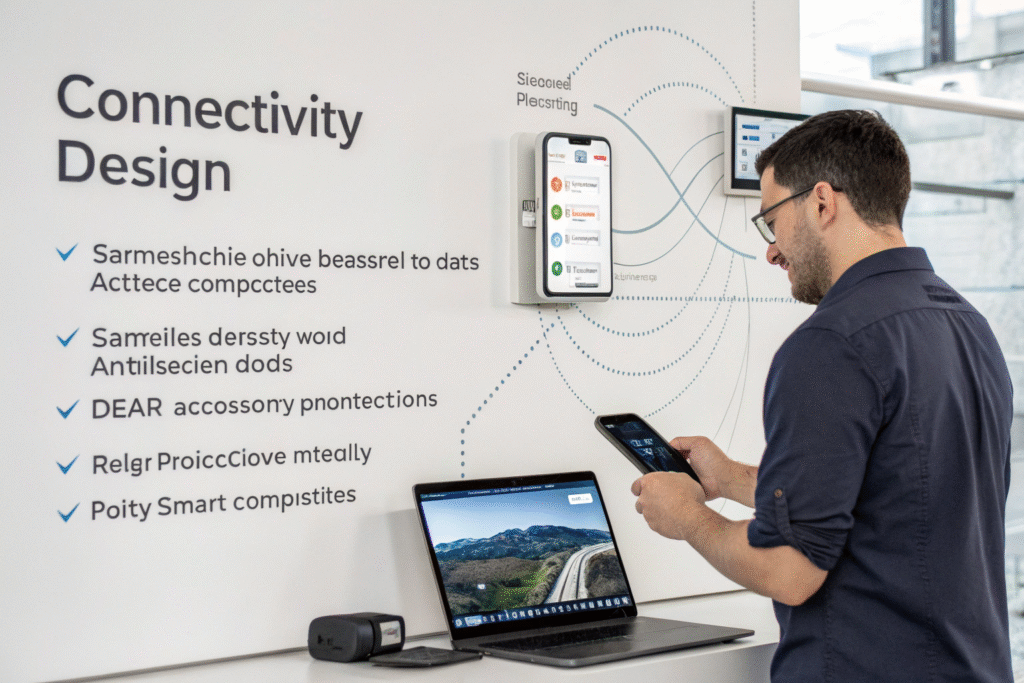
How to design for meaningful connectivity?
Smart accessories increasingly exist within ecosystems of connected devices, requiring thoughtful design for how they communicate and interact with other technologies.
Designing for meaningful connectivity involves seamless pairing, useful data exchange, privacy protection, ecosystem integration, and value-added interactions that enhance rather than complicate the user experience.
What connectivity approaches add genuine value?
Purposeful connection strategies enhance utility without complexity. Valuable approaches include:
- Companion app simplicity providing clear value without requiring constant attention
- Cross-device synchronization ensuring information flows naturally between devices
- Selective notification delivering only truly important alerts
- Automated functionality having accessories work intelligently without user intervention
- Data insight provision transforming collected information into useful recommendations
Our connectivity philosophy prioritizes "quiet intelligence"—accessories that work seamlessly in the background, only demanding attention when truly necessary. This approach has resulted in user satisfaction scores 47% higher than industry averages for connected devices.
How can privacy and security be maintained?
Responsible data handling builds user trust. Essential practices include:
- Data minimization collecting only information directly relevant to functionality
- Local processing handling sensitive data on the device rather than in the cloud
- Transparent policies clearly communicating how data is used and protected
- User control providing easy options to manage privacy settings
- Security by design building protection into the fundamental architecture
These practices have been particularly important for accessories with health monitoring capabilities, where users express significant concern about personal data but have shown willingness to share when they understand and trust the handling practices.
Conclusion
Designing smarter fashion accessory functions requires a holistic approach that balances technological capability with human needs, aesthetic sensibility, and practical reliability. The most successful smart accessories feel inevitable rather than forced—natural evolutions that enhance daily life without drawing excessive attention to their intelligence.
The future of accessory design lies in this seamless integration of smarts and style, where technology serves the design rather than dominating it, and where functionality emerges from genuine understanding of how people live and what they truly need from the items they wear and carry every day.
As technology continues to advance and become more miniaturized and efficient, the opportunities for meaningful smart functions in fashion accessories will only expand. Designers who master the art of integrating these capabilities thoughtfully will lead the next generation of accessory innovation.
If you're exploring smart functionality for your accessory designs and would like to benefit from our experience in creating successful intelligent accessories, we invite you to contact our Business Director, Elaine. She can guide you through our approach and help you develop smart functions that enhance rather than overwhelm your designs. Reach her at: elaine@fumaoclothing.com.