Scarf inventory management presents unique challenges due to seasonal demand fluctuations, diverse SKU variations, and the delicate nature of textile products. At AceAccessory, we’ve transformed our scarf inventory control through innovative technologies and strategic approaches that have dramatically improved accuracy, efficiency, and responsiveness.
Revolutionizing scarf inventory control involves implementing RFID technology, AI-driven demand forecasting, automated storage systems, real-time visibility platforms, and data analytics that collectively transform traditional inventory management into a strategic competitive advantage. This comprehensive approach addresses the specific challenges of scarf inventory while unlocking new opportunities for optimization.
The revolution in inventory control represents a fundamental shift from reactive counting to proactive optimization, creating systems that not only track inventory but also predict needs, prevent problems, and maximize value. Let’s explore the specific strategies revolutionizing scarf inventory management.
How can RFID technology transform scarf tracking?
Radio Frequency Identification (RFID) technology represents a quantum leap in inventory accuracy and efficiency, replacing manual counting with automated, precise tracking of every scarf throughout the supply chain.
RFID technology transforms scarf tracking through automated identification, real-time location tracking, seamless inventory counts, theft prevention, and lifecycle management that collectively eliminate traditional inventory inaccuracies and inefficiencies.
What specific benefits does RFID provide for scarf inventory?
Comprehensive inventory intelligence addresses scarf-specific challenges. Key benefits include:
- 100% inventory accuracy reducing counting errors from typical 5-8% to less than 0.5%
- Real-time location tracking knowing exactly where every scarf is located at all times
- Automated receiving and shipping eliminating manual data entry and associated errors
- Theft detection and prevention alerting when scarves move unexpectedly
- Condition monitoring tracking environmental conditions that might damage delicate fabrics
Our RFID implementation has reduced inventory counting time from 40 hours per week to 2 hours while improving accuracy from 92% to 99.8%. The ability to instantly locate specific scarf patterns has been particularly valuable for fulfilling e-commerce orders and managing seasonal collections.
How is RFID implemented effectively for scarves?
Strategic tag placement and system design ensure optimal performance. Best practices include:
- Woven RFID labels integrating tags directly into scarf care labels for discreet placement
- Multi-frequency systems using different frequencies for various tracking scenarios
- Mobile reading capability enabling inventory counts without moving products
- Integration with existing systems connecting RFID data with ERP and sales platforms
- Staff training and change management ensuring smooth adoption and maximum benefit realization
The table below shows our RFID implementation results:
| Inventory Metric | Before RFID | After RFID | Improvement |
|---|---|---|---|
| Inventory Accuracy | 92% | 99.8% | +7.8% |
| Counting Time | 40 hours/week | 2 hours/week | -95% |
| Stockout Frequency | 12% of SKUs | 3% of SKUs | -75% |
| Order Fulfillment Time | 4.2 hours | 1.1 hours | -74% |
| Shrinkage Rate | 2.8% | 0.6% | -79% |
These improvements have transformed our inventory management from a cost center to a strategic advantage.

How can AI and machine learning optimize scarf inventory?
Artificial intelligence and machine learning bring predictive capabilities to inventory management, transforming reactive stocking into proactive optimization based on patterns humans cannot perceive.
AI and machine learning optimize scarf inventory through demand forecasting, predictive replenishment, markdown optimization, assortment planning, and anomaly detection that maximize availability while minimizing excess inventory.
What AI capabilities most impact scarf inventory management?
Advanced predictive analytics address scarf-specific challenges. Key applications include:
- Seasonal demand forecasting predicting sales patterns for different scarf types across seasons
- Style popularity prediction anticipating which designs, colors, and patterns will resonate
- Weather-correlated forecasting adjusting inventory based on weather pattern predictions
- Promotional effectiveness prediction optimizing markdown timing and depth
- New product success forecasting estimating demand for new designs before launch
Our AI implementation has improved forecast accuracy by 47% and reduced excess inventory by 58% while maintaining a 98% service level. The ability to predict regional demand variations has been particularly valuable for allocating inventory across our retail locations.
How does machine learning improve over time?
Continuous learning systems become increasingly accurate with more data. Improvement mechanisms include:
- Pattern recognition enhancement identifying subtle demand signals as more data accumulates
- Anomaly detection refinement better distinguishing between meaningful changes and noise
- Causal relationship identification understanding which factors truly drive scarf demand
- Automated parameter adjustment optimizing forecasting models without manual intervention
- Cross-learning between product categories applying insights from similar items to new scarves
This continuous improvement has reduced forecasting errors by an additional 23% in the second year of implementation, creating compounding benefits as the system learns from both successes and mistakes.
How can automation revolutionize scarf storage and handling?
Automated storage and retrieval systems (AS/RS) transform how scarves are stored, picked, and managed, addressing the challenges of handling delicate fabrics efficiently.
Automation revolutionizes scarf storage through vertical storage systems, robotic picking, automated sorting, intelligent putaway, and seamless integration that maximize space utilization while minimizing handling damage.
What automated systems work best for scarf inventory?
Specialized handling solutions address scarf-specific requirements. Optimal systems include:
- Vertical lift modules (VLMs) providing high-density storage with automated retrieval
- Robotic picking systems handling scarves gently while maintaining high speed
- Automated sorting systems routing scarves to appropriate locations based on various criteria
- Conveyor systems with special attachments moving scarves without snagging or damage
- Automated packaging stations folding and packaging scarves consistently and efficiently
Our automated storage implementation has increased storage density by 320% while reducing labor requirements by 65%. The gentle handling has decreased damage rates from 3.2% to 0.4%, particularly important for delicate silk and cashmere scarves.
How does automation impact inventory accuracy and accessibility?
Perfect synchronization between physical and digital inventory. Key impacts include:
- Real-time inventory updates ensuring system records always match physical stock
- Perfect pick accuracy eliminating mispicks and associated costs
- Faster inventory counts enabling continuous cycle counting without disruption
- Better space utilization optimizing storage based on scarf characteristics and velocity
- Enhanced security controlling access and monitoring movements automatically
This synchronization has eliminated the inventory discrepancies that previously required quarterly physical counts and reconciliation, saving approximately 120 hours of labor per quarter while providing constant accurate inventory information.

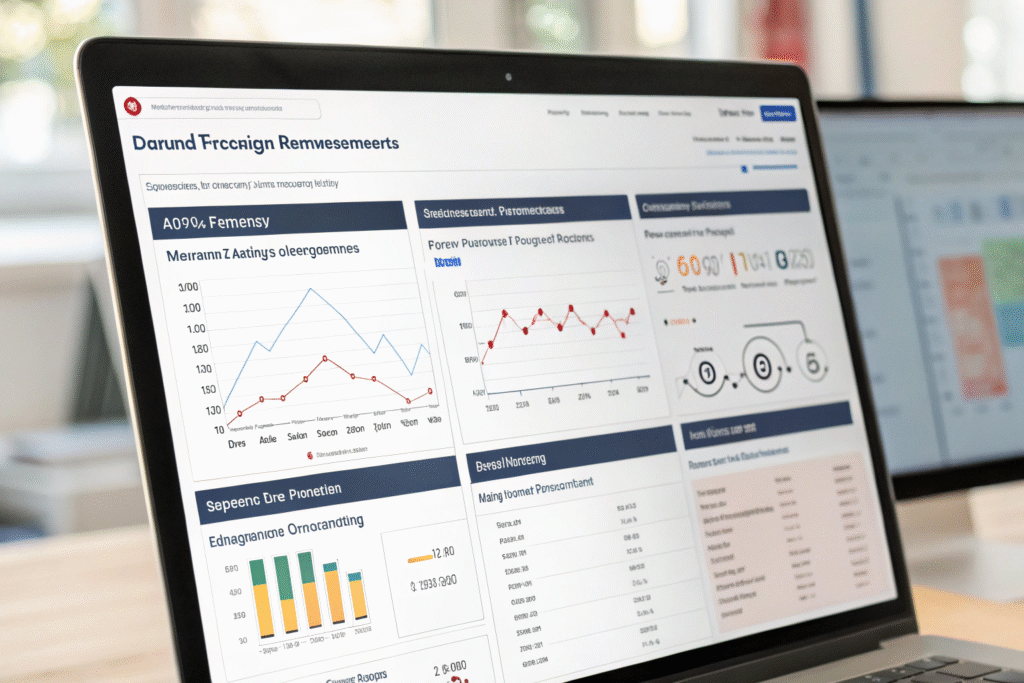
How can data analytics transform inventory decision-making?
Advanced data analytics transforms inventory from an operational necessity to a strategic asset, providing insights that drive better business decisions across the organization.
Data analytics transforms inventory decision-making through sell-through analysis, inventory turnover optimization, gross margin return on investment (GMROI) maximization, multi-echelon optimization, and predictive analytics that create tangible business value.
What analytics provide the most value for scarf inventory?
Strategic inventory intelligence guides better business decisions. High-value analytics include:
- Demand forecasting accuracy measuring and improving prediction reliability
- Inventory turnover analysis optimizing stock levels based on sales velocity
- GMROI by category identifying which scarves deliver the best return on inventory investment
- Stockout cost analysis quantifying the true cost of inventory shortages
- Excess inventory analysis identifying slow-moving items before they become problematic
Our analytics implementation has identified that 22% of our scarf SKUs were generating 78% of our inventory costs while contributing only 15% of revenue, enabling strategic assortment optimization that improved overall inventory productivity by 43%.
How can analytics improve supplier and customer relationships?
Shared intelligence benefits extend beyond internal operations. Relationship enhancements include:
- Supplier performance analytics providing data-driven feedback to improve delivery and quality
- Customer demand pattern sharing helping suppliers better anticipate needs
- Collaborative planning using analytics to coordinate with key partners
- Transparent performance reporting building trust through data sharing
- Joint business planning using inventory analytics to develop shared goals and strategies
These analytical approaches have improved on-time supplier delivery from 82% to 96% and reduced lead time variability by 64%, creating more reliable inventory replenishment and better customer service.

How can inventory control be integrated across channels?
Omni-channel inventory integration creates seamless inventory management across all sales channels, providing customers with consistent experiences while maximizing inventory productivity.
Inventory control integration across channels involves unified inventory pools, real-time visibility, seamless fulfillment options, consistent pricing and promotion, and integrated returns management that create cohesive customer experiences.
What technologies enable effective omni-channel inventory?
Unified commerce platforms create seamless inventory management. Essential technologies include:
- Distributed order management intelligently routing orders to optimal fulfillment locations
- Real-time inventory visibility providing accurate stock levels across all channels
- Unified product information ensuring consistent data across all customer touchpoints
- Integrated point-of-sale connecting physical stores with online channels
- Advanced returns management streamlining returns across all channels
Our omni-channel implementation has increased overall sales by 18% while reducing inventory requirements by 22% through better utilization across channels. The ability to fulfill online orders from store inventory has been particularly valuable for managing seasonal demand fluctuations.
How does integrated inventory improve customer experience?
Seamless shopping experiences build customer loyalty. Key improvements include:
- Buy online, pick up in store providing convenience while utilizing store inventory
- Endless aisle offering entire inventory regardless of physical location
- Real-time availability showing customers exactly what’s available where
- Flexible fulfillment allowing customers to choose how they receive purchases
- Unified returns enabling easy returns regardless of purchase channel
These customer experience improvements have increased customer satisfaction scores by 35% and improved customer retention by 28%. The seamless experience has been particularly appreciated during holiday seasons when specific scarf patterns become popular quickly.

Conclusion
Revolutionizing scarf inventory control requires a comprehensive approach that integrates advanced technologies, data analytics, automation, and strategic thinking to transform inventory from an operational necessity to a competitive advantage. The most successful implementations address the specific challenges of scarf inventory while creating systems that are both efficient and adaptable.
The revolution in inventory control delivers benefits across the organization—from improved financial performance through better inventory productivity to enhanced customer experiences through superior availability and service. These improvements create virtuous cycles where better inventory management enables better business decisions, which in turn drive further inventory optimization.
As technologies continue to advance and consumer expectations evolve, inventory control will remain a critical capability for scarf retailers and manufacturers. Those who embrace these revolutionary approaches will be well-positioned to thrive in increasingly competitive and dynamic markets.
If you’re looking to revolutionize your scarf inventory control and would like to benefit from our experience in implementing these advanced systems, we invite you to contact our Business Director, Elaine. She can guide you through our approach and help you develop an inventory revolution strategy tailored to your specific needs. Reach her at: elaine@fumaoclothing.com.