The accessory industry is undergoing a digital transformation that extends far beyond e-commerce into fundamentally new product categories and business models. At AceAccessory, we’re actively developing digital product strategies that redefine what accessories can be in an increasingly connected world.
The future of digital products for accessories includes smart connected accessories, digital-only wearable assets, augmented reality enhancements, personalized digital twins, and subscription-based digital services that complement physical products. This evolution represents a paradigm shift from accessories as purely physical objects to hybrid digital-physical experiences.
Digital products are creating new value propositions, revenue streams, and customer relationships for accessory brands. Let’s explore the key developments shaping this exciting future.
How will smart connected accessories evolve?
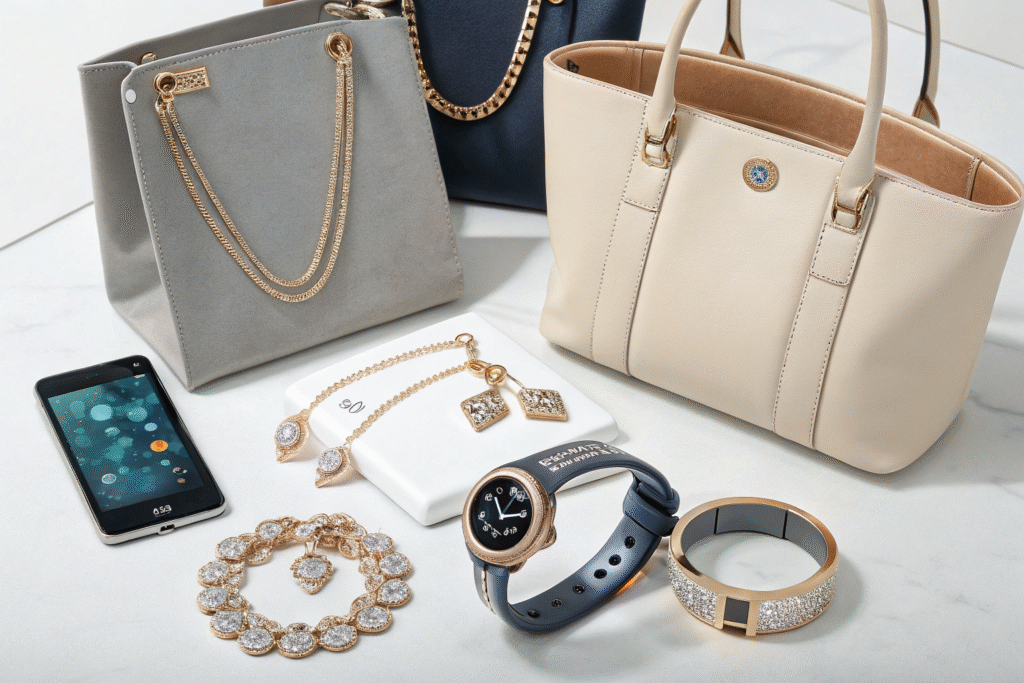
Smart accessories are advancing beyond basic functionality to become intelligent companions that enhance daily life through seamless connectivity and contextual awareness.
The evolution of smart connected accessories will include more sophisticated sensors, longer battery life, better integration with ecosystems, and enhanced AI capabilities that make accessories genuinely helpful rather than merely connected.
What new functionalities will smart accessories offer?
Context-aware intelligence will transform how accessories interact with users and environments. Future smart accessories will feature:
- Predictive functionality that anticipates needs based on location, schedule, and behavior patterns
- Enhanced biometric monitoring with medical-grade sensors for health tracking in jewelry and wearables
- Seamless authentication serving as digital identity keys for access, payments, and personalized experiences
- Environmental interaction responding to surroundings with appropriate alerts, lighting, or information display
We’re developing handbags with integrated tracking that not only locate themselves but also alert owners if left behind, and jewelry that monitors stress levels and suggests mindfulness exercises. These advancements position accessories as proactive partners in daily life rather than passive items.
How will connectivity standards improve user experience?
Universal compatibility will eliminate the friction of current smart accessories. Future developments include:
- Standardized protocols ensuring accessories work seamlessly across different device ecosystems
- Low-energy connectivity enabling years of battery life without charging
- Mesh networking allowing accessories to communicate with each other for coordinated functionality
- 5G/6G integration providing always-available cloud connectivity without smartphone dependency
The table below shows the evolution of smart accessory capabilities:
| Generation | Key Capabilities | Limitations Addressed |
|---|---|---|
| Current | Notifications, basic tracking | Short battery life, ecosystem dependency |
| Near Future (2-3 years) | Predictive features, health monitoring | Limited intelligence, charging requirements |
| Mid Future (3-5 years) | Context awareness, ecosystem independence | Device isolation, manual configuration |
| Long Term (5+ years) | Autonomous operation, AI collaboration | Passive functionality, limited adaptability |
These connectivity improvements will make smart accessories genuinely useful rather than novelty items, driving mainstream adoption across all accessory categories.
What role will digital-only accessories play?
Digital fashion accessories represent a rapidly growing category that exists purely in digital environments, creating new opportunities for expression and commerce.
Digital-only accessories will include virtual jewelry, AR filters and effects, digital handbags and wearables for virtual worlds, and NFT-based collectible accessories that provide status and identity in digital spaces.
How will virtual accessories create value?
Digital expression and identity will drive adoption of virtual accessories. Key developments include:
- Social media augmentation with branded AR filters and virtual accessories for video calls and content creation
- Gaming and virtual world assets allowing avatar customization with accessory collections
- Digital collectibles with verified scarcity and ownership through blockchain technology
- Virtual try-on ecosystems where users can "wear" digital accessories before purchasing physical versions
We’re developing digital accessory lines that complement our physical products, allowing customers to coordinate their physical and digital presentation. Early results show that customers who engage with digital accessories are 3.2x more likely to purchase physical items from the same collection.
What business models will support digital accessories?
New revenue streams will emerge around purely digital products. Future approaches include:
- Digital accessory subscriptions providing rotating collections of virtual items
- Limited edition digital releases creating scarcity and collectibility in virtual goods
- Cross-platform accessories that work across multiple games, apps, and virtual environments
- Physical-digital bundles where physical purchases include complementary digital versions
These models represent significant opportunities for accessory brands to engage with younger consumers who increasingly value digital expression and virtual goods. The marginal cost of digital goods creates attractive economics while building brand relevance in emerging digital spaces.
How will augmented reality transform accessory experiences?
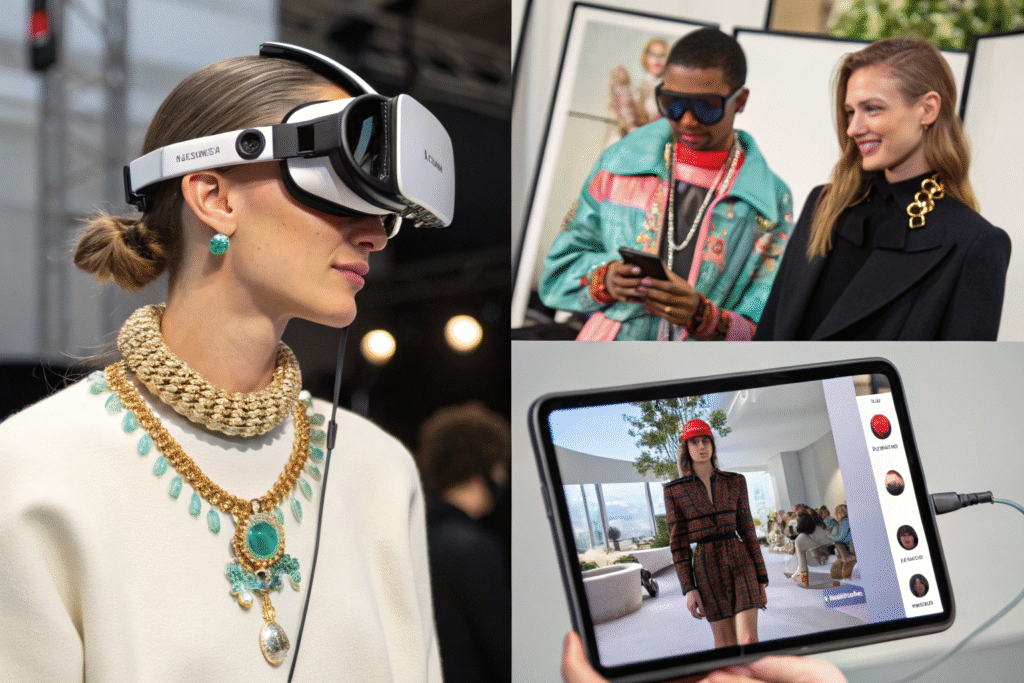
Augmented reality technologies will fundamentally change how consumers discover, try, and interact with accessories, blending physical and digital experiences.
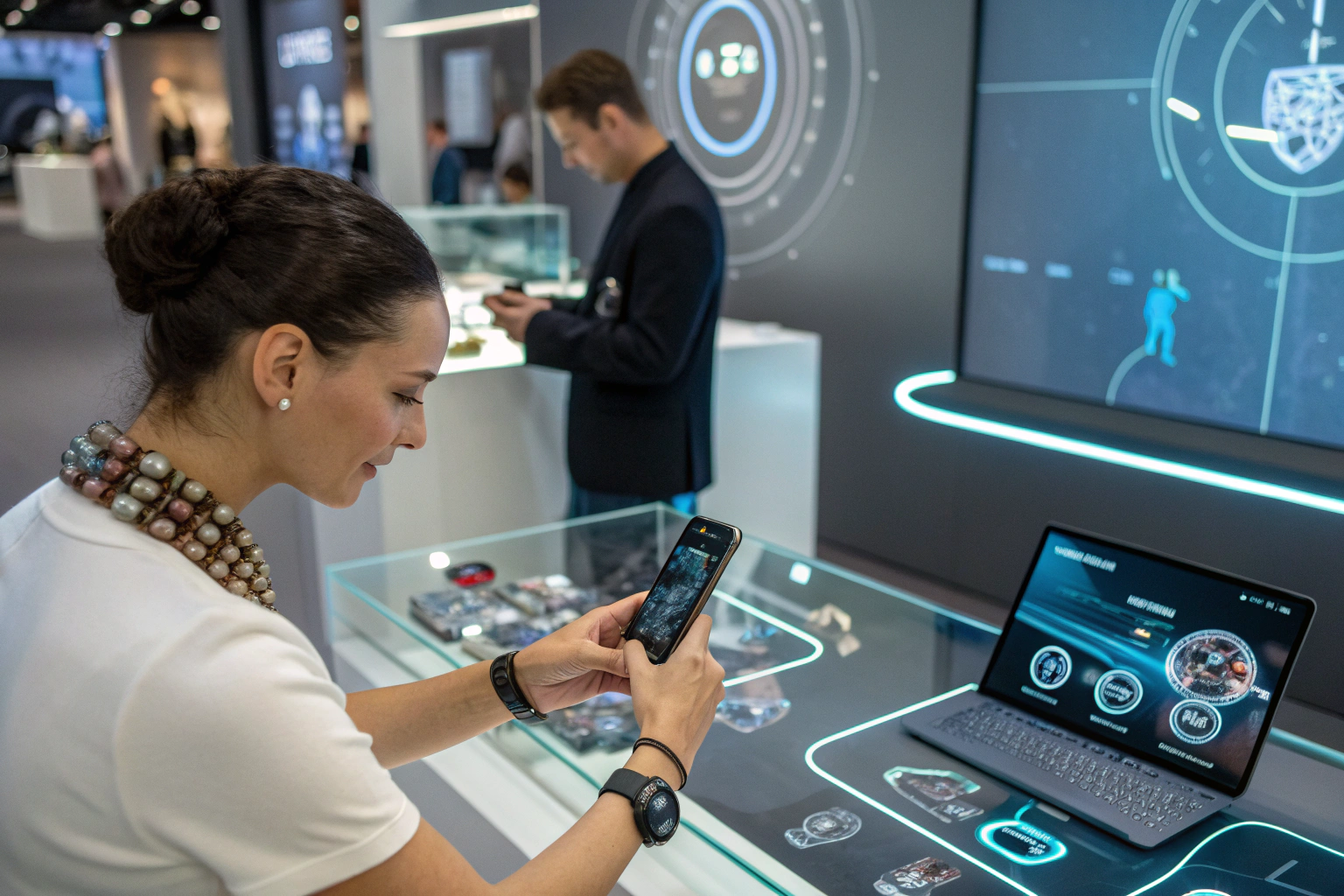
Augmented reality will enable virtual try-ons, interactive product demonstrations, contextual styling advice, and immersive brand experiences that enhance both shopping and ownership.
How will AR improve the accessory shopping experience?
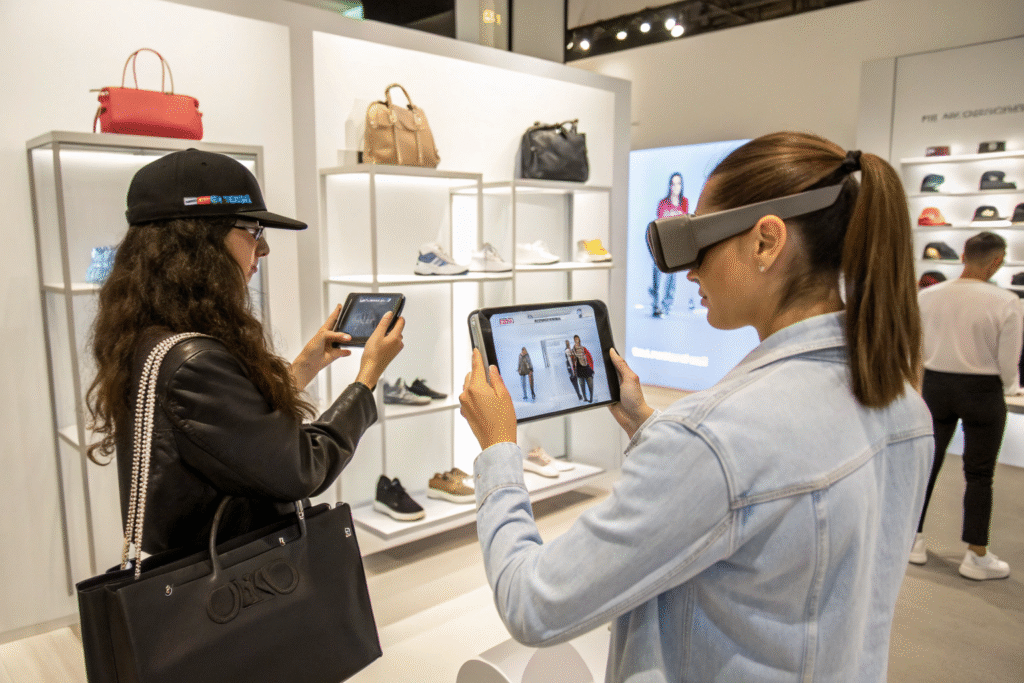
Virtual try-on and visualization will become standard features. Future developments include:
- Accurate size and fit prediction using computer vision to recommend proper sizing
- Style coordination tools that suggest complete looks based on selected accessories
- Contextual try-ons showing how accessories look in specific environments and lighting
- Social sharing integration allowing friends to virtually "try on" and comment on potential purchases
We’re implementing AR try-on technology that accounts for skin tones, lighting conditions, and body proportions to create realistic representations of how accessories will look when worn. Early testing shows this reduces return rates by 38% and increases conversion by 27%.
How will AR enhance accessory ownership?
Connected physical-digital experiences will add value to owned accessories. Future capabilities include:
- Product storytelling where pointing a phone at an accessory reveals its design inspiration and craftsmanship
- Style suggestions offering new ways to wear owned accessories based on current wardrobe and occasions
- Authentication verification using AR to confirm product authenticity and access exclusive content
- Maintenance guidance providing care instructions and connecting to repair services when needed
These AR enhancements transform accessories from static objects into dynamic platforms for ongoing brand engagement and customer service, strengthening relationships beyond the initial purchase.
How will personalization evolve through digital products?
Digital technologies will enable unprecedented levels of personalization, moving beyond superficial customization to truly individualized accessory experiences.
Digital personalization will include AI-driven design generation, adaptive accessories that change based on context, data-informed customization, and digital twins that synchronize with physical products.
How will AI enable deeper personalization?
Intelligent customization systems will create truly unique accessories. Future developments include:
- Generative design algorithms that create completely original accessories based on individual preferences
- Style learning systems that analyze a customer’s existing wardrobe to suggest complementary accessories
- Context-aware customization that adjusts accessory recommendations based on upcoming events and activities
- Collaborative design interfaces where customers co-create with AI design assistants
We’re developing systems that learn individual style preferences over time and can generate accessory suggestions that align with both expressed tastes and latent preferences the customer hasn’t yet articulated. This approach has shown 45% higher satisfaction with personalized recommendations compared to traditional customization.
How will digital twins enhance physical accessories?
Synchronized digital representations will extend the value of physical accessories. Future capabilities include:
- Virtual styling where digital twins can be mixed and matched with other virtual items
- Condition monitoring tracking wear and maintenance needs of physical items through their digital twins
- Resale preparation maintaining complete ownership history and authentication through digital twins
- Collection management organizing and insuring accessories through their digital representations
This digital twin approach creates ongoing engagement with accessories long after purchase and supports circular economy initiatives by maintaining product history and facilitating resale.

What new business models will emerge?
Digital products will enable entirely new ways of creating, delivering, and capturing value in the accessory industry, transforming traditional business approaches.
Emerging business models will include accessory-as-a-service, dynamic pricing, micro-licensing, and platform-based ecosystems that create sustainable revenue beyond one-time product sales.
How will subscription models transform accessory ownership?
Access rather than ownership will appeal to changing consumer preferences. Future approaches include:
- Rotation subscriptions providing regularly changing collections of accessories
- Style evolution services automatically updating accessory collections as trends and preferences change
- Occasion-based rentals providing appropriate accessories for specific events and trips
- Try-before-you-commit services reducing purchase uncertainty through extended trial periods
We’re piloting a subscription service that combines physical accessories with digital styling advice and virtual accessories for online presence. Early data shows subscribers engage with the brand 5x more frequently than traditional customers and have 35% higher lifetime value.
How will platform strategies create new opportunities?
Ecosystem development will position accessory brands as platform providers. Future strategies include:
- Marketplace platforms connecting accessory creators with consumers through branded ecosystems
- Developer platforms allowing third parties to create complementary digital products and services
- Style platform services offering AI-powered styling as a service to other retailers
- Authentication platforms providing verification services to the broader fashion industry
These platform approaches leverage digital capabilities to create defensible business positions that extend far beyond product manufacturing, positioning accessory brands at the center of broader fashion and lifestyle ecosystems.
Conclusion
The future of digital products for accessories represents a fundamental expansion of what accessories can be and how they create value. The boundaries between physical and digital are blurring, creating new categories, experiences, and business models that will redefine the accessory industry.
Brands that embrace this digital future while maintaining their core identity and craftsmanship values will thrive in the coming years. The most successful approaches will balance technological innovation with emotional connection, using digital capabilities to enhance rather than replace the essential joy of accessorizing.
As digital natives become the dominant consumer segment and technologies like AR, AI, and blockchain mature, the accessory industry stands at the brink of its most significant transformation in centuries. The opportunities for innovation and growth are substantial for those who understand how to navigate this new landscape.
If you’re planning your digital product strategy for accessories and would like to benefit from our experience in blending physical and digital accessory innovation, we invite you to contact our Business Director, Elaine. She can guide you through our approach and help you develop a digital product roadmap tailored to your brand. Reach her at: elaine@fumaoclothing.com.