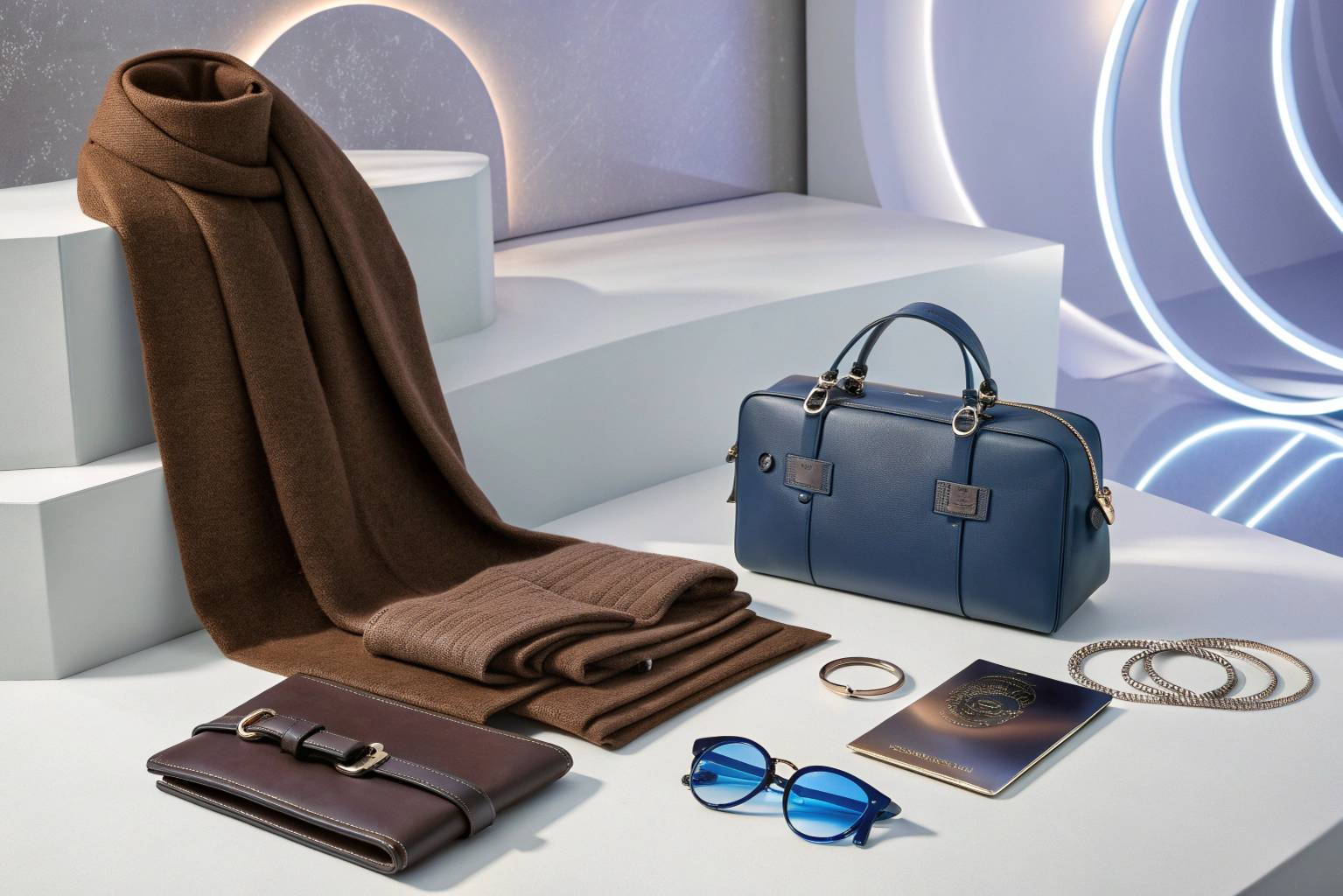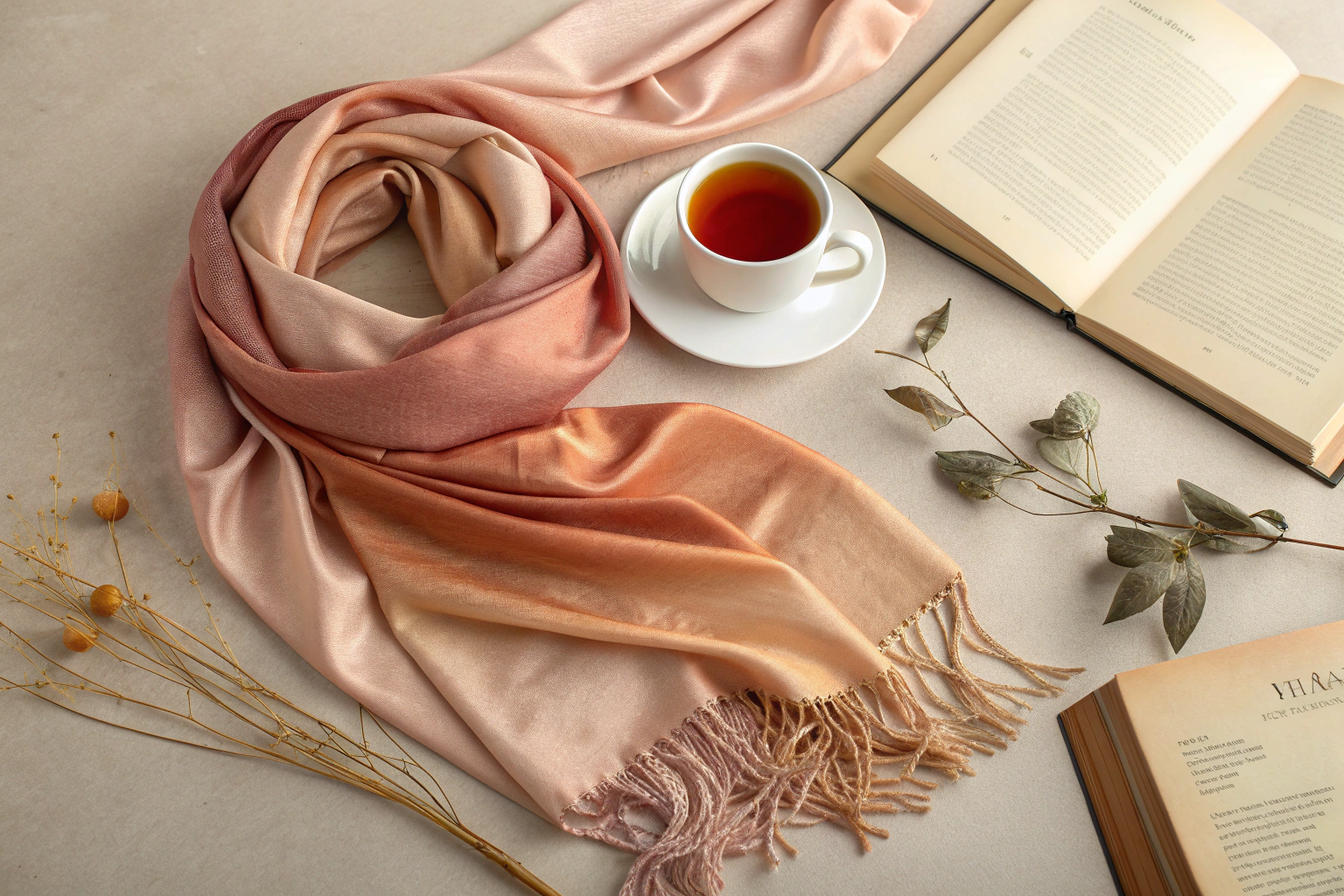
When you think of the perfect winter scarf, what comes to mind? For many, the dream is pure, ultra-soft cashmere. But what if you could capture that luxurious softness and warmth in a material that is more durable, easier to care for, and significantly more affordable? This is the promise of Cashmilon, and it's why this advanced acrylic fiber is rapidly becoming a favorite for savvy brands and consumers alike.
So, why is Cashmilon such a popular alternative? It's because Cashmilon masterfully mimics the softness and warmth of cashmere while offering the superior durability, vibrant color retention, and hypoallergenic properties of a high-tech acrylic, all at a much more accessible price point. As the owner of Shanghai Fumao Clothing, we've seen a significant increase in demand for Cashmilon. Brands are discovering that it allows them to offer a product that feels incredibly luxurious without the high cost and delicate nature of pure cashmere.
Is it just a "cheaper version" of cashmere? Not at all. In many ways, it's a more practical and versatile material for everyday winter wear. Let's explore the four key advantages that make Cashmilon a star player in the world of winter accessories.
How Does Cashmilon Achieve Its Remarkable Softness?
Isn't the primary appeal of a winter scarf its softness against the skin? A scratchy, irritating scarf is one that will be left in the closet. The biggest achievement of Cashmilon is its incredible, cashmere-like softness.
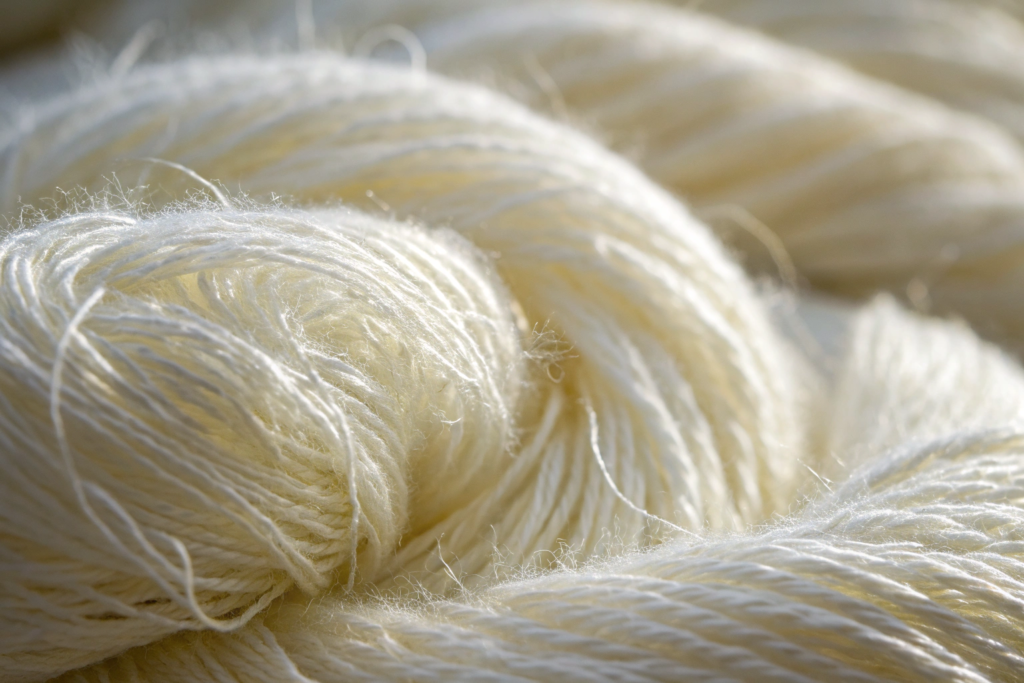
How is this possible from an acrylic fiber? Cashmilon is not your ordinary, old-fashioned acrylic. It is a result of advanced fiber technology. The acrylic fibers are engineered to be exceptionally fine and are often produced with a "bicomponent" structure, where two different types of acrylic polymers are extruded together. When processed, these polymers shrink at different rates, creating a natural, microscopic "crimp" in the fiber. This crimp creates millions of tiny air pockets, resulting in a yarn that is not only incredibly soft and lofty but also surprisingly lightweight.
Doesn't this sound like a marvel of material science? It's this technology that allows a Cashmilon scarf to feel almost indistinguishable from a high-quality natural fiber. This is a key factor we consider when sourcing the best materials for our clients.
Is It Softer Than Regular Acrylic?
Yes, significantly. If you've ever felt a cheap, scratchy acrylic sweater, you know that not all acrylics are created equal. Standard acrylic fibers are thicker and have a smooth, uniform surface which can feel harsh. Cashmilon's ultra-fine, crimped fibers create a much softer, more pliable yarn that drapes beautifully and feels gentle even on sensitive skin.
How Does It Compare to Wool?
What about traditional wool? While Merino wool is very soft, some people with sensitive skin can still experience itching or irritation from the scales on the wool fiber. Because Cashmilon is a synthetic fiber, it is smooth and non-irritating, making it an excellent hypoallergenic alternative for people who are sensitive to natural wool. This is a major selling point for any brand with a focus on comfort.
Is Cashmilon More Durable and Easier to Care For?
What is the biggest drawback of a pure cashmere scarf? It's incredibly delicate. Cashmere requires careful hand-washing, is prone to pilling (forming little balls of fiber), and can be damaged by moths. It's a luxury item that requires luxury care.
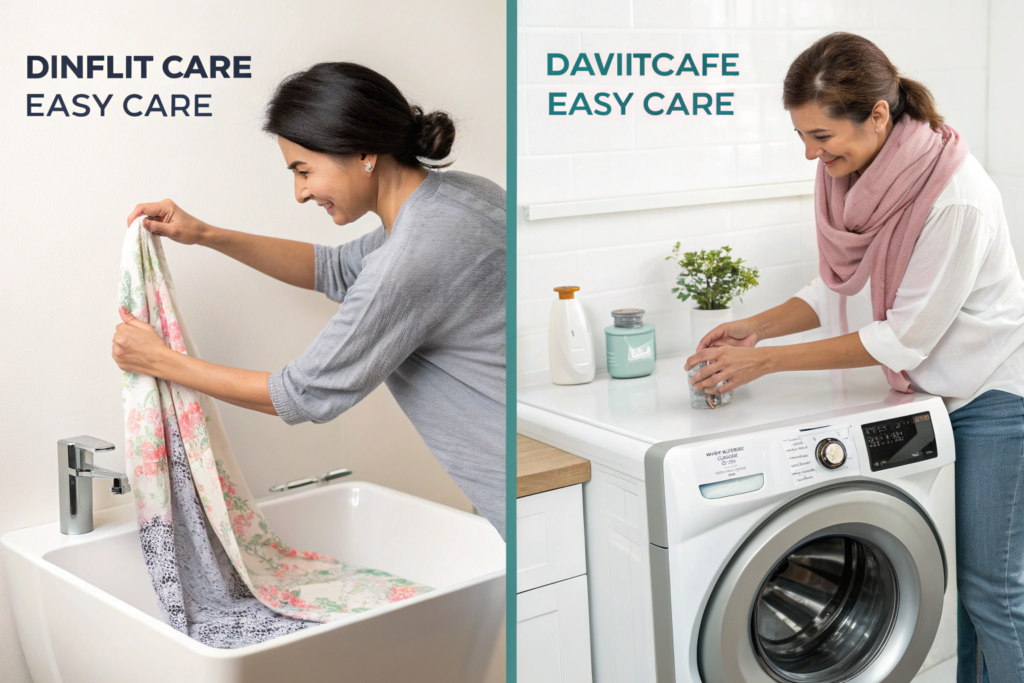
How does Cashmilon solve this problem? It offers the softness of cashmere with the robust, real-world durability of a modern synthetic. Cashmilon is a workhorse. It is resistant to pilling, shrinking, and wrinkling. Most importantly, it is machine washable. A customer can wear their Cashmilon scarf every day, toss it in the wash, and have it come out looking just as soft and vibrant as the day they bought it.
Isn't this combination of luxury feel and easy care the perfect solution for a modern, busy lifestyle? It removes the "preciousness" of a winter accessory and turns it into a reliable, everyday favorite. This durability is a key aspect of ensuring product quality and longevity.
Is It Resistant to Fading?
Yes. One of the great strengths of acrylic fibers is their ability to be "solution-dyed." This means the color is added to the polymer solution before the fiber is even created. The color is not on the surface; it is an integral part of the fiber itself. This makes Cashmilon exceptionally colorfast. It won't bleed in the wash and is highly resistant to fading from sunlight, ensuring that a brightly colored scarf stays bright for years. This is a huge advantage over some natural fibers that can fade over time.
Is It a Good Choice for Children's Accessories?
Absolutely. Given its durability, washability, and hypoallergenic properties, Cashmilon is an ideal material for children's scarves, hats, and gloves. Parents love it because it's soft and comfortable for their kids, and they don't have to worry about special care instructions for an item that is likely to get dirty. This opens up a whole new market segment for brands.
How Does It Offer Greater Vibrancy and Design Versatility?
While natural fibers are beautiful, don't they sometimes have limitations in terms of color? Natural fibers have to be dyed after the yarn is spun, and achieving super-saturated, vibrant, neon, or pure white colors can be challenging and expensive.
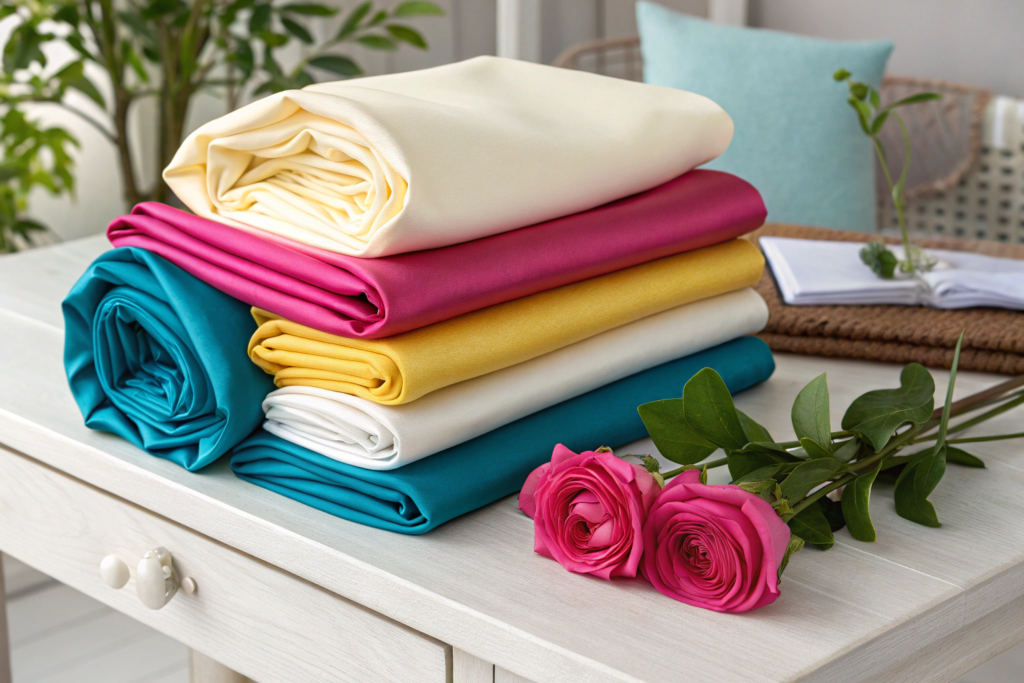
How does Cashmilon excel in this area? Because the color is added at the liquid polymer stage, Cashmilon can be produced in an almost limitless spectrum of incredibly bright, vibrant, and consistent colors. It takes color with exceptional clarity and brilliance. This allows designers to create collections with bold, exciting color stories that might be difficult or cost-prohibitive to achieve in cashmere or wool.
Doesn't this creative freedom allow a brand to make a much stronger fashion statement? It's a material that is perfectly suited for a trend-driven market where color is key.
Can It Be Used for Complex Patterns?
Yes. Cashmilon yarn is smooth and uniform, which makes it perfect for creating scarves with complex patterns like jacquards, intarsias, or detailed stripes. The clarity of the yarn allows for sharp, clean lines between different colors, resulting in a crisp and professional-looking pattern. This is a huge advantage for brands that want to move beyond solid colors and create unique, patterned accessories, a key part of a strong seasonal collection strategy.
Does It Hold Its Shape Well?
What about the structure of the scarf? Cashmilon has excellent shape retention. It has a natural elasticity and resistance to stretching out. This means that a ribbed scarf will stay ribbed, and the edges won't curl or lose their shape over time, even after multiple washes. This reliability is crucial for creating a product that looks good for its entire lifespan.
Why is it a Smart Financial Choice for Brands?
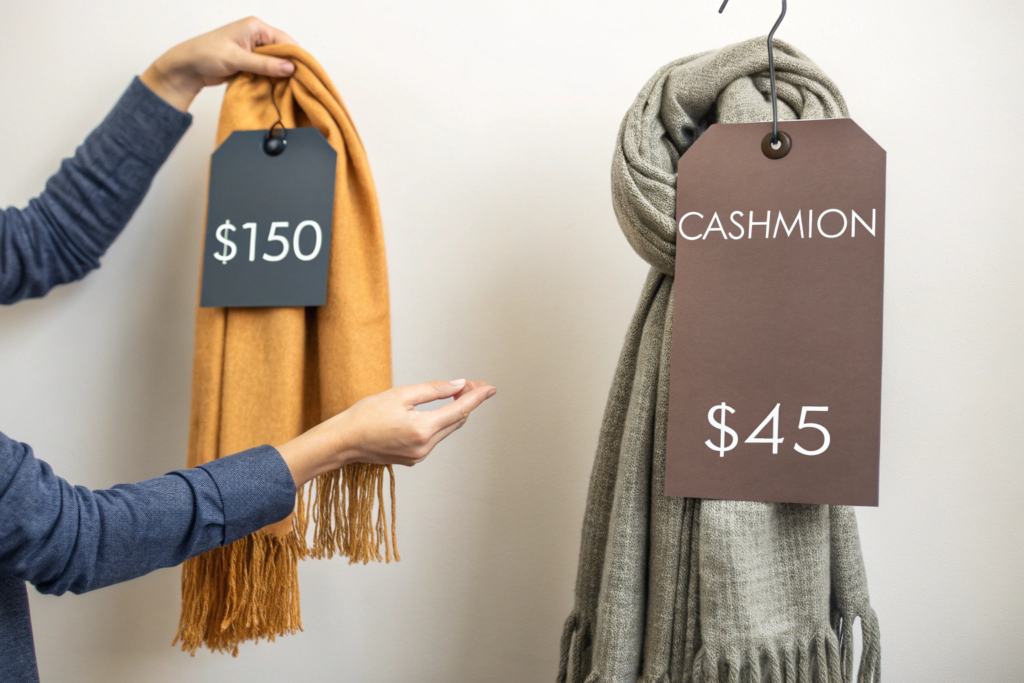
Let's talk about the most practical advantage of all: the cost. Isn't the high price of cashmere a major barrier for many brands and consumers? The cost of raw cashmere is volatile and extremely high, which translates directly into a high factory cost and a high retail price.
How does Cashmilon provide a solution? As a manufactured fiber, the production of Cashmilon is stable and highly efficient. This results in a raw material cost that is a fraction of that of cashmere. This cost advantage allows a brand to do several things:
- Offer a product with a luxurious, premium feel at a much more competitive and accessible retail price.
- Achieve a healthier profit margin.
- Invest the savings into other areas, like more complex designs, better packaging, or marketing.
Isn't this ability to deliver "affordable luxury" the key to winning in a competitive market? It allows you to reach a much broader audience without compromising on the perceived quality and comfort of your products.
Does "More Affordable" Mean "Lower Quality"?
Not in this case. This is a key distinction. With Cashmilon, you are not simply choosing a "cheaper" material; you are choosing a "different" material with its own unique set of advantages. While a connoisseur might always prefer the natural prestige of cashmere, for the vast majority of consumers, a high-quality Cashmilon scarf offers a superior overall experience in terms of softness, durability, and ease of care. It's not lower quality; it's higher practicality. This is a key message for any brand's marketing strategy.
How Does It Help with Production Planning?
Doesn't a stable cost help with budgeting? Yes. The price of natural fibers like cashmere and wool can fluctuate based on harvests and global demand. The price of Cashmilon is far more stable and predictable. This makes it much easier for a brand to plan its budget and maintain consistent pricing from one season to the next.
Conclusion
So, why has Cashmilon become such a popular choice for winter scarves? Is it just a cheap substitute for cashmere? The answer is a definitive no. It is a technologically advanced material that stands on its own merits.
It offers the luxurious softness customers crave, the real-world durability and easy care they need, the vibrant color and design versatility that fashion demands, and a smart, accessible price point that makes business sense. It's a rare case where the more practical option also offers a fantastic user experience.
We are proud to work with high-quality materials like Cashmilon to help our clients create beautiful, successful, and profitable winter collections. If you are interested in exploring how Cashmilon can elevate your accessory line, we would be delighted to share our expertise and samples with you. Please contact our Business Director, Elaine, at her email: elaine@fumaoclothing.com.