In a world increasingly focused on eco-conscious fashion, every choice matters—down to the hat on your head. Brands and consumers alike are seeking materials that look good, feel good, and do good. While organic cotton and recycled polyester have their place, one material is rising to the top for its remarkable blend of performance and planet-friendly credentials: bamboo. But is bamboo fabric truly a sustainable superstar for accessories like baseball caps, beanies, and sun hats, or is it just another greenwashed trend?
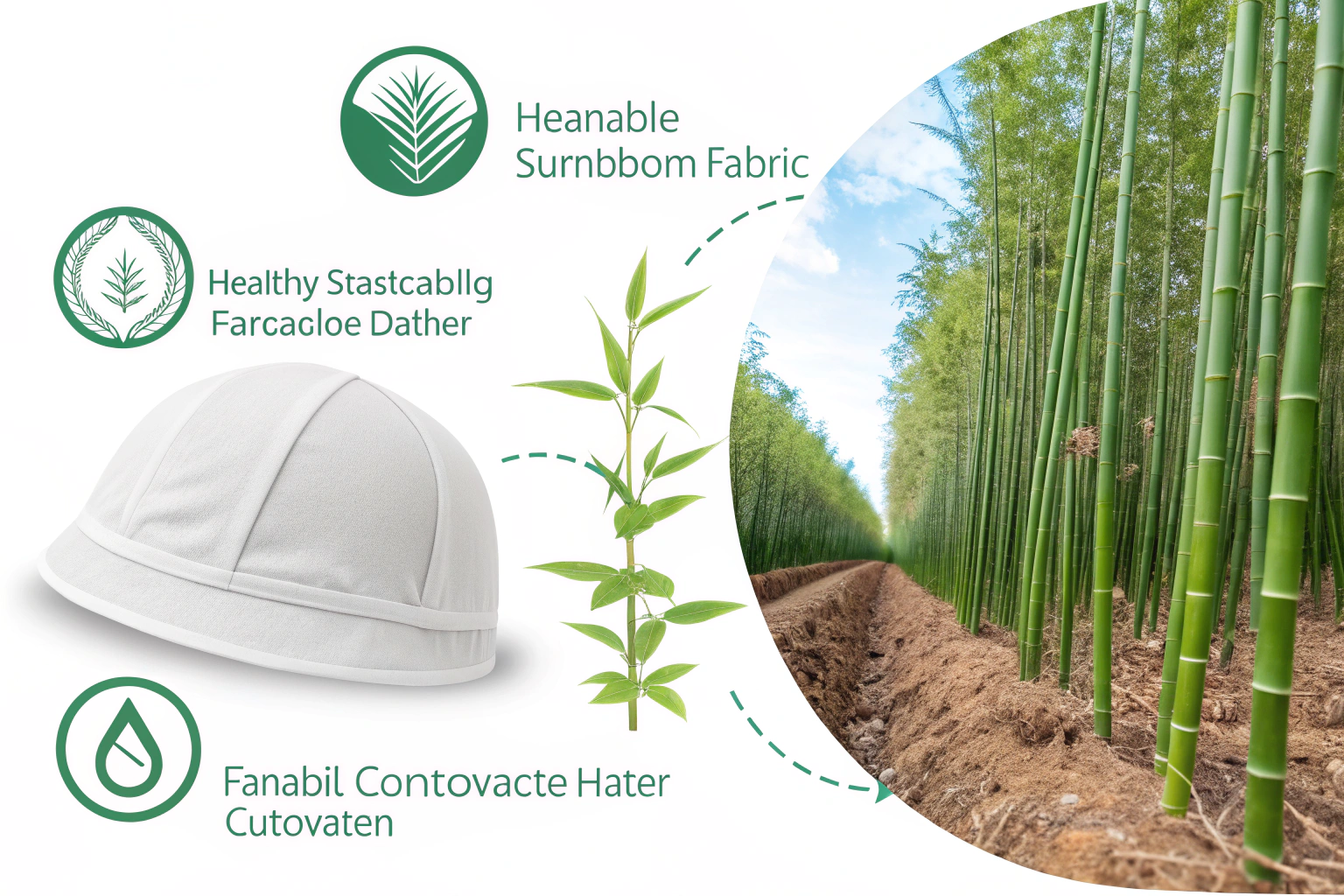
Bamboo fabric is a leading sustainable choice for headwear because it originates from one of the world's most rapidly renewable resources, requires minimal water and no pesticides to grow, and results in a biodegradable fabric with exceptional moisture-wicking, thermoregulating, and soft qualities ideal for wearables. Unlike conventional cotton farming, which is notoriously thirsty and chemical-intensive, bamboo plantations thrive naturally, improve soil health, and sequester significant amounts of carbon dioxide. When processed into fabric for headwear, it offers a luxurious, durable, and functionally superior alternative that aligns with a circular economy mindset.
This shift isn't merely about material substitution; it's about rethinking the entire lifecycle of a fashion accessory. From the bamboo grove to the finished cap on a shelf, each stage presents compelling environmental and practical benefits. Let's explore the full spectrum of reasons—from agricultural impact to end-of-life—why bamboo is becoming the go-to fabric for forward-thinking headwear brands and discerning consumers.
How Does Bamboo Cultivation Benefit the Environment?
The sustainability story of bamboo fabric begins long before it becomes cloth—it starts in the field. The cultivation phase is where bamboo establishes its formidable green credentials, outperforming many traditional textile crops on several key environmental metrics.
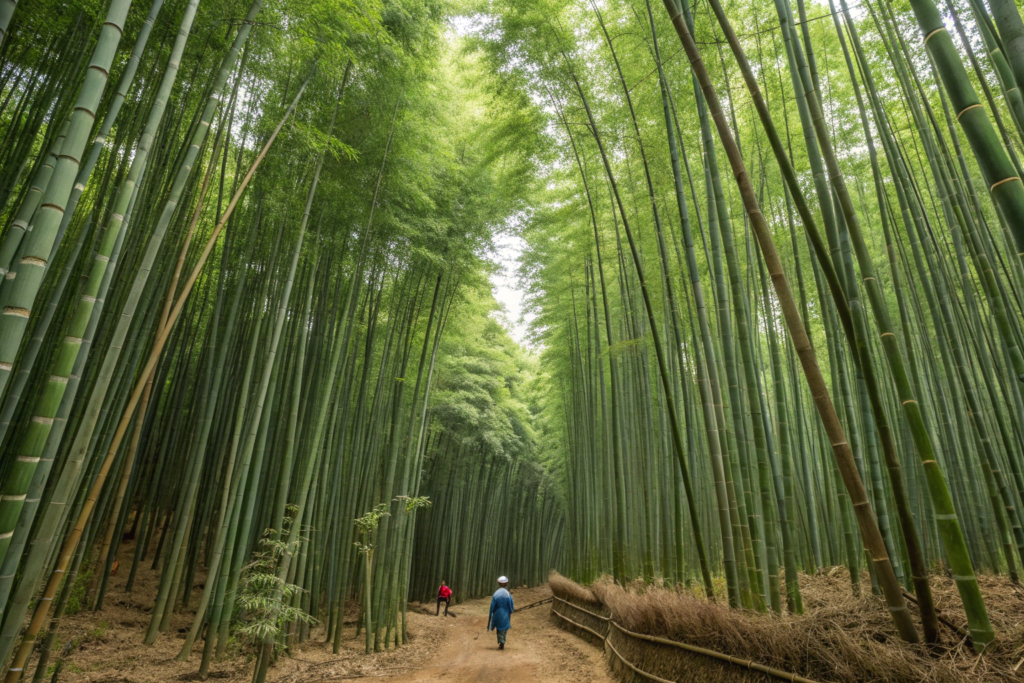
Bamboo is a rapidly renewable grass, not a tree, with some species capable of growing up to three feet in just 24 hours. This incredible growth rate allows for frequent harvesting (every 3-5 years) without killing the plant's root system, which continuously regenerates and prevents soil erosion. Compared to cotton, bamboo cultivation is a model of efficiency and low impact. It requires no irrigation in most climates, thriving on natural rainfall, and needs no chemical pesticides or fertilizers due to its natural antimicrobial properties called "bamboo kun." This makes bamboo plantations a safer ecosystem for workers and local biodiversity. Furthermore, bamboo forests are powerful carbon sinks, absorbing up to five times more carbon dioxide and producing 35% more oxygen than an equivalent stand of trees. This combination of rapid regeneration, minimal inputs, and positive climate impact makes the raw material sourcing for bamboo fabric inherently low-footprint.
However, it's crucial to distinguish between types of bamboo cultivation. Monoculture bamboo farms that clear diverse ecosystems can still be harmful. The most sustainable sourcing comes from managed forests or certified plantations that maintain ecological balance. For brands committed to true sustainability, verifying the source of bamboo pulp is key. Look for suppliers or manufacturers, like Shanghai Fumao Clothing, that prioritize bamboo sourced from responsibly managed forests and can provide relevant documentation. This ensures the environmental benefits at the farming stage are genuine and not undone by poor land management practices.
Does bamboo farming really require no water or pesticides?
While bamboo is exceptionally resilient, the claim of needing "no water and no pesticides" is largely true in a relative and contextual sense. Compared to conventional cotton, which is infamous for consuming over 2,700 liters of water for a single t-shirt, bamboo's water needs are almost negligible. It thrives on natural rainfall in its native habitats (like parts of Asia and Africa) and rarely requires supplemental irrigation. Its natural antimicrobial agent, bamboo kun, provides robust defense against pests and fungal diseases, eliminating the need for synthetic pesticides in well-managed groves. However, if grown in non-native, arid regions, some irrigation might be needed. The key takeaway is that under appropriate climatic conditions, bamboo cultivation sets a dramatically higher standard for water and chemical efficiency than most commodity textile crops.
How does bamboo improve soil health?
Bamboo has a unique rhizome-dependent root system that remains intact after the stalks are harvested. This network binds the soil tightly, preventing erosion and runoff—a significant problem in conventional agriculture. Furthermore, the fallen leaves from bamboo create a natural mulch, enriching the soil with silica and organic matter as they decompose. This cycle enhances soil fertility naturally. Unlike thirsty crops that deplete water tables and nutrient-rich topsoil, a well-managed bamboo plantation can actually improve the land's quality over time, making it a regenerative agricultural practice. This long-term soil health is a critical, often overlooked component of true sustainability in textile sourcing.
What is the Process of Turning Bamboo into Fabric?
The journey from sturdy bamboo stalk to soft, wearable fabric is where the sustainability discussion gets more nuanced. There are two primary methods: a conventional chemical process and a more modern, closed-loop mechanical process. Understanding this distinction is vital for making an informed, ethical choice.
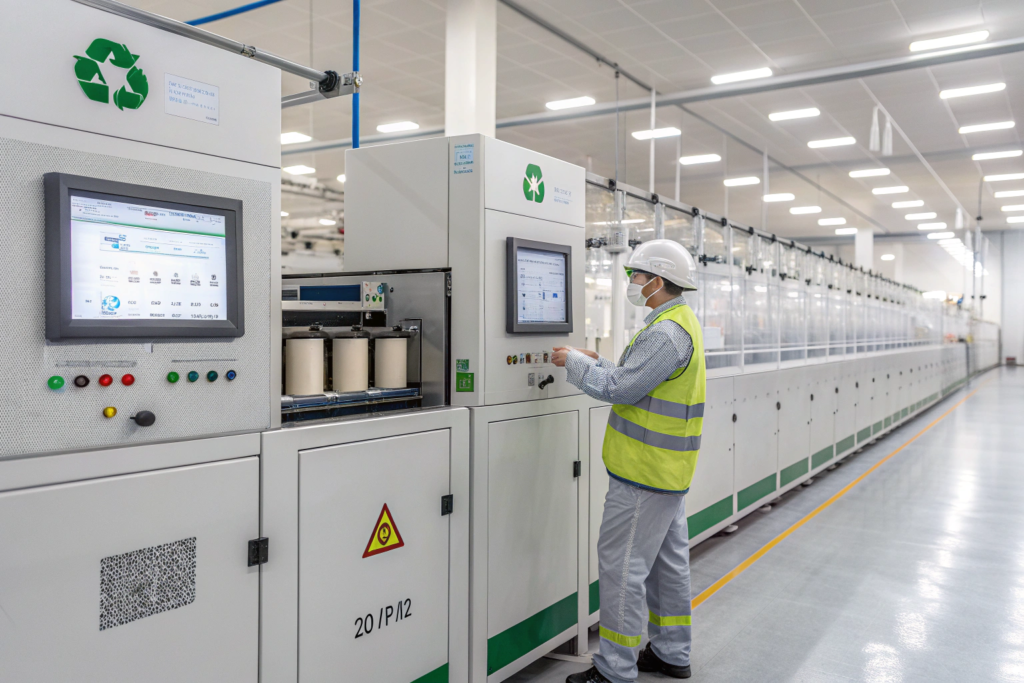
The most common method is the viscose-rayon process. Here, bamboo is broken down into chips, pulped using a chemical solution (often involving sodium hydroxide and carbon disulfide), and then extruded through a spinneret to create fibers. This process, while efficient and capable of producing the silky-soft bamboo rayon fabric popular in clothing, has drawn criticism. The chemicals used can be hazardous if not managed in a closed-loop system where solvents are recovered and reused. The environmental impact hinges entirely on the factory's commitment to responsible chemical management and wastewater treatment. The resulting fiber, though derived from a natural source, is technically a regenerated cellulose fiber.
The more sustainable, but less common and more expensive, method is the mechanical or "lyocell-type" process. Similar to how lyocell is made from wood pulp, this method uses a non-toxic, organic solvent (NMMO) in a closed-loop system where over 99% of the solvent is recycled. This process produces a fiber often called "bamboo lyocell" or "monocel." It has a lower environmental impact, results in a stronger, more durable fiber, and retains more of bamboo's natural antibacterial properties. For headwear brands, this means a choice: the widely available and softer bamboo rayon, or the premium, more sustainable bamboo lyocell. Partnering with a manufacturer that is transparent about their processing method and holds certifications like OEKO-TEX® Standard 100 (ensuring no harmful residues) and FSC® (for sustainably sourced bamboo) is essential for credibility.
What's the difference between bamboo viscose and bamboo lyocell?
The core difference lies in the chemistry and environmental impact of the processing.
- Bamboo Viscose/Rayon: Uses a traditional chemical process involving carbon disulfide. While efficient, this solvent can be polluting if not meticulously contained. The resulting fiber is very soft, drapes well, and is highly absorbent, making it great for the inner sweatbands of caps or soft beanies.
- Bamboo Lyocell: Uses a modern closed-loop process with a non-toxic organic solvent (NMMO) that is almost entirely recaptured and reused. This method is considered significantly more environmentally friendly. The resulting fiber is stronger, more durable, and has better moisture management, ideal for the structured fabric of a baseball cap's crown or a performance beanie.
For brands, specifying bamboo lyocell, even at a higher cost, represents a deeper commitment to sustainable manufacturing from start to finish.
Are the chemicals used in processing harmful?
The chemicals in the viscose process, particularly carbon disulfide, can be harmful to workers and the environment if released. The risk is not in the final fabric (which is thoroughly washed and tested) but in the factory emissions and wastewater. This is why certifications and transparency are non-negotiable. A reputable manufacturer will use a closed-loop system to contain and recycle these chemicals and will operate a sophisticated wastewater treatment plant. Certifications like OEKO-TEX® Standard 100 verify the final fabric is free from harmful levels of regulated substances, while STeP by OEKO-TEX® can certify sustainable and socially responsible production processes. Asking your supplier for these certificates ensures the bamboo fabric's green story isn't tainted by a polluting production phase.
What Performance Advantages Does Bamboo Offer for Hats?
Beyond its environmental pedigree, bamboo fabric must perform. For headwear—an item subject to sweat, sun, and constant wear—functional properties are paramount. Fortunately, bamboo delivers a suite of natural performance benefits that make it exceptionally well-suited for caps, beanies, and visors.
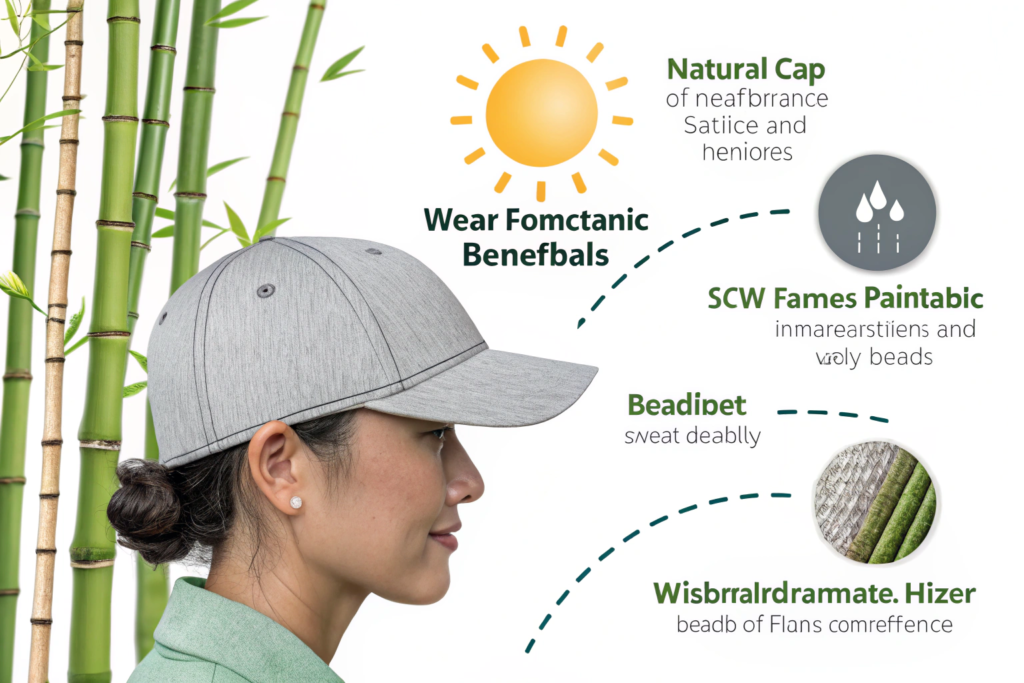
Firstly, bamboo fibers are naturally hygroscopic, meaning they absorb moisture rapidly. A bamboo fabric hat can absorb and evaporate sweat much faster than cotton, keeping the head cooler and drier. This moisture-wicking property is a major advantage for athletic caps or summer hats. Secondly, bamboo fibers have micro-gaps, which make the fabric more breathable and give it superior thermoregulating abilities. It helps keep you cool in heat and provides gentle insulation in cooler weather, making bamboo beanies comfortable across a range of temperatures. Furthermore, the fiber's smooth, round structure gives bamboo fabric a luxuriously soft hand-feel, often compared to silk or cashmere, which eliminates itchiness—a common complaint with wool beanies. This inherent softness requires less chemical softening during finishing.
Durability is another key factor. While pure bamboo rayon can be delicate, bamboo blended with organic cotton or recycled polyester creates a robust fabric ideal for structured hats. Bamboo's natural antibacterial and odor-resistant properties, due to "bamboo kun," are retained in the fabric to a significant degree. This means a bamboo cap resists the growth of odor-causing bacteria even after prolonged sweating, requiring less frequent washing and extending the garment's life. For brands, these performance features are direct selling points that align with a active and health-conscious lifestyle, allowing them to market headwear that is not only sustainable but also functionally superior to conventional options.
Is bamboo fabric suitable for structured hats like baseball caps?
Absolutely, but it often works best in a blend. Pure bamboo knit or jersey can be too soft and drapey to hold the structured shape of a baseball cap's crown or a bucket hat. However, when woven with a stronger fiber—like organic cotton for a natural blend or recycled PET for enhanced shape retention and moisture-wicking—it creates an ideal fabric. The bamboo contributes softness, breathability, and moisture management to the inner lining and sweatband, while the blend partner provides structure and durability for the outer shell. Advanced manufacturers can engineer these fabric combinations specifically for the technical demands of structured headwear.
How does bamboo compare to cotton for breathability?
Bamboo fabric consistently outperforms cotton in breathability and moisture management. Cotton absorbs moisture but tends to hold it, feeling damp and heavy. Bamboo fibers, with their micro-gaps and hollow structure, not only absorb moisture quickly but also release it (evaporate) rapidly into the air. This creates a continuous cooling effect as sweat evaporates. In headwear, this translates to a noticeably cooler, less sweaty experience during activity or in hot weather. For a sun hat or running cap, this functional difference is a major comfort and performance upgrade that consumers can immediately feel.
What is the End-of-Life Impact of Bamboo Headwear?
A material's sustainability is not just about its birth; it's about its entire lifecycle, including its disposal. In a linear "take-make-waste" model, even eco-friendly materials can become landfill clutter. Bamboo fabric, however, offers favorable end-of-life scenarios that support a circular economy.
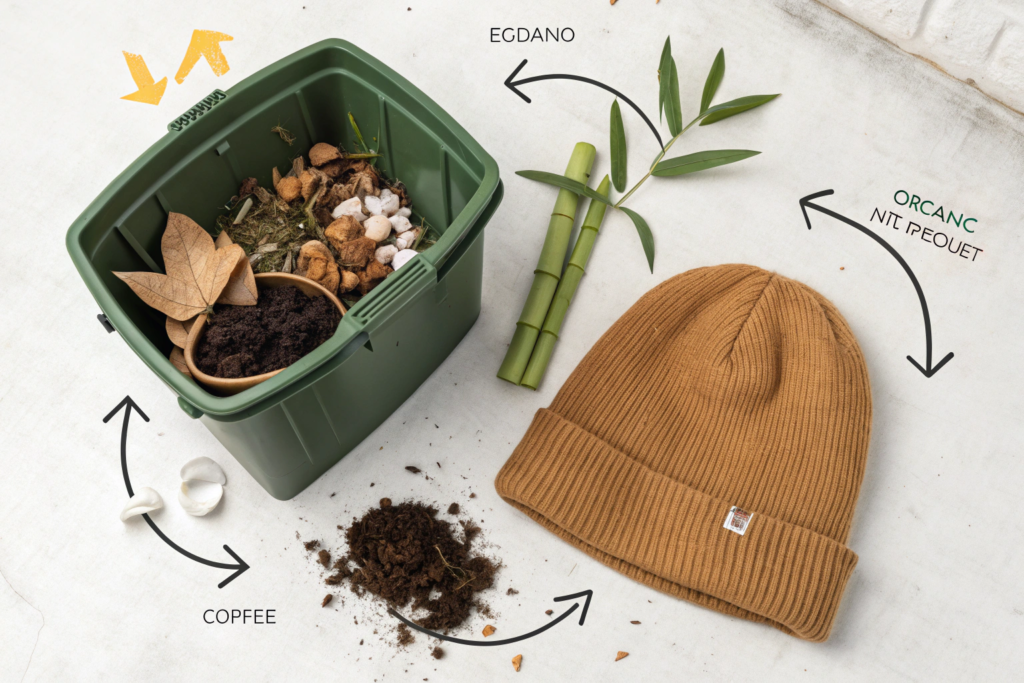
As a cellulose-based fiber, pure bamboo viscose and lyocell are biodegradable and compostable under the right conditions. In an industrial composting facility, they will break down much faster than synthetic fibers like polyester, which can linger for hundreds of years. This means a worn-out 100% bamboo beanie can ultimately return to the earth without leaving microplastic pollution. However, this ideal scenario depends on the garment's purity. If the bamboo is blended with synthetic fibers or treated with chemical dyes and finishes, its biodegradability is compromised. This highlights the importance of holistic design for disassembly: using minimal, compatible materials and natural dyes to ensure the product can be cleanly recycled or composted at the end of its useful life.
For brands, this presents both a responsibility and a marketing opportunity. Designing headwear with end-of-life in mind—such as creating mono-material hats or easily separable components—future-proofs the product. Brands can also implement or partner with take-back programs, where old hats are collected and either composted industrially or mechanically recycled into new fibers. Communicating this closed-loop vision to consumers strengthens brand loyalty among environmentally aware customers. It moves sustainability from a material attribute to a core brand promise, encompassing design, use, and renewal.
Is bamboo fabric truly biodegradable?
Yes, but with important caveats. 100% bamboo lyocell or viscose fabric is inherently biodegradable because it is made from plant cellulose. In a controlled composting environment, it will decompose within a few months to a couple of years. However, common blends with synthetic fibers (e.g., bamboo-polyester), chemical dyes, and durable water repellent (DWR) finishes can severely inhibit or prevent biodegradation. For a product to be legitimately marketed as compostable, it must be designed for it from the outset. Brands should clearly label care and disposal instructions to guide consumers toward the most sustainable end-of-life option, whether that is industrial composting, recycling, or donation.
Can bamboo hats be recycled?
Recycling feasibility depends on the material mix. Pure bamboo fabric can be mechanically recycled (chopped and re-spun) into new yarns, though this process shortens fiber length and is less common. Blended fabrics are more challenging to recycle effectively as fibers must be separated. The most pragmatic approach for brands today is to design for durability to extend the product's first life, and then explore commercial partnerships with textile recycling innovators who can process post-consumer blends. The industry is moving toward better recycling technologies, and early-adopter brands that build these relationships now will be ahead of the curve as regulations around extended producer responsibility (EPR) tighten.
Conclusion
Bamboo fabric presents a compelling, multi-faceted case as a sustainable choice for headwear. Its journey—from a fast-growing, low-impact grass to a high-performance, biodegradable textile—offers tangible benefits at every stage: environmental regeneration at the farm, efficient processing with responsible management, superior comfort and function for the wearer, and a gentler end-of-life return to the ecosystem.
For brands, adopting bamboo is more than a material switch; it's an opportunity to tell a deeper story of innovation and responsibility. It requires careful partner selection to ensure supply chain integrity, from certified sustainable bamboo sources to transparent, clean manufacturing processes. By marrying bamboo's natural advantages with thoughtful design—such as strategic blends for structure and a plan for product afterlife—brands can create headwear that is not just eco-friendly, but also desirable, durable, and genuinely better.
If you are looking to develop a line of sustainable, high-performance headwear that leverages the remarkable qualities of bamboo fabric, we are here to help. At Shanghai Fumao Clothing, we source certified bamboo materials and utilize responsible manufacturing processes to create headwear that aligns with your brand's values and your customers' expectations for quality and comfort. Let's craft the future of headwear together. Contact our Business Director, Elaine, to begin: elaine@fumaoclothing.com.