As winter approaches, consumers and retailers are rethinking their seasonal staples. Once dominated by synthetic materials and conventional cotton, the winter accessories market is seeing a clear shift. Disappointment with itchy, non-breathable gloves that harm the environment is driving change. People now seek warmth that aligns with their values—comfort, health, and sustainability—without compromising on performance.
Organic cotton gloves have risen as a essential winter item because they directly address modern consumer demands for eco-friendly materials, skin-friendly comfort, and ethical production. They provide superior breathability and hypoallergenic properties compared to conventional gloves, making them a healthier choice for sensitive skin and a responsible choice for the planet. Their growing necessity is fueled by increased environmental awareness, stricter regulations on sustainable products, and a collective move towards conscious consumption in the fashion industry.
This trend isn't just a passing fad. Let's explore the key reasons behind the surge in demand for organic cotton gloves and why they are securing a permanent place in winter wardrobes and store inventories.
What Makes Organic Cotton Gloves Skin-Friendly and Hypoallergenic?
For many, winter brings dry, irritated skin, and traditional gloves can make it worse. Conventional cotton farming often uses pesticides and chemicals that can leave residues in the fibers, leading to itching and allergic reactions, especially for those with eczema or sensitive skin. The discomfort of scratchy, non-breathable gloves is a common winter pain point.
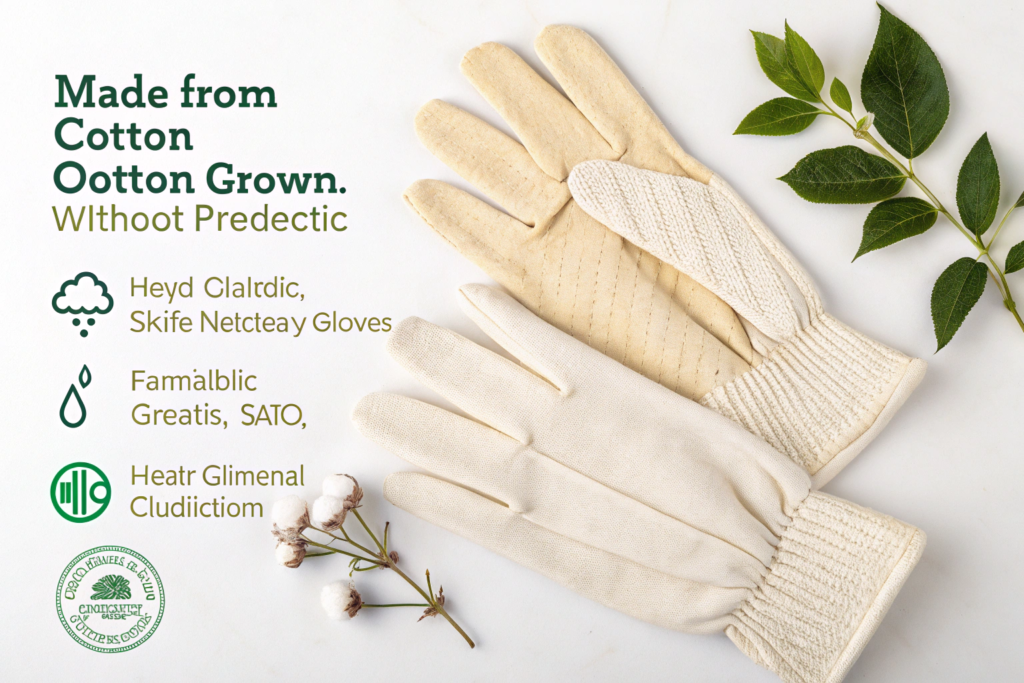
Organic cotton gloves offer a pure solution. They are made from cotton grown without toxic pesticides, synthetic fertilizers, or GMO seeds. This results in fibers that are naturally softer and free from harsh chemical residues. The manufacturing process for organic textiles also typically avoids chlorine bleaches and heavy metal dyes, further reducing the risk of skin irritation. The natural breathability of cotton allows air to circulate, preventing the sweaty, clammy feeling that can exacerbate skin issues. For retailers and brands, offering such hypoallergenic accessories meets a growing demand for health-conscious products and builds customer loyalty through trust and comfort.
How Does the Absence of Chemicals Benefit Sensitive Skin?
The skin is our largest organ and can absorb residues from fabrics. Conventional cotton accounts for a significant portion of global pesticide use. Traces of these chemicals, like formaldehyde or ammonia used in processing, can remain in the final fabric. Organic certification, such as the Global Organic Textile Standard (GOTS), guarantees that from field to finished product, strict ecological and social criteria are met. This means the organic cotton fibers in your gloves are gentler. For children's gloves or those for healthcare workers who wear them for long periods, this chemical-free assurance is not just a luxury but a necessity for maintaining skin health.
Why is Breathability Key to Winter Comfort and Skin Health?
Warmth shouldn't mean suffocation. True comfort in winter wear comes from insulation that manages moisture. When hands sweat inside a non-breathable glove, moisture gets trapped, cooling the skin and potentially causing chapping or fungal issues. Organic cotton's natural fiber structure wicks moisture away from the skin while allowing air exchange. This thermoregulation keeps hands dry and at a stable temperature. Compared to many synthetic thermal linings, organic cotton provides warmth without the plastic-like, non-breathable feel, making it ideal for both outdoor activities and indoor wear where heating can dry the air.
How Do Organic Cotton Gloves Support Sustainable Fashion?
The fashion industry is a major contributor to environmental pollution, and consumers are increasingly voting with their wallets. They are rejecting the "fast fashion" model that leads to waste and seeking durable, responsibly made products. A winter accessory might seem small, but collective choices have a massive impact.
Choosing organic cotton gloves is a tangible step toward sustainable fashion. Organic farming practices promote biodiversity, improve soil health, and use significantly less water than conventional methods because healthy soil retains water better. Furthermore, it prohibits GMOs and toxic runoff that pollutes waterways. For brands and buyers, this means each pair of gloves represents a lower environmental footprint. By sourcing such products, businesses align with the United Nations Sustainable Development Goals and cater to the values of a growing eco-conscious market segment, turning a simple winter necessity into a statement of ethical responsibility.
What is the Environmental Impact of Organic vs. Conventional Cotton Farming?
The difference is profound. Conventional cotton farming is notoriously resource-intensive. According to the Textile Exchange, organic cotton cultivation can reduce water consumption by up to 91% and significantly lower carbon emissions by relying on natural fertilizers and crop rotation instead of petroleum-based inputs. It also enriches the soil rather than depleting it. When you choose a glove made with certified organic cotton, you are directly supporting farming systems that conserve ecosystems, protect farmer health, and foster biodiversity. This makes the product's lifecycle, from field to your hands, much cleaner.
How Does Durability Contribute to a Circular Economy?
Sustainability is also about longevity. Organic cotton fibers are often stronger and more resilient because they are not weakened by harsh chemicals during growth. This means well-made organic cotton gloves can withstand more washes and wear, lasting several seasons instead of being discarded after one. This durability is a core principle of the circular economy, which aims to eliminate waste. By investing in higher-quality, longer-lasting accessories, consumers reduce the volume of textile waste, and brands build a reputation for quality. It’s a shift from disposable seasonal items to treasured, reusable ones.
Why Are Brands and Retailers Shifting to Organic Accessories?
The market drive is clear. What was once a niche segment is now mainstream, driven by consumer demand and the opportunity for brand differentiation. Retailers, from large supermarkets to boutique online stores, are expanding their organic product lines to stay competitive and meet stringent buyer criteria for ethical sourcing.
Stocking organic cotton gloves is a smart business strategy. Firstly, it taps into the powerful health and wellness trend, attracting customers who prioritize natural products. Secondly, it future-proofs the business against tightening regulations on sustainable claims and supply chain transparency. Thirdly, it allows for compelling storytelling. Brands can share the narrative of the gloves' origin—from the organic farms to the fair-wage factories—creating an emotional connection that generic products cannot. This builds brand loyalty and allows for a premium pricing strategy that conscious consumers are willing to accept, improving margins while doing good.
How Does Organic Certification Simplify B2B Sourcing Decisions?
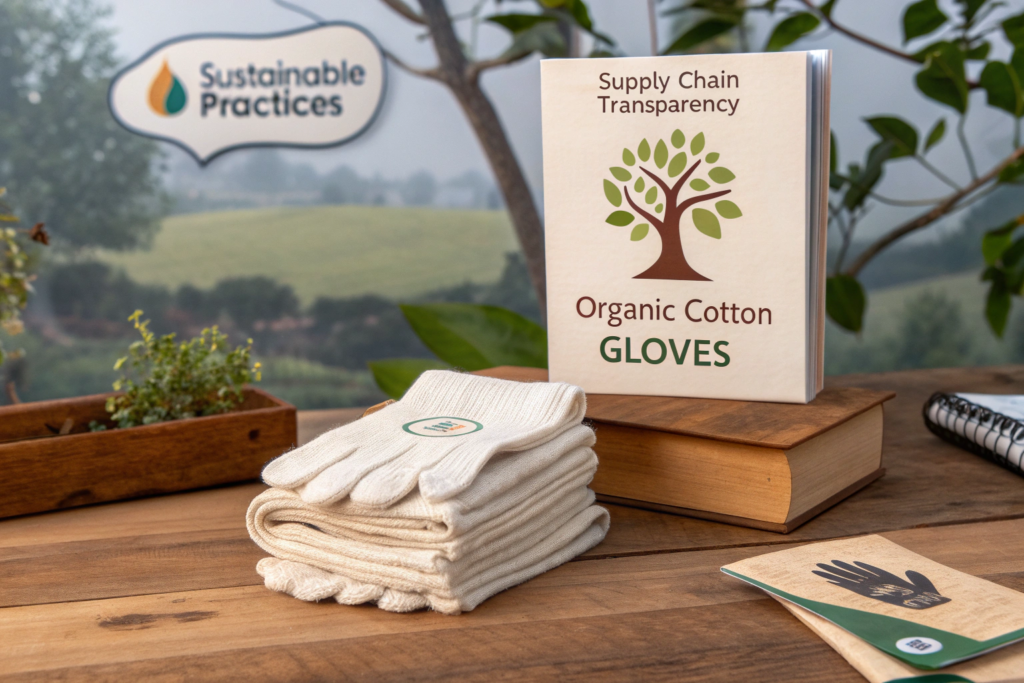
For professional buyers like Ron, certification is a trusted shortcut. Sourcing involves vetting countless suppliers for claims of sustainability. Reputable third-party certifications like GOTS or OEKO-TEX Standard 100 provide immediate, verifiable proof of a product's organic and non-toxic status. When a manufacturer like Shanghai Fumao Clothing provides these certificates, it streamines the supplier qualification process. It assures the buyer that the gloves meet internationally recognized environmental and social benchmarks, reducing due diligence time and mitigating risk. This is crucial for major supermarkets and brands whose reputations depend on the integrity of their supply chains.
What Market Trends Are Driving This Shift in Winter Accessories?
Several key trends converge here. The rise of the "conscious consumer" is primary. People are researching more and demanding transparency. Secondly, the "less is more" minimalist trend favors versatile, high-quality staples over cheap, trendy items. A well-made pair of organic gloves fits this perfectly. Thirdly, the growth of e-commerce for fashion accessories allows niche sustainable products to find a global audience. Finally, corporate sustainability pledges are pushing large retailers to set bold goals for incorporating organic materials into their assortments, creating a steady and growing B2B demand that forward-thinking factories are poised to fulfill.
How to Source High-Quality Organic Cotton Gloves Efficiently?
Finding a supplier who can deliver on the promise of true organic quality at a viable commercial scale is the final challenge. Concerns about supply chain reliability, cost fluctuations, and order minimums can deter businesses from making the switch.
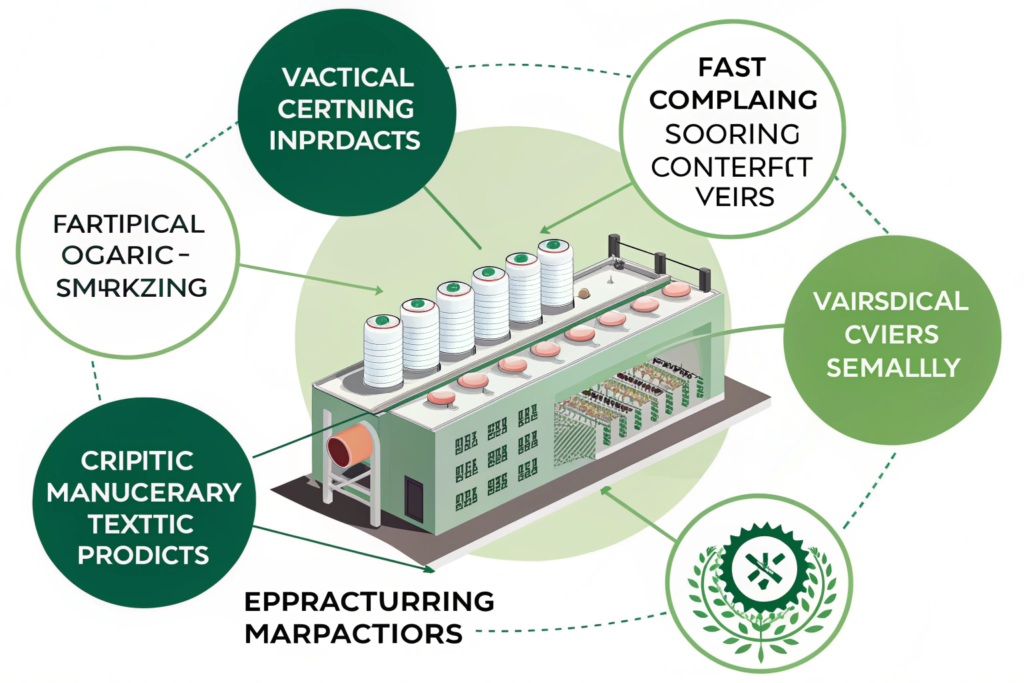
Efficient sourcing hinges on partnering with a manufacturer that has vertically integrated control over the process, from sourcing certified organic yarn to production. Key points to evaluate include the supplier's own GOTS certification for manufacturing, their sampling speed with the correct materials, and their ability to provide transparent pricing that includes all certifications. A reliable factory will have established relationships with certified organic farms and spinners, ensuring material traceability. They should also offer a range of customization options—such as knit patterns, embroidery, and packaging—to make the product uniquely yours, all while maintaining organic compliance from start to finish.
What Should You Verify in a Supplier's Organic Certification?
Never take a claim at face value. Request to see the actual GOTS or equivalent certificate, and check its validity period and scope. The certificate should cover the processing and manufacturing stage, not just the raw fiber. A reputable supplier like Shanghai Fumao Clothing will transparently provide this. Also, inquire about their chain of custody documentation, which tracks the organic material through every step of production. This verification ensures that your gloves are genuinely organic, protecting your brand from accusations of greenwashing and ensuring you get the product you are paying for.
How Can an Experienced Manufacturer Ensure Consistent Quality and Supply?
Organic cotton can have more natural fiber variation than conventional cotton. An experienced manufacturer knows how to work with these characteristics to produce consistent, high-quality knit or woven goods. They have the technical expertise to control knitting density for optimal warmth and durability. Furthermore, they manage inventory planning for organic yarns, which may have longer lead times, to ensure your production schedule is not delayed. Their quality control for organic products includes checks for consistency in dyeing (using low-impact dyes) and ensuring that no prohibited chemicals are used in any finishing processes. This end-to-end management is what turns the challenge of sourcing organic into a smooth, reliable operation.
Conclusion
Organic cotton gloves have evolved from a niche eco-product to a winter necessity due to a powerful combination of personal health benefits and global environmental urgency. They offer unmatched comfort for sensitive skin, represent a tangible commitment to planetary health, and meet the rigorous demands of today's ethical marketplace. For businesses, they are no longer just an inventory item but a strategic product that aligns with consumer values and future industry standards.
The shift towards sustainable essentials is permanent. Sourcing them intelligently is the next step. If you are a brand, retailer, or buyer looking to develop or source high-quality, certified organic cotton gloves or any other eco-friendly fashion accessories, partnering with a knowledgeable manufacturer is key. At Shanghai Fumao Clothing, we specialize in producing premium organic accessories with clear traceability and reliable delivery. To discuss incorporating organic cotton gloves into your winter collection, contact our Business Director, Elaine, at elaine@fumaoclothing.com. Let's work together to meet the demand for winter warmth that feels good and does good.