Have you ever examined the edge of a high-end silk scarf from a brand like Hermès or Chanel? You won't find a flat, machine-stitched seam. Instead, you'll discover a tiny, plump, and slightly irregular rolled edge, held in place by minuscule, almost invisible stitches. This is the hand-rolled hem, and it is the undisputed hallmark of a luxury scarf. But in an age of high-speed machinery, why do top brands insist on this slow, laborious, and expensive manual technique?
Why do luxury brands prefer hand-rolled hems? They choose this method because it represents the pinnacle of craftsmanship, creates a superior aesthetic drape and finish, serves as a clear, tangible signifier of quality to discerning customers, and powerfully reinforces the brand's own narrative of heritage and artistry. As the owner of Shanghai Fumao Clothing, I see the hand-rolled hem not just as a sewing technique, but as the final, defining touch that transforms a beautiful piece of fabric into a true work of art.
Is it just an old-fashioned indulgence, or is it a strategic choice that adds real value? Let's explore the four key reasons behind this commitment to craftsmanship.
How Does It Embody a Commitment to Craftsmanship?
In the world of luxury, what is the ultimate currency? It's not just design; it's craftsmanship. A luxury brand's reputation is built on a foundation of unparalleled skill, attention to detail, and the human touch. The hand-rolled hem is perhaps the purest expression of this ethos in a scarf.
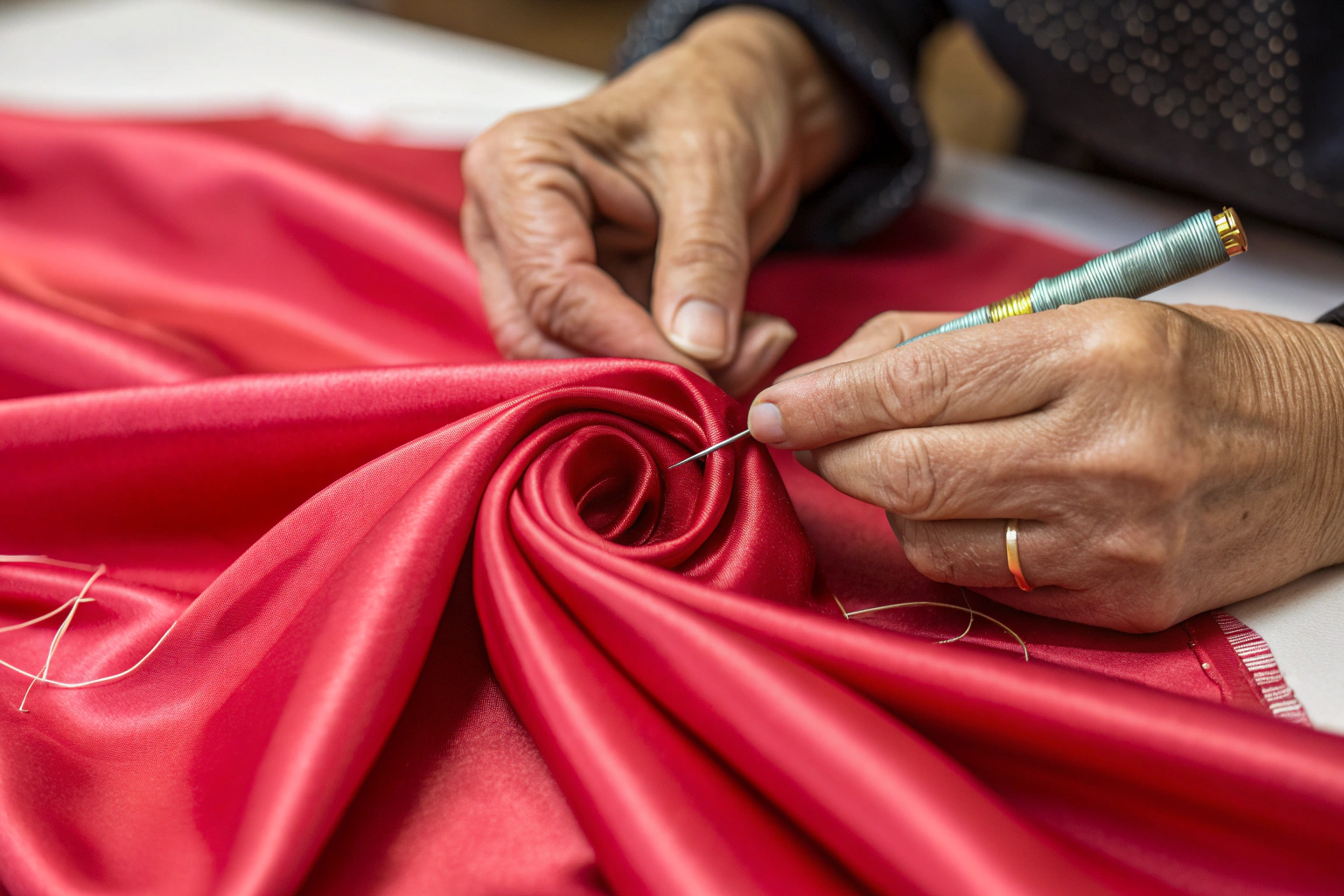
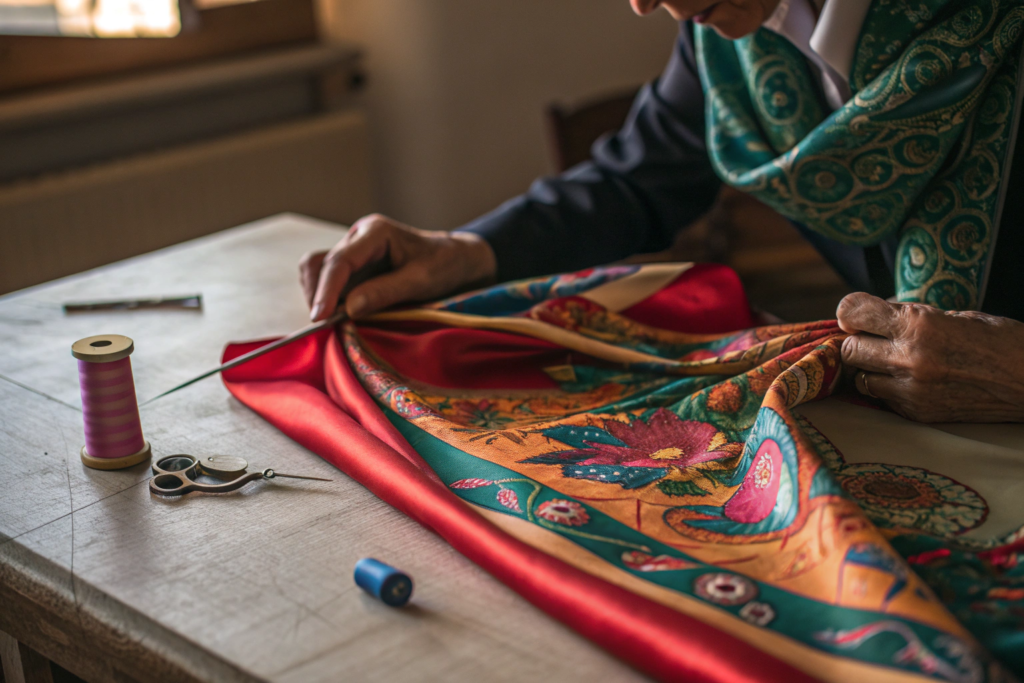
Think about the process. A skilled artisan must meticulously roll the very edge of the delicate silk fabric into a tiny, tight cylinder (about 1-2mm thick) and then secure it with a series of precise, slanted stitches, each one made by hand. A single scarf can take an expert anywhere from 30 to 90 minutes to finish. This is the polar opposite of a machine that can hem a scarf in seconds.
By choosing this method, isn't a brand making a powerful statement that they prioritize human skill over machine efficiency? It's a tangible demonstration of their commitment to creating an object of art, not just a product.
What Makes the Technique So Difficult?
Why does this require so much skill? The artisan must maintain a perfectly consistent roll thickness and stitch spacing along the entire perimeter of the scarf. This is especially difficult on slippery, lightweight fabrics like silk twill or chiffon. The tension of the thread must be perfect—too tight and the edge will pucker; too loose and the roll will sag. It's a skill that takes years to master, making the artisans who can do it highly valued, much like the artisans who work on other high-end goods like premium leather gloves.
How Does This Connect to a Brand's Heritage?
Doesn't this technique tell a story of tradition? Yes. For many historic luxury houses, hand-hemming is a legacy technique that has been passed down through generations. By continuing to use it, they are honoring their own history and reinforcing their brand's narrative of timeless quality and heritage. It connects the modern product directly to the brand's artisanal roots, a story that is central to the appeal of luxury goods.
Does a Hand-Rolled Hem Create a Superior Aesthetic?
Beyond the symbolism, does a hand-rolled hem actually look better? To the trained eye, the difference is dramatic. The technique creates a unique finish that is both visually appealing and functionally superior.
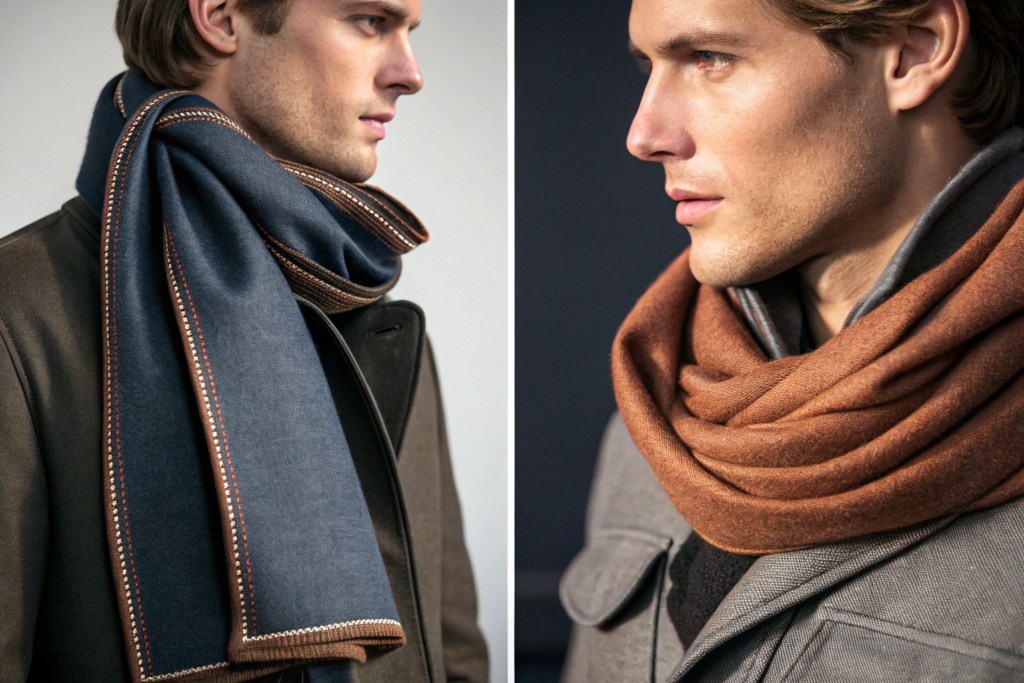
The hand-rolling process creates a small, plump, three-dimensional edge that frames the scarf beautifully. It has a soft, organic quality that a hard, flat machine-stitched hem can never replicate. This plump edge adds a subtle weight to the perimeter of the scarf, which has a significant impact on how the scarf hangs and drapes when worn.
How Does It Affect the Drape?
How does a tiny roll change the way the scarf hangs? The slight extra weight provided by the rolled edge helps the lightweight silk to hang more gracefully and resist fluttering too much in the wind. When tied, the plump edges create a more substantial and luxurious-looking knot. It's a subtle detail that contributes to a much more elegant overall look, a key consideration for any formal accessory.
Why is the "Front-Side" Rolling Important?
Have you noticed which way the hem is rolled? On a high-quality scarf, the hem is always rolled from the back side of the fabric to the front side. This means that when you look at the "good" side of the scarf, you see the beautiful, clean, plump roll. The tiny, functional stitches are hidden on the back. This is a deliberate choice to present the most beautiful face of the craftsmanship forward, a detail that is a core part of our quality control philosophy.
Why is it a Clear Signifier of Quality for Consumers?
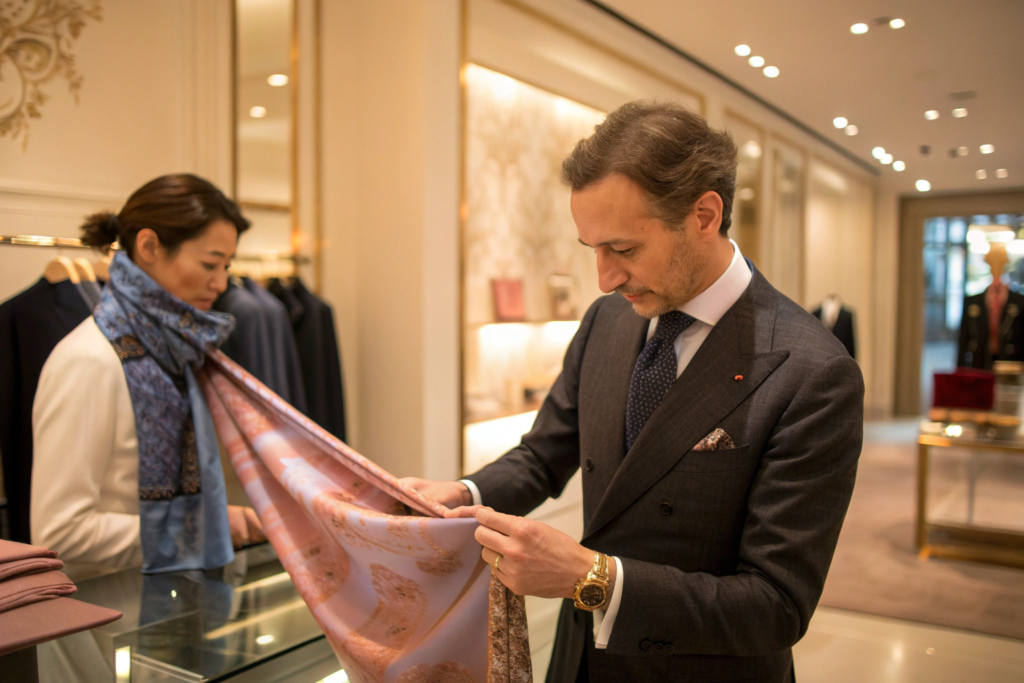
For a customer investing a significant amount of money in a scarf, how can they quickly assess its quality? They can look at the hem. The hand-rolled hem has become a globally recognized signal of luxury and authenticity.
Discerning consumers, collectors, and fashion enthusiasts are taught to look for this specific detail. It's a tangible, easy-to-identify feature that instantly separates a high-end scarf from a mass-market one. In a market flooded with counterfeits, the slight irregularity and visible human touch of a hand-rolled hem can be a key indicator of a genuine, high-quality product.
How Does This Justify a Higher Price Point?
Can this detail really command a higher price? Yes. The visible craftsmanship allows the customer to see and feel where their money is going. They are not just paying for a piece of printed silk; they are paying for the time, skill, and artistry of the person who finished it. This helps to justify the premium price point that luxury goods command. It shifts the conversation from "cost" to "value" and "investment."
How Does it Build Trust?
Doesn't this attention to detail build confidence in the brand? When a customer sees that a brand has invested in such a time-consuming detail for the edge of the scarf, it gives them confidence that the same level of care was applied to every other aspect of the product—from the quality of the silk to the artistry of the print design. It's a proxy for the brand's overall commitment to excellence.
How Does It Enhance the Scarf's Durability and Longevity?
Beyond aesthetics and symbolism, is there a practical benefit to the hand-rolled hem? Yes. While it may look delicate, a well-executed hand-rolled hem is surprisingly strong and contributes to the scarf's longevity.
The process of rolling the fabric encases the raw edge, preventing it from fraying over time. The manual stitches, made with strong silk or cotton thread, are flexible and have a bit of "give." This allows them to withstand the pulling and stretching that occurs when a scarf is tied and worn, often better than a rigid, locked machine stitch that can be more prone to snapping under stress.
Why is it Better for Delicate Fabrics?
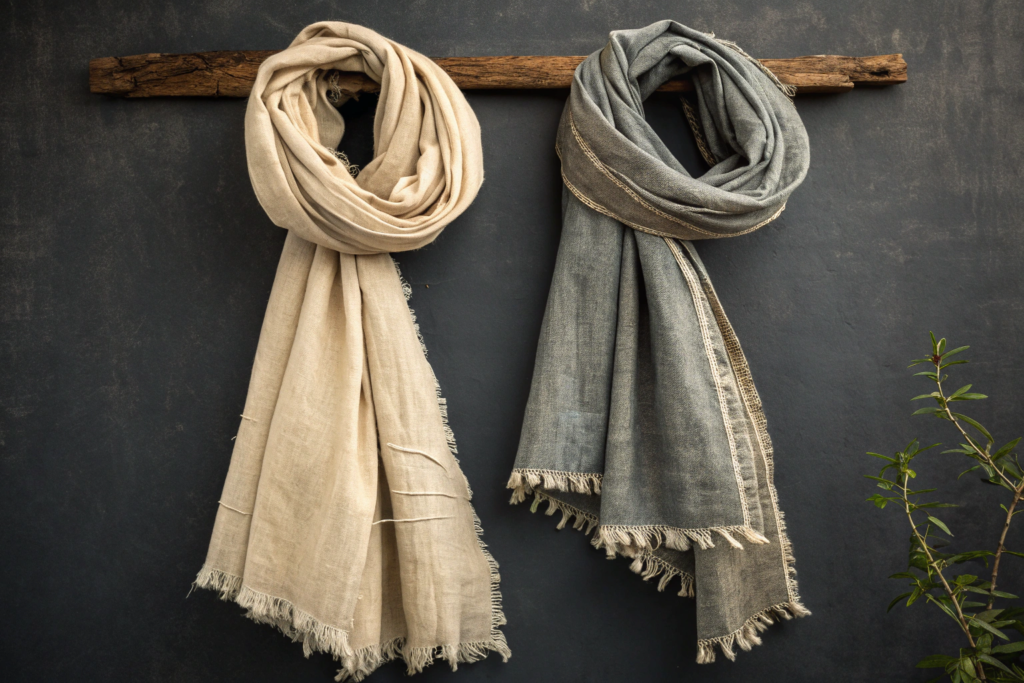
Why is this method so well-suited for silk? Lightweight, delicate fabrics like silk chiffon and twill are notoriously difficult to work with. A sewing machine can easily snag, pull, or stretch these fabrics, creating puckered and uneven hems. The gentle, controlled touch of a human hand can manipulate the delicate fabric with a level of finesse that a machine cannot match, resulting in a smoother, more flawless finish that respects the integrity of the material.
How Does it Allow for Easier Repairs?
What if the hem ever does get damaged? A hand-stitched hem can be repaired by a skilled tailor. The damaged stitches can be removed and redone by hand. A machine-stitched hem, especially a serged edge, is much more difficult, and often impossible, to repair without leaving a visible mark. This repairability contributes to the idea of the scarf as a "forever piece" or a potential heirloom.
Conclusion
So, why do luxury brands insist on the hand-rolled hem? Is it merely a nod to tradition? No. It is a deeply strategic choice that pays dividends on multiple levels.
It is a powerful symbol of uncompromising craftsmanship and a direct link to a brand's artisanal heritage. It creates a superior aesthetic, enhancing the scarf's drape and beauty. It serves as a clear and trusted signifier of quality for discerning customers. And it provides a durable, long-lasting finish that protects the investment for years to come.
The hand-rolled hem is the quiet, confident signature of true luxury. It's a testament to the belief that in a world of speed, the value of taking one's time has never been higher.
While it is a specialized and costly process, we have the skilled artisans capable of executing this beautiful technique. If you are looking to create a truly luxurious scarf for your brand, we are ready to help you with this exquisite finishing touch. Please contact our Business Director, Elaine, at her email: elaine@fumaoclothing.com.