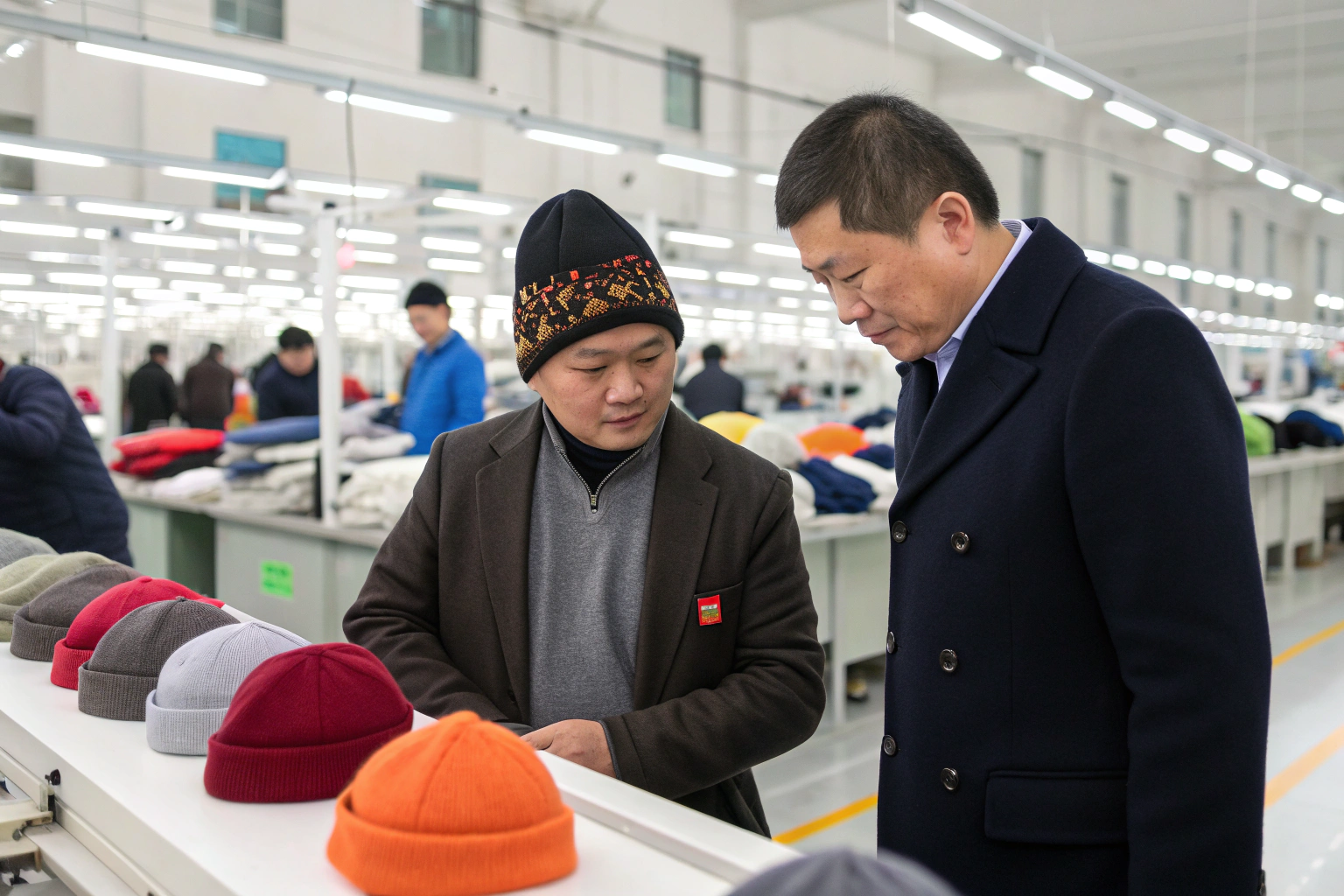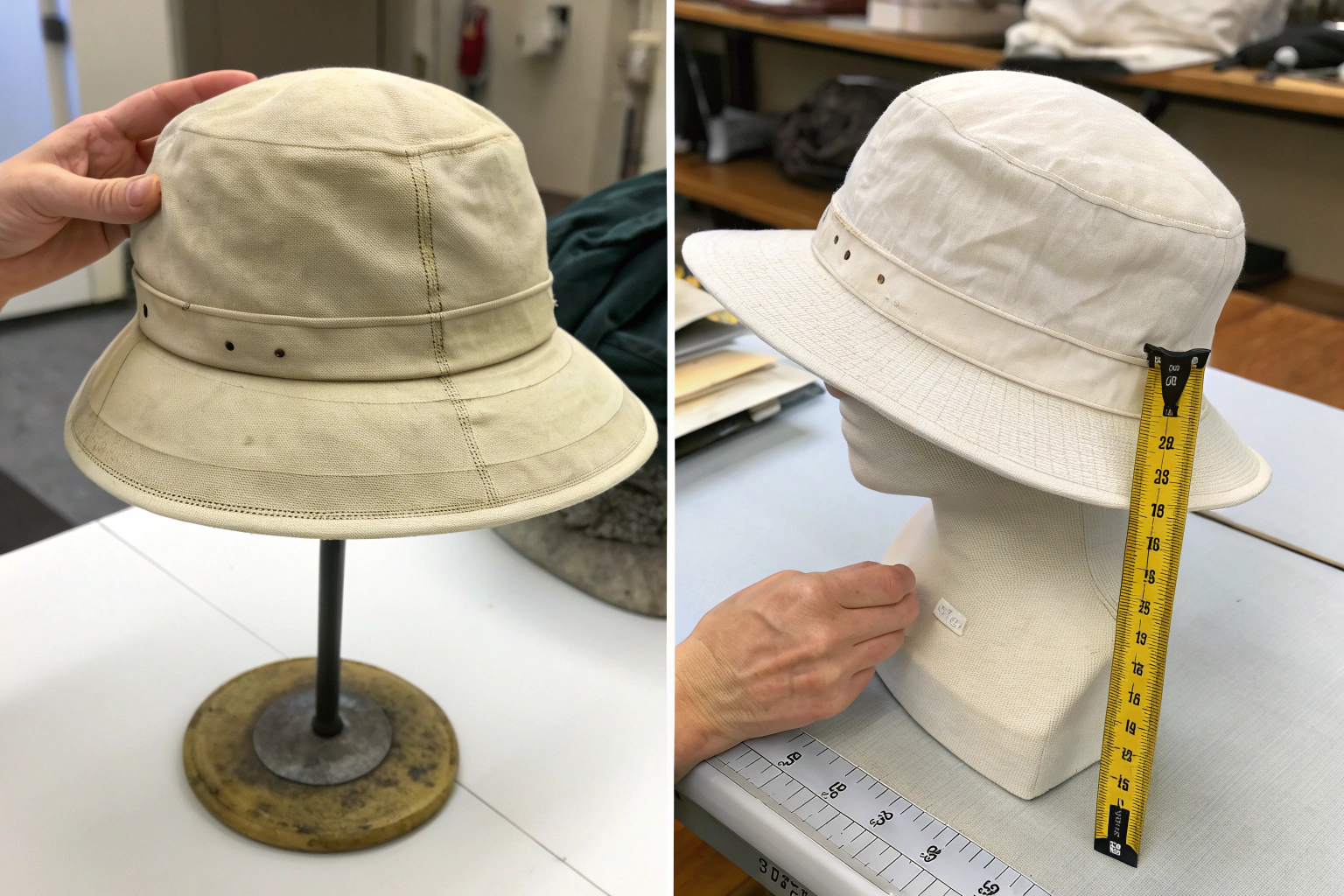
You've finalized the perfect hat design with a supplier. The sample arrives, and it looks flawless. You place a bulk order, but when the shipment lands, you notice a problem: the hats have shrunk, the colors have faded unevenly, or the fabric feels stiffer than the sample. Now you're facing customer complaints, potential returns, and a tarnished brand reputation. This common, costly nightmare is precisely why savvy buyers are increasingly making one non-negotiable demand: pre-washed fabrics.
Buyers request pre-washed fabrics for hats to eliminate post-production shrinkage, ensure consistent sizing, achieve a desired soft hand-feel from the first wear, and lock in colorfastness before the product reaches the consumer. This proactive manufacturing step de-risks the entire supply chain by simulating the effects of consumer laundering in a controlled factory environment, guaranteeing that the final product is stable, comfortable, and true to its advertised specifications. As a manufacturer, we at Shanghai Fumao Clothing have integrated pre-washing as a standard protocol for many of our knit and woven hat lines because it directly translates to higher customer satisfaction and fewer quality disputes.
Let's delve into the specific problems pre-washing solves and how this critical process protects both your investment and your brand's integrity.
What Problems Does Pre-Washing Solve in Final Products?
The core issue is that most natural fibers (like cotton) and some synthetics are not dimensionally stable in their raw, greige state. Fabrics undergo significant stresses during weaving, dyeing, and finishing, which leave internal tensions. When a consumer washes a hat for the first time, these tensions release, causing unpredictable changes. Pre-washing is the controlled release of these tensions before the hat is even cut and sewn.
Pre-washing solves three critical final-product problems: unpredictable shrinkage that ruins sizing, post-wash distortion or misshaping, and residual chemicals or stiffness that affect comfort and safety. Imagine a fitted baseball cap that shrinks a full size after one wash—it becomes unwearable. A beanie might become lopsided. Furthermore, fabrics straight from the mill often contain sizing agents, starches, or formaldehyde (used for anti-wrinkle finishes) that can cause skin irritation. Pre-washing removes these, delivering a hat that is safe, soft, and ready-to-wear straight out of the package, which is a major selling point for brands marketing comfort and quality.
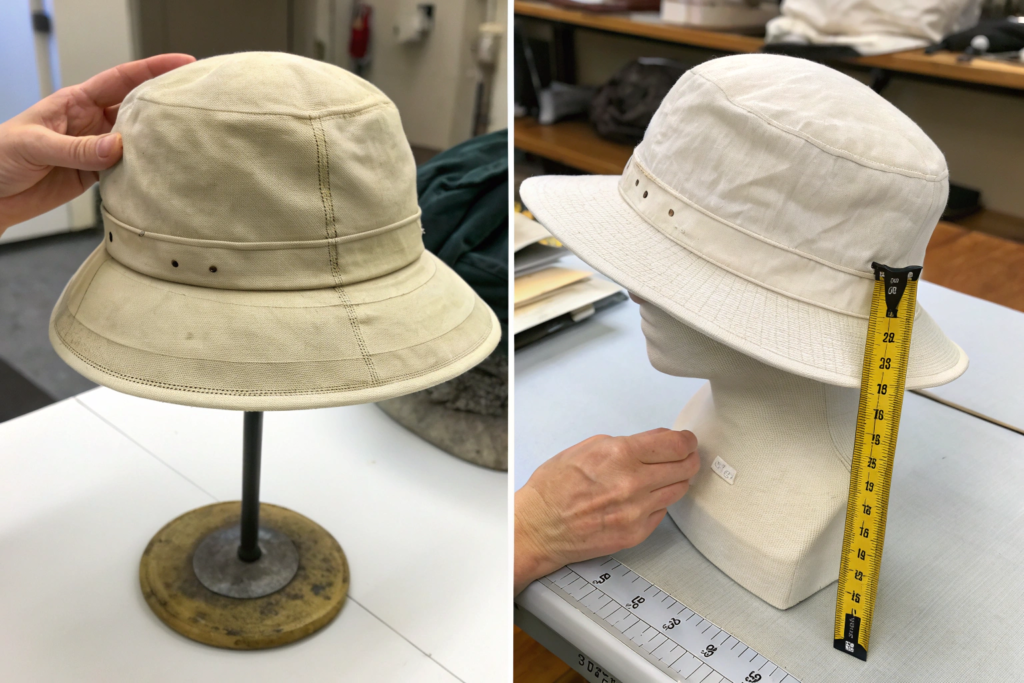
How Much Shrinkage Can Occur Without Pre-Washing?
Shrinkage is measured as a percentage of the original dimensions. Without pre-treatment, common materials can shrink significantly:
- 100% Cotton: Can shrink 5-8% in length and width. For a hat with a 58cm head circumference, that's a loss of nearly 3-4.5cm—enough to change the fit from "comfortable" to "too tight."
- Cotton Blends (e.g., 65% Polyester, 35% Cotton): More stable, but can still shrink 2-4%.
- Wool & Wool Blends: Prone to felting shrinkage, which is irreversible and can be as high as 10-15% if washed improperly, caused by fiber scales locking together.
These percentages are not abstract; they directly correlate to a high rate of customer returns for sizing issues. Industry standards, such as those from the American Association of Textile Chemists and Colorists (AATCC), provide formal test methods (like AATCC 135) to measure dimensional change, and pre-washing is the factory's method of passing this test before production even begins.
Why Does Hand-Feel and Safety Matter?
The hand-feel—how a fabric feels to the touch—is a primary driver of perceived quality. A stiff, crisp new cotton hat feels cheap and requires a "break-in" period. A pre-washed hat feels soft, lived-in, and premium immediately. This is crucial for products like beanies and slouch hats marketed on comfort. From a safety standpoint, residual chemicals are a real concern, especially for items worn directly on the head and skin. Pre-washing with controlled detergents and softeners removes these substances, ensuring the product complies with strict international safety regulations like OEKO-TEX® Standard 100, which limits harmful substances. This is a key compliance step we manage for our clients targeting markets in the EU and North America.
How Does the Pre-Washing Process Work in Manufacturing?
Pre-washing is not a simple home laundry cycle. It is an industrial-scale, precisely controlled technical process integrated into the fabric preparation stage. Done correctly, it ensures consistency across thousands of meters of fabric; done poorly, it can damage materials or cause inconsistent results. Understanding this process helps you evaluate a manufacturer's capability.
The industrial pre-washing process involves feeding bulk fabric through a continuous washing machine (like a paddle dyer or rotary washer) under controlled conditions of temperature, mechanical action, and chemical application, followed by precise drying and finishing to achieve a target residual shrinkage rate and hand-feel. At our facility, we don't just "wash and hope." We create a Pre-Wash Specification for each order, defining the wash temperature, cycle time, type of softener, and the target dimensional stability (e.g., "less than 3% residual shrinkage after one home wash"). The fabric is then tested after this process to confirm it meets the spec before being approved for cutting.
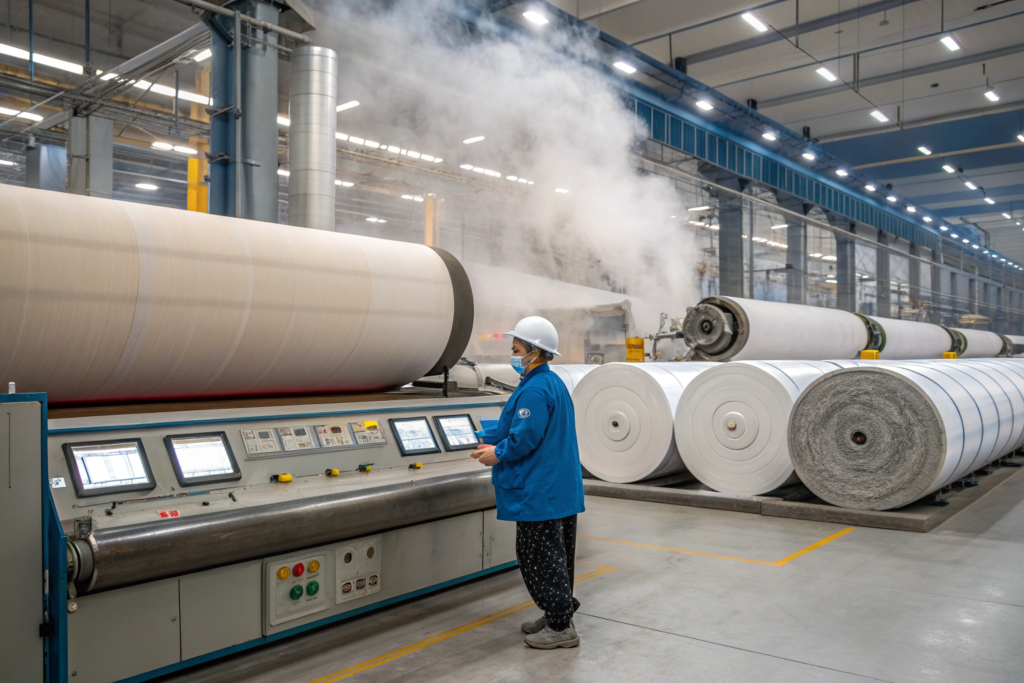
What Are the Key Control Points in the Wash Cycle?
Control is everything. The key parameters are:
- Temperature: Hot water (typically 60-90°C) is used for cotton to maximize shrinkage and remove impurities. Cooler washes are used for synthetics or to preserve certain finishes.
- Mechanical Action: The tumbling or beating action in the machine helps relax fibers. Too much can cause excessive pilling or wear; too little is ineffective.
- Chemicals: Mild industrial detergents remove oils and sizing. Fabric softeners or silicone-based agents are often added in the final rinse to impart the desired soft hand-feel.
- Drying Method: Tumble drying (simulating a consumer dryer) is crucial to induce and set shrinkage. The time and temperature are carefully controlled.
The entire process is designed to be repeatable and measurable, ensuring that Fabric Roll B performs identically to Fabric Roll A, which is the foundation of consistent bulk production.
How is Fabric Stabilized After Washing?
After washing and drying, the fabric must be stabilized for cutting. This involves a process called tentering. The damp fabric is fed through a machine that gently grips it along both edges (selvages) and stretches it widthwise to a specified dimension. It then passes through heated chambers to dry completely in this set position. This step removes wrinkles, ensures the fabric is on-grain (warp and weft threads are perpendicular), and sets the final width and shrinkage rate. The result is a flat, stable, and consistent fabric roll ready for precise pattern cutting. Without tentering, washed fabric can be skewed and difficult to work with, leading to wasteful cutting and misshapen panels.
What Are the Cost and Lead Time Implications?
Pre-washing adds steps, resources, and time to the production schedule. A buyer must understand these implications to make informed decisions and plan accurately. While it represents an upfront cost, it should be evaluated against the much higher potential costs of product failure.
Pre-washing adds 5-10% to the base fabric cost and extends the total production lead time by 7-14 days, depending on the fabric and factory capacity. This investment is justified by drastically reducing the risk of customer returns, replacement costs, and brand damage, which can far exceed the initial premium. When you request a quote from a manufacturer, a line item for "fabric pre-shrinking/pre-washing" should be clearly stated, not hidden. A transparent partner will explain this cost. For example, a hat made with pre-washed fabric might cost $0.30 more per unit, but it prevents a potential $15 return and reshipping cost, plus the loss of a customer.
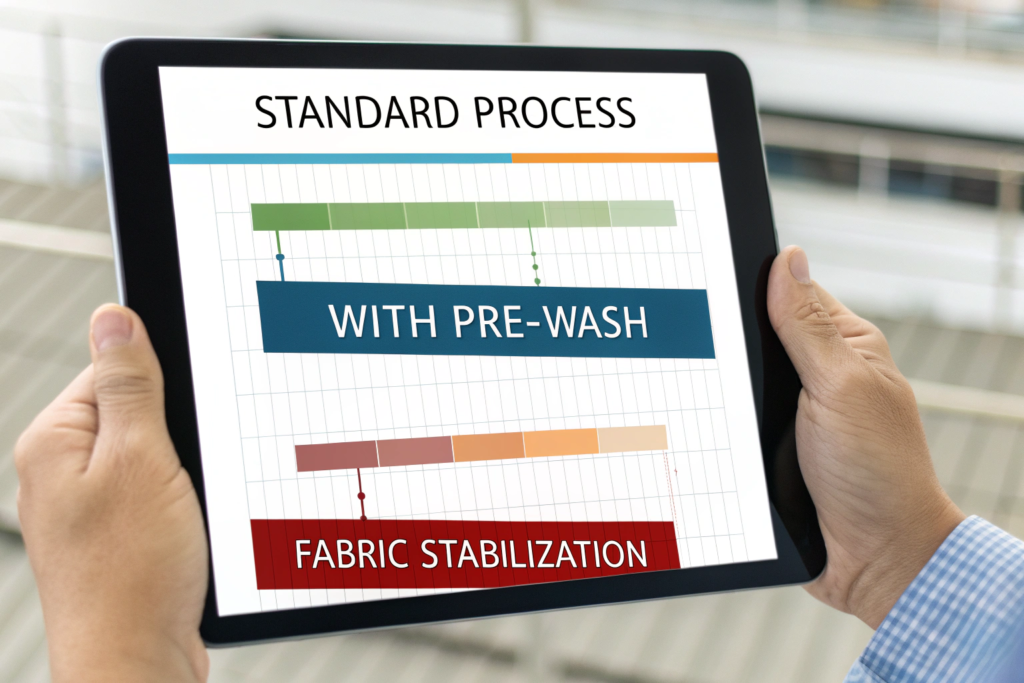
How to Evaluate the ROI of Pre-Washing?
The Return on Investment (ROI) is calculated by weighing the Cost of Prevention against the Cost of Failure.
- Cost of Prevention: Added fabric cost + extended holding time.
- Cost of Failure: Includes customer service time, refund/replacement costs, lost future sales from negative reviews, and discounted sale of defective inventory.
For branded products sold at a premium, where reputation is everything, the cost of failure is immense. A single batch of shrinking hats can lead to a flood of 1-star reviews online. Therefore, for most fashion and quality-focused brands, the ROI of pre-washing is overwhelmingly positive. It is a fundamental form of quality assurance that pays for itself.
Can You Skip Pre-Washing for Certain Fabrics?
Yes, pre-washing is not always mandatory. It is most critical for:
- Natural Fibers: Cotton, linen, wool.
- Blends with High Natural Fiber Content.
It can often be skipped for: - Stable Synthetics: 100% polyester or nylon fabrics that are inherently low-shrink.
- Pre-Sanforized or Mercerized Cotton: These fabrics have undergone industrial stabilization processes. However, they may still benefit from a wash to improve hand-feel.
- Non-Washable Items: Some structured hats (like straw or heavy felt) are labeled "spot clean only," so pre-washing is irrelevant.
Your manufacturer should advise you based on the specific material specification. At Shanghai Fumao Clothing, we guide clients through this decision, providing test wash results to support our recommendation.
How Does This Relate to Overall Garment-Dyed Trends?
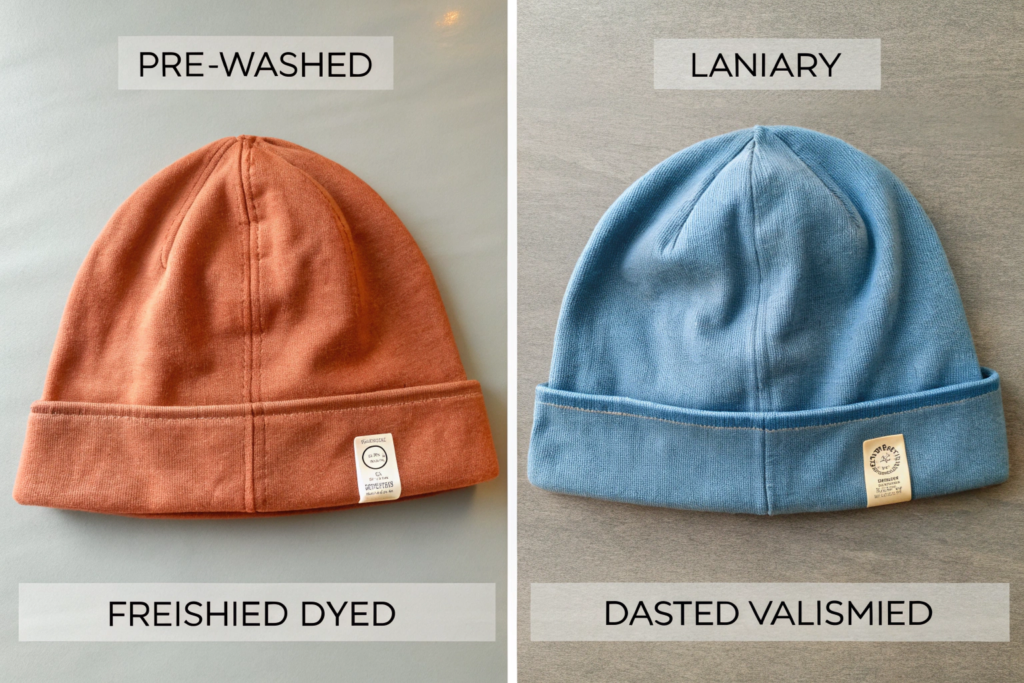
Pre-washing is part of a broader shift in manufacturing towards finished fabric states. Another significant trend is garment dyeing and garment washing, where the entire hat is sewn first from raw, un-dyed (greige) fabric and then dyed and washed as a complete product. This represents an even more advanced level of control over the final outcome.
Pre-washing fabric and garment-dyeing/washing are complementary quality-enhancing processes. While pre-washing stabilizes pre-dyed fabric, garment dyeing creates unique, vintage-inspired color effects and an exceptionally soft hand-feel because the entire constructed item is washed, allowing for more natural puckering and texture. Garment dyeing is famous for the "lived-in" look popular in casual hats. However, it is a higher-cost, higher-skill process with less color consistency from piece to piece (which is part of its charm). Pre-washing is the more standardized, reliable method for achieving consistent color and size in volume orders.
When Should a Buyer Consider Garment Dyeing?
Consider garment dyeing if your brand aesthetic targets:
- Vintage or Workwear Styles: Where slight color variation and a broken-in feel are desirable.
- Small-Batch or Premium Collections: Where the unique character of each piece can be marketed as an asset.
- Complex Color Blends: Achieving heather or speckled effects is easier through garment dyeing.
It requires close collaboration with a factory that has a dedicated and expert garment dyeing department, as the process affects thread, labels, and other components.
Why is a Wash Care Label Still Crucial?
Even with pre-washing, a correct care label is legally required and commercially essential. Pre-washing mitigates but does not eliminate future shrinkage. The label must instruct the consumer on how to maintain the product's quality (e.g., "Machine wash cold. Tumble dry low."). Furthermore, the label itself is proof of compliance with regulations like the Care Labeling Rule from the US Federal Trade Commission. The care instructions are based on the performance of the pre-washed fabric, giving the consumer the best chance of maintaining the item as intended.
Conclusion
Buyers request pre-washed fabrics for hats as a strategic investment in product integrity, customer satisfaction, and brand protection. It is a proactive manufacturing step that solves the predictable problems of shrinkage, distortion, and discomfort by stabilizing materials before they are ever cut. While it adds marginal cost and time to the production schedule, it prevents the exponentially larger costs associated with defective products and unhappy customers.
In today's market, where online reviews and brand trust are paramount, delivering a hat that is size-stable, colorfast, and comfortably soft from day one is a competitive advantage. It transforms a potential quality liability into a reliable product feature. As a manufacturer, we see this not as an extra service, but as a fundamental part of responsible production for quality-conscious brands.
If you want to ensure your hat collections are built on a foundation of stability and quality that your customers can trust, pre-washing is a non-negotiable step. Let's discuss how to integrate this process seamlessly into your next order.
Ready to produce hats that maintain their fit, feel, and color wash after wash? Contact our Business Director, Elaine, at elaine@fumaoclothing.com to discuss your next headwear project. Ensure your brand's reputation for quality is sewn into every stitch with Shanghai Fumao Clothing as your manufacturing partner.