"Should I work with a trading company, or go direct to the factory?" This is a question I hear all the time from importers and brand owners in the US and Europe. It's a major strategic decision, and I understand the hesitation. You've heard stories about communication barriers, quality control issues, and logistical nightmares. You're worried that going direct is a risky move that could jeopardize your business.
Buying bulk fashion accessories directly from a Chinese factory is the single most effective way to reduce costs, increase control over your product, and accelerate your speed to market. By cutting out the middleman, you gain direct access to the source of production, enabling better communication, higher customization, and a more transparent partnership. At my company, Shanghai Fumao Clothing, we've built our entire business model on this direct-to-buyer relationship, and our long-term clients will tell you the benefits are game-changing.
I get it. The idea of navigating international manufacturing on your own can be daunting. But what if I told you that modern Chinese factories are not what you might imagine? We're not just production lines; we are full-service partners. Stick with me, and I'll walk you through why going direct is not only less risky than you think but is actually the smartest move for any serious accessory brand looking to scale.
What are the real cost savings?
You're constantly under pressure to improve your profit margins. You look at your product costs and see layers of fees from agents, traders, and other intermediaries. You suspect you're overpaying, but you're unsure how to access the source without adding complexity and risk.
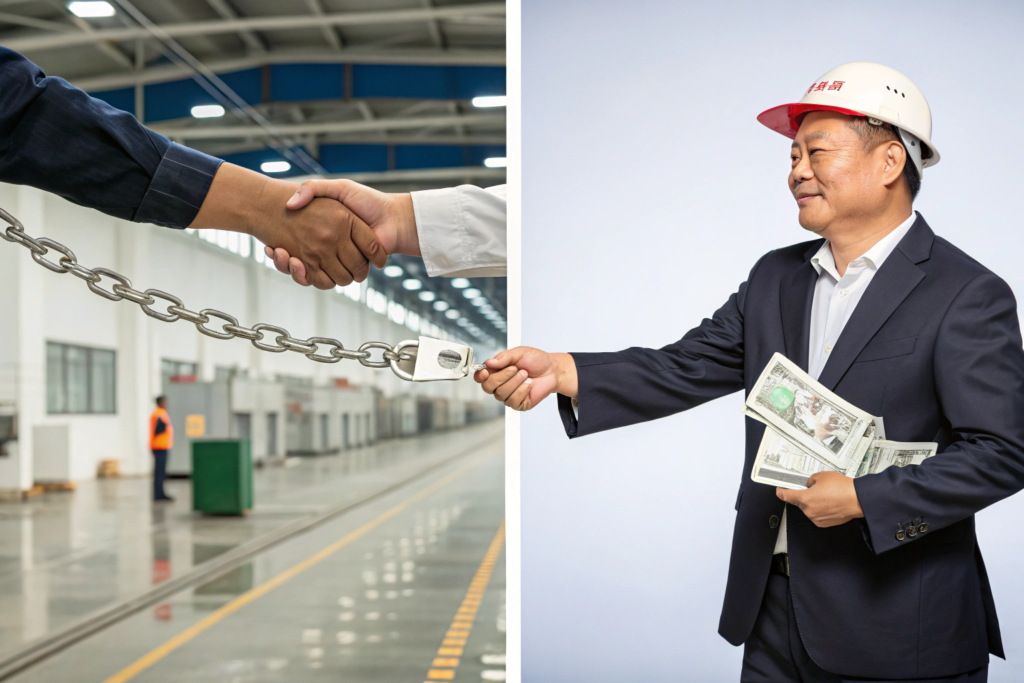
The most significant advantage of buying direct is the immediate elimination of the middleman's markup, which can range from 15% to 50%. This saving goes directly to your bottom line or allows you to offer more competitive pricing to your customers. This isn't just about a lower price per unit; it's about creating a more efficient and profitable supply chain.
Think about it: every person in the supply chain needs to make a profit. A trading company buys from the factory, adds their margin, and sells to you. By going direct, you absorb that margin yourself. For a large order of, say, 20,000 baseball caps, that saving can be substantial. It's the difference between a good season and a great one. But the financial benefits don't stop there. Let's explore the other, less obvious ways that a direct relationship saves you money. This cost efficiency is a major reason why buyers seek out direct development and customization.
How do you avoid hidden costs?
When you work through a middleman, you often face a lack of transparency. There can be hidden commissions, inflated shipping costs, and unexpected fees that eat into your profits. When you work directly with a factory like ours, the pricing is straightforward. We provide a clear, itemized quote that shows you the cost of the product, tooling (if any), and shipping. There are no secrets. This transparency is a cornerstone of building trust. For a deeper understanding of supply chain costs, resources like the Council of Supply Chain Management Professionals (CSCMP) offer valuable insights. A direct partnership simplifies the financial relationship, making your budgeting and forecasting far more accurate. You can learn more about the functions of trading companies and their fee structures from international trade portals like the International Chamber of Commerce (ICC).
Can you get better payment terms?
Yes, over time, a direct relationship with a factory can lead to more favorable payment terms. When you first start, the terms might be a standard 30% or 50% deposit with the balance due before shipment. However, once you've built a track record of consistent orders and on-time payments, a factory is often willing to be more flexible. We have long-term partners for whom we've been able to offer more accommodating terms. This is based on trust and a mutual desire for a long-term partnership, something a trading company, which may switch factories for your orders, is less likely to offer. This financial flexibility can significantly improve your cash flow, a topic well-covered by financial resources like Investopedia.
How does direct sourcing improve product development?
You have a brilliant idea for a new accessory, but by the time your vision is relayed through a trader to the factory floor, it gets lost in translation. The sample comes back wrong, wasting weeks of your time and killing your creative momentum. You need a process that is fast, accurate, and collaborative.
Working directly with the factory's design and engineering team gives you unparalleled control and speed in product development. You can discuss technical details, material options, and design tweaks in real-time with the people who are actually making the product. This direct feedback loop is crucial for innovation and quality.
At Shanghai Fumao Clothing, our design team and project managers work hand-in-hand with our clients. We can jump on a video call, look at a 3D CAD model together, and make adjustments on the spot. This collaborative process means we can go from concept to prototype in a fraction of the time it would take with a middleman. It ensures your vision is executed precisely as you intended. Let's look at how this direct access transforms the development cycle. This hands-on approach is also critical for maintaining greater quality control.

How does it speed up sampling?
The sampling process is dramatically faster when you work direct. With a middleman, your feedback has to go through an extra layer of communication, which adds delays and increases the risk of misinterpretation. When you communicate directly with the factory's project manager, your comments go straight to the sample room. We can often make revisions and send you photos of the updated sample within 24-48 hours. This rapid iteration is key to hitting tight market deadlines. The importance of speed in the fashion industry, often called "fast fashion," is detailed by publications like The Business of Fashion. Direct communication is your key to achieving that speed.
Can you achieve better customization?
Absolutely. Direct communication unlocks a higher level of customization. You can discuss the specific feel of a fabric, the exact pantone shade of a dye, or the precise tension of a stitch directly with the factory's technical team. For example, a client might want a knit hat that is "soft but not flimsy." That's a subjective request that's hard to pass through a trader. But in a direct conversation with our material specialist, we can present several yarn options and explain the trade-offs of each. This level of detailed collaboration is nearly impossible with an intermediary. For inspiration on material innovation, you can explore resources like Materia, which showcases new and interesting materials.
What about quality control and transparency?
You're worried about what happens after you approve the sample. How can you be sure that the 10,000th piece will be as good as the first? You need visibility into the production process and the confidence that quality standards are being upheld every step of the way.
Buying direct gives you a transparent view into the entire production process and allows for direct oversight of quality control. You can establish your own quality standards, receive in-process production photos, and even hire a third-party inspector to visit the factory—a process a good factory will welcome.
A trading company might not even tell you which factory is producing your goods, making a third-party audit impossible. We, on the other hand, encourage our clients to be involved. We provide regular photo and video updates from the production line and have an open-door policy for our clients and their inspection agents. This transparency is the ultimate confidence-builder. It shows we stand behind our work and have nothing to hide. It turns the "risk" of going direct into a massive advantage. This level of transparency is a direct result of the stronger relationships and communication you build.
How can you monitor production?
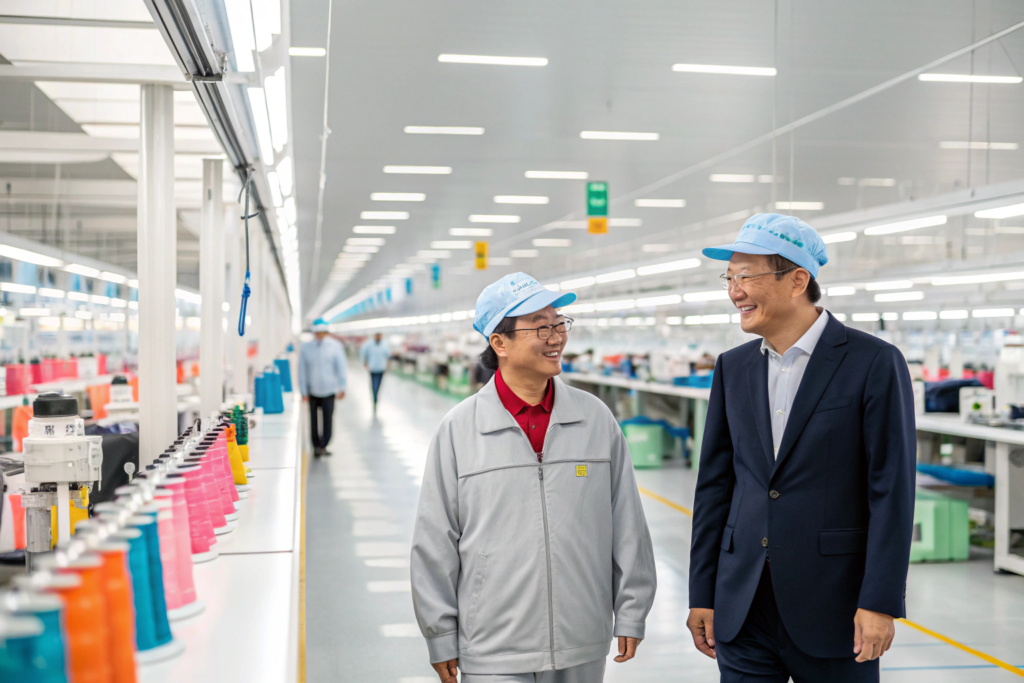
A good direct-factory partner will make it easy for you to monitor production. At our company, our project managers act as your eyes and ears on the factory floor. They send scheduled updates, including photos of raw materials, products on the line, and finished goods being packed. This allows you to catch any potential issues long before the order is complete. This practice is a key part of modern quality assurance, a topic covered by organizations like the American Society for Quality (ASQ). This constant flow of information gives you peace of mind and a real sense of control.
Why is a factory tour important?
While not always possible, visiting a factory in person is the best way to assess its capabilities and culture. You can see the cleanliness of the facility, the condition of the machinery, and the morale of the workers. It's an opportunity to meet the team you'll be working with face-to-face. We love it when clients visit our factory in Zhejiang. It solidifies the relationship and builds a level of trust that emails and phone calls alone cannot. Even a "virtual" tour via a live video call can be incredibly insightful. It's the ultimate act of transparency, as recommended by sourcing experts and platforms like Alibaba, which often provide resources for vetting suppliers.
Is it hard to build a relationship?
You're used to working with a local agent who understands your culture and business practices. You're concerned that language barriers and cultural differences will make building a strong, reliable relationship with a Chinese factory difficult and frustrating.
Building a relationship with a modern Chinese factory is easier than ever before. Reputable factories now have highly proficient, English-speaking project management teams who are experienced in working with international clients. They understand Western business expectations for timeliness, professionalism, and proactive communication.
This is the new face of Chinese manufacturing. The old stereotypes of difficult communication are outdated. Our project managers at Shanghai Fumao Clothing are not just translators; they are experienced professionals who act as a bridge between your brand and our production team. They are your partners. Building this direct relationship is the key to unlocking all the other benefits, from better costs to higher quality.
How do you overcome the language barrier?
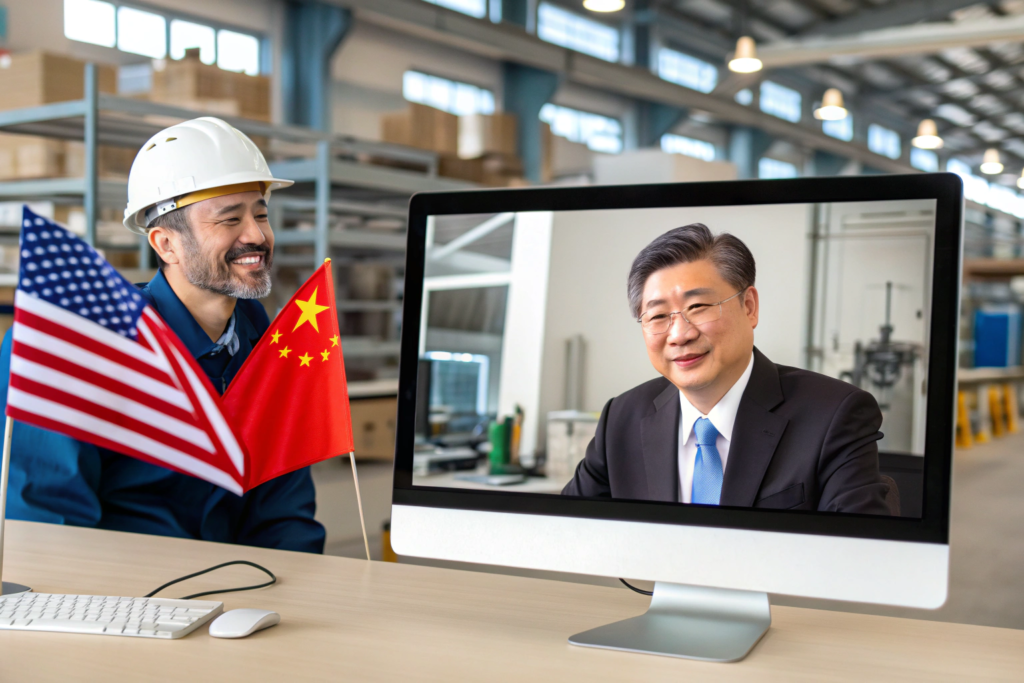
You overcome it by choosing a factory that has already invested in overcoming it for you. When you are vetting potential partners, pay close attention to the English proficiency of your main point of contact. Are their emails clear and professional? Can they comfortably discuss technical details on a phone or video call? A factory's investment in a skilled, English-speaking front-line team is a strong indicator of their commitment to the export market. For tips on cross-cultural communication, resources like the Harvard Business Review offer excellent advice that can help bridge any minor gaps.
How do you build long-term trust?
Trust is built through consistency, transparency, and reliability over time. It's built when a factory delivers on its promises, order after order. It's strengthened when they are honest about a potential problem and come to you with a solution, rather than hiding it. It's solidified when they treat your business with the same care and attention as their own. This is a two-way street, of course. As a client, paying on time and providing clear, consolidated feedback also helps build a strong partnership. This mutual respect is the foundation of a supply chain that can last for decades, a concept explored in depth by supply chain management journals like the Journal of Supply Chain Management.
Conclusion
The decision to buy directly from a Chinese factory is a move toward a more modern, efficient, and profitable way of doing business. By cutting out the middleman, you gain direct control over cost, product development, and quality. You replace layers of communication with a direct, transparent partnership. The perceived risks of language barriers and cultural differences have been largely solved by a new generation of professional, export-focused manufacturers who are eager to be your long-term partner.
We are one of those factories. We have built our entire operation around serving international brands like yours. Our team, our technology, and our philosophy are all designed to make the direct sourcing process smooth, reliable, and successful for you. If you are ready to take control of your supply chain and build a direct relationship with a partner you can trust, then I invite you to take the next step. Reach out to our Business Director, Elaine, at her email: elaine@fumaoclothing.com. Let's discuss your next collection.