I've been in the accessory business for a long time, and I've learned that people don't just buy products for what they do. They buy them for how they make them feel. This is especially true for everyday items like cups. A cup is a simple object—it holds liquid. But a uniquely designed cup does so much more. It brings a moment of joy to your morning coffee. It starts a conversation when a friend visits. It reflects your personal style.
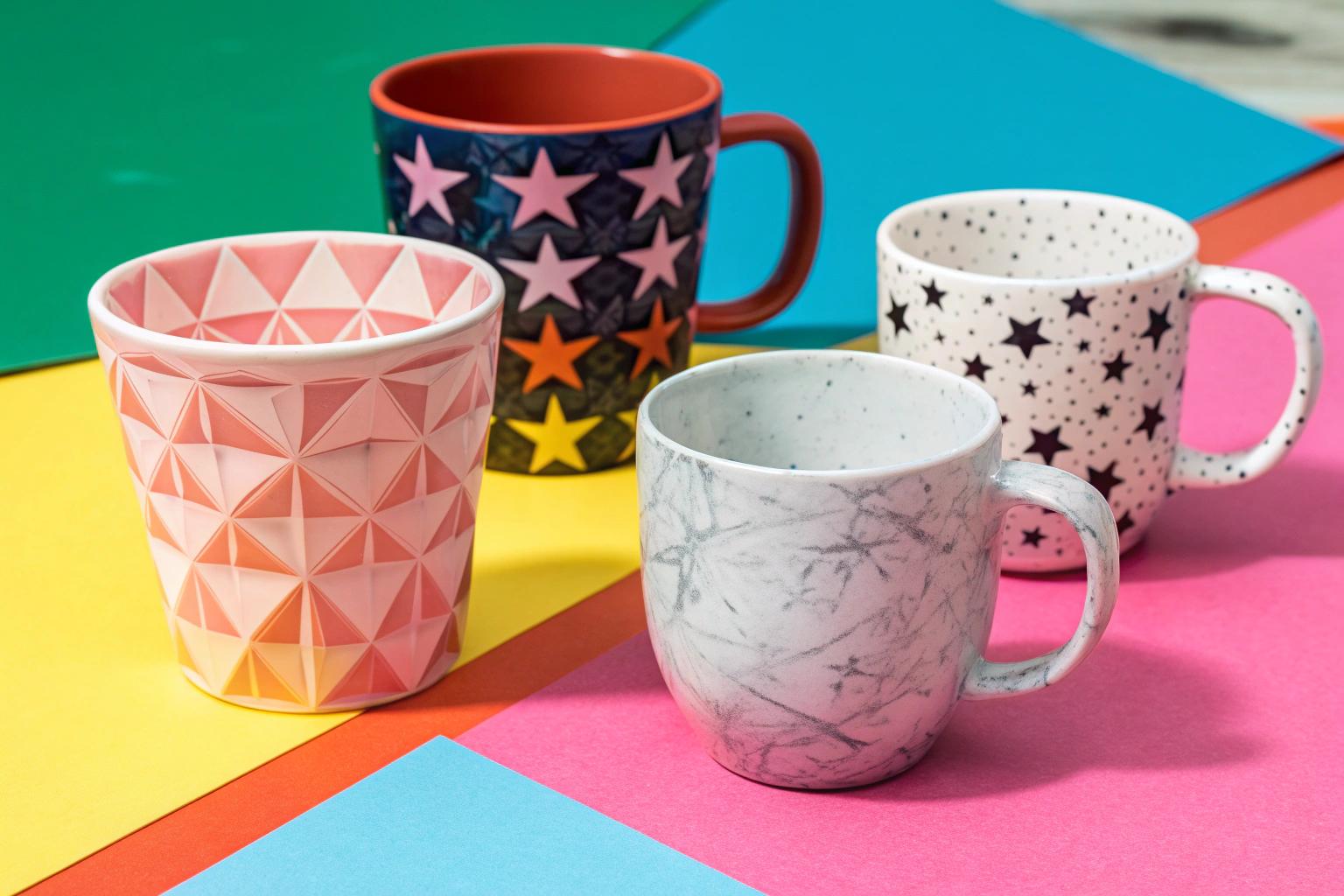
In recent years, I've seen a massive shift in consumer preferences. The plain, mass-produced white mug is no longer enough. People want cups that are different. They want cups with personality. They want cups that are sculptural, artistic, funny, or made from unexpected materials. This trend is driven by social media, by a desire for self-expression, and by a move away from disposable, throwaway culture towards items we truly love and want to keep.
At Shanghai Fumao Clothing, we've expanded our product line to include uniquely designed cups, and the response has been incredible. Buyers like Ron are seeing huge demand for these items. In this post, I'll explore why uniquely designed cups have become so popular and what this means for brands looking to capitalize on this trend.
How Do Unique Cups Enhance Daily Rituals?
Think about your own morning routine. You make your coffee or tea. You take that first sip. It's a small moment, but it sets the tone for the whole day. Now, imagine reaching for a cup that is truly beautiful—one with a unique shape, a wonderful texture, or a glaze that catches the light. That small moment becomes a little bit more special.
A uniquely designed cup elevates a daily ritual. It's not just a vessel; it's an experience. The way it feels in your hands, the way it looks on your desk or kitchen table, adds a layer of pleasure to a simple act. In a world that often feels rushed and chaotic, these small moments of beauty and intention matter more than ever. People are seeking out objects that bring them joy and help them slow down. For more on the psychology of everyday objects, books like "The Design of Everyday Things" by Don Norman are excellent.

What role does tactility play in the appeal of a cup?
We often think of cups as visual objects, but how they feel is just as important. A uniquely designed cup engages your sense of touch in a way a standard, smooth mug does not. Think of a cup with a slightly rough, stoneware texture. Or one with a sculptural handle that perfectly fits your fingers. Or one with a smooth, satin-matte glaze that feels wonderful to hold.
This tactile quality adds another dimension to the experience of using the cup. It's a pleasure that you feel every time you pick it up. This is a key part of the appeal of artisan and uniquely designed cups. They are not just meant to be looked at; they are meant to be held and used. The physical interaction becomes part of the daily joy.
How does a unique cup become a conversation starter?
A uniquely designed cup is an object that stands out. When a friend comes over for coffee and you hand them a cup that is clearly different and special, it almost always prompts a comment. "Oh, I love this cup! Where did you get it?" This simple question opens a conversation. You get to share the story of the cup—maybe you bought it from a local artist, or it was a gift, or you found it on a trip.
This social aspect is a powerful part of the appeal. The cup becomes a way to connect with others, to share a bit of your personality and taste. In an increasingly digital world, these small, tangible connections matter. A beautiful, unique object facilitates human interaction in a way that a plain, generic one never could.
What Drives The Demand For Artistic And Sculptural Cups?
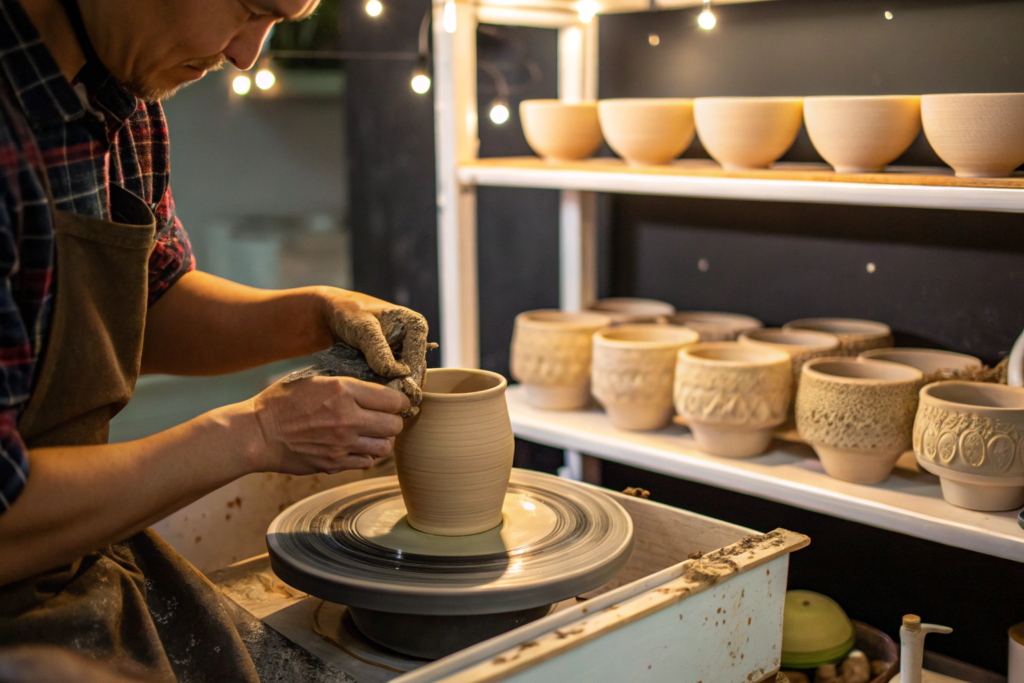
The demand for artistic and sculptural cups is part of a larger cultural shift. People are increasingly valuing craftsmanship, authenticity, and individuality over mass production. They want objects that have a story, that show the hand of the maker, that are not identical to millions of others. This is a reaction against the sameness of so much of modern life.
A sculptural cup is not just a container; it's a small piece of art that you can use every day. The artist's touch, the slight imperfections, the unique glaze—these are not flaws; they are signs of authenticity. They make the object feel more human and more connected to a person and a place. For more on the trend towards artisan goods, publications like Monocle and Kinfolk often explore these themes.
Why are people moving away from mass-produced tableware?
There are several reasons for this shift. First, there's a growing awareness of the environmental and social costs of mass production. People are questioning the throwaway culture and seeking out items that are made to last. A well-crafted, unique cup feels more permanent and valuable than a cheap, mass-produced one.
Second, there's a desire for individuality. In a world where you can buy the exact same mug as millions of other people from a big-box store, a unique cup allows you to express your own taste and personality. It's a way of standing out from the crowd.
Third, there's a growing appreciation for skill and craftsmanship. People are fascinated by the process of making things by hand. They value the time and skill that goes into creating a single, beautiful object. This appreciation drives demand for cups that show evidence of the maker's hand.
What is the appeal of "imperfect" or handmade-looking cups?
This is a fascinating aspect of the trend. Perfectly uniform, machine-made cups can sometimes feel cold and soulless. Cups that have a handmade look—with slight variations in shape, glaze, or texture—feel warmer, more authentic, and more human. The small "imperfections" are actually part of their charm.
They tell a story. They show that a person made this, not a machine. This imperfection is a mark of authenticity. It's the opposite of the sterile perfection of mass production. For many consumers, this is exactly what they are looking for. They want objects that feel real and have a bit of soul.
How Does Social Media Drive The Popularity Of Unique Cups?
Social media, especially visually-driven platforms like Instagram, TikTok, and Pinterest, has been a massive driver of the unique cup trend. Cups are inherently photogenic. They are small, easy to style, and can be incorporated into countless aesthetic photos. A beautiful cup can be the star of a flat lay, a cozy corner shot, or a "what I'm drinking" story.
This shareability creates a powerful cycle. People see a unique cup on their feed, they want one for themselves, they buy one, and then they post their own photo, inspiring others. The cup becomes a way to participate in a visual conversation and to signal one's taste and aesthetic. For more on social media trends, platforms like Trend Hunter track these phenomena.

What makes a cup "Instagrammable"?
An "Instagrammable" cup is one that is visually appealing and photogenic. This can come from several factors:
- Unique Shape: A cup with an unusual, sculptural form stands out in a photo. Think of cups with faceted sides, asymmetrical shapes, or interesting handles.
- Beautiful Color or Glaze: A striking color, a unique glaze effect (like a crystalline or metallic glaze), or a beautiful color combination makes the cup a visual focal point.
- Interesting Texture: The texture of the cup, whether rough stoneware, smooth satin, or bumpy, adds visual interest and depth to a photo.
- Styling Potential: A cup that looks good in a styled flat lay, with a book, some flowers, or a cozy blanket, has high "Instagrammability."
Essentially, the cup needs to be more than just functional. It needs to have a strong visual identity that makes people want to photograph it and share it.
How do hashtags and trends spread cup designs?
Hashtags like #ceramics, #pottery, #uniquemugs, #claylove, and #makersmovement create communities of people who appreciate and share images of unique cups. When a particular style or designer gains traction, these hashtags help spread the word rapidly.
A post from a popular account featuring a specific type of cup can lead to hundreds or thousands of people searching for similar items. This can create sudden, massive demand for a particular look. Trends can emerge and spread globally in a matter of days. For brands, understanding and participating in these hashtag communities is a powerful way to get their products seen by a highly engaged audience. A uniquely designed cup that resonates with these communities can become a viral sensation.
What Materials And Techniques Are Trending In Cup Design?
The materials and techniques used to make cups are just as important as the shapes. Consumers are fascinated by the process and the materiality of the objects they buy. They want to know what something is made of and how it was made. This has led to a renaissance in ceramic techniques and a growing interest in innovative materials.
At our factory, we work with skilled artisans and modern production methods to create cups in a wide range of materials and finishes. We see firsthand what resonates with consumers. For more on ceramic techniques, resources like Ceramic Arts Network are excellent.
Why are handmade ceramics so popular?
Handmade ceramics have a warmth and authenticity that machine-made items often lack. Each piece is unique, bearing the subtle marks of the maker's hand. This individuality is highly prized. People love the idea that their cup was shaped by a person, not just stamped out by a machine.
The popularity of shows like "The Great Pottery Throw Down" has also increased public awareness and appreciation for the skill involved in ceramics. People are fascinated by the process of throwing clay on a wheel, glazing, and firing. This fascination translates into a desire to own and use handmade pieces. They become a way to connect with that craft and bring a bit of that artistry into daily life.
What are the latest trends in glaze finishes?
Glaze finishes are a major focus of innovation in cup design. Some of the latest trends include:
- Crystalline Glazes: These glazes form beautiful, crystal-like patterns during the firing process. Each piece is unique, with shimmering, almost magical formations on the surface.
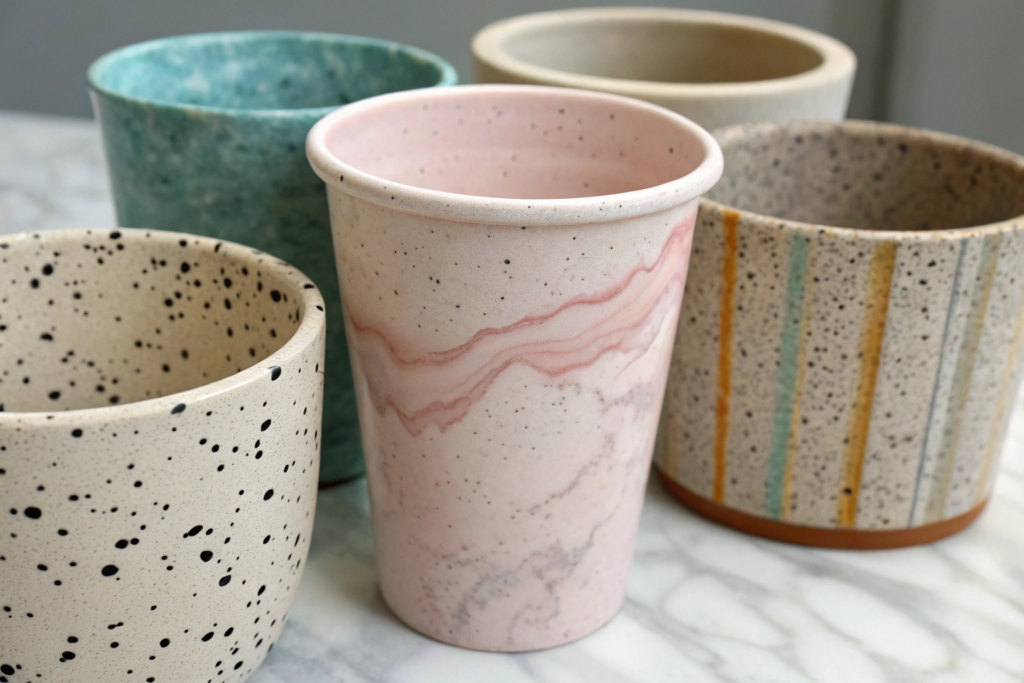
- Speckled and Textured Glazes: Glazes with visible specks of color or texture add depth and visual interest. They have a natural, earthy feel.
- Matte Finishes: Smooth, velvety matte glazes are very popular. They feel wonderful to the touch and have a modern, understated elegance.
- Two-Tone and Ombre Effects: Cups with graduated colors or contrasting glazes on the inside and outside are a trendy, contemporary look.
- Metallic and Luster Finishes: For a touch of glamour, metallic and luster glazes (like gold or copper) are used as accents or as the main finish.
The variety of glaze effects is endless, and experimenting with new finishes is a key part of keeping cup designs fresh and exciting. A handcrafted ceramic cup with a unique glaze is a beautiful, desirable object.
Conclusion
The popularity of uniquely designed cups is a powerful reflection of broader consumer desires. People are seeking out objects that bring joy to their daily rituals, that express their individuality, and that connect them to craftsmanship and authenticity. Driven by social media and a growing appreciation for the handmade, this trend has transformed a simple, functional item into a coveted piece of personal expression. Whether it's a sculptural shape, a beautiful glaze, or the warmth of a handmade piece, a unique cup offers something that a mass-produced mug never can: a story, a feeling, and a moment of daily delight.
At Shanghai Fumao Clothing, we've embraced this trend and expanded our capabilities to include a wide range of uniquely designed cups. Our factory in Zhejiang works with skilled ceramic artists and modern production techniques to create cups that are both beautiful and functional. From sculptural shapes to innovative glazes, we can bring your unique designs to life. Our experienced project managers will guide you through the entire process, from concept to finished product.
If you're ready to add uniquely designed cups to your product line and tap into this growing market, let's talk. Please contact our Business Director, Elaine, at elaine@fumaoclothing.com. We'll help you create cups that people will love to use, share, and collect.