If you're still stocking traditional hair ties, you might be missing one of the biggest shifts in the accessories market. Consumers are increasingly choosing sustainable options, and the data shows this isn't just a passing trend but a fundamental change in purchasing behavior.
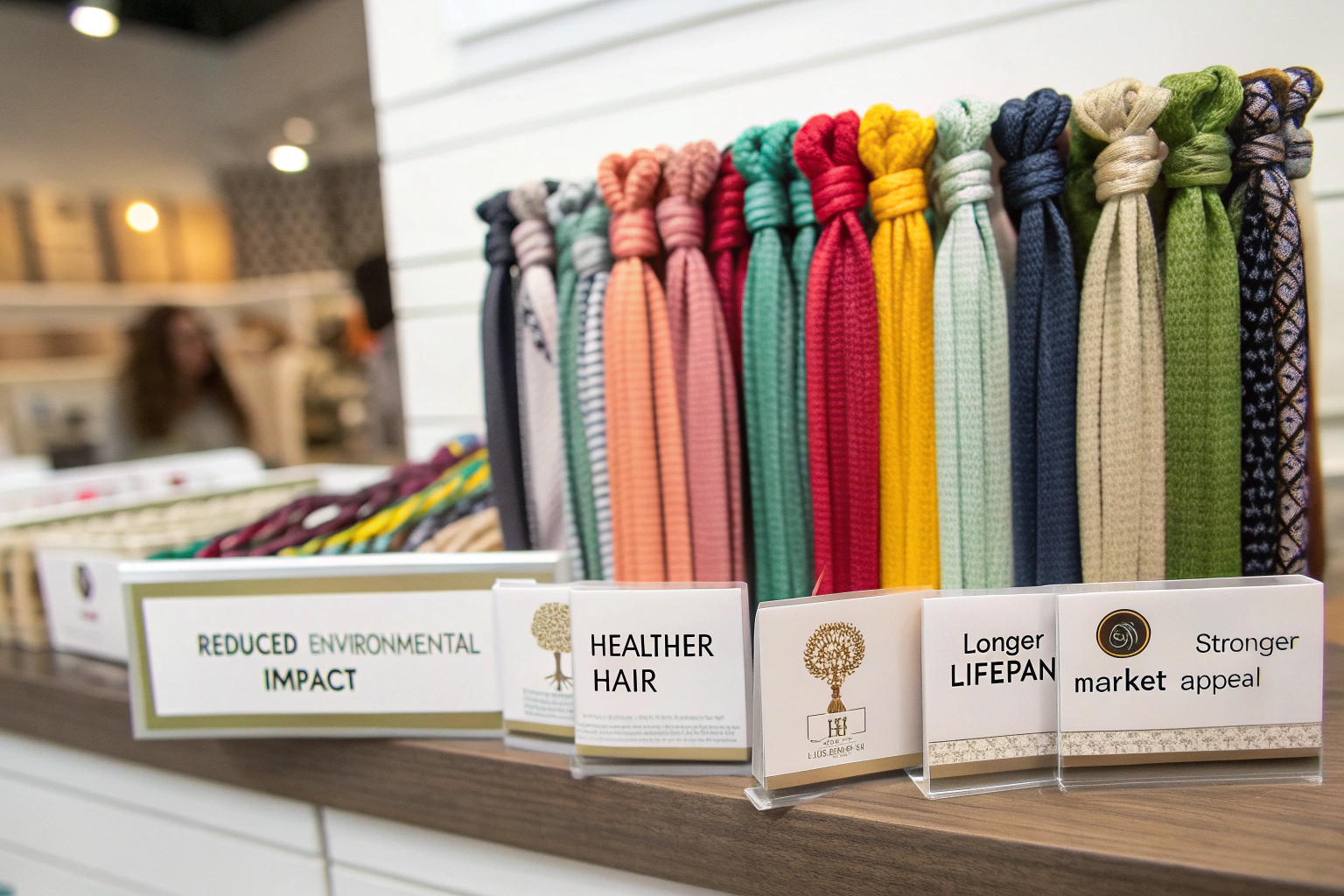
Sustainable hair ties are outperforming traditional options due to consumer demand for eco-friendly products, superior material quality, better durability, and alignment with modern brand values. These products offer tangible benefits including reduced environmental impact, healthier hair, longer lifespan, and stronger market appeal, making them a smarter choice for both consumers and retailers.
The movement toward sustainable accessories represents more than just environmental consciousness—it reflects a broader shift in how consumers evaluate products. Let's explore why eco-friendly hair ties are gaining such significant market share.
What Makes Sustainable Hair Ties More Appealing to Modern Consumers?
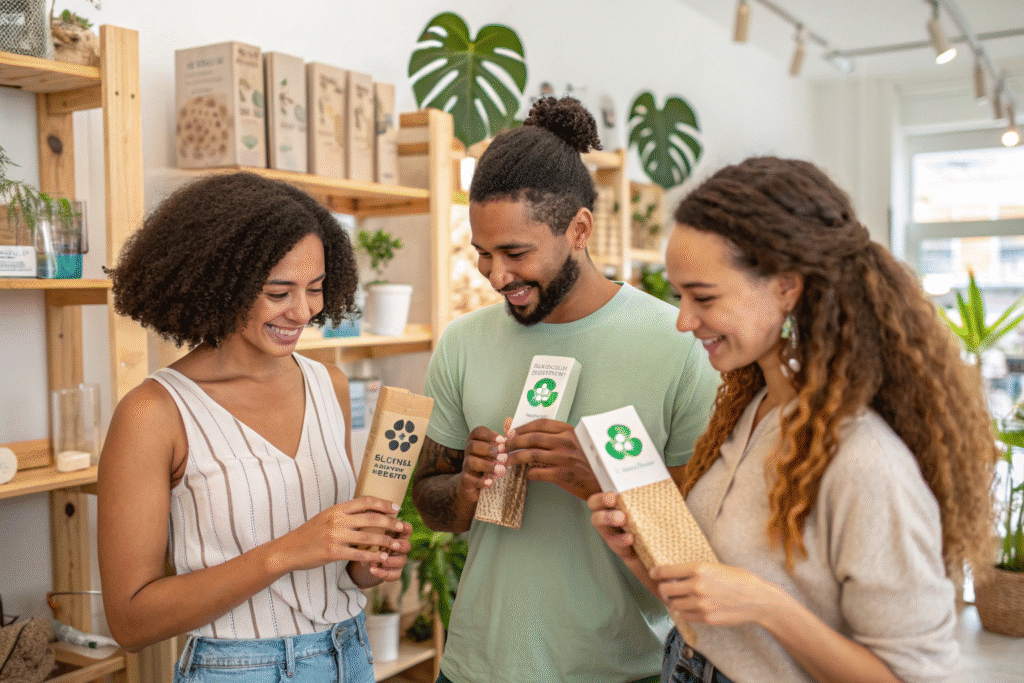
Today's consumers, particularly Millennials and Gen Z, are making purchasing decisions based on more than just price and appearance. They're considering the environmental impact of their choices and seeking brands that align with their values. This shift in consumer consciousness is driving the preference for sustainable hair accessories.
Sustainable hair ties resonate with modern consumers because they address multiple concerns simultaneously. They offer the practical function of hair management while allowing consumers to make environmentally responsible choices. The transparency in sourcing and manufacturing processes builds trust, and the eco-friendly narrative provides an emotional connection that traditional hair ties lack. This combination of practical benefits and ethical alignment creates a powerful purchasing motivation.
The appeal extends beyond just the product itself. Consumers appreciate brands that demonstrate environmental responsibility throughout their operations. When they choose sustainable hair ties, they're supporting companies that often use recycled packaging, implement ethical manufacturing practices, and contribute to environmental causes. This holistic approach to sustainability creates loyal customers who become brand advocates.
How Has Consumer Awareness Changed Hair Accessory Purchasing?
Consumer awareness about environmental issues has transformed dramatically in recent years. People are more informed about plastic pollution, textile waste, and the environmental impact of fast fashion. This knowledge directly influences their accessory purchases, including seemingly small items like hair ties.
The rise of social media and educational content has made sustainability information more accessible. Consumers now understand that traditional hair ties, often made from synthetic materials and plastic, contribute to microplastic pollution and landfill waste. This awareness drives them toward alternatives made from natural, biodegradable, or recycled materials. The demand for transparency means consumers want to know exactly what materials are used and how the products are manufactured.
What Role Do Brand Values Play in Product Selection?
Modern consumers increasingly view their purchases as expressions of their values. They seek brands that demonstrate genuine commitment to sustainability rather than just using it as a marketing tactic. This values-based purchasing is particularly strong in the fashion and accessories sectors.
Brands that authentically integrate sustainability into their core business practices build stronger customer relationships. When consumers choose sustainable hair ties from these brands, they're not just buying a functional product—they're supporting companies that align with their personal values. This emotional connection often outweighs minor price differences, making consumers willing to pay premium prices for products that reflect their principles.
How Do Sustainable Materials Enhance Product Quality?
The materials used in sustainable hair ties aren't just better for the environment—they often provide superior performance and user experience. Natural and eco-friendly materials typically offer better breathability, gentler handling of hair, and reduced risk of allergic reactions compared to their synthetic counterparts.
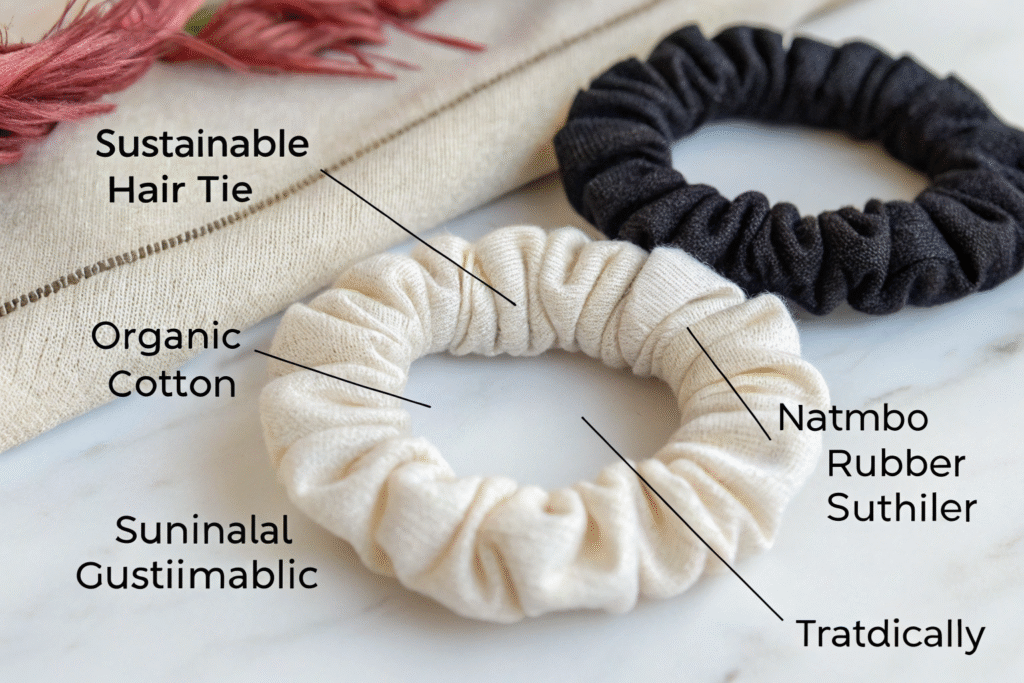
Sustainable hair ties frequently use materials like organic cotton, bamboo fiber, natural rubber, and recycled fabrics. These materials undergo rigorous processing to ensure they meet quality standards while maintaining their eco-friendly properties. The result is products that not only minimize environmental impact but actually perform better in daily use. The absence of harsh chemicals and synthetic materials makes them safer for continuous hair contact.
The quality advantage extends beyond immediate user experience. Sustainable materials often demonstrate better longevity and durability. Natural fibers tend to maintain their elasticity longer than synthetic alternatives, and biodegradable components don't degrade as quickly when properly cared for. This means sustainable hair ties often need replacement less frequently, providing better long-term value despite potentially higher initial costs.
What Are the Benefits of Natural Fibers for Hair Health?
Natural fibers like organic cotton and bamboo offer significant advantages for hair health. These materials are gentler on hair strands, reducing breakage and split ends that often occur with traditional hair ties. Their smooth surface and natural elasticity provide secure hold without excessive tension or pulling.
Bamboo fiber, in particular, has natural antibacterial properties and excellent moisture-wicking capabilities. This makes it ideal for hair ties used during physical activities or in humid environments. Organic cotton avoids the pesticide residues found in conventional cotton, making it safer for prolonged skin contact. These health benefits become increasingly important to consumers who are becoming more conscious about the products they use daily.
How Does Material Choice Impact Product Longevity?
The choice of materials directly affects how long hair ties maintain their functionality. Sustainable materials often outperform traditional options in terms of durability and maintained elasticity. Natural rubber, for example, typically retains its stretch properties longer than synthetic rubber compounds.
High-quality sustainable hair ties are designed for extended use without losing their shape or tension. The careful selection of materials and manufacturing processes ensures that eco-friendly options don't sacrifice durability for sustainability. In many cases, the focus on quality inherent in sustainable manufacturing results in products that actually last longer than their conventional counterparts, challenging the perception that eco-friendly means less durable.
What Environmental Advantages Do Sustainable Hair Ties Offer?
The environmental benefits of sustainable hair ties extend throughout their entire lifecycle, from material sourcing to disposal. Understanding these advantages helps explain why environmentally conscious consumers are making the switch and why retailers are increasingly prioritizing these products.
Sustainable hair ties reduce environmental impact in multiple ways. They typically use less water and energy during manufacturing, generate fewer greenhouse gas emissions, and avoid contributing to plastic pollution. Their biodegradable or recyclable nature means they don't accumulate in landfills for centuries like traditional synthetic hair ties. The comprehensive approach to sustainability also often includes eco-friendly packaging, further reducing the product's environmental footprint.
The environmental advantages become even more significant when considering scale. Hair ties are small items, but they're purchased frequently and in quantity by most consumers. The cumulative impact of switching to sustainable options across millions of users represents substantial environmental benefits. This scale effect makes hair ties an important category for retailers focusing on sustainability initiatives.
How Do Manufacturing Processes Differ in Environmental Impact?
Sustainable hair tie manufacturing typically employs processes designed to minimize environmental harm. This includes using renewable energy sources, implementing water recycling systems, and avoiding toxic chemicals in production. These processes often exceed standard environmental regulations.
Many sustainable hair tie manufacturers also participate in certification programs that verify their environmental claims. These might include certifications for organic materials, recycled content, or sustainable manufacturing practices. The transparency in manufacturing processes provides consumers with confidence that their purchases genuinely support environmental protection rather than just featuring greenwashing marketing claims.
What Happens to Hair Ties at End of Life?
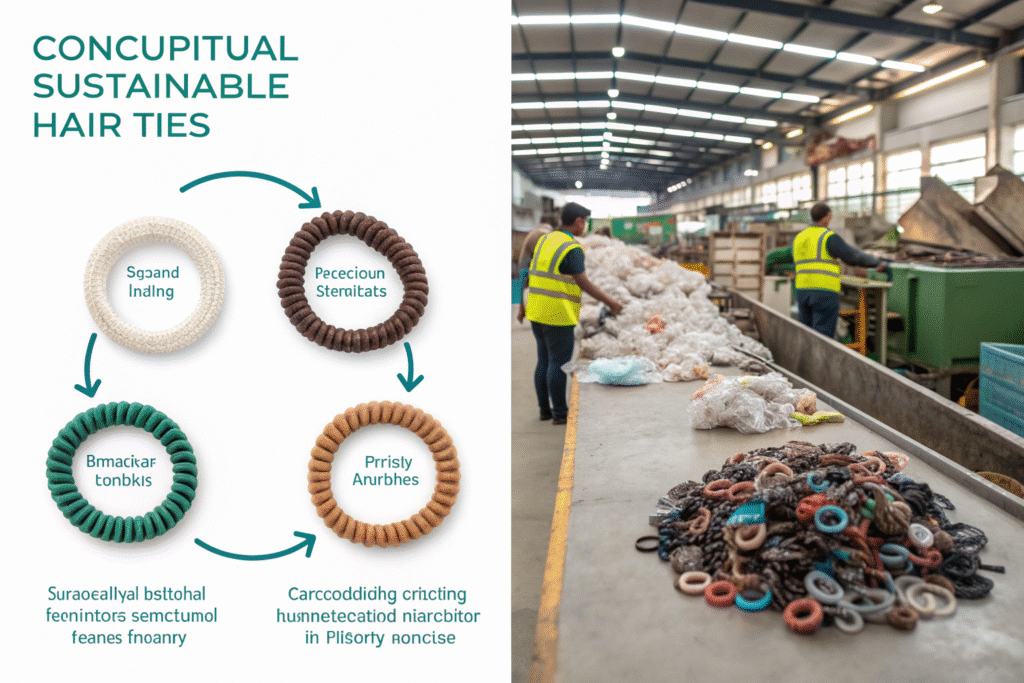
The end-of-life scenario represents one of the most significant differences between sustainable and traditional hair ties. Conventional hair ties, made from synthetic materials and plastic, can take hundreds of years to decompose in landfills. During this process, they may release microplastics into the environment.
Sustainable hair ties, in contrast, are typically designed with disposal in mind. Those made from natural materials will biodegrade relatively quickly under proper conditions. Some manufacturers even offer take-back programs where used hair ties can be returned for proper recycling or composting. This circular approach to product lifecycle management aligns with modern waste reduction goals and appeals to environmentally conscious consumers.
How Does Market Performance Compare Between Sustainable and Traditional Options?
Market data consistently shows sustainable hair ties outperforming traditional options across multiple metrics. The growth isn't limited to niche environmental stores—mainstream retailers are reporting stronger sales, higher profit margins, and better customer retention with sustainable hair accessory lines.
The performance advantage extends beyond simple sales numbers. Sustainable hair ties typically command higher price points while maintaining strong sales velocity. They generate more positive reviews and higher customer satisfaction scores. Retailers also report that sustainable hair accessories often serve as entry points for new customers who then explore other products from the same brand, making them valuable for customer acquisition.
The market performance reflects broader consumer trends toward sustainable purchasing. As environmental concerns continue to influence buying decisions, products that authentically address these concerns are capturing market share from conventional alternatives. This trend appears sustainable long-term, as younger consumers who prioritize environmental factors represent a growing portion of the market.
What Do Sales Data and Growth Trends Reveal?
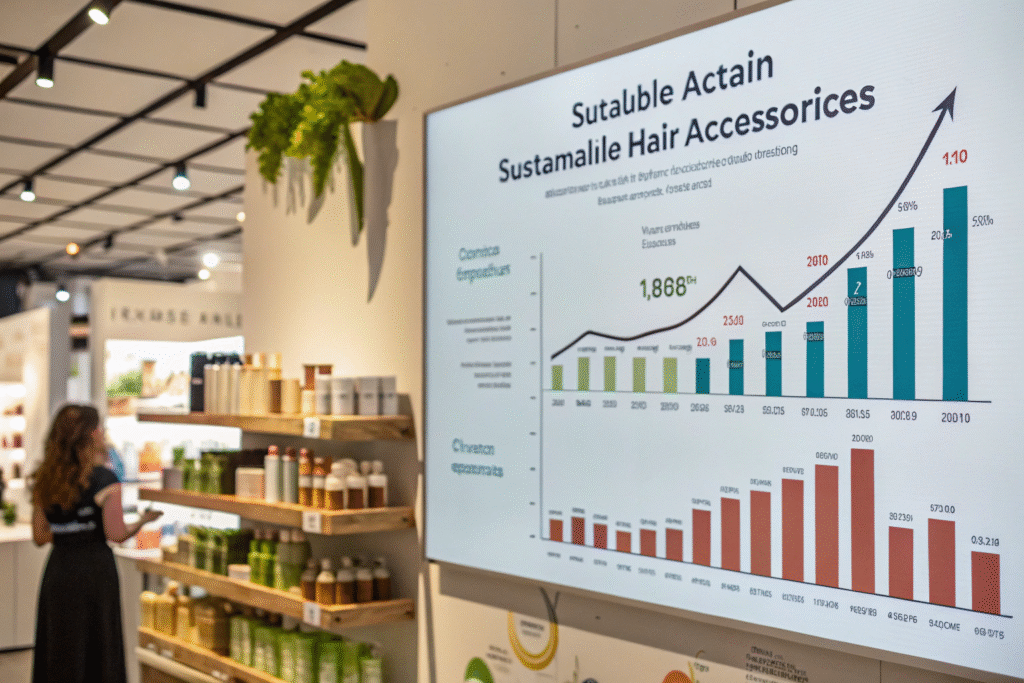
Sales data from multiple retail channels shows consistent growth for sustainable hair ties exceeding that of traditional options. Industry reports indicate annual growth rates for sustainable hair accessories are typically 2-3 times higher than conventional alternatives. This growth spans across all price segments and distribution channels.
The growth isn't just occurring in specialty stores—major retailers are reporting that sustainable hair ties are among their fastest-growing accessory categories. Online marketplaces show similar patterns, with sustainable options generating more search interest and higher conversion rates. The data suggests this isn't a temporary trend but represents a fundamental shift in consumer preferences that will continue to drive market evolution.
How Do Profit Margins Compare Between Product Types?
Despite higher material costs, sustainable hair ties often deliver better profit margins than traditional options. The premium pricing that consumers accept for sustainable products typically outweighs the increased production costs, resulting in healthier margins for retailers and manufacturers.
The margin advantage extends beyond the initial sale. Sustainable hair ties often generate repeat purchases and brand loyalty, reducing customer acquisition costs over time. Their association with quality and ethical values also makes them less price-sensitive than conventional hair ties, allowing retailers to maintain margins even during competitive periods. This financial performance makes sustainable hair ties attractive from both environmental and business perspectives.
Conclusion
Sustainable hair ties are outperforming traditional options because they better meet the demands of modern consumers who value environmental responsibility, product quality, and brand ethics. The combination of superior materials, reduced environmental impact, and alignment with contemporary values creates a compelling product proposition that resonates across consumer segments.
The market shift toward sustainable hair accessories reflects broader changes in consumer behavior and retail strategies. As environmental concerns continue to influence purchasing decisions, products that authentically address sustainability will likely maintain their performance advantage. The success of sustainable hair ties demonstrates that eco-friendly products can deliver both environmental benefits and strong business results.
If you're ready to incorporate high-performing sustainable hair ties into your product lineup, we invite you to contact our Business Director, Elaine. Our factory specializes in manufacturing eco-friendly accessories using sustainable materials and processes, and we can help you develop products that meet your customers' growing demand for sustainable options. Reach out to Elaine at elaine@fumaoclothing.com to discuss your sustainable hair accessory needs.